
What is changing in Civil Protection – The new technologies used, the 1st training “campus” and in peace with the firefighters.
Article by dn.pt – Photos Gerardo Santos / Global Images
Four years after the tragedy of the 2017 fires, the Civil Protection Authority has almost recovered. In the last year, with the new president, the technological and knowledge dimension has assumed a preponderant role in supporting operational decisions
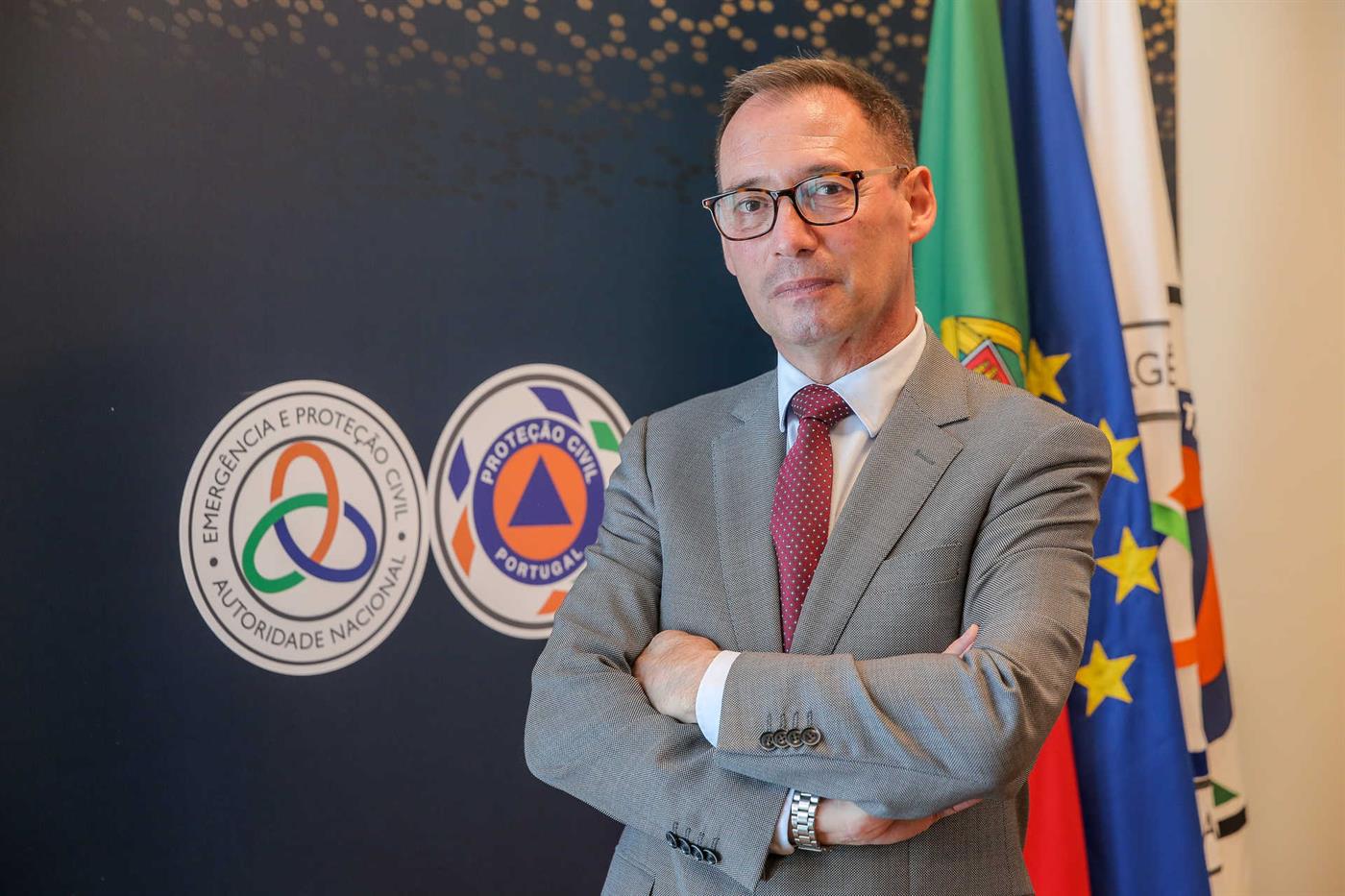 The frugality of the space, a small room with desks and simple chairs separated by a glass from which you can see the large operating control room, contrasts with the dimension of the vital work being done there. We entered the heart of the National Emergency and Civil Protection Authority (ANEPC) from where it flows to the ground, like blood through arteries and veins, information, analysis and knowledge, for the first time shown and explained to journalists by the voice of its president, Brigadier General Duarte da Costa, in office since November 24, 2020.
The ten screens that line the top of two of the walls of the so-called Nucleus for Support to Decision and Analysis of Rural Fires (NADAIR) are like windows that, in real time, show us the forest area through cameras installed in the watchtowers , a whole history of fires, their intensity, the energy released, the known fuel, the meteorological conditions, the closest available means of combat, but also a complete radiograph on the number of residents, economic activities, infrastructure, such as schools, hospitals, water points – which like layers are pulled by analysts whenever necessary.
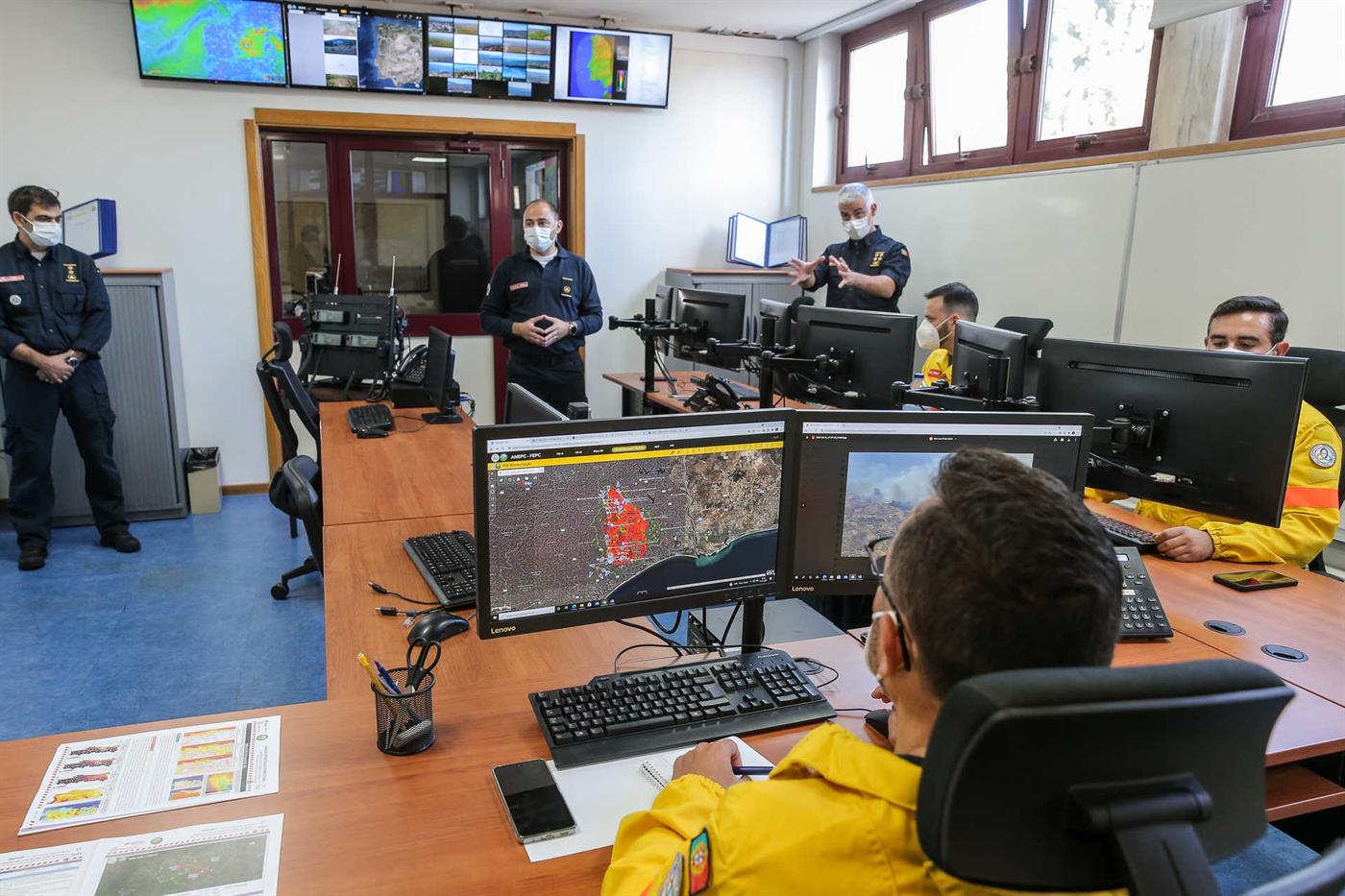
The Nucleus for Decision Support and Analysis of Rural Fires (NADAIR) is the “heart” of ANEPC
In critical moments all information is essential for decision making and this is made available to the field in a fraction of seconds. Internationally awarded (Special Achievement in Geographic Information System of the North American multinational Environmental Systems Research Institute, one of the largest in the world) this “technological instrument” is called “FEB Monitoring”.
FEB from “Força Especial de Firefighters” which has some of its best minds in this room overlooking the whole country, where last summer, in the most critical phase of the fires, they also had a permanent pyro-meteorologist from the Portuguese Institute of Sea and Atmosphere (studies the influence of climate and atmospheric conditions on the behaviour of forest fires) and a researcher from the Instituto Superior de Agronomia.
“When I arrived here in 2018, the control of operations was done by letters and radio “, points out Duarte da Costa, who in that year assumed the functions of National Operational Commander. His successor, André Fernandes nods and smiles, admitting how lucky he is to have this tool up and running. “Here we have a sort of 360-degree view. We monitor the entire situation so that those on the ground don’t lack anything”, he assures.
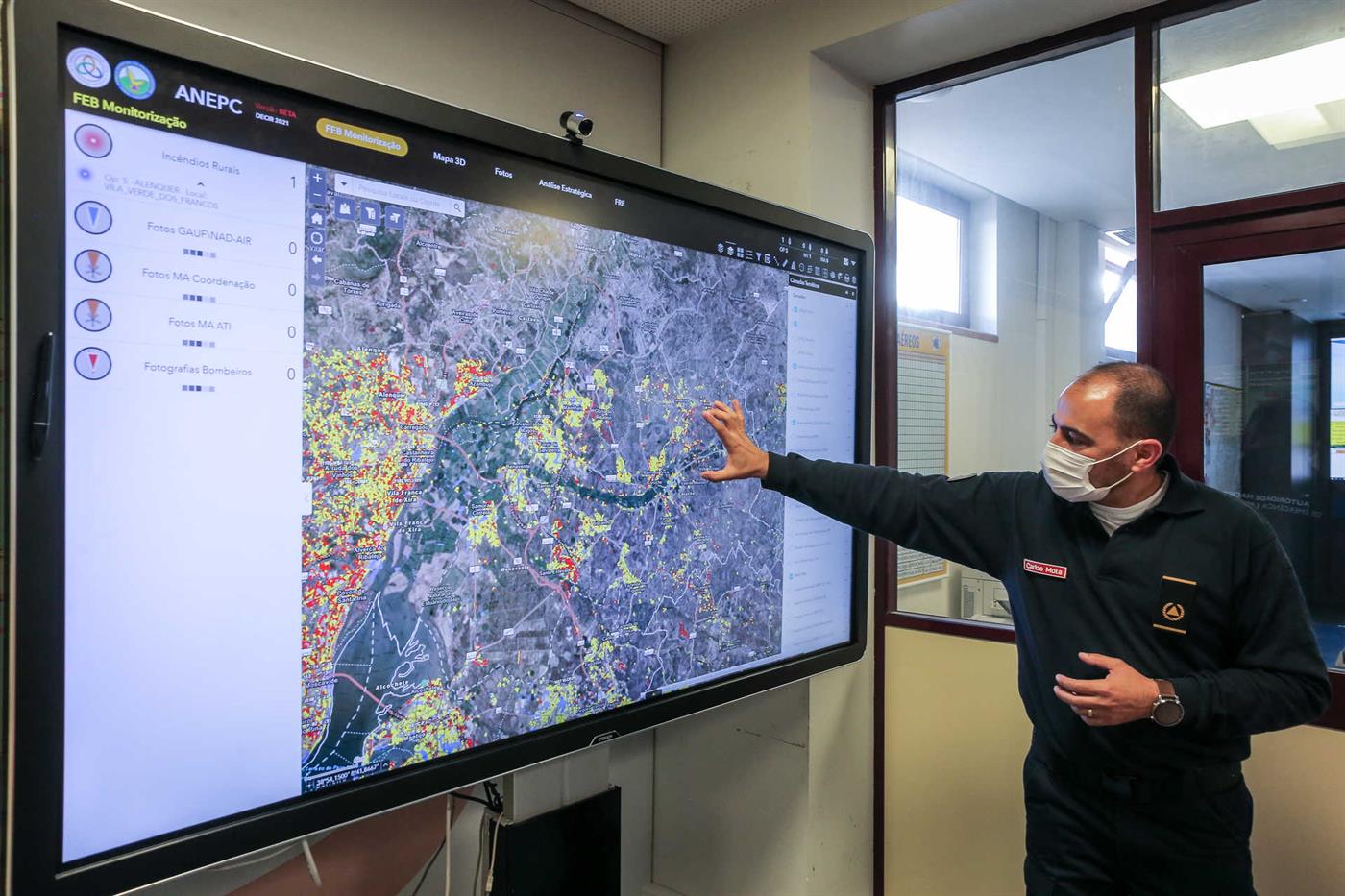
FEB Monitoring is a technological tool that can show information on the history of fires, their intensity, known combustible material, meteorological conditions, the closest available means of combat, but also a complete radiograph on the number of residents, economic activities, infrastructure, such as schools, hospitals, water points – which as layers are being pulled by analysts whenever necessary.
André Fernandes, 41 years old, has a degree in geography from the Faculty of Arts of Lisbon and has a vast curriculum in firefighters and training in civil protection. There in the room, a little shy about the unusual invasion of strangers, are Alexandre Penha , 44, Fernandes’ right-hand man, responsible for coordinating these decision support systems and managing events; Carlos Mota, 37 years old, graduated in Environmental Sciences, head of the “Operational Decision Support Cell” of the national command, fire and controlled fire analyst; and João Santos , 50, the team leader of the “Fire Analysis and Use Group”, a specialist in the field of controlled fire and a postgraduate degree in Geographic Information Systems (GIS).
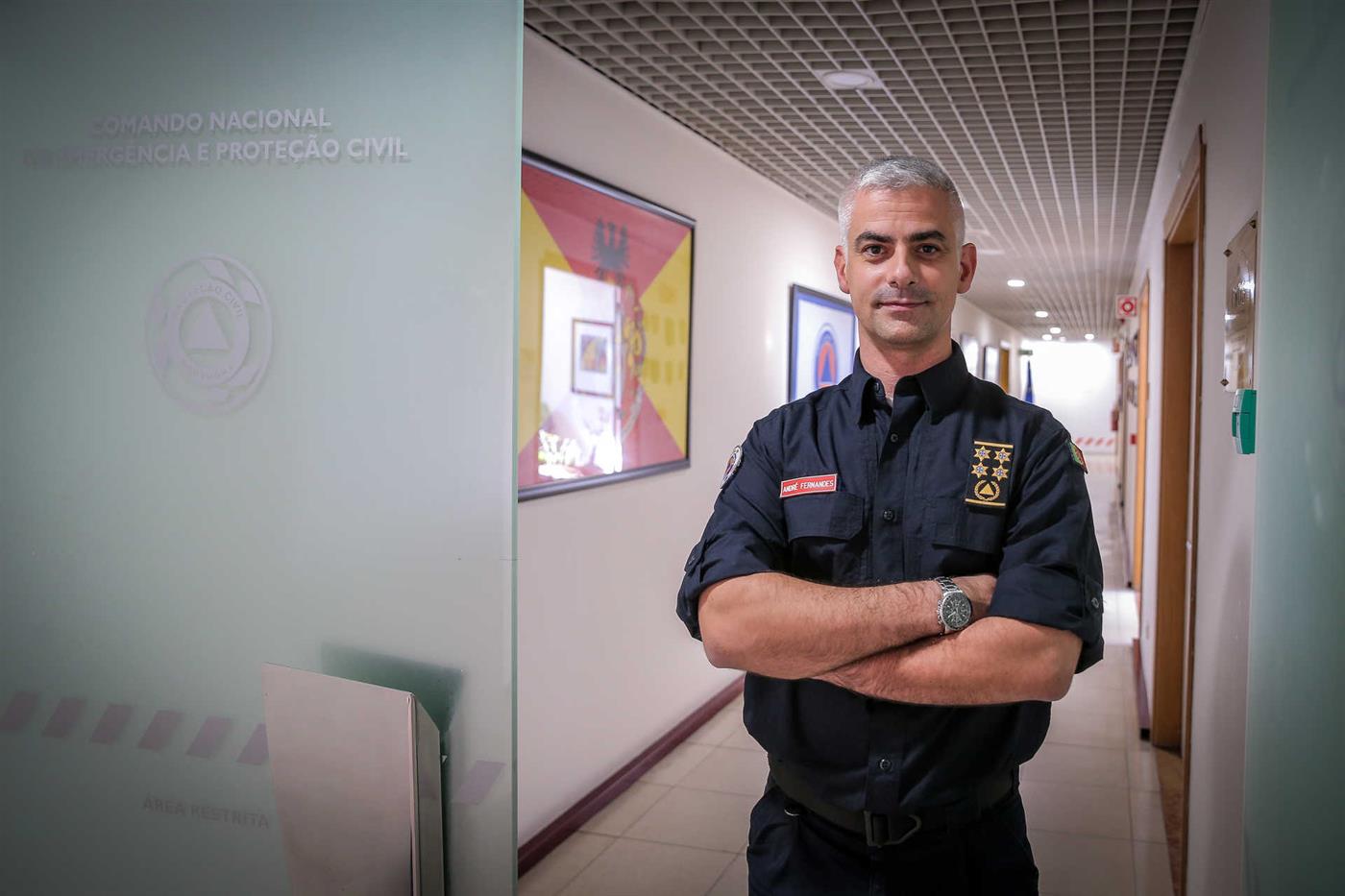
André Fernandes is the national operational commander of ANEPC
“In 2020 / 2021 this nucleus was consolidated. It is a tool made by the silver of the house, developed by firefighters and for firefighters for operational use”, reinforces the president of ANEPC. In the note published on their official website regarding the award, the North Americans stressed that FEB Monitoring “promotes innovation and the development of tools that contribute to improving the effectiveness and efficiency of the action of national civil protection elements”, stressing that it is “an outstanding example of the contribution of the GIS to the effectiveness of action, efficiency and economy”.
Decision support with expert knowledge
The importance of this new technology and the presence of experts at ANEPC was quite highlighted, even recently, in the judgment to determine possible responsibility for the fires in Pedrógão Grande, where one of the technicians who signed the report of the Independent Technical Commission (CTI), which evaluated the fireworks of June 2017, stated that Portugal did not have specialized technicians to support the decision.
Paulo Fernandes, told the collective of judges of the Leiria Court that in order for there to be anticipation in fighting the fire, “specialized knowledge” is needed, which will come “from the top down and whoever receives the information fulfils it”.
However, at the time of the fire in Pedrógão Grande, “Portugal did not have a single specialized technician to support the decision”. What a fire commander can do locally depends a lot on the means he has and this type of knowledge [specialized] is not expected for a local commander to have. There are people specialized in fires, who then translate this information, he stressed.
The NADAIR team produces daily a “Strategic Operational Analysis” which, since this year, can be consulted online and is disseminated by various entities. This assessment covers all areas of the country, analysing meteorological variations (temperature, wind, and humidity), and fire behaviour in previous years (intensity, terrain progression, etc.).
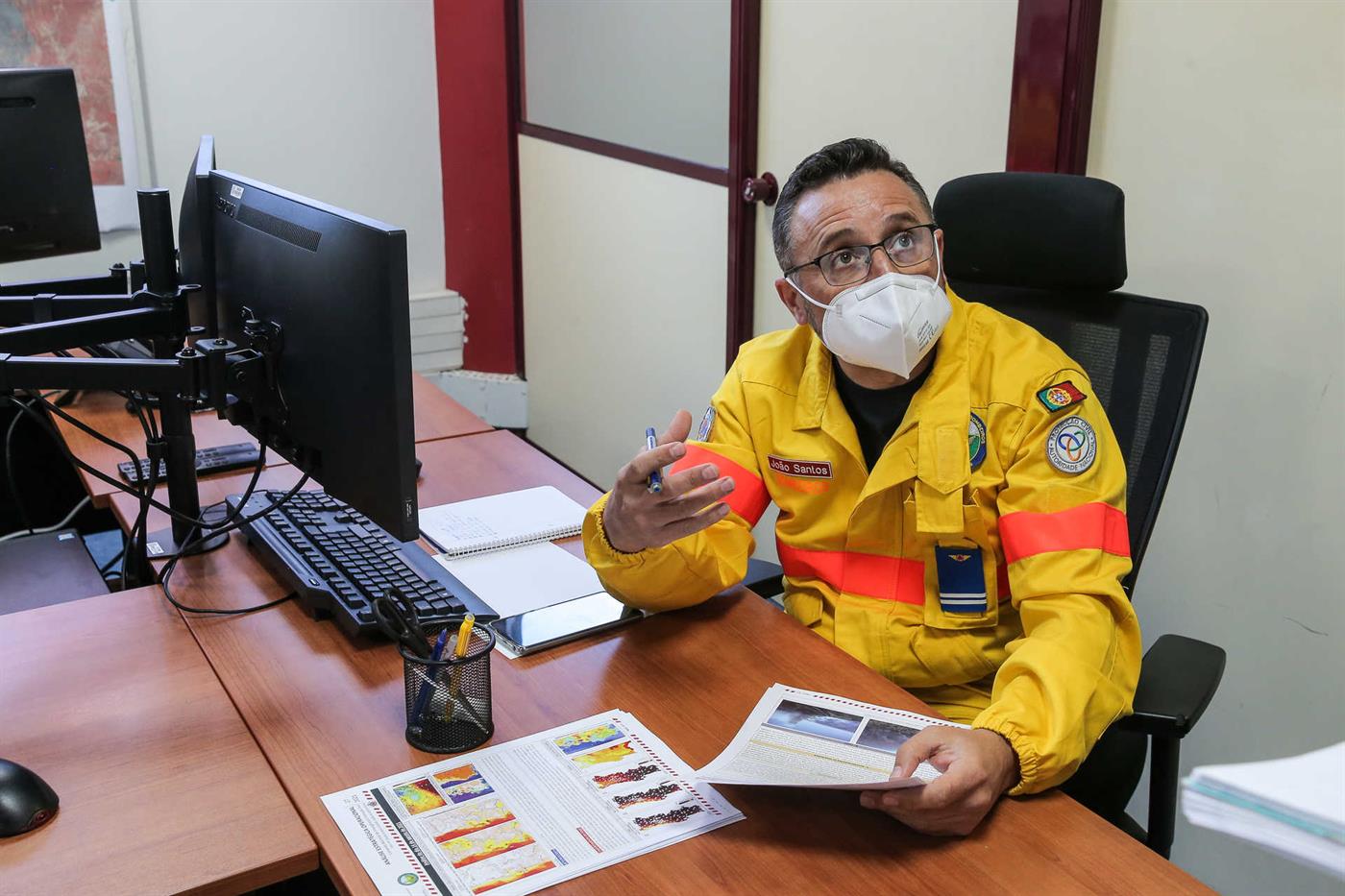
With this information, ANEPC can do something that has proved to be decisive for the detection and elimination of fires more quickly (or also in the case of potential floods when heavy rains are forecast) which is the pre-positioning of resources on the ground.
This movement of chess pieces in the territory started to be supported this year with another new technological tool, which are drones – not any of the 12 that the Portuguese Air Force acquired to support forest surveillance, but ANEPC’s own.
“The team of the Special Civil Protection Force (FEPC) was activated, which operates four operational reconnaissance drones , which allow locally and by decision of ANEPC to pre-position the means in areas with foreseeable greater risks of rural fire and operate them in operational decision support for developing fires”, explains Duarte da Costa.
Information to save lives
“Operational information” is also produced, in which priorities, safety recommendations to local commanders and the operational analysis of the ongoing fire are defined. This is the operational decision support in practice.
“Commanders always have the last word, but they can make their decisions based on the information available. Always in the logic of advice, not imposition”, emphasizes André Fernandes.
“All this innovation will be reflected in the future. The history of the fires that is recorded and analysed here is very important to interpret what comes in the future. Before that, this history did not exist”, completes João Santos.
These digital Civil Protection experts are, whenever possible, part of the crew of the reconnaissance and surveillance planes that ANEPC has under its command. “We have eyes that know how to analyse, with the ability to also know which are the best products they can send to combat”, attests Duarte da Costa.
Mota points to the screens. “The first teams to arrive at the scene of the occurrence take a photo with their cell phone and it is then transmitted to headquarters with meta data. It takes 20 seconds between taking the photo and arriving here at the platform. We have uploaded the Census, we soon know the resident population and we are currently in talks with operators so that we can know in real time the number of people who are just passing through the site. This gives us an idea that is much closer to reality for the management of resources. The more information we have incorporated more lives can be saved. We know the people in the area, the evolution of fires and they can be removed long before the fire gets there,” he says.
“Before, we had the occurrence record, but we lacked the visual component, there was only a geographical point on the map. Now we have the risk analysis, the organization of information and the information that arrives from the theatre of operations”, adds Penha.
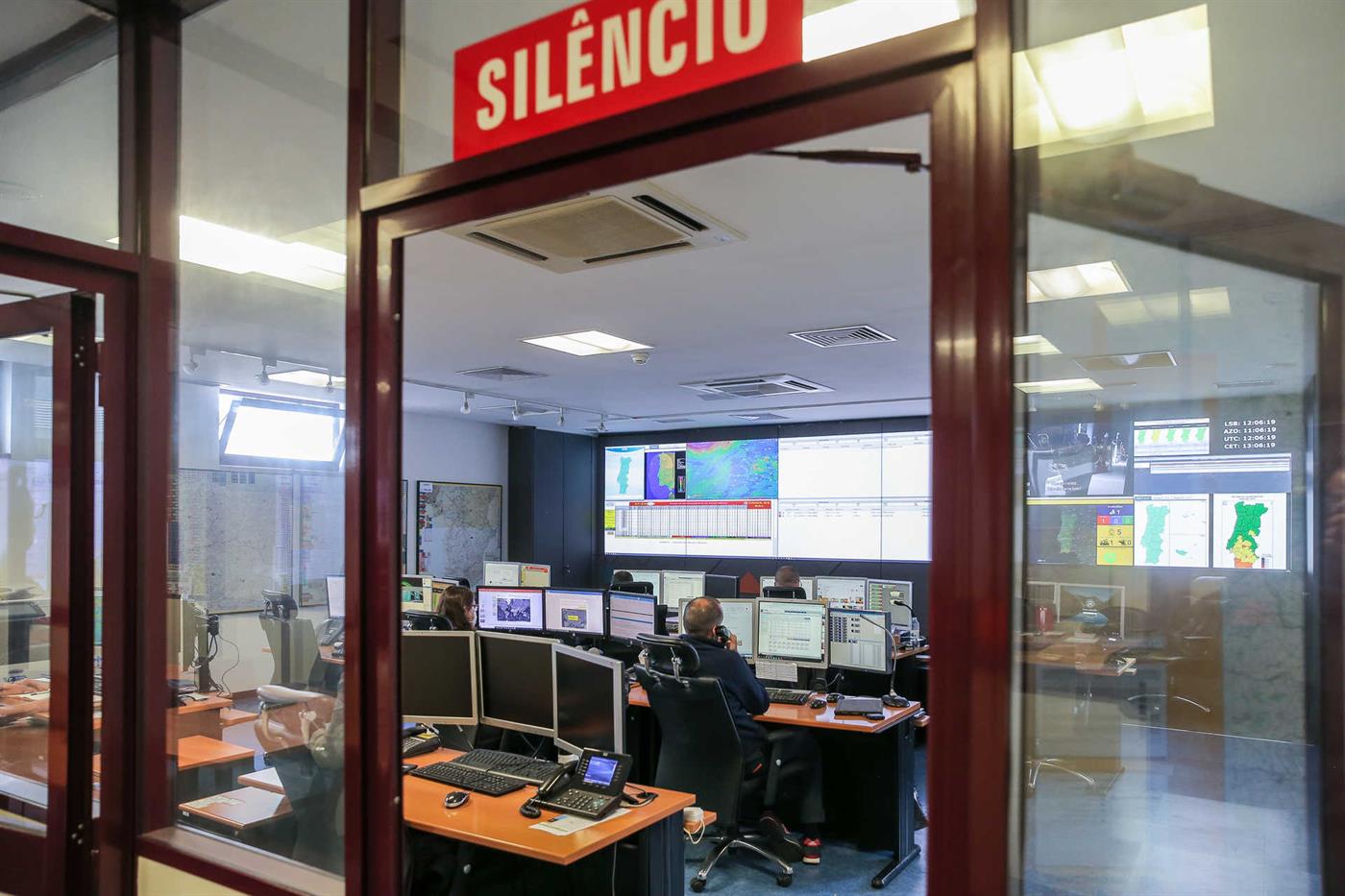
Duarte da Costa agrees, adding that there is still more ambition with regard to these technologies and knowledge. “We continue to seek and build the most effective value chains that point to more preventive solutions, but also with a superior operational response capacity, based on forecast models arising from academic research and on a decision support system, the FEB Monitoring, each increasingly robust, a true critical success factor for this Authority”, he asserts.
Almeirim, the “campus” of Civil Protection
We then head for Almeirim where another ex-libris is being born that the Brigadier General proudly shows us: a headquarters of the Special Civil Protection Force (also known as the Special Fire Force, the “canarinhos”), the only own and exclusive troop of ANEPC and a mega training centre, the “campus” of Civil Protection.
In the municipality’s industrial area, several new buildings are lined up with the colours of the Civil Protection where, since 2019, the Santarém District Command and the large logistical platform of ANEPC have been installed.
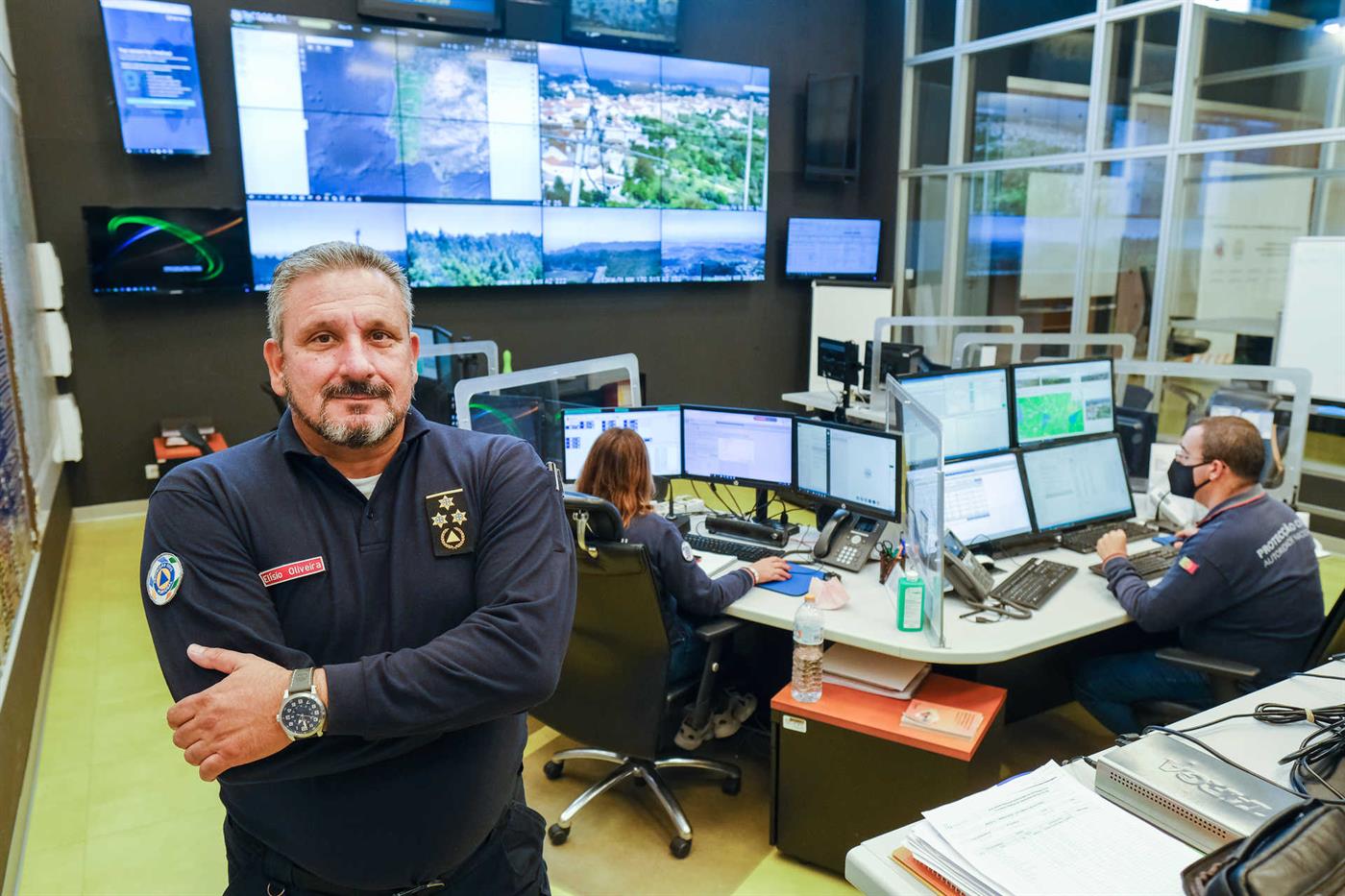
We are welcomed by the new Regional Commander, Elísio Oliveira, (the contest is in progress)
In the control room there is a replica of what we saw at the FEB Monitoring headquarters in Lisbon (as in all other districts), but focused only on that region.
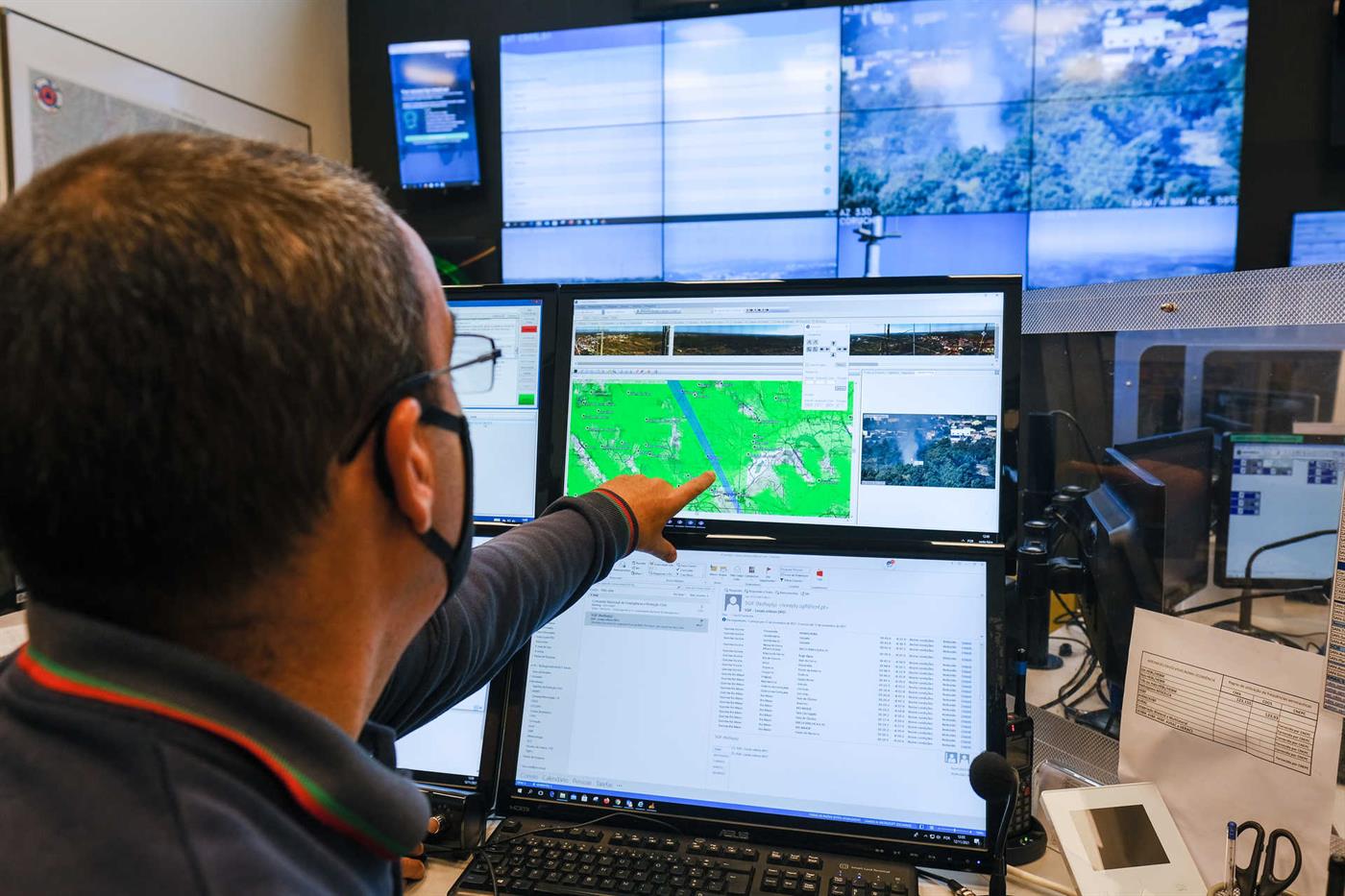
The screens pass the images of the 13 local cameras. “They are one of the most important elements to support the decision”, confirms Elísio Oliveira. The team leader nods in the affirmative. “We no longer know how to live without this. It is an essential tool”, says Luís Cruz.
From his place, he shows us how he directly controls a camera that is 80 kilometers away and zooms over the sanctuary of Fátima. Near Ourém there is a column of smoke in the middle of a forested area. The camera immediately displays the temperature, wind speed and humidity. Contact with the nearest fire department is immediately made. The information quickly arrived that it was an authorized fire.
In the construction sites, Duarte Costa is delighted with the progress of the same. On the one hand, the future headquarters of the Civil Protection troops. “Right now there are 250 and there will be another 250 next year. This force is the most operationally specialized. Fires, rescues, floods, earthquakes, they only do this for a lifetime, they are the ones that solve all this. They all come from the firefighters”, praises the president of ANEPC.
The second work in progress is what Duarte da Costa calls the “civil protection campus”. “It will concentrate the majority of the formation of FEPC that today is spread throughout the country. The objective is to start being built in January/February with the support of the Recovery and Resilience Plan “, he says. “I want to concentrate here as many operational capabilities as possible,” he stresses.
Why Almeirim? “Right from the start, the local authority (presided over by the socialists Pedro Miguel Ribeiro) was willing to give up land, as it has good communication channels and is a good strategic expectation zone “, explains Duarte da Costa.
The FEPC commander, José Realinho , in his new force uniform, former commander of the firefighters of Portalegre, shows us the warehouses where all the logistics of the national Civil Protection reserve are kept , from combat rations (herein called kit firefighters, with adequate nutritional elements for 24 hours of intense effort), tents, water, lighting, vehicles, beds, blankets.
Breath of fresh air and frailties
The Duarte Dynamics Costa and the new breath in ANEPC is recognized by history Jaime Marta Soares , former deputy PSD and also president of the League of Portuguese Firefighters (António Nunes, current president of the Observatory for Security, Organized Crime and Terrorism, was elected in this month’s elections and will take office in January) and almost always the biggest headache for the leaders of this entity , which highlights the “breath of fresh air” that represented the arrival of this general officer, in 2018, when he was appointed National Commander, and even more so now as President.
“A large person, with a new attitude, a great capacity for dialogue in the search for solutions to problems “, he attests.
But despite Jaime Marta Soares guaranteeing that Duarte Costa knew how to listen and make peace with the firefighters, his party colleague Duarte Marques, the most experienced opposition deputy in terms of Civil Protection, is not so benevolent.
“Without a shadow of a doubt there is today less tension, more proximity and more dialogue in ANEPC in contrast to the previous leadership. But despite this good will, weaknesses persist in the management of ANEPC that we cannot ignore.”
And he points out some examples: “there is still no transparency in terms of choices and appointments to operational positions that take place without any competition; we have not yet taken the necessary step in terms of training firefighters to accompany the structural investment that has been made in the sector; reforms that were carried out still lack territorial coherence at the level of the other partners, in fact the current organic civil protection law violates the Basic Civil Protection Law in this matter”.
This deputy regrets that “despite all the rhetoric, ANEPC has not yet given concrete proof of the respect and consideration it should have for the fire department, which currently represents around 95% of the firefighting force, a situation that awaits the new leadership of the League of Firefighters can reverse”.
Confronted with the corrections, Duarte da Costa refers to a status report of all activities in the last year, which he had sent us and in which there is reference to the issues highlighted by the deputy.
According to this document, the four national directors were chosen by competition; the tender procedure for the five regional commanders is in the final stage and the tenders for the five operations assistants of the National Emergency and Civil Protection Command (CNEPC) are “in progress”, for an equal number of Cell Chiefs and regional second commanders.
Regarding the training of firefighters, a matter that the Independent Technical Commission had identified as a weakness to be corrected, the general admits some delay, aggravated by the pandemic.
“Together with the National School of Firefighters (ENB), we worked on the restructuring process that completed and recently presented the report with the “way ahead” for the future National School of Firefighters and Civil Protection, a network of 38 Local Units of training, based in Fire Stations in order to give the Fire Stations with more and better training that can be taken locally, the pandemic has restricted this goliath the reduction in the number of training programs that had been increasing since 2018, but which we intend to recover in 2022. On the other hand, action was taken to reinforce the professionalization of the volunteer Fire Brigades with the protocol to create another two hundred teams of Permanent Intervention. At the moment we have 397 teams already contracted and operating in the field “.
He also adds that “with the Volunteer Fire Brigade there was a very fruitful work of coordination and discussion of problems with LBP and its President, Commander Jaime Marta Soares, who has coordinated and facilitated the implementation of improvement in processes linked to the National School of Firefighters, the Permanent Intervention Teams, the transport of patients, together with INEM, the appointment of Commanders of the Operational Structure where the LBP is heard and in all processes that prove adequate to be previously coordinated between ANEPC and the League” .
Balance in numbers
And how did all this result in the last fire season, with the action of the new President? Is it measurable?
Always knowing that the meteorological factor is dominant in influencing the results, the figures from the Institute for the Conservation of Nature and Forests (ICNF) show that the last four years have been one of the best, both in terms of reducing the burnt area and the number of fires – which results may have contributed, in addition to atmospheric conditions, the aforementioned pre-positioning for a faster first reaction and all the strategic information that reaches the field.
In the present year, data collected up to October 15th indicate that there was 54% less number of ignitions and 79% less burned area compared to the average of the last decade. ICNF analysts also estimate what, removing the “effect of meteorology in assessing the extent of the burned area”, could have burned and what “really burned”.
Thus, the value of this “weighted area” in 2021 is 41,812 hectares, with 26 thousand hectares actually burning – that is, only 65% of the “expected area” burned, taking into account the verified meteorological severity.
But there is another objective data that allows evaluating the management of the device and that is the response time. And in 2021 it was the second best year of the decade, with 93.68% of ignitions to be resolved only with the “initial attack” (up to 90 minutes in duration.
The best year had been 2014 (94.37%) and since the catastrophe of 2017 where that initial attack only resolved 89.42% of the occurrences (the worst year of the decade), this percentage has been improving. “It shows that the organization and operational work capacity has been recovered. I know we are better prepared, but that doesn’t rest me because as the number of occurrences is very high, there is still a lot of work for the expanded attack”, says Duarte da Costa.
And anyone who had doubts about the plans in his head would alleviate them when he entered his office. Two huge whiteboards are displayed along the wall, completely filled with “challenges for ANEPC” and “strategic directions” all lined up in multi-coloured topics.
At the end of the day, before putting on the coat, review them one by one and know them by heart. What’s missing is the biggest stress test you haven’t had yet. The one when however much one is prepared, nature takes the best of it. The difference is having the resilience not to let it take everything, especially human lives.
Profile. A ranger in Civil Protection
It is very difficult to imagine the President of the National Emergency and Civil Protection Authority (ANEPC) in the other skins he has lived with most of his life: military command, paratrooper and even Ranger with a US Army course.
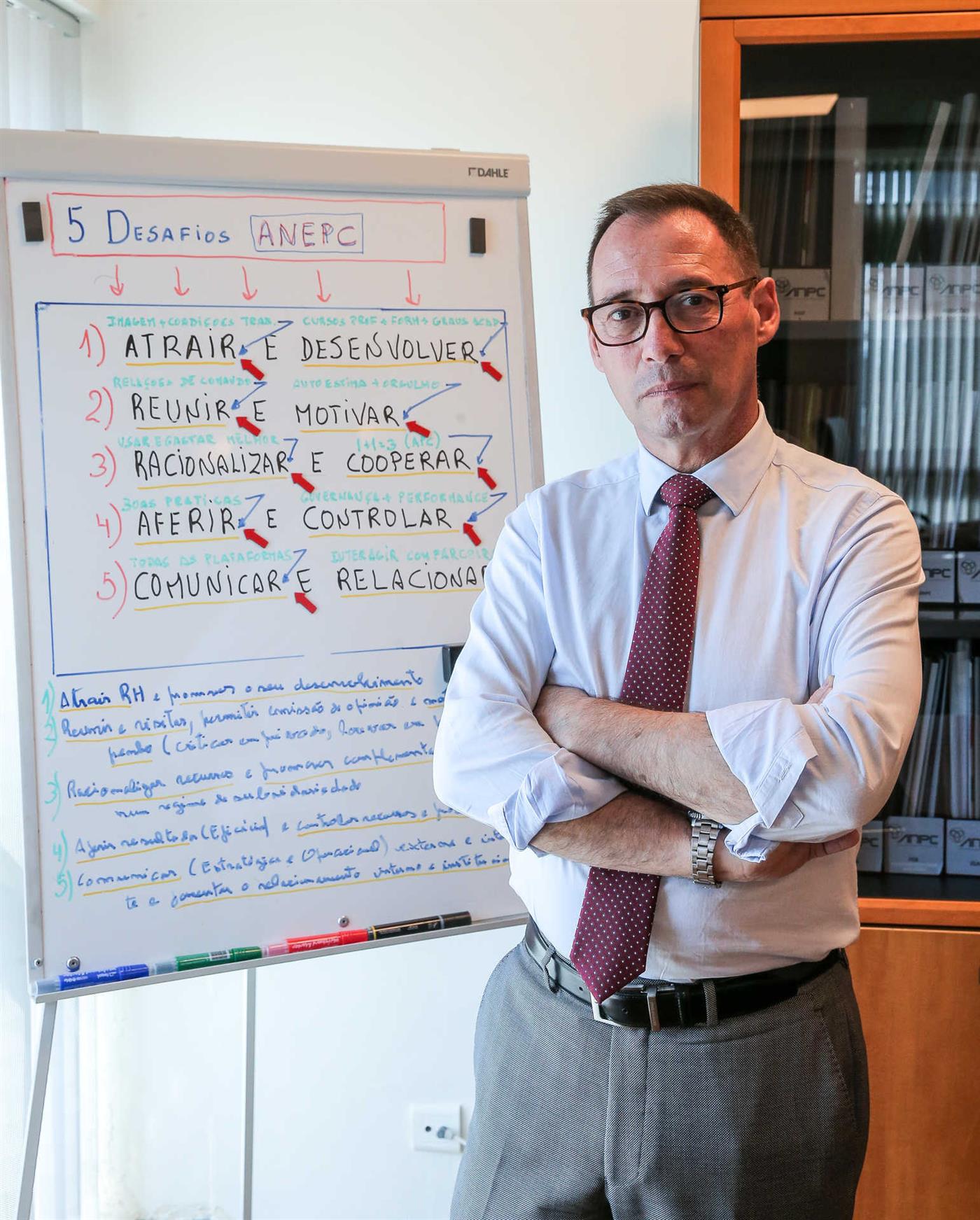 This is because the skin you wear now seems to be the same as always, the way it talks about the work you do and want to do, the motivation and passion with which you describe the plans that lie ahead. Only the occasional pain in his knees reminds him of that past, which includes the 3000 parachute jumps he has on his military record.
A year after taking office, Brigadier General José Manuel Duarte da Costa is already making a difference. And if there were any doubts, the president of the Portuguese Firemen League (LBP), the implacable and historic Jaime Marta Soares, would dispel them: “On a scale from 1 to 20, he really deserves 20. He is a gentleman. It is true and well known that ANEPC has had ups and downs in its leadership, especially in the area of the Presidency. There were extraordinary people and there were intractable and unpalatable people. General Duarte Costa, as National Commander and now as President is a breath of fresh air. A large person, with a new attitude, a great capacity for dialogue in the search for solutions to problems.”
The ranger is aware of the importance of these words and never tires of praising the firefighters, “the backbone” of the Civil Protection System. “In these positions, the main concern must be to build bridges” he says.
“The first meeting I had as president was with the LBP. I changed the formalities. I had lunch a dozen times with Commander Jaime Marta Soares and we talked about everything. He came here to the headquarters, but I also went to the League. Good results can be achieved have many reasons, but it is essentially talking that things are going”.
The only thing that didn’t get used to was the new uniform, suit and tie. “I’ve been a commando and a paratrooper all my life. I don’t like wearing a coat,” he confesses, tossing his blazer over his chair as soon as he enters the office. “I feel 100% of the house. First it gets weird, then it gets in, he says.
He is 60 years old and, in addition to a Master’s in Military Science from the Military Academy, he has an MBA from the Catholic University of Portugal and a Master’s in International Relations and Political Science from the Universidade Lusíada.
He has courses in Commands, Military Parachuting, US Army Ranger and Airborne, Psychological Operations Planning from the NATO School and Counter insurrection by the NATO International Security Assistance Force (ISAF) for Afghanistan, where he commanded the Force National Featured in Kabul.
He also worked at the theatre of operations in Macedonia, was a professor of Strategy in Angola and, for three years, Intel Section Chief at Eurofor, in Italy. In Portugal, he commanded the Airborne Brigade, was Chief of Staff of the Rapid Reaction Brigade, commander of the School of Parachutists and Land Forces.
He also passed through Belém, where, still a captain, he was assistant to Jorge Sampaio, and was advisor to Augusto Santos Silva when he was minister of National Defence. His service sheet contains 15 accolades