Algarve Situation Report Wednesday 13th April 2022 

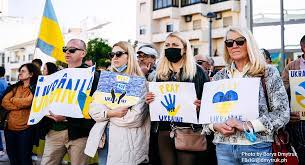
Algarve welcomes refugees from Ukraine

48 days after the start of the war, all the Algarve municipalities received Ukrainian refugees, according to data from the Foreigners and Borders Service. In total, the SEF has already granted, in the region, 4279 requests for protection to refugees who arrived in the Algarve.

Of these 4279, 2942 were made by women, which is equivalent to 69%.

There were only 1337 male individuals making this request for protection, the majority being children and young people up to 17 years of age.

This is due to the fact that, in Ukraine, martial law prevents men aged between 18 and 60 from leaving the country in order to fight the Russian army.

Analysing the numbers, Albufeira is, by far, the municipality where there were, in the region, the largest number of requests: a total of 925.

Along with Lisbon, Cascais, Sintra and Porto, Albufeira is even in the top five municipalities with the most requests.

In the Algarve, after Albufeira, Portimão is the municipality that welcomed the most Ukrainian refugees: 801. Loulé follows with 743.

GNR arrests man for several robberies and other crimes in Vilamoura

The Loulé GNR Criminal Investigation Nucleus (NIC) detained a 34-year-old man in Faro yesterday, Monday, April 11, for robberies and thefts in Vilamoura.

The investigation had been going on for about five months and allowed the Guard’s military to carry out police investigations that made it possible to identify the suspect and associate him with the practice of various illicit activities in Vilamoura, namely four robberies using public stretches, two robberies in residence, a domestic violation, driving without a license and extortion.

Following the investigation, the suspect was located and an arrest warrant was executed.

The detainee will be present today, April 12, at the Judicial Court of Faro, for the application of coercive measures.

The Municipality of Faro is distributing 400 Easter baskets to needy families in all parishes in the municipality.

The municipality says in a statement that the tradition that takes place at the Christmas season has been extended since last year at the time of Easter in order to mitigate the impacts of the crisis caused by the pandemic.

With this gesture, the Chamber intends to support the most needy citizens “so that they have a more dignified Easter court with their respective families”.

The baskets are given to citizens referred by the social services of the municipality, including users of the Support Office for the Elderly, in addition to institutions that work in partnership with the city council.

As had happened last Christmas, the baskets distributed include a set of food products selected by a nutritionist, in conjunction with the municipality’s technicians, “so that they are tasty, but also more balanced and healthy”, he adds.

In the basket is also a small book called “Healthy Easter”, which contains nutrition tips and balanced recipes for this festive season.

Finnish man with international arrest warrant caught in Albufeira

Man was wanted for tax crimes committed in Finland.

On 9 April, Saturday, the Albufeira GNR complied with an international arrest warrant for the extradition of a 46-year-old Finnish man.

The Guard military located and approached the suspect following a police action, where the individual was approached for a road violation situation.

When drawing up the administrative offense and identifying the suspect, the military found that he had an international arrest warrant pending for extradition, under the Schengen agreement, for tax crimes committed in Finland.

The individual was arrested and was present yesterday, April 11, at the Évora Court of Appeal.

89 year old air lifted to hospital after suffering hip fracture on board vessel south of Algarve

The Navy informed in a statement that, through the Maritime Search and Rescue Coordination Centre of Lisbon, it coordinated, in conjunction with the Portuguese Air Force and the Center for Guidance for Urgent Patients Mar, during the early hours of this morning, the medical rescue of a passenger. 89 years old, who suffered a hip fracture after a fall while on board a passenger ship, sailing 30 miles (the equivalent of about 55 kilometres) south of Portimão.

After the alert received at 03:53, an Air Force helicopter was engaged to proceed with the removal of the passenger of English nationality. The aircraft landed at 7:25 am and the patient was taken to a hospital, confirmed the same source.


The Overseas Situation Report Saturday 9th April 2022

by Mike Evans

“Beware of rashness, but with energy and sleepless vigilance go forward and give us victories”

Abraham Lincoln

With the war in Ukraine entering its second month for many there would be a feeling that the Covid 19 pandemic was a thing of the past. Across the world this is clearly not the case with some countries reporting a sixth wave of new infections. The good news to report is that in the past week new cases dropped by 23% across the world although these figures are all reliant on the respective health departments of governments to provide the figures.

In Europe in the past week there has been a drop of 25% in new cases reported although sadly the drop in deaths has been less with a 6% fall compared to the previous 7 days.

Across Europe there were 3,735,819 new cases compared to 4,983,209 the previous week and all countries with the exception of Belgium recorded drops in cases. Belgium had a 3% increase with 80,070 new cases reported. It should be noted that Portugal does not provide daily figures anymore and only gives a weekly figure so for this comparison we cannot include Portugal.

In other parts of the world the picture is mixed. In the North Americas there was a 3% increase in new cases with both Canada and Mexico reporting a big jump in new cases. Canada reported a 23% increase and Mexico a 56% increase albeit on much smaller numbers that they had previously during the height of the pandemic. In Canada’s case the death rate also rose by 21%. With a sixth wave of COVID-19 around the corner, Health Canada confirmed there are at least six cases of the XE recombinant of Omicron in the country.

“As of April 6, 2022, the Public Health Agency of Canada (PHAC) is aware of six detections of the XE recombinant lineage of Omicron in Canada,” a PHAC spokesperson wrote in an email. COVID-19 XE is a recombination of Omicron’s BA.1 and BA.2 sub variants. A recombinant virus is a combination of genetic material from two or more different viruses, in this case, the original variant of Omicron and the more infectious “stealth Omicron. “The XE recombinant variant was first detected in the U.K. in mid-January, and there have been 637 cases identified in the country since then. Limited cases have also been reported in China and Thailand. The locations of the XE COVID-19 infections, or how infections happened, were not disclosed.

Canada’s daily COVID-19 cases have fallen since the record-setting fifth wave fuelled by the highly transmissible Omicron variant but have plateaued at a level higher than seen before in the two-year-long pandemic. As of April 1, the seven-day average of daily lab-confirmed cases sits just above 7,798, much lower than the record high of over 45,000 daily cases set on Jan. 7. The average has remained relatively steady for the past month.

Canada’s chief public health officer Dr. Theresa Tam and her provincial counterparts have said those confirmed cases are likely an undercount of the true number of cases, which could be up to 10 times higher. Many parts of the country no longer provide laboratory tests for most people after capacity was overwhelmed by the spread of Omicron.

Tam has acknowledged that Canada is past the peak of the COVID-19 wave caused by the Omicron variant and is likely ready to move out of a crisis response. But she has also warned the virus is still circulating in several areas of the country. While cases were dropping week-to-week through most of February, infections only dropped 4.5 per cent between the end of February and the beginning of March.

“While some jurisdictions are currently reporting increased case counts, ongoing easing of public health measures could lead to increased transmission in more areas over the coming weeks,” Tam told reporters on March 4. As of April, the number of Canadians seeking treatment in hospital for COVID-19 sits at 4,225, less than half of the record 10,800 patients seen in January. The number includes 392 people who are being treated for COVID-19 in intensive care units.

The country is currently seeing an average of 37 deaths per day, down from the near-record average of 169 seen in late January. That number has begun to fall again after plateauing between late February and early March.

Across the world to China where the pandemic first started and there is increasing concern that the number of new cases is rising fast. In Shanghai, the Authorities announced a record 21,000 new cases and a third consecutive day of COVID testing as a lockdown of its 26 million people showed no sign of easing and other Chinese cities tightened curbs – even in places with no recent infections.

Beijing authorities intervened in Shanghai after its failure to isolate COVID by locking the city down in stages and insisted that the country stick to its zero-tolerance policy to prevent its medical system from breaking down.

Shanghai’s outbreak has surpassed 130,000 cases in total, far exceeding the approximately 50,000 symptomatic cases recorded in the original outbreak in the central city of Wuhan, where the virus was first detected in late 2019, although Chinese authorities did not start reporting asymptomatic cases until after Wuhan’s peak.

Stories of crowded and unsanitary central quarantine centres and fears of family separation have driven calls for home quarantine in Shanghai.

The Shanghai government has started allowing some close contacts to isolate at home and on Wednesday eased its policy of separating infected children from their parents.

However, food supply remains a concern with residents, due to a shortage of couriers.

On Friday afternoon results for the hashtag “Shanghai buy food” were blocked on the Twitter-like social media site Weibo.

Weibo did not immediately respond to a request for comment.

Shanghai has not indicated when it may lift its lockdown.

Late on Thursday, Wu Zunyou, chief epidemiologist at the China Centre for Disease Control and Prevention, said on its Weibo account that action taken in Shanghai had to be “thunderous” to cut off the chain of transmission. In theory, he said, if multiple rounds of PCR testing were conducted in mega-cities with populations as large as 27 million within 2-3 days, they could reach zero cases “on the community level” within 10 days to two weeks.

Of Shanghai’s cases, just one is suffering severe symptoms and is under treatment, a health official said on Friday.

Authorities across China, which have mostly managed to keep COVID at bay for the last two years, are stepping up coronavirus control measures, including movement restrictions, mass testing and new quarantine centres.

Cities that sprang into action this week include Zhengzhou, in central Henan province, which on Thursday said it would test all 12.6 million residents after finding a few asymptomatic cases.

Beijing has strengthened regular screening for employees in the city’s key sectors, requiring all staff at elderly care agencies, schools and institutions handling imported goods to take tests at least once a week.

In Shizong county in southwest China’s Yunnan province, shops were shut, transport suspended, and residents barred from leaving their towns or villages.

Nomura this week estimated that 23 Chinese cities have implemented either full or partial lockdowns. The cities collectively are home to an estimated 193 million people and contribute 22% of China’s GDP. These include Changchun, a major manufacturing hub that has been locked down for 28 days.

Ernan Cui, an analyst at Gavekal Dragonomics who studied COVID policies announced by China’s 100 largest cities, said most were choosing to keep restrictions in place even after case numbers returned to zero.

The curbs “suggest that the economic impact of the various lockdowns will not ease in a matter of days or even weeks”, she said in a note.

If Shanghai’s lockdown continues throughout April the city will suffer a 6% loss in GDP, amounting to a 2% GDP loss for China as a whole, ING Chief Economist for Greater China Iris Pang said in a note.

Whilst these two countries continue to battle the pandemic, we must all be aware that the figures being reported now are far lower than a year ago and that there is “light” at the end of the tunnel.

Until the next time, Stay Safe.

Total Cases Worldwide – 496,738,916

Total Deaths Worldwide – 6,196,341

Total Recovered Worldwide – 432,452,228 

Total Active Cases Worldwide – 58,090,347 (11.7 % of the total cases) 

Total Closed Cases Worldwide – 438,648,569

Information and Resources:

https://www.worldometer.info/coronavirus/

https://globalnews.ca/news/6649164/canada-coronavirus-cases/

https://www.worldometers.info/coronavirus/#main_table

https://www.reuters.com/world/china/shanghai-widens-covid-testing-other-chinese-cities-impose-curbs-2022-04-08/


Madeira Situation Report Wednesday 6th April 2022 

Brief Covid-19 update

On April 4th, there were 76 patients in hospital (19 non-vaccinated, 25 fully vaccinated, 32 vaccinated with a booster shot), 3 of whom were in intensive care ( 2 fully vaccinated, 1 vaccinated with a booster shot). As for the age of the hospitalised patients who are in the general Covid-19 area, 2 are aged 0-17, 14 are aged 18-65 and 60 are 65 or older. As for the hospitalised patients in intensive care, 2 are aged 18-65 and 1 is 65+.

There were 6 deaths from March 28th to April 4th. There have been a total of 242 deaths.

Appeal for more donations of goods to the Ukrainian people

On March 29th, the “Rebecca S” cargo ship, that belongs to GS Lines (Grupo Sousa) shipped a fourth container with 10 tonnes of humanitarian aid to be delivered to the Ukrainian people. The goods had been collected as a result of a partnership between Associação dos Ucranianos em Portugal, the Municipality of Funchal and Grupo Sousa. So far, 4 containers containing 25 tonnes of food, medication and clothing have been shipped. Grupo Sousa shipped the goods to the Portuguese mainland, from where the goods were then shipped to the Ukrainian people.

Valentyna Chan, the regional representative of Associação dos Ucranianos de Portugal” (an association representing Ukrainians in Portugal), has praised the community in Madeira for exceeding the best expectations when it comes to the provision of humanitarian aid to the Ukrainian people. She appealed for the population and institutions to continue to support this movement.

She informed the main donations required are of food such as energy bars, cookies, tea, canned food, baby food, powdered milk; personal hygiene products such as toothpaste, body wash products, diapers (for adults and babies); first aid kit such as disinfectants, analgesic, bandages. These goods can be delivered to premises of LOGUSLINK-Cancela. 

Eurowings Discover to start Frankfurt-Madeira flights

Eurowings Discover, which belongs to Lufthansa, will start flights between Frankfurt and Madeira in the summer. It will have one flight on Tuesdays and another on Fridays, in addition to the flight that Lufthansa operates on Saturdays.

Power cut

Empresa de Electricidade da Madeira (Madeira power supplier) announced there will be power cuts due to scheduled work on the electricity supply network. These cannot be postponed and will take place in the following days and places:

JARDIM DA SERRA

April 6th09h00 to 12h00 (TODAY)

– Cabo Podão

– Pomar Novo

– Volta da Panelinha

FUNCHAL

April 7th09h00 to 11h30

– Caminho do Terço (numbers 18 and 39)

– Estrada da Boa Nova (Entrance number 69)

– Estrada da Boa Nova (numbers 60 to 79)

– Rua Dr. Pestana Júnior (number 6)

– Rua do Sagrado Coração de Jesus (numbers 1 to 20)

ARCO DA CALHETA

April 7th10h00 to 11h00

– Rua das Cales

– Rua da Chada

– Caminho das Cales

– Caminho da Chada

FUNCHAL

April 8th09h00 to 11h30

– Largo das Torneiras (number 3)

– Rua do Arcípreste (numbers 5 – Shops 1 to 9)

– Rua do Arcípreste (9A and number 11 – Lotes 1 to 5)

– Rua do Hospital Velho (numbers 38 to 48(

– Rua do Latino Coelho (number 61 and 65)

However, power could be restored during the time frame mentioned above. So, for safety purposes, it should be assumed that there will be power at any time during this period of time.

If necessary, customers can contact the free Customer Support Service number (Serviço de Apoio ao Cliente): 800 221 187.


Portugal Situation Report Wednesday 6th April 2022

Introduction

Good morning – With the withdrawal of Russian forces from the outskirts of Kyiv, the true horror of the war is beginning to emerge. Mass graves have been found and there’s evidence of civilians having been shot dead after their feet and hands were bound. Images of the bodies of civilians in the streets of Bucha have led to international condemnation of Russia and further accusations that its forces are committing war crimes. The International Criminal Court has already begun investigating whether war crimes are taking place and Ukraine has also set up a team to gather evidence. Ukrainian prosecutors say they are investigating 4,684 alleged Russian war crimes, but the number is growing by the day.

But what is a war crime? It may not seem like it, but “even war has rules”, as the International Committee of the Red Cross puts it.  These are contained in treaties called the Geneva Conventions and a string of other international laws and agreements. Civilians cannot be deliberately attacked – nor can the infrastructure that is vital to their survival.  Some weapons are banned because of the indiscriminate or appalling suffering they cause – such as anti-personnel landmines and chemical or biological weapons. The sick and wounded must be cared for – including injured soldiers, who have rights as prisoners of war. Serious offences such as murder, rape or mass persecution of a group are known as “crimes against humanity”.

Genocide is defined in international law as the deliberate killing of people from a particular national, ethnic, racial or religious group, with the intention of destroying the group – whether entirely or in part. As such, genocide is a specific war crime that is bigger than the illegal killing of civilians. The law requires proof of the intent to destroy the group.

Whereas many world leaders have labelled the atrocities as “war crimes,” on Monday Spanish Prime Minister Pedro Sanchez said Russia should be investigated for “war crimes AND genocide.”  He added “We will do everything possible to ensure that those who committed these crimes do not go unpunished and can appear before the International Criminal Court to respond to these alleged crimes against humanity, war crimes, and why not say it — genocide,” Sanchez continued.

The International Criminal Court (ICC) investigates and prosecutes individual war criminals who are not before the courts of individual states. Establishing the “chain of command” is very important for any future trials – including either where a leader has authorised an atrocity – or turned a blind eye to it. It is vitally important therefore that all evidence, including forensic evidence is gathered as quickly as possible to avoid it being destroyed or contaminated, plus the testimony of eye witness accounts.

Meanwhile the UN Secretary General, Antonio Guterres has called for an independent investigation into “the images of civilians killed in Bucha, Ukraine”. This came after Russian troops withdrew from the town on the outskirts of Kyiv, images of bodies lying in the streets subsequently emerged and members of media organisations also saw corpses. A gruesome video of the atrocities was shown by President Zelensky at the UN Security Council yesterday in the presence of Russian UN Security Council representative Vasily Nebenzya, the latter describing it as “a staged provocation by the Kiev regime” and of “fake dead bodies”. Moscow denies the charge and has called the allegations a “monstrous forgery”, as reported in the Russian state-owned RIA news agency. The President of the Security Council described the images shown as “harrowing”.

Reaction to the atrocities has been swift from the international community. EU President yesterday afternoon proposed wides ranging and more severe sanctions against Russia. Italy, Denmark, Spain and Sweden expelled a total of 73 Russian diplomats in a new wave of anti-Moscow moves. This was followed by the Portuguese Ministry of Foreign Affairs (MNE) declaring ten Russian officials as persona non grata and informed the Russian ambassador to Portugal that these officials have two weeks to leave the national territory. According to a count made this afternoon by the French news agency AFP, the number of Russian diplomats expelled from several European Union countries since the invasion of Ukraine amounts to at least 260.

The vital work of journalists covering the Ukraine war cannot be overstated. It is mainly through their work that the outside world becomes aware of the events and atrocities that are taking place. This is obviously at great risk to themselves with some 18 journalists killed so far covering the war. The Ukrainian Ministry of Culture and Information also added that another 13 journalists had been injured, eight abducted or detained and three others were still reported missing.


Turning to the Azores – The president of the Civil Protection of the Azores warned on Monday that the seismovolcanic crisis on the island of São Jorge “is not over” and could take days or months, during which the population should maintain “vigilance and stay calm”. Having been monitoring this daily, we can see that although the number of earthquakes felt by the population has slowed down considerably the risk remains.

A team of scientists from the Instituto Volcanológico das Canárias (INVOLCAN), Spain, travelled today to the island of São Jorge, in the Azores, to support Portuguese researchers and intensify the work of Volcanic Surveillance. This shows good international collaboration utilising best practices and experience.

The civil protection authorities continue to monitor closely and evacuation plans and other measures are in place, or being put in place should an evacuation become necessary. An update record of events and latest news can be found on our website, which is updated daily.

With that have a Safe Day

Health

State reduced by 10% private use to reduce waiting lists

Private hospitals registered a 25% growth in the total number of surgeries in 2021, but had a 10% reduction in the number of surgeries contracted by the SNS compared to 2020, within the scope of the Integrated System for the Management of Registrations for Surgery (SIGIC) said Óscar Gaspar at a press conference, where he took stock of the activity of private hospitals last year.

The question that arises has nothing to do with our availability, which not only remained but was superior, but on the part of the SNS it was understood that, on the one hand, there were surgeries that were internalized and it was not necessary to resort to third parties for them to be made and, on the other hand, some will have been made by other entities”, he underlined.

Taking stock of the activity of private hospitals in 2021, Óscar Gaspar said that 2021 “was still a year very marked by covid-19”, but there was “an intense work” to recover the activity that was not carried out in 2020 as a result of confinement and of the DGS rules.

“But we recovered what had not been done in 2020 and we still added many clinical diagnostic acts in relation to 2021”, said the official based on data provided by hospitals to APHP, which, he said, “gives a reliable portrait” of the activity.

He added that the investment reported in 2021 was more than 150 million euros and was due to the construction of some hospitals and the acquisition of equipment and technology.

According to the National Statistics Institute (INE), there are 129 private hospitals in Portugal, which in 2021 were responsible for 8,286,932 consultations, 995,148 episodes of urgency and 222,000 large and medium surgeries.

“We are talking about quite significant figures”: 22,000 consultations, 2,660 episodes of urgency and 564 surgeries per day, on average” he explained.

Ukraine: Marcelo defends investigation into “intolerable massacre” in Bucha

Lisbon, 04 Apr 2022 (Lusa) The President of the Republic, Marcelo Rebelo de Sousa, stated  that there should be an investigation into what he described as “an intolerable, inhuman, shocking massacre” in Bucha, on the outskirts of Kiev, Ukraine.

“It is an intolerable, inhumane, shocking massacre, a brutal attack on human rights and international humanitarian law and, therefore, it can only provoke the repudiation of the international community, which will naturally want to find out what happened, investigate what happened”, the head of state told journalists at the Centro Cultural de Belém, in Lisbon.

Marcelo Rebelo de Sousa added that if the investigation proves facts “in line with what is thought to have happened” in Bucha, this will “lead to initiatives so that those who are competent, such as the International [Criminal] Court, can appreciate”.

According to the President of the Republic, there is no doubt that “what happened is unacceptable”, but “in order to specifically hold responsible who did it, who the people were, under what conditions, how, for that, the matter of fact is fundamental”.

Asked if he agrees that there is enough data to call the President of the Russian Federation, Vladimir Putin, a war criminal, as did the President of the United States of America, Joe Biden, Marcelo Rebelo de Sousa replied that, “for those who believe in the rule of law, have to be the courts to convict”.

“One cannot properly declare a war criminal without a court decision, it can be said that there are behaviors that clearly point to war crimes – and that is what I said, by the way, in the Government’s inaugural speech, when I spoke possibly criminal liability, in addition to an attack on humanitarian law”, he considered.

The head of state said that one should “obviously hold accountable who should be held accountable politically and then legally”.

Two-thirds of Ukrainians who arrived in Portugal are still unable to work

Refugees cannot work without a temporary protection certificate. Delays are being caused, according to the SEF, by the Tax Authority

Of the 27,000 requests registered by the Aliens and Borders Service (SEF) for refugees arriving from Ukraine, only 8,500 certificates of granting of residence permits under the temporary protection regime have yet been issued. Without this certificate, according to the newspaper “Público”, people cannot start working or access support. Of these 27,000 requests, a third are for minors and of the 8,500 already issued, 700 are for children and young people under the age of 18.

According to the SEF, the delay in issuing certificates is caused by the delay by the Tax Authority (AT), since the documents are issued as soon as the Social Security (SS), the National Health Service (SNS) and the AT issue the respective user numbers and tax identification.

The press service of the Ministry of Finance states that the AT “is, as a rule, assigning the NIF within 24 hours after receiving the identification elements of the migrants from the SEF”. However, it states that there are “some occasional situations of need for additional confirmation of the identities of migrants, namely, when the respective data are similar, but not entirely coincident with those of other taxpayers to whom a TIN has been previously assigned.” 

Border training course for GNR military starts Wednesday

Lisbon, Apr 5, 2022 (Lusa) – The GNR will have, as of Wednesday, the first border training course within the scope of the transfer of competences from the Foreigners and Borders Service (SEF), the Ministry of Administration announced today Internal (MAI).

“A total of 18 trainers and nine internship supervisors from the SEF will teach the course to 44 GNR soldiers at Escola da Guarda”, in Queluz, followed by an internship at the maritime borders of Lisbon, Funchal and Leixões, says a statement released. by MAI.

Considering the beginning of the training process to be “fundamental” for a “sustained and effective transfer of competences” from the SEF to the other authorities, given the extinction of the institution scheduled for May 12, the MAI also revealed that 44 PSP agents will start the respective training course on 18 April, with a subsequent internship at the air borders of Lisbon, Faro and Funchal.

The announcement of the first border training courses follows the MAI’s assurance that the reform of the SEF will indeed take place.

In a response sent to Lusa after meetings on Monday with the Union of Career Investigation and Inspection of the Foreigners and Borders Service (SCIF/SEF), the Union of Investigation, Inspection and Border Inspectors (SIIFF) and the Union of Employees of the Service and Borders (SINSEF), MAI guaranteed that “the entire restructuring process will be clear and transparent” and in dialogue with the workers’ structures.

Without going forward with dates, the MAI indicated that the minister José Luis Carneiro assured the unions the “maintenance of the remuneration statute” of the employees, that “everything will be done in order to protect the functional status” and “preservation of a dignified career, with prospects for progression”, as well as the “possibility of accessing leadership positions, exercising functions in European and international bodies or immigration liaison officers”.

The extinction of the SEF, decided by the previous Government and approved in November 2021 in the Assembly of the Republic, was postponed from January to May due to the covid-19 pandemic.

The law passed in parliament determines that the current administrative powers of the SEF in relation to foreign citizens will be exercised by a new institution, the Portuguese Agency for Migration and Asylum (APMA), and by the Institute of Registries and Notaries, in addition to transfer police powers to PSP, GNR and the Judiciary Police.


Algarve Situation Report Wednesday 6th April 2022

Algarve firefighters worried about the impact of fuel increases

The firefighters of the Algarve met last Wednesday, March 30, and said they were concerned about the impact that the increase in fuel costs could have on the operations of corporations.

In a note sent to the press, the Firefighters Federation of the district of Faro, which says it is “sick of having its hand outstretched”, expressed its “great concern and apprehension about the near future with regard to ensuring the main activities”.

“If the situation does not change, the need to ration services begins to emerge, which implies that the transport of some people for consultations or treatments, the so-called non-urgent transport, may no longer be carried out”, they say.

The Algarve firefighters appeal to the Government to “look at the precarious situation that many associations are experiencing with serious difficulties in functioning, a situation that has worsened significantly in the last two years and now also with the situation of the conflict in Ukraine”.

“The repercussions that this situation can have on the day to day of firefighters is very serious”, they consider.

According to the data presented by this federation, the increase in fuel costs, “to which the necessary updating of the contributions of the National Health Service for the transport of patients, has not been updated since 2012, with a cost then set at 0, 51€/kilometre, a situation incomparable with the costs practiced today and that needs an urgent update”.

These associations recall that they survive “from the good relationship they maintain with local authorities, without any type of positive differentiation on the part of the Government, not even during the last two years in which the country was devastated by the pandemic”.


Octogenarian who suffered a heart attack off Faro rescued by the Portuguese Air Force

The Navy, through the Lisbon Maritime Search and Rescue Coordination Centre (MRCC Lisboa), in conjunction with the Urgent Patients Orientation Centre (CODUMAR) and the Portuguese Air Force, coordinated, yesterday afternoon, the medical rescue of a 85-year-old man of British nationality, who was on the ship “Spirit Of Discovery”, sailing at 45 nautical miles, the equivalent of 83 kilometres, south of Faro, and who suffered an acute myocardial infarction.

After contacting the Urgent Patient Orientation Centre, the Portuguese Air Force activated a helicopter to evacuate the victim, having completed the evacuation at 18:30.

The patient was transported to Faro airport, and later transferred to a hospital.


Five Star Award distinguishes 13 winners from the Algarve

Traditional Portuguese cuisine, beaches and mountains are some of the winning categories in the district of Faro. This year, 114 regional icons and 112 brands were distinguished across the country.

The winners of the Five Star Regions 2022 Award are already known. For the 5th consecutive year, the best of the Algarve was recognized and awarded, with 13 winners standing out.

The Cinco Estrelas Regions Award is now in its 5th edition, which seeks to enhance and make known the best of each of the Portuguese regions in terms of gastronomy, natural resources, monuments and heritage, among several other categories.

The award is based on the concept and evaluation methodology of the Cinco Estrelas Award, and this year involved the participation of 425 thousand Portuguese consumers.

Five Star Regions Award Winners in the District of Faro:

Villages and Towns: Estói

Traditional Portuguese Cuisine: Cataplana Algarvia

National Monuments: Castle of Silves

Beaches: Praia da Rocha

Traditional Portuguese Products: Orange from the Algarve

Reserves/Landscapes/Dams: Ria Formosa Natural Park

Mountains: Serra de Monchique

Condominium Management: Condoarade

Babysitting: My Nanny

Shopping Centers: Forum Algarve

Dental Clinics: Alinea Premium Oral Care

Theme Parks: Zoomarine

Used Car Stands: Cars and Cars


Azores Situation Report Wednesday 6th April 2022

From our colleague in the Azores

Covid-19 

In the seven days from Friday 25th of March until Friday 1st April there have been 2,603 new positive cases of Covid-19 registered in the Azores, and a total of 8,411 tests performed. Another death was recorded on the island of Terceira.

The archipelago has of today 2,434 active cases and 16 people hospitalized in the three regional hospitals, none in intensive care.

Regarding vaccination, 91.2% of residents in the Azores have been fully vaccinated, and the booster dose exceeds 50%.

São Jorge 

The President of the Azores Regional Civil Protection and Fire Service (SRPCBA) warned today that the reduction in the number of earthquakes recorded in recent days on the island of São Jorge should not lead the population “to think it’s all over”.

According to Eduardo Faria, this could “be a one-off situation” and it is important that “people maintain normalcy, regarding their daily activities”, but they should not “let their guard down, fail to take the measures we are asking for”. Since this “is a situation that can take a day, a week, a month or a year”.

“What is happening now is what we have to be prepared to live for in the near future”, said Eduardo Faria, reminding people that the V4 alert is still active.

According to the most recent data made available by the Centre for Seismo volcanic Information and Surveillance of the Azores (CIVISA), over the course of yesterday, April 3rd, about 389 events were recorded (one felt by the population), which denotes a decreasing trend relatively to the day before. Between 00:00 and 10:00 today, approximately 94 events were recorded.

SRPCBA 

During the month of March, The SRPCBA held a total of 49 awareness-raising actions, under the scope of the ‘Civil Protection Clubs’ project, involving more than 1,800 students of the school community, from primary to secondary school students, including teaching and non-teaching staff.

The promoted actions had the following themes:

Lectures on Natural Risks and Self-Protection Measures

Talks on 112 and the Emergency Operations Centre

First Aid Talks

Basic Life Support talks

First Aid Classes

Basic Life Support Mass Training

The Overseas Situation Report Friday 1 April 2022

by Mike Evans

“We Continue to Be Vigilant”

Marek Belka

As we start the beginning of another month, and the current status regarding the Covid situation in Portugal continues until the end of the month at least, we are looking at the rise of the Omnicron Variant BA2 and how it is affecting more people across the world.

From the World Health Organisation, we have compiled the following report which gives an overview of what is happening up to the end of March. There is increasing concern amongst the officials at the WHO that many countries across the world are reducing their efforts to combat the virus.

Between the end of January and early March 2022, there was a decreasing trend in the number of new COVID-19 cases, which was followed by two consecutive weeks of increases in cases.

During the week of 21 through 27 March 2022, the number of new cases declined again with a 14% decrease as compared to the previous week. On the other hand, during the same period, the number of new weekly deaths increased by 43%, likely driven by changes in the definition of COVID-19 deaths in some countries in the Region of the Americas (Chile and the United States of America) and by retrospective adjustments reported from India in the South-East Asia Region.

Across the six WHO regions, over 10 million new cases and over 45 000 new deaths were reported. All regions reported decreasing trends in the number of new weekly cases and four regions reported a decreasing trend in new weekly deaths (Table 1). As of 27 March 2022, over 479 million confirmed cases and over 6 million deaths have been reported globally.

At the country level, the highest number of new weekly cases were reported from the Republic of Korea (2 442 195 new cases; -13%), Germany (1 576 261 new cases; +2%), Viet Nam (1 127 716 new cases; -40%), France (845 119 new cases; +45%), and Italy (503 932 new cases; +6%). The highest number of new weekly deaths were reported from Chile (11,858 new deaths; +1710%), the United States of America (5 367 new deaths; +83%), India (4 525 new deaths; +619%), the Russian Federation (2 859 new deaths; -22%), and the Republic of Korea (2 471 new deaths; +22%).

The trends reported above should be interpreted with caution as several countries are progressively changing their COVID-19 testing strategies, resulting in lower overall numbers of tests performed and consequently lower numbers of cases detected.

Despite a generalised decline in the rate of SARS-CoV-2 testing observed across the six WHO regions, the number of new weekly cases increased again in early to mid-March, indicating that the virus is currently circulating at very high levels. WHO is concerned about the recent significant reduction in SARS-CoV-2 testing by several Member States.

Data is becoming progressively less representative, less timely, and less robust. Decreases in testing, unless done judiciously as part of a strategy aimed at maintaining robust surveillance where it is most impactful, may affect the capacity of countries to identify cases and enable their timely treatment or isolation, and implement other necessary control measures, with the consequent risk of increased spread of SARS-CoV-2.

This may translate in an increase in hospitalizations and deaths, and significant strains on healthcare systems, particularly in areas where public health and social measures have been lifted and where vaccination coverage 3 against COVID-19 is low. Furthermore, reduced testing impacts the capacity of countries to detect emerging variants early, ultimately impairing response efforts. COVID-19 remains a Public Health Emergency of International Concern, and it is too early to reduce the quality of surveillance.

Until we reach the end of the acute phase of the pandemic, countries must maintain sufficient epidemiologic surveillance to inform evidence-based operational decision-making on crucial parameters, including vaccination strategies, vaccine composition, use of therapeutics, and tailored and appropriate public health and social measures.

Based on available data of transmission, severity, reinfection, diagnostics, therapeutics and impacts of vaccines, the group reinforced that the BA.2 sublineage should continue to be considered a variant of concern and that it should remain classified as Omicron. The group emphasised that BA.2 should continue to be monitored as a distinct sublineage of Omicron by public health authorities.

BA.2 differs from BA.1 in its genetic sequence, including some amino acid differences in the spike protein and other proteins. Studies have shown that BA.2 has a growth advantage over BA.1.  Studies are ongoing to understand the reasons for this growth advantage, but initial data suggest that BA.2 appears inherently more transmissible than BA.1, which currently remains the most common Omicron sublineage reported.  This difference in transmissibility appears to be much smaller than, for example, the difference between BA.1 and Delta. Further, although BA.2 sequences are increasing in proportion relative to other Omicron sublineages (BA.1 and BA.1.1), there is still a reported decline in overall cases globally.

In the African Region, the decreasing trend observed since January 2022 continues, with over 24 000 new weekly cases reported, representing a 29% decrease as compared to the previous week. However, fourteen (29%) countries in the Region reported an increase of over 20% in cases, with some of the greatest proportional increases observed in Equatorial Guinea (101 vs 4 new cases; +2425%), Lesotho (105 vs 59 new cases; +78%), and Rwanda (71 vs 48 new cases; +48%).

The highest numbers of new cases were reported from South Africa (8934 new cases; 15.1 new cases per 100 000 population; -9%), Réunion (8494 new cases; 948.7 new cases per 100 000; similar to the previous week’s figures), and Mauritius (2410 new cases; 189.5 new cases per 100 000; -77%).

The number of new weekly deaths in the Region decreased by 30% as compared to the previous week, with over 150 new deaths reported. The highest numbers of new deaths were reported from South Africa (86 new deaths; <1 new death per 100 000 population; -49%), Mauritius (34 new deaths; 2.7 new deaths per 100 000 population; similar to the previous week’s figures, and Réunion (13 new deaths; 1.5 new deaths per 100 000; +44%).

In the Region of the Americas there has been a decreasing trend since mid January 2022, with over 634 000 new weekly cases reported, corresponding to a 14% decrease as compared to the previous week. However, eleven (20%) countries in the Region reported increases in new cases of 20% or greater, with the greatest increases observed in the islands of Sint Eustatius (142 vs 13 new cases; +992%), Anguilla (39 vs 20 new cases; +95%) and Saint Pierre and Miquelon (577 vs 298 new cases; +94%).

The highest numbers of new cases were reported from Brazil (229 145 new cases; 107.8 new cases per 100 000; -15%), the United States of America (207 093 new cases; 62.6 new cases per 100 000; -6%), and Chile (61 337 new cases; 320.9 new cases per 100 000; -36%).

The Region reported over 20 000 new weekly deaths, a 182% increase as compared to the previous week, which was partly due to changes in the definition of COVID-19 deaths in Chile and in one state in the United States of America. The highest numbers of new deaths were reported from Chile (11 858 new deaths; 62.0 new deaths per 100 000; +1710%), the United States of America (5367 new deaths; 1.6 new deaths per 100 000; +83%), and Brazil (1768 new deaths; <1 new death per 100 000; -21%).

In the Eastern Mediterranean Region, new weekly cases have continued to decline following a peak reached in early February 2022. Just over 50 000 new weekly cases were reported, a 32% decrease as compared to the previous week. However, two (9%) countries in the Region have reported increases in new cases of 20% or greater: Tunisia (3969 vs 534 new cases; +643%) and occupied Palestinian territory (1088 vs 718 new cases; +52%).

The highest numbers of new cases were reported from the Islamic Republic of Iran (9572 new cases; 11.4 new cases per 100 000; -51%), Jordan (9135 new cases; 89.5 new cases per 100 000; -64%), and Bahrain (6527 new cases; 383.6 new cases per 100 000; -14%).

The number of new weekly deaths in the Region decreased by 22% when compared to the previous week, with just over 800 new deaths reported. The highest numbers of new deaths were reported from the Islamic Republic of Iran (421 new deaths; <1 new death per 100 000; -41%), Tunisia (100 new deaths; <1 new death per 100 000; +426%), and Egypt (84 new deaths; <1 new death per 100 000; -20%).

The European Region reported over 5.2 million new weekly cases, representing a 4% decrease as compared to the previous week. Six (10%) countries in the Region reported increases in new cases of 20% or greater, with the largest observed in Israel (88 869 vs 47 796 new cases; +86%), Hungary (15 269 vs 9727 new cases; +57%) and Malta (2434 vs 1628 new cases; +50%).

The highest numbers of new cases were reported from Germany (1 576 261 new cases; 1895.3 new cases per 100 000; +2%), France (845 119 new cases; 1299.4 new cases per 100 000; +45%), and Italy (503 932 new cases; 844.9 new cases per 100 000; +6%).

The number of new deaths has continued to decrease in the Region, with over 11 000 new deaths reported this week, a 17% decrease as compared to the previous week. The highest numbers of new deaths were reported from the Russian Federation (2859 new deaths; 2.0 new deaths per 100 000; -22%), Germany (1521 new deaths; 1.8 new deaths per 100 000; +13%), and Italy (1008 new deaths; 1.7 new deaths per 100 000; +11%).

The South-East Asia Region reported over 232 000 new weekly cases, a 14% decline as compared to the previous week, continuing the decreasing trend observed since mid-January 2022. However, Sri Lanka reported an increase in new weekly cases of 25% (2693 vs 2156 new cases).

The highest numbers of new cases were reported from Thailand (175 116 new cases; 250.9 new cases per 100 000; +4% increase), Indonesia (36 470 new cases; 13.3 new cases per 100 000; -49%), and India (11 612 new cases; <1 new case per 100 000; -31%).

The Region reported just over 6000 new weekly deaths, representing a 116% increase as compared to the previous week. The highest numbers of new deaths were reported from India (4525 new deaths; <1 new death per 100 000; +619%) due to retrospective adjustments in some states, followed by Indonesia (932 new deaths; <1 new death per 100 000; -41%), and Thailand (553 new deaths; <1 new death per 100 000; +3%).

With over 4.6 million new weekly cases, the Western Pacific Region reported a 24% decrease as compared to the previous week, reversing the increasing trend observed since the end of December 2021. Seven (23%) countries in the Region reported an increase of 20% or greater, with some of the largest increases observed in Vanuatu (1234 vs 352 new cases; +251%), Guam (487 vs 142 new cases; +243%) and Lao People’s Democratic Republic (16 037 vs 6449; +149%).

The highest numbers of new cases were reported from the Republic of Korea (2 442 195 new cases; 4763.5 new cases per 100 000; -13%), Viet Nam (1 127 716 new cases; 1158.5 new cases per 100 000; -40%), and Australia (368 028 new cases; 1443.3 new cases per 100 000; -28%).

The number of new weekly deaths shows a decrease of 5% as compared to the previous week, with just over 6600 new deaths reported. The highest numbers of new deaths were reported from the Republic of Korea (2471 new deaths; 4.8 new deaths per 100 000; +22%), China (1453 new deaths; <1 new death per 100 000; -24%), and the Philippines (861 new deaths; <1 new death per 100 000; +48%).

It is clear from these figures that the virus is continuing to affect all our lives and we must continue to make sure we all do everything possible to stop its spread. Until the next time Stay Safe.

Total Cases Worldwide – 487,718,978

Total Deaths Worldwide – 6,164,675

Total Recovered Worldwide – 422,743,595

Total Active Cases Worldwide – 58,810,708 (12 % of the total cases) 

Total Closed Cases Worldwide – 428,908,270

Information and Resources:

https://www.worldometer.info/coronavirus/

https://www.who.int/publications/m/item/weekly-epidemiological-update-on-covid-19—29-march-2022

https://www.worldometers.info/coronavirus/weekly-trends/#weekly_table


Madeira Situation Report 30th March 2022

Brief Covid-19 update

As of March 29th, there had been 68 Covid-19 cases in the Region’s educational establishments in the previous 24 hours (46 students, 16 teaching staff and 6 non-teaching staff).

On March 28th, there were 99 patients in hospital (24 non-vaccinated, 37 fully vaccinated, 4 vaccinated with 1 dose, 34 vaccinated with a booster shot), 1 of whom was in intensive care (vaccinated with a booster shot). As for the age of the hospitalised patients who are in the general Covid-19 area, 1 is aged 0-17, 25 are aged 18-65 and 73 are 65 or older. The hospitalised patient in intensive care is aged 18-65.

There were 10 deaths from March 21st to March 28th. There had been a total of 236 deaths.

No stricter Covid-19 restrictions required

Miguel Albuquerque, the President of the Madeira Regional Government, said the increase in the number of Covid-19 cases and hospitalisations is not enough to warrant stricter restrictions such as lockdowns or the mandatory use of face masks outdoors. Nevertheless, he said everyone must keep taking individual precautions. He argued the seriousness of the pathologies is not the same as in the past, the population has a greater level of immunity, most people infected with Covid-19 merely have a cold, and some of the infected are hospitalised as a precaution due to having pre-existing conditions. He stressed that the Covid-19 symptoms and pathologies have been much lighter than before and assured the health authorities have been monitoring the Covid-19 developments.

Region spent €78M on Covid-19 tests

The Autonomous Region of Madeira has spent €27M on 1,8 million pharmacy Covid-19 tests, €1,5M on 95,000 SESARAM (Madeira Health Service) Covid-18 tests, €7,4M on 148,000 Covid-19 tests for passengers arriving in the Region, and €42M on 842,612 hospital PCR tests. Overall, the Region has spent €78M on Covid-1 tests.

Ryanair start operating flights to Madeira

Ryanair started operating flights to/from Madeira on Tuesday.  A total of 42 weekly flights, with a maximum capacity of 8,106 passengers, will be available in each direction from March 29th until October 29th (IATA Summer). There will be 10 routes for 7 countries (Portugal, Belgium, France, Germany, Ireland, Italy  and the UK).

It will operate 2 daily flights between Lisbon and Madeira (Funchal), and 1 daily flight between Porto and Madeira (Funchal).

It will operate 2 weekly flights between Belgium (Brussels), France (Marseille and Paris), Germany (Nuremberg), Ireland (Dublin), Italy (Milan) and Madeira (Funchal).

It will operate 9 weekly flights between the UK (6 from London & 3 from Manchester) and Madeira.

The flights to/from Lisbon will be operated by a Boeing 737-800, which has a maximum capacity of 189 passengers and is based in Lisbon. The remaining flights will be operated by a Boeing 737 MAX8-200, which have a maximum capacity of 195 places and will be based in Funchal.

Water supply disruption

The Municipality of Funchal announced there will be a water supply disruption TODAY, from 09h00 until 17h00. It will affect the following areas:

– Estrada Comandante Camacho de Freitas

– Caminho do Poço Barral

Impasse 1 at Caminho do Poço Barral

Entrada 43 (Entrance 43) to Caminho do Poço Barral

– Azinhaga do Poço Barral

Entrada 68  (Entrance 68) to Caminho do Poço Barral

– Travessa do Tanque 

– Entrada do Tanque

– Caminho do Pico do Funcho

– Escadas do Pico do Funcho

– Caminho do Esmeraldo

Another disruption will take place tomorrow (March 31st), from 09h00 until 18h00. It will affect the following areas:

– Caminho da Hortelã

– Caminho dos Tanques

– Travessa dos Tanques

– Vereda do Lombo Centeio

Power cut

Empresa de Electricidade da Madeira (Madeira power supplier) announced there will be power cuts due to scheduled work on the electricity supply network. These cannot be postponed and will take place in the following days and places:

MONTE & SÃO ROQUE DO FAIAL

March 30th09h30 to 11h30 (TODAY)

– Ribeiro Frio (Pipas)

– Terreiro da Luta

– Casa do Barreiro

– Ribeira das Cales

– Pico Alto

However, power could be restored during the time frame mentioned above. So, for safety purposes, it should be assumed that there will be power at any time during this period of time.

If necessary, customers can contact the free Customer Support Service number (Serviço de Apoio ao Cliente): 800 221 187.


Portugal Situation Report Wednesday 30th March 2022

Introduction

Good morning – On the 27th March the President of the Republic, Marcelo Rebelo de Sousa, accepted the proposal for the appointment of Secretaries of State presented by the Prime Minister-designate, António Costa. Included in these were the Secretaries of State under the Minister of Internal Administration José Luís Carneiro, namely:  Secretary of State for Internal Administration – Isabel Oneto and the Secretary of State for Civil Protection – Patrícia Gaspar.

In the case of Patricia Gasper she remains in the post she has held for the last two years and for Isabel Oneto it is a return to the post she previously held until October 2019. Both have considerable experience and Safe Communities Portugal has a long establish direct and productive liaison with them – thus facilitating our work.

The third Secretary of State who remains in post and we have close dealings with, is Rita Marques, but with an increased portfolio as Secretary of State for Tourism, Commerce and Services. We look forward to our continued collaboration with her.

The new Government is sworn in today at 1700 hrs.

Again mainland Portugal is being affected by poor air quality. This situation is due to the intrusion of an air mass from the deserts of North Africa, which transports suspended dust and crosses mainland Portugal, increasing the concentrations of naturally occurring inhalable particles in the air.

The DGS advises the population to avoid prolonged efforts, limit physical activity outdoors and avoid exposure to risk factors, such as tobacco smoke and contact with irritating products. Children, the elderly, patients with chronic respiratory problems and cardiovascular patients should, whenever possible, remain inside buildings and, preferably, with the windows closed. These dusts can have effects on human health, especially on the most vulnerable population, whose care must be redoubled during the occurrence of these situations.

Turning to the war in Ukraine – hopefully a sign of some breakthrough. According to the Turkish Foreign Minister yesterday, the negotiations – which were initially scheduled to continue this Wednesday, ended. Speaking on television, Mevlut Cavusoglu said the meeting (the first presidential meeting in more than two weeks) had made the most progress since the two sides began negotiating. According to the Turkish minister, understandings were reached on some of the issues. The Russian and Ukrainian foreign ministers are expected to meet in the future to discuss “tougher issues”.

Following the meeting, Russia’s Deputy Defence Minister Alexander Fomin, was quoted by the Tass news agency, Russian forces will “reduce activity around Kyiv and Chernihiv”. The aim is to “increase mutual trust and create the right conditions for future negotiations and achieve the ultimate goal of signing a peace agreement with Ukraine.”

Following this came news that Russia is beginning to withdraw some forces from around the Ukrainian capital Kyiv, in what the US assesses is a “major” strategy shift. US is already observing movements underway of Russian Battalion Tactical Groups (BTGs) 1/. Whether this is a tactical repositioning eastwards due to the realisation that they cannot “take” Kyiv, or a genuine withdrawal, remains to be seen. Let us hope that this comes to fruition, thus advoiding countess more deaths and the displacement of the population. Despite this a Ukrainian news outlet is reporting “multiple explosions” in Kyiv this morning, a day after Russia pledged to reduce combat operations around the capital

Also of concern to the UNHCR is that people who have fled conflict, especially women and children, are particularly at risk of human trafficking and exploitation.  The longer a conflict lasts, the more vulnerable they can become as they struggle to start a new life. We need to take urgent and determined action to protect people and prevent them from falling victim to traffickers. People escaping conflict are in a very dangerous and precarious situation. They can be more easily deceived by phoney travel arrangements and fake job offers that lead them into exploitative situations. Traffickers are known to use such methods, as well as violence, to trick and coerce their victims.

Portugal is a very welcoming country, and has quickly established official processes to help refugees integrate into the community and are properly protected. The official government channels are here: https://portugalforukraine.gov.pt/and for immigrations matters: https://sefforukraine.sef.pt/

Nevertheless we ask people to be on the lookout for anything that raises suspicion that Ukrainians arriving here are being exploited in any way. This can be anything ranging from underpaid job offers, bogus legalisation or scams involving accommodation. If you become aware of anything then contact the appropriate authorities as soon as possible.

Please have a safe day.

Covid-19

Covid-19. Brussels warns of new crises with 100 million in the EU and refugees without vaccine

The European Commission warned this Tuesday of “possible crises” in winter with new waves of covid-19, at a time when 100 million people in the European Union (EU) are not vaccinated or are partially vaccinated and when Ukrainian refugees arrive.

“More than 72% of the total population of the European Union received the complete primary vaccination and more than half received a booster dose”, but “more than 100 million Europeans are still not vaccinated or are only partially vaccinated”, said today the commissioner European Health, Stella Kyriakides.

Speaking at the EU Council of Health Ministers on the humanitarian and health situation in Ukraine and also dedicated to covid-19, the European responsible for the protection warned that “the pandemic is still in Europe and infections are on the rise again”, so Member States have to “be prepared for possible crises”.

“We have to take into account the experts’ calls for caution. Covid-19 is not over yet and Ukraine and the influx of millions of people [coming to the EU] bring an additional layer of urgency to our work to ensure their protection with vaccination.”

Urging European ministers to prepare for the next autumn and winter, namely by increasing anti-covid-19 vaccination rates, Stella Kyriakides warned that “there is no place for complacency”


News

Targeted by Traffickers – Ukrainian Refugees at High Risk of Exploitation

One month into the war in Ukraine, millions of people, mainly women and children, continue to flee their homes. As long as the conflict continues, the risk of them being targeted by criminal networks grows.

The United Nations Office on Drugs on Crime (UNODC), the leading entity within the UN system to address the criminal elements of human trafficking, is supporting countries that are affected by the refugee crisis to identify potential victims and develop short and long-term strategies to prevent this crime.

Latest figures from the UN Refugee Agency (UNHCR) indicate that around ninety percent of the over 3.6 million refugees from Ukraine are women and children.

“Evidence from conflicts shows that criminals profit from the chaos and desperation of war. Crisis increases vulnerabilities as well as opportunities to exploit people in need, especially internally displaced people and refugees,” says UNODC Executive Director Ghada Waly.

UNODC is working closely with other UN and international entities, non-governmental organizations (NGOs), and law enforcement authorities to coordinate responses to the current risks.

“People who have fled conflict, especially women and children, are particularly at risk of human trafficking and exploitation,” says Ms. Waly.

“The longer a conflict lasts, the more vulnerable they can become as they struggle to start a new life. We need to take urgent and determined action to protect people and prevent them from falling victim to traffickers.”

UNODC research has demonstrated how people fleeing conflict are vulnerable to becoming victims of trafficking.

Portugal received 65 unaccompanied minors from Ukraine

Until Friday, 1,800 expressions of interest from Portuguese families were registered to welcome Ukrainian children through the platform created by the Government. Since the beginning of the war, 23,813 requests for temporary protection have been made from Ukraine, of which 8,511 are for children.

Platform for Refugees warns of convoys that bring unaccompanied minors without certified information about family members with whom to leave them.

Covid-19: vaccination certificate for minors no longer expires

Under the new rules, only Covid digital certificates from the European Union (EU) of those over 18 are now subject to a validity period of 270 days (nine months) after the administration of the last dose of primary vaccination.

Minors who have received at least the primary vaccination against covid-19 are exempt from the nine-month validity period of the European digital certificate, according to the new rules adopted today by the European Commission.

Under the new rules, only European Union (EU) covid digital certificates of those over 18 are now subject to a validity period of 270 days (nine months) after the administration of the last dose of primary vaccination.

For Johnson & Johnson vaccine, this means 270 days after the first and only injection. For a two-dose vaccine, it means 270 days after the second injection.

This relaxation of the rules is due to the fact that not all EU Member States recommend reinforcing vaccination for minors.

The exemption must be applied by each Member State – by adapting the applications that verify the validity of the certificates – until 6 April.

The EU Covid Digital Certificate is digital proof that a person is vaccinated against the disease, received a negative test result or recovered from Covid-19.

Extreme heat will cause more deaths in the future and extreme cold less.

The research, released this Tuesday, assesses the impact of climate change on the mortality of the population in the metropolitan areas of Lisbon and Porto, having used “advanced models to quantify the effects of temperature on mortality”, in the short term (years 2051 to 2065). ) and long term (2085-2099), when compared to the historical period from 1991 to 2005.

It also includes studies “that incorporate prospective demographic scenarios into temperature-related mortality projections under current and future conditions (2046-2065), taking into account cold and heat-related mortality”, revealed the UC, in a press release.

Speaking to the Lusa agency, Mónica Rodrigues, a researcher at the Center for Studies on Geography and Spatial Planning (CEGOT) at the University of Coimbra, explained that the research results show that, in future periods, “an increase in temperature is expected, both in summer and winter, with a higher frequency of heat waves, influencing mortality”.

“We found that extreme heat is the one with the most significant values. There is an excess of mortality associated with extreme temperatures, in the case of the summer months”, said the expert, stressing that, like low temperatures, “people over 65 are also the age group most vulnerable to heat”.

In the winter period and Portugal being one of the European countries “which has the highest mortality rate”, even with mild temperatures, mortality in the future “will be more accentuated with temperate temperatures and will not be so accentuated with extreme temperatures”.

Ukrainian doctors who do not speak Portuguese will be able to practice with a tutor

The Ordem dos Médicos (OM) is available to postpone the communication test in Portuguese for Ukrainian doctors who are arriving in Portugal, facilitating their integration into work teams under the guidance of a tutor. They are not exempt from the prior recognition of medical courses, which is carried out by Portuguese universities.

Miguel Guimarães, chairman of the OM, added that the proposal, already presented to the Ministry of Health, comes under the refugee equivalent status, which is being given to Ukrainians, and aims to “facilitate registration in the Order” so that they can integrate in the business market. The “figure of the doctor without autonomy” will be used.

In order not to jeopardize the integration of these doctors, having the medical course already recognized, what we can do is accept that they work as a team in the National Health Service, having a tutor doctor”, who must speak Portuguese and Ukrainian or English, if there is a good command of this other foreign language, specified Miguel Guimarães.

“That way, they integrate, learning our way of working and earning an income”. After “three or six months, depending on the circumstances, they take the Portuguese test and, then, if they pass, they are like any normal doctor with autonomy”, he added, stressing that this system takes into account the “protection of the quality of medicine and the safety of [sick] people”.

So far, the OM has received “two contacts from two Ukrainian doctors, who are here with their children and asked what they had to do to register”, said the chairman.

Health

Hospital administrators call for solutions for emergencies

The president of the Portuguese Association of Hospital Administrators (APAH) defended today that “structured solutions” are needed to solve the “chronic problem” of demand for emergency services, which is very high in some public hospitals.

“We have seen a very high growth in demand for emergency services in some NHS hospitals. It is also not surprising in the face of a chronic problem for which it is important to have structured solutions, which take a long time to be implemented”, Alexandre Lourenço told the Lusa agency.

The situation of patients who are discharged from the clinic, but who remain hospitalized for lack of social response, also contributes to this situation, another “chronic problem”.

“Often, emergency rooms are overcrowded for the simple reason that we are unable to transfer patients from the emergency room to the inpatient unit that is exhausted, because hospitals do not have the capacity to transfer patients who are in inpatient care to the community or to other institutions”, he explained.

APAH has requested “structured responses of integration” from the health sector and the social sector to find joint responses for these patients, which was what happened at the peak of the pandemic in which the social sector supported hospitals in this regard.

“It is necessary to have a structural response that does not depend only on moments of the covid-19 pandemic”, he said, warning that the health status of these patients worsens and they lose autonomy, and, on the other hand, families have less and less capacity to care for them at home.


Algarve Situation Report Wednesday 30th March 2022

Municipality of Faro wants to reduce noise caused by night establishments

The Municipality of Faro approved this Monday, at a chamber meeting, the new regulation of the opening hours of commercial establishments and the provision of services in the municipality and the new municipal noise regulation.

The previous regulation on opening hours of establishments came into force in April 2017 and has remained unchanged since then, while the current noise regulation came into force in 2012.

As the municipality points out in a note sent, the first of these regulations introduced a set of changes, including the liberalization of opening hours of establishments selling to the public, provision of services, restaurants or drinks, establishments with a dance space or where perform shows.

According to the Municipality, the discomfort felt by the population regarding the noise caused by the operation of establishments, due to music, with loud music on public roads and the agglomeration of consumers outside them, has created a situation of excessive noise.

In this sense, for reasons of safety and protection of the quality of life of citizens, the regulation now approved defines that restaurant, beverage or mixed establishments (restaurants, cafes or pastry shops, among others) can operate every day between 06:00 and at 2:00 am the next day.

Drinks and restaurants, duly licensed (bars, concert halls, theatres, cinemas, venues, among others) may operate between 10:00 am and 3:00 am the following day, from Sunday to Thursday, and between 10:00 am and 4:00 am, the following day on Fridays, Saturdays and eves of public holidays.

São Brás de Alportel celebrates the Centenary of the 1st Air Crossing of the South Atlantic with a cycle of conversations

São Brás de Alportel will mark the Centenary of the 1st Air Crossing of the South Atlantic with a cycle of “Curious Conversations” that begins this Wednesday, March 30, at the Dr. Blonde Stanco.

The first conversation will begin at 5:30 pm and will revolve around the theme “1st Air Crossing of the South Atlantic: the voyage and its preparation” which will be presented by Admiral Martins Guerreiro, Captain of Abril and great enthusiast of the idea of ​​naming from Gago Coutinho, with roots in São Brás de Alportel, to Faro International Airport.

On the occasion, the documentary exhibition “Por Mares Não Dantes Navegados” will take place, which will be displayed at the Municipal Library and which will later travel through the municipality, in an initiative of the municipality, with the support of the São Brás de Alportel Collecting Nucleus.

The “Curious Conversations” will be held monthly. They will continue on April 8 with the theme “Gago Coutinho: the unlikely hero”, presented from 4 pm onwards, by José Correia Martins.

“Towards Gago Coutinho Airport: Imaginary journey through the main Portuguese airports” is the theme that José Belchior will present on May 13, starting at 4:00 pm. 

Tavira invites children to celebrate International Children’s Book Day

The Álvaro de Campos Municipal Library celebrates, on April 2, the International Children’s Book Day with a program that aims to encourage reading and the construction of learning in the younger audience.

In this sense, children from the age of five are invited, along with their family and friends, to celebrate this date with the following activities:

19:00: Reception and introduction of participants

20h00: “Listening to” with Maurício Leite

9:30 pm: Listen to shared stories “Who wants to tell?”

The actions are free of charge, but registration is mandatory, so those interested should make their reservation through the e-mail library@cm-tavira.pt.

The municipality advances that, on April 2, the birth of Hans Christian Andersen is celebrated all over the world. From 1967, this date became known as International Children’s Book Day, drawing attention to the importance of reading and the fundamental role of books for children.