Algarve Situation Report Wednesday 2nd March 2022

First Ukrainian Refugees Travel to Algarve in coming days

The first Ukrainian refugees should arrive in the Algarve in the coming days on a bus that will leave for Poland “within a day or two», with the aim of «collecting refugees who really want to come here to the Algarve”, Igor told Sul Info. Korbeliak, president of the Association of Ukrainians in the Algarve.

The association representing Ukrainians living in the Algarve region has been “working with city councils and the High Commissioner for Migration in order to arrange documentation”.

“Europe and Poland are making it very easy and allowing people to cross the border, even without the necessary documentation in normal times”, revealed Igor Korbeliak.

“For now, most of the people who will come have family members here or know someone here. Portugal is quite far from Ukraine and people try to find a place in the closest countries”, she added.

In other words, what will work is the family network and close relationships, which means that many of these people will have a place to stay.

Even so, the association is “studying and working on housing issues. We are making a list of people and it depends a lot on how many people come per family, if there are children… we are going to work in this direction”.

“Right now, as far as I know, there are still only cases in which it is the family network that is responding or that is going to Poland or Romania to bring the family”, revealed, for his part, Armindo Vicente, president of the Secretariat of the Misericórdias do Algarve.

The União das Misericórdias Portuguesas (UMP) has already started to survey the response capacity of its members, a work that began “even before the Russian invasion of Ukraine”, after a challenge launched by the minister Ana Mendes Godinho. “União de Misericórdias manages refugee centers and has equipment that can receive people. In the case of refugee centres, they are prepared to receive people for a longer period of time.

The Algarve Hotel and Tourism School, in Faro, organizes the seventh edition of the Tourism Trade Show, on March 3rd.

The Algarve Hotel and Tourism School, in Faro, organizes the seventh edition of the Tourism Trade Show, on the 3rd of March, an event that brings together the main hotel and restaurant companies in the region with the aim of making known the opportunities of the sector to the 107 finalist students, and which has the presence of the Secretary of State for Tourism, Rita Marques, in the opening session.

This year the Tourism Trade Show has 40 companies that will be present in a new format: physical and virtual. In addition to the exhibitors, workshops and activities related to the most relevant skills for the current tourism professional take place in parallel, such as Customer Service, Leadership, Motivation, Talent and Self-knowledge. Highlight for the activity “Theatre of the Oppressed” in which students, through a dramatization, will find solutions to uncomfortable situations in the day-to-day of a professional in the hotel and restaurant industry.

The Tourism Trade Show Algarve came about through the hands of our Tourism Management final year students who, within the scope of the Event Organization discipline, proposed the realization of this initiative that promotes the approximation between companies, the tourism sector and our students. There was a need to bring entrepreneurs and agents from the region to the school to get to know the environment and the surroundings of our school and students», says Paula Vicente, director of EHTA.

Minister of Territorial Cohesion present at the signing of the cross-border cooperation protocol of the “Alentejo-Algarve-Andalusia Euroregion”

The Regional Coordination and Development Commissions (CCDR) of the Algarve and Alentejo regions and the Junta de Andalusia sign this Wednesday, March 2, the Cross-Border Cooperation Protocol of the Working Community “Euroregion Alentejo-Algarve-Andalusia» ( EuroAAA), in the presence of the Minister of Territorial Cohesion, Ana Abrunhosa, at CCDR – Algarve in Faro.

The terms of the new Cross-Border Cooperation Protocol, which will replace the now extinct Algarve-Andalusia and Alentejo-Andalusia Cross-Border Cooperation agreements, were approved by the Secretary of State for Territorial Enhancement on 28 January.

The following day, March 3, at 9:20 am, the presidents of the CCDR Algarve and Alentejo and the Junta de Andalusia visit the Regional Centre for Emergency and Civil Protection of the Algarve and the Permanent Service Helicopter Base of Loulé, in the context of the CILIFO project. – Iberian Centre for Research and Fight against Forest Fires, a project developed in the territory of EuroAAA and co-financed under the INTERREG ESPAÑA PORTUGAL Cross-border Cooperation Program (POCTEP 2014 – 2020).

Monchique marks this year’s sausage fair exclusively on-line

This year the Enchidos Fair will be held exclusively online.

Although the pandemic situation is controllable and the trend is for a return to normality, the municipal executive understood that the fair would not yet take place physically due to the need for its prior preparation.

However, not to forget to mark the date, the event will be celebrated during the next March 5th, from 10:00 am, online and exclusively on social networks (facebook, youtube and instagram) of the municipality and parishes of the municipality, with live broadcasts at 10:00 am, 12:00 pm, 1:30 pm, 3:30 pm and 6:00 pm.

In addition to sausages, gastronomy, handicrafts, sweets, arbutus, bread and honey, other products will have a prominent place, in an initiative that praises the producers and the entire economic, social and cultural fabric of the county, highlights the Municipality in a press release.


The Overseas Situation Report Tuesday 1 March 2022

by Mike Evans

“We have an unprecedented opportunity to change the narrative in our country away from divisiveness towards shared hope” 

Dr. Susan Hillis, Senior Research Officer, Oxford University

As the world’s attention is now focused on the attack on Ukraine by Russian forces you could be forgiven to think that the pandemic has gone away. True, the number of cases is dropping across the world. In the past week there has been a drop of 16% in new reported cases and a drop of 18% in deaths across the world.

However, there were still around 10.6 million new cases reported across the world in the past week, so it is not going away anytime soon.

While the situation in Ukraine is taking all the headlines there are still many stories around covid which have left an impact on so many people around the world. One such issue is something we have written about before but the latest research from the Lancet shows a much bigger impact than first thought. We are talking about how children have been affected by losing a parent or caregiver to the virus.

Approximately 5.2 million children have lost a parent or caregiver during the pandemic, according to a new study published in The Lancet medical journal recently.

An analysis by the same team of researchers in July 2021 had estimated 1.5 million children were orphaned during the first 14-months of the pandemic, meaning they lost at least one parent. But with new variants and a rising death count, the researchers said they felt compelled to re-evaluate the analysis.

Between May 2021 and October 2021, deaths globally nearly doubled compared to the months prior, a jump attributed predominantly to the Delta variant. This new study estimates that approximately 5.2 million children are experiencing COVID-related orphanhood.

“What we found was shocking,” said Dr. Susan Hillis, the study’s lead author and a senior research officer at Oxford University, who completed this work while at the Centres for Disease Control and Prevention.

The number of children who lost at least one parent at the end of the first 20-months of the pandemic was greater than the total number of COVID deaths, and this gap is increasing, according to the study.

Children aged 10 through 17 were more likely to have lost a parent, with 2.1 million children affected. Still, over 490,000 children between ages 0 and 4, and 750,000 children between ages 5 and 10 lost a parent or caregiver.

Among all children, 3 out of every 4 lost a father, which is even more significant in low-income countries where the father is more likely to be the primary earner.

“COVID-related orphanhood does not come in waves,” Hillis said. “It is a steadily rising slope with the summit still out of our sight.” Although many may recover from an infection, losing a parent is not something that can be easily recovered from, she said.

“These are 5 million kids in one generation that will be living the rest of their lives in a very different way, and this affects us all,” said Dr. Natasha Burgert, a paediatrician and spokesperson for the American Academy of Paediatrics. Burgert was not involved with the study.

As part of their work, Hillis and her team said they developed a real-time calculator to predict loss of parent or caregiver by current mortality data for every country in the world. By the end of January 2022, the estimate had risen to 6.7 million children worldwide affected by COVID orphanhood, according to the research. In the United States, the researchers estimate over 149,000 children have lost a parent or caregiver.

However, despite these staggering numbers, Hillis says there is hope.

For the last 20 years, the U.S. government has been investing in evidence-based programs to ensure orphaned and highly vulnerable children affected by the HIV/AIDS pandemic could be protected and supported to reach their potential, the researchers noted.

“We actually know the models that work,” Hillis says. “We have an opportunity to lead by example.”

Experts say these findings underscore the importance of vaccinating adults across the globe. “Vaccines are keeping people alive in the face of this terrible virus and keeping families whole,” says Burgert.

While authors continue to call for equitable access to vaccines and treatment globally, the millions of children already orphaned still need support, they said.

“We need to be supporting our childcare centres, local schools and larger university systems with the resources needed to create a cushion of support and a safe place for social-emotional learning,” says Burgert. “Educators, counsellors, administrators, physicians and legislators need to be preparing for the upcoming impact, and they will need everyone’s help.”

The CDC, WHO and many top experts around the world have agreed to the importance of adding an additional pillar to the world-wide COVID response: Caring for and protecting these children.

There is currently no governmental funding in the United States aimed at acknowledging and protecting these children in their hidden pandemic, the researchers noted.

“We have an unprecedented opportunity to change the narrative in our country away from divisiveness towards shared hope,” says Hillis. “It is a moral imperative for us to do what we know works to help the ones at home and to encourage every country in the world to do the same.”

Within the same report some interesting facts were detailed. Peru had the highest rate of orphanhood cases per capita with eight out of every 1,000 children affected followed by South Africa.

In Peru the covid 19 virus killed at least one parent or primary caregiver for nearly 100,000 children in Peru, the country with the world’s highest coronavirus death rate. “Unfortunately, our country has almost 98,000 children who lost their father, mother or guardian during the pandemic,” said Peru’s Minister of Women Anahi Durand, citing figures published in the medical journal The Lancet. Peru leads the world in overall Covid deaths per capita, with more than 6,000 Peruvians per million having died from the disease, according to an AFP analysis of official figures.

In all 20 countries studied, children were more than three times more likely to have lost a father than a mother. The report also suggested that older children were affected more than younger children, with adolescents aged 10-17 accounting for almost two out of three children who lost a parent to COVID-19.

In California, A bill introduced in the California Legislature last month seeks to give children who are in this situation some hope for a better future, and one children welfare policy expert told ABC News this legislation could serve as a blueprint for the rest of the country. Under California state Sen. Nancy Skinner’s Hope, Opportunity, Perseverance, and Empowerment (HOPE) for Children Act, children who lost a parent or caregiver to COVID-19 and are in the state’s foster care system or a low-income household would be eligible for a state-funded trust fund.

Speaking in an interview with the broadcaster ABC News, Skinner said there is a great need for this program since data has shown a large number of COVID-19 orphans were of low-income families who didn’t have options such as life insurance to provide for their loved ones after they died.

“Those children would be in an especially vulnerable situation when they’re adults and on their own,” she said. Over 200,000 Americans under 18 have lost a parent or adult caregiver to COVID-19, according to research released by the U.S. Centres for Disease Control and Prevention, up from 140,000 in October.

Skinner’s office estimates that 20,000 Californian children have lost their parents or caregiver to the virus so far. They are working to ascertain exactly how many of those children are in the California foster system.

If the bill passes, the state will make an initial deposit of $4,000 for eligible children under 10 and $8,000 for eligible children over 10. Annual deposits would continue with an amount that will be later determined, and the state would handle the investment options, according to the bill’s current language.

Once the eligible children turn 18 or 21, depending on their status in the foster care system, they would be able to withdraw the funds from the HOPE account.

“The money wouldn’t be available to them now, but the very presence would ensure that they have some financial wellness when they are adults,” Skinner said.

Skinner said her office is still determining the income thresholds for eligible COVID-19 orphans not in the foster care system, though she is considering using the same income requirements used for MediCal, the state’s Medicaid system.

She noted that data shows the majority of the state’s COVID-19 orphans are children of colour.The program will be paid for using taxpayer money already in the state budget and would not seek tax increases, Skinner said.

The bill also seeks to create a California survivor benefit program that would create a cash benefit for minors who aren’t eligible for other forms of financial assistance, such as Social Security, when their parent or caregiver dies.

AS we begin to see the end of this pandemic, we should all be mindful that for many the memories will never go away of losing loved ones.

Until the next time stay safe.

Total Cases Worldwide – 436,400,525

Total Deaths Worldwide – 5,970,270

Total Recovered Worldwide – 367,091,218 

Total Active Cases Worldwide – 63,339,037 (14.5 % of the total cases) 

Total Closed Cases Worldwide – 373,061,488

Information and Resources:

https://www.worldometer.info/coronavirus/

https://www.worldometers.info/coronavirus/weekly-trends/#countries

https://www.thelancet.com/


Madeira Situation Report Wednesday 23 February 2022 

By Daniel Fernandes

Brief Covid-19 update

Since the start of February, updates on the Covid-19 situation will be published monthly. However, hospitalisation information, such as the number of hospital admissions, admissions to Covid-19 Units and Covid-19 Intensive Care Units, will be issued daily by the Madeira Health Service.

By Monday, there had been 70 patients in hospital (19 non-vaccinated, 2 vaccinated with one vaccine dose, 27 fully vaccinated, 21 vaccinated with a booster shot), 1 of whom in intensive care (1 vaccinated with a booster shot).

There were 11 deaths in the last 7 days. There have now been a total of 199 deaths.

https://covidmadeira.pt/novas-regras-sanitarias-a-partir-do-dia-1-de-fevereiro-na-ram/

https://funchalnoticias.net/2022/02/22/morreu-mais-uma-pessoa-com-covid-19-2/

Flight disruptions due to bad weather

A total of 6 flights were cancelled and 40 flights were diverted or delayed as a result of strong winds that had hit Funchal Airport. Flights were diverted to Faro, Las Palmas, Lisbon, Porto Santo and Tenerife. Two aircraft had to stay overnight in Porto Santo. More than 7,500 passengers were affected by these flight disruptions. Strong winds had been affecting flights to Funchal for over 4 days. It is hoped that the weather will have improved by the end of the day and that all affected travellers will be able to travel.

https://www.jm-madeira.pt/regiao/ver/160693/Mais_de_7500_passageiros_afetados_hoje_pelo_vento_forte_no_aeroporto_da_Madeira

Drivers caught using mobile phones 

A Police operation called “Ao Volante, o Telemóvel Pode Esperar” (While at the Wheel, The Mobile Phone Can Wait) took place between February 15th and 21st throughout the country. Its aim was to fight the use of mobile phones while driving, which is a behaviour that has a negative effect on the drivers’ performance and may result in crashes, collisions and in pedestrians being hit.

As for the Autonomous Region of Madeira, 1,101 vehicles were stopped and monitored, 98 fines were issued, 16 fines were issued for the use of mobile phone while driving, 7 vehicles were seized, 16 driving licences were seized, 11 drivers were found to be drunk-driving, and 10 drivers were fined for speeding. 

https://www.jm-madeira.pt/regiao/ver/160706/Apanhados_16_ao_telemovel_durante_a_conducao


Portugal Situation Report Wednesday 23rd February 2022

Introduction

Good morning – We start with the unseasonably warm weather and lack of rain. Yesterday morning the minimum air temperature in some parts of the Algarve was 16C – that is higher than the MAXIMUM air temperature in the region for this time of the year. On Tuesday maximum air temperatures reached 26.3 in Zambujeira and with relative humidity levels as low as 17% the conditions are certain right for rural fires. Having eight municipalities at VERY HIGH risk today is very unusual for this time of the year and reflects the extreme weather we are experiencing.

It was of concern therefore on Monday when the IPMA released its monthly drought report showing that: more than 90% of the territory was in severe or extreme drought on February 15, according to the Portuguese Institute of the Sea and Atmosphere (IPMA), which indicates a new worsening of the meteorological drought situation in the country.

Having spoken to Civil Protection officials in the last few days the view is that we are in for a difficult year if this situation continues. As I mentioned last week it is important now to carry out land cleaning around your property and not to wait until weather conditions may prohibit the burning of debris or the use of metal-bladed equipment used to cut bushes etc. Do not forget to register the burn (or obtain authorisation when the risk is very high) and to follow the safety measures in place. Whereas the fire risk is higher today, tomorrow through to Saturday the risk is far lower, so chose your day carefully.

Ukraine

Turning to the Ukraine situation, which is currently dominating headlines. Russian President Vladimir Putin signed, on Monday night, a decree recognizing the breakaway regions of Lugansk and Donetsk, in the Donbass (east), and ordered the entry of Russian armed forces into those Ukrainian territories on a mission of “peacekeeping”.

Russian recognition of Ukraine’s two breakaway regions clearly violates the Minsk agreements and jeopardizes Ukraine’s territorial integrity. This action has been strongly condemned by various European leaders, including Marcelo Rebelo de Sousa President of the Republic of Portugal, as well as US President Joe Biden, expressing full solidarity with Ukraine.

Ominously yesterday President Putin asked the Russian Federation Council, the upper house of Parliament, for authorization to use the armed forces outside the country. It could be the first step towards a more comprehensive attack on Ukraine.

Vladimir Putin made the request during a session broadcast live on the Federation Council’s website. On the same occasion, one of the Defence Secretaries of State argued that the country had no option but to embark on the use of force across borders. He added that Western-brokered peace agreements seeking to end a conflict in eastern Ukraine no longer existed, after he recognised the independence of the ex-Soviet country’s separatist regions.

A transformer at a power station in Ukraine’s Luhansk region was set alight due to shelling on February 22, the country’s State Emergency Service (SES) said.The SES said the shelling came from “temporarily uncontrolled territory.”

The Russian government announced yesterday that it has taken the decision to withdraw diplomatic personnel from Ukraine for the protection, life and safety of Russian diplomats. A mission that will move forward immediately.

Apart from the immediate concern of whether or not there will be a full scale invasion, which some western leaders are expecting, there are many other implications of these moves which extend well outside the region – one of them economic.  The tension in Ukraine has sent European stocks down. The Moscow stock exchange has even itself suffered the biggest drop since the 2008 crisis. Another is that the TTF (Title Transfer Facility) natural gas price for March delivery rose 7% on the Dutch market today at around 9:30 am in Lisbon, to 77 euros per megawatt hour (MWh), due to rising tensions between Russia and Ukraine.

Europe is the main customer for Russian oil and natural gas and is therefore the main source of revenue for Moscow.

The EU and UK has imposed a number of economic sanction of Russia and Germany has suspended the certification of the Nord Stream 2 Gas Pipeline, which was due to start operating earlier this year. Last night the Secretary General of NATO, confirmed that its Response Force was on a high state of alert but not yet been deployed. President Biden also said the United States would continue to supply “defensive” weapons to Ukraine against a Russian invasion and deploy more US troops to reinforce NATO allies in Eastern Europe. He added that there was still time to avert the “worst case scenario” of a bloody full-scale Russian invasion of Ukraine through diplomacy.

Whether the measures so far announced will be enough to send a signal to President Putin that such threats and aggression will not be tolerated remains to be seen. Some in the UK are commenting that the measures so far announced by the UK Government do not go far enough. Clearly this is a fast moving and very dangerous situation and the next few hours and days may well determine any further escalation of the situation.

With that have a Safe day.

Covid-19

COVID-18 DGS REPORT TUESDAY 22ND FEBRUARY 2022

Confirmed: 3,206,281 (+13,103 / +0.41%)

Admitted: 1,763 (-69 / -3.77%)

Admitted to ICU: 111 (-3 / -2.63%)

Score: 20,894 (+28 / +0.13%)

Recovered: 2.717.509 (+20813 / +0.77%)

Active cases: 467,873 (-13,103 / -1.62%)

TRENDS

New cases higher than yesterday but below last week’s daily average.

A large decrease in hospitalisations after yesterdays’ moderate decrease.

Number in ICU continues to decrease.  Now near 40 below the average over the last 5 weeks

Deaths lower than yesterday and well below last week’s daily average (43).

Another moderate decrease in active cases just below yesterday’s decrease


HEALTH

The new strain of the Omicron variant is responsible for almost half of the infections in Portugal.

“The predictive value of this indicator to identify suspected cases of the BA.2 lineage is now more robust, so it is estimated that this lineage represents 42.5% of positive samples on February 20, 2022”, says the diversity report “genetics of SARS-CoV-2” from the National Institute of Health Doutor Ricardo Jorge, released this Tuesday.

BA.2 has many different mutations from the original variant, although it has not yet been proven to cause more severe disease.

According to the WHO, “preliminary studies suggest that BA.2 appears to be more transmissible than BA.1”, but the organization notes that real-world data on clinical severity in South Africa, the United Kingdom and Denmark, where immunity from vaccination and natural infection is high, indicate that “there was no reported difference in severity between BA.2 and BA.1”. 

Covid-19: self-scheduling for children aged five to 11 with a new date

Scheduling for vaccinating children on February 26 and 27 is now available

Self-scheduling of the first dose of vaccination is now available for children aged 5 to 11 years, on the weekend of February 26 and 27. On this new date, it is again possible to choose the most convenient location, “according to the availability and installed capacity of the existing vaccination posts”.

You can request an appointment on the Online Appointment Portal until 11:59 pm on Wednesday. Self-scheduling had already been available in this age group for last Saturday (19).

According to the statement sent to the newsrooms, “the administration of second paediatric doses to children who received the first dose between January 6 and 9 will take place, “simultaneously”, in which case the scheduling is done centrally through SMS. (2424)”. 

Covid-19: Order of Doctors ‘closes’ crisis office, as Portugal has “definitely entered a new phase”  

Two years after being constituted, the Crisis Office of the Order of Doctors against Covid-19 ceases to function. The announcement was made this Tuesday by the President of the Order, Miguel Guimarães: “The pandemic is not over yet, but at a time with almost the entire Portuguese population vaccinated and/or immunized by the disease, and in which we are heading towards an endemic disease, we have entered definitively in a new phase, so the Crisis Cabinet formally ceases its usual functions.” And, he adds, “it will be transformed to respond to the needs of the present and the future”.

In the note sent, the chairman stresses that the office “was a decisive structure in the alerts it launched and in the recommendations it made to ensure that Portugal responded better to this international public health emergency”. Comprised of specialists from various areas, appointed at national level, “the office contributed, in a unique way, to the clarification of the population and to the adherence to the necessary measures at each moment, having been probably the most solid and consistent structure in the way in which it monitored the different phases of the pandemic”.

Miguel Guimarães recalls “that, on a proposal from the Crisis Office, it was possible to create synergies with the Instituto Superior Técnico to develop the Pandemic Monitoring Indicator, an alternative to the risk matrix that allows for a faster and more complete monitoring of the impact of the pandemic and that, in this phase of the withdrawal of restrictions, it has proved to be, once again, very useful – allowing to suggest weeks before many of the measures that would now be accepted by the Government”.

Self-scheduling of the first dose of vaccination is now available for children aged 5 to 11 years, on the weekend of February 26 and 27. On this new date, it is again possible to choose the most convenient location, “according to the availability and installed capacity of the existing vaccination posts”.

Other news

Driving under the influence more than doubles in January 2022

More than 600 people were arrested in January 2022 for driving under the influence of alcohol, PSP warns

In January 2022, the Public Security Police (PSP) counted 666 driving crimes with a blood alcohol level equal to or greater than 1.2 g/l. According to “Jornal de Notícias”, there was an increase compared to January of last year (241), of 141% of this type of road crime, that is, more than double.

According to data for the month of January, in the last four years “the average number of arrests for driving under the influence of alcohol is 468”, explained a source from the PSP. The average number of crimes – not necessarily including arrests – for driving under the influence is 545 between 2018 and 2021.

In total, in 2021, six thousand people were caught driving drunk on the road, according to provisional data presented by the PSP. That same year, there were also 50 crimes of homicide by negligence in road accidents.

Truth Social: Trump launches new social network a year after being banned from Twitter

In just a few hours, ‘Truth Social’ has now become the most downloaded free application on Apple’s online store. However, some users found it difficult to create an account in the application.

“Due to the huge demand, we put you on a waiting list. We love you and you are not just a number for us”, indicates the message received by internet users who saw their attempts to access the new social network frustrated.

Other users who had pre-registered on the app were unable to complete their registration, receiving an error message during the final step.

On the other hand, personalities close to Trump, who had access to a test version of the application even before its launch, are already present on the platform.

This is the case of Republican congresswoman Marjorie Taylor Greene, a promoter of conspiracy theories, who on Sunday published images of her first publications on ‘Truth Social’ on the social network Twitter, whose appearance resembles that of Twitter.

“I’m on Truth Social! As the only member of Congress to have my personal Twitter account banned, I understand what millions of conservatives have gone through having their personal freedom of expression stolen by tech giants for not wanting to repeat authorized speeches,” wrote Marjorie Taylor Greene. .

The social network ‘Truth’ was presented by Donald Trump as an alternative to Facebook, Twitter and YouTube, platforms from which he was banned after the attack on the Capitol on January 6, 2021, having been accused of inciting the violence.


Algarve Situation Report Wednesday 23rd February 2022

Algarve is the region where unemployment grew the most in January

The Algarve was, in January, the region of the country that registered the biggest increase in unemployment, compared to the previous month (+4.2%), according to data released by the Institute of Employment and Vocational Training (IEFP).

At the national level, unemployment increased by 2.3%, a figure that rises to 2.4%, taking into account only the mainland.

According to IEFP figures, the Algarve had, at the end of January of this year, 25,623 unemployed people enrolled in the IEFP services, 1,033 more than at the end of December, still a lower figure than that registered in January 2021 (33,571).

These data are influenced by the fact that the recruitment season in the hotel industry normally starts in the months of February and March.

At the end of last month, Alentejo had 15,673 unemployed registered with the IEFP services, 48 ​​more than at the end of December (+0.3%).

According to IEFP data, job offers in the Algarve region increased by 10.1% (+72), compared to December, but even so, there are 568 more (+259.4%) than in January 2021.

In Alentejo, job offers also increased last month, by 10.4% (+146), compared to December 2021. There are 51 more offers (+3.4%) than in the same month of the year previous.

Data released by the IEFP indicate that, at the end of January, 355,868 unemployed were registered with the Employment Services of the Mainland and Autonomous Regions, 2.3% more than in December 2021 (+7,909 people), but 16.1% less than in January of the same year (-68,491 people).

RTA prepares seminars to clarify support for companies

RTA provides clarification on helplines, venture capital and labour migration in the tourism sector.

At the beginning of March, the Entrepreneur Support Office of the Algarve Tourism Region (RTA) promotes a cycle of seminars to clarify the available support lines, financing for companies through venture capital and good migration management. labour in the sector.

On the 3rd of March, Thursday, in partnership with Turismo de Portugal, a webinar will take place on «Lines of Support» to provide information to entrepreneurs in the region about the lines of support for treasury and investment available to the tourism sector. Tourism.

The event, which can be followed on RTS’s social networks from 2:30 pm, will present the Smart Territories Line and the Regenerate Territories Line of the Transform Tourism Program, the Offer Qualification Support Line, the Treasury Support Line for Micro and Small Tourism Companies – COVID-19 and the Tourism Support Line 2021, with a moment reserved for clarifying the doubts of entrepreneurs.

Then, on Tuesday, March 8, also at 2:30 pm, the RTA and the International Organization for Migration – United Nations Agency organize an information session aimed at the private sector on «Management of Labour Migration in the Tourism Sector», in the auditorium of the Algarve Hotel and Tourism School, in Faro.

The initiative aims to discuss the advantages of a good management of labour migration for companies in the tourism sector, as well as to determine the difficulties and opportunities that arise in the processes of recruitment, hiring and integration of foreign workers, as part of the project «Promotion of a Good Management of Labour Migration to Portugal», co-financed by the Asylum, Migration and Integration Fund, the Foreigners and Borders Service and the Institute for Employment and Vocational Training (IEFP). Applications are open until March 4th.

Action on dating violence clarifies parents and students in Vila Real de Stº António

Violence in dating or relationships is increasingly being talked about, in which, sometimes in a covert way and culturally defined as romantic, there are underlying violent behaviours (verbal, emotional, physical, psychological, etc.) that cause pain and confusion.

On this issue, the Vila Real de Santo António Parish Council promotes on the 22nd, 23rd, 24th and 25th of this month, an action on dating violence with the theme “Dating makes you talk”, in a protocol with the University of Algarve, within the scope of the internship in Social Education, where through a group dynamic, it is intended to alert young people to the distinction of a healthy relationship, an unhealthy relationship and an abusive / violent relationship.

This Tuesday at 11:00 am, there will be a session for the students of the Secondary School of VRSA, on the 23rd, at 11:00, for the students of the D. José I VRSA School, on the 24th, at 15:00, an open session for young people from the Parish, with the special participation of a group of students from the Secondary School, who are carrying out a study/work in the scope of LGBTI people and finally on the 25th, at 18:30, there will be a session for parents, within the scope of conscious parenting.

Interested persons aged 12 or over can ask the school for the referenced days. For the other days, registration is done through this link or by email to juntafreguesiavrsa@gmail.com with personal data.

Four men aged between 21 and 30 were arrested by the GNR for drug trafficking in Albufeira.

According to the security force in a statement, the first situation took place on February 19, during a patrolling action, when the military “approached a man who adopted suspicious behaviour” upon realizing the police presence. During the inspection, it was possible to detect that the individual had 19 doses of hashish, culminating in his arrest and the seizure of the narcotic product.

In the second case, the following day, and in another patrolling action, the Guard’s soldiers approached three men aged 21, 23 and 30, who had 98 doses of hashish in their possession, having been arrested and the narcotic product seized.

The detainees were made arguidos, and the facts communicated to the Albufeira Judicial Court.

The Overseas Situation Report Tuesday 22 February 2022

by Mike Evans

“Great difficulties may be surmounted by patience and perseverance” 

Abigail Adams

Across the world in the past week there has been a 21% decline in Covid 19 cases reported and an 11% drop in deaths. This has prompted many countries to look at reducing their restrictions they had in place. In this report we are looking at what changes have happened or are about to happen across Europe and the World.

After evaluating that the COVID-19 restrictions have not halted the further spread of the virus and its variants, as well as after taking into account the increased vaccination rates, several European Union/Schengen Area countries have announced that they will now apply less stringent rules.

Some of the countries that have removed testing requirements and that will apply relaxed rules are Sweden, Norway, Greece, and Czechia, among others,

Sweden is among the first countries to announce that it would no longer apply entry rules to incoming travellers. The Swedish authorities announced that starting from February 9, travellers from the EU/Schengen Area will be able to enter the country restriction-free, regardless of their vaccination or recovery status. Such a decision, which was announced by the Swedish Ministry for Foreign Affairs and the Ministry of Justice, means that travellers from the EU/Schengen Area are no longer required to present an EU Digital COVID Certificate or other proof of vaccination, recovery, or negative test results when reaching Sweden.

Apart from easing the entry rules for travellers, Sweden has announced that from February 9, the majority of national COVID-19 restrictions will be lifted too. On the other hand, rules that are currently imposed against third countries will continue to remain in place.

Also in Scandinavia, Norway has also eased its entry rules. The Norwegian authorities announced earlier in January that the quarantine requirement would be removed as this measure “is no longer considered necessary for infection control.”

Travellers can now enter Norway without being subject to self-isolation rules even if they have not been vaccinated or recovered from the virus.

Nonetheless, it has been emphasised that unvaccinated and unrecovered travellers still need to get tested and complete the entry form before their arrival in Norway.

Meanwhile in Greece, the government of Greece has only abolished its COVID-19 testing requirement for travellers who hold a valid EU COVID Certificate.

The decision was announced by the Greek government and means that all those who hold one of the certificates recognised in Greece are no longer required to undergo pre-entry testing. On the other hand, travellers who do not meet the entry criteria will continue to be subject to the testing requirement, even if they have been vaccinated or recovered from the virus.

Czechia has also eased rules for travellers as well as for the citizens of the country. The Prime Minister of Czechia, Petr Fiala, stated that starting from February 9 the requirement to present one of the passes would be dropped. This means that all persons are now able to enter restaurants, bars, cultural events, and other facilities without having to present a valid or vaccination certificate. As for the remaining restrictions, Czechia plans on removing them during the second half of this month.

While other countries were still evaluating the COVID-19 situation, Denmark lifted all its COVID-19 restrictions earlier this month, thus becoming the first country to do so. In line with the new rules that Denmark has, travellers are no longer required to wear a mask or present one of the certificates that fall under the COVID-19 Certificates in order to enter restaurants, bars, and other indoor venues. Additionally, the quarantine requirement for persons who have tested positive for the virus has also been abolished.

Across the Atlantic in Canada, another weekend of protests Canada’s Covid-19 mandates saw around 200 arrests in the nation’s capital as authorities moved to end the week- long demonstration, towing vehicles and going after protesters’ pocketbooks with financial penalties. Police said they employed pepper spray and escalated tactics over the weekend to disperse crowds and make arrests with protesters gathered in front of the Parliament building. Some of those arrests included protesters who allegedly had smoke grenades and fireworks, and were wearing body armour, police said.

The Ottawa protest started in late January by a group of truck drivers opposed to a Covid-19 vaccine and testing mandate. But others outside the trucking industry have joined to express their frustration with an array of other Covid-19 health measures, such as requirements to wear masks in schools.

Meanwhile As COVID-19 cases decline, the Government of Canada is easing some of its more restrictive travel requirements. Changes to the federal government’s COVID-19 testing requirements for all fully vaccinated travellers take effect on February 28, 2022

Fully vaccinated travellers arriving to Canada will now have the option of using a quicker and cheaper COVID-19 rapid antigen test to meet pre-arrival testing requirements. Fully vaccinated travellers may still use a molecular test result (“PCR”) but it is no longer mandatory. Fully vaccinated travellers may still be randomly selected for post-arrival testing but will not have to quarantine while awaiting their test result. More restrictive rules still apply to all unvaccinated travellers.

In addition to these pre-arrival and post-arrival testing changes, international flights will be allowed to land at all Canadian airports as of February 28, 2022. This will return further normalcy to air travel. Travellers who are not fully vaccinated will still be subject to more restrictive travel rules.  Unvaccinated travellers are still unable to board a flight departing from a Canadian airport and   will also have issues with boarding return flights to Canada. Unvaccinated travellers are also required to take a PCR pre-arrival test. Foreign nationals who are unvaccinated are not eligible to board a flight to Canada. Any unvaccinated traveller who manages to arrive at a Canadian port of entry will be required to quarantine for 14 days and take post-arrival testing.

Across the other side of the world, Australia saw its first international tourists arrive this week since they closed their borders to all international travellers in March 2020.

International tourists and business travellers began arriving in Australia with few restrictions on Monday, bringing together families in tearful reunions after separations of two years or longer forced by some of the strictest pandemic measures of any democracy in the world.

Australia closed its borders to tourists in March 2020 in a bid to reduce the local spread of COVID-19, but on Monday removed its final travel restrictions for fully vaccinated passengers.

Travellers were greeted at Sydney’s airport by jubilant well-wishers waving toy koalas and favourite Australian foods including Tim Tams chocolate cookies and jars of Vegemite spread.

Federal Tourism Minister Dan Tehan was on hand to welcome the first arrivals on a Qantas flight from Los Angeles which landed at 6:20 a.m. local time. “I think there’ll be a very strong rebound in our tourism market. Our wonderful experiences haven’t gone away,” Tehan said.

Danielle Vogl, who lives in Canberra, and her Florida-based partner Eric Lochner have been separated since October 2019 by the travel restrictions. She said she burst into tears when she heard about the lifting of the restrictions, which will allow them to reunite in April, and telephoned him with the news.

“I actually woke him up to tell him, because I thought it was big enough news to do that,” Vogl told Australian Broadcasting Corp.

“He couldn’t believe it. He was like ‘Are you sure, is this true?’ and I’m like ‘Yes, it’s happening. This is over now: we can be together again,”‘ she added.

Lochner was not eligible for an exemption from the travel ban because the couple weren’t married or living together. “It’s been a very long and very cruel process for us,” Vogl said.

Qantas on Monday was bringing in passengers from eight overseas destinations including Vancouver, Singapore, London, and New Delhi. The Sydney-based airline’s chief executive Alan Joyce said bookings have been strong since the federal government announced two weeks ago that the country was relaxing restrictions.

“It has been a tough two years for everybody in the tourism industry, but today is really one of the big steps on the way back to a full recovery so we are very excited,” Joyce said.

Prime Minister Scott Morrison said 1.2 million people had visas to enter Australia with 56 international flights due to touch down in the first 24 hours of the border reopening.

Whilst the border is now open there are still very stringent rules surrounding the pandemic and the individual states have their own rules so it is imperative people check before they arrive as to what they will need to do.

Finally, to show balance and that the pandemic is still not over everywhere we turn to Hong Kong.

Hong Kong is now dealing with a bigger Covid crisis than the outbreak in Wuhan that heralded the start of the pandemic, throwing into doubt whether China’s Covid Zero playbook of mass testing, isolation and quarantine can stamp it out.

Daily cases in the city have surged to more than 6,000 from a little over 100 in less than a month, topping anything seen in China’s initial wave centred around Wuhan save for Feb. 12, 2020, when a backlog of reporting saw daily cases spike above 15,000. That, and subsequent outbreaks in China, were brought under control by lockdowns that Hong Kong Chief Executive Carrie Lam said are off the table.  Instead, authorities are planning to test each of the city’s 7.5 million residents while turning hotels into isolation centres. However, the testing blitz won’t start until next month, raising concerns the virus will run rampant in the meantime, further straining an already overwhelmed health system.

“Lining up and gathering for testing presents a huge infection risk,” said Jin Dong-Yan, a virologist at the University of Hong Kong. “If the case load reaches tens of thousands as predicted, mass testing will only make things go from bad to worse. What you need to do is to avoid contact as much as possible.”

The thousands of daily infections means the opportunity to deploy mainland China’s strategy of mass testing to disrupt transmission has already been lost, Jin said.“In China they are only able to do this because infections are so low so they can shoot mosquitoes with cannon balls.” he said, referring to the outsized responsemainland authorities mount at the detection of just a handful of cases.

While more is now known about the virus and how to treat it than when it first appeared in Wuhan, Hong Kong is also dealing with the more-infectious omicron variant. And while more than 10 billion vaccine doses have been administered worldwide, about 40% of Hong Kong residents aged 80 or above have received a first dose, leaving them particularly vulnerable.

Until the next time Stay Safe.

Total Cases Worldwide – 425,571,831

Total Deaths Worldwide – 5,908,887

Total Recovered Worldwide – 351,377,953

Total Active Cases Worldwide – 68,284,991 (16% of the total cases)

Total Closed Cases Worldwide – 357,286,840

Information and Resources:  

https://www.worldometer.info/coronavirus/

https://www.worldometers.info/coronavirus/weekly-trends/#countries

https://www.bloomberg.com/news/articles/2022-02-18


The Overseas Situation Report Friday 18 February 2022

by Mike Evans

 Nothing in life is to be feared, it is only to be understood. Now is the time to understand more, so that we may fear less.” 

Marie Curie

In the week when we saw the number of cases worldwide drop by over 20% compared to last week and the reported number of deaths due to covid 19 dropping by 7% the question many people are asking is – Are we seeing the end of Covid 19?

In this report we are looking at what the current thinking is regarding the end game of the pandemic.

In the midst of a vast wave of milder infections, countries around the world are dialling back restrictions and softening their messaging. Many people are starting to assume they’ve had their run-in with Covid-19 and that the pandemic is tailing off. As a virus-weary world limps through the third year of the outbreak, experts are sending out a warning signal: Don’t expect omicron to be the last variant we have to contend with – and don’t let your guard down yet.

However, that may not be the case. The crisis isn’t over until it’s over everywhere. The effects will continue to reverberate through wealthier nations – disrupting supply chains, travel plans and health care – as the coronavirus largely dogs under-vaccinated developing countries over the coming months.

Before any of that, the world has to get past the current wave. Omicron may appear to cause less severe disease than previous strains, but it is wildly infectious, pushing new case counts to once unimaginable records. Meanwhile, evidence is emerging that the variant may not be as innocuous as early data suggest.

There’s also no guarantee that the next mutation – and there will be more – won’t be an offshoot of a more dangerous variant such as Delta. And your risk of catching Covid more than once is real. “The virus keeps raising that bar for us every few months,” said Akiko Iwasaki, a professor of epidemiology at Yale School of Medicine. “When we were celebrating the amazing effectiveness of booster shots against the delta variant, the bar was already being raised by Omicron. “It seems like we are constantly trying to catch up with the virus,” she said.

“There is a lot of happy talk that goes along the lines that Omicron is a mild virus and it’s effectively functioning as an attenuated live vaccine that’s going to create massive herd immunity across the globe. “That’s flawed for a number of reasons.” said Peter Hotez, dean of the National School of Tropical Medicine at Baylor College of Medicine in Houston. “With Omicron, because it has more of an upper respiratory component, it’s even less likely to result in durable immunity than previous variants,” Hotez said. “On that basis, it’s incorrect to believe that this is somehow going to be the end of the pandemic.”

Experts now believe that the virus will never go away entirely, and instead will continue to evolve to create new waves of infection. Mutations are possible every time the pathogen replicates, so surging caseloads put everyone in danger. The sheer size of the current outbreak means more hospitalizations, deaths and virus mutations are all but inevitable. Many people who are infected aren’t making it into the official statistics, either because a home test result isn’t formally recorded or because the infected person never gets tested at all.

In the USA it is estimated that only about 20 to 25% of all cases are reported according to Trevor Bedford, an epidemiologist at Fred Hutchinson Cancer Research Centre in Seattle. With daily cases peaking at an average of more than 800,000 in mid-January, the number of underlying infections may have exceeded 3 million a day – or nearly 1% of the U.S. population, Bedford estimates. Since it takes five to 10 days to recover, as much as 10% of people in the country may have been infected at any one time.

He’s not alone in projecting astronomical numbers. At the current infection rate, computer modelling indicates more than half of Europe will have contracted omicron by mid-March, according to Hans Kluge, a regional director for the World Health Organisation.

Meanwhile, a sub-variant known as BA.2 is spreading rapidly in South Africa. It appears to be even more transmissible than the original strain and may cause a second surge in the current wave, one of the country’s top scientists said.

And just because you’ve already had the virus doesn’t mean you won’t get re-infected, as Covid doesn’t confer lasting immunity.

New evidence suggests that Delta infections didn’t help avert omicron, even in vaccinated people. That would explain why places like the U.K. and South Africa experienced such significant outbreaks even after being decimated by Delta. Reinfection is also substantially more common with Omicron than previous variants.

It’s sobering for a world that’s been trying to move on from the virus with a new intensity in recent months. But the outlook isn’t all gloom. Antiviral medicines are hitting the market, vaccines are more readily available and tests that can be self-administered in minutes are now easy and cheap to obtain in many places.

In six months’ time, many richer countries will have made the transition from pandemic to endemic. But that doesn’t mean masks will be a thing of the past. We’ll need to grapple with our approach to booster shots, as well as the pandemic’s economic and political scars. There’s also the shadow of long Covid.

“As long as there are areas of the world where the virus could be evolving, and new mutants arriving, we all will be susceptible to these new variants,” said Glenda Gray, chief executive officer of the South African Medical Research Council.

Lockdowns and travel curbs aren’t going away, even if they are becoming less restrictive on the whole.

“The things that will matter there are whether we are able to respond when there is a local surge,” said Mark McClellan, former director of the U.S. Food and Drug Administration and director of the Duke-Margolis Centre for Health Policy. “Maybe going back to putting on more masks or being a little bit more cautious about distancing.”

Inoculation is still the world’s primary line of defence against Covid. More than 62% of people around the globe have gotten at least one dose, with overall rates in wealthy countries vastly higher than in developing ones. At the current pace, it will take another five months until 75% of the world’s population has received their first shot.

But studies show one or two injections don’t ward off the pathogen. The best bet at this point is a booster shot, which triggers the production of neutralising antibodies and a deeper immune response.

People inoculated with more traditional inactivated vaccines, such as the widely used shots from China’s Sinovac Biotech Ltd., will need at least two boosters – preferably with different vaccines – to control the virus, Yale’s Iwasaki said.

In the next six months, more countries will contend with whether to roll out a fourth shot. Israel has started and the U.S. backs them for vulnerable people, but India is pushing back and refusing to “blindly follow” other countries.

While the virus won’t be overwhelming hospitals and triggering restrictions forever, it’s still unclear when – or how – it will become safe to leave on the back burner. Experts agree that in developed countries including the U.S. and much of Europe, the virus could be well in hand by mid-2022. There will be better access to pills such as Pfizer Inc.’s Paxlovid, rapid antigen tests will be more readily available, and people will have become accustomed to the idea that Covid is here to stay. Vaccinations and new treatments, widespread testing, and immunity as a result of previous infections are helping. Countries like Denmark are getting rid of all pandemic restrictions despite ongoing outbreaks.

Elsewhere in the world, the pandemic will be far from over.

The threat of new variants is highest in less wealthy countries, particularly those where immune conditions are more common. The delta mutation was first identified in India while omicron emerged in southern Africa, apparently during a chronic Covid infection in an immunocompromised HIV patient.

“As long as we refuse to vaccinate the world, we will continue to see new waves,” Hotez said. “We are going to continue to have pretty dangerous variants coming out of low- and middle-income countries. That’s where the battleground is.”

Let’s all hope that the vaccine programme around the world can help to stop the pandemic as soon as possible. Until the next time Stay Safe.

Total Cases Worldwide – 418,657,700

Total Deaths Worldwide – 5,871,228

Total Recovered Worldwide – 342,122,557

Total Active Cases Worldwide – 70,663,915 (16.9% of the total cases)

Total Closed Cases Worldwide – 347,993,785

Information and Resources:  

https://www.worldometer.info/coronavirus/

https://www.ndtv.com/world-news/coronavirus-omicron-may-not-be-last-variant-dont-drop-guard-yet-warn-scientists-2767171

https://www.worldometers.info/coronavirus/weekly-trends/#countries


Azores Situation report Wednesday 16th February 2022

We are pleased to share at the request of the British Embassy in Lisbon the attached communication informing that SEF has started today to notify British nationals who are resident in Madeira and the Azores under the Withdrawal Agreement, who are registered on the Brexit portal, to schedule appointments.

This is a pilot project that will only run in Madeira and the Azores aimed at ensuring the process works smoothly before opening it to mainland Portugal.

The notifications have started today. SEF will send an email to those registered on the Brexit portal asking them to schedule appointments.

The first appointments will start on 21 February, where residents will be asked to provide their biometric data for the new card and will have the chance to update information with SEF (e.g. new address, renew residency).

For the purpose of this pilot, the appointments will take place in SEF’s delegations, specifically:

  • In the Azores: Ponta Delgada (São Miguel) and Angra do Heroísmo (Terceira)
  • In Madeira: Funchal

It is very important that British nationals resident in Portugal under the Withdrawal Agreement, are registered on the Brexit portal, order to be notified. We therefore, continue to recommend all those who have not done so far, to access the portal and register as soon as possible.

We would be very grateful if you could help us share this important message.

There is no need to contact SEF regarding appointments. This is a separate process from regular residency aimed at residents under the Withdrawal Agreement. All who are registered on the portal will be notified by SEF.

For those whose residency documents have or are expiring, this is a reminder that the certificate with the QR code issued through the SEF portal is an official residency document that is valid until the new card is issued. There is no need to renew one’s residency if already registered on the portal.


Madeira Situation Report Wednesday 16th February 2022 

By Daniel Fernandes

Moderate earthquake in Madeira (today)

A magnitude 5.2 earthquake was felt in Madeira early in the morning. It took place at 04h32. Its epicentre was 35 Km south of Funchal and its depth was 7 Km. It was felt more strongly in the Municipality of Câmara de Lobos. It was felt with less intensity in the Municipalities of Funchal, Machico, Ribeira Brava and Santa Cruz. So far, no personal or material damage has been reported by the Regional Civil Protection Service (Serviço Regional de Proteção Civil – Madeira). 

https://funchalnoticias.net/2022/02/16/ipma-baixa-intensidade-do-sismo-para-5-0-e-diz-que-foi-mais-sentido-em-camara-de-lobos/ 

https://www.ipma.pt/pt/geofisica/sismicidade/

https://www.ipma.pt/pt/geofisica/comunicados/index.jsp

Brief Covid-19 update

Since the start of February, updates on the Covid-19 situation will be published monthly. However, hospitalisation information, such as the number of hospital admissions, admissions to Covid-19 Units and Covid-19 Intensive Care Units, will be issued daily by the Madeira Health Service.

On Tuesday, there were 62 patients in hospital (17 non-vaccinated, 1 vaccinated with one vaccine dose, 25 fully vaccinated, 19 vaccinated with a booster shot), 4 of whom in intensive care (1 non-vaccinated, 2 fully vaccinated, 1 vaccinated with a booster shot). 

There were 5 deaths in the last 7 days. There have now been a total of 188 deaths.

https://covidmadeira.pt/novas-regras-sanitarias-a-partir-do-dia-1-de-fevereiro-na-ram/

https://funchalnoticias.net/2022/02/15/62-internados-com-covid-19-mais-4-nos-cuidados-intensivos/

Funchal Vaccination Centre  

The Funchal Vaccination Centre (Centro de Vacinação do Funchal) at Madeira Tecnopólo has been   open for over a year. According to the Regional Health and Civil Protection Secretariat, by the end of its first year (February 13th), Covid-19 inoculations had taken place during 360 days. It was only closed on December 24th, 25th, 26th and 31st and on January 1st. It was also highlighted that the vaccination centre was open very early in the day and only closed 30 minutes after the last person had been inoculated. There were several days when it closed many hours later than it was supposed to. The Regional Health and Civil Protection Secretariat expressed its gratitude to all professionals who ensured the administration of more than 500,000 Covid-19 doses.

https://funchalnoticias.net/2022/02/13/centro-de-vacinacao-do-tecnopolo-assinala-um-ano-de-actividade/

Power cut

Empresa de Electricidade da Madeira (Madeira power supplier) announced there will be power cuts due to scheduled work on the electricity supply network. These cannot be postponed and will take place in the following days and places: 

FUNCHAL

February 16th09h00 to 11h30 (TODAY)

– Caminho do Laranjal (numbers 62, 65, 82, 84, 90 & 95)

– Vereda do Júlio (numbers 3 & 10)

RIBEIRA BRAVA

February 16th09h00 to 12h00 (TODAY)

– Pomar (partial)

– Lombo Cesteiro (partial) 

– Fajã da Ortiga (partial)

RIBEIRA BRAVA 

February 17th09h00 to 11h30

– Caminho dos Saltos (number 160) 

– Rua Comendador César Fernandes Rosa (numbers 2 to 29)

FUNCHAL

February 17th23h00-24h00 & February 18th – 00h00-03h00 

– Largo Jaime Moniz 

– Rua Bela Santiago (number 34) 

– Rua do Hospital Velho (number 41 – Bloco A & Bloco C)

FUNCHAL 

February 18th09H00-11h30

– Caminho do Miranda (number 30 to 67)

However, power could be restored during the time frame mentioned above. So, for safety purposes, it should be assumed that there will be power at any time during this period of time.   

If necessary, customers can contact the free Customer Support Service number (Serviço de Apoio ao Cliente): 800 221 187.

https://funchalnoticias.net/2022/02/12/publicidade-o-fornecimento-de-energia-sera-interrompido-nos-dias-horas-e-locais-abaixo-indicados-anuncio-17-2022/ 

https://funchalnoticias.net/2022/02/15/publicidade-o-fornecimento-de-energia-sera-interrompido-nos-dias-horas-e-locais-abaixo-indicados-anuncio-18-2022/


Portugal Situation Report Wednesday 16th February 2022

Introduction

The attack on the Funky Dogo bar in Vilamoura on Sunday evening, destroying the bar and damaging some neighbouring property, was a reprehensible attack. Customers had been told by the perpetrators, who were wearing hoods, to leave the bar before it was doused in petrol and set alight.

It seems clear from this that the aim was to cause damage rather than loss of life, but they had little regard to the fact that the ensuing fire could have spread to the hotel, in which the bar is an integral part of, had it not been for the prompt action of fire fighters. In other words a callous attack putting the public and firefighters at risk.

However, it is important not to generalise that, as a result of this incident, Portugal is somehow a less safe place than before, as some have done on social media. Portugal including the Algarve is one of the safest places in Europe and enjoys a relatively low crime rate especially in respect of violent crime. This is an extremely rare crime in Portugal and because of its nature it is now being investigated by the Judicial Police. We hope that those responsible will be apprehended and brought to justice and the motive for the attack established. Also the nationality of those involved has yet to be determined. There is little point is speculating without knowing the facts. If anyone has concrete information then this should be reported to the police. PJ contact Faro – 289 804 591 – 24 hr line
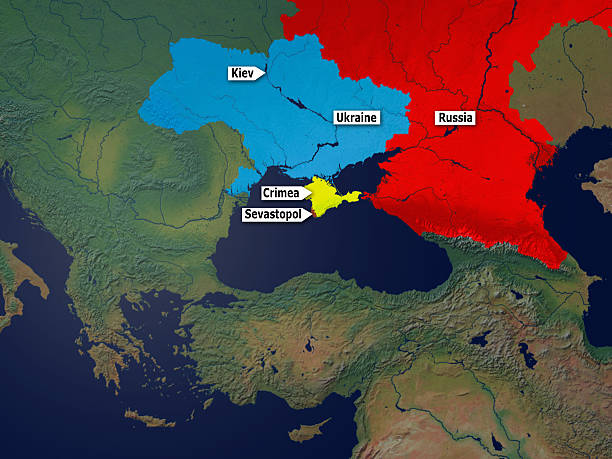
We do however live in an increasing unsafe, world as the situation at Russia’s amassing its forces at the Ukraine border spurred fears of an invasion, illustrates. On Tuesday, however, Russian Defence Minister Sergei Shoigu said that some of the troops stationed along the Ukrainian border are being withdrawn, returning to their bases.  Although there is video of troop movements, this withdrawal has yet to be verified. However, and perhaps not surprisingly, Russia failed to attend a meeting of members of the OSCE the world’s largest security body, yesterday, to explain its military build-up near the Ukraine border. Kyiv had requested the meeting with Russia and other members of the Organization for Security and Co-operation in Europe to “discuss the reinforcement and movement of Russian forces along our border” under the so-called Vienna Document.

We hope that diplomacy prevails, as a war would cause considerable loss of life and destruction, destabilise security in the region and have a global impact. Already fuel prices are rising as a result of this crisis.

Some good news is that the DGS Covid-19 new case figures published on Monday were the lowest of the year, and that the transmission rate and incidence levels were deceasing sharply. We will no doubt learn more from the experts at the Infarmed meeting this morning, but it does appear that we are over the peak and that Covid-19 is declining in Portugal. We hope therefore that depending on the analysis presented by various experts, that measures can be further eased accordingly.

Setting the scene for this meeting, the President of the Portuguese Epidemiology Association, Elisabete Ramos., said yesterday , that:  “there are three factors that combine so that we are now in a different phase of the pandemic: we are witnessing a sustained decrease in cases, even if part of the reduction may have to do with the closing of the Germano de Sousa laboratories; we have a huge number of people protected and with immunity, either through vaccination or through contact with the virus; and even when this protection does not prevent infection, the manifestations of the disease are no longer as serious as they used to be”.

According to Gustavo Tato Borges, president of the National Association of Public Health Physicians, the relief must be “phased”, with restrictions that can be lifted now and others that must be maintained for a few more weeks.

We will be reporting on the meeting during today and tomorrow some of these issues are expected to be debated by the council of Ministers who are expected to meet.

A reminder that the self-scheduling for the administration of the first dose of the vaccine against covid-19 in children aged 5 to 11 years was opened this Tuesday. Vaccination will take place on Saturday, February 19th. Please see our post yesterday.

With that please have a Safe Day. 

Headlines

Climate change: “The situation has never been so serious”, warns IPPC president

With more than a century and a half of economic development devoted to fossil energies, the average global temperature has increased by 1.1 degrees Celsius (ºC) compared to the pre-industrial era

“The need (for this document) has never been greater, because the situation has never been more serious,” said Hoesung Lee, during a teleconference that opened a discussion period, behind closed doors, which will last for two weeks.

With the warming of the planet accelerating, the devastating impacts of climate change follow one another, with heatwaves, droughts, storms or floods, which will now motivate that IPCC report.

With more than a century and a half of economic development devoted to fossil energies, the average global temperature has increased by 1.1 degrees Celsius (ºC), compared to the pre-industrial era.

Last August, in another IPCC document, scientists estimated that the rise in mercury would reach around 2030 – ten years earlier than anticipated – the 1.5°C target set in the Paris Agreement.

Ahead of a third publication, expected in April, on solutions to reduce greenhouse gas emissions, this second, whose discussion began today, deals with the impacts of warming and adaptation.

“About 4.5 billion people have suffered a catastrophe associated with a meteorological event in the last 20 years”, added the director of the World Meteorological Organization, Petteri Taalas, pointing out the responsibility of fossil energies.

This new IPCC document will be presented on February 28, after the 195 member states have analysed, line by line, the ‘summary for decision-makers’, a politically sensitive summary of the thousands of pages of the scientific report, prepared by 270 scientists. The focus of the publication is adaptation.


Covid-19 DGS Situation Report 15th February  

Confirmed: 3,111,858 (+18,135 / +0.59%)

Admitted: 2,270 (-94 / -3.98%)

Admitted to ICU: 147 (-1 / -0.68%)

Deaths: 20,620 (+55 / +0.27%)

Recovered: 2,554,403 (+30112 / +1.19%)

Active cases: 536,835 (-12,032 / – 2.1%)

TRENDS

The 55 deaths represents the highest since 2nd February and 20 more than yesterday.

The number of infections in 24 hours is around 10,000 more than yesterday, but well below last week’s daily average. Tuesday of last week, 30,757 new cases were confirmed – a drop of 41%

A further decrease in those in ICU bringing the total to further below the average of around 150 – 160 over last 5 weeks

A large decrease in hospitalisations after 2 days of increases.

A welcome 5th consecutive day with a decrease in active cases similar in number to the previous days.

Health

Covid-19. Open self-scheduling for children from 5 to 11 years old

Vaccination will take place on Saturday, February 19th.

The self-scheduling for the administration of the first dose of the vaccine against covid-19 in children aged 5 to 11 years was opened this Tuesday, announced the Shared Services of the Ministry of Health (SPMS).

The vaccination process will take place “on Saturday, February 19, in the morning, in the most convenient place, according to the availability and installed capacity of the existing vaccination posts”, the SPMS said in a statement.

At the same time, second doses will be administered to eligible children who were unable to administer the vaccine on the 5th and 6th of February, in which case the scheduling is done centrally via SMS (2424), he adds. Self-scheduling link here: https://covid19.min-saude.pt/pedido-de-agendamento

Portugal has already administered 22 million vaccines against COVID-19

More than 22 million vaccines against COVID-19 have already been administered in Portugal since the vaccination campaign started.

According to data recorded until the end of yesterday, February 12, about 22,055,400 vaccines have already been administered, with more than 5,647,500 Portuguese receiving the booster dose.

On January 15th, Portugal had achieved the administration of 20 million doses of the vaccine against COVID-19, which means that, in less than a month, approximately two million inoculations were registered.

As vaccination is the best form of protection against serious illness, hospitalizations and death, the Directorate-General for Health reinforces the appeal for people, over 18 years of age, who are not yet vaccinated with the booster dose and are eligible. , schedule an appointment at https://covid19.min-saude.pt/pedido-de-agendamento .  

Thousands of patients still awaiting results after computer attack on Germano de Sousa laboratories

José Germano de Sousa, administrator of the Germano de Sousa group, in an interview with SIC Notícias that it is reopening its laboratories this Tuesday in the north of the country and that by the end of the week it is expected that the normal operation of the laboratories will be restored.

The administrator of the Germano de Sousa group, José Germano de Sousa, in an interview on Monday with the Evening Edition of SIC Notícias, explained that since Thursday they have been rebuilding the computer system of laboratories across the country after the “cyberattack” executed by cowards and criminals”.

As of this Tuesday, a gradual opening of laboratories in the North zone begins, extending between Thursday and Friday to the Lisbon region. In the South zone, the reopening should take place on Thursday.

As for the purpose of the attack, José Germano de Sousa says they cannot understand it, but believe it is a process of attacking a business.

“There are many thousands of patients who have not yet received the test result”, only on Thursday there were around 12,000 patients who did not receive a result, says José Germano de Sousa. Since Friday, the activity in the laboratories has been suspended and the group administrator considers that when the system is lifted, “between 24 and 48 hours”, there are conditions to send the results on hold.

In an interview with SIC Notícias, he clarifies how they detected the attack and how they acted, reinforcing that customer data was not compromised.

Covid-19: WHO warns that Omicron is spreading in Eastern Europe due to lower vaccination

The World Health Organization (WHO) warned today that the Ómicron variant of covid 19 is spreading in Eastern Europe, where in the last two weeks the number of new infections has doubled and there is a lower level of vaccination.

“In the last two weeks, cases of covid-19 more than doubled in six countries in this part of the region (Armenia, Azerbaijan, Belarus, Georgia, Russian Federation and Ukraine). As predicted, the Omicron wave is moving eastward: 10 member states have already detected this variant,” said the organization’s European director, Hans Kluge.

In a statement presented at a virtual meeting with the media in these countries, Hans Kluge recalled that “vaccination remains the best defence against serious illness and death for all current variants of the covid-19 virus that are circulating”.

“However, many people most at risk remain unprotected: less than 40% of people over the age of 60 in Bosnia Herzegovina, Bulgaria, Kyrgyzstan, Ukraine and Uzbekistan have completed the covid-19 vaccination plan,” he recalled.

Hans Kluge added that Bulgaria, Georgia and North Macedonia are also among the countries where less than 40% of healthcare workers have received at least one dose of the Covid-19 vaccine.

“I urge governments, health authorities and relevant partners to closely examine the local reasons behind lower vaccine demand and uptake and design tailored interventions to urgently increase vaccination rates, based on context-specific evidence.” added.

The official said that in the WHO European region there have been “more than 165 million cases of covid-19 to date. This is still a deadly disease: 1.8 million people lost their lives, 25,000 of them in the last week”.

Other News

GNR fire-fighting deployment – 2021

In the Safe Forest Campaign 2021 the Emergency Protection and Relief Unit (UEPS) of the GNR carried out, between January 01 and December 31, 2021, 3,347 missions to combat Rural Fires, of which 3207 were undertaken in the Initial Attack phase.

The national success and effectiveness rate in Initial Attacks on Rural Fire missions was 95.53%.

Under the terms of Decree-Law n 113/2018, of December 18, the UEPS is the specialized unit of the Guard that has a specific mission to execute prevention and intervention actions, throughout the national territory, in situations of serious accidents and catastrophe, specifically in the rural fires, hazardous materials, from floods, earthquakes, search, rescue and rescue in different environments, as well as other emergency situations of protection and relief, including judicial inspection in water and underwater.

GNR recorded 1,105 crimes of dating violence in 2021

The National Republican Guard (GNR) started on Monday a campaign to prevent and raise awareness of dating violence, having recorded 1,105 crimes in all age groups last year, 332 aged up to 24 years.

In a statement, the GNR also indicates that during the year 2020, 1,110 crimes of dating violence were recorded in all age groups. Of these crimes, 365 victims were aged up to 24 years.

The #VaisParar campaign, which begins today, Valentine’s Day, and ends on February 20, aims to encourage all young people to denounce and not accept any type of psychological, emotional, physical, social or sexual violence.

During the campaign, the GNR will carry out prevention and awareness-raising actions, aiming to combat “violent behaviour and all existing forms of aggression, especially in dating between young people, where these behaviours are precocious”.

The GNR highlights the importance of alerting young people to the importance of healthy relationships based on principles and values ​​such as respect, tolerance and self-esteem.

“The Guard continues to direct and prioritize the Criminal Prevention and Community Policing Sections for schools and for the education of our young people”, says the GNR.

In the note, the guard also says that it has been reinforcing its awareness campaigns and investing in training actions for its staff.