Portugal Situation Report Wednesday 15th December 2021

Good morning – This morning I would cover the topic of risk, the factors that influence risk and how to reduce the risk of contracting Covid-19, avoiding self-isolation, or worse, during the Christmas period.

In the lead up to Christmas we are undoubtedly planning for the occasion, with additional shopping and deciding what events, family gatherings and other events we will be attending. Compared to last year there are far fewer Covid-19 restrictions in place, so far greater freedom in deciding our activities. However some activities may present greater exposure to contracting Covid-19 than others. It is all to do with risk.

Nearly all the eligible population (except those 11 and under) have already been fully vaccinated and some have received the booster and flu vaccines. There are others, however, who still have no, or limited, protection against Covid-19, due to poor immune system for instance which is not capable to react to the vaccine stimulus.

There are activities and areas of the country that pose greater risk than others. We are learning to live with covid-19 among us. Even with some limitations, you can go to a restaurant, gym or cinema.

However, the emergence of new variants of the virus and current increases in incidence rates again pose a challenge and may force the cancellation of some of this seasons events, as has already happened in some municipalities. For now, the number of admissions, both in intensive care and in wards, remains far from the limit established by experts consulted by the Government and far below the same period last year. The Christmas and New Year periods will be decisive.

The desire for a gradual return to normality does not mean that the virus has disappeared from our lives. Every trip to the restaurant, supermarket, cinema or participation in a social event carries a risk, which varies depending on your health condition, whether you have already been vaccinated, where you live and, of course, how many people will be with you and how they behave.

If you undertake these activities, the above risk factors determine the level to which you may become exposed to contracting Covid-19 and the potential level of seriousness. A major factor is health and if you suffer from: hypertension, diabetes, asthma, kidney disease, heart disease, lung disease or cancer these are the types of conditions that according to DGS increase the risk; plus factors such as being overweight or if you smoke.

A low risk does not mean that you cannot suffer any harm from the disease, just as a high risk does not mean that you will suffer.

Keep in mind that, even if you are not at high individual risk, there is always the risk of infecting others who are more vulnerable and causing them harm (the extent and severity of which you cannot predict or foresee). Precaution in managing the risk of SARS-CoV-2 infection is a collective responsibility.

For example, if you are over 70 years of age, have various diseases and have not fully completed a Covid-19 vaccination and thinking of going to a gathering in a group with others, in a municipality with a high incidence rate, where people may not all be wearing masks all the time and social distancing is not possible, then the risk is likely to be very high.

However, if you are going shopping, in a municipality with a low incidence rate, are younger in age, no health conditions, fully vaccinated and will be wearing a mask all the time then, the risk in comparison is low.

These are just two examples, the purpose being to illustrate when considering what activities you wish to undertake in the lead up to, and over the festive season, to also consider the risk factors together with your potential exposure to others who maybe more vulnerable.

Please have Safe Day

Headlines

Covid-19: Over 50s will receive third dose of vaccine – Government

Lisbon, December 14, 2021 (Lusa) – The third dose of the vaccine against covid-19 will begin to be administered to people aged 50 and over, announced today the Assistant Secretary of State for Health.

“The update of the standard of DGS 002/2021 will be carried out during today, changing the eligibility range from 65 years old or over to 50 years old or more”, said António Lacerda Sales, on the side lines of the ceremony for the taking of possession of the first president of the Order of Physiotherapists, António Lopes.

Thus, he indicated, “people over 50 years old will also be boosted with the vaccine” against covid-19.

2021: Three waves of covid-19, three variants and mass vaccination of Population

Lisbon, December 14, 2021 (Lusa) – Three waves of infections, which put professionals and health services to the test, new variants of the more transmissible coronaviruses and the mass vaccination of the Portuguese marked the covid-19 pandemic in 2021 in Portugal.

Portugal is ending 2021 as it started: a wave of cases that has already led to more measures to contain the growth of infections and the threat of a new variant, despite doubts whether it causes more severe forms of covid-19 and whether its effectiveness is diminished of vaccines.

If in January 2021 the threat was the Alpha variant, associated with the United Kingdom, now the concern is with Omicron, detected in dozens of countries after being reported in southern Africa.

In between, Portugal faced the Delta variant, associated with India, considered 60% more transmissible than the original virus, and responsible for all infections in the country and which in 2021 gained ground to all others in Europe and the world.

But 2021 is also marked by the biggest wave since the beginning of the pandemic, in the first two months of the year, with Portugal surpassing, at the end of January, 300 daily deaths and 16 thousand cases.

With vaccination still in its infancy, the pressure on hospitals has been increasing since the beginning of the year, which most experts attributed to the easing of restrictions during the Christmas period, culminating in a peak of more than 6,600 inpatients and 850 patients in intensive care at the end of January.

Read more here: https://www.safecommunitiesportugal.com/2021-three-waves-of-covid-19-three-variants-and-mass-vaccination-of-the-population/

Covid-19 DGS Situation 14th December 2021

Confirmed: 1.200.193 (+ 3591 / + 0.30 %)

Admitted: 953 (-41 /-4.12 %)

Admitted to ICU: 142 (-2 /-1.39 %)

Deaths: 18.687 (+ 14 / + 0.07 %)

Recovered: 1.115.749 (+ 6358 / + 0.57 %)

Active cases: 65,757 (-2781 /-4%)

Trends

Deaths (14) decreased compared to yesterday, and is slightly below the average of the last 30 days (14.4 deaths).

Welcome moderate decrease in the number of Covid-19 patients hospitalised

Also reduction of those in ICU

Active cases decrease considerably by 4% after several days of increases.

Very high level of recovered cases for a single day – over six thousand

Health

Vaccination of 10 – 11 year olds – about: “about 27 thousand” appointments have already been made

The self-scheduled vaccination for children was available late yesterday afternoon.

Until 1:30 pm on Tuesday, “about 27 thousand online requests” were made for the vaccination of children between 11 and 10 years old. An option that, it should be noted, was available at the end of the day yesterday on the Online Scheduling Portal for vaccination.

These appointments were set for the next weekend, December 18th and 19th, which will be exclusive to the vaccination of this age group.

Pfizer’s covid-19 drug reduces hospital admissions and deaths by 90%

Pfizer confirmed this Tuesday that its pill against covid-19 reduces hospitalizations and deaths in people at risk by about 90% when taken in the first days of symptoms appear.

The drug maker says, in a statement, that the conclusion about the drug’s effectiveness resulted from clinical trials involving more than 2,200 people, and supports what was announced in early November based on preliminary results.

According to Pfizer, no deaths were recorded among those who received the treatment.

Participants in clinical trials were unvaccinated and were at high risk of developing a severe case of covid-19.

Pfizer also announced that the antiviral treatment, which will be marketed under the name Paxlovid, should maintain effectiveness against the Omicron variant of the SARS-CoV-2 coronavirus, which causes covid-19 disease.

“This underscores the potential of this (drug) candidate to save the lives of patients around the world,” said Albert Bourla, head of Pfizer, quoted in the statement.

“Concerning variants such as Omicron have exacerbated the need for affordable treatment options for those who contract the virus,” he added.

Antivirals work to decrease the ability of a virus to replicate, which also alleviates the disease.

These treatments represent a key complement to vaccines in protecting against covid-19, namely because they are very easy to administer.

69 cases of the Omicron variant in Portugal and possible community circulation

Portugal registers 69 cases of the Omicron variant of the SARS-CoV-2 coronavirus, with the latest data revealing a “trend strongly indicative of the existence of community circulation”, said this Tuesday (December 14) the National Institute of Health Doctor Ricardo Jorge (INSA).

“To date, a total of 69 cases of the Omicron variant have been identified by targeted search for mutations and/or viral genome sequencing,” says the INSA report on the genetic diversity of SARS-CoV-2, which causes covid disease. -19.

According to the institute, within the scope of real-time monitoring of the “failure” in the detection of the S gene, which allows the identification of the Omicron variant, carried out in collaboration with several laboratories, it was possible to gather data for the period from November 25th to 12thDecember.

“This analysis points to an increasing trend in the proportion of positive cases with S gene failure since December 6th, reaching a relative frequency of 9.5% by December 12th,” the report said.

According to INSA, this trend, particularly that observed in the last three days, is “strongly indicative of the existence of community circulation of the Omicron variant in this period, in strong parallel with the scenario observed in other countries” that are using the same approach for surveillance of this variant, the case of Denmark and the United Kingdom.

This new variant, classified as “worrying” by the World Health Organization (WHO), has been detected in southern Africa, but since the South African health authorities raised the alert on 24 November, infections have been reported in more than 60 countries from all continents, including Portugal.

Schools

Government has already updated the school calendar, affected by measures to combat the pandemic

The Government confirmed through a dispatch in Diário da República the school calendar announced by António Costa. The prime minister, when he informed the country that new restrictions would be imposed to contain the advance of covid-19, said that there would be changes to the Christmas and New Year holidays that would have repercussions in the remaining school year.

With the forced closure of schools in the first week of January — motivated by the prevention of contacts after the end-of-year festivities period — the Government had to make changes to the school calendar. These were confirmed through an order in the Diário da República, published this Monday.

According to the document, the Government considers that “it is still possible to accommodate the suspension of in-person teaching and non-teaching activities”, so “it is chosen to adapt the 2nd and 3rd academic periods to the said suspension” – not moving forward, thus, for distance learning.

This order changes the calendar for the functioning of educational and teaching activities in public establishments of pre-school education and basic and secondary education and the school calendar for private establishments of special education”, it reads.

The 1st period ends on December 17th and classes will only resume on January 10th. As a result of this increase in Christmas holidays, the Carnival holidays will be limited to just one day — March 1st — with the 2nd period running until April 8th.

The interruption between the 2nd and 3rd periods will be reduced to one week, between April 11th and April 18th. The end of the school year will be determined by the level of education and whether or not exams are taken:

9th, 11th and 12th grades end on June 7, 2022

5th, 6th, 7th, 8th and 10th grades end on June 15, 2022

Pre-school education and 1st cycle of basic education ends June 30, 2022

Special education follows the same rules as regular education, but with one formal exception, as it can “ensure face-to-face teaching activities in the period between December 27, 2021 and January 7, 2022”, that is, to continue the classes, but only “at the request of the guardians” and “provided that the necessary safety conditions are guaranteed in accordance with the guidelines of the General Directorate of Health”.

Enforcement

Covid-19 GNR closes cafe in Viana do Castelo with around 150 people inside

The GNR closed a cafe in Santa Leocádia de Geraz do Lima, in Viana do Castelo, with about 150 people in the interior, in disregard for measures to prevent the Covid-19 pandemic, the GNR stated on Monday.

In a statement sent to the newsrooms, the Territorial Command of the GNR of Viana do Castelo, said that the operation was initiated following “a complaint of noise in the aforementioned establishment”.

At the site, the GNR military verified that there were about 150 people inside the cafe, which “worked outside the permitted hours, and where a party was also taking place with the use of an unlicensed dance space, in complete disrespect for the measures in force in the scope of the Covid-19 pandemic”.

According to the GNR, “all the interveners were identified in order to proceed with the issue of the respective infraction notices.

To those responsible for the cafe “for failure to comply with the duty to verify the digital certificate or covid-19 test, and to the 137 customers for failure to comply with the duty to present and hold a European Union (EU) digital certificate in the form of proof of test or recovery or laboratory test with negative result”.

The action, which was attended by 32 GNR soldiers, was reinforced by the territorial detachments of Arcos de Valdevez and Valença and the intervention detachment of Viana do Castelo.

Other news

UN validates record temperature of 38°C in June 2020 in the Arctic

A new “Climate Change Warning Sign”.

The World Meteorological Organization (WMO) today validated the record temperature of 38° Celsius in the Arctic, recorded in the Russian city of Verkhoyansk in Serbia on June 20, 2020, a new “warning sign on climate change” “.

“This new Arctic record is one of the observations reported to the WMO Extreme Weather Archive, a UN agency, which is sounding the alarm about the changes our climate has undergone,” noted WMO Secretary General Petteri Taalas, noting that in the same year Antarctica also registered a record 18.3°C.

Verkhoyansk lies about 115 kms north of the Arctic Circle and temperatures have been measured there since 1885.

This region of Eastern Siberia has a very dry continental climate, resulting in very cold winters and very hot summers.

“This survey highlights the rise in temperatures in a region that is important to the rest of the world in terms of climate”, so it is important to monitor it continuously, said WMO rapporteur on climate and climate extremes, Randall Cerveny.

WMO researchers are trying to “verify a temperature of 54.4°C recorded in 2020 and 2021 in the hottest place on Earth, Death Valley in California, and also validate a new European heat record of 48.8°C C established in Sicily this summer,” said Taalas.

The group of experts responsible for certifying these records examines the validity of the instruments used for measurement and their consistency with current weather.

Algarve Situation Report Wednesday 15th December 2021

COVID-19: Algarve Regional Health Authority Advises against events, parties and dinners that promote the gathering of people

This regional recommendation is in line with the “common sense” that has already been requested by Graça Freitas, general director of Health

The Algarve Regional Health Authority advises against, “with immediate effect”, the holding of events, parties and dinners that “promote the agglomeration of people” due to the situation of the pandemic.

In a communiqué, issued this Monday, December 13, and signed by Ana Cristina Guerreiro, Regional Health Delegate, it is explained that the “current national and regional epidemiological situation is characterized by a high degree of uncertainty, bearing in mind the dynamics of circulation of several viruses in the winter months and the emergence of a new strain of concern for SARS-CoV2”.

Added to this is the fact that, “regardless of full compliance with all public health measures, the risk of transmission is real and cannot be eliminated.”

This is because, according to the Algarve Regional Health Authority, “cases/outbreaks related to social events that promote the aggregation of people continue to occur, given the circulation of infected people, with or without symptoms, even with an effort of prior testing”.

Therefore, it is requested that those who carry out events “during the pandemic, even within the limits of the legal framework”, should consider “the risk”.

For the rest, this regional recommendation is in line with the “common sense” that has already been requested by Graça Freitas, general director of Health, during the festive season.

The Northern Regional Health Administration has also given similar advice. 

Loulé Municipality distributed 6,000 reusable masks to 1st Cycle students in the municipality

At a time when many of the Covid-19 infections have arisen in children and young people, the Municipality of Loulé has distributed more than 6000 masks to schools.

According to the Municipality in a statement, each student in the 1st cycle of the public school system was offered two reusable children’s masks. “The initiative aimed to strengthen the protection of the little ones and remind that the pandemic is not over and that it is imperative to reinforce care to prevent its spread”, adds the municipality.

 In total, 3000 students from public schools in the 1st cycle of the municipality were benefited. This is yet another action that joins others already implemented in schools since the beginning of the pandemic, highlighting, for example, the creation of the Solidary Education Line, measures to support distance learning or the joint preparation with ABC and the groups of schools, of the “Adaptation Strategy of the Educational Community of the Municipality of Loulé in Times of the COVID-19 Pandemic.

VRSA mourns the death of former mayor Alfredo Graça

He led the municipality’s destinies for six years.

The municipality of Vila Real de Santo António (VRSA) issued a note in which it expresses “the deepest regret” for the death of Alfredo Graça, Mayor of Vila Real de Santo António between January 1980 and January 1986.

Alfredo Graça took office at the Vila Real de Santo António City Council in January 1980, following the second municipal elections of 1979, elected by the APU coalition between the Portuguese Communist Party, of which he was a militant until the end of his life, and the MDP /CDE

“The six years he spent his municipal mandate were intense years of dedication to work, applying avant-garde thinking at a time when local authorities had practically no political and financial autonomy”, praise the VRSA municipal officials.

During his presidency, he was responsible for the construction of a Municipal Master Plan (PDM), the eighth to be implemented in Portugal, and developed important urban planning initiatives, valuing not only the quality of buildings, but also urban planning. .

“Alfredo Graça carried out his mandate under difficult conditions. A law on local finance had just been approved and the local authorities still did not have sufficient financial means for the great needs of the population, namely in water supply, in the construction of sewage networks and in the construction of roads and paths», recalls the Chamber Municipality of VRSA.

During his years of governance, initiatives linked to social housing and support for families also stand out, having led processes such as the change from the municipal market to a strategic area of ​​development or the creation of general guidelines for the PDM and the Sports Complex.

He was also responsible for strengthening ties with neighbouring Spain, through the twinning with Ayamonte. «For its important legacy», the municipality «decrees two days of municipal mourning, which are fulfilled today and tomorrow, and puts the flag at half-mast during this period».

To the bereaved family, colleagues and friends, the municipality extends its most heartfelt condolences and a profound message of solidarity. The windward team also expresses its deepest condolences.


The Overseas Situation Report Tuesday 14 December 2021

by Mike Evans

“In the midst of winter, I found there was, within me, an invincible summer” 

– Albert Camus

In this report we are looking at what has happened over the past week in Germany with regards to the emergence of the new Omicron Strain of the Covid 19 virus and look at one industry which is thriving in the Netherlands during the pandemic, and we look at the situation in Canada and news of a upsurge in infections and what they are doing to combat the new variant.

First to Germany, Germany is facing a massive fourth COVID-19 wave even though two-thirds of its population is vaccinated. Germany counted a staggering 50,196 new COVID-19 infections last Thursday, its highest count since the pandemic began. It is the first time the country has been battling a major wave despite a majority of its population being doubly vaccinated. About 67% of people in Germany are fully vaccinated against COVID-19. But experts have warned from the beginning of the rollout that the number is not high enough to keep the virus under control.

“Our vaccination rate is still under 75% of the German population,” said Dr. Christine Falk, president of the German Society for Immunology. “Combined with the lack of contact restrictions, this is allowing the virus to spread almost exclusively among the unvaccinated.”

According to the Robert Koch Institute, the incidence of hospitalizations for unvaccinated COVID-19 patients between 18 and 59 is currently about four times higher than for vaccinated ones. For patients over 60, it’s about six times higher. While the jabs significantly lower the risk of serious illness and death, they don’t fully protect against infection. With soaring case numbers, the risk of getting COVID-19 also rises for vaccinated people.

“The growing numbers are also increasing the pressure on vaccinated people, but the portion of breakthrough infections is miniscule,” Dr. Falk says. The vaccinated who could face a higher risk, she says, are the older ones with weaker immune systems, especially if some time has passed since their second shot. The country is now administering booster shots to people who were fully immunized more than six months ago.

Compared to early 2021, Germany has lax distancing measures in place during this fourth wave.  About a year ago, the government introduced rules that would eventually develop into a hard lockdown: All nonessential businesses were closed and a night-time curfew was imposed temporarily. There were varying restrictions about how many households could meet.  In combination with the vaccine rollout, these measures caused Germany’s incidence to drop in the spring. Nowadays, people in Germany face fewer rigid rules: They have to wear medical, so-called FFP-2 masks on public transport and in stores, and most venues will only let them in if they are vaccinated, have recovered from COVID-19 or were tested.

This year Delta, a more contagious mutation of the coronavirus, has become the predominant variant in Germany and much of the world. It is more than twice as contagious as previous variants, according to the CDC. It might also cause unvaccinated people to experience worse symptoms. Another factor fuelling Germany’s fourth wave is that winter is just around the corner. “The delta variant virus loves the cold. We spend more time indoors which makes it easier to spread the virus,” said Dr. Falk.

Other European countries like Austria, the Netherlands and Belgium are also seeing soaring infection incidences as these factors come together.  Dr. Falk pleads for people to be smart during this fourth wave and consistently wear masks and to take antigen tests as soon as symptoms appear. But most of all, she encourages the unvaccinated to get their shots.

“If we don’t increase the vaccination rate urgently, it will become difficult to control the situation,” she said. “The vaccines are the best thing that could’ve happened to us, but there are still too many people refusing them.”

Meanwhile across the border from Germany in the Netherlands, one side of their economy which is booming is the Coffeeshops. Since 1976, the Netherlands has tolerated the smoking of cannabis and hashish, weed and other products which can be bought at coffee shops. The Hague, the seat of the Dutch government, has around 30 shops.  At the No Limit Coffeeshop in The Hague the customers stream in and out endlessly, as the cannabis trade booms despite Covid restrictions. Whether it is to calm their anxiety or ease the boredom of the past two years, many buyers say their consumption has increased during the pandemic.

“Covid has been good for us,” smiles Carmelita, the boss of No Limit who asked for her full name not to be published. Before coronavirus, the shop had 300 to 350 customers a day, she says. “Now it is 500. The only profession which is happy with Covid is coffeeshops.”

When the Netherlands first locked down in March 2020 there were scenes of “weed panic”, with long queues outside coffeeshops, the Dutch term for cannabis cafes.

But while access to bars, restaurants and nightclubs has been sharply limited, coffeeshops have been able to stay open, mostly for takeaway. “Before, they were going to the disco. But now everything is closed, so now they stay home, where they smoke more,” says Carmelita, adding that her clientele includes “many housewives, who buy weed to sleep well.”

“There’s nothing to do in town, so you just smoke joints” with friends, says Sophia Dokter, 18, who used to smoke two or three times a week, but now says it’s six or seven times.

A survey by Trimbos, a research institute on mental health and addictions, found that 90 percent of Dutch cannabis users were smoking as much or more since the start of the pandemic. Three-quarters were smoking every day.

“So, it is not about people wanting to get high, to escape. It is more a way to cope with everyday anxiety,” says Stephen Snelders, a historian of drug use. Similar changes in the use of tobacco and opium were seen in historic plague outbreaks in the Netherlands, he said.

During the stress of a pandemic, “a little brain holiday is always nice,” agrees Gerard Smit, who runs the Cremers coffeeshop in The Hague. “There’s nothing wrong with having one (a joint) while you watch Netflix.”

However, Covid restrictions have emptied many of the coffeeshops’ famed, fume-filled smoking rooms. “We like each other, but we don’t give each other joints anymore,” says Smit. Takeaway sales are booming though. Trade is busy at Waterworld, another coffeeshop in the city. Different types of weed with evocative names like “fruti punch”, “gelato” or “amnesia haze” are on display in large plastic containers.
“Careful, only three people at a time inside!” says Mesut Erdoğan, a cashier. A sign on the door says that “To stop the spread of the Covid-19 virus, the smoking area is closed until further notice. “Nobody is coming inside anymore” to smoke, says boss Abdoel Sanhaji, who is also president of the Alliance of The Hague Coffeeshops.

He says he respects the coronavirus rules but is hoping for a change in the law when the pandemic is over. In a somewhat stoner-esque paradox, the consumption and sale of cannabis have been decriminalised in the Netherlands, but the rest of the supply chain remains illegal.

The weed — which the coffeeshops sell by the kilo every day, and for which they pay tax to the Dutch treasury — is effectively still forbidden in the Netherlands, as is its cultivation. “We are illegal for nearly everything, except for paying taxes,” jokes Carmelita. “Covid will have no impact on our drug policies,” says John‑Peter Kools of the Trimbos institute. “Even Covid, with its 18 months of life, is nothing compared to 30 years of a heated debate.”

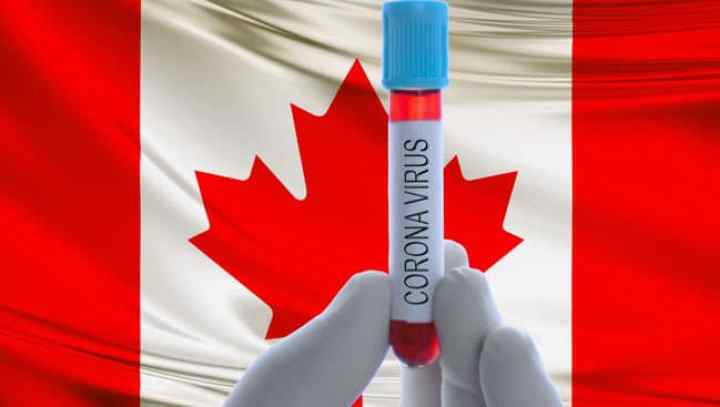
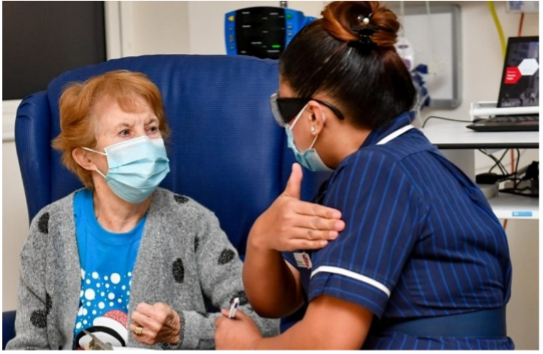
And finally, across the Atlantic to Canada, where according to New modelling released last Friday by the Public Health Agency of Canada (PHAC) suggests the number of COVID-19 cases could increase sharply in the coming weeks as the country grapples with another wave of delta infections and the highly transmissible Omicron variant.

While there is a lot of uncertainty about how many cases might be reported, an increase from the current level of over 3,300 cases a day is likely, PHAC said, because Canada is experiencing a “gradual but steady increase” in infections.

The national “rT” — the metric that tracks the average number of people one infected person subsequently will infect — is now over one. That means the pandemic is again in growth mode.

Pointing to early findings from South Africa, where Omicron was first identified and case counts have skyrocketed, PHAC said cases could quadruple to 12,000 a day in January if “Omicron successfully establishes” and the current levels of transmission are maintained.

Omicron’s “greater transmissibility” and the potential for “reduced protection from prior infection/vaccination” could drive this resurgence, PHAC said. The effectiveness of the current slate of COVID-19 vaccines against Omicron is still under review. As of December 9, there have been 87 confirmed cases of Omicron reported in seven Canadian jurisdictions. To date, all reported cases of Omicron in Canada have been asymptomatic or mild.

Even without Omicron circulating widely, PHAC modelling suggests Canada could still be dealing with another wave of Delta cases in the new year.
If the current level of transmission is maintained, cases stand to double to between 6,000 and 7,000 a day in January. If transmission levels increase, a Delta-driven wave of roughly 12,000 cases a day is also possible, PHAC said.

While the modelling is concerning, Dr. Howard Njoo, Canada’s deputy chief public health officer, said people shouldn’t go into “panic mode.”

“We should all respect the virus. It’s a formidable foe and it’s obviously evolving as we fight against it,” he said. “We need to respect it but not be panicked or scared. We have a great number of tools now and we know a lot more about the virus. We know vaccines protect against serious illness.

While the new strain is now multiplying rapidly across the world, we should all remember that this strain does seem to be affecting people in a much milder way than the previous strains so we can all be hopeful that this trend continues as we draw ever closer to the Christmas holidays where traditionally families and friends mix closely together.

Until the next time Stay Safe.

Total Cases Worldwide – 270,533,063

Total Deaths Worldwide – 5,324,691

Total Recovered Worldwide – 243,317,805

Total Active Cases Worldwide – 21,890,567 (8.1 % of the total cases) 

Total Closed Cases Worldwide – 248,642,496

Information and Resources:

https://www.worldometer.info/coronavirus/

https://www.dw.com/en/coronavirus-digest

https://www.france24.com/en

https://www.cbc.ca/news/politics/covid-infections-rising-federal-modelling-1.6281026


Portugal Situation Report Wednesday 8th December 2021

Introduction

Good morning – A reminder to everyone that there are a number of weather warnings in place for today. Of particular note are the orange level rough sea warnings with peak waves that could reach a maximum of 12 meters according to the IPMA. The National Maritime Authority has issued specific safety advice, in particular: advice against walks along the coastal areas close to the sea, “especially along the cliffs and cliff areas on the coastal fronts affected by the breaking waves”, and recommends the reinforcement of boat moorings. Please follow these warnings and advice, if it affects you.

These sorts of warnings, which also include snow warnings for six districts currently in place, are not unusual for this time of the year, but intensity can vary considerably. It is therefore important to monitor the daily weather warnings and general weather conditions. Details can be found on the IPMA website and the various precautions for heavy rain and snow can be found on our website here: https://www.safecommunitiesportugal.com/find-information/environment-and-weather/storms-and-flooding/

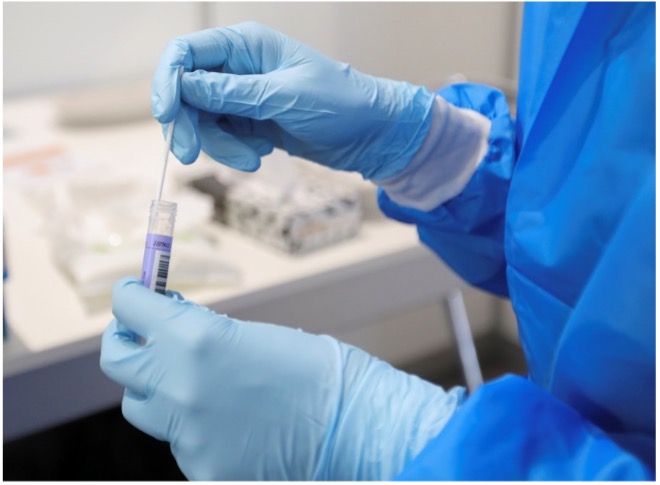
On Monday we published the DGS Covid-19 figures together with the weekly averages which our colleague John Cobby produces from the DGS figures. This week we compared the main figures with the same week in 2020. In terms of deaths, hospital admissions and those in ICU, the figures are over 70% lower than for the same period last year.

The daily average of new cases are just 13% lower than a year ago, but with the number of tests at present is three times higher – in fact at an all-time high. The number of tests this week, up to 5th December 2021, is around 683,000 compared to just 220,000 for the same week last year. Last Friday the INSA reported a positivity test rate of 3.9%, and for the same week last year just over 12%.

This shows the value of vaccinations one year on since Margaret Keenan in the UK became the first person in the world to be vaccinated on 8th December 2020. In Portugal the first person it receive the vaccination was Doctor António Sarmento on 27thDecember administered by  nurse Isabel Ribeiro

Portugal went from seventh to eighth lowest country in the European Union (EU) this week for new cases of SARS-CoV-2 infection per million inhabitants in seven days, according to the website Our World in Data statistic.

This week the country rose from 286 new daily cases to 338 per million inhabitants, still far from the EU average, which rose from 576 to 595 new daily cases per million inhabitants.

With regard to daily deaths per million inhabitants, Portugal remains the eighth country in the EU with the fewest deaths attributed to covid-19, with an average of 1.69 in the last seven days, higher than the 1.35 registered in the week last.

On Monday the Algarve Regional Health Authority, Ana Cristina Guerreiro, Regional Health Delegate for the Algarve, outlined the current situation, which she considers “worrying”. The incidence rate is 761 cases for 14 days per 100,000 inhabitants, nearly double the national rate with Portimão, Lagoa, Monchique, Loulé and Faro the most affected municipalities. The main age group affected is the 30-39 age group, followed closely by children from zero to nine which in the last 15 days “has grown a lot”.

We are now seeing the cancellation of some Christmas events by municipalities such as in Portimão announced by the municipality yesterday. Without being unduly pessimistic we expect there will be more. Please be particularly careful at gatherings – wearing a facemask, social distancing and following good hygiene practices can reduce the risk considerably.

On a different topic, yesterday the decree-law extending for another year the transitional regime of recognition and exchange of driving licenses issued by the United Kingdom was published in the Diary of the Republic. This was first announced on 19th November following the Council of Ministers meeting stating that they regime would be extended until 31st November 2022. The decree-law published in Diário da República guarantees the recognition of driving licenses for British citizens residing in Portugal under the same terms as the titles issued by a Member State of the European Union. Details on the exchange process were published yesterday on Brits in Portugal Facebook page https://www.facebook.com/BritsInPortugal

On the lead up to Christmas there will be various scams around and we will be covering these over the next two weeks on our Facebook site. Remember as far as shopping is concerned if an offer seems too good to be true it normally is.
Please have a Safe Day.

Headlines

Covid-19 vaccines are effective against Omicron, says WHO

The World Health Organization (WHO) today revealed that vaccines are effective against the new Omicron variant of covid-19, detected in South Africa, in protecting those infected from serious illness.

“No there is no reason to doubt” that current vaccines protect Omicron-infected patients against severe forms of covid-19, said WHO Public Health Emergency Response Officer Michael Ryan today in an interview with France-Presse.

We have very effective vaccines that have proved potent against all strains so far, in terms of disease severity and hospitalization, and there’s no reason to believe that’s not the case” with Omicron, said Michael Ryan, noting that he’s in the studies started on a variant detected only on 24 November and which has since been registered in around 40 countries.


Covid-19 Statistics from yesterday

Confirmed: 1.172.420 (+ 3417 / + 0.29 %)

Admitted: 936 (-12 /-1.27 %)

Admitted to ICU: 133 (-2 /-1.48 %)

Deaths: 18.572 (+ 21 / + 0.11 %)

Recovered: 1.093.264 (+ 4969 / + 0.46 %)

Active cases: 60,584 (-1573 /-2.53%)

Trends

The number of new cases back over 3 thousand and just above last week’s daily average.

A large number of recoveries – nearly 5 thousand in one day

A welcome decrease in both those in hospital as well as in ICUA welcome decrease in active cases

Overall the figures are fluctuating a great deal on a daily basis

As mentioned yesterday testing levels at present are very high


Health

European Medicines Agency approves drug to treat severe cases of covid-19

The European Medicines Agency (EMA) approved this Monday the drug RoActemra, already used in inflammatory diseases, to treat severe cases of covid-19 in adults.

“The EMA Committee for Human Medicines (CHMP) has recommended extending the indication of RoActemra (tocilizumab) to include the treatment of adults with covid-19 who are receiving systemic corticosteroid treatment and need supplemental oxygen or mechanical ventilation,” said the European regulator in a statement.

Following this EMA recommendation, it is now up to the European Commission to issue the final decision on the use of this drug for covid-19 in Member States.

Marketed by Roche Registration GmbH, RoActemra is already approved in the European Union for the treatment of inflammatory diseases such as rheumatoid arthritis.

According to the European regulator, the CHMP evaluated data from a main study involving 4,116 adults hospitalized with severe covid-19 who required oxygen or mechanical ventilation and with elevated levels of C-reactive protein in the blood (indicating inflammation).

The study data showed that treatment with RoActemra, an immunomodulator that alters the activity of the immune system and whose active substance is the monoclonal antibody tocilizumab, reduced the risk of death, as well as the length of hospital stay of patients infected with the coronavirus SARS-CoV-2.

Covid-19: University of Coimbra assesses emotional reactions of health professionals

Coimbra, 07 Dec 2021 – A team of researchers from the University of Coimbra is participating in an international study that aims to better understand the emotional experiences of health professionals who are or have been treating patients with Covid-19.

In order to reach as many health professionals as possible in these conditions in Portugal, the team of researchers from the Faculty of Psychology and Educational Sciences of the University of Coimbra (FPCEUC) is looking for volunteers who wish to participate in the research.

According to the coordinator of this team, Marcela Matos, there is growing evidence that health professionals at the front line in the fight against covid-19 have experienced adverse emotional reactions, which may be associated with an increase in the levels of anxiety symptoms, depression, trauma and ‘burnout’.

“This study aims to expand understanding of the multifaceted nature of the emotional experience of frontline health professionals in caring for covid-19 patients,” he explained.

The researcher at the Center for Research in Neuropsychology and Cognitive-Behavioural Intervention (CINEICC) at FPCEUC added that these professionals have been faced with “prolonged physical and emotional exhaustion and intense sadness, associated with the specificity of this tragic and unprecedented situation that is the pandemic of covid-19, which thus reveals itself as a unique experience, which differs from other forms of personal trauma”.

In his opinion, understanding the emotional experiences of these health professionals “will help to design specific strategies to promote mental health and well-being, in order to try to help them deal with the situation and alleviate some of the difficulties experienced”

Vaccines for children arrive in Portugal on December 13, but the decision of the Technical Commission on Vaccination is still pending

The first 300,000 anti-covid-19 vaccines for children aged 5 to 11, from the BioNTech/Pfizer pharmaceutical consortium, arrive in Portugal on December 13, today announced the Assistant Secretary of State for Health.

“About 300,000 vaccines will arrive on December 13th and then, during the month of January, another 400,000 vaccines will arrive, which, for this population, will be enough”, said António Lacerda Sales in Constância (Santarém), noting that “”is a different vaccination because it is per single dose, 10 micrograms, about a third of the dose of an adult”.
A total of 700,000 vaccines ensure the national needs “to vaccinate all children from 5 to 11 years old”, in an inoculation process that is in the preparation stage and awaits the approval of the Technical Vaccination Commission, noted the government official, on the side lines the opening ceremony of the Montalvo health extension, in the municipality of Constância.

“We are currently awaiting the decision of the Technical Vaccination Commission, which we hope will be a favorable decision, for the vaccination of children up to 11 years of age. What is incumbent on us, as Government, is to have all the planning and all the logistics (…) to be prepared to vaccinate and that is what we are doing”.

Lacerda Sales also highlighted the numbers related to vaccination against covid-19 in Portugal, having underlined the administration of more than 1.5 million booster doses and more than two million of the flu vaccine so far, in a country where “85% of the population has the complete vaccination schedule”. 

Other News

Marcelo enacts a government diploma creating the National Anti-Corruption Mechanism

Marcelo Rebelo de Sousa gave the green light to the diploma that establishes the general regime for the prevention of corruption and creates the National Anti-Corruption Mechanism, hoping that it will be an “independent, impartial and effective entity”

The President of the Republic, Marcelo Rebelo de Sousa, promulgated this Monday the Government diploma that establishes the general regime for the prevention of corruption and creates the National Anti-Corruption Mechanism, hoping that it will be an “independent, impartial and effective entity”.

The announcement is made on the website of the Presidency of the Republic on the Internet, where Marcelo Rebelo de Sousa says he hopes that the National Anti-Corruption Mechanism “constitutes a truly independent, impartial and effective entity, which does not reduce the scope of intervention of the Court of Auditors and other components authorities of justice”.

In June, the Government approved the decree-law creating the National Anti-Corruption Mechanism, “an independent administrative entity, with powers of initiative, control and sanction and with attributions in terms of collecting and processing information and organizing programs of activities between entities public and private entities in the fight against corruption”, according to the Ministry of Justice website.

The same decree-law establishes the general regime for the prevention of corruption, “which obliges private companies, public companies and services integrated in the direct and indirect administration of the State, with 50 or more workers, to adopt risk prevention programs, codes of conduct, reporting channels and appropriate training programs to prevent corruption and related offences” 

Campaign “Zero Alcohol level at the steering wheel”

The Road Safety Campaign “Zero alcohol level at the wheel” included in the 2021 National Plan will take place from December 7th to 13th and aims to alert drivers to the risks of driving under the influence of alcohol.

In Portugal it is prohibited to drive with:

– a blood alcohol level equal to or greater than 0.5 g/l – drivers with a valid driving license for more than 3 years

– a blood alcohol level equal to or greater than 0.2 g/l – new drivers (during the first 3 years of validity of the driving license), drivers of an emergency or urgent service vehicle, of public transport, of children’s transport vehicles, of taxis, of buses or trucks or of transport of dangerous goods and young people (16 years of age).

We remind you that driving under the influence of alcohol is a risk to your safety and that of others:

– With a blood alcohol rate of 0.5 g/l, the risk of suffering a serious or fatal accident doubles;

– Accidents resulting from driving under the influence of alcohol are particularly serious

Reinforcement of Civil Protection Resources for Serra da Estrella

Seia, Guarda, 06 Dec 2021 (Lusa) – The National Civil Protection Authority announced today a reinforcement of around 30% of the workforce in the Serra da Estrela region for the festive seasons to come.

“In this festive season, we have increased our staff by about 30% to provide greater support” to tourists in Serra da Estrela, said the commander of the National Emergency and Civil Protection Authority (ANEPC).

André Fernandes specified to journalists, on the day the Serra da Estrela National Operations Plan was presented, which started today, the reinforcement that will go “until Easter” and which has “a greater capacity for mobilization”.

“There are around 80 vehicles that are prepared for prevention in the Serra [da Estrela], with 4×4 capacity, and around 40 are operating in this joint device integrated by different entities”, said the commander.

The device includes elements from the fire brigades in the Serra da Estrela region, from the municipal services of the Municipal Councils of Seia, Gouveia, Covilhã and Manteigas, as well as the special civil protection force and the special aid unit of the GNR.

Units that also integrate elements of the National Institute of Medical Emergency (INEM), the Institute for the Conservation of Nature and Forests (ICNF) and the Infrastructure of Portugal (IP).

“This is what we want, an integrated and coordinated device and, for that, we have not only a dedicated device during the week and then during periods, whether during festive seasons, holidays and weekends, or eventually when there is a larger influx of tourists to the mountains”, he added.

André Fernandes added that, for this purpose, it has “two permanent bases of the Special Civil Protection forces that guarantee this effort dedicated to the mountains”, in Valezim (Seia) and Unhais da Serra (Covilhã).

“There are 40 operational that, depending on the periods, whether they are daytime, night-time, or if there is a need for reinforcement, they are in a state of readiness and move forward if that is the need”, he stressed.

Portugal has the best gender diversity index in the technology sector in Europe, according to a study

According to the Atomico study, women and ethnic minorities experience greater difficulty in attracting investment, compared to white men. Portugal has the lowest proportion of all-male teams that received funding this year (75%)

Portugal has the best gender diversity index in the technology sector in Europe, “with the lowest proportion of all-male teams that received funding” in 2021, according to a study released by Atomico on Tuesday.

In a note that gives an account of the main conclusions of the study, the venture capital fund said that “European technologies are becoming world powers and Portugal is following the growth trend”, with two unicorns (companies valued at more than a thousand million dollars), out of a total of 321 in Europe.

“Portugal stands out as the European country with the best index of gender diversity in the technology sector, with the lowest proportion of all-male teams that received funding this year (75%)”, according to the same statement.

Still with regard to funding, “Portugal stands out with 54% of respondents considering funding as a special challenge for European technology in the next 12 months”, compared to 20% of Italians and 29% of Spaniards who “agree fundraising is still a challenge,” according to the statement.

“Europe is on the verge of reaching a new record of annual investment in the technology industry, with a value of 88 billion euros” in 2021, indicated Atomico, in the study “State of European Technology 2021”.

The report provides “an in-depth analysis of the technology industry landscape in 45 countries across Europe”, highlighting some key trends and providing a diagnosis.


Azores Situation Report Wednesday 8th December 2021

From our colleague in the Azores

Covid -19 

Since the last Situation Report a week ago on the 1st of December there have been 170 new cases of Covid-19 registered, 31 more than last week, and 133 recoveries, 96 fewer than last week.

Admissions: 

As of yesterday, one patient was admitted to the Hospital do Divino Espírito Santo, in Ponta Delgada, not in Intensive Care.

Current situation:  

The archipelago currently has 275 active positive cases, 205 in São Miguel, 44 in Terceira, 18 in Faial, three in Pico, three in Corvo and two in Graciosa.

From December 31st, 2020 until November 29th, 175,414 people were vaccinated in the Azores with the first dose (74.1 percent) and 196,258 with full vaccination (82.9 percent), under the Regional Vaccination Plan. To date, 12,734 users have received a booster of the vaccine (3rd dose).

Information about the new state of alert in the region and passenger entry requirements can be found on this link https://covid19.azores.gov.pt/

Damage to roads 

The Regional Secretariat for Public Works and Communications of the Government of the Azores has said that, due to recent very adverse weather conditions in terms of rainfall, after an exhaustive survey of services, losses of four million euros were recorded in the regional road network.

In São Miguel, these weather conditions were felt, with special incidence, on the 4th of October, in the western part of the island (municipality of Ponta Delgada), and on the 23rd of November, in the eastern part of the island. (Northeast council).

As a direct consequence, the regional road network inserted in these parts of the island suffered considerable damage that is causing constraints on car mobility.

Minimum wage in the Azores 

As of January, next year, the minimum wage in the Region will raise 42 euros to 740 euros. Over the past seven years, the minimum salary has increased by 210 euros in the Azores

The minimum wage has been increasing gradually over the past seven years. In 2015, the minimum wage in the Azores was 530 euros, rising to 556.5 euros in 2016. From 2017 onwards, the minimum wage rose to 584.85 euros, recording a further increase in 2018 to 609 euros. The minimum wage was set at 630 euros in 2019, rising again to 666.75 euros in 2020, being updated to 698.25 euros in 2021

Christmas celebrations

The Ponta Delgada City Council presented the Christmas and New Year’s Eve program which, this year, will feature the presence of the Clã on stage, at Portas da Cidade, and the traditional fireworks.

The Christmas program includes more than fifty music and itinerant entertainment events, to which are added initiatives such as Casa do Pai Natal, tourist train rides and rides in free horse drawn carriages and Puppet Theatre. Press of the municipality. There will also be a Christmas Market and the now traditional Nativity scene at the Manaias house in Jardim Padre Sena de Freitas.

On New Year’s Eve, the entertainment starts at 9:30 pm at Portas da Cidade with the regional band Abba Project, followed by a performance of the national band Clã, from 10:30 pm. And at midnight, the firework show will mark the beginning of 2022, followed by DJ Soulsky’s performance until 3:00 am.


Algarve Situation Report Wednesday 8th December 2021

Algarve reactivates vaccination centers to administer booster doses against Covid-19

The Algarve is preparing to reactivate the vaccination centers that have since been deactivated, to administer booster doses of the Covid-19 vaccine and, eventually, to vaccinate children. The revelation was made this Monday by Paulo Morgado, president of the Regional Health Administration (ARS) of the Algarve.

 “What we want is, in places where we have already had large spaces for vaccination, to reactivate them again. In Faro, where the centre used to be located at Pavilhão da Penha, we have already found the solution at Forum Algarve. In Portimão, we are finding that solution”, said the official, at the press conference to update the epidemiological situation.

The reactivation of these spaces allows “avoid the accumulation of people in the vaccination process”, and, recently, “we had queues in some health centers, such as Faro and Portimão”.

According to Paulo Morgado, this happened because «there was little adhesion of the population to the vaccination process, with many shortages and, suddenly, there was a “click” at the national level, with the appearance of the new variant, with the increase in the number cases and with the measures taken by the Government, which led people to join».

Even so, explains the president of the ARS Algarve, the accumulation of people is also due to the Open House modality, which “is a disorganized process, with no scheduling, no time. But, as of today [yesterday], the Open House will have digital passwords again, as it used to, to avoid this disorganization”.

According to the latest data, for Saturday, the Algarve has 85% of people with full vaccination and 86.3% with at least one dose, approaching the numbers of the rest of the country.

Now, the main challenge is the administration of booster doses. Therefore, Paulo Morgado makes the “appeal to people who live and work in the Algarve, to get vaccinated. We have open vaccination for people over 65 years of age and for professionals at higher risk, and yesterday we started users vaccinated with Janssen, over 50 years old. People should go to vaccination centers, where we are available to vaccinate eligible people and we do not refuse the vaccine to anyone who belongs to these group.”

Then, highlights the official, “this process of vaccination will continue and the expectation we have is that, in the coming months, more groups will be included and that, like other countries, we will vaccinate children aged 5-11”.

COVID-19: The situation in the Algarve and the country is “worrying”

After months of absence, the press conference took place today in Loulé to raise awareness of the epidemiological situation caused by the COVID-19 pandemic in the Algarve.

António Miguel Pina, president of the Faro District Commission for Civil Protection, began by explaining that “Calamity seems to transpose into a situation of near chaos. Not necessarily so. The numbers are known, but it seems obvious to us all that we need to react again and activate what is foreseen in the plans that have already been put into practice in the past. This is what we are working on, to organize ourselves, whether at the level of vaccination or at the level of public health assistance in the control of epidemiological links, as a result of this activation of district and municipal plans”.

Ana Cristina Guerreiro, Regional Health Delegate for the Algarve, outlined the current situation, which she considers “worrying”.

The situation in the Algarve region, as at national level, I would consider worrying. Worrying on the one hand because the numbers are high, and on the other because the estimate is still of some growth. This puts pressure on health services and is one of our greatest concerns. Then the low temperature plays in favour of the virus and the pre-Christmas favouring contacts social activity, especially in enclosed spaces, itself also is favouring these contagion opportunities’, he said.

The responsible justified with numbers. “The latest data, referring to the 4th of December, show 265 new cases and that means that in the region we have 3339 positive people. The number of cases under active surveillance, that is, on the list of contacts with positive cases and high-risk contacts, is 3129. Intensive Care and within these, 14 ventilated”.

Regarding the incidence rates, “ours is high, as has been accompanied by data from the Directorate-General for Health and, at the moment, we have a rate of 761 cases for 14 days per 100,000 inhabitants, with some municipalities more affected than others”, such as Portimão, Lagoa, Monchique, Loulé and Faro.

By age group, Ana Cristina Guerreiro pointed out, the incidence has been predominant in the 30-39 age group. Then, closely followed by the group of 40-49 and the group of children from zero to nine who in the last 15 days «has grown a lot».

“The incidence rate in the last three oldest age groups, from 60 onwards, mainly in the last (80+), it appears that it does not grow proportionally as much as in other age groups. In other words, older age groups have been spared. This is clearly evidence of the effect of vaccination, which in this age group goes ahead because they started to be vaccinated earlier», he detailed.

Regarding outbreaks, “at the moment we have 35 active outbreaks, 20 of which in schools. Then we have two outbreaks in homes, one of them with some dimension, but already a few days old and therefore already stabilized, although it has not yet been concluded. In schools, in the region we have not had major outbreaks. We have outbreaks involving students and families. These isolated cases in schools, for us, are a bringing and bringing of cases to the community and it is to this extent that they end up taking some work and causing some damage. There are 85 schools with cases, but 20 schools with outbreaks. The students who are positive are 171 and in prophylactic isolation 2487. Employees are 20 positive and in prophylactic isolation 385. There were, at midnight on Saturday, 111 classes in prophylactic isolation», he said.

“The graphs show the evolution of all cases throughout the pandemic and show the clear impact of the assessment in reducing mortality. In the winter wave last year, mortality followed the curve”.

Covid.19: Municipality of Monchique cancels events to stop contagion

The Municipality of Monchique decided to cancel some of the Christmas activities, as part of the “Monchique Natal” program.

As explained by the municipality in a statement, the decision now announced, “was previously considered” and taken after the AMAL meeting held on December 2nd, where it was decided to cancel the year-end shows.

The decision comes due to the growing evolution of the Covid-19 pandemic situation in the municipality, with Monchique being among the 10 municipalities in the country at extreme risk.

In this sense, all activities scheduled for December are cancelled, keeping the Christmas lighting, display of the wooden crib and the competition “Buy at local businesses” with a view to promoting local businesses.

In order to prevent the spread of the disease and stop the increase in cases, it was also decided to cancel the monthly market in December, which would take place on Friday 10th, to adopt a set of mitigation measures in order to stop the spread of the virus, namely: the granting of rapid tests to catering establishments, local commerce and services and civil protection agents.

The municipal executive also appeals to the population’s understanding, warning of the importance of vaccination and compliance with the rules.

Comment

On 1st December the incidence rate in Monchique was 1105 the highest in  the Algarve 

Hotel occupancy in November in the Algarve tripled compared to 2020

Hotel occupancy in November in the Algarve more than tripled compared to 2020, according to data released yesterday by AHETA.

The Association of Hotels and Touristic Enterprises of the Algarve (AHETA) announced the figures for November, today, Monday, December 6th.

Compared to the same month of 2019, the overall average/room occupancy rate was 41.3 percent (-5.8 percent). However, compared to 2020, the average occupancy rose by 225 percent. The domestic market increased by 6.8 percent and the external market decreased by -13.3 percent compared to November 2019.

In accumulated terms, since the beginning of 2021, room occupancy has recorded an average decrease of 47.1 percent and sales volume a decrease of -40.1 percent compared to the same period in 2019.

By geographical area, compared to November 2019, the biggest declines were seen in Monte Gordo/ Vila Real de Santo António (-57.4 percent), Albufeira (-23.0 percent), and Carvoeiro/ Armação de Pêra (-16.3).

Sales volume, however, increased 1.3 percent compared to November 2019, and grew 248 percent compared to the same month in 2020. Sales made through online platforms do not include the payment of the respective commissions, which influences the year-on-year increase in sales volume and, therefore, the prices charged.

In November 2021, 28.5 percent of sales were made through traditional tour operators, compared to 43.7 percent in 2019. Averages are not reflected equally in all establishments, with discrepancies depending on the categories and geographical areas.


The Overseas Situation Report Tuesday 7 December 2021

by Mike Evans

“Freedom and duty always go hand in hand and if the free do not accept the duty of social responsibility, they will not long remain free.”

– Anonymous

The news in the past week regarding Covid 19 has been full of reports on the latest variant to hit the world, the name is Omicron! Across the world we have seen countries banning arrivals from whole areas and adding new testing to people travelling around the world. All this at a time when people across the world were starting to feel that for the first time in a year they could, maybe have a Christmas holiday with loved ones! As the scientists continue to work on the data to ascertain if this new variant is worse than those before we all have to look at adjusting to yet another bout of restrictions in our daily lives in order to be safe and to help our communities remain safe from this disease.

In this report we look at the issue surrounding the anti-vaccine movement and the issues surrounding the emergence of the new variant in Southern Africa.

All governments across the world agree that the key to beating this pandemic is through Vaccination. Some have been able to vaccinate their citizens quicker than others and some have found that there are some who for any number of reasons will not get the vaccination. There is still the issue of vaccination equality to combat, especially as this new variant has started to arrive in many places around the world and it was purported to have started in Africa.

The emergence of the Omicron COVID-19 variant, which was first detected in South Africa and other southern African nations, is casting a harsh new spotlight on vaccine inequality. For months, health experts have warned that low vaccination rates in the developing world make it more likely for dangerous new mutations to form as the SARS-CoV-2 virus spreads unchecked. So far, just 7.3% of Africans are fully vaccinated against COVID-19, compared to 58% in both the U.S. and Europe, where booster shots are now being offered widely. Meanwhile, just 12% of the 1.9 billion doses promised to low- and middle-income countries had been delivered as of early November.

But to improve Africa’s vaccination rate, it will take more than just a flood of COVID-19 vaccine doses. A lack of coordination on vaccine shipments, weak health infrastructure and vaccine hesitancy sowed by mistrust and misinformation are already slowing vaccination efforts when doses are available, African health experts say.

Even South Africa, which has one of the highest vaccination rates on the continent with 24% of its population fully vaccinated, is struggling to get more shots into arms. While South African scientists rattled the world last week with their identification of the new Omicron variant, health officials in the country were telling U.S. drug manufacturers to delay delivery of more vaccine doses because demand is not strong enough, and they are concerned about looming expiration dates.

Across Europe the spectre of hospitals overwhelmed with unvaccinated patients has led to a slew of anti-Covid measures, with reactionary street riots everywhere from Amsterdam to Vienna. On Wednesday, Ursula von der Leyen noted that with 150 million people in the EU unvaccinated, mandatory vaccination should at least be discussed.

Such a suggestion led to waves of derision and rhetoric about freedom, but with the unvaccinated now driving the crisis, how we respond is an urgent vital question.

Much opposition to vaccination frames it as a solely personal choice. In this vaguely libertarian argument, the central thrust is that those who wish to get vaccinated should avail, and those with reservations abstain. This seems superficially reasonable but fails to understand what vaccination truly is: a critical public health measure.

Vaccination has undeniable life-saving individual boons, yet the rationale behind campaigns is to reduce incidence and ultimately the burden of disease at a population level. More than just a personal insurance policy against the ravages of Covid, vaccination protects the vulnerable, providing a firewall against mass infection.

Firstly, vaccination substantially reduces the chances one will become infected upon exposure. Even in cases of breakthrough infection, the vaccinated are much less likely to endure life-threatening consequences.

According to an article recently penned by David Grimes, who is an Irish science writer with professional training in physics and cancer biology, the case for vaccination is borne out in some recent Ireland ICU (Intensive Care Unit) statistics, – since late June almost 60 per cent of ICU admissions were unvaccinated, contrasted against a population uptake rate of about 90 per cent. This suggests the unvaccinated are about 13.5 times more likely to end up in ICU relative to the fully immunised.

This rough calculation is likely an underestimate given the vaccinated who fall ill are likely older with more health complications than the unvaccinated needlessly ill cohort. Similarly grim statistics manifest worldwide. The UK’s ICUs are clogged with unvaccinated patients, leading Sir Andrew Pollard to comment last week that “…this ongoing horror, which is taking place across ICUs in Britain, is now largely restricted to unvaccinated people”.

According to David Grimes, this has ramifications far beyond the immediate patients – utterly avoidable Covid infections not only put healthcare staff at risk, they also massively strain the resources of public health systems.

Every bed occupied by a Covid-stricken patient reduces the capacity for others needing urgent critical care or vital surgeries. Ireland’s long-standing shortage of ICU capacity means it is simply too easy for Covid surges to upend our national ability to care for the sick.

This consideration underpins the stringent national lockdowns Ireland has been forced to implement, and the straining of ICU capacity now by unvaccinated individuals. Further restrictions have now been announced.

That a small cohort would effectively hold society hostage seems profoundly unfair to many, and how this should be tackled is an open question.

This, of course, isn’t just something that Ireland is experiencing, – Austria’s decision to impose lockdowns on the unvaccinated in mid-November was motivated by alarming strain on ICU capacity, driven almost entirely by those shirking vaccination. In Slovakia, Greece, and the Czech Republic similar restrictions have been imposed on vaccine-refusing cohorts for the same reason. Germany has also now introduced strict curbs on unvaccinated people.

Such measures, however, raise passionate ire, frequently decried as an infringement of liberties. But such arguments fail to recognise that others have a reasonable expectation that they should not be needlessly exposed to avoidable dangerous pathogens, nor should selfish stances be allowed to imperil the freedom of others.

Such arguments also fail on another level – the unimmunised ultimately reduce the efficacy of vaccination, effectively functioning as human petri dishes. As the virus runs through them, random mutations eventually endow it with the ability to evade vaccines. The dominance of Delta and the emergence of Omicron variants are a sad testament to this reality.

Vaccine mandates by Governments are not new. History shows us that this has happened in the past. Prior to its successful eradication Smallpox was such a virulent and devastating illness that measures were enacted worldwide to halt its spread. In England and Wales, the Vaccination Act of 1853 mandated universal vaccination, fining those who chose not to comply. Vaccine mandates for schools in several US states were introduced by 1827.

Nor are examples only historical. In August this year US judge Frank Easterbrook upheld Indiana University’s right to mandate vaccination for returning students. This judgment echoes a 1905 supreme court decision on Jacobson vs Massachusetts, where the court ruled that the requirements of several states to be vaccinated or risk being fired was not an imposition on individual freedoms.

The noise that comes from the anti-vaccine activists still use the same old tired and debunked arguments about liberty suggests their grasp of history is on par with their understanding of medical science. Blame for sub-par uptake, however, cannot be solely placed upon all those reluctant to vaccinate. The pandemic has seen a dark renaissance of anti-vaccine propaganda, as virulent and infectious as the virus itself.

Vaccine hesitancy is a spectrum, and exposure to disinformation has a proven effect to nudge people towards fear and distrust. Such people are themselves victims of anti-vaccine disinformation and need compassion and encouragement to vaccinate.

Measures too must be taken to reach populations who may not be receiving the messaging on the importance of vaccination. Since the time of Jenner, however, a core of ideological vaccine-rejectors have been eager to spread fear and falsehood over an extremely life-saving endeavour. This anti-vaccine fringe constitutes a small but vocal minority, but one with a disproportionate impact on public health which must be vehemently resisted. For all the sound and fury around the topic, rights are not absolute and must be balanced with the rights of others.

Just as we accept the imposition of speed limits on public roads to protect everyone, vaccination is similarly crucial not only for individual wellbeing but the very functioning of health services. No measure to protect this should be off the table.

Although many experts believe stopping COVID-19 for good will require beating it in Africa and across the developing world, African authorities say that recent travel bans due to the Omicron variant will only hamper their ability to fight the virus. According to Thierno Balde, Incident Manager for COVID-19 Emergency Response at the WHO Africa regional office, “If people are not encouraged to share the information in a timely manner, then these variants will just continue circulating in many other countries,” he says.

One consequence of these bans, says Russell Rensburg, director of the Rural Health Advocacy Project at the University of Witwatersrand in Johannesburg, is that laboratories in the affected countries will struggle to obtain reagents to conduct COVID-19 tests, due to fewer inbound flights. That means less ability to track the spread of the Omicron variant—even in South Africa, which has advanced genomic sequencing facilities that detected Omicron and other variants.

Banning flights to and from the region might come back to bite developed countries anew—in the same way that being slow to share COVID-19 vaccine doses with the continent has done.

Until the next time Stay Safe.

Total Cases Worldwide – 266,326,934

Total Deaths Worldwide – 5,274,252

Total Recovered Worldwide – 239,925,628 

Total Active Cases Worldwide – 21,127,054 (7.9 % of the total cases)

Total Closed Cases Worldwide – 245,199,880

Information and Resources:

https://www.worldometer.info/coronavirus/

https://www.irishtimes.com/

https://time.com/6124974/omicron-africa-vaccines/

The Overseas Situation Report Friday 3 December 2021

by Mike Evans

The scientists in South Africa created a great public good in detecting what was happening in their country and in sharing it in the way they did and it underlines to me how important it is for us to fulfill our obligations to other parts of the world. That’s why European Union is the largest exporter of vaccines.”

– Winnie Byanyima, NAIDS Executive Director

In this report with the Omicron variant being reported on throughout the world we are looking at those countries outside of Europe and report on the restrictions for travellers that have now been brought into being in the wake of this new variant and we put out there what we know about this new variant according to the WHO (World Health Organization).

The United States, Canada, Hong Kong and Israel have all tightened rules around international travel in the wake of the emergence of the Omicron COVID-19 variant.

The US will require all air travellers entering the country to show a negative COVID-19 test performed within one day of departure. Currently, vaccinated travellers can present a negative result within 3 days. Passengers will also be required to test 3-5 days after arrival.

President Biden will extend until mid-March a requirement that travellers wear masks on airplanes, trains, and buses and at airports and transit stations, a person familiar with the decision said on Wednesday night.

The move to extend the mandate, which was set to expire on Jan. 18, is part of a much broader winter strategy for combating Covid-19 that Mr. Biden is to announce on Thursday, during a visit to the National Institutes of Health. The strategy will also include a new requirement that international travellers be tested for the coronavirus one day before departing for the United States, according to officials at the Centres for Disease Control and Prevention.

The president has already imposed travel restrictions on people coming to the United States from eight African nations, including South Africa. Mr. Biden said earlier this week that the restrictions were intended to buy the administration time; his science advisers, including Dr Anthony S. Fauci, the nation’s leading infectious disease specialist, have made clear that it would only be a matter of time before the variant arrived in the United States. The mask mandate extension was first reported by Reuters on Wednesday.

Hong Kong will ban non-residents from entering the city from Japan, Portugal, and Sweden from Friday. Hong Kong residents returning from nine countries which have reported cases of the Omicron coronavirus variant will from Thursday have to undergo 21 days of hotel quarantine as part of the highest-risk category, the government announced amid international concern at the new variant.

The tougher rules will affect returnees from Australia, Austria, Belgium, Canada, the Czech Republic, Denmark, Germany, Israel, and Italy, who previously only had a 14-day quarantine period. Residents can only board flights if fully vaccinated and will have to undergo 21-days of quarantine in a hotel at their own cost.They will have to take six Covid tests during their 21 days of hotel quarantine, under the tighter regulations announced on Monday evening.

All Hong Kong residents returning from eight southern African countries will be required to quarantine for seven days at government facilities and undergo daily Covid-19 testing before serving 14 days of hotel quarantine, health authorities announced on Monday. Travellers from Botswana, Eswatini, Lesotho, Malawi, Mozambique, Namibia, and Zimbabwe who are not Hong Kong residents and have not been fully vaccinated will be banned from entering the city. Hong Kong has reported three confirmed cases involving the Omicron virus since its emergence last Wednesday – all were detected during hotel quarantine.

Canada will extend its ban on travellers from Southern Africa to also cover those from Nigeria, Malawi and Egypt, health officials said on Tuesday, for a total of 10 countries. Canada will require people arriving by air from all nations except the United States to take a COVID-19 test, Health Minister Jean-Yves Duclos said.

Canadians and permanent residents, as well as all those who have the right to return to Canada, who have transited through these countries over the past two weeks, will have to quarantine, be tested at the airport, and await their test results before exiting quarantine, Duclos said.

It was also announced that all air travellers entering Canada — excluding those coming from the United States — would have to get tested when they arrive and isolate themselves until they receive a negative result. That measure applies to all travellers, regardless of vaccination status.

Meanwhile at the edge of Europe, earlier this week, Israel says it will ban the entry of all foreigners into the country, making it the first nation to shut its borders completely in response to a new and potentially more contagious coronavirus variant.

Prime Minister Naftali Bennett said the ban, pending government approval, would last 14 days. Officials hope within that period there will be more information on how effective COVID-19 vaccines are against Omicron, which was first detected in South Africa and has been dubbed a “variant of concern” by the World Health Organization.

“Our working hypotheses are that the variant is already in nearly every country,” Interior Minister Ayelet Shaked told N12’s Meet the Press. “And that the vaccine is effective, although we don’t yet know to what degree.”

The ban came into effect at midnight on Sunday. A travel ban on foreigners coming from most African states was imposed on Friday.

Dr Ran Balicer, head of the government’s advisory panel on COVID-19, told Israel’s Kan public radio the new measures were necessary for the “fog of war” surrounding the new variant, saying it was “better to act early and strictly” to prevent its spread.

On Saturday, Israel said it detected the new strain in a traveller who had returned from Malawi and was investigating seven other suspected cases. The seven people included three vaccinated individuals who all were placed in isolation.

Israeli citizens will be required to present a negative PCR test and quarantine themselves for three days if they have been vaccinated against the coronavirus and seven days if they have not. It was only four weeks ago that Israel reopened its borders to foreign tourists after a prolonged closure because of COVID. The new measures will also require all Israelis entering the country, including those who are vaccinated, to quarantine.

Fawcett said Israelis who are vaccinated will have to quarantine for a minimum of three days, while those who are unvaccinated will have to quarantine for seven days.

He added, “And if coming back from one of the newly red-listed African countries, they will have to go into a government quarantine hotel, until they test negative.”

Separately, Bennett said the Shin Bet counterterrorism agency’s phone-tracking technology will be used to locate carriers of the new variant to curb its transmission to others.

All these moves come as the World Health Organization warned that blanket travel bans will not stop the spread of Omicron. The organization urged ‘an evidence-informed and risk-based approach’ to any measures, including possible screening or quarantine of international travellers.

What do we know about this new Variant? The WHO says it’s not yet clear if the Omicron variant is spread from person-to-person more easily than other variants, including Delta. The number of people testing positive for COVID-19 has risen in South Africa where Omicron was first identified. More research is being carried out to determine whether this is due to Omicron, or to other factors.

Early data from South Africa shows the rate of hospitalization is rising among COVID-19 patients. However, there is no evidence so far that directly links infection with Omicron with an increased need for hospital treatment. The WHO says the rise in hospitalizations may be due to a general rise in infection rates. Many of the early Omicron cases reported in South Africa were among students. With other COVID-19 variants, younger people have generally had milder symptoms. There is currently no evidence to suggest Omicron symptoms are different, but it will likely take weeks to determine if Omicron causes more severe illness among the general population.

The WHO says it’s working with partners to understand the potential impact of Omicron variant on the effectiveness of vaccines and other COVID-19 countermeasures. As research continues, the WHO is reminding people that vaccines remain effective against other COVID-19 variants – including the dominant Delta strain – and are the best way to avoid severe disease and death. Preliminary research shows the new variant may increase the risk of reinfection for people who have already had COVID-19, according to the WHO. However, data is currently limited, and more information should be made available in the coming days. In terms of testing for infections, existing PCR tests are effective at detecting the Omicron variant.

Total Cases Worldwide – 264,089,584

Total Deaths Worldwide – 5,246,313

Total Recovered Worldwide – 238,296,275

Total Active Cases Worldwide – 20,546,996 (7.8 % of the total cases)

Total Closed Cases Worldwide – 243,542,588

Information and Resources:

https://www.worldometer.info/coronavirus/

Other Resources and Information:

https://www.aljazeera.com/news/2021/11/28/israel-to-ban-entry-of-all-foreigners-over-omicron

https://www.reuters.com/world/

https://www.who.int/news-room/articles-detail/who-advice-for-international-traffic-in-relation-to-the-sars-cov-2-omicron-variant


Madeira Situation Report Wdednesday 1st December 2021

By Daniel Fernandes

Covid-19 update

There were 598 new Covid-19 cases, 354 recoveries and 12 deaths from Covid-19 in Madeira since the previous Madeira Situation Report, which was published a week ago. Once again, there were more new cases than in the previous week, and the vast majority of new cases were cases of local transmission. This
was also the deadliest week since the start of the pandemic.

On Wednesday, there were 103 new Covid-19 cases (13 imported cases – 1 from Germany, 1 from Italy, 1 from Poland and 1 from the UK & 90 cases of local transmission), 38 recoveries and 2 deaths. An 89-year old female patient and a 49-year-old male patient died from Covid-19 at Hospital Dr. Nélio Mendonça. They had pre-existing conditions. The number of patients in hospital increased to 59, 4 of whom in intensive
care. There were 108 Covid-19 transmission chains.

On Thursday, there were 56 new Covid-19 cases (2 imported cases – 1 from France and 1 from Spain & 54cases of local transmission) and 44 recoveries. The number of patients in hospital decreased to 57, 4 of whom were in intensive care.
On Friday, there were 101 new Covid-19 cases (3 imported cases – 1 from Germany, 1 from Switzerland and 1 from the UK & 98 cases of local transmission), 68 recoveries and 1 death. A 78-year-old female patient, who had pre-existing conditions, died from Covid-19 at Hospital Dr. Nélio Mendonça.

On Saturday, there were 96 new Covid-19 cases (16 imported cases & 80 cases of local transmission), 48 recoveries and 4 deaths. Two people died from Covid-19 at Hospital Dr. Nélio Mendonça. A male patient (aged 81) and 3 females (aged 57, 81 and 95), died from Covid-19 at hospital Dr. Nélio Mendonça. They had pre-existing conditions. This was also the day when the total number of Covid-19 deaths in the Region reached 100. The number of patients in hospital increased to 59, 4 of whom were in intensive care.

On Sunday, there were 72 new Covid-19 cases (9 imported cases; 63 cases of local transmission), 56recoveries and 1 death. A 91-year-old male patient, who had pre-existing conditions, died from Covid-19 at Hospital Dr. Nélio Mendonça. They had pre-existing conditions. The number of patients in hospital increased to 66, 3 of whom were in intensive care.

On Monday, there were 92 new Covid-19 cases (3 imported cases – 2 from the Lisbon and Tagus Valley Region and 1 from Northern Region; 89 cases of local transmission), 65 recoveries and 2 deaths. A 75 year-old female patient and an 89-year-old male patient died from Covid-19 at Hospital Dr. Nélio
Mendonça. They had pre-existing conditions. The number of patients in hospital decreased to 50, 3 of whom were intensive care.

And on Tuesday, there were 78 new Covid-19 cases (7 imported cases ; 71 cases of local transmission), 35 recoveries and 2 deaths. A 76-year-old male patient and an 88-year-old female patient, who both had pre-existing conditions, died from Covid-19 at Hospital Dr. Nélio Mendonça. The number of patients in hospital decreased to 41, 3 of whom were in intensive care.
There were 776 active cases on Tuesday, of which 61 had been imported while the other 715 cases had been a result of local transmission. As of Tuesday, there had been 13,856 cases, 12,975 recoveries and 105 deaths.

As of Tuesday, there were 38 patients in isolation in a dedicated hotel, 691 patients in isolation in their own accommodation and 41 patients in hospital, 3 of whom in intensive care. On Sunday, half to the hospitalised patients had not been inoculated.

On the same day, there were 250 suspected cases under epidemiological investigation and analysis, which
were all linked to patients who tested positive for Covid-19, to calls made to the SRS24 helpline, to referrals by SESARAM (Madeira Regional Health Service) and to airport screening.
Also on the same day, there were 27,023 travellers under monitoring by the health authorities. Monitoring is being carried out through the ‘MadeiraSafe’ app. There were also 467 people, who had contact with positive cases, being monitored by the health authorities of several Madeira municipalities and of Porto Santo.

As for Covid-19 testing on passengers who had arrived at Funchal and Porto Santo airports, 320,795 samples had been collected until Tuesday (at 15h30).As for Covid-19 rapid antigen tests, a total of 445,741 tests had been carried out by November 14th, 371,530 of which as part of mass testing campaigns.

By Tuesday, 720,610 samples from RT-PCR tests had been processed in the Autonomous Region of Madeira. The SRS 24 helpline (Regional Health Service – 800 24 24 20) received 1,164 calls from Wednesday to Tuesday. Overall, it had received 70,249 calls.

The Covid-19 mental health helpline (Linha de Acompanhamento Psicológico da Direção Regional de Saúde
– 291 212 399 – available every day from 09h00 to 21h00), which was set up to provide emotional and mental support to anyone in Madeira received 9 calls from Wednesday to Tuesday. Overall, it has received 3,952 calls.

https://funchalnoticias.net/2021/11/24/homem-de-49-anos-e-mulher-de-89-morreram-hoje-com-covid-19/ 

https://funchalnoticias.net/2021/11/24/103-casos-positivos-para-covid-19-hoje-607-activos-95-mortos-ate-agora/

https://funchalnoticias.net/2021/11/24/madeira-prepara-se-para-vacinar-criancas-logo-que-as-vacinas-chegarem-a-portugal/

https://funchalnoticias.net/2021/11/25/56-novos-casos-de-covid-19-619-casos-activos-na-ram/ 

https://www.jm-madeira.pt/regiao/ver/149750/Madeira_com_101_novos_casos_de_covid-19

https://www.jm-madeira.pt/regiao/ver/149747/Mais_uma_morte_covid_na_Madeira 

https://funchalnoticias.net/2021/11/27/96-novas-infeccoes-por-sars-cov-2-695-casos-activos-no-arquipelago/ 

https://funchalnoticias.net/2021/11/27/madeira-soma-hoje-mais-duas-mortes-com-covid-19-homem-e-mulher-de-81-anos-de-idade/

https://funchalnoticias.net/2021/11/27/madeira-atinge-100-mortos-com-covid-19-faleceram-hoje-mais-dois/ 

https://funchalnoticias.net/2021/11/28/mais-uma-morte-por-covid-19-na-madeira-2/ 

https://funchalnoticias.net/2021/11/28/72-novos-casos-de-covid-19-710-casos-activos-na-ram/

https://funchalnoticias.net/2021/11/29/mais-dois-mortos-com-covid-19-hoje-um-homem-e-uma-mulher/

https://funchalnoticias.net/2021/11/29/92-novos-casos-de-covid-19-735-casos-activos-na-ram/

https://funchalnoticias.net/2021/11/30/mais-duas-mortes-com-covid-19-na-madeira/ 

https://funchalnoticias.net/2021/11/30/78-novos-casos-de-covid-19-35-recuperados-776-casos-activos/

https://www.dnoticias.pt/tag/geral/coronavirus/

Opening hours of vaccination centres for administration of the 3rd dose of the Covid-19 vaccine

The vaccination campaign for the administration of the 3rd dose of the Covid-19 is underway. The 3rd dose of the Covid-19 vaccine is being administered to people aged 18 or older, who had been inoculated with the 2nd dose of the vaccine more than 6 months ago. No appointment is required. Anyone interested simply has to turn up at any vaccination centre.

In addition, the 1st and 2nd dose of the Covid-19 vaccine can also be administered. Again, no appointment is required, and anyone interested simply has to turn up at any vaccination centre.

In the Autonomous Region of Madeira, the Covid-19 vaccine can be administered to any person aged 12 or older.

If there are any queries, the Regional Health Service Vaccine hotline is: 800 210 263.

Below are the opening hours for the Covid-19 vaccination centres:

December 1st (TODAY):
Centro de Vacinação do Funchal (Funchal Vaccination Centre) — 09h00-14h00

December 2nd (Thursday):
Centro de Vacinação do Funchal (Funchal Vaccination Centre) — 09h00-18h00
Centro de Vacinação de Santana (Santana Vaccination Centre) — 09h00-15h00
Centro de Vacinação de Santa Cruz (Santa Cruz Vaccination Centre) — 09h00-14h00
Centro de Vacinação do Porto Moniz (Porto Moniz Vaccination Centre) — 10h00-14h00

December 3rd (Friday):
Centro de Vacinação do Funchal (Funchal Vaccination Centre) — 09h00- 18h00
Centro de Vacinação da Ponta do Sol (Ponta do Sol Vaccination Centre) — 13h00-16h00

December 4th (Saturday):
Centro de Vacinação do Funchal (Funchal Vaccination Centre) — 09h00-18h00
Centro de Vacinação de Câmara de Lobos (Câmara de Lobos Vaccination Centre) — 09h00-17h00
Centro de Vacinação de Santa Cruz (Santa Cruz Vaccination Centre) 09h00-14h00
Centro de Vacinação da Calheta – Centro de Saúde da Calheta (Calheta Vaccination Centre – Calheta Health
Centre) — 09h30-14h00
Centro de Vacinação da Ribeira Brava – Centro de Saúde da Ribeira Brava (Ribeira Brava Vaccination Centre
– Ribeira Brava Health Centre) — 09h00-16h00
Centro de Vacinação do Machico (Machico Vaccination Centre) — 09h30-16h00

December 5th (Sunday):
Centro de Vacinação do Funchal (Funchal Vaccination Centre) — 09h00-14h00

Vacinação Covid-19 de 29 de Novembro a 5 de Dezembro

More details on the “contact contention week”

A “contact contention week” will be in place from January 2nd and January 9th, in order to contain the spread of Covid-19 after the festive period. If the pandemic situation does not worsen, there will not be a mandatory work from home policy in the Region, school classes will restart on January 3rd and nightclubs
will not be forced to close.

The regional health authorities have appealed for people to be inoculated and to be tested every week (antigen testing). They have also released video footage of Madeira’s intensive care unit, highlighting Covid-19’s potentially serious consequences to individual health and to the community.

https://funchalnoticias.net/2021/11/26/na-ram-nao-fecham-discotecas-nem-aulas-nem-havera-
teletrabalho/

New Covid-19 testing centres

New Covid-19 testing centres (for antigen tests) have opened across Madeira, in order to make it easier for the population to be tested weekly (as advised): – Calheta (at Praceta 25 de Junho) – open on Mondays and Wednesdays; from 16h00 to 20h00; on a first come, first served basis.

– Ponta do Sol (at Sala Multiusos – Rua Príncipe D. Luís number 10 – next to Loja do Munícipe) – open from
Monday to Saturday; from 16h00 and 20h00. Teenagers aged 12-18 must be accompanied by their parents.
– Câmara de Lobos (at Praça da Autonomia) – open from Monday to Saturday; from 09h00 to 19h00.
Municipal employees will have priority on Mondays, from 08h00 to 13h00.
– Curral das Freiras (at Centro Cívico – next to the church) – open from 09h00 to 19h00 (its opening hours will be influenced by demand). A booking is required. Bookings can be made by calling 291 712 493 or 935 712 493. Curral das Freiras residents will have priority.

Rapid testing can also be carried out in the following pharmacies located in the Municipality of Câmara de
Lobos:
– Farmácia Martim – (Parish of Jardim da Serra)
– Farmácia Lobos Mar (Parish of Câmara de Lobos)
– Farmácia Popular (Parish of Câmara de Lobos)
– Clínica Médica do Estreito de Câmara de Lobos (Medical Clinic at Estreito de Câmara de Lobos)

Câmara da Ponta do Sol põe em funcionamento novo posto de testagem

https://funchalnoticias.net/2021/11/29/camara-de-lobos-tem-mais-um-posto-de-testagem-municipal-a funcionar/

Covid-19 vaccination update

As of November 24th, 81% of teenagers aged 12-17 had been fully vaccinated against Covid-19. And 42% of Madeira’s healthcare professionals had been inoculated with a Covid-19 booster shot. Care homes for the elderly also have similar levels of inoculation of booster shots.

Overall, 86% of the Madeira population have been inoculated against Covid-19. This figure recently increased by 1%.

Madeira prepara-se para vacinar crianças logo que as vacinas chegarem a Portugal

Flu vaccination update
As of November 24th, 36,388 Madeira residents had been inoculated with the flu vaccine.

Madeira prepara-se para vacinar crianças logo que as vacinas chegarem a Portugal

Covid-19 children’s vaccination

Pedro Ramos, Madeira’s Health and Civil Protection Secretary, said the Region is ready to start vaccinating children with the Covid-19 vaccine. Parental consent must be provided before a child is inoculated. He also explained that the process of inoculating children is different. For instance, Pfizer informed that the second dose of its vaccine must be administered 21 days after the first inoculation.

He said the Region is waiting for the delivery of a batch of 7,500 Covid-19 vaccine doses. This batch will be part of a delivery of 300,000 Covid-19 vaccine doses that are expected to arrive in Portugal on December 20th. Efforts are underway by INFARMED (Autoridade Nacional do Medicamento de Produtos de Saúde, I.P.
– National Authority of Medicines and Health Products, I.P.) to ensure Portugal receive additional deliveries
in December.

Madeira prepara-se para vacinar crianças logo que as vacinas chegarem a Portugal

Cruise ship passenger airlifted to hospital

A 22-year-old Indonesian female passenger was airlifted from the Mein Schiff 4 cruise ship on Monday. She was suffering from acute chest pain. A Portuguese Air Force EH-101 helicopter was deployed from Porto Santo at 13h19. The passenger was airlifted from the ship, which had been sailing 250 Km south of
Madeira, and was flown to Funchal, where an ambulance took her to hospital three hours after the helicopter’s deployment.

EH-101 Merlin evacuou para a Madeira passageira do Mein Schiff 4

Power cut

Empresa de Electricidade da Madeira (Madeira power supplier) announced there will be power cuts due to scheduled work on the electricity supply network. These cannot be postponed and will take place in the following day and places:

FUNCHAL
December 2nd – 09h00 to 11h30
– Rua do Pina (numbers 14 to 47
– Rua do Vale Formoso (numbers 1 to 7 & number 18)
– Travessa do Pina (number 34)
– Travessa de São Luís (number 11)

However, power could be restored during the time frame mentioned above. So, for safety purposes, it should be assumed that there will be power at any time during this period of time.
If necessary, customers can contact the free Customer Support Service number (Serviço de Apoio ao Cliente): 800 221 187.

https://funchalnoticias.net/2021/11/30/publicidade-o-fornecimento-de-energia-sera-interrompido-nos-
dias-horas-e-locais-abaixo-indicados-anuncio-104-2021/


Portugal Situation Report Wednesday December 1 2021

Introduction

The Situation of Calamity comes into effect today. As usual in advance of this were various government statements, the official announcement by the Prime Minister, the communique of the Council of Ministers and the various laws introduced over the last three days. With all of this, it can be quite confusing especially when trying to communicate this English. The difference between the word “or” and the word “and” can make all the difference.

Since Thursday we have published a total of nine Facebook posts and have updated our air and land travel pages on our website, have published the Communique and Resolution of the Council of Ministers 157/2021 and updated the All Risk Municipalities page. https://www.safecommunitiesportugal.com/major-incidents/all-risk-municipalities/

We have answered as many questions where we can and we have tried our best to simplify as much of the documentation as possible, so please take time to read these. Yesterday the Government announced the following measures concerning measures to be applied at land borders in the fight against Covid-19 and these are contained in this newsletter and on our website Land and Sea travel page.

Remember that all these changes came into effect last night and remain in place over the Christmas period. The Situation of Calamity allows government to introduce further measure or change current ones if it is considered necessary. An example of this being that the President of the Republic Marcelo Rebelo de Sousa promulgated on Monday the decree that empowers the Government to establish the use of masks in the street without the authorization of the Assembly of the Republic – should it consider the need to do so.

We are now seeing the response by Governments overseas to the Omicron variant, even though the WHO is asking governments worldwide to wait until more is known about this especially its likely severity.

However this has not stopped some governments from taking swift action, such as Portugal banning flights from Mozambique, Switzerland placing Portugal on the list of countries where variants are found to be of concern, and Hong Kong to ban visitors from Portugal, together with several other countries due to Omicron concerns.

This coupled with concerns by some countries with low vaccination rates has led them to take more drastic action such as in Greece, which has decided to make vaccination against Covid mandatory for all citizens over 60 years of age. The measure goes into effect on January 16 and citizens who refuse to be vaccinated incur a monthly fine of 100 euros for each month they do not receive the vaccine, advances Bloomberg. The fines will be imposed by the tax authorities on those who are not vaccinated and the proceeds collected will be donated to hospitals in Greece that are fighting the pandemic. Greek Prime Minister Kyriakos Mitsotakis said this “is not a punishment” but rather “a health tax”.

More on measures some other governments in Europe are taking can be read at my colleague Mike Evan’s excellent overseas report published yesterday here. https://www.safecommunitiesportugal.com/type/situation-reports-overseas/

In Portugal the government has stepped up the roll out of the Covid-19 booster and flu vaccines. More than 104,000 people were vaccinated against the flu and covid-19 in the last 24 hours, most of whom received the booster dose of immunization. About 505,000 elderly people aged 80 and over received this booster dose, close to 390,000 in the 70-79 age group and more than 142,000 in the 65-69 age group.

Regarding the flu, data from the DGS indicate that 1,913,731 people have been vaccinated, 42,148 of whom received the vaccine in the last 24 hours.

In the lead up to Christmas there will be a number of Christmas fairs and other events, some indoors and others outdoors. We have heard of some being cancelled due to Covid-19 concerns. When places are likely to be crowded and inevitably therefore close proximity to others, consider whether the risk is worth it. If deciding to attend try and keep to social distancing where possible and where a facemask. Carry hand sanitiser with you and use it after attending as you would do in a supermarket is a sensible precaution.

Simple measures but will help in reducing the risk.

With that please have a Safe Day


Covid-19 DGS Situation Tuesday 30th November 2021

Confirmed: 1.147.249 (+ 2907 / + 0.25 %)

Admitted: 833 (+ 24 / + 2.97 %)

Admitted to ICU: 116 (+ 5 / + 4.50 %)

Deaths: 18.441 (+ 11 / + 0.06 %)

Recovered: 1.075.237 (+ 3693 / + 0.34 %)

Active cases: 54,368 (-797 / -1.46%)

Hospital admissions are on the rise for the 24th consecutive day, the highest since August. You have to go back to August and September, respectively, to find such high values.

The number of cases rose compared to the day before and is slightly below the average of the last seven days (2990)). However, it is noted that infections are on an increasing trend because the number reported today remains well above the cases of the last 30 days (1886 on average).

The daily number of deaths have decreased over the last four days and also below the average of last week (13.6 deaths). However, they remain above the average of the last 30 days (9.5 deaths).

A welcome decrease in active cases after several days of continuing increases.

Headlines

Travel

Yesterday the Government announced the following measures concerning Measures to be applied at land borders in the fight against Covid-19

“As part of the measures to combat the Covid-19 disease pandemic applied to land borders, which will remain open, the Government determined the following restrictions to be in force from 00.00 hrs on December 1, 2021:

1 – All citizens from countries outside the European Union (EU) and from countries considered to have a red or dark red risk level, when they do not have the EU Covid Digital Certificate (CDCUE) in the test or recovery modalities, must present a of two alternatives:

  1. a) Laboratory proof of negative PCR test performed in the last 72 hours;
  2. b) Laboratory proof of rapid antigen test performed in the last 48 hours and with a negative result.

2 – Citizens from EU countries considered to be at low or moderate risk must have CDCUE, in the form of vaccination, testing or recovery.

3 – Cross-border workers – considered as such for carrying out their professional activity within 30 kilometres of the border – and workers in essential services (such as transport of goods and passengers, emergency and relief, security and emergency services) must present the Digital Certificate in any of the three modalities.

The Republican National Guard (GNR) and the Foreigners and Borders Service (SEF) will carry out random inspection operations at border crossing points. Anyone who does not present one of the aforementioned certificates or evidence is notified to carry out a screening test for the SARS-CoV-2 virus – at the citizen’s own expense – in places indicated by the health authorities, which must be within a radius of 30 kilometres from the inspection site and where citizens must wait for the respective result.

Anyone who does not present proof of testing to Covid-19 or refuses to take one of the aforementioned tests is sanctioned with a fine of 300 to 800 euros. 

EU Council analyses “emergency brake” applied by Portugal

The information was advanced by the spokesman of the European Commission for the area of ​​Justice, Christian Wigand.

Portugal’s decision to limit freedom of movement due to the covid-19 situation will be analysed by the competent bodies of the Council of the European Union (EU), namely the IPCR, which share information, the European Commission said yesterday.

The “emergency brake” is provided for in the EU Council’s recommendation on freedom of movement in the face of the pandemic, and Portugal’s notification of the obligation for all passengers to present a negative test to covid-19 should be debated “in the appropriate instances ” and which include, by way of information sharing, the EU’s integrated mechanism for a political-level reaction in crisis situations (IPCR) of the Council.

The information was advanced by the spokesman of the European Commission for the area of ​​Justice, Christian Wigand, in the daily press conference of the community executive.

As of Wednesday, December 1st, all passengers entering Portugal by land, air and sea – regardless of their origin and whether they are holders of an EU Covid-19 Digital Certificate – must present a negative test to covid-19.

The European Commission is continuing its analysis of the notification received from Portugal, and has not yet taken any position.

Travel

Covid-19: authorities explain test requirement to enter mainland territory

Control at airports should not be seen “as a threat” but as “an opportunity” to break transmission chains.

ANA Aeroportos, Regional Health Administration of Lisbon and Vale do Tejo (ARSLVT), PSP and SEF explained, this Tuesday, the rules for the entry of passengers into mainland territory, highlighting the obligation to present a test in addition to the digital certificate.

“The airport is a sensitive entry point for people in Portugal and, instead of being seen as a threat, it should be seen as an opportunity to control the transmission chains of the virus in Portugal”, said Bruno Castro, a doctor specializing in Public Health ARSLVT, at a press conference held at Humberto Delgado airport, in Lisbon.

Bruno Castro continued to explain the new rules due to the worsening epidemiological situation of covid-19, mainly because of the new Ómicron variant, originally detected in South Africa and which already has 13 cases in Portugal, stressing that “all other procedures already in articulation will be reinforced, for this ultimate goal of not importing new transmission chains” of the SARS-CoV-2 virus.

“From 00:00, all citizens will have to present a test at the time of boarding. If this test is not presented, the passenger may not board and airlines will be subject to fines. There is also a recommendation to complete the Passenger Locator Form (passenger location form) for faster and more efficient action by health authorities,” he declared.

In addition to airlines, which can incur a fine of between 20,000 and 40,000 euros per passenger, travellers are also subject to administrative offenses for not presenting a test upon arrival, which can range from 300 to 800 euros.

Health

Portugal is the 7th European country with the fewest new daily cases per million inhabitants

Portugal is the seventh country in the European Union (EU) with the fewest new daily cases of infection by SARS-CoV-2 per million inhabitants in the last seven days, according to the statistical website Our World in Data

With 286 new daily cases per million inhabitants in the last week, Portugal is far from the EU average (576 new daily cases per million inhabitants) and countries with the newest daily cases: Slovakia, with 2040 cases, Czech Republic, with 1830, Belgium (1480), Austria (1370), Netherlands (1310), Croatia (1150), Slovenia (1150) and Hungary (1040).

These numbers of new daily cases per million inhabitants are also the highest in the world among countries with more than one million inhabitants.

In terms of daily deaths per million inhabitants, Portugal is the eighth country in the EU with the fewest deaths attributed to covid-19, with an average of 1.35 in the last seven days.

In this indicator, the European average is 4.03, and the worst numbers, both at European and world level, are located to the east: Bulgaria (17.57), Hungary (16.1), Croatia (15.96) , Latvia (15), Czech Republic (11.32) and Slovakia (10.8).

The world average of new daily cases per million population stands at 71, while globally there were 0.88 new daily deaths per million population attributed to covid-19.

Omicron enforces test reinforcement for all infected contacts

Portugal already has 13 cases of infection with the new variant. To prevent its spread, testing to contacts begins on the first day of diagnosis of the infected case. DGS confirmed to DN that the measure is temporary and that it could end as soon as it learns more about this new variant.

The new variant, Omicron, has already led to changes in testing methodology in Portugal. Until now, the rule was to test an infected persons high-risk contacts on the 5th and 10th day, but the new variant has already caused this to be changed. Testing the contacts of an infected person will be carried out on the first day of diagnosis. It was like that in the players and staff of Belenenses SAD, where yesterday the first positive cases to Omicron were diagnosed in Portugal (13 in total). And so will all contacts infected with this new variant.

As confirmed to the DN source of the communication office of the Directorate-General for Health, “the measure is temporary and applied when cases of a new variant are identified”, and it may “cease as soon as the characteristics of Omicron are better known”.

It should be recalled that the director-general of Health, Graça Freitas, in statements yesterday to TSF radio, warned that this new variant requires more rigorous testing”, thus forcing more tests to be carried out with the aim of breaking it. transmission chains as quickly as possible, as, at this time, all available data indicate that this variant has a higher degree of transmissibility than Delta, although less severe.

Legislation

Use of Facemasks in streets

The President of the Republic Marcelo Rebelo de Sousa promulgated on Monday the decree that empowers the Government to establish the use of masks in the street without the authorization of the Assembly of the Republic

On Monday, the President of the Republic Marcelo Rebelo de Sousa enacted the decree enabling the Government to establish the use of masks in the street without the authorization of the Assembly of the Republic.

In a note released on Monday night on the Presidency’s official website, the promulgation of the “decree that establishes the conditions for determining, exceptionally, the mandatory use of masks for access, circulation or permanence in spaces and public roads”.

On Friday, parliament approved the PS project that enables the Government to decree the use of masks in the street without the authorization of the Assembly of the Republic, a diploma that will expire on March 1, 2022.

The PS law provides for a “transitional regime of mandatory use of masks in public spaces”, the need for which will be decided by the Government.

“If the measure appears necessary, adequate and proportional to the prevention, containment or mitigation of epidemiological infection by covid-19, the Government may, through the Resolution of the Council of Ministers declaring a situation of alert, contingency or calamity, determine the obligation the use of masks by people aged over 10 years for access, circulation or permanence in public spaces and streets whenever the physical distance recommended by the health authorities proves impractical”, states the diploma.

As for the conditions that determine this need, the bill only mentions that it will be “measured based on data on the evolution of the pandemic, namely based on the increase in the number of infections and the rate of disease transmissibility”, without quantifying it.

An article that defines the termination of this initiative on March 1, 2022 was added to the project at the end of the debate.


Other news

Ryanair will have 17 more routes from Portugal next summer.

The airline announced on Monday the schedule for next summer and, among the news is that the carrier will start having connections from Lisbon to: Bari, Madeira, Oujda, Venice and Poitiers.

From Faro it will add a route to Luxembourg and from Porto it will have three more connections: Billund, Madeira and Verona.

And from Madeira to have routes to: Brussels, Dublin, Lisbon, London, Manchester, Marseille, Milan, Nuremberg, Paris and Porto.

“With fares starting at just 29.99 euros, Portuguese citizens and other visitors will be able to travel to destinations such as Billund, Dublin and Venice, and enjoy a well-deserved break in 2022. Ryanair leads Portugal’s post-Covid recovery, as it accelerates the growth of traffic and employment in the next 5 years. Having added 560 new routes and inaugurated 15 new bases this year, Ryanair has been growing in the country and, in the summer of 2022, will have 65 new aircraft B737-8200 ‘Gamechanger'”, says Ryanair in a statement.

Ryanair considers that TAP should release more than two hundred slots – slots that allow planes to take off and land – at Lisbon airport, thus allowing for greater competition.

“We think that TAP should release at least 250 slots per week” at Lisbon airport, said Michael O”Leary, CEO of Ryanair, at a press conference in Lisbon. The official accused the Portuguese carrier of blocking these slots, proceeding only the cancellation of flights two to three weeks in advance, preventing other companies from using them. And he gave some numbers.

According to the presentation by Michael O”Leary, between November 15 and November 21, 2019, TAP carried out 1255 flights, and in the same period this year the Portuguese company had 1017 slots, thus having a cut of 31% of the flights. Looking at the period November 22 and November 28, TAP in 2019 carried out 1248 flights. In the same period this year, TAP had 1019 slots, which represents a 30% cut. TAP to free unused slots in Lisbon”, he reiterated.

Minister of National Defence highlights the need for cooperation between the EU and NATO

The Minister of National Defence, João Gomes Cravinho, referred to the need for cooperation between the European Union and NATO, to develop “collective response mechanisms” against phenomena such as “disinformation, the instrumentalisation of migrants or cyberattacks”, which threaten democracy.

João Gomes Cravinho spoke at the opening of the 3rd edition of the Defence seminar, at the National Defence Institute (IDN), in Lisbon, where he also stated that this close cooperation is essential «to develop adequate collective response mechanisms against new methodologies of our adversaries”.

Concerning the “end of the period of unipolar US predominance in the post-Cold War and a harbinger of multi-polarity”, João Gomes Cravinho said that the “partnership between the European Union and NATO is a necessary and vital part of the transatlantic response to this new context’, without the EU losing its strategic autonomy.

The Minister also warned of the existence of “unconventional armed conflicts”, adding that “if the great conventional wars have practically disappeared in recent decades, this fact is far from being synonymous with peace”; on the contrary, “we see an increasing tendency for the proliferation of unconventional threats by non-state armed groups, which are often transnational and well equipped.”

João Gomes Cravinho said that “the use, by some States, of unconventional instruments to fuel indirect conflicts, in the context of so-called hybrid threats”, is equally worrying, and therefore the Armed Forces must “prepare for a more complex battlefield and more unpredictable’.

The Minister also recalled the recent reform in the superior structure of the Armed Forces, approved in 2020, which aimed “precisely to strengthen joint command structures and their capacity for integrated operational response”, namely in the face of hybrid threats, but also “civil emergencies from climate change or pandemics’.