The Overseas Situation Report Friday 29 October 2021

by Mike Evans

“The basic fact of today is the tremendous pace of change in human life.”

– Jawaharlal Nehru

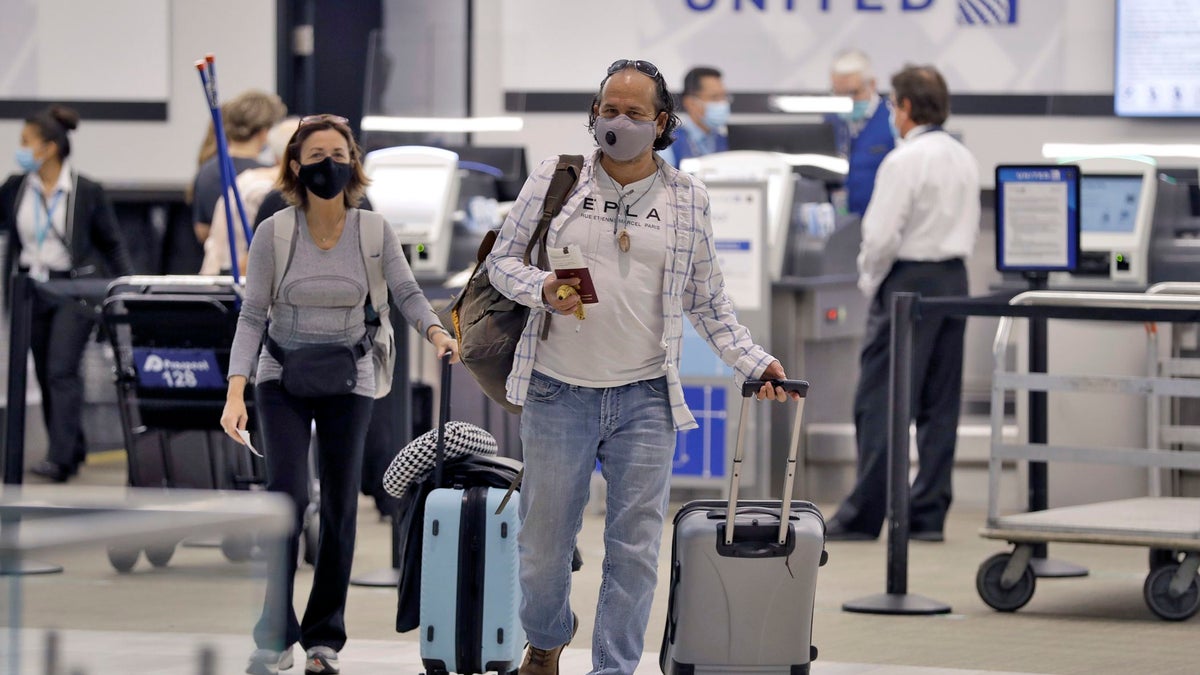
In this report we are looking at the latest table from the Bloomberg Covid Resilience chart as well as what is happening in Singapore and Russia amid a surge in Covid 19 cases.

Ireland has been ranked as the best country in the world for the second month in a row in an index measuring where the Covid-19 pandemic is being handled most effectively and with the least social and economic upheaval.

Bloomberg’s Covid Resilience Ranking is a monthly snapshot of how the pandemic is being handled in the world’s 53 biggest economies. It uses 12 data indicators that span containment, quality of healthcare, vaccination coverage, mortality, and restarting travel.

Bloomberg said reopening is “gathering pace” across the world, with deaths set to fall to an almost one-year low in October. European nations continued to dominate the top rungs of the index, joined by the United Arab Emirates and Chile.

Ireland remained the top country for a second month in a row “even as cases rise”, Bloomberg said.

“Having fully vaccinated more than 90 per cent of adults and weakened the link between infection and deaths, the country is reopening cautiously, allowing bars and restaurants to resume normal opening hours for inoculated customers,” it continued.

“Hospitalisations are at about a quarter of what they were in a January outbreak. It also benefited from a jump in gross domestic product thanks to the success of multinationals operating there, though that may mask a lacklustre domestic economy.”

Bloomberg said the State held on to its top ranking due to “one of the world’s best vaccination rates, signs for a rapid economic rebound and the Government’s decision to loosen both domestic restrictions as well as travel quarantine rules”.

However, it also pointed out that “weekly Covid fatalities hover in the double digits”.

“Still, the country has been burnt on reopening before, easing curbs prematurely late last year which triggered a surge in cases,” it said. “With daily cases currently at their highest level since January, Ireland’s continued success will depend on widespread vaccination severing the link between easing curbs and virus spread.

The Government will widen a booster shot program to all over-60s from next month.”

Close behind Ireland were Spain and the UAE, which rounded out the top three. One of the worst hit at the start of the pandemic, Spain saw cases, positive testing rates, and fatalities fall in October after being hit by the Delta variant in the summer.

The US climbed two spots to number 26, but “may come under further pressure unless it can re-energise a plateauing vaccination drive and move beyond a relatively high death toll from Delta”. The UK, meanwhile, slid 9 places to 25th amid rising cases.

Southeast Asian countries continued to rank lowest, with Indonesia, Malaysia, Thailand, Vietnam and the Philippines in the bottom six for the third month running.

“While the region’s outbreak may have peaked and vaccination has progressed, especially in Malaysia, many of these export-reliant economies are still reeling from Delta’s hit,” Bloomberg said. “That’s spurring these nations to chart clearer paths to reopening, though it’ll take time for them to catch up to Europe and the US.”

Bloomberg added that Europe’s success “will be put to the test” as vaccines face their “first real Covid winter”.

“While the region’s pioneering strategies of longer dose intervals and largely limiting quarantine-free entry to immunized people kept fatalities low even as Delta spread, places like the UK, Belgium and Ireland are already seeing a worrying uptick in cases,” it said.

Singapore was once at the top of the Bloomberg charts in April 2020 and never fell below the first 6 countries until recently when the pandemic started to take hold again. As recently as August 20 the 7 day rolling average of cases was just 44. This last week that figure was 3,691. The Authorities are looking into an “unusual surge” of 5,324 new infections of COVID-19, the city-state’s health ministry said, its highest such figure since the beginning of the pandemic, as beds in intensive care units fill up.

Ten new deaths on Wednesday carried the toll to 349, after 3,277 infections the previous day, while the ICU utilisation rate is nearing 80%, despite a population that is 84% fully vaccinated, with 14% receiving booster doses.”The infection numbers are unusually high today, mostly due to many COVID-positive cases detected by the testing laboratories within a few hours in the afternoon,” the health ministry said in a statement. “The Ministry of Health is looking into this unusual surge in cases within a relatively short window, and closely monitoring the trends for the next few days,” it added in Wednesday’s statement.

While nearly 98.7% of the past month’s 90,203 cases had no symptoms, or only mild ones, about 0.2% of those had died, and 0.1% each were being monitored closely in intensive care units (ICU) or were critically ill and intubated there.

About 72 ICU beds were vacant by Wednesday, at an overall ICU use rate of 79.8%, with 142 coronavirus sufferers accounting for about half of occupied beds. The ministry said it was adding more ICU beds. The Asian city-state, which has set aside 200 ICU beds to be used by COVID-19 patients, can add 100 more at short notice.

Last week, it extended some social curbs for about a month, to rein in the spread of COVID-19 and ease pressure on healthcare facilities. The city-state in late September reimposed curbs that include limiting social interactions and dining out to two people in order to slow virus transmission.

Meanwhile in Russia, Russian President Vladimir Putin last Wednesday announced a nationwide week-long paid holiday starting on October 30 to curb Covid infections as record virus deaths hit the country. In the fresh order, Putin urged all Russians to vaccinate themselves.

At a televised assembly with officers, the Russian President said he supported a proposal to “declare non-working days between October 30 and November 7 all through the nation” and asked Russians to “show responsibility” and get Covid jabs. The Kremlin has hesitated to impose unpopular restrictions because of economic fears and widespread public nonchalance about the pandemic.

The “non-working week” is a new and vaguely defined concept created after the onset of the pandemic. It is not a full lockdown; instead, nonessential workers are encouraged to stay home, while their employers are encouraged to pay them at least the minimum wage to do so. The chosen week appears to be a compromise: four of the days are already public holidays in Russia. The last time the Kremlin announced a similar non-working week was in May, a time when there were also several public holidays. Deputy Prime Minister Tatiana Golikova, who first proposed the measure, said she hoped some regions would introduce the non-working week earlier, starting Oct. 23.

Ms. Golikova proposed restricting access to certain institutions, including workplaces, to vaccinated, tested or recently recovered people. Moscow introduced and then withdrew a similar measure over the summer.

The development comes as Russia on Wednesday reported 257,776 new cases in the past week compared to 233,144 in the previous 7 days. The Russians also declared 7,545 people had died in the past week, a rise of 7% on the previous 7 days.

Mr. Putin said that workers should be paid even if they don’t work, but did not stipulate who would foot the bill. Details about implementing the decree, including who would be considered an essential worker, will be left to regional leaders.

Russian-made coronavirus vaccines, including Sputnik V and the one-dose Sputnik Light, are widely available in the country, but only 45 million of the country’s 146 million people have been fully vaccinated. Scholars attribute the hesitancy to low levels of trust in the authorities, who have sent conflicting messages about the pandemic since it began last year.

Sputnik V has not been approved by the World Health Organization or the European Medicines Agency, the European Union regulator.

Russian authorities have been critical of Western-made vaccines, which are not available in Russia, while promoting Sputnik. Analysts say that has also contributed to confusion and mistrust. There is also widespread skepticism about the state’s pandemic statistics, with allegations that officials are underreporting cases and deaths.

Mayor Sergei Sobyanin of Moscow announced on Monday that people who rode the subway without wearing masks would be fined. On Tuesday, he asked Muscovites over 60, who make up 60 percent of all Covid patients in hospitals, to get vaccinated or stay at home.

On Oct. 13, Mr. Sobyanin announced he would pay the equivalent of $140 to older residents as an incentive to get the vaccine. Only one-third of people in Moscow over 65 have been vaccinated, lower than the city’s average.

Andrei Makarov, chair of the lower house of parliament’s budget committee, said Tuesday that 1,100 doctors in Russia had died from Covid during the first six months of this year, more than twice the number who died in all of 2020. Officials estimate that more than 225,300 people have died since the beginning of the pandemic, though independent experts say the government has drastically underestimated the death toll.

Until the next time Stay Safe.

Total Cases Worldwide – 246,070,236

Total Deaths Worldwide – 4,992,552

Total Recovered Worldwide – 222,965,370

Total Active Cases Worldwide – 18,112,314  (7.4 % of the total cases)

Total Closed Cases Worldwide – 227,957,922

https://www.worldometer.info/coronavirus/

Information and Resources: 

https://www.worldometers.info/coronavirus/weekly-trends/#countries

https://www.nytimes.com/2021/10/20/world/europe/russia-covid-restrictions.html

https://www.bloomberg.com/news/articles/


Portugal Situation Report Wednesday 27th October 2021

Introduction

Good morning – With the focus in the media firmly on the budget in Portugal and the political divisions concerning this, let us start with some good news.

It was announced yesterday that Vice Admiral Gouveia e Melo was the winner of the National Bioethics Award, a distinction made by the National Bioethics Association, with the support of the Faculty of Medicine of the University of Porto (FMUP). According to the note sent to newsrooms this Tuesday, the “choice was unanimous” and is a reflection of the coordination of the task force of vaccination against covid-19, which the jury considered to be “an example”.

Some may ask why this is particular good news.

The reason is simple, namely that in a crisis, such as what we have faced, sound leadership, establishing priorities, clear decision making, focusing on the outcomes and above all achieving these, are what we  as a community wish to see. In my opinion the Vice Admiral is a fine example of the qualities of leadership required in facing such a situation.

Confidence in government is vitally important in crisis situations. We never know what may lay ahead; it maybe another pandemic, a natural or man-made disaster, but having a government that can cope with such a challenge is essential. It could make the difference between survival or defeat, determining human, social and economic loss to the nation.

I feel we have been very fortunate in Portugal with having the right leaders in place at the right time. The fact that Portugal became and retains, the highest vaccinated country (full vaccinations) in the world is a remarkable achievement. This undoubtedly saved lives and avoided far higher rates of new cases per head of population, such as the UK and some other countries are currently experiencing.

Although Portugal has relaxed most of the measures previously in place, it is pleasing to see the generally high compliance by the population in terms of hygiene and the wearing of facemasks. As we head towards the winter months and colder weather, it will be particularly important to continue these measures, as well as obtaining the flu vaccination, especially for the elderly and those more vulnerable.

On the subject of vaccinations, complete vaccination against covid-19 already now covers 86% of the population and there are already more than nine million people who have at least one dose of the vaccine, according to official data released yesterday.

The weekly report of the General Directorate of Health (DGS) registers 8,862,628 people with complete vaccination, which corresponds to 86% of the population, which represents a slight advance compared to 85% of the previous week. According to Our World in Data Portugal retains its position with the highest rate of completed vaccinations per capita of population.

Changing the subject, the police have highlighted the theft of catalytic converters, which has soared not only in Portugal but also in the UK and USA. 2021 has seen the ‘new fad’ for stealing catalytic converters from petrol cars. Incidents have been flagged throughout the country, with police registering several thousand reports from north to south.

The reason is that old petrol cars – particularly Honda, Opel and VW – have metals (rhodium and palladium) that are now ‘more precious than gold’. Advice for anyone with an old petrol car is park it in an area where people are generally around, and likely to notice if someone gets underneath and starts working furtively often using a saw or even a grinder.

A reminder that the A Terra Treme awareness exercise will take place at 11.05 hrs on 5th November. The aim of the exercise is to draw attention to the seismic risk in Portugal and the importance of simple actions that citizens shouldadopt in the event of an earthquake, which can save lives. It lasts only 1 minute, during which participants are invited to perform the 3 save gestures: DROP, COVER, HOLD ON. We encourage everyone to participate individually or in groups, wherever you are. In order that the ANEPC can follow the level of participation across the country, please register your participation in the dedicated area of this website. https://www.aterratreme.pt

Lastly please see our headline story concerning the UN’s latest warning regarding climate change. It makes sombre reading and something we should all pay particular attention to living in a hot climate, with the increasing potential of major wildfires this brings.

With that please have a Safe Day

Headlines

Flu has already arrived in Europe. And this year can be particularly severe for the older people.

The European Centre for Disease Prevention and Control (ECDC) warned today that the next flu season could be particularly severe for the elderly, following the early detection of some cases, and called for vaccination.

In a statement, the ECDC explains that although the number of identified cases remains, for the time being, low in most countries of the European Union, the circulation of the flu virus is already above the seasonal limit in Croatia, “which is extremely early”.

In addition to the early identification of cases, the main variant detected among cases registered in the last month is influenza A, which, according to the ECDC, disproportionately affects the elderly and is associated with lower vaccine efficacy.

Unable to predict exactly what the next flu season will be like, ECDC specialist Pasi Penttinen stresses the need to take the necessary precautions in order to protect the most vulnerable.

“A sharp increase in flu infections during the covid-19 pandemic could have serious consequences for the elderly and those with weak immune systems and could pose an additional burden to health systems already affected by the pandemic,” he warned, quoted in a statement. .

According to ECDC, last year there was a significant drop, over 99%, in the number of cases of influenza virus infection in the European Union, potentially as a result of the rules and precautions imposed by the covid-19 pandemic.

“Following our experience with the covid-19 pandemic, we now have more evidence that non-pharmaceutical interventions such as social distancing and hygiene measures can effectively limit the spread of the virus,” says the same expert.

ECDC calls for the maintenance of many of these precautions, highlighting the importance of vaccination against SARS-CoV-2 and against influenza which, according to Pasi Penttinen, “also offer good protection against serious illness.”

World faces disastrous 2.7C temperature rise on current climate plans, UN warns

Report says countries must strengthen climate ambitions after wasting chance to build back better after Covid

The world is squandering the opportunity to “build back better” from the Covid-19 pandemic, and faces disastrous temperature rises of at least 2.7C if countries fail to strengthen their climate pledges, according to a report from the UN.

Tuesday’s publication warns that countries’ current pledges would reduce carbon by only about 7.5% by 2030, far less than the 45% cut scientists say is needed to limit global temperature rises to 1.5C, the aim of the Cop26 summit that opens in Glasgow this Sunday.

António Guterres, the UN secretary-general, described the findings as a “thundering wake-up call” to world leaders, while experts called for drastic action against fossil fuel companies.

Although more than 100 countries have promised to reach net zero emissions around mid-century, this would not be enough to stave off climate disaster, according to the UN emissions report, which examines the shortfall between countries’ intentions and actions needed on the climate. Many of the net zero pledges were found to be vague, and unless accompanied by stringent cuts in emissions this decade would allow global heating of a potentially catastrophic extent.

Guterres said: “The heat is on, and as the contents of this report show, the leadership we need is off. Far off. Countries are squandering a massive opportunity to invest Covid-19 fiscal and recovery resources in sustainable, cost-saving, planet-saving ways. As world leaders prepare for Cop26, this report is another thundering wake-up call. How many do we need?”

Comment

Climate change increases the risk of the hot, dry weather that is likely to fuel wildfires. Evidence shows that extreme fire weather events including increased lightning and strong winds, are also becoming more common under climate change.

More here: https://www.unep.org/resources/emissions-gap-report-2021 

Covid-19

Portugal Covid-19 DGS Situation Tuesday 26th October

Confirmed Cases: 1.086.280 (+ 829 / + 0.08 %)

Number of admitted: 301 (+ 11 / + 3.79 %)

Number of ICU admitted: 62 (+ 3 / + 5.08 %)

Deaths: 18.141 (+ 3 / + 0.02 %)

Recovered: 1.037.261 (+ 1284 / + 0.12 %)

Active cases: 30,878 (-458 /-1.46%)

Trends

Daily deaths lower than last week’s daily average. All were over 80 years.

New cases higher than last week’s daily average.

The covid-19 cases diagnosed yesterday in Portugal (829) are slightly above the average of the last seven days (764.4) and also slightly above those identified on Tuesday of last week (832).

The number of deaths is the lowest number in the last six days.

Admissions either in outpatient clinics or in intensive care units rose for the second consecutive day – another 11 and three, respectively.

Health

Vice Admiral Gouveia e Melo distinguished with National Bioethics award

Vice Admiral Gouveia e Melo is the winner of the National Bioethics Award, a distinction made by the National Bioethics Association, with the support of the Faculty of Medicine of the University of Porto (FMUP). According to the note sent to newsrooms this Tuesday, the “choice was unanimous” and is a reflection of the coordination of the task force of vaccination against covid-19, which the jury considered to be “an example”.

“The Prize, awarded by the National Bioethics Association, with the support of the FMUP, distinguishes the vice-admiral for the ‘personal integrity with which he performed his duties, as well as for the ‘demonstrated organizational and planning qualities’. The award is also intended to be a recognition ‘for the example it has given to Portuguese society, an example of public service and dedication to common causes’”, can be read in the note. “Known for the decisive role he played in a critical phase of the pandemic, Vice Admiral Henrique Gouveia e Melo was, for the jury of this Award, “a natural and unanimous choice”.

The award ceremony is scheduled on November 3rd, at the FMUP premises.

The National Bioethics Award has been awarded since 2007 and aims to distinguish “personalities of high integrity and personal integrity, national or foreign, who have distinguished themselves in the academic, scientific world or in society in general”

Enforcement

PSP detained 712 people in inspections to fight the pandemic

The PSP has detained 712 people since March 2020 in surveillance actions to combat the covid-19 pandemic, a number that police considered this Tuesday to be small due to the extended period and enormous restrictions.

In a presentation on the performance of the Public Security Police during the fight against the covid-19 pandemic, the PSP national director stated that between March 19, 2020, when the state of emergency began, and September 30 of this year, they were 712 people were detained, 26,413 administrative offenses were registered and 1571 commercial establishments closed.

Magina da Silva considered that this number of arrests is not huge.

“We have been living for long months in a pandemic, with huge restrictions, with interactions that are somehow negative and from citizens who, for some reason, did not like the police intervention or felt that the restrictions were excessive. There were millions of interactions by the police imposing restrictive rules on rights and freedoms of guarantees to citizens”, he justified, in statements to journalists at the end of the ceremony.

The national director of the PSP stressed that these arrests “only happened because they were extreme situations”, having been made to citizens who “repeatedly ostensibly refused to comply with the restrictions imposed by the state of emergency”.

Magina da Silva also highlighted the performance of the Portuguese during the state of emergency, stressing that “they showed an enormous social discipline that was not seen in any other country in the European Union”.

Other news

Human trafficking, gold visas and corruption are weaknesses

Portugal is in 117th position among the 193 UN countries in the Global Index of Organized Crime of 2021, according to which the State is “sufficiently effective” in combating this phenomenon. Gold visas are seen as a gateway to corruption, money laundering and tax evasion. Fighting corruption is considered a weak point in the State’s resilience.

Portugal is a “transit country and destination for trafficking in human beings, one of the largest criminal markets in the country”, it is a “transit country for arms trafficking whose destination is Africa” ​​and also a “transit country and destination for cocaine trafficking” and a “cannabis production source”. According to the “Global Index of Organized Crime 2021”, these are the main factors that lead our country to have a score of 4.55 (scale of 1, best, to 10, worst) in organized crime rates.

This global assessment analyses the 193 countries that make up the United Nations. Portugal is in 117th place in relation to that total and 24th among 44 European countries. Among the eight countries in Southern Europe it is in 5th place.

The good news is that, according to this ranking, the State manages to be “sufficiently effective” in combating these phenomena, with Portugal being classified with a score of 6.46 (from 1, “non-existent” or “extremely ineffective” to 10, “highly effective”) with regard to “resilience”. It ranks 29th among the 193 UN countries, 21st in Europe and 2nd among southern European countries. Here the highest marks go to the police forces and the functioning of international cooperation (with 7.5 points), followed by “political leadership and government”, “national policies and legislation”, “support for victims” and “non-state actors”.

Even so, gold visas and anti-corruption mechanisms are seen as weak points in this same State resilience

Last week, at the ceremony to commemorate the 76th anniversary of the PJ, the Minister of Justice considered the Portuguese classification “honourable”, but pointed out that, despite this, it is still a transit and destination country for the trafficking in human beings and the smuggling of migrants, as well as for the trafficking of cocaine and other narcotics, with the record of the increase in the use of the dark web for the drug trade”. Therefore, Francisca Van Dunem stressed, “It is crucial to deepen and accelerate the Justice’s response, continuing to modernize and equip the Judiciary Police to combat these phenomena, which affect the lives of citizens, companies and public administrations”.

Globally, this index, developed by a non-governmental organization based in Geneva, concluded that “democracies have higher levels of resilience to crime than authoritarian states”. It was also found that “more than three quarters of the world’s population lives in countries with high levels of crime and in countries with low resilience to organized crime”. Four other conclusions are highlighted: Asia is the continent with the highest levels of crime; trafficking in human beings is the most widespread crime globally; state officials are the most frequent in actions to facilitate illicit economies and in hampering resilience to organized crime.

 

Madeira Situation Report Wednesday 27th October 2021 

By Daniel Fernandes

Covid-19 update 

There were 99 new Covid-19 cases, 59 recoveries and 1 death from Covid-19 in Madeira since the previous Madeira Situation Report, which was published a week ago.

On Wednesday, there were 17 new Covid-19 cases (3 imported cases – 2 from Spain and 1 from the UK) & 14 cases of local transmission) and 13 recoveries. The number of patients in hospital decreased to 7. 

On Thursday, there were 11 new Covid-19 cases (1 imported case from Slovenia & 10 cases of local transmission) and 7 recoveries. The number of patients in hospital decreased to 6, with none of them in intensive care.

On Friday, there were 17 new Covid-19 cases (4 imported cases & 13 cases of local transmission), 12 recoveries. The number of patients in hospital decreased to 5.

On Saturday, there were 6 new Covid-19 cases (2 imported cases from the UK & 4 cases of local transmission) and 7 recoveries. The number of patients in hospital remained the same as the day before. 

On Sunday, there were 22 new Covid-19 cases (9 imported cases – 6 from the UK, 1 from France, 1 from the Lisbon and Tagus Valley Region and 1 from Central Region & 13 cases of local transmission) and 7 recoveries. The number of patients in hospital decreased to 3, none of whom was in intensive care. 

On Monday, there were 11 new Covid-19 cases (all cases of local transmission) and 8 recoveries. 

And on Tuesday, there were 15 new Covid-19 cases (2 imported cases – 1 from the UK and 1 from Ukraine & 13 cases of local transmission), 5 recoveries and 1 death. An 88 year-old female patient, who had pre-existing conditions, died at Hospital Dr. Nélio Mendonça. The number of patients in hospital, including in intensive care, remained the same as the day before.
There were 112 active cases on Tuesday, of which 21 had been imported while the other 91 cases had been a result of local transmission. As of Tuesday, there had been 11,994 cases, 11,805 recoveries and 77 deaths.

On Tuesday, there were 12 patients in isolation in a dedicated hotel, 97 patients in isolation in their own accommodation and 3 patients in hospital, none of whom was in intensive care.

On the same day, there were 53 suspected cases under epidemiological investigation and analysis, which were all linked to patients who tested positive for Covid-19, to calls made to the SRS24 helpline, to referrals by SESARAM (Madeira Regional Health Service) and to airport screening. 

There were 36,551 travellers under monitoring by the health authorities. Monitoring is being carried out through the ‘MadeiraSafe’ app. There were also 225 people, who had contact with positive cases, being monitored by the health authorities of several Madeira municipalities and of Porto Santo. 

As for Covid-19 testing on passengers who had arrived at Funchal and Porto Santo airports, 317,480 samples had been collected until Tuesday (at 15h30).

As for Covid-19 rapid antigen tests, a total of 389,617 tests had been carried out by October 24th, 315,406 of which as part of mass testing campaigns.

By Tuesday, 665,891 samples from RT-PCR tests had been processed in the Autonomous Region of Madeira. 

The SRS 24 helpline (Regional Health Service – 800 24 24 20) received 312 calls in the last 7 days. Overall, it had received 65,889 calls. 

The Covid-19 mental health helpline (Linha de Acompanhamento Psicológico da Direção Regional de Saúde 291212 399 – available every day from 09h00 to 21h00), which was set up to provide emotional and mental support to anyone in Madeira received 5 calls in the last 7 days. Overall, it has received 3,906 calls. 

https://funchalnoticias.net/2021/10/20/17-novos-casos-de-covid-19-13-recuperados-85-suspeitos-77-activos/ 

https://funchalnoticias.net/2021/10/21/11-novos-casos-de-coronavirus-7-recuperados-81-activos-41-suspeitos/

https://funchalnoticias.net/2021/10/22/17-novos-casos-de-covid-19-12-recuperados-52-suspeitos/

https://funchalnoticias.net/2021/10/23/6-novos-casos-de-coronavirus-7-recuperados-85-activos-57-suspeitos/

https://funchalnoticias.net/2021/10/24/100-casos-activos-de-covid-19-na-ram-50-casos-suspeitos/

https://www.jm-madeira.pt/regiao/ver/145769/11_novos_casos_de_covid-19_na_Madeira_ 

https://funchalnoticias.net/2021/10/26/15-novos-casos-de-covid-19-5-recuperados-112-activos-53-suspeitos/

https://funchalnoticias.net/2021/10/26/mais-uma-morte-com-covid-19-eleva-numero-para-77-ate-a-data/

Police provide a new service for Madeira’s deaf community

The Regional Command of the PSP (Comando Regional da Polícia de Segurança Pública) announced its communications department has been provided with a mobile/smartphone service that is intended to be another local alternative to the MAI112 application, so that deaf residents in Madeira can contact the emergency number (112) to request assistance during emergency situations, by sending text messages. It is also possible to have video calls and to submit videos.

The telephone number has been provided to the ASPFAM (Associação de Surdos, Pais, Familiares e Amigos da Madeira), a regional association for the deaf. Any deaf resident or visitor can ask the Association to provide the number even if he/she is not a member of the association. 

The PSP-Madeira’s intention is to improve communication and proximity between all citizens and the Police.

https://funchalnoticias.net/2021/10/22/policia-com-novo-servico-para-a-comunidade-surda-e-muda-da-madeira/

Clock going back on Sunday

The clocks will be going back 1h at 2am on October 31st. This means that at 2am on October 31st, it will be 1am in Madeira and on the Portuguese mainland. 

https://funchalnoticias.net/2021/10/25/relogio-atrasa-uma-hora-as-duas-de-sabado-para-domingo/

British cruise ship passenger airlifted for emergency medical treatment

A British passenger suffering from a heart attack was airlifted from the “Spirit of Discovery” cruise ship by a Portuguese Navy helicopter on October 19th. The Lisbon MRCC (Maritime Rescue Coordination Centre) had been contacted at around noon and had classed the need for rescue as extremely urgent. An Air Force C-295 aircraft and Merlin (EH-101) helicopter were deployed. The helicopter airlifted the passenger during the afternoon and flew him to Funchal Airport, where an ambulance from Santa Cruz was on standby and took him to Hospital Dr. Nélio Mendonça.

https://funchalnoticias.net/2021/10/19/passageiro-de-navio-de-cruzeiro-transportado-de-helicoptero-para-a-madeira/


Azores Situation Report Wednesday 27th October 2021

From our colleague in the Azores

Covid -19 

Since the last Situation Report a week ago on the 20th September there have been 107 new cases of Covid-19 registered, 10 fewer than last week, and 93 recoveries, 1 less than last week.

Current situation:

The archipelago currently registers 185 positive active cases: 167 on the island of São Miguel, 13 on the island of Faial, four on the island of Terceira and one on the island of Pico.

An 87-year-old woman died last Sunday, with covid-19, at the Hospital do Divino Espírito Santo, in Ponta Delgada.

She had been hospitalized since the 19th of this month, was from Lar Luís Soares de Sousa, in Ponta Delgada, she had several comorbidities.

Hospitalisations:

As of today, there are five patients hospitalised, all at the Divino Espírito Santo Hospital in Ponta Delgada, none in intensive care unit.

Since the beginning of the pandemic, 9,394 positive cases of COVID-19 have been diagnosed in the Azores, of which 8,980 recovered from the disease, 45 people died, 95 people left the archipelago and 89 showed proof of cure of previous infection.

From December 31st, 2020 to October 25th, 174,268 people in the Azores have been vaccinated with the first dose (73.6 per cent) and 194,605 with complete vaccination (82,2 per cent), under the Regional Vaccination Plan.

Missing Fisherman 

A 66-year-old fisherman who had been missing since Saturday night on the island of Pico, was found dead on Monday, the National Maritime Authority said.

The man’s body was located and “taken out of the water” this afternoon “by divers and transported by vessel from the Maritime Police Post of São Roque do Pico to the port of São Roque do Pico, where he was identified”.

The fisherman had disappeared on Saturday night, when he allegedly travelled to practice fishing in the area around ​​São Miguel Arcanjo, on the island of Pico, not having returned home.

Following the operations to search for him, a shirt was found in the morning, which was confirmed to belong to the victim, and the body was located later in the afternoon, in the water, by the Navy and Madalena Fire Brigade teams of divers.

The search operations, coordinated by the Captain of Porto and the Local Commander of the Maritime Police of Horta, involved elements of the Maritime Police Post of São Roque do Pico, the NRP Viana do Castelo and the NRP António Enes, of the Portuguese Navy and a Portuguese Navy divers’ team.

Also involved in the searches were an Air Force aircraft, the São Roque do Pico Volunteer Firefighters and the Madalena Volunteer Firefighters, with teams of divers, as well as a ‘drones’ operation team from the Operational Command of Madeira.

According to a statement from the National Maritime Authority, the alert was given around 06:30 on Sunday, by a family member who said that the man left home to fish, at 20:00 on Saturday, and did not return.

Earthquake 

An earthquake measuring 4.0 on the Richter scale was recorded Sunday on the island of São Miguel, in the Azores, the Azores Seismovolcanic Surveillance and Information Centre (CIVISA) reported today.

According to CIVISA, the event took place at 12:26 local (13:26 in Lisbon) and had magnitude 4.0 on the Richter scale and epicentre at about 38 kilometres to WNW” (West-northwest) “of Mosteiros, in the island of São Miguel.


Algarve Situation Report Wednesday 27TH October 2021

Algarve Tourism Promotes a Destination for Travellers Who Prefer to Visit The Region Off Season

Turismo do Algarve is promoting the destination to travellers who appreciate a more sustainable tourism, who are less sensitive to price and who prefer to visit the region outside the high season. Among the main markets that bring together this tourist profile are the countries of northern Europe and the American continent.

According to the Algarve Tourism Association (ATA) the strategy  “is to reinforce the promotion of the destination in markets that, according to the characteristics of its tourist profile, are relevant and capable of contributing to the sustainable development of the region. “

As indicated by the ATA, the countries of northern Europe, such as Sweden and Denmark are very motivated by the desire by visitors to play golf in the region. This allows for susbstantial promotion of this area during the winter months.

These countries are also joined by Brazil, the United States and Canada, whose interest in the Algarve has been growing significantly, particularly with regard to the attractions of  gastronomy, culture and nature tourism.

German Elderly Person Missing in Altura Was Found in Monte Gordo

A 72-year-old man, of German nationality, who was missing in Altura (Castro Marim), was located during the night of Monday, 25 October, on the sandy beach of Monte Gordo, by the local police command Maritime of Vila Real de Santo António.

According to the National Maritime Authority, the local command was called to collaborate “in an operation to search for a man who had disappeared, involving two elements supported by a vehicle.”

The missing man was located on the sandy beach of Monte Gordo, around 22:15, showing “some signs of cold and disorientation, and was later assisted by elements of INEM”.

The search operations were coordinated by the GNR of Castro Marim.

GNR Identifies Two Men in Connection With the Theft of 120 kilos of Carob in Alte

On Friday, October 22, the National Republican Guard (GNR) of Salir identified two men, aged 24 and 46, believed to have stolen 120 kilos of Carobs in Esteval dos Mouros – Alte in the municipality of Loulé.

During a patrol action, the Guard soldiers noticed the presence of two men who were picking the Carob.

Following the action, it was possible to ascertain that, in the vicinity of the site, there was a vehicle that already had three bags of Carob in its interior, which had been collected without the consent of the legitimate owner.

During the investigations at the site, it was also found that the suspects had stolen the vehicle.

The suspects were arrested and the facts were referred to the Judicial Court of Loulé.

The GNR, within the scope of the Campo Seguro 2021 operation, has been carrying out awareness and inspection actions since the 1st of June with the purpose of preventing crimes of theft on agricultural properties by strengthening police oversight in order to deter and repress the practice of theft in agricultural fields.


The Overseas Situation Report Friday 26 October 2021

by Mike Evans

“We can no longer rely on these big superpowers to come in and save us.”

– Emile Hendricks, 22 years old, Afrigen Biologics and Vaccines

As of this past weekend the world total of recorded cases of Covid 19 reached 244.5 million and is very close to 5 million deaths. In this report we look at some of the covid stories from around the world and what nations are doing to combat the pandemic.

First to Africa,where scientists in South Africa are attempting to reverse engineer and replicate the Moderna vaccine amid a global vaccine disparity that has disadvantaged the continent. In a pair of Cape Town warehouses converted into a maze of airlocked sterile rooms, young scientists are assembling and calibrating the equipment needed to reverse engineer a coronavirus vaccine that has yet to reach South Africa and most of the world’s poorest people.

The energy in the gleaming labs matches the urgency of their mission to narrow vaccine disparities. By working to replicate Moderna’s COVID-19 shot, the scientists are effectively making an end run around an industry that has vastly prioritized rich countries over poor in both sales and manufacturing.

And they are doing it with unusual backing from the World Health Organization, which is coordinating a vaccine research, training and production hub in South Africa along with a related supply chain for critical raw materials. It’s a last-resort effort to make doses for people going without, and the intellectual property implications are still murky.

“We are doing this for Africa at this moment, and that drives us,” said Emile Hendricks, a 22-year-old biotechnologist for Afrigen Biologics and Vaccines, the company trying to reproduce the Moderna shot. “We can no longer rely on these big superpowers to come in and save us.”

Some experts see reverse engineering — recreating vaccines from fragments of publicly available information — as one of the few remaining ways to redress the power imbalances of the pandemic. Only 0.7% of vaccines have gone to low-income countries so far, while nearly half have gone to wealthy countries, according to an analysis by the People’s Vaccine Alliance.

That WHO, which relies upon the goodwill of wealthy countries and the pharmaceutical industry for its continued existence, is leading the attempt to reproduce a proprietary vaccine demonstrates the depths of the supply disparities.

The U.N.-backed effort to even out global vaccine distribution, known as COVAX, has failed to alleviate dire shortages in poor countries. Donated doses are coming in at a fraction of what is needed to fill the gap. Meanwhile, pressure for drug companies to share, including Biden administration demands on Moderna, has led nowhere.

Until now, WHO has never directly taken part in replicating a novel vaccine for current global use over the objections of the original developers. The Cape Town hub is intended to expand access to the novel messenger RNA technology that Moderna, as well as Pfizer and German partner BioNTech, used in their vaccines.

“This is the first time we’re doing it to this level, because of the urgency and also because of the novelty of this technology,” said Martin Friede, a WHO vaccine research coordinator who is helping direct the hub.

In response, U.S. vaccine maker Moderna has announced plans to build an African factory that would manufacture up to half-a-billion doses annually, after facing sharp criticism for selling its COVID-19 vaccines primarily to wealthy countries.

Moderna says it will invest up to US$500-million in the factory, but it has not yet selected a site or even a country in Africa. The construction and approval of the facility is expected to take two to four years, leaving it unable to help in the current massive global shortage of vaccines.

The company said it expects to “begin a process for country and site selection soon.” The factory would be capable of producing other vaccines in addition to the COVID-19 vaccine, it said.

Vaccines are desperately needed across Africa, the region with the lowest COVID-19 immunization rate in the world. Less than 5 percent of Africans are fully vaccinated, even though surplus doses are still arriving in rich countries with high vaccination rates. There has been a “horrifying inequity” in the distribution of vaccines, according to World Health Organization director-general Tedros Adhanom Ghebreyesus.

While high-income and upper-middle-income countries have used 75 percent of all vaccines so far, low-income countries have received less than half of 1 percent of the world’s doses, he told a media briefing on Thursday. “We stand on the precipice of failure if we don’t make the benefits of science available to all people in all countries right now,” he said.

In a statement on Thursday, Moderna chief executive officer Stéphane Bancel said, “We are determined to extend Moderna’s societal impact through the investment in a state-of-the-art mRNA manufacturing facility in Africa.” Critics say Moderna should do more to share its vaccine technology with poorer countries because its costs were heavily subsidized by U.S. taxpayers. By some estimates, it has received more than US$8-billion in public funding from the U.S. government, including research and development funding and supply contracts.

Next, In Asia-Pacific, Melbourne, Australia, one of the world’s most locked-down cities that emerged from its latest spate of COVID-19 restrictions heading into the weekend, will see more curbs eased later this week when the Australian state of Victoria reaches an 80 per cent full vaccination rate, officials said on Sunday.

Australia’s 2nd largest city has seen 6 separate lockdowns since March 2020, Residents of Melbourne, Australia, flocked to the city’s pubs, restaurants and hair salons in the early hours of Friday after the world’s most locked-down city emerged from its latest spate of restrictions designed to combat the spread of COVID-19.

Australia’s second-largest city has so far endured 262 days — or nearly nine months — of restrictions during six separate lockdowns since March 2020, representing the longest cumulative lockdown for any city in the world. Argentina’s capital, Buenos Aires, last year went through 234 straight days of lockdown.

In Melbourne, people were seen cheering and clapping from their balconies, while cars honked horns continuously at 11:59 p.m. on Thursday, when lockdown restrictions in place since early August ended. Many venues, including food outlets and even hair salons, opened at the unusual hour for the occasion.owner of The Bearded Man barbershop in Melbourne, told Reuters he is nearly booked out for the next month and he is encouraging customers to make appointments for Christmas.

“We all love cutting hair and being on the floor is such a lovely feeling, being around people,” he said.”I have urged our customer base: ‘Make sure you have booked in your Christmas cut.'” Similar jubilant scenes were seen in the country’s largest city, Sydney, almost two weeks ago, when authorities started easing restrictions as COVID-19 vaccination rates rose.

Just over 70 per cent of adults in Australia are now fully vaccinated and many residents are planning to fly overseas again as international border restrictions start to ease.

Under relaxed rules in Melbourne, restaurants and cafés can reopen with up to 20 people indoors and 50 outdoors — all of whom must be vaccinated — while 10 guests can gather at homes. Masks will remain mandatory. Australia had stayed largely virus-free for most of this year until a third wave of infections fuelled by the delta variant spread across its southeast starting in late June, forcing months-long lockdowns in its largest cities.

The virus got a foothold in Sydney, Melbourne and Canberra, while the rest of the country remains largely COVID-19 free. Melbourne’s reopening will be a boost for the country’s $2 trillion AUS ($1.85 trillion Cdn) economy after recent lockdowns pushed it to the brink of a second recession in as many years.

Even with the delta outbreaks, Australia’s coronavirus numbers are still far lower than those of many comparable nations, with some 152,000 cases and 1,590 deaths.

And to end this report we go to the USA where a vaccine especially for 5 to 11 year olds is expected to be available from Mid November.Children ages 5 to 11 could start getting vaccinated as soon as early November, predicted Anthony S. Fauci, the nation’s top infectious-disease expert.

A Food and Drug Administration advisory committee is set to meet on Tuesday to discuss a request from Pfizer to allow its lower-dose pediatric vaccine to be administered to 5- to 11-year-olds. That will inform the FDA’s decision, which will then be examined by the Centers for Disease Control Prevention, Fauci said Sunday on ABC’s “This Week.”
“So, if all goes well … it’s entirely possible, if not very likely,” that vaccines will be available to that age group “within the first week or two of November,” Fauci said, noting “the data look good as to the efficacy and the safety” of the vaccine for children.

A trial conducted by the companies found that their vaccine was 90.7 percent effective at protecting children between 5 and 11 from covid-19. On Friday, the FDA appeared to pave the way for approval when it said in a briefing document that the benefits of the Pfizer-BioNTech pediatric vaccine “clearly outweigh the risks” for that age group in most scenarios.

Still, “you never want to get ahead of the FDA and their regulatory decisions,” Fauci cautioned. In September, there was confusion among American patients and doctors as advisers to the FDA voted against recommending boosters for all Americans after the White House repeatedly endorsed them.

This month, the Biden administration laid out a plan to distribute the vaccine to every eligible child as soon as it receives regulatory approval.

Until the next time Stay Safe.

Total Cases Worldwide – 244,539,061

Total Deaths Worldwide – 4,966,190

Total Recovered Worldwide – 221,551,845

Total Active Cases Worldwide – 18,021,024 (7.4 % of the total cases)

Total Closed Cases Worldwide – 226,518,035 

https://www.worldometer.info/coronavirus/

Information and Resources:

https://www.usnews.com/news/world

https://www.cbc.ca/news/world/melbourne-lockdown-ends-covid-19-1.6220474

https://www.washingtonpost.com/nation/2021/10/25/covid-delta-variant-live-updates/

https://www.worldometers.info/coronavirus/#main_table

The Overseas Situation Report Friday 22 October 2021

by Mike Evans

“No one’s life should be rooted in fear. We are born for wonder, for joy, for hope, for love, to marvel at the mystery of existence, to be ravished by the beauty of the world, to seek truth and meaning, to acquire wisdom, and by our treatment of others to brighten the corner where we are.” 

― Dean R. Koontz

No one is sure how the effects of Covid 19 will impact individuals as time moves forward.

However, one study which was published recently by the University of Oxford has shown that the covid pandemic has caused the biggest decrease in life expectancy since WorldWar II, and wiped out years of progress on mortality, according to a study published on Monday by the University of Oxford.

The research team assembled an unprecedented dataset on mortality from 29 countries, spanning most of Europe, the US and Chile — countries for which official death registrations for 2020 had been published. The study, published in the International Journal of Epidemiology, found that 27 of the 29 countries saw reductions in life expectancy in 2020, and at a scale which wiped out years of progress on mortality.

Women in 15 countries and men in 10 countries were found to have a lower expectancy at birth in 2020 than in 2015, a year in which life expectancy was already negatively affected by a significant flu season.

“For Western European countries such as Spain, England and Wales, Italy, Belgium, among others, the last time such large magnitudes of declines in life expectancy at birth were observed in a single year was during WW-II,” said study’s co-lead author Jose Manuel Aburto, from Oxford’s Leverhulme Center for Demographic Science (LCDS).”However, the scale of the life expectancy losses was stark across most countries studied, with 22 countries included in the study experiencing larger losses than half a year in 2020,” Aburto said.

The researchers noted that females in eight countries and males in 11 countries experienced losses larger than a year. It took on average 5.6 years for these countries to achieve a one-year increase in life expectancy recently, while the progress was wiped out over the course of 2020 by Covid-19, they said.

Life expectancy, also known as period life expectancy, refers to the average age to which a newborn lives if current death rates continue for their whole life. It does not predict an actual lifespan.

Across most of the 29 countries, males saw larger life expectancy declines than females, according to the researchers. The largest declines in life expectancy were observed among males in the US, who saw a decline of 2.2 years relative to 2019 levels, followed by Lithuanian males (1.7 years), they said. “The large declines in life expectancy observed in the US can partly be explained by the notable increase in mortality at working ages observed in 2020,” said study co-lead author, Ridhi Kashyap from LCDS.

“In the US, increases in mortality in the under 60 age group contributed most significantly to life expectancy declines, whereas across most of Europe increases in mortality above age 60 contributed more significantly,” Kashyap said.

American men lost 2.2 years of life expectancy last year because of Covid-19, the biggest decline among 29 nations in a study of the pandemic’s impact on longevity. Deaths among working-age men contributed the most to declining lifespans in the US, according to research led by demographers at the U.K.’s University of Oxford. Only Denmark and Norway, who have excelled at controlling their outbreaks, avoided drops in life expectancy across both sexes, according to the study.

Before the pandemic, life expectancy at birth had continuously increased in most countries for generations. Covid-19, though, “triggered a global mortality crisis,” the magnitude of which hasn’t been witnessed since World War II in Western Europe or the breakup of the Soviet Union in Eastern Europe, the researchers said.

The biggest declines in life expectancy, a loss of 1.5 years or more at birth in 2020, were documented among males in the US, Lithuania, Bulgaria and Poland, and females in the US and Spain. Females from 15 of the 29 countries studied and males from 10 ended up with lower life expectancy at birth last year. Life-expectancy losses were larger for males in every country except Spain, Slovenia, Estonia and Northern Ireland.

The team’s analysis also shows that most life expectancy reductions across different countries were attributable to official Covid-19 deaths. “Emerging evidence from low-and middle-income countries, such as Brazil and Mexico, that have been devastated by the pandemic suggests that life-expectancy losses may be even larger in these populations,” they said, noting that losses in life expectancy are also likely to vary between subgroups within countries.

“While we know that there are several issues linked to the counting of Covid-19 deaths, such as inadequate testing or misclassification, the fact that our results highlight such a large impact that is directly attributable to Covid-19 shows how devastating a shock it has been for many countries,” Kashyap said. “We urgently call for the publication and availability of more disaggregated data from a wider-range of countries, including low- and middle-income countries, to better understand the impacts of the pandemic globally,” she added. The researchers cautioned against viewing Covid-19 as “a transient shock to life expectancy.”

There is evidence of potential lingering harm from long-Covid and delayed care for other illnesses, compounded by the health effects of widening inequality from the pandemic’s social and economic disruption.

Meanwhile across the world the rate of infection has steadied although Europe has seen a big increase in the past week especially from the UK, Russia, Romania and the Ukraine. The concern is that as the weather cools and winter looms the rate of infections will rise as it is doing in some of the cold weather states in the USA.

Alaska is leading the low-temperature states with an increase in the number of infections, with 123 new cases per 100,000 residents on a seven-day rolling average. Montana, Wyoming, Idaho and North Dakota also are seeing a rise in infections as the weather cools, reducing opportunities to socialize outdoors and limiting physical distancing.

States in the northeastern region of the country also have experienced an increase in infection numbers over the past seven days. New Hampshire, Illinois, Massachusetts, Connecticut and Rhode Island have recorded increases in infections, according to Post data. The data mirrors trends of last fall and winter when new-case numbers diminished in Southern states that were hit hard by the virus before it devastated colder-weather states.

Overall, new daily reported infection numbers fell by more than 6 percent in the past week along with the number of covid-related hospitalizations, which dropped by nearly 9 percent.

As the temperatures begin to drop in Northern Europe and the aged become ill with flu and other ailments many countries will start to see their health services being stretched to breaking point once again. For many of these countries their vaccination figures are well below many of the other nations and this is causing more people to be hospitalised than previously.

How this pans out we will have to wait and see, but in the meantime Stay Safe.

Total Cases Worldwide 243,325,034

Total Deaths Worldwide – 4,946,375

Total Recovered Worldwide – 220,503,932

Total Active Cases Worldwide – 17,874,727  (7.3 % of the total cases) 

Total Closed Cases Worldwide – 225,450,307

https://www.worldometer.info/coronavirus/

Information and Resources:

https://www.business-standard.com/

https://www.worldometers.info/coronavirus/weekly-trends/#countries

https://www.washingtonpost.com/nation/2021/10/19/covid-delta-variant-live-updates/


Madeira Situation Report Wednesday 20th October 2021 

by Daniel Fernandes

Covid-19 update

There were 56 new Covid-19 cases, 58 recoveries and 1 death from Covid-19 in Madeira since the previous Madeira Situation Report, which was published a week ago.

On Wednesday, there were 10 new Covid-19 cases (1 imported case from the Lisbon and Tagus Valley Region & 9 cases of local transmission) and 8 recoveries. The number of patients in hospital increased to 10, 1 of whom was in intensive care.

On Thursday, there were 10 new Covid-19 cases (1 imported from the Netherlands & 9 cases of local transmission) and 10 recoveries. The number of patients in hospital, including in intensive care, remained the same as the day before.

On Friday, there were 5 new Covid-19 cases (1 imported case from the Lisbon and Tagus Valley Region & 4 cases of local transmission), 11 recoveries and 1 death. A 60 year-old patient, who had pre-existing conditions, died at Hospital Dr. Nélio Mendonça. This was the first Covid-19 fatality in the Region in several weeks. The number of patients in hospital decreased to 8, none of whom was in intensive care.

On Saturday, there were 8 new Covid-19 cases (all cases of local transmission) and 5 recoveries. The number of patients in hospital decreased to 7, none of whom was in intensive care.

On Sunday, there were 4 new Covid-19 cases (1 imported case from the USA and 3 cases of local transmission) and 11 recoveries. The number of patients in hospital, including in intensive care, remained the same as the day before.

On Monday, there were 11 new Covid-19 cases (4 imported case from the Lisbon and Tagus Valley Region & 7 cases of local transmission) and 8 recoveries. The number of patients in hospital increased to 8, although there were still no patients in intensive care.

And on Tuesday, there were 8 new Covid-19 cases (3 imported cases – 2 from Ukraine, 1 from Poland & 5 cases of local transmission) and 5 recoveries. The number of patients in hospital increased to 9, none of whom was in intensive care.

There were 73 active cases on Tuesday, of which 17 had been imported while the other 56 cases had been a result of local transmission. As of Tuesday, there had been 11,895 cases, 11,746 recoveries and 76 deaths.

On Tuesday, there were 13 patients in isolation in a dedicated hotel, 51 patients in isolation in their own accommodation and 9 patients in hospital, none of whom was in intensive care.

On the same day, there were 72 suspected cases under epidemiological investigation and analysis, which were all linked to patients who tested positive for Covid-19, to calls made to the SRS24 helpline, to referrals by SESARAM (Madeira Regional Health Service) and to airport screening.

There were 37,657 travellers under monitoring by the health authorities. Monitoring is being carried out through the ‘MadeiraSafe’ app. There were also 240 people, who had contact with positive cases, being monitored by the health authorities of several Madeira municipalities and of Porto Santo.

As for Covid-19 testing on passengers who had arrived at Funchal and Porto Santo airports, 316,283 samples had been collected until Tuesday (at 15h30).

As for Covid-19 rapid antigen tests, a total of 350,900 tests had been carried out by October 3rd, 276,689 of which as part of mass testing campaigns.

By Tuesday, 659,064 samples from RT-PCR tests had been processed in the Autonomous Region of Madeira.

The SRS 24 helpline (Regional Health Service – 800 24 24 20) received 302 calls in the last 7 days. Overall, it had received 65,577 calls.

The Covid-19 mental health helpline (Linha de Acompanhamento Psicológico da Direção Regional de Saúde – 291 212 399 – available every day from 09h00 to 21h00), which was set up to provide emotional and mental support to anyone in Madeira received 8 calls in the last 7 days. Overall, it has received 3,901 calls.

https://funchalnoticias.net/2021/10/13/10-novos-casos-de-covid-19-8-recuperados-55-suspeitos/

https://funchalnoticias.net/2021/10/14/10-novos-casos-de-covid-19-10-recuperados-50-suspeitos-78-activos/

https://funchalnoticias.net/2021/10/15/regiao-regista-hoje-mais-um-falecimento-com-covid-19/

https://www.jm-madeira.pt/regiao/ver/144510/Madeira_regista_mais_uma_morte_por_Covid-19_

https://funchalnoticias.net/2021/10/16/8-novos-casos-de-covid-19-5-recuperados-74-activos-26-suspeitos/

https://funchalnoticias.net/2021/10/17/4-novos-casos-de-coronavirus-11-recuperados-36-suspeitos-67-activos/

https://funchalnoticias.net/2021/10/18/11-novos-casos-de-covid-19-8-recuperados-70-activos-41-suspeitos/

https://funchalnoticias.net/2021/10/19/8-novos-casos-de-covid-19-5-recuperados-73-activos-72-suspeitos/

Update on regional Covid-19 restrictions

The Government of Autonomous Region of Madeira has moved the Region from a Situation of Calamity to a Situation of Alert. This means there has been a loosening of most Covid-19 restrictions.

The following new rules will be applicable from today until November 30th:

End of curfew

Use of face masks – The use of face masks is recommended for citizens older than 6, when entering, walking through or remaining in closed spaces, whenever the recommended social distancing is not possible.

No restrictions on commercial, industrial and service establishments – applicable for capacity limits and opening hours.

Looser restrictions on cultural, artistic and sporting events, including conferences:

  • If the events take place indoors and more than 100 people are gathered, a negative Covid-19 test (taken 48h before the event) will be required.
  • If the events take place outdoors and more than 500 people are gathered, a negative Covid-19 test (taken 48h before the event) will be required.

Looser restrictions on religious events – the rules on weddings, baptisms, first communions, etc will be similar to those that are applicable for cultural and sporting events:

  • If the events take place indoors and more than 100 people are gathered, a negative Covid-19 test (taken 48h before the event) will be required.
  • If the events take place outdoors and more than 500 people are gathered, a negative Covid-19 test (taken 48h before the event) will be required.

Free testing in pharmacies, labs and clinics – the mandatory testing (for indoor events with more than 100 people and outdoor events with more than 500 people) can be taken free of charge in pharmacies, labs, clinics and other places that are signed up to the Regional Government’s mass testing campaign.

Bars, drinking establishments without events and establishments with dance floors – no restrictions will be applicable. However, all customers must present the EU Digital Covid Certificate and the sanitary rules issued by the health authorities must be complied with.

Care homes – No restrictions on visits to care homes for the elderly and care homes for children and young people. However, all sanitary rules must be complied with and visitors must present evidence of a negative Covid-19 test that was taken 48h before the visit. There are no limits on the number of visits. The new legislation does not mention how the visit takes places, particularly if there will be a glass screen to ensure physical distancing or restrictions such as a ban on physical contact.

Changing rooms – no restrictions on the use of changing rooms and showers in sporting facilities. However, since they are common areas with surfaces that are constantly touched, cleaning and disinfection must take place more frequently.

Travel restrictions remain until November 1st – when entering the Region through airports, ports and marinas. The rules will be changed on the first day of November.

https://www.jm-madeira.pt/regiao/ver/144446/Conselho_de_Governo_altera_declaracao_de_situacao_de_calamidade_para_situacao_de_alerta

https://www.jm-madeira.pt/regiao/ver/144462/10_regras_que_mudam_a_partir_da_meia_noite_na_Madeira

Hospitalised Covid-19 patients had not been vaccinated

Pedro Ramos, the Regional Health and Civil Protection Secretary, informed that the 8 Covid-19 patients who were in hospital on Monday had not been vaccinated. The latest Covid-19 fatalities had not been vaccinated against it either. He used these examples as a reminder that the pandemic is not over and it is important to be inoculated against Covid-19.

He also announced that the administration of the 3rd Covid-19 vaccine dose to at-risk groups will be completed by the end of December.

https://www.jm-madeira.pt/regiao/ver/144802/Oito_internados_com_covid19_na_Madeira_nao_foram_vacinados_ 

Extended opening hours for Flu and Covid-19 vaccination

Vaccination against Flu and Covid-19 is underway under an open house campaign (modalidade casa aberta). In other words, no booking is required for these vaccination campaigns. The 3rd dose of the Covid-19 vaccine is being administered to priority groups aged 60 or older, to people aged 50 or older who had chronic pathologies and to healthcare and civil protection professionals.

In order to make it easier for more people to be inoculated, the opening hours have been extended at the following vaccination centres:

October 20th (TODAY):

Centro de Vacinação do Funchal (Funchal Vaccination Centre) — 09h00-18h00

Centro de Vacinação do Porto Moniz (Porto Moniz Vaccination Centre) — 10h00-15h30

Centro de Vacinação de Santa Cruz (Santa Cruz Vaccination Centre) — 09h00-18h00

October 21st (Thursday):

Centro de Vacinação do Funchal (Funchal Vaccination Centre) — 09h00-18h00

Centro de Vacinação de Santana (Santana Vaccination Centre) — 09h00-15h00

October 22nd (Friday):

Centro de Vacinação do Funchal (Funchal Vaccination Centre) — 09h00- 18h00

Centro de Vacinação da Ponta do Sol (Ponta do Sol Vaccination Centre) — 12h00-17h00

October 23rd (Saturday):

Centro de Vacinação do Funchal (Funchal Vaccination Centre) — 09h00-18h00

Centro de Vacinação de Câmara de Lobos – (Câmara de Lobos Vaccination Centre) — 09h00-17h00

Centro de Vacinação de Santa Cruz — (Santa Cruz Vaccination Centre)  09h00-17h00

Centro de Vacinação de Machico — (Machico Vaccination Centre) 09h00-16h00

Centro de Vacinação da Ribeira Brava – Centro de Saúde da Ribeira Brava (Ribeira Brava Vaccination Centre – Ribeira Brava Health Centre) — 09h00-12h00

https://www.jm-madeira.pt/regiao/ver/144698/Vacinas_da_gripe_e_covid-19_com_horario_alargado_

Madeira hit by dust from Northern Africa

The Regional Health Directorate (Direção Regional da Saúde) has informed that the Madeira archipelago is being hit by dust from Northern Africa.

It advised citizens, particularly those with chronic respiratory illnesses, to take the following precautions: keep doors and windows closed; avoid going out during the hottest periods of the day; avoid physical exercise outdoors; use a face mask if working outdoors; drink water more frequently; comply with the instructions on taking all types of medication.

https://www.jm-madeira.pt/regiao/ver/144929/Madeira_atingida_por_poeiras_do_norte_de_Africa

Power cut

Empresa de Electricidade da Madeira (Madeira power supplier) announced there will be power cuts due to scheduled work on the electricity supply network. It cannot be postponed and will take place in the following days and places:

FUNCHAL

October 20th09h00 to 11h30 (TODAY)

– Caminho do Poço Barral (numbers 11 and 54 to 74)

– Travessa do Tanque (numbers 20 and 22)

October 20th09h00 to 11h00 & 14h00 to 16h00 (TODAY)

– Rua Velha da Ajuda (numbers 92 and 94)

However, power could be restored during the time frame mentioned above. So, for safety purposes, it should be assumed that there will be power at any time during this period of time.

If necessary, customers can contact the free Customer Support Service number (Serviço de Apoio ao Cliente): 800 221 187.

https://funchalnoticias.net/2021/10/16/publicidade-o-fornecimento-de-energia-sera-interrompido-nos-dias-horas-e-locais-abaixo-indicados-anuncio-87-2021/


Madeira Situation Report Wednesday 20th October 2021 

by Daniel Fernandes 

Covid-19 update

There were 56 new Covid-19 cases, 58 recoveries and 1 death from Covid-19 in Madeira since the previous Madeira Situation Report, which was published a week ago.

On Wednesday, there were 10 new Covid-19 cases (1 imported case from the Lisbon and Tagus Valley Region & 9 cases of local transmission) and 8 recoveries. The number of patients in hospital increased to 10, 1 of whom was in intensive care.

On Thursday, there were 10 new Covid-19 cases (1 imported from the Netherlands & 9 cases of local transmission) and 10 recoveries. The number of patients in hospital, including in intensive care, remained the same as the day before.

On Friday, there were 5 new Covid-19 cases (1 imported case from the Lisbon and Tagus Valley Region & 4 cases of local transmission), 11 recoveries and 1 death. A 60 year-old patient, who had pre-existing conditions, died at Hospital Dr. Nélio Mendonça. This was the first Covid-19 fatality in the Region in several weeks. The number of patients in hospital decreased to 8, none of whom was in intensive care.

On Saturday, there were 8 new Covid-19 cases (all cases of local transmission) and 5 recoveries. The number of patients in hospital decreased to 7, none of whom was in intensive care.

On Sunday, there were 4 new Covid-19 cases (1 imported case from the USA and 3 cases of local transmission) and 11 recoveries. The number of patients in hospital, including in intensive care, remained the same as the day before.

On Monday, there were 11 new Covid-19 cases (4 imported case from the Lisbon and Tagus Valley Region & 7 cases of local transmission) and 8 recoveries. The number of patients in hospital increased to 8, although there were still no patients in intensive care.

And on Tuesday, there were 8 new Covid-19 cases (3 imported cases – 2 from Ukraine, 1 from Poland & 5 cases of local transmission) and 5 recoveries. The number of patients in hospital increased to 9, none of whom was in intensive care.

There were 73 active cases on Tuesday, of which 17 had been imported while the other 56 cases had been a result of local transmission. As of Tuesday, there had been 11,895 cases, 11,746 recoveries and 76 deaths.

On Tuesday, there were 13 patients in isolation in a dedicated hotel, 51 patients in isolation in their own accommodation and 9 patients in hospital, none of whom was in intensive care.

On the same day, there were 72 suspected cases under epidemiological investigation and analysis, which were all linked to patients who tested positive for Covid-19, to calls made to the SRS24 helpline, to referrals by SESARAM (Madeira Regional Health Service) and to airport screening.

There were 37,657 travellers under monitoring by the health authorities. Monitoring is being carried out through the ‘MadeiraSafe’ app. There were also 240 people, who had contact with positive cases, being monitored by the health authorities of several Madeira municipalities and of Porto Santo.

As for Covid-19 testing on passengers who had arrived at Funchal and Porto Santo airports, 316,283 samples had been collected until Tuesday (at 15h30).

As for Covid-19 rapid antigen tests, a total of 350,900 tests had been carried out by October 3rd, 276,689 of which as part of mass testing campaigns.

By Tuesday, 659,064 samples from RT-PCR tests had been processed in the Autonomous Region of Madeira.

The SRS 24 helpline (Regional Health Service – 800 24 24 20) received 302 calls in the last 7 days. Overall, it had received 65,577 calls.

The Covid-19 mental health helpline (Linha de Acompanhamento Psicológico da Direção Regional de Saúde – 291 212 399 – available every day from 09h00 to 21h00), which was set up to provide emotional and mental support to anyone in Madeira received 8 calls in the last 7 days. Overall, it has received 3,901 calls.

https://funchalnoticias.net/2021/10/13/10-novos-casos-de-covid-19-8-recuperados-55-suspeitos/

https://funchalnoticias.net/2021/10/14/10-novos-casos-de-covid-19-10-recuperados-50-suspeitos-78-activos/

https://funchalnoticias.net/2021/10/15/regiao-regista-hoje-mais-um-falecimento-com-covid-19/

https://www.jm-madeira.pt/regiao/ver/144510/Madeira_regista_mais_uma_morte_por_Covid-19_

https://funchalnoticias.net/2021/10/16/8-novos-casos-de-covid-19-5-recuperados-74-activos-26-suspeitos/

https://funchalnoticias.net/2021/10/17/4-novos-casos-de-coronavirus-11-recuperados-36-suspeitos-67-activos/

https://funchalnoticias.net/2021/10/18/11-novos-casos-de-covid-19-8-recuperados-70-activos-41-suspeitos/

https://funchalnoticias.net/2021/10/19/8-novos-casos-de-covid-19-5-recuperados-73-activos-72-suspeitos/

Update on regional Covid-19 restrictions

The Government of Autonomous Region of Madeira has moved the Region from a Situation of Calamity to a Situation of Alert. This means there has been a loosening of most Covid-19 restrictions.

The following new rules will be applicable from today until November 30th:

End of curfew

Use of face masks – The use of face masks is recommended for citizens older than 6, when entering, walking through or remaining in closed spaces, whenever the recommended social distancing is not possible.

No restrictions on commercial, industrial and service establishments – applicable for capacity limits and opening hours.

Looser restrictions on cultural, artistic and sporting events, including conferences:

  • If the events take place indoors and more than 100 people are gathered, a negative Covid-19 test (taken 48h before the event) will be required.
  • If the events take place outdoors and more than 500 people are gathered, a negative Covid-19 test (taken 48h before the event) will be required.

Looser restrictions on religious events – the rules on weddings, baptisms, first communions, etc will be similar to those that are applicable for cultural and sporting events:

  • If the events take place indoors and more than 100 people are gathered, a negative Covid-19 test (taken 48h before the event) will be required.
  • If the events take place outdoors and more than 500 people are gathered, a negative Covid-19 test (taken 48h before the event) will be required.

Free testing in pharmacies, labs and clinics – the mandatory testing (for indoor events with more than 100 people and outdoor events with more than 500 people) can be taken free of charge in pharmacies, labs, clinics and other places that are signed up to the Regional Government’s mass testing campaign.

Bars, drinking establishments without events and establishments with dance floors – no restrictions will be applicable. However, all customers must present the EU Digital Covid Certificate and the sanitary rules issued by the health authorities must be complied with.

Care homes – No restrictions on visits to care homes for the elderly and care homes for children and young people. However, all sanitary rules must be complied with and visitors must present evidence of a negative Covid-19 test that was taken 48h before the visit. There are no limits on the number of visits. The new legislation does not mention how the visit takes places, particularly if there will be a glass screen to ensure physical distancing or restrictions such as a ban on physical contact.

Changing rooms – no restrictions on the use of changing rooms and showers in sporting facilities. However, since they are common areas with surfaces that are constantly touched, cleaning and disinfection must take place more frequently.

Travel restrictions remain until November 1st – when entering the Region through airports, ports and marinas. The rules will be changed on the first day of November.

https://www.jm-madeira.pt/regiao/ver/144446/Conselho_de_Governo_altera_declaracao_de_situacao_de_calamidade_para_situacao_de_alerta

https://www.jm-madeira.pt/regiao/ver/144462/10_regras_que_mudam_a_partir_da_meia_noite_na_Madeira

Hospitalised Covid-19 patients had not been vaccinated

Pedro Ramos, the Regional Health and Civil Protection Secretary, informed that the 8 Covid-19 patients who were in hospital on Monday had not been vaccinated. The latest Covid-19 fatalities had not been vaccinated against it either. He used these examples as a reminder that the pandemic is not over and it is important to be inoculated against Covid-19.

He also announced that the administration of the 3rd Covid-19 vaccine dose to at-risk groups will be completed by the end of December.

https://www.jm-madeira.pt/regiao/ver/144802/Oito_internados_com_covid-19_na_Madeira_nao_foram_vacinados_

Extended opening hours for Flu and Covid-19 vaccination

Vaccination against Flu and Covid-19 is underway under an open house campaign (modalidade casa aberta). In other words, no booking is required for these vaccination campaigns. The 3rd dose of the Covid-19 vaccine is being administered to priority groups aged 60 or older, to people aged 50 or older who had chronic pathologies and to healthcare and civil protection professionals.

In order to make it easier for more people to be inoculated, the opening hours have been extended at the following vaccination centres:

October 20th (TODAY):

Centro de Vacinação do Funchal (Funchal Vaccination Centre) — 09h00-18h00

Centro de Vacinação do Porto Moniz (Porto Moniz Vaccination Centre) — 10h00-15h30

Centro de Vacinação de Santa Cruz (Santa Cruz Vaccination Centre) — 09h00-18h00

October 21st (Thursday):

Centro de Vacinação do Funchal (Funchal Vaccination Centre) — 09h00-18h00

Centro de Vacinação de Santana (Santana Vaccination Centre) — 09h00-15h00

October 22nd (Friday):

Centro de Vacinação do Funchal (Funchal Vaccination Centre) — 09h00- 18h00

Centro de Vacinação da Ponta do Sol (Ponta do Sol Vaccination Centre) — 12h00-17h00

October 23rd (Saturday):

Centro de Vacinação do Funchal (Funchal Vaccination Centre) — 09h00-18h00

Centro de Vacinação de Câmara de Lobos – (Câmara de Lobos Vaccination Centre) — 09h00-17h00

Centro de Vacinação de Santa Cruz — (Santa Cruz Vaccination Centre)  09h00-17h00

Centro de Vacinação de Machico — (Machico Vaccination Centre) 09h00-16h00

Centro de Vacinação da Ribeira Brava – Centro de Saúde da Ribeira Brava (Ribeira Brava Vaccination Centre – Ribeira Brava Health Centre) — 09h00-12h00

https://www.jm-madeira.pt/regiao/ver/144698/Vacinas_da_gripe_e_covid-19_com_horario_alargado_

Madeira hit by dust from Northern Africa

The Regional Health Directorate (Direção Regional da Saúde) has informed that the Madeira archipelago is being hit by dust from Northern Africa.

It advised citizens, particularly those with chronic respiratory illnesses, to take the following precautions: keep doors and windows closed; avoid going out during the hottest periods of the day; avoid physical exercise outdoors; use a face mask if working outdoors; drink water more frequently; comply with the instructions on taking all types of medication.

https://www.jm-madeira.pt/regiao/ver/144929/Madeira_atingida_por_poeiras_do_norte_de_Africa

Power cut

Empresa de Electricidade da Madeira (Madeira power supplier) announced there will be power cuts due to scheduled work on the electricity supply network. It cannot be postponed and will take place in the following days and places:

FUNCHAL

October 20th09h00 to 11h30 (TODAY)

– Caminho do Poço Barral (numbers 11 and 54 to 74)

– Travessa do Tanque (numbers 20 and 22)

October 20th09h00 to 11h00 & 14h00 to 16h00 (TODAY)

– Rua Velha da Ajuda (numbers 92 and 94)

However, power could be restored during the time frame mentioned above. So, for safety purposes, it should be assumed that there will be power at any time during this period of time.

If necessary, customers can contact the free Customer Support Service number (Serviço de Apoio ao Cliente): 800 221 187

https://funchalnoticias.net/2021/10/16/publicidade-o-fornecimento-de-energia-sera-interrompido-nos-dias-horas-e-locais-abaixo-indicados-anuncio-87-2021/


Portugal Situation Report Wednesday 20th October 2021

Introduction

Good morning – Infarmed, the Portuguese Medicines Authority, warned yesterday of the existence of two illegal websites for the sale of medicines aimed at the public in Portugal, highlighting the risks to health as it was not possible to ensure their safety, quality and authenticity. We published these on our Facebook page yesterday.

If people wish to purchase medicines over the internet, they should do so through authorized means. In Portugal, only pharmacies and non-prescription drug sales outlets authorized by INFARMED, IP can sell drugs to the public via the internet.

This is particularly so buying medicines on social media, the contents of products which cannot be verified and could be fake.

Turning to earthquakes, which we have reported upon several recently. A reminder of the A Terra Treme earthquake awareness exercise which will take place on Friday 5th November 2021. In 2019 over three quarters of a million took part comprising schools, businesses and individuals.

Portugal is a high risk county as far as earth quakes are concerned and although the vast majority are seldom felt, there have in the past been major earthquakes resulting in substantial loss of life. Knowing what action to take during and after a major earthquake could help the risk of serious injury or worse to you and your family. The exercise only takes one minute and involves the actions of DROP, COVER, HOLD. Simply visit the A Terra Treme website and register, so the civil protection are aware of the level of awareness and participation. https://www.aterratreme.pt/

As far as the La Palma volcano is concerned, there is much focus on the plight of three dogs trapped in a compound surrounded by a lava flow. Drones have been used to feed them and the Spanish authorities have given permission for a company to use its cargo drones to attempt a rescue – according to the company this would be a worldwide first.

Animals have often become victims in various catastrophes, such as rural fires, and more recently more attention has been given to this issue. Certainly in the case of the Castro Marim fire the GNR help rescue dogs from a pound. We are aware of cases in earlier fires where people have died trying to rescue their animals and the emergency forces are now more attuned to this issue.

A reminder that although the critical fire period has finished, the fire risk remains high, particularly in the Algarve. The Civil Protection have extended the availability of deployment under Level lll of the operational plan, which was due to expire on 15th October, until the end of this month. This decision is based on weather forecasts showing that the fire risk is higher than usual for this period. So please take care.

We again remind people to take every care to avoid accidentally causing a fire remembering that 98% of fires have a human cause. Yesterday I covered this topic and actions to take in the event of rural fires, in my presentation at the Estoi International Rotary lunch and I would like to thank the President Shirley Dunne and their members for the invitation and for the excellent questions that were raised.

Lastly Safe Communities Algarve will be at the Mediterranean Garden Fair at the Estoi Horse Fair site this coming Saturday and Sunday 23rd and 24th October. We are looking forward to this event as it is a good opportunity to meet people face to face and answer questions and provide advice. We will be focusing on fire wise gardens and the general land cleaning and protection of properties during rural fires. We welcome you to our stand.

With that please have a safe day 

Headlines

Covid-19: vaccinating children under 12 may take “a while”

The regional director for Europe at the World Health Organization (WHO) admitted today, in Lisbon, that the decision to vaccinate children under 12 years of age against covid-19 could still take “a while”.

On an official visit to Portugal, Hans P. Klüge, himself a physician, recalled that “there are some clinical trials in progress”, but “the evidence is still not robust enough”.

Speaking to Lusa, at the end of a visit to a vaccination centre in the capital, he stressed: “We are monitoring very closely. We have to wait, for now. Not waiting passively, but monitoring the evidence that emerges every day. Therefore, we will have to wait a while.”

At this stage, said the official, “the first priority is to be able to increase the vaccination coverage of the adult population throughout the European region”.

“Secondly, give a third dose to older people with reduced immunities,” those most vulnerable to the virus, he continued.

“Third, [immunize] teenagers, ages 12 and over, because it’s very important to keep schools open,” he continued.


Covid 19 Tuesday 19th Portugal

Confirmed Cases: 1.080.929 (+832)

Number of admitted: 299 (-13)

Number of ICU admitted: 60 (-2)

Deaths: 18.106 (+6)

Recovered: 1.032.802 (+1010)

Active cases: 30,021 (-184)


Health

COVID 19 Vaccine booster dose and Flu vaccine co-administration from 18th October – DGS Standard Number 002/2021 Update 1th October 2021

Vaccination against COVID-19 and the Flu vaccine will be possible at the same time from October 18th. People aged 65 and over. The call will be via SMS, phone call, letter and other mechanisms that health centers have to reach users and invite them to go to the vaccination.

Available data analysed by the Technical Commission on Vaccination against COVID-19 (CTVC), which include the results of the World Health Organization expert group meeting on vaccination, show that there is an acceptable safety profile after taking both vaccines.

Vaccines must be administered at different anatomical sites, except in exceptional cases.

Users must be informed about possible adverse reactions and may opt for administration on different days. For this, they must inform the health professionals on the day of the vaccination and schedule a new date for the second vaccine to be administered.

Effects of covid-19 less noted in Portugal compared to other countries, according to a study

Lisbon, Oct 19, 2021 (Lusa) – The effects of the pandemic caused by covid-19 are less noticed by the Portuguese, compared to the average of the 30 countries analysed in the ‘Healthy & Sustainable Living’ report, released today.

According to the results of the survey, which in Portugal covered about a thousand participants, 38% of people say they feel very affected by the pandemic, when the global average is 51%, and 40% of Portuguese say they are moderately affected by the effects of the new coronavirus.

“The impact of the pandemic is considerably smaller in Portugal”, highlights the study.

In general, the Portuguese feel less affected by all the problems, compared to the world average.

In addition to covid-19, climate change and air pollution are the most cited problems as people surveyed feel personally most affected, as is the case globally.

Discrimination against ethnic, racial or religious minorities is a problem little felt in Portugal, according to the same study, as is the lack of access to health care.

After the pandemic, compared to the period before the new coronavirus, the Portuguese say they intend to pay more attention to health (57%), reduce the environmental impact (51%), spend more time in contact with nature (50%) and save money (50%).

Shopping in stores (06%), eating meat (07%) or updating your wardrobe (08%) are at the tail of the priorities mentioned.

The ‘Healthy & Sustainable Living’ report, which is published annually, includes for the first time data from Portugal, the result of a partnership between the consultant Natural Business Intelligence and the multinational GlobeScan.

In the country, the consultation of approximately one thousand participants, from different generations, with different incomes and residing in cities, towns and villages, was carried out ‘online’ in June and July 2021.

The study intends to contribute “to the understanding of the perceptions, behaviors and decision factors in the acquisition of products and services by the citizens”, information that the promoters of the report consider to be “relevant for companies and institutions”.

INSA leads European study to assess the impact of the pandemic on children’s nutritional status

Lisbon, Oct 19, 2021 (Lusa) – The Doctor Ricardo Jorge National Health Institute (INSA) will lead a European study to assess the impact of the covid-19 pandemic on the nutritional status and lifestyle of school-age children, announced today the institution.

The initiative aims to understand and understand the impact of the pandemic on daily routines, well-being, eating habits and behaviours, physical activity, socioeconomic variables and perception of the nutritional status of school-age children (6 to 10 years old) on the European continent.

The announcement was made at the first “Conference of the World Health Organization Collaborative Centre on Child Nutrition and Obesity”, which is taking place at INSA, in Lisbon, after the presentation of the results of the 5th round of the COSI Portugal study, which points out a reduction of 8.2 percentage points in the prevalence of overweight in children aged six to eight years in Portugal between 2008 and 2019.

“We made a point of presenting a series of results that we have in this report, since they coincide with two years of the impact of covid”, but we still need to know its “impact on children’s nutritional status”, INSA researcher Ana Rito told Lusa agency, which will take over the scientific leadership of the European team responsible for the study, coordinated by the WHO European Office for the Prevention and Control of Chronic Non-Communicable Diseases.

For Ana Rito, it is important to continue to monitor children’s nutritional status after two years of pandemic.

“We, INSA, have always been at the forefront in this fight against this pandemic that calls everyone, in fact, and we want to be equally at the forefront in this scientific study of the impact of covid-19 on childhood obesity,” said the researcher.

The study will be implemented by a group of 30 countries in the COSI/WHO Europe network during this school year (2021/2022), with the aim of collecting valid and comparable data on the impact of the pandemic, with a view to the possible identification of groups of vulnerable to the effects of the pandemic, allowing to inform and sustain future interventions and public health policies, says the INSA.

Other news

IGAI opens inquiry into PSP performance at the end of the football game in Montijo

The General Inspectorate of Internal Administration (IGAI) yesterday opened an inquiry into the PSP’s performance at the end of a football game on Sunday, in Montijo, in which it shot firearms into the air.

IGAI opens inquiry into PSP performance at the end of the football game in Montijo

In a response sent to Lusa agency, the Ministry of Internal Administration (MAI) states that the IGAI invoked the investigation process opened on Sunday by the PSP to investigate whether firearms fired into the air, due to a disorder that occurred at the end of a football game, in Montijo (setubal district), complied with internal legislation and regulations.

The MAI explains that the IGAI can invoke investigation processes, which is one of its competences.

In a statement released on Sunday, the PSP reported that “a disciplinary inquiry was opened to find out if the firearms resources complied with the applicable legislation and internal regulations”.

The disorder occurred in the Liberdade field, in Montijo, after the end of the game between Olímpico do Montijo and Vitória do Setúbal’s B team, in a match for the sixth round of the 1st District Division of the Setúbal Football Association, which ended tied (0-0).

According to the Public Security Police (PSP), the situation involved “aggression between several citizens who participated in the sporting event, including supporters of the two teams, who invaded the field”.

“The police officers deployed to the site, to ensure the security of the sporting event, immediately intervened to end the ongoing contempt and aggressions,” said the security force.

During the police intervention, indicated the PSP, “three police officers fired warning shots into the air”, having been “possible to put an end to disorder and aggression and restore public order in the sports venue”.