Portugal Situation Report Wednesday 6th October 2021
Introduction
Good morning – The highlight for many on Monday was the failure of Facebook, WhatsApp and Instagram. Downdetector described it as “one of the largest ever tracked on Downdetector® in terms of the total number of reports (over 14 million as of 3:30 p.m. PDT) and duration – this is an extremely impactful event”. This of course is just the tip of the iceberg as not everyone reports these outages to Downdetector.
Certainly we were affected at Safe Communities like many other users across the world
Many people may not realize the reach of Facebook’s services into other seemingly unrelated applications. Facebook operates one of the largest advertising networks in the world, used by countless websites and mobile applications. Facebook also provides a method to authenticate (log in) for users of many internet applications. Any service that relies on Facebook for any part of its infrastructure will have experienced problems to a varying degree.
The cascading impact of an outage to a core service like this can be confusing for people experiencing problems with a service seemingly completely unrelated to Facebook. When Facebook goes down, it’s a bad day on the internet.
When installing a new application perhaps think twice how you wish to authenticate your login in light of this experience.
Another outcome was that on Monday, a sell-off led to a 4.9% decline in the tech giant’s shares, adding to a drop of around 15% since mid-September. The fall in shares on Monday led to a drop in Mark Zuckerberg’s value to $121.6 billion (about €105 billion), trailing Microsoft founder Bill Gates in fifth place in the Bloomberg Billionaires index.
 The Government’s proposal on the use of video surveillance systems by security forces and services, which will allow police officers to use cameras on their uniforms, called ‘bodycams’, will be discussed in parliament today.
In addition to the proposed law, the Assembly of the Republic will also discuss the draft resolution of the CDS-PP, for service vehicles and for video surveillance in police stations and posts. In my police experience this is long overdue and is necessary to improve and enhance transparency in frontline policing, and offer greater protection from inappropriate or violent behaviour for both police officers and members of the public. The full article is in this report.
Yesterday the President of the Republic in his 5th October speech called for a more “inclusive Portugal” being more attentive to the people and their needs, to their voice in social rights, economic activity and education”. He added that the Portugal that we are will never overcome the challenges of entering the new economic cycle in time, with two million poor people and some more at risk of poverty”, he warned.
The President of the Republic warned that poverty and social inequalities “pass from generation to generation” and “drive people, regions and sectors away”, even in years and “decades of economic growth and convergence.”
This was an important speech that the opportunities are there for the future and must not be missed.
 Turning to rural fire prevention; Safe Communities has prepared a feature on safety concerning the burning of debris and scrubland, which will appear in this week’s edition of the Algarve Resident out tomorrow 7th October. It is a fact that failure to follow safety advice in the burning of cut and piled waste and extensive burning of uncut scrubland, thus allowing them to become out of control, is the cause of around half of all rural fire, so far this year. Now we are out of the critical period, when people start undertake such burns, it is more important than everyone to ensure all the safety precautions are taken.
With that have a good day
Covid 19 – DGS Situation 5th October 2021
Confirmed Cases: 1.072.037 (+ 730 / + 0.07 %)
Number of admitted: 346 (-5 /-1.42 %)
Number of ICU admitted: 62 (-6 /-8.82 %)
Deaths: 18.004 (+ 4 / + 0.02 %)
Recovered: 1.024.149 (+ 1064 / + 0.10 %)
Active cases: 29,884 (-338 / -1.1%)
The update of the risk matrix, today (from yesterday’s figures), indicates a further decline in the incidence of covid-19: it is now 94.3 cases per 100,000 inhabitants in the national territory and 95.1 on the continent. Three and a half months ago the incidence values were not so low – the last time they were below 100 was on June 16th. The R(t), or transmissibility index, rose again, currently standing at 0.91 for the entire national territory and 0.90 for the continent.
Trends
Number of new cases increased compared to just 193 yesterday which was the lowest number for the last five months
The number of deaths is below last week’s daily average
Lowest in ICU since 7th June 2021
Lowest number of active cases since 24th June 2021
Health
Covid-19. People over 65 will be vaccinated with the third dose from October 11th
The Portuguese over 65 will start to be vaccinated with the third dose of the vaccine against covid-19 from October 11th, announced this Monday the Assistant Secretary of State and Health
António Lacerda Sales said that the General Directorate of Health (DGS) will issue a standard in the next few hours with “technical support for this third dose” against covid-19 or booster dose, noting that the vaccine will start to be administered to people residing in nursing homes and over 80 years of age.
“We will start with the most vulnerable groups, namely residential structures for the elderly, for the age group above 80 years and then we will go in a descending way to the age group equal to or above 65 years, as was done when the first phase of covid vaccination was carried out”, the secretary of state told journalists on the side lines of the signing of the cooperation agreement between INEM, the Portuguese Firemen League and the National Emergency and Civil Protection Authority, in Lisbon.
The government official also stressed that this booster dose should be administered from October 11th.
The secretary of State said that the decision of the European Medicines Agency (EMA), which was announced today, was awaited, so that “the DGS could also take its technical decision” and so that Portugal could move forward with this booster dose or third dose.
Covid-19: Pfizer vaccine is “effective” at preventing hospitalizations for six months
 The Pfizer-BioNTech vaccine against the new coronavirus is “highly effective” in preventing hospitalizations within at least six months after being taken, advances a study published today by the scientific journal The Lancet.
Prepared by the North American health company Kaiser Permanente Southern California (KPSC) and the pharmaceutical company Pfizer, the study says that the two doses of the vaccine prevent hospitalizations in 90% of cases of infection in the 24 weeks following the inoculation, despite the percentage drops to 47% after that interval.
The investigators found that the drop in efficacy over time does not mean the virus “evades” the protection offered by the vaccine, but they do warn that the delta variant became dominant during the study, recommending analyses to measure the rate of decline of this vaccine variant in relation to the others, they clarified in a statement.
During the investigation, researchers examined 3,436,957 electronic health records from Kaiser Permanente Southern California (KPSC) between December 4, 2020 and August 8, 2021.
During this period, 5.4% of individuals were infected by the new coronavirus and, within this group, 6.6% were hospitalized, after an interval, on average, of three to four months between taking the first and taking the second dose.
Analysis of the complete genomic sequence and viral information from 8,911 positive PCR tests revealed that the delta variant accounted for 28% of the total proportion of positive sequences.
The proportion of positive cases attributed to this variant increased from 0.6% detected in April 2021 to almost 87% last July, which confirmed the predominance of delta in the United States.
Other news
Parliament discusses bodycams on police uniforms on Wednesday
 The Government’s proposal on the use of video surveillance systems by security forces and services, which will allow police officers to use cameras on their uniforms, called ‘bodycams’, will be discussed in parliament on Wednesday.
In addition to the proposed law of the socialist executive, the Assembly of the Republic will also discuss the draft resolution of the CDS-PP on the acquisition of uniform cameras (bodycams), for service vehicles and for video surveillance in police stations and posts.
The proposal that regulates the use of surveillance systems by video cameras by security forces and services foresees the expansion of the use of these technologies by the police, with ‘bodycams’ being allowed by PSP and GNR elements, ‘drones’ and several video cameras in support of police activity and traffic control in road, sea and river traffic, movement of people at borders and in search and rescue operations.
“It is important to accommodate the use of cameras incorporated in unmanned aircraft systems, as well as in other types of vehicles, ships and vessels, by the security forces and services, in their daily activity, and to provide for the use of portable video surveillance cameras for use for recording police interventions, legally framing the use of this mechanism, which is of great importance in the security of police interventions in the field, as well as in safeguarding the rights, freedoms and guarantees of citizens”, the proposal reads.
The ‘bodycams’, small video cameras incorporated in the uniforms of the PSP agents, have been one of the instruments claimed by the police and the target of debate, namely following some media cases in which images of police operations are disseminated through mobile phones.
According to the Government document, the use of ‘bodycams’ “for the purpose of recording the individual intervention of an agent of the security forces in police action, depends on the authorization of the respective top leader, with the member of the Government responsible for the security force being informed ”.
The proposal indicates that the ‘bodycams’ must be placed “visibly on the uniform or equipment”, being provided with signs indicating their end”, and the capture and recording of images and sound can only “occur in case of intervention of element of the security forces, namely when the occurrence of a criminal offense, dangerous situation, emergency or change of public order is at stake, and the beginning of the recording must be preceded by a clearly perceptible warning, whenever the nature of the service and the circumstances allow”.
The characteristics and rules for the use of ‘bodycams’, as well as the form of transmission, storage and access to collected data, will also be the object of an ordinance to be approved by the Minister of Internal Administration.
More than 100 music students and teachers leave Kabul and are expected to come to Portugal
Fearing reprisals from the Taliban who, during their first period in power [between 1996 and 2001] had banned music, 101 ANIM members landed on Monday night in Doha, M. Sarmast told the France news agency. Presse (AFP).
 The group, about half made up of women and girls, should come to Portugal with the support of the Portuguese government, said the institute’s founder, who is a refugee in Melbourne, Australia.
That operation was delicate right up to the last minute, said Sarmast.
With the help of the Qatar embassy in Kabul, the musicians were transported in small groups to the city’s airport.
At first, the Taliban – who control the airport in Kabul – expressed doubts about their visas, but the problem was finally resolved by the Qatar authorities.
When the flight finally took off with the musicians on board, especially the girls from the orchestra “Zohra”, aged 13 to 20, they were overcome with immense emotion.
“This is the happiest time of my life,” said Sarmast, who admits to having cried a lot.
That flight was the result of long planning since the Taliban came to power and required time-consuming and intense preparation.
“As soon as the Taliban took power in Kabul, musicians were discriminated against. The Afghan people have been silenced once again,” said Sarmast.
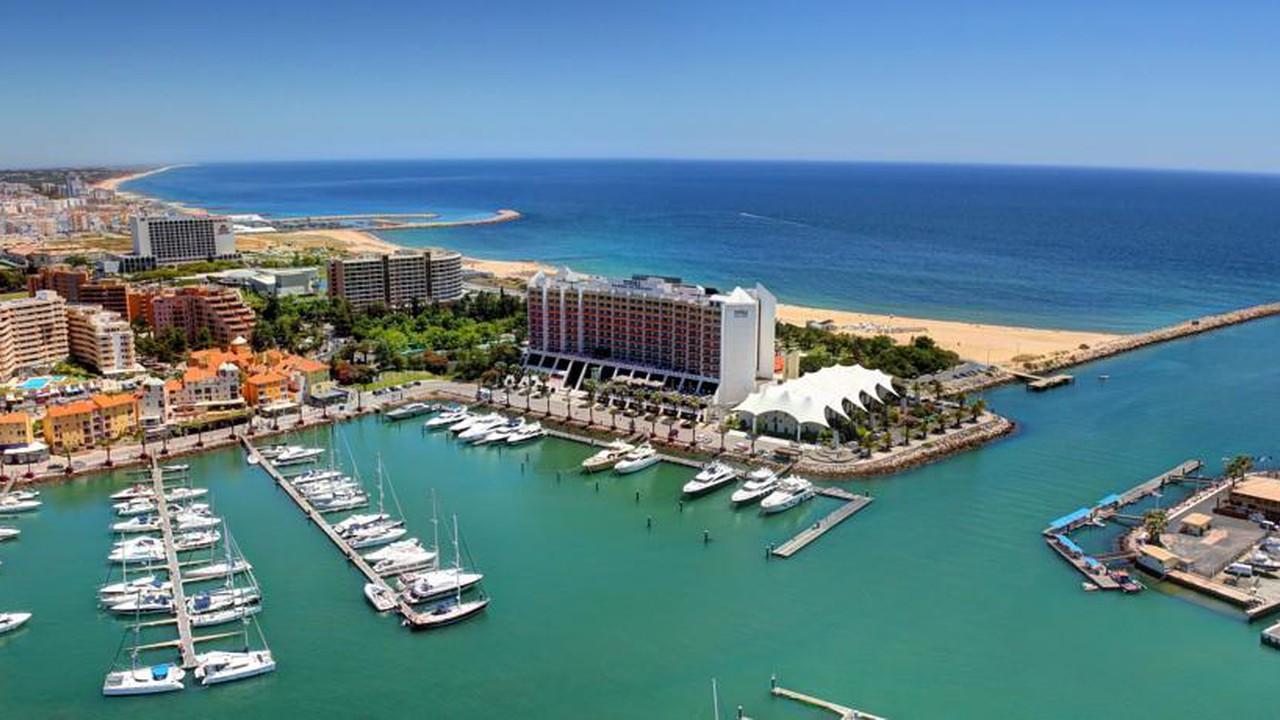 The 2021 edition of the conference ‘The Resort and Residential Hospitality Forum’ (R&R) dedicated to investment in resorts will take place between 25 and 27 October at the Tivoli Marina Vilamoura Resort, bringing together international specialists in investments in the area of hospitality and leisure.
 The show Spain, biennial initiative program more than 40 cultural activities by 2022 across the country, arrives in October to Lagos, with Nau Victoria, a replica of the ship that between 1519 and 1522, has achieved the greatest maritime adventure story: First Round the World by captains Fernão de Magalhães and Juan Sebastián Elcano.
 Last month The World Tourism Organization (UNWTO), Visit Portugal and the city of Reguengos de Monsaraz organized the 5th UNWTO Global Conference on Wine Tourism on 8-10 September 2021 in Reguengos de Monsaraz (Alentejo), Portugal.
 Portugal is “one of the few European countries” that has “an action plan” aimed at wine tourism and betting and investing in this sector “is a path” that the country is “treading”, highlighted the Secretary of State, in Monsaraz.
 While the Portuguese undoubtedly consume more than their fair share of wine, (on average, 55 litres annually for each of the country’s 10 million people), a large proportion of those sales come from tourists from countries like the UK. With the pandemic grounding planes everywhere, this has shifted the balance of sales abroad.
 On a global scale, social media can be a way for people to gather information, share ideas, and reach out to others facing similar challenges. It can also be an effective platform to relay information quickly during a national or worldwide crisis.
 For example, one research review published in the Journal of Medical Internet Research looked at social media posts before March 2019 and found that Twitter contained the most health misinformation — mostly about smoking products and drugs.
 According to one Lifestyle coach, Lee Chambers who is a British Psychologist the pandemic has had a big effect on people’s mental well being. In a recent interview he said, “While we are all impacted in differing ways by social media consumption, the continual flow of negative and misinformation during the past 18 months have spread fear; the highlighting of social and political issues has reduced optimism; and edited photos and toxically positive content leave no space to feel secure or express negative emotions healthily. Alongside the increased desire for metrics such as likes and comments in these challenging times, it’s likely that social media has exacerbated mental health challenges.”
 With emerging research suggesting social media may impact the mental health of some users, some platforms have begun to initiate positive changes. For example, on September 14, 2021, the social media platform TikTok announced new features for its users to help provide resources for suicide prevention.
 There were 87 new Covid-19 cases, 72 recoveries and no deaths from Covid-19 in Madeira since the previous Madeira Situation Report, which was published a week ago.
 As for Covid-19 rapid antigen tests, a total of 334,685 tests had been carried out by September 27th, 260,474 of which as part of mass testing campaigns. By Tuesday, 645,452 samples from RT-PCR tests had been processed in the Autonomous Region of Madeira.
 Miguel Albuquerque, President of the Madeira Regional Government, announced on Friday there will be two weekly flights between Madeira and New York’s JFK Airport. The flights will be operated by SATA (an Azorean airline) between November 29th and March 23rd. The aim will be to target the highly sought-after US market and to allow Madeirans to fly directly to New York.
 The Azores region has largely fallen in line with Continental Portugal regarding mask wearing. It is mandatory to wear masks or visors to access or stay inside commercial spaces and establishments, including shopping centres, with an area greater than 400 square meters, Citizens’ Shops, educational establishments, schools and day care centres, except in outdoor recreational spaces.
 The inspection actions are part of the operational strategy of the Azores PSP Regional Command and aim at the control of weapons and explosives and the verification of the legal requirements for their storage.
 These particles, which can be “transported by the wind”, have “optical properties that contribute to a greater dispersion of light and, consequently, cause a reduction in visibility”.
 Speaking to journalists on the side lines of a visit to Faro hospital, Ana Rita Cavaco considered it essential to hire “more nurses” for CHUA, as well as “changes in the organization and emergency circuit” and “one-off” corrections in Cardiology services and Surgery 1.
 The Municipality of São Brás de Alportel celebrated the 111th anniversary of the establishment of the Republic, this Tuesday, October 5th, with the flag-raising ceremony and musical moments by the São Brás de Alportel Philharmonic Band, within the scope of the Music and Monuments.
 Thus, on October 9th, in partnership with the LPCC – Southern Regional Nucleus, the municipality will develop several Solidarity Walks and a gathering in order to raise awareness of the issue of prevention and early diagnosis of breast cancer.
 Meanwhile, the United States, which has been battling vaccine misinformation that has caused about one-third of the population to avoid inoculations, surpassed 700,000 deaths on Friday, the highest toll of any country. The country has reported an average of more than 2,000 deaths per day over the past week, which represents about 60% of the peak in fatalities in January. The United States still leads the world in COVID-19 cases and deaths, accounting for 19% and 14% of all reported infections and fatalities.
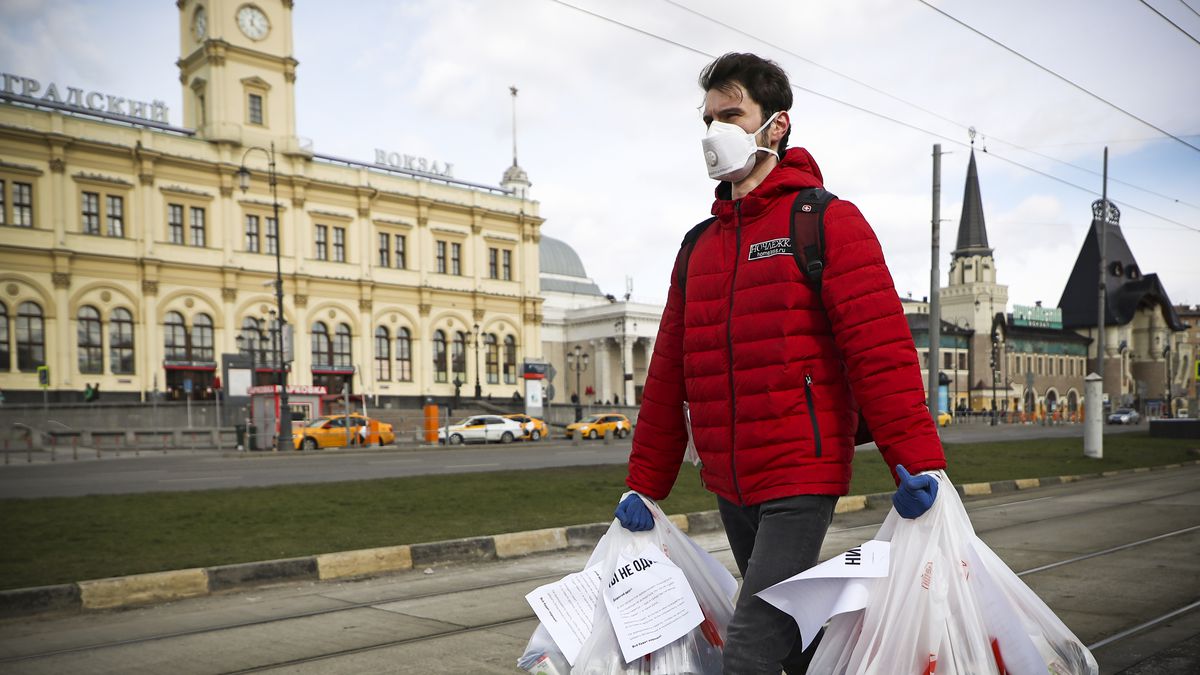 Russia reported 887 coronavirus-related deaths on Friday, the largest single-day death toll it has recorded since the pandemic began and the fourth day in a row it has set that record. Only 33% of Russia’s eligible population has received a first vaccine dose.
 To finish this report we look at India, one of the first countries ravaged by the Delta variant, which has gone from an average of 4,000 deaths a day to less than 300 as its vaccination campaign is rolled out. India recorded a spike of 20,799 new Covid-19 cases in the past 24 hours. The country also witnessed 180 deaths, taking the death toll to 448,997. On the vaccine front it was announced that 70% of the adult population had received the first dose of the vaccine and in Delhi they have reopened the schools for the first time since the pandemic took hold in March 2020.
 The Covid Resilience Ranking is a monthly snapshot of where the virus is being handled the most effectively with the least social and economic upheaval. Compiled using 12 data indicators that span virus containment, the quality of healthcare, vaccination coverage, overall mortality and progress toward restarting travel and easing border curbs, the Ranking captures which of the world’s biggest 53 economies are responding best—and worst—to the same once-in-a-generation threat.
 Responding in a social media post, Taoiseach Micheál Martin said the result was down to the hard work of the Health Service Executive (HSE) and the Irish public.
 No. 1 at the Ranking’s inception last November, New Zealand fell nine spots from August to No. 38. A delta incursion after months virus-free has left the country in varying degrees of lockdown, still seeking to stamp out infections as it strives to boost vaccination levels. Singapore, which is trying to pivot from a Covid Zero approach to a vaccine-led reopening, fell 11 rungs as what is increasingly apparent is that the pandemic is far from over—for some more than others.
 On
On  On the same day, there were 47 suspected cases under epidemiological investigation and analysis, which were all linked to patients who tested positive for Covid-19, to calls made to the SRS24 helpline, to referrals by SESARAM (Madeira Regional Health Service) and to airport screening.
 Centro de Vacinação do Funchal (Funchal Vaccination Centre) – 09h:00-15h:00
 Empresa de Electricidade da Madeira (Madeira power supplier) announced there will be power cuts due to scheduled work on the electricity supply network.