Overseas Situation Report Friday 25th June 2021


By Mike Evans

With numbers of new infections rising dramatically in Portugal over the past week or two, this report is looking at what is happening worldwide with regards to increases in infections. Of the 202 countries that Worldometer.info lists as having the virus, 95 have shown an increase in infections over the past week. Here are details of just a few and what is driving the increase.

Firstly to Israel, the country (which was first out of the blocks with the vaccine and has vaccinated the vast majority of its citizens) which has seen a 274% increase in positive cases in the last week. The total of new cases this week was 505 compared to 135 the previous week. While this is still relatively small and equates to a figure of 54 cases per 1 million of population it is still a worry for the authorities, to the extent that they are advising their citizens not to travel unless essential.

Prime Minister, Naftali Bennett, on Tuesday urged Israelis to avoid non-essential international travel amid an uptick in Covid-19 cases in the country. “It’s not currently an order, it’s a request,” Bennett told reporters at Ben-Gurion International Airport, following a tour of its testing sites and a consultation with Health Minister, Nitzan Horowitz, Interior Minister, Ayelet Shaked, and Transportation Minister, Merav Michaeli. “If you don’t need to go abroad, do not go abroad,” said Bennett, noting that the recent coronavirus outbreak in Binyamina was traced to a family who returned from Cyprus, which is not considered a high-risk country.

The Prime Minister also announced that masks will become mandatory again within the airport, and encouraged Israelis to resume wearing facemasks indoors. Israel lifted its indoor mask mandate last week.

“Everyone who enters the airport must wear a mask from the moment they arrive until the moment they leave,” said Bennett. He also reiterated that every person who enters Israel will have to undergo a PCR test and said the number of testing sites at the airport have recently been increased from 30 to 70. In addition to the mask mandate at the airport, Bennett recommended that people don masks in all indoor areas. “If the numbers go up, to over 100 new cases for several days, it will be an order,” Bennett said, noting that he will instruct ministers and public leaders to resume wearing masks indoors immediately.

He also warned of possible “significant changes in entering and exiting Israel” once the coronavirus cabinet has reconvened and studied the current situation. Concerns are rising in Israel over the spread of the new Delta variant, which is believed to be responsible for 70% of the new cases in the country in recent weeks.

In the past few weeks, the airport testing centres have become increasingly overwhelmed to the extent that last Friday, thousands of Israelis were allowed to exit the airport without taking a mandatory Covid test due to overcrowding at the station. The government has since vowed to step up testing capabilities and increase the enforcement of quarantine for those who require it.

In Indonesia, there has been a big surge in cases over the past week. In a country that has a population of 276 million, the rise in Covid-19 cases in the last week has been large. In the last 7 days, 95,769 new cases were recorded compared to 60,602 the previous week. A rise of 58%. What is more concerning is that the death rate in the last week has risen by 61% with 2,118 people dying from the virus.

As the government struggles to speed up its vaccination drive and ensure public adherence to hygiene and social distancing measures, the rapid spread of the virus threatens to overwhelm Indonesia’s health system. Indonesia has been witnessing a surge in coronavirus cases over the past few weeks.

The rise has been blamed on millions travelling across the Muslim-majority nation at the end of Ramadan, despite an official ban on the annual migration. Furthermore, Indonesia is grappling with new virus mutations, including the highly infectious Delta variant, first identified in India. With the number of infections rapidly rising and hospitals being flooded with patients, warnings abound that the crisis could spiral out of control and overwhelm the healthcare system.

Health Minister, Budi Gunadi, said in a recent press conference that about 90% of isolation beds for Covid patients in Jakarta have already been occupied.

Soaring cases have also been putting increasing pressure on the health system in other hard-hit areas like the Kudus district in Central Java Province.

As a result, exhausted doctors and health care workers have been urging the government to impose stricter measures to curb the virus’ spread.

A number of factors have contributed to the worsening problem, including the lack of adherence to mask-wearing, physical distancing and other health protocols, as well as vaccine skepticism.

Airlangga Hartarto, head of the nation’s Covid handling committee, said the government has been implementing a policy known as “micro-based community activity restrictions” from June 22 to July 5.

It will take effect in regions designated as “red zones,” such as East Java, West Java and Central Java Provinces.

The restrictions mean that schools in these areas will only be allowed to conduct classes online. Restaurants, cafes and food stalls are allowed to operate, but only at 25% of their full capacity and just until 8 p.m. About 75% of workers from the red zones must work from home, according to the rules.

The World Health Organization (WHO) has also called for tougher movement restrictions.

The government has said it would temporarily tighten restrictions in the capital Jakarta and other hot spots, but enforcement has been weak.

Like in other countries, pandemic-related restrictions have had a severe negative effect on the Indonesian economy. So, the government seems to be wary of taking anti-Covid measures that risk throttling economic activity.

An epidemiologist from the University of Indonesia, Pandu Riono, said the new policy only looks good on paper, without clear guidelines on how to implement and supervise it. Riono said that despite many warnings from experts, authorities have failed to put in place enough appropriate measures to control the health emergency.

He also criticized the government for its weak pandemic response and questioned its willingness to learn from previous experience.

Furthermore, he said public attitudes toward the health crisis have been bordering on “herd stupidity.”

Riono described it as a stage when the Covid surge is caused not only by the character of the virus but also by human behaviour, such as underestimating the pandemic and ignoring health protocols like wearing masks, washing hands, maintaining physical distance and limiting mobility and social interaction.

The expert urged the government to speed up the inoculation program to reach herd immunity.

Indonesia aims to vaccinate at least 70% of its population, or about 181.5 million people, by April 2022, but the pace of immunization has been slow. Only about 12 million people have been fully vaccinated so far while around 23 million have received at least one shot of the vaccine. A number of severe cases in inoculated medical workers has also raised questions about the China-produced Sinovac jab, which Indonesia is heavily relying on to vaccinate its people.

Recently, countries such as Saudi Arabia, the UAE, Bahrain and Philippines have expressed concerns over the approval granted to Chinese vaccines and their efficacy.

A spike in Covid-19 cases in the Seychelles made global news in May. The country had the highest vaccination cover in the world, with a majority of its population having received one jab or the other.

A majority of those vaccinated had received the Chinese vaccine Sinopharm. Its government had said in early May that 37 per cent of fresh infections were breakthrough cases of Covid-19 among vaccinated people.

In early May, Philippine President Rodrigo Duterte had apologised for taking the Sinopharm vaccine in the face of public criticism for promoting an unapproved vaccine.

However, the most serious doubts over Chinese vaccines were expressed by Saudi Arabia, which is among the countries that have not approved Sinovac and Sinopharm vaccines. India, too, has not opened up to Chinese vaccines.

Saudi Arabia recognises vaccination certificates for only AstraZeneca – known as Covishield in India – Moderna, Pfizer and Johnson and Johnson vaccines.

People vaccinated with other jabs have to undergo a strict quarantine protocol in Saudi Arabia. This has become a huge issue in countries that are dependent on Chinese vaccines and have a large number of people slated to go on the Haj pilgrimage expected in July.

Saudi Arabia had suspended Haj pilgrimage for outsiders in 2020 due to Covid-19 pandemic and an extra rush is expected this year, but concern over Chinese vaccines has forced Islamic countries such as Pakistan to reach out to Saudi Arabia for a solution.

The UAE and Bahrain have already announced that those vaccinated with Chinese vaccines would be given a booster dose of the Pfizer jab. The UAE and Bahrain had vaccinated their populations with Sinopharm vaccine but both countries recently saw a sharp spike in Covid-19.

A Forbes report said global concerns over Chinese vaccines “have festered due to a lack of public clinical data needed to verify manufacturers’ claims, deficiencies in the data that is made available and the widespread politicization of vaccines”.

Whether these fears are right or wrong, the virus is still very much with us whether we have the vaccine or not.

Until the next time, Stay Safe.

Total Cases Worldwide – 180,779,194

Total Deaths Worldwide – 3,916,328

Total Recovered Worldwide – 165,430,328

Total Active Cases Worldwide – 11,432,245 (6.3% of the total cases)

Total Closed Cases Worldwide – 169,346,949

Information and resources:

https://www.worldometers.info/coronavirus/

https://www.timesofisrael.com/bennett-urges-israelis-not-to-travel-abroad-amid-rise-in-covid-infections/

https://www.worldometers.info/coronavirus/weekly-trends/#countries

https://www.indiatoday.in/coronavirus-outbreak/story


Azores Situation Report Wednesday 23rd June 2021


From our colleague in the Azores 

Armed Forces Medical Team .

The Armed Forces health team has concluded its support for the vaccination process against Covid-19 in the Azorean islands without a hospital, having inoculated more than 6,700 people since June 6th.

The military team did not reinforce the vaccination in São Miguel because the “installed capacity” on that island is “sufficient”, the secretary of Health of the Government of the Azores said.

In a press release, the General Staff of the Armed Forces states that the team consisting of two doctors, six nurses and a pharmacist worked from the 6th to the 20th of June to support the regional process of vaccination in the Azorean islands without a hospital.

“During this period, the military vaccinated more than 6,700 people in vaccination centres on the islands of Santa Maria, Flores, Graciosa, São Jorge and Pico, in collaboration with local health authorities.”

On June 14th, the Head of State of the Government of the Azores, José Manuel Bolieiro, admitted the possibility that that military team would also participate in the reinforcement of vaccination in São Miguel, an island that registers the highest number of cases of Covid- 19.

The regional secretary of Health, Clélio Meneses, said that the Armed Forces health team did not participate in the vaccination process on the largest Azorean island because, “at this moment”, the “installed capacity is sufficient for vaccines” available to the region.

The government official recalled that around 25,000 vaccines are expected to arrive on the island of São Miguel in the coming days.

The regional secretary of Health of the Government of the Azores also praised the “fundamental” work of the military team in supporting vaccination.

“Right now, we have to thank the extraordinary work developed in cooperation with the local capacity installed in this operation”, he pointed out.

The smallest Azorean island, Corvo, had already been the target of a vaccination process in February and March, which allowed the inoculation of 89% of the vaccinated population of the island.

19th June 2021 

42 new positive cases of Covid-19 were diagnosed in the Azores, two in Faial and 40 in São Miguel, resulting from 2,772 tests carried out in reference laboratories in the Region and two in non-conventional laboratories.

In Faial there were two new cases, both in the parish of Castelo Branco, municipality of Horta, and one of these cases, relating to a resident traveller, with a positive result on arrival, gave rise to a new chain of local transmission on this island.

In São Miguel, all cases refer to community transmission. Thus, the municipality of Ribeira Grande registered eight new cases (four in the Matriz and one in each of the parishes of Rabo de Peixe, Ribeirinha, Pico da Pedra and Lomba da Maia). In the municipality of Ponta Delgada there were 20 new cases (five in Arrifes, four in São Pedro, four in Fenais da Luz, three in São José, two in Fajã de Cima, one in Covoada and one in Feteiras). In the municipality of Lagoa there were 12 new cases (five in Água de Pau, three in Rosário, three in Santa Cruz and one in Cabouco).

During the epidemiological investigation it was found that in São Miguel, a positive case initially allocated in the parish of Água de Alto, municipality of Vila Franca do Campo, is residing in the parish of Santa Clara, municipality of Ponta Delgada. Data shown in the respective tables reflect this change.

26 recoveries were recorded.

20th June 2021 

20 new positive cases of Covid-19 were diagnosed in the Azores, one in Terceira, one in Santa Maria and 18 in São Miguel, resulting from 2,389 tests carried out in reference laboratories in the Region.

On Terceira, there was a positive case in the parish of Porto Martins, municipality of Praia da Vitória, concerning a traveller, resident, with a positive result on the sixth day, after traveling outside the archipelago.

In Santa Maria there was also a positive case, in Vila do Porto, resulting from an inter-island traveller, non-resident, with a positive test on arrival.

In São Miguel, all cases refer to community transmission. Thus, the municipality of Ribeira Grande registered seven new cases: five in Matriz and two in Ribeirinha. In the municipality of Ponta Delgada there were eight new cases (four in Fenais da Luz, one in Fajã de Cima, one in São Pedro, one in São José and one in São Roque). In the municipality of Lagoa there were three new cases (two in Santa Cruz, one in Água de Pau).

27 recoveries were recorded.

21st June 2021 

27 new positive cases of Covid-19 were diagnosed in the Azores, one on the island of Terceira, and 26 on the island of São Miguel, following 1,016 tests carried out in the reference laboratories of the Region.

On the island of Terceira, there was a positive case in the parish of Cabo da Praia, municipality of Praia da Vitoria, concerning a traveller, non-resident, who tested positive upon entering the port of Praia da Vitoria.

On the island of São Miguel, there was a case of a traveller residing in the parish of São Pedro, municipality of Ponta Delgada, who tested positive result upon arrival from a travel outside the archipelago. All other cases concern community transmission. Thus, the municipality of Ribeira Grande registered 11 new cases (six in Rabo de Peixe, two in Matriz, one in Lomba da Maia, one in Ribeirinha and one in Conceição). There were five new cases in the municipality of Ponta Delgada (two in Arrifes, two in São Pedro and one in Santa Clara). There were 10 new cases in the municipality of Lagoa (six in Água de Pau, and one in each of the parishes of Cabouco, Rosário, Santa Cruz and Ribeira Chã).

No recoveries have been registered.

22nd June 2021 

43 new positive cases of Covid-19 were diagnosed in the Azores, one on the island of Faial and 42 on the island of São Miguel, following 2,700 tests carried out in the reference laboratories of the Region and one in an independent laboratory.

On the island of Faial, there was a new case, in the parish of Praia do Norte, related to the existing local primary transmission chains on the island.

On the island of São Miguel, two cases concern travellers, both non-residents, one who tested positive on the 6th day and one before starting an inter-island travel, who tested positive upon arrival from mainland Portugal. All other cases were diagnosed in the context of community transmission.

The municipality of Ribeira Grande registered 14 new cases (eight in Matriz, two in Pico da Pedra, one in Rabo de Peixe, one in Ribeirinha, one in Conceição and one in São Brás).

There were 14 new cases in the municipality of Ponta Delgada (three in Capelas, two in Arrifes, two in the Fenais da Luz, two in Relva, one in Fajã de Cima, one in São José, one in Ginetes, one in São Vincente Ferreira and one in Candelária).

There were 10 new cases in the municipality of Lagoa (five in Rosário, four in Santa Cruz and one in Água de Pau).

In the municipality of Vila Franca do Campo, three new cases were diagnosed (two in Água de Alto and one in São Miguel) and the municipality of Povoação registered a positive case (Ribeira Quente)

In the same period, there were 78 recoveries.

There are four patients hospitalized at the Divino Espírito Santo Hospital in São Miguel and one in the Santo Espírito Hospital of Terceira Island, none in intensive care. There are 998 people under active surveillance.

Two primary local transmission chains are active on the island of Faial and 203 local transmission chains have been extinguished so far.

The archipelago currently has 312 positive active cases: 287 on the island of São Miguel, 11 on the island of Terceira, 10 on the island of Faial, 1 on the island of São Jorge and 1 on the island of Santa Maria. Since the beginning of the pandemic, 6,165 positive cases of Covid-19 have been diagnosed in the Azores and 5,685 people recovered from the disease. There were 33 deaths, 80 people who left the archipelago and 55 cases with history of previous cure.

To date, 558,104 tests have been carried out to detect SARS-CoV-2, which causes Covid-19 disease. From December 31st, 2020 to June 17th, 187,119 doses of Covid-19 vaccine were administered in the Azores, corresponding to 109,258 people aged 16 years or more who received the first dose, and 77,861 people who received both doses, under the Regional Vaccination Plan.


Algarve Situation Report Wednesday 23rd June 2021


Algarve administered 28,590 Covid-19 vaccines in one week.

The Algarve administered, in a week, 28,590 vaccines against Covid-19, according to data from the bulletin of this Tuesday, June 22, of the General Directorate of Health (DGS).

Compared to last week, 7% more of the Algarve received the first dose of the Covid-19 vaccine, while another 3% finished the process. So far, 42% of the population in the region has already been inoculated with a dose and 27% has completed vaccination.

These numbers mean that 69% of people in the Algarve have already received at least one dose of the Covid-19 vaccine.

In total, 298,448 vaccines have been given in the Algarve (+28,590 in one week).

In Alentejo, 52% of people took a dose (+2%), while 34% (+4%) of Alentejo people have already finished the process.

Algarve is “at full strength to welcome the summer”, according to RTA.

Associação believes in the strength of the Algarve, at a time when some municipalities in the region are facing new restrictions due to the Covid-19 pandemic.

The Algarve Tourism Region (RTA), issued a note highlighting the arrival «of the high summer season in the Algarve at a crucial moment in the resumption of tourist activity», finding «the destination’s Sun and Sea offer in full force».

According to this Association, “not only was the region elected as the Best Beach Destination in the World at the World Travel Awards, the Oscars of world tourism, as well as its beaches, accumulate quality awards that reinforce the reasons for a visit. All in all, that’s 244 extra reasons to choose the Algarve beaches on vacation”.

RTA recalls that “Tavira, with four beaches, and Faro and Vila do Bispo, with three, are among the municipalities with the most ZERO Pollution Beaches in Portugal, a distinction awarded by the environmentalist association ZERO to beaches where no microbiological contamination was detected in the analyses of the bathing waters during the last three bathing seasons. In all, this year the region offers 14 ZERO Pollution Beaches”.

More good news is that the Algarve “is the national region with the highest annual increase in Beaches with Gold Quality, an award given by the environmentalist association Quercus to distinguish the quality of bathing water on Portuguese beaches. A total of 93 beaches in the destination have Golden Quality, and the municipality of Albufeira is the one that shines the most in the whole country, with 20 awarded beaches».

Albufeira is also the leading national municipality in Blue Flags, with a total of 26 awards hoisted on 25 beaches and in the local marina. In 2021, the European Blue Flag Association awarded the Algarve 91 Blue Flags, a symbol of environmental quality that will be flown on 87 beaches and four marinas in the region.

RTA recalls that “last year, the Algarve also offered visitors 45 Accessible Beaches, which unfurl the white flag of the Accessible Beach Program – Praia para Todos to mark bathing areas accessible to people with reduced mobility”.

Finally, concludes the Tourist Association of the region, in November 2020 “the Algarve was distinguished, for the first time, as Best Beach Destination in the World, in the Grand Final of the World Travel Awards, gathering the preference of the main leaders of the tourism and trips from all over the world”.


Madeira Situation Report Wednesday 23rd June 2021


By our Special Correspondent, Daniel Fernandes

Covid-19 update

There were 21 new Covid-19 cases, 22 recoveries and no deaths from Covid-19 in Madeira since the previous Madeira Situation Report.

On Saturday, there were 5 new Covid-19 cases (from 1 passenger who had arrived from the Lisbon and Tagus Valley Region and 4 cases of local transmission) and 4 recoveries. The number of patients in hospital increased to 4, although none were in intensive care.

On Sunday, there were 4 new Covid-19 cases (from 1 passenger who had arrived from South Africa, 1 passenger who had arrived from the UK, 1 passenger who had arrived from the Lisbon and Tagus Valley Region and 1 case of local transmission) and 9 recoveries. The number of patients in hospital remained the same as the day before, with no patients in intensive care.

On Monday, there were 3 new Covid-19 cases (all cases of local transmission) and 7 recoveries. The number of patients in hospital increased to 5, although none were in intensive care.

And on Tuesday, there were 9 new Covid-19 cases (from 1 passenger who had arrived from Cameroon, 1 passenger who had arrived from the Lisbon and Tagus Valley Region and 7 cases of local transmission) and 2 recoveries. The number of patients in hospital decreased to 3 and, once again, no patients were in intensive care.

There were 67 active cases on Tuesday, of which 26 had been imported while the other 41 cases had been a result of local transmission. As of Tuesday, there had been 9,589 cases, 9,450 recoveries and 72 deaths.

On Tuesday, there were 10 patients in isolation in a dedicated hotel, 54 patients in isolation in their own accommodation and 3 patients in hospital, none of whom in intensive care.

On the same day, there were 26 suspected cases under epidemiological investigation and analysis, which were all linked to patients who tested positive for Covid-19, to calls made to the SRS24 helpline, to referrals by SESARAM (Madeira Regional Health Service) and to airport screening.

There were 23,851 travellers under monitoring by the health authorities. Monitoring is being carried out through the ‘MadeiraSafe’ app. There were also 316 people, who had contact with positive cases, being monitored by the health authorities of several Madeira municipalities and of Porto Santo.

As for Covid-19 testing on passengers who had arrived at Funchal and Porto Santo airports, 238,650 samples had been collected until Tuesday (at 15h30). By Tuesday, 483,274 samples from RT-PCR tests had been processed and 72,190 antigen rapid tests had been carried out in the Autonomous Region of Madeira.

The SRS 24 helpline (Regional Health Service – 800 24 24 20) received 424 calls from Friday to Tuesday. Overall, it had received 53,644 calls.

The Covid-19 mental health helpline (Linha de Acompanhamento Psicológico da Direção Regional de Saúde – 291 212 399 – available every day from 09h00 to 21h00), which was set up to provide emotional and mental support to anyone in Madeira received 13 calls from Friday to Tuesday. Overall, it has received 3,662 calls.

https://funchalnoticias.net/2021/06/19/5-novos-casos-de-covid-19-4-recuperados-24-suspeitos/

https://funchalnoticias.net/2021/06/20/drs-da-conta-de-4-novos-casos-de-covid-19-9-recuperados-e-24-suspeitos/

https://www.jm-madeira.pt/regiao/ver/132531/Madeira_regista_mais_3_casos_de_covid-19

https://funchalnoticias.net/2021/06/22/9-novos-casos-de-covid-19-2-recuperados-26-suspeitos/

Covid-19 vaccination update

On Sunday, the Region received 40,950 doses of the Pfizer vaccine. This was the biggest batch ever delivered to the Region.

As of June 20th, 193,648 Covid-19 vaccine doses (105,598 1st doses & 85,050 2nd doses/full vaccination) had been administered in the Autonomous Region of Madeira since the start of the vaccination campaign on 31st December. This means that 43% of the population have been inoculated with the 1st dose of the vaccine while 34% have been fully vaccinated.

In the previous week, a total of 11,596 vaccine doses (3,499 1st doses & 8,097 2nd doses/full vaccination) were administered.

The plan for this week is to continue to administer vaccine doses throughout the Region, with the highlight being the scheduled vaccination campaign in Porto Santo, which will take place on June 25th, 26th and 27th.

As of Tuesday, 196,328 doses (110,330 1st doses & 85,998 2nd doses/full vaccination) had been administered in the Region.

https://funchalnoticias.net/2021/06/20/mais-40-950-vacinas-da-pfizer-para-a-ram/

https://funchalnoticias.net/2021/06/22/mais-de-193-mil-vacinas-contra-a-covid-19-administradas-na-ram/

https://web.sesaram.pt/COVID19_INFO

More easyJet flights to Madeira

EasyJet announced it will strengthen existing routes to Funchal. There will be an additional daily flight from Lisbon and from Porto to Funchal. This means there will be 2 daily flights from Porto to Funchal, 4 daily flights from Lisbon to Funchal on weekdays and Fridays and 5 daily flights from Lisbon to Funchal on Sundays.

https://www.jm-madeira.pt/regiao/ver/132572/EasyJet_reforça_a_capacidade_de_ligações_para_a_Madeira

Iberia flights diverted to the Canary Islands

On Sunday afternoon, Iberia flights scheduled to land in Porto Santo were unable to do so as a result of rainy and foggy weather on the island and after several landing attempts. This meant the flights were forced to divert to the Canary Islands. The flights had already landed in Porto Santo by the start of Sunday evening.

https://www.jm-madeira.pt/regiao/ver/132448/Voos_da_Iberia_que_divergiram_para_Canarias_ja_aterraram_no_Porto_Santo

Road closures tonight

An athletics race (XXIII Circuito de São Martinho) will be taking place tonight. As a result, there will be road closures to car traffic at 19h00 in the following places:

– Caminho da São Martinho (between Rua de São Martinho and Rua da Vargem)

– Caminho do Esmeraldo (between Rua Agostinho Pereira de Oliveira and the roundabout at São Martinho)

– Rua Dr. Barreto (between Caminho do Pilar and Caminho de São Martinho

The following roads will be closed if there are athletes on the move through such roads (at anytime from 19h00):

– Rua Dr. Barreto

– Caminho do Avista Navios

– Caminho da Nazaré

– Rua do Curaçau

– Rua do Brasil

– Rua da Austrália

– Rua Corveta Dona Estefânia

– Rua do Engenho Velho

– Rua da Venezuela

https://funchalnoticias.net/2021/06/22/cmf-avisa-para-interrupcoes-do-transito-em-sao-martinho/

Water supply disruptions

Due to scheduled work on the water supply network in order to reduce water leaks, there will be water supply disruptions in the following places:

CÂMARA DE LOBOS

Parish (freguesia) of Estreito de Câmara de Lobos (Ladeira da Marinheira) – 23rd June (09h00-13h00)

Parish (freguesia) of Estreito de Câmara de Lobos (Igreja, Pico e Salões, Ribeira da Caixa, Quinta do Leme, Rua da Igreja, Largo do Patim) & Parish of Câmara de Lobos (Bela Vista, Pico e Salões, Quinta do Leme) – 24th June (09h00-13h00)

Parish (freguesia) of Câmara de Lobos (Torre, Estrada João Gonçalves Zarco) – 25th June (09h00-13h00)

Parish (freguesia) of Câmara de Lobos (Rancho) – Rua do Serrado do Mar e Travessa do Serrado do Mar – 25th June (09h00-13h00)

https://www.jm-madeira.pt/regiao/ver/132341/Interrupcoes_do_abastecimento_de_agua_em_Camara_de_Lobos_Machico_e_Ribeira_Brava_

Power cut

Empresa de Electricidade da Madeira (Madeira power supplier) announced there will be power cuts due to planned work on the electricity supply network. These works cannot be postponed and will take place in the following days and places:

FUNCHAL – June 23rd – 09h00 to 12h00 (TODAY)

– Estrada Luso Brasileira (number 3)

– Caminho da Lombada (numbers 59 to 110)

– Rua Engenheiro Adelino Amaro da Costa

– Travessa da Quinta dos Reis (numbers 30 to 34)

MONTE – June 23rd – 08h30 to 9h00 & 11h00 to 11h30 (TODAY)

– Chão do Arieiro

CAMACHA – June 23rd – 08h30 to 9h00 & 11h00 to 11h30 (TODAY)

– Levada da Serra

– Vale Paraíso (north)

– Rochão de Cima

– Carreira

– Pico do Silva

– Montado do Pereiro

– Poiso

ROQUE DO FAIAL – June 23rd – 08h30 to 9h00 & 11h00 to 11h30 (TODAY)

– Pico do Arieiro

– Poço da Neve

MONTE – June 23rd – 08h30 to 11h30 (TODAY)

– Chão da Lagoa

CAMACHA – June 23rd – 08h30 to 11h30 (TODAY)

– Carreiras de Baixo

FUNCHAL – June 24th – 09h00 to 11h30 & 14h00 to 16h00

– Caminho da Portada (number 35)

– Caminho de Santo António dos Capuchos (numbers 4 to 21)

SÃO JORGE – June 24th – 09h00 to 10h00

– Calhau

FUNCHAL – June 25th – 00h00 to 05h00

– Rua do Alto do Pico (up to number 7)

– Rua dos Frias (numbers 22 to 88)

– Rua de João Serra Velez Caroço (number 11)

– Travessa dos Frias (number 26)

– 2ª Travessa dos Frias

– Escadas dos Frias

FUNCHAL – June 25th – 09h00 to 12h00

– Caminho de São Martinho (numbers 78 to 108)

– Caminho do Papagaio Verde (numbers 44 and 56)

– Beco do Relojoeiro (numbers 6 to 16)

– Rampa do Relojoeiro (numbers 3 to 25)

– Rampa do Castanheiro (numbers 30 to 46)

However, power could be restored during the time frame mentioned above. So, for safety purposes, it should be assumed that there will be power at any time during this period of time.

If necessary, customers can contact the free Customer Support Service (Serviço de Apoio ao Cliente): 800 221 187.

https://funchalnoticias.net/2021/06/21/publicidade-o-fornecimento-de-energia-sera-interrompido-nos-dias-horas-e-locais-abaixo-indicados-anuncio-51-2021/

https://funchalnoticias.net/2021/06/22/publicidade-o-fornecimento-de-energia-sera-interrompido-nos-dias-horas-e-locais-abaixo-indicados-anuncio-52-2021/


Portugal Situation Report Wednesday 23rd June 2021


Introduction

Good morning – Yesterday, we made the decision to ask people 55 years and over who had not yet received a vaccination what reasons for refusal were given following application. We are in discussion with government at a senior level and we want to ensure we have up to date information so we can present a complete list of items that need to be addressed and, at the same time, make a number of recommendations which we hope would make it easier for the future.

As expected, we received a large number of responses and we are grateful for those concerned taking the time to write. As I said in the Facebook post, we cannot not take up every case individually, but will summarize the main problems that have been encountered to see what can be done, in terms of processes and communication.

We have tried to reply to as many of your emails and messages as possible but as we said given the volume we have not been able to respond to some. Anyway, rest assured this will be brought to the attention of those who can make decisions, so let’s see what happens. I must say however the initial response has been positive and being able to engage directly with the foreign community directly can only be positive. We will be making the submission today.

We see regular news on unnamed sources from the National vaccine task force, giving the media forecasts dates for the availability of vaccines for different age groups. It is important to remember, however, that this is based on the foreseen availability of vaccines and other priorities which can change. A typical example was the availability of vaccines for those age 37 and over which came into effect on Monday evening. There was widespread media coverage in the days leading up to this that it would be available for those 35 years and over, but we decided not to publish at the time as things can change – which they did.

One possible change on the horizon could be more priority being given to vaccinating young age groups. According to official data, the age group with the most cases recorded in the post-confinement phase has been 20 to 29 years old, then 10 to 19 and finally 30 to 39. Changes in priorities could impact on the progress of other age groups, of course.

A reminder on the crime front. Now we have warmer weather and more people using beaches it is likely we will see an increase in thefts from vehicles near beaches, as well as opportunist types of crimes, where criminals seize the opportunity to steal items which are not being properly safeguarded by the owners.

Much of this type of crime is preventable by taking simple precautions, such as locking the car when leaving it in a car park, ensuring windows are closed and importantly, not leaving valuable items on display. Also take simple precautions in markets and other crowded places not to leave handbags on market stalls or carrying handbags with the contents on display.

Lastly, after a period of nearly a week with almost an unprecedented low fire risk throughout the mainland for June, the risk is now increasing and is forecast to increase further over the next few days, especially in the central areas of the mainland where major fires have taken place in the past. Please therefore monitor the fire risk daily and take all steps to prevent fires and, if you live in a high fire risk area, have an action plan in place should a fire break out in your area.

Please have a Safe day.


Headlines

Lisbon, June 22, 2021 (Lusa) – The President of the Republic today pointed out the Covid-19 digital certificate as “an important element” that can be taken into account in defining the restrictions to be adopted at the municipality level but added that the terms are incumbent on the Government.

In response to questions from journalists, on the side lines of a conference at the Calouste Gulbenkian Foundation in Lisbon, Marcelo Rebelo de Sousa said that he does not know “the measures that the Government will apply specifically to the various municipalities”.

“As it is certain that there is a new factor here, this factor is called a vaccine and it is called a certificate”, he pointed out, referring to the document that certifies the vaccination against Covid-19, the result of a negative test or recovery from an infection.

According to the President, “this certificate is an important element that – the Government has already said – can be taken into account when defining the restrictions”.

“But it is up to the Government to say on what terms,” ​​he added.

Note: A council of Ministers meeting is due this Thursday and the details of the use of the certificate, within Portugal as opposed to external travel, are expected to be discussed.

Covid-19 DGS situation.

Confirmed Cases: 866.826 (+ 1020 / + 0.12 %)

Number of admitted: 450 (+ 7 / + 1.58 %)

Number of ICU admitted: 101 (+ 4 / + 4.12 %)

Deaths: 17.074 (+ 6 / + 0.04 %)

Recovered: 821.374 (+ 1293 / + 0.16 %)

Active cases: 28,378 (- 279 /- 0.97%)

Safe Communities comparisons/trends show that deaths were above last week’s daily average; new daily cases were similar to last week’s daily average of just over a thousand; recovered cases were more than new cases first time for over a week and once again 63% of new cases were in Lisbon and Vale do Tejo a lower percentage than nonday.

Those Covid-19 patients in hospital are the highest total since 19th April and in ICU there was an increase bringing number to just over 100 – the highest since 22nd April 2021. Despite an increase in active cases the total number is the second highest total since 26th March 2021.

Cases as we know are increasing considerably and it is important not to let our guard down at this crucial time. This means complying with the basic hygiene, social distancing and facemask rules

Health

Transmissibility of Delta Variant.

“The new variant is more transmissible, because it is more resistant to just one dose of vaccination”, says Marta Temido

“We are now at a different stage [of the pandemic] than we had a year ago,” said the Minister of Health this Tuesday, noting that infected people are now “much younger”.

The Health Minister, Marta Temido, who attended the inauguration of a new health unit in Alta de Lisboa, said that, even so, the pressure on the NHS is “different”.

“We are still worried that young people are getting infected. We don’t know the long-term consequences of the disease. There is a new variant circulating and it is cause for concern because it is more transmissible, because it is more resistant to just one dose of vaccination,” she stated.

The Delta variant is already predominant in Lisbon and is in the process of becoming so throughout the country. As it is 60% more contagious than the Alfa variant, the risk of transmissibility will continue to rise. Vítor Borges, a researcher who is part of the team that has been monitoring the variants at the Ricardo Jorge Institute, says that this variant “has practically doubled with each passing week.”

Marta Temido says that “we are all firmly committed and aligned to, with the Portuguese, achieve the best and the best solutions to continue walking out of this pandemic”.

Vaccinations

Covid-19: ‘Task force’ reactivates centre in Lisbon for unscheduled vaccination over 50 years.

Newsroom, June 22, 2021 (Lusa) – The vaccination centre against Covid-19 in pavilion 3 of Cidade Universitária, in Lisbon, will reopen this Wednesday at 9:00 am to vaccinate people 50 years of age or over without scheduling, today announced the ‘task force’.

In a note sent to Lusa, the team led by Vice Admiral Gouveia e Melo said that the centre would have at its service “28 soldiers from the three branches of the Armed Forces and will have the capacity to administer around 1,200 daily doses”.

For now, this space will only be dedicated to ‘open house’ vaccination, “making it available for the vaccination of first doses of users aged 50 years and over” registered in the health centre groups of Lisbon North and who have not have been infected in the past six months.

According to the ‘task force’, this vaccination centre will operate seven days a week, between 9:30 am and 5:30 pm and users who wish to be informed in real time about the availability of this space can consult the ‘room’ portal open’ .

Immunologist, Santos Rosa. Children and young people must be vaccinated as soon as possible.

The Delta variant advances throughout the country, being already predominant in the Lisbon and Vale do Tejo region. The Health Minister admits that it is necessary to gain more time to control it, which could mean more restrictions. Immunologist, Santos Rosa, argues that it is increasingly important that children and young people are vaccinated and that it is a maximum requirement to comply with sanitary rules.

There are more and more infections among young people, young adults and children alike. Most do not develop symptomatic or severe disease, but if they are not considered “a group of interest in vaccination, it means that the virus will be circulating in the community for a longer time”, warns Immunologist and Professor Manuel Santos Rosa. It’s because? “Because they are being a great vehicle for spreading the virus where they are, in families, schools, socializing, etc., which will keep the virus in circulation for much longer and regardless of whether older people are already vaccinated, this can mean that there are in the same hospitalization situations that can be serious, because, under any circumstance”.

In Portugal, and according to the daily bulletin of the Directorate-General for Health (DGS), this Monday, so far there are more than 125 infected people in the age group from 20 to 29 years old, more than 81 thousand in those aged 10 at 19 and already 48,000 between zero and nine years old. According to official data, the age group with the most cases recorded in the post-confinement phase has been 20 to 29 years old, then 10 to 19 and finally 30 to 39.

For the immunologist from Coimbra, it is necessary to immunize these groups as soon as possible, although he safeguards that “the timing for doing this is not a priority timing in relation to other groups or similar to the beginning of the vaccination process when we had a number death rate is very high among the elderly, but, at this moment, it is starting to be a priority timing”.

It should not be forgotten that the Delta variant, an origin associated with India, is already predominant in the Lisbon and Vale do Tejo region, but it is already growing throughout the country. Just yesterday, the Minister of Health, Marta Temido, also admitted that it was necessary to speed up vaccination and even more restrictions to “gain time in controlling this variant”, which has a greater degree of transmissibility than the previous one, Alpha, which is associated with the United Kingdom.

EU contracts purchase of over 150 million doses of vaccine from Moderna.

The contract provides for the possibility of acquiring vaccines adapted to the virus mutations, as well as for paediatric and booster use.

The European Commission approved this Monday the amendment to the second contract with the drug maker Moderna for the activation, on behalf of all Member States of the European Union (EU), of 150 million additional doses in 2022.

The revised contract provides for the possibility of acquiring vaccines adapted to the virus mutations, as well as for pediatric and booster use. This was announced by the Head of State of the European Commission, Ursula von der Leyen, in the publication she shared on the social network

The contract guarantees the timely delivery of doses from the third quarter of this year until the end of 2022 and the possibility of adapting it to the needs of each Member State depending on its epidemiological situation.

Member States, for their part, have the possibility to resell or donate doses to countries in need outside the EU or through the COVAX Facility.

The EU has already invested €2.9 billion in vaccine development

Tuesday’s contract with Moderna is based on the portfolio of vaccines that will guarantee Europe access to up to 4.4 billion doses, once all vaccines have been proven safe and effective.

Sport

Task-force confirms vaccination of rugby team ahead of European games.

The vaccination task force confirmed this Tuesday that the Portuguese rugby team will be vaccinated against Covid-19 before participating in the European Championship, “in consistency” with the procedure adopted for other national representations.

In response to questions sent by the Lusa agency, the task force’s communication office confirmed the information provided today by the President of the Portuguese Rugby Federation (FPR) and explained that the action is part of a “logic of exception” for certain groups.

“The Portuguese rugby team, which will participate in the European Championship, will, in line with the procedure adopted with the national football team, as well as with the Portuguese delegation to the Olympic Games, be vaccinated”, explained the task force, in a written response.

“Once again”, explains the organization led by Vice Admiral Henrique de Gouveia e Melo, “this vaccination is part of the logic of exception for specific actions of official representation of the country in international events, with organizations that recommend the vaccination of participants”.

Earlier, the President of the FPR told the Lusa agency that the players of the Portuguese rugby team would be vaccinated in the coming days, a day after accusing the Government of not responding to the request made more than two weeks ago.

Carlos Amado da Silva said that he was informed “in the morning”, by the ‘task-force’ of vaccination, that the request of the Portuguese Rugby Federation (FPR) was approved and that “the entire delegation” will travel to the countries Netherlands and Russia in July will be vaccinated “in the coming days”.

The FPR leader, incidentally, underlined the role of the ‘task-force’, which was, in his opinion, the entity that “unlocked the whole situation”.

The players and other members of the national delegation, who have not yet been vaccinated, will be inoculated “with the single-dose vaccine”, said Amado da Silva, that is, Janssen, pharmaceutical group of the American giant Johnson & Johnson, the only one that completes the vaccination with just one dose.

Next month, the Portuguese rugby team will compete in two matches of the Europe Championship 2021, in the Netherlands, on July 10th, and in Russia, on July 17th, which will qualify for the World Cup in France, 2023.

Festivals

Paredes de Coura Festival postponed to 2022.

The Paredes de Coura festival, which was supposed to take place in August in that locality, was postponed to 2022, due to “all the uncertainties and constant changes in the procedures for the return of live shows”, the organization announced this Tuesday.

“There will be no Vodafone Paredes de Coura this year. All the uncertainties and constant changes in the procedures for the return of live shows lead us, with a lot of regret, to admit that this is the most sensible decision to take”, says promoter Ritmos , in a statement released today, in which it announces the new dates: August 17, 18, 19 and 20, 2022.

The festival had not taken place last year, due to restrictions imposed by the Government to try to contain the Covid-19 pandemic. This year, Vodafone Paredes de Coura was scheduled for the 18th, 19th, 20th and 21st of August.

Crisis caused by the pandemic threw 400,000 people into poverty.

About 400 thousand people have fallen below the poverty line due to the crisis caused by the Covid-19 pandemic, aggravating the gap between the rich and the poor in Portugal, reveals a study released this Tuesday.

“Compared to the non-crisis scenario, 400,000 new individuals have fallen below the poverty line, defined as 60% of the equivalent median income, increasing the at-risk-of-poverty rate by 25% as a consequence of the Covid-19 pandemic,” he concluded. The study by the Social Observatory of the “la Caixa” Foundation, authored by the Centre of Economics for Prosperity (PROSPER) of the Catholic University of Lisbon.

According to the document that Lusa had access to, which considers that the Government’s measures partially minimized the increase in poverty and inequality, the pandemic resulted in a “substantial loss of income for the Portuguese population”, with the median annual income falling from 10,100 euros in the non-crisis scenario to 9,100 euros in the crisis scenario.

Furthermore, the crisis caused by Covid-19 “had asymmetric effects”, as the lower and lower-middle classes, the Algarve region and people with schooling up to the ninth grade “were the groups most affected by this crisis, with losses clearly above the national average,” says the study.

According to the study, most of the people most affected by the crisis were already in the lower half of the income distribution in the non-crisis scenario, which led to an increase in inequality.

“The results show that the pandemic led to an impressive 25% increase in poverty over the course of one year, when compared to the crisis and non-crisis scenarios, putting at risk the progress made in the last twenty years and reversing the trend of continued reduction in poverty started in 2015, when the poverty rate was 19%”, says the document.

Strike notices during pandemic.

The number of strike advance notices increased from 43 in April to 71 in May, the month in which the end of the State of Emergency was decreed due to the evolution of the Covid-19 pandemic, official data shows.

According to the monthly evolution published by the Directorate-General for Employment and Labour Relations (DGERT), the number of strike notices registered in May thus increased by 65% ​​compared to April.

Comparing with May 2020, about two months after the start of the pandemic and when the number of strike advance notices totalled 39, the increase was 82% in May this year.

Enforcement

Porto’s PSP reinforces policing in São João and calls for compliance with rules.

The PSP of Porto guaranteed this Tuesday that it will reinforce policing on the night of São João, from Wednesday to Thursday, and calls for compliance with the rules given the current context of the Covid-19 pandemic.

“A better understanding and collaboration of all is requested in complying with the rules imposed in this pandemic framework, complying with and respecting the indications of the police officers who will be at the service of the community”, says the Metropolitan Command of Porto da PSP, in a statement sent to the agency Portuguese.

In the text, this police force reveals that “it will reinforce the policing in its area of ​​responsibility, involving police elements of different capacities, namely those related to proximity policing, in order to guarantee special and general security conditions”.


Regions

Madeira Situation Report Wednesday 23rd June by our Special Correspondent, Daniel

Covid-19 update

There were 21 new Covid-19 cases, 22 recoveries and no deaths from Covid-19 in Madeira since the previous Madeira Situation Report.

On Saturday, there were 5 new Covid-19 cases (from 1 passenger who had arrived from the Lisbon and Tagus Valley Region and 4 cases of local transmission) and 4 recoveries. The number of patients in hospital increased to 4, although none were in intensive care.

On Sunday, there were 4 new Covid-19 cases (from 1 passenger who had arrived from South Africa, 1 passenger who had arrived from the UK, 1 passenger who had arrived from the Lisbon and Tagus Valley Region and 1 case of local transmission) and 9 recoveries. The number of patients in hospital remained the same as the day before, with no patients in intensive care.

On Monday, there were 3 new Covid-19 cases (all cases of local transmission) and 7 recoveries. The number of patients in hospital increased to 5, although none were in intensive care.

And on Tuesday, there were 9 new Covid-19 cases (from 1 passenger who had arrived from Cameroon, 1 passenger who had arrived from the Lisbon and Tagus Valley Region and 7 cases of local transmission) and 2 recoveries. The number of patients in hospital decreased to 3 and, once again, no patients were in intensive care.

There were 67 active cases on Tuesday, of which 26 had been imported while the other 41 cases had been a result of local transmission. As of Tuesday, there had been 9,589 cases, 9,450 recoveries and 72 deaths.

On Tuesday, there were 10 patients in isolation in a dedicated hotel, 54 patients in isolation in their own accommodation and 3 patients in hospital, none of whom in intensive care.

On the same day, there were 26 suspected cases under epidemiological investigation and analysis, which were all linked to patients who tested positive for Covid-19, to calls made to the SRS24 helpline, to referrals by SESARAM (Madeira Regional Health Service) and to airport screening.

There were 23,851 travellers under monitoring by the health authorities. Monitoring is being carried out through the ‘MadeiraSafe’ app. There were also 316 people, who had contact with positive cases, being monitored by the health authorities of several Madeira municipalities and of Porto Santo.

As for Covid-19 testing on passengers who had arrived at Funchal and Porto Santo airports, 238,650 samples had been collected until Tuesday (at 15h30). By Tuesday, 483,274 samples from RT-PCR tests had been processed and 72,190 antigen rapid tests had been carried out in the Autonomous Region of Madeira.

The SRS 24 helpline (Regional Health Service – 800 24 24 20) received 424 calls from Friday to Tuesday. Overall, it had received 53,644 calls.

The Covid-19 mental health helpline (Linha de Acompanhamento Psicológico da Direção Regional de Saúde – 291 212 399 – available every day from 09h00 to 21h00), which was set up to provide emotional and mental support to anyone in Madeira received 13 calls from Friday to Tuesday. Overall, it has received 3,662 calls.

https://funchalnoticias.net/2021/06/19/5-novos-casos-de-covid-19-4-recuperados-24-suspeitos/

https://funchalnoticias.net/2021/06/20/drs-da-conta-de-4-novos-casos-de-covid-19-9-recuperados-e-24-suspeitos/

https://www.jm-madeira.pt/regiao/ver/132531/Madeira_regista_mais_3_casos_de_covid-19

https://funchalnoticias.net/2021/06/22/9-novos-casos-de-covid-19-2-recuperados-26-suspeitos/

Covid-19 vaccination update

On Sunday, the Region received 40,950 doses of the Pfizer vaccine. This was the biggest batch ever delivered to the Region.

As of June 20th, 193,648 Covid-19 vaccine doses (105,598 1st doses & 85,050 2nd doses/full vaccination) had been administered in the Autonomous Region of Madeira since the start of the vaccination campaign on 31st December. This means that 43% of the population have been inoculated with the 1st dose of the vaccine while 34% have been fully vaccinated.

In the previous week, a total of 11,596 vaccine doses (3,499 1st doses & 8,097 2nd doses/full vaccination) were administered.

The plan for this week is to continue to administer vaccine doses throughout the Region, with the highlight being the scheduled vaccination campaign in Porto Santo, which will take place on June 25th, 26th and 27th.

As of Tuesday, 196,328 doses (110,330 1st doses & 85,998 2nd doses/full vaccination) had been administered in the Region.

https://funchalnoticias.net/2021/06/20/mais-40-950-vacinas-da-pfizer-para-a-ram/

https://funchalnoticias.net/2021/06/22/mais-de-193-mil-vacinas-contra-a-covid-19-administradas-na-ram/

https://web.sesaram.pt/COVID19_INFO

More easyJet flights to Madeira

EasyJet announced it will strengthen existing routes to Funchal. There will be an additional daily flight from Lisbon and from Porto to Funchal. This means there will be 2 daily flights from Porto to Funchal, 4 daily flights from Lisbon to Funchal on weekdays and Fridays and 5 daily flights from Lisbon to Funchal on Sundays.

https://www.jm-madeira.pt/regiao/ver/132572/EasyJet_reforça_a_capacidade_de_ligações_para_a_Madeira

Iberia flights diverted to the Canary Islands

On Sunday afternoon, Iberia flights scheduled to land in Porto Santo were unable to do so as a result of rainy and foggy weather on the island and after several landing attempts. This meant the flights were forced to divert to the Canary Islands. The flights had already landed in Porto Santo by the start of Sunday evening.

https://www.jm-madeira.pt/regiao/ver/132448/Voos_da_Iberia_que_divergiram_para_Canarias_ja_aterraram_no_Porto_Santo

Road closures tonight

An athletics race (XXIII Circuito de São Martinho) will be taking place tonight. As a result, there will be road closures to car traffic at 19h00 in the following places:

– Caminho da São Martinho (between Rua de São Martinho and Rua da Vargem)

– Caminho do Esmeraldo (between Rua Agostinho Pereira de Oliveira and the roundabout at São Martinho)

– Rua Dr. Barreto (between Caminho do Pilar and Caminho de São Martinho

The following roads will be closed if there are athletes on the move through such roads (at anytime from 19h00):

– Rua Dr. Barreto

– Caminho do Avista Navios

– Caminho da Nazaré

– Rua do Curaçau

– Rua do Brasil

– Rua da Austrália

– Rua Corveta Dona Estefânia

– Rua do Engenho Velho

– Rua da Venezuela

https://funchalnoticias.net/2021/06/22/cmf-avisa-para-interrupcoes-do-transito-em-sao-martinho/

Water supply disruptions

Due to scheduled work on the water supply network in order to reduce water leaks, there will be water supply disruptions in the following places:

CÂMARA DE LOBOS

Parish (freguesia) of Estreito de Câmara de Lobos (Ladeira da Marinheira) – 23rd June (09h00-13h00)

Parish (freguesia) of Estreito de Câmara de Lobos (Igreja, Pico e Salões, Ribeira da Caixa, Quinta do Leme, Rua da Igreja, Largo do Patim) & Parish of Câmara de Lobos (Bela Vista, Pico e Salões, Quinta do Leme) – 24th June (09h00-13h00)

Parish (freguesia) of Câmara de Lobos (Torre, Estrada João Gonçalves Zarco) – 25th June (09h00-13h00)

Parish (freguesia) of Câmara de Lobos (Rancho) – Rua do Serrado do Mar e Travessa do Serrado do Mar – 25th June (09h00-13h00)

https://www.jm-madeira.pt/regiao/ver/132341/Interrupcoes_do_abastecimento_de_agua_em_Camara_de_Lobos_Machico_e_Ribeira_Brava_

Power cut

Empresa de Electricidade da Madeira (Madeira power supplier) announced there will be power cuts due to planned work on the electricity supply network. These works cannot be postponed and will take place in the following days and places:

FUNCHAL – June 23rd – 09h00 to 12h00 (TODAY)

– Estrada Luso Brasileira (number 3)

– Caminho da Lombada (numbers 59 to 110)

– Rua Engenheiro Adelino Amaro da Costa

– Travessa da Quinta dos Reis (numbers 30 to 34)

MONTE – June 23rd – 08h30 to 9h00 & 11h00 to 11h30 (TODAY)

– Chão do Arieiro

CAMACHA – June 23rd – 08h30 to 9h00 & 11h00 to 11h30 (TODAY)

– Levada da Serra

– Vale Paraíso (north)

– Rochão de Cima

– Carreira

– Pico do Silva

– Montado do Pereiro

– Poiso

ROQUE DO FAIAL – June 23rd – 08h30 to 9h00 & 11h00 to 11h30 (TODAY)

– Pico do Arieiro

– Poço da Neve

MONTE – June 23rd – 08h30 to 11h30 (TODAY)

– Chão da Lagoa

CAMACHA – June 23rd – 08h30 to 11h30 (TODAY)

– Carreiras de Baixo

FUNCHAL – June 24th – 09h00 to 11h30 & 14h00 to 16h00

– Caminho da Portada (number 35)

– Caminho de Santo António dos Capuchos (numbers 4 to 21)

SÃO JORGE – June 24th – 09h00 to 10h00

– Calhau

FUNCHAL – June 25th – 00h00 to 05h00

– Rua do Alto do Pico (up to number 7)

– Rua dos Frias (numbers 22 to 88)

– Rua de João Serra Velez Caroço (number 11)

– Travessa dos Frias (number 26)

– 2ª Travessa dos Frias

– Escadas dos Frias

FUNCHAL – June 25th – 09h00 to 12h00

– Caminho de São Martinho (numbers 78 to 108)

– Caminho do Papagaio Verde (numbers 44 and 56)

– Beco do Relojoeiro (numbers 6 to 16)

– Rampa do Relojoeiro (numbers 3 to 25)

– Rampa do Castanheiro (numbers 30 to 46)

However, power could be restored during the time frame mentioned above. So, for safety purposes, it should be assumed that there will be power at any time during this period of time.

If necessary, customers can contact the free Customer Support Service (Serviço de Apoio ao Cliente): 800 221 187.

https://funchalnoticias.net/2021/06/21/publicidade-o-fornecimento-de-energia-sera-interrompido-nos-dias-horas-e-locais-abaixo-indicados-anuncio-51-2021/

https://funchalnoticias.net/2021/06/22/publicidade-o-fornecimento-de-energia-sera-interrompido-nos-dias-horas-e-locais-abaixo-indicados-anuncio-52-2021/


Algarve Situation Report Wednesday 23rd June

Algarve administered 28,590 Covid-19 vaccines in one week.

The Algarve administered, in a week, 28,590 vaccines against Covid-19, according to data from the bulletin of this Tuesday, June 22, of the General Directorate of Health (DGS).

Compared to last week, 7% more of the Algarve received the first dose of the Covid-19 vaccine, while another 3% finished the process. So far, 42% of the population in the region has already been inoculated with a dose and 27% has completed vaccination.

These numbers mean that 69% of people in the Algarve have already received at least one dose of the Covid-19 vaccine.

In total, 298,448 vaccines have been given in the Algarve (+28,590 in one week).

In Alentejo, 52% of people took a dose (+2%), while 34% (+4%) of Alentejo people have already finished the process.

Algarve is “at full strength to welcome the summer”, according to RTA.

Associação believes in the strength of the Algarve, at a time when some municipalities in the region are facing new restrictions due to the Covid-19 pandemic.

The Algarve Tourism Region (RTA), issued a note highlighting the arrival «of the high summer season in the Algarve at a crucial moment in the resumption of tourist activity», finding «the destination’s Sun and Sea offer in full force».

According to this Association, “not only was the region elected as the Best Beach Destination in the World at the World Travel Awards, the Oscars of world tourism, as well as its beaches, accumulate quality awards that reinforce the reasons for a visit. All in all, that’s 244 extra reasons to choose the Algarve beaches on vacation”.

RTA recalls that “Tavira, with four beaches, and Faro and Vila do Bispo, with three, are among the municipalities with the most ZERO Pollution Beaches in Portugal, a distinction awarded by the environmentalist association ZERO to beaches where no microbiological contamination was detected in the analyses of the bathing waters during the last three bathing seasons. In all, this year the region offers 14 ZERO Pollution Beaches”.

More good news is that the Algarve “is the national region with the highest annual increase in Beaches with Gold Quality, an award given by the environmentalist association Quercus to distinguish the quality of bathing water on Portuguese beaches. A total of 93 beaches in the destination have Golden Quality, and the municipality of Albufeira is the one that shines the most in the whole country, with 20 awarded beaches».

Albufeira is also the leading national municipality in Blue Flags, with a total of 26 awards hoisted on 25 beaches and in the local marina. In 2021, the European Blue Flag Association awarded the Algarve 91 Blue Flags, a symbol of environmental quality that will be flown on 87 beaches and four marinas in the region.

RTA recalls that “last year, the Algarve also offered visitors 45 Accessible Beaches, which unfurl the white flag of the Accessible Beach Program – Praia para Todos to mark bathing areas accessible to people with reduced mobility”.

Finally, concludes the Tourist Association of the region, in November 2020 “the Algarve was distinguished, for the first time, as Best Beach Destination in the World, in the Grand Final of the World Travel Awards, gathering the preference of the main leaders of the tourism and trips from all over the world”.


Azores Situation Report Wednesday 23rd June 2021 From our colleague in the Azores 

Armed Forces Medical Team .

The Armed Forces health team has concluded its support for the vaccination process against Covid-19 in the Azorean islands without a hospital, having inoculated more than 6,700 people since June 6th.

The military team did not reinforce the vaccination in São Miguel because the “installed capacity” on that island is “sufficient”, the secretary of Health of the Government of the Azores said.

In a press release, the General Staff of the Armed Forces states that the team consisting of two doctors, six nurses and a pharmacist worked from the 6th to the 20th of June to support the regional process of vaccination in the Azorean islands without a hospital.

“During this period, the military vaccinated more than 6,700 people in vaccination centres on the islands of Santa Maria, Flores, Graciosa, São Jorge and Pico, in collaboration with local health authorities.”

On June 14th, the Head of State of the Government of the Azores, José Manuel Bolieiro, admitted the possibility that that military team would also participate in the reinforcement of vaccination in São Miguel, an island that registers the highest number of cases of Covid- 19.

The regional secretary of Health, Clélio Meneses, said that the Armed Forces health team did not participate in the vaccination process on the largest Azorean island because, “at this moment”, the “installed capacity is sufficient for vaccines” available to the region.

The government official recalled that around 25,000 vaccines are expected to arrive on the island of São Miguel in the coming days.

The regional secretary of Health of the Government of the Azores also praised the “fundamental” work of the military team in supporting vaccination.

“Right now, we have to thank the extraordinary work developed in cooperation with the local capacity installed in this operation”, he pointed out.

The smallest Azorean island, Corvo, had already been the target of a vaccination process in February and March, which allowed the inoculation of 89% of the vaccinated population of the island.

19th June 2021 

42 new positive cases of Covid-19 were diagnosed in the Azores, two in Faial and 40 in São Miguel, resulting from 2,772 tests carried out in reference laboratories in the Region and two in non-conventional laboratories.

In Faial there were two new cases, both in the parish of Castelo Branco, municipality of Horta, and one of these cases, relating to a resident traveller, with a positive result on arrival, gave rise to a new chain of local transmission on this island.

In São Miguel, all cases refer to community transmission. Thus, the municipality of Ribeira Grande registered eight new cases (four in the Matriz and one in each of the parishes of Rabo de Peixe, Ribeirinha, Pico da Pedra and Lomba da Maia). In the municipality of Ponta Delgada there were 20 new cases (five in Arrifes, four in São Pedro, four in Fenais da Luz, three in São José, two in Fajã de Cima, one in Covoada and one in Feteiras). In the municipality of Lagoa there were 12 new cases (five in Água de Pau, three in Rosário, three in Santa Cruz and one in Cabouco).

During the epidemiological investigation it was found that in São Miguel, a positive case initially allocated in the parish of Água de Alto, municipality of Vila Franca do Campo, is residing in the parish of Santa Clara, municipality of Ponta Delgada. Data shown in the respective tables reflect this change.

26 recoveries were recorded.

20th June 2021 

20 new positive cases of Covid-19 were diagnosed in the Azores, one in Terceira, one in Santa Maria and 18 in São Miguel, resulting from 2,389 tests carried out in reference laboratories in the Region.

On Terceira, there was a positive case in the parish of Porto Martins, municipality of Praia da Vitória, concerning a traveller, resident, with a positive result on the sixth day, after traveling outside the archipelago.

In Santa Maria there was also a positive case, in Vila do Porto, resulting from an inter-island traveller, non-resident, with a positive test on arrival.

In São Miguel, all cases refer to community transmission. Thus, the municipality of Ribeira Grande registered seven new cases: five in Matriz and two in Ribeirinha. In the municipality of Ponta Delgada there were eight new cases (four in Fenais da Luz, one in Fajã de Cima, one in São Pedro, one in São José and one in São Roque). In the municipality of Lagoa there were three new cases (two in Santa Cruz, one in Água de Pau).

27 recoveries were recorded.

21st June 2021 

27 new positive cases of Covid-19 were diagnosed in the Azores, one on the island of Terceira, and 26 on the island of São Miguel, following 1,016 tests carried out in the reference laboratories of the Region.

On the island of Terceira, there was a positive case in the parish of Cabo da Praia, municipality of Praia da Vitoria, concerning a traveller, non-resident, who tested positive upon entering the port of Praia da Vitoria.

On the island of São Miguel, there was a case of a traveller residing in the parish of São Pedro, municipality of Ponta Delgada, who tested positive result upon arrival from a travel outside the archipelago. All other cases concern community transmission. Thus, the municipality of Ribeira Grande registered 11 new cases (six in Rabo de Peixe, two in Matriz, one in Lomba da Maia, one in Ribeirinha and one in Conceição). There were five new cases in the municipality of Ponta Delgada (two in Arrifes, two in São Pedro and one in Santa Clara). There were 10 new cases in the municipality of Lagoa (six in Água de Pau, and one in each of the parishes of Cabouco, Rosário, Santa Cruz and Ribeira Chã).

No recoveries have been registered.

22nd June 2021 

43 new positive cases of Covid-19 were diagnosed in the Azores, one on the island of Faial and 42 on the island of São Miguel, following 2,700 tests carried out in the reference laboratories of the Region and one in an independent laboratory.

On the island of Faial, there was a new case, in the parish of Praia do Norte, related to the existing local primary transmission chains on the island.

On the island of São Miguel, two cases concern travellers, both non-residents, one who tested positive on the 6th day and one before starting an inter-island travel, who tested positive upon arrival from mainland Portugal. All other cases were diagnosed in the context of community transmission.

The municipality of Ribeira Grande registered 14 new cases (eight in Matriz, two in Pico da Pedra, one in Rabo de Peixe, one in Ribeirinha, one in Conceição and one in São Brás).

There were 14 new cases in the municipality of Ponta Delgada (three in Capelas, two in Arrifes, two in the Fenais da Luz, two in Relva, one in Fajã de Cima, one in São José, one in Ginetes, one in São Vincente Ferreira and one in Candelária).

There were 10 new cases in the municipality of Lagoa (five in Rosário, four in Santa Cruz and one in Água de Pau).

In the municipality of Vila Franca do Campo, three new cases were diagnosed (two in Água de Alto and one in São Miguel) and the municipality of Povoação registered a positive case (Ribeira Quente)

In the same period, there were 78 recoveries.

There are four patients hospitalized at the Divino Espírito Santo Hospital in São Miguel and one in the Santo Espírito Hospital of Terceira Island, none in intensive care. There are 998 people under active surveillance.

Two primary local transmission chains are active on the island of Faial and 203 local transmission chains have been extinguished so far.

The archipelago currently has 312 positive active cases: 287 on the island of São Miguel, 11 on the island of Terceira, 10 on the island of Faial, 1 on the island of São Jorge and 1 on the island of Santa Maria. Since the beginning of the pandemic, 6,165 positive cases of Covid-19 have been diagnosed in the Azores and 5,685 people recovered from the disease. There were 33 deaths, 80 people who left the archipelago and 55 cases with history of previous cure.

To date, 558,104 tests have been carried out to detect SARS-CoV-2, which causes Covid-19 disease. From December 31st, 2020 to June 17th, 187,119 doses of Covid-19 vaccine were administered in the Azores, corresponding to 109,258 people aged 16 years or more who received the first dose, and 77,861 people who received both doses, under the Regional Vaccination Plan.
Overseas Situation Report Wednesday 23rd June 2021


By Mike Evans

“Aspire to inspire before we expire.” – Lisa Lieberman-Wang

As the death toll from Covid-19 edges closer and closer to the 4 million mark, it is currently at 3,886 million deaths worldwide, this report looks at how children are affected when they lose a parent to the pandemic.

From the early stages of the virus, we were told that older people were the most vulnerable and susceptible to the disease. It was well documented at the start of the pandemic how the vast majority of deaths were occurring in the older age groups across the world. Then we saw a change in that ethnicity was also playing a part and, as the virus spread across the world, we saw many more people dying who were younger and, although some had underlying conditions, many were healthy people who succumbed to the virus.

In America it is estimated that over 46,000 young children have lost either one or both parents to the pandemic in the last 20 months. One of the biggest problems post pandemic is finding support for these children from the government.

Here is one story of a family crushed by death and bereavement but this is just one and there are many thousands more, and probably hundreds of thousands of similar stories, across the world.

Five months after her husband died of Covid-19, Valerie Villegas can see how grief has wounded her children. Nicholas, the baby, who was one-year old and almost weaned when his father died, now wants to nurse at all hours and calls every tall, dark-haired man “Dada,” the only word he knows. Robert, aged 3, regularly collapses into furious tantrums, stopped using the big-boy potty and frets about sick people giving him germs. Ayden, aged 5, recently announced it’s his job to “be strong” and protect his mum and brothers.

Her older children — Kai Flores, 13, Andrew Vaiz, 16, and Alexis Vaiz, 18 — are often quiet and sad or angry and sad, depending on the day. The two eldest, gripped by anxiety that makes it difficult to concentrate or sleep, were prescribed anti-depressants soon after losing their stepfather. “I spend half the nights crying,” said Villegas, 41, a hospice nurse from Portland, Texas. She became a widow on January 25th, just three weeks after Robert Villegas, 45, a strong, healthy truck driver and jiujitsu expert, tested positive for the virus. “My kids, they’re my primary concern,” she said. “And there’s help that we need.”

But in a nation where researchers calculate that more than 46,000 children have lost one or both parents to Covid-19 since February 2020, Villegas and other survivors say finding basic services for their bereaved kids – counselling, peer support groups, financial assistance – has been difficult, if not impossible. “They say it’s out there,” Villegas said. “But trying to get it has been a nightmare.”

The NBC TV news organisation conducted interviews with nearly two dozen researchers, therapists and other experts on loss and grief, as well as families whose loved ones died of Covid-19, and the results reveal the extent to which access to grief groups and therapists grew scarce during the pandemic. Providers scrambled to switch from in-person to virtual visits and waiting lists swelled, often leaving bereft children and their surviving parents to cope on their own. “Losing a parent is devastating to a child,” said Alyssa Label, a San Diego therapist and program manager with SmartCare Behavioral Health Consultation Services. “Losing a parent during a pandemic is a special form of torture.”

In the USA, children can receive survivor benefits when a parent dies if that parent worked long enough in a job that required payment of Social Security taxes. During the pandemic, the number of minor children of deceased workers who received new benefits has surged, reaching nearly 200,000 in 2020, up from an average of 180,000 in the previous three years. Social Security Administration officials don’t track cause of death, but the latest figures marked the most awards granted since 1994. Covid deaths “undoubtedly” fuelled that spike, according to the SSA’s Office of the Chief Actuary.

The number of children eligible for those benefits is surely higher. Only about half of the 2 million children in the U.S. who have lost a parent as of 2014 received the Social Security benefits to which they were entitled, according to a 2019 analysis by David Weaver of the Congressional Budget Office.

Counsellors said they find many families have no idea that children qualify for benefits when a working parent dies, or don’t know how to sign up.

In a country that showered philanthropic and government aid on the 3,000 children who lost parents to the 9/11 terror attacks, there’s been no organized effort to identify, track or support the tens of thousands of kids left bereaved by Covid-19.

Joyal Mulheron, the founder of Evermore, a non-profit foundation that focuses on public policy related to bereavement said, “I’m not aware of any group working on this, because the scale of the problem is so huge, the scale of the solution needs to match it.”

Covid-19 has claimed more than 600,000 lives in the U.S., and researchers writing in the journal JAMA Pediatrics calculated that for every 13 deaths caused by the virus, one child under 18 has lost a parent. As of June 15th, that would translate into more than 46,000 kids, researchers estimated. Three-quarters of the children are adolescents; the others are kids under age 10. About 20 percent of the children who’ve lost parents are black, though they make up 14 percent of the population.

“There’s this shadow pandemic,” said Rachel Kidman, an associate professor at Stony Brook University in New York, who was part of the team that found a way to calculate the impact of Covid-19 deaths. “There’s a huge amount of children who have been bereaved.”

The Biden administration, which launched a program to help pay funeral costs for Covid-19 victims, did not respond to questions about offering targeted services for families with children.

Failing to address the growing cohort of bereaved children, whether in a single family or in the U.S. at large, could have long-lasting effects, researchers said. Loss of a parent in childhood has been linked to higher risks of substance use, mental health problems, poor performance in school, lower college attendance, lower employment and early death.

“Bereavement is the most common stress and the most stressful thing people go through in their lives,” said clinical psychologist Christopher Layne of the UCLA/Duke University National Centre for Child Traumatic Stress. “It merits our care and concern.”

Perhaps 10 percent to 15 percent of children and others bereaved by Covid-19 might meet the criteria of a new diagnosis, prolonged grief disorder, which can occur when people have specific, long-lasting responses to the death of a loved one. That could mean thousands of children with symptoms that warrant clinical care. “This is literally a national, very public health emergency,” Layne said.

Meanwhile, Villegas and others say they have been left largely on their own to navigate a confusing patchwork of community services for their children even as they struggle with their own grief. “I called the counsellor at school. She gave me a few little resources on books and stuff,” Villegas said. “I called some crisis hotline. I called counselling places, but they couldn’t help because they had waiting lists and needed insurance. My kids lost their insurance when their dad died.”

The social disruption and isolation caused by the pandemic overwhelmed grief care providers, too. Across the U.S., non-profit agencies that specialize in childhood grief said they have scrambled to meet the need and to switch from in-person to virtual engagement, “It was a huge challenge; it was very foreign to the way we work,” said Vicki Jay, CEO of the National Alliance for Grieving Children. “Grief work is based on relationships, and it’s very hard to get a relationship with a piece of machinery.”

At Experience Camps, which each year offers free weeklong camps to about 1,000 bereaved kids across the country, the waiting list has grown more than 100 percent since 2020, said Talya Bosch, its director of camp care. “It is something that we are concerned about – a lot of kids are not getting the support they need,” she said

Dr. Sandra McGowan-Watts, 47, a family practice doctor in Chicago, lost her husband, Steven, to Covid-19 in May 2020. She feels fortunate to have found an online therapist for her daughter, Justise, who helped explain why the 12-year-old was suddenly so sad in the mornings: “My husband was the one who woke her up for school. He helped her get ready for school.”

Justise was also able to get a spot at an Experience Camps session this summer. “I am nervous about going to camp, but I am excited about meeting new kids who have also lost someone close in their life,” she said.

Jamie Stacy, 42, of San Jose, California, was connected with an online counsellor for her daughter, Grace, 8, and twin sons, Liam and Colm, 6, after their father, Ed Stacy, died of Covid-19 in March 2020 at age 52. Only then did she learn that children can grieve differently than adults. They tend to focus on concrete concerns, such as where they’ll live and whether their favourite toys or pets will be there. They often alternate periods of play with sadness, cycling rapidly between confronting and avoiding their feelings of loss.

“The boys will be playing Legos, having a great time, and all of a sudden drop a bomb on you: ‘I know how I can see Daddy again. I just have to die, and I’ll see Daddy again,’” she said. “And then they’re back to playing Legos.”

Stacy said counselling has been crucial in helping her family navigate a world where many people are marking the end of the pandemic. “We can’t escape the topic of Covid-19 even for one day,” she said. “It’s always in our face, wherever we go, a reminder of our painful loss.”

Valerie Villegas, in Texas, has returned to her work in hospice care and is starting to reassemble her life. But she thinks there should be formal aid and grief support for families like hers whose lives have been indelibly scarred by the deadly virus.

“Now everybody’s lives are going back to normal,” she said. “They can get back to their lives. And I’m thinking my life will never be normal again.”

These are just a few stories of how the virus has devastated people’s lives and it is still going on around the world so we must all make sure we do all we can to combat the virus.

Until the next time, Stay Safe.

Total Cases Worldwide – 179,693,775

Total Deaths Worldwide – 3,891,246

Total Recovered Worldwide – 164,383,401

Total Active Cases Worldwide – 11,419,128 (6.4% of the total cases)

Total Closed Cases Worldwide – 168,274,647

Information and resources:

https://www.worldometers.info/coronavirus/

https://www.nbcnews.com/health/health-news/thousands-young-children-lost-parents-covid-where-s-help-them-n1271728

https://www.worldometers.info/coronavirus/#main_table


Overseas Situation Report Monday 21st June 2021


By Mike Evans

“If you think you are too small to make a difference, try sleeping in a room with a mosquito.” – Lisa Lieberman-Wang

With the launch this week of the Digital Covid Vaccination Certificate in Portugal, it is perhaps an opportune time to look at the countries around the world where this tool, which will enable us to travel easily throughout Europe, is something that is a long way off as so many countries are still struggling to get the vaccines to help slow the virus.

In this report we are looking at where the COVAX organisation is with regards to helping the poorer nations in the world access vaccinations.

Just a few weeks ago, the mood at the headquarters of the World Health Organization (WHO) was still decidedly sombre. WHO had pushed hard for equitable distribution of Covid-19 vaccines, yet a “grotesque” gap had formed between rich and poor nations, said WHO’s Director-General, Tedros Adhanom Ghebreyesus. Whereas several rich countries had enough vaccines to start to vaccinate teenagers, who are at very low risk of becoming severely ill, nurses and doctors in Africa remained unprotected.

But a meeting of the G7, held in Cornwall, U.K., last weekend, has changed the gloomy outlook. The leaders of the seven large industrialized democracies committed to donating 1 billion doses – 870 million more than previously announced – by the end of 2022. The vast majority will move through the Covid-19 Vaccines Global Access (COVAX) Facility, a non-profit set up by WHO, that Aylward is working with. COVAX has built a war chest of $9.6 billion solely for purchasing vaccines at discount prices for poor countries.

According to Seth Berkley, who heads Gavi, the Vaccine Alliance – another key COVAX partner, “It’s a tipping point,” and he says the new interest in helping poorer countries marks a long overdue “mindset shift.” “We’ve been talking about it from the beginning: You’re only safe if everyone’s safe,” he says. “But nobody was listening.”

There’s more good news: Vaccine manufacturers are still scaling up production, and Novavax, a U.S.-based biotech, reported stellar efficacy results for its low-cost, easy-to-store vaccine this week, further raising hopes that the gap between rich and poor can be narrowed. (Many had hoped a few hundred million more doses might come from CureVac this year, but that company yesterday reported disappointing results from an efficacy trial that may derail its candidate.)

So far, COVAX has struggled to obtain vaccines, and as of 15 June it had only shipped 87 million doses, a tiny fraction of the 2.4 billion doses administered globally. Its goal of delivering 2 billion doses by the end of the year seemed out of reach. Many developing countries purchase vaccines directly from manufacturers as well, but that can’t make up for the enormous rift: Forty-one percent of people in high-income countries have received at least one dose of a Covid-19 vaccine, versus less than 1% in low-income countries.

Even some upper–middle-income countries are in the ‘have-not’ camp. Ana Maria Henao Restrepo, Head of R&D at WHO, comes from Colombia, where only 18% of people today have received a single dose. In late April, her unvaccinated 78-year-old mother developed Covid-19 there and was hospitalized for nearly 2 weeks. “I felt this was unjust: Why can she not have a vaccine when other people her age can have a vaccine?” Henao Restrepo says. Her mother survived but still requires supplemental oxygen. “Even if my mother had not had Covid, I would feel equally passionate,” she adds.

Yet donations to COVAX have been slow to materialize. Many countries have vast vaccine surpluses but are holding onto them, just in case. Some are also worried that developing countries’ health systems may be unable to quickly distribute large amounts of vaccines, leading to waste. Already, South Sudan and Malawi had to destroy tens of thousands of doses they could not put into arms before the expiration dates. Aylward dismisses that concern. “You know what? If we waste a few doses in the fourth quarter of this year in places that never had anything in the first half of the year, fair enough.”

That’s why the new pledge from G7 countries to add at least 870 million doses to COVAX over the next year – at least half by the end of this year – has lifted spirits at WHO. “It’s not the end, but it’s a good beginning,” Henao Restrepo says.

“There is some progress, I have to admit,” even Tedros agrees. “But whatever is committed now is not enough.” And he worries substantial donations won’t start to flow until the summer’s end. “Those countries that have pledged should start giving the doses they have pledged now.”

COVAX had hoped to distribute 300 million doses by now, giving countries a chance to ramp up mass vaccination campaigns incrementally. “We didn’t want there to be a sort of dribble, dribble, dribble, dribble, and then a huge surge in supply, which is going to challenge any country,” says Kate O’Brien, a technical adviser to COVAX and director of WHO’s Department of Immunization, Vaccines and Biologicals. “But it’s where we are now, and everybody wants this pandemic to end. So, it’s what has to be done.”

The likely surge of vaccines is fuelling debate about how to distribute them. COVAX’s current approach is one size fits all: vaccinating 20% of each country’s population by the end of this year, with groups including health care workers and the elderly getting the first doses. But treating all countries the same is “short-changing nations in desperate need, while providing vaccines to others that have comparatively few cases or lack the ability to distribute them,” medical ethicist Ezekiel Emanuel and health lawyer Govind Persad argued in an essay in The New York Times published on 24 May. (The piece was built on a September 2020 policy forum in Science, they co-authored.) It doesn’t make sense that Ghana and Peru should receive the same amounts of vaccine, Emanuel and Persad argue, when Ghana has had fewer than 1000 reported Covid-19 deaths and Peru, with the same population, has had nearly 70,000.

A comment in the 8 June issue of The Lancet took the idea a step further. Health lawyer Thomas Bollyky of the Council on Foreign Relations and modelers Christopher Murray and Robert Reiner from the Institute for Health Metrics and Evaluation (IHME) used computer models to estimate expected Covid-19 mortality by country between 1 June and 31 August, based on presumed transmission rates, vaccine supply, and the impact of variants on immunity. They find that Latin America, Central and Eastern Europe, Central Asia, and South Africa have the greatest need. That’s where COVAX should deploy its doses, they argued.

Models, including ones from IHME, have been wide off the mark for Covid-19, but they’re “good enough” to make predictions a few months ahead, contends Emanuel, who says they’re a better way to allocate vaccines than solely based on population size. They also might reduce the incentive for countries most in need to plead with individual donor countries—such as China—for direct aid, Bollyky adds, which undermines COVAX. “If COVAX were applying an epi-based model for early doses, it would be harder for donor nations to justify circumventing them,” he says.

Natalie Dean, a biostatistician at the University of Florida, agrees “evolving epidemiology” should play some role, but cautions that lower income countries often have difficulty with surveillance, which makes models less reliable. And she likes that the current COVAX strategy is “simple, transparent, and objective.”

So far, COVAX has seen no need to change its system, but it may eventually do so when supplies increase, says WHO Chief Scientist, Soumya Swaminathan. Henao Restrepo says she’d like to see small-scale experiments to see how well model-based vaccine allocation works.

The main reason COVAX has missed its target so far is that it had little money last year to purchase vaccines, and it relied heavily on the Serum Institute of India to supply doses until more companies offered proven products at discount prices. But Serum stopped exporting promised doses in March, when Covid-19 cases in India exploded. That surge has now peaked, and the company has ramped up its production from some 60 million doses of the AstraZeneca vaccine per month to 100 million doses this month. Capacity may reach 250 million doses monthly by the end of the year, the company tells Science. COVAX leaders hope the company may resume exports as soon as September.

Novavax, which just reported that its vaccine had 90% efficacy in a major trial funded by the U.S. government, has joined forces with Serum as well. Together, the companies could bring 1.1 billion doses to COVAX in 2022 that could start going into arms this autumn if the Novavax jab passes muster with regulators. Biological E, another Indian manufacturer, plans to provide COVAX with 200 million doses of the already authorized Johnson & Johnson vaccine, which should begin coming off production lines in September.

The vaccines produced by the Pfizer-BioNTech collaboration and Moderna may play a bigger role in COVAX than expected, too. These companies make vaccines with messenger RNA, which requires sub-zero temperatures during transport and then can only stay fresh in regular refrigerators for a month. Conventional wisdom long held that those requirements, along with the vaccines’ high price tags, meant they couldn’t be used in much of the world. But on 10 June, the U.S. government – which has given COVAX $2 billion – announced it would donate 200 million doses of the Pfizer vaccine to COVAX this year and another 300 million by June 2022, with the UPS Foundation donating freezers to countries that need help with storage. (It’s unclear whether this donation may be in lieu of the U.S. government’s pledge to give COVAX an additional $2 billion.) Moderna cut a deal with COVAX to sell up to 500 million doses of its vaccine by the end of 2022.

The virus does not recognise individual countries so the vaccines must be available to everyone no matter where they live. This is one issue in which the world as a whole could come together and work to eradicate this virus. It has been done in the past with other diseases like polio and typhoid, so why not Covid?

Until the next time, Stay Safe.

Total Cases Worldwide – 179,028,681

Total Deaths Worldwide – 3,877,051

Total Recovered Worldwide – 163,552,736

Total Active Cases Worldwide – 11,598,894 (6.5% of the total cases)

Total Closed Cases Worldwide – 167,429,787

Information and resources:

https://www.worldometers.info/coronavirus/

https://www.sciencemag.org/news/2021

https://www.gavi.org/covax-facility

https://www.who.int/

Portugal Situation Report Saturday 19th June 2021

Introduction

Good morning – This will be a shorter newsletter than usual simply because of the huge volume of work and enquiries we have encountered over the last 3 days. I will come to that later.

We start however with the excellent news that Noah the child age 2 years who went missing from his home in Proença-a-Velha was found 30 hours later after an extensive search by the GNR and emergency services and members of the public.

This shows the use of social media at its best, with literally hundreds of people volunteering to help find Noah and sharing information which might help in locating his whereabouts. What was obvious to me was the very quick response by the GNR, the extensive deployment of their resources and equipment and particularly the quality of the press information by the GNR spokesman. The latter has not always been the case in previous missing person cases, but on this occasion is was timely and relevant. We thank the over 1300 who shared the information from our Facebook page.

On the subject of work it has been a very busy period having to deal with, translate, promote and explain an increasing number of often lengthy and sometimes complex legislation. In the last few days, we have dealt with travel restrictions to and from the Lisbon Metropolitan area; incidence and transmission rates; air travel regulations; the covid digital certificate; various weather warning and incidents; the Council of Ministers Resolution; nation testing strategy changes, to name but a few.

sns.gov.pt

We would suggest in particular to keep up to date with our travel pages, in particular the Air Travel last where there have been a number of changes in the last few days, especially concerning the negative testing of arrival passengers, namely: 1. To allow entry into Portugal people must present either a TAAN or Antigen test negative. The time limit on these is now up to 72 hours for the TAAN or up to 48 hours for the antigen test, from departure time. Also the rules surrounding child tests has been revised. Children below the age of 12 years no longer are required to take the test when travelling with adults/parents.

The second important point is that after a few teething problems the Digital covid certificate which will eventually help people travel in and around Europe easily is now available to be downloaded on the SNS24 site. https://www.sns24.gov.pt/

Our engagements on Facebook over the last week surpassed one hundred thousand, more than for instance the Public Security Police and our post reach was nearly quarter of a million. We thank you therefor for taking an interest in our work and sharing the important key messages.

Lastly please check if you have not already done so the post currently pinned to the top of our Facebook page concerning the de-confinement or those municipalities that are at the 1st May de-confinement phase as well as the measures for the remainder of the country.

Please be reminded that there is a travel restriction now in effect from 1500 hrs yesterday to 0600 hrs on Monday 21st prohibiting those leaving or entering the Lisbon Metropolitan area, with exemption such as work. The GNR last night stated that most motorists are complying with these rules.


We also noticed an increase in the number of enquires which we have tried our best to answer. With numbers approaching several hundred over the last few days, we once again need to remind people to study the documents provided first before asking a question. We are in a situation where a certain amount of self- reading and research is required, and much of this can be done through our website.

Please have a Safe weekend


Headlines

Costa says Europe was wrong to let each country define vaccine administration

The prime minister today considered that Europe “has done wrong” in letting each country define the conditions for administering vaccines, arguing that it is “absurd” to have a European Medicines Agency and each national agency to define its rules.

When we are going to discuss the future of Europe, one lesson we must learn from this pandemic is that, if Europe was right to act together in the purchase of vaccines, then it was wrong to leave each country free to define the conditions for using vaccines and restrictions”, stressed António Costa.

The prime minister was speaking to Portuguese journalists in the Belgian city of Bruges, where he participated in the closing ceremony of the 2020-21 academic year of the College of Europe, whose ‘patron’ was former head of state and government Mário Soares.

Considering that it is “a bit absurd” to have a European Medicines Agency (EMA) and “afterwards each national agency defines its rules”, António Costa gave examples of the differences in criteria that exist in the European space, stressing that there are in cases where the vaccines are administered “without any restrictions, in others there are definitions according to gender, in others according to age”.

“None of this makes sense, what makes sense is that, just as we did well in buying together, we could do well in defining common rules because, obviously, technical knowledge has no borders and there is no technical knowledge in a country that justify a decision different from other countries”, said António Costa.

In this sense, the prime minister said that he “hopes” that “clear progress is made in the Europe of health”, namely “strengthening the competences of the EMA” so that, in the future, “these decisions are taken on a European scale” and everyone is ” under the same conditions”

President of the Republic answer question on constitutional powers

Portugal News

The President of the Republic remarked yesterday that the Government “had acted in accordance with its competence” in the measures for the Metropolitan Area of ​​Lisbon due to the pandemic, stressing to rule out “a retreat” regarding the state of emergency.

“My position is the same, it is up to me to declare the state of emergency, and I see no reason to retreat from the state of emergency, because of what I have said several times: number of deaths, number of care intensive, number of hospitalized, which remains far, far below the limit that justified the state of emergency for the time it lasted”, replied Marcelo Rebelo de Sousa.

The head of state was speaking to journalists in New York, where he is to accompany the reappointment of António Guterres for a second term as secretary-general of the United Nations and was confronted with the measures decided by the Government.

Marcelo Rebelo de Sousa said that “the Government acted in accordance with its competence”, with the Constitution and the law “very clear”: “It is up to the Government to manage in a time when there is no state of emergency”.

The decree of a state of emergency is a competence of the President of the Republic.

“Each one has their powers. I have already clarified in which cases, beyond the limits, a retreat through the state of emergency would be justified. We are far from that, there is a high number of cases, but, fortunately, without the projection in intensive care patients and the dead that justified the state of emergency a few months ago,” he said.

Marcelo Rebelo de Sousa underlined that “the President sees no reason to change his opinion regarding the state of emergency”.


Covid 19

The Covid-19 situation report for Friday 18th June recorded
Confirmed Cases: 862.926 (+ 1298 / + 0.15 %)
Number of admitted: 391 (+ 27 / + 7.42 %)
Number of ICU admitted: 94 (+ 6 / + 6.82 %)
Deaths: 17.061 (+ 4 / + 0.02 %)
Recovered: 818.440 (+ 686 / + 0.08 %)
Active cases: 27,425 (+ 608 /+ 2.22%)

Safe Communities comparisons/trends: showed that deaths were above last week’s average; new daily cases were slightly higher than yesterday and second highest daily increase since 21st February 2021 and almost double last weeks’ daily average; of these  66% (862) were in Lisbon and Vale do Tejo – similar percentage to Wednesday.

In hospital there was a moderate increase compared to Wednesday with the highest total since 22nd April. Covid-19 Patients reduced by 6455 compared to number in hospital 1st February 2021.In ICU there was a small increase after Wednesday’s decrease, and highest total since 25th April 2021. A point to note is that in active cases there was a large increase. Highest total since 29th March 2021.


Health

Vaccinations

Task force: Vaccinated with first dose of AstraZeneca must wait for SMS or phone call

People who have taken the first dose of the AstraZeneca vaccine should wait to receive an SMS or call to schedule the second dose, a source at the ‘task force’ told Lusa today.

The Lusa agency today questioned the ‘task force’ for the vaccination plan on whether they have started calling people to receive the second dose of this vaccine, after the Minister of the Presidency, Mariana Vieira da Silva, announced on Thursday that they were going to start calling up these people due to the shortening of the interval between the two doses from 12 to eight weeks.

In response, the source said in writing that “the vaccination plan is being adapted in order to comply with the recommended interval between doses” in the standard released on Thursday by the General Directorate of Health.
As such, he added, “people who have taken the first dose of AstraZeneca vaccine should wait to receive an SMS or phone call to schedule the second dose.”

The update of standard No. 003/2021 of the DGS changes the interval period between doses of Vaxzevria vaccine, known as Astrazeneca.


Health

Latest Incidence and transmission rates

The R(t) rises to 1.14 in the entire national territory and 1.15 in the mainland: in both cases, they are the highest values ​​recorded since March 15 , when its public release began – and the record had already been beaten on Wednesday. The transmissibility index was, on Wednesday, 1.12 in the entire national territory and 1.13 in the continent.

Covid19.min_saude.pt

The incidence also rises: it is now 100.2 in the national territory and also on the continent, increasingly closer to the red line, which is fixed at 120. The indicators were 91.0 and 90.5, respectively, in the second Thursday, and from 96 and 84.2 to 15 March, at the beginning of the de-confinement process. Portugal currently has eight municipalities with more than 240 cases of covid-19 per 100,000 inhabitants. Unsurprisingly, Lisbon is one of them. The others are Albufeira, Grândola, Odemira, Sesimbra, Sertã, Sardoal and Ribeira Grande, in the Azores.

In the space of a week (since the last epidemiological update made by the Directorate-General for Health), Lisbon went from 222 new infections in 14 days to 306. Ribeira Grande, in the Azores archipelago, with the highest incidence for several weeks, increased from 524 cases to 494.
The report sent this Friday to newsrooms, which refers to the period from 2 to 15 June, also indicates that, in addition to the eight mentioned, there are 32 more municipalities with more than 120 cases per 100,000 inhabitants.

In total, the country has, therefore, 40 territories above the limits set by the Government, which may imply permanence or even retreat in the measures of decontamination.

In the Algarve a total of 11 municipalities have the same incidence rate compared to 8th June, four remain the same and one has decreased.
The Delta variant, associated with India and more contagious, should be predominant in Portugal in the coming weeks, indicates the Covid-19 red line report from the Directorate-General for Health (DGS) and the Ricardo Jorge National Health Institute (INSA).

“The Alpha variant, associated with the United Kingdom, was the dominant variant during the month of May, and it is estimated that the Delta variant (B.1.617.2 or associated with India) may overlap with this one in the coming weeks”, states the document known this Friday.
As of June 16, 157 cases of the Delta strain have been identified. At this point, “there is already community transmission of this variant, more evident in the region of Lisbon and Vale do Tejo (LVT)”.

113 cases of the Beta variant associated with South Africa were also identified, with community transmission of this variant, and 146 cases of the Gamma variant associated with Manaus.

Adverse reaction to vaccinations

More than 7,500 suspected adverse reactions to vaccines against covid-19 have been reported in Portugal, including 51 cases of death in the elderly, which may not be related to the inoculations, according to an Infarmed report released this Friday.

“The cases of death occurred in a group with a median age of 78.5 years and do not necessarily presuppose the existence of a causal relationship with the administered vaccine, as they may also result from the normal patterns of morbidity and mortality of the Portuguese population” , highlights the “Pharmacovigilance Report – Monitoring the Safety of Vaccines against covid-19 in Portugal”.

From the beginning of the vaccination campaign on December 27, 2020 until last Sunday, 7576 reports of adverse reactions (ADR) were registered, out of a total of 7,371,032 administered doses, 3032 (40%) classified as “serious” and 4544 (60%) as non-serious. “If a case contains more than one ADR (the most frequent situation), it is enough for one of these adverse reactions to be classified as serious for the whole case to be serious as well”, he stresses, explaining that this classification follows the criteria of the World Health Organization, but it is made by the notifier, whether this is a health professional or a user.

Covid-19: Specialist says it is necessary not to rule out the ability of pharmacies in vaccination

farmaciaemcasa.pt

Lisbon, Jun 19, 2021 (Lusa) – The former president of Infarmed believes that the most important thing to stop the pandemic is to guarantee the rapid vaccination of the greatest number of people in the shortest amount of time and that it is necessary not to discard the capacity of pharmacies. “It’s an important aspect. It is not to be ruled out, in principle, and pharmacists will certainly be prepared to enter the process”, he told Lusa Helder Mota Filipe, stressing: “pharmacists do not insist on being involved just because they are involved and, therefore, should be part of the solution”.

Regarding the growing number of infections in the Lisbon region, the professor at the Faculty of Pharmacy of the University of Lisbon stated that, at the moment, “a situation is still poorly characterized”.
“What is most important is to ensure rapid and urgent vaccination of the greatest number of people and to guarantee this vaccination, two things are needed: first, the vaccines, which at this point seems to be no longer a problem (…), then, to use all the installed capacity in order to guarantee the greatest number of people vaccinated in the shortest period of time”, he defended.

Asked about this matter, Helder Mota Filipe said: “I feel that from the beginning there is a difficulty, I don’t say of organization, but of passing on the message about what is being organized and, therefore, it is important for the preparation of pharmacies”.
“Pharmacists need to know what role is assigned to them and when and that this is not just a moment’s notice,” he added.

About the fact that the age group of new cases and hospitalized is now younger and about the different pressure this makes on the National Health Service, the specialist said: “The percentage of serious illness is lower, but if we increase the number of the infected population, the number of cases of serious illness will increase anyway”.
Despite this growth being at a slower pace, Helder Mota Filipe underlined the importance of protecting non-covid-19 patients, who have already suffered from the interruption of care activity at the most critical time of the pandemic.

Travel to and from the Lisbon Metropolitan area

Newsroom, June 18, 2021 (Lusa) – Most motorists are complying with the rules prohibiting movement to and from the Lisbon Metropolitan Area (AML), showing valid justification for entering and leaving that territory, the GNR told the Lusa agency today. On Thursday, the Government decided to ban the movement to and from the AML on weekends, from 15:00 today, due to the increase in covid-19 cases in that territory.

Speaking to Lusa, GNR captain Luís Canhoto explained that, on Highway 1 (A1), in the south-north direction, next to the Alverca tolls (Lisbon), there is a traffic flow “much less than a sixth -Normal afternoon”.
“It reveals some notion on the part of people of these measures that have now been imposed and it has also translated into that the cars that we have been inspecting, all of them, present a valid reason to circulate to and from the Metropolitan Area of ​​Lisbon”, said the captain during the afternoon.

According to Luís Canhoto, people who have been stopped are going home, after a day’s work, and there have also been cases of motorists who come from medical appointments and from vaccination against covid-19. “There have been these types of reasons that legitimize circulation to the Lisbon Metropolitan Area”, he stressed. Captain Celso Pereira, who is located next to the service area of ​​Alcácer do Sal (Setúbal), on Highway 2 (A2), north-south, highlighted the fact that there are no traffic queues.

“The operation is running normally, there are no traffic queues, there is nothing, it is normal. It’s like a normal Friday”, he added.


Madeira Situation Report Saturday 19th June 2021


By Daniel Fernandes

Covid-19 update

There were 26 new Covid-19 cases, 20 recoveries and no deaths from Covid-19 in Madeira since the previous Madeira Situation Report.

On Wednesday, there were 8 new Covid-19 cases (from 1 passenger who had arrived from Venezuela, 2 passengers who had arrived from the Lisbon and Tagus Valley Region and 5 cases of local transmission) and 9 recoveries. The number of patients in hospital remained 2, none of whom were in intensive care.

On Thursday, there were 12 new Covid-19 cases (from 3 passengers who had arrived from Venezuela, 2 passengers who had arrived from South Africa, 1 passenger who had arrived from Denmark and 6 cases of local transmission) and 7 recoveries. The number of patients in hospital increased to 3, none of whom were intensive care.

And on Friday, there were 6 new Covid-19 cases (from 1 passenger who had arrived from Italy, 1 passenger who had arrived from the UK and 4 cases of local transmission) and 4 recoveries. The number of patients in hospital decreased to 2 and, once again, no patients were in intensive care.

There were 68 active cases on Friday, of which 25 had been imported while the other 43 cases had been a result of local transmission. As of Friday, there had been 9,568 cases, 9,428 recoveries and 72 deaths.

On Friday, there were 11 patients in isolation in a dedicated hotel, 55 patients in isolation in their own accommodation and 2 patients in hospital, none of whom in intensive care.

On the same day, there were 52 suspected cases under epidemiological investigation and analysis, which were all linked to patients who tested positive for Covid-19, to calls made to the SRS24 helpline, to referrals by SESARAM (Madeira Regional Health Service) and to airport screening.

There were 21,754 travellers under monitoring by the health authorities. Monitoring is being carried out through the ‘MadeiraSafe’ app. There were also 363 people, who had contact with positive cases, being monitored by the health authorities of several Madeira municipalities and of Porto Santo.

As for Covid-19 testing on passengers who had arrived at Funchal and Porto Santo airports, 234,917 samples had been collected until Friday (at 15h30). By Friday, 474,700 samples from RT-PCR tests had been processed and 71,951 antigen rapid tests had been carried out in the Autonomous Region of Madeira.

The SRS 24 helpline (Regional Health Service – 800 24 24 20) received 399 calls from Tuesday to Friday. Overall, it had received 53,220 calls.

The Covid-19 mental health helpline (Linha de Acompanhamento Psicológico da Direção Regional de Saúde – 291 212 399 – available every day from 09h00 to 21h00), which was set up to provide emotional and mental support to anyone in Madeira received 13 calls from Tuesday to Friday. Overall, it has received 3,649 calls.

https://funchalnoticias.net/2021/06/16/8-novos-casos-de-covid-19-9-recuperados-31-suspeitos/

https://funchalnoticias.net/2021/06/17/12-novos-casos-de-covid-19-7-recuperados-19-suspeitos/

https://funchalnoticias.net/2021/06/18/6-novos-casos-de-sars-cov-2-4-recuperados-52-suspeitos/

Covid-19 vaccination update

A shipment of 5,376 Pfizer vaccine doses arrived in the Autonomous Region of Madeira on Friday. This batch will be important to continue the Covid-19 vaccine rollout in the Region.

As of June 18th, 191,230 vaccine doses (106,804 1st dose & 84,426 2nd dose) had been administered in the Region.

https://funchalnoticias.net/2021/06/18/chegaram-mais-5-376-vacinas-da-pfizer-a-regiao/

https://web.sesaram.pt/COVID19_INFO

Extra ferry services between Madeira and Porto Santo

Porto Santo Line (a ferry company) announced it will have extra ferry services connecting the islands of Madeira and Porto Santo on June 30th. The aim is to provide passengers with alternative timetables in order to increase demand for travel to Porto Santo. This will be the timetable on June 30th:
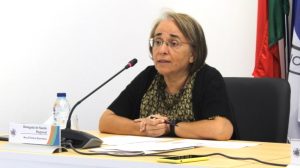
Funchal – Porto Santo: 08h00 & 19h00 (extra service)

Porto Santo – Funchal: 11h30 (extra service) & 22h30 (new service)

Passengers can amend their reservations at no additional cost by visiting one of the branches:

– Avenida do e das Comunidades Madeirenses, number 20, Funchal – Monday to Friday (08h30-18h00 & Saturday (09h00-13h00)

– Estrada Monumental, number 175C, Funchal – Monday to Sunday (09h00-12h30 & 14h00-20h00)

– Rua D. Estevão de Alencastre, Loja 6/7, Porto Santo – Mondato to Friday (09h00-12h30 & 14h00-18h00)

Alternatively, passengers can also call 291 210 300 (Monday to Friday – 09h00-12h30 & 14h00-18h00) or email infopsl@gruposousa.pt

https://funchalnoticias.net/2021/06/17/porto-santo-line-vai-abrir-viagens-extra-no-dia-30-de-junho/

Power cut

Empresa de Electricidade da Madeira (Madeira power supplier) announced there will be power cuts due to planned work on the electricity supply network. These works cannot be postponed.

FUNCHAL

June 21st – 09h00 to 12h00

– Estrada Comandante Camacho de Freitas (numbers 744 to 849)

– Estrada da Fundoa (number 58)

– Caminho de S. Roque (numbers 105 to 168)

– Caminho da Fundoa de Cima

– Caminho da Igreja Nova (numbers 2 to 15)

– Beco da Igreja Nova (numbers 4 to 9)

– Vereda da Capela do Rosário (number 38)

SANTO ANTÓNIO

June 21st – 09h00 to 10h00

– Caminho do Engenho Velho

– Caminho da Ribeira dos Socorridos

– Mademármores

CÂMARA DE LOBOS

June 21st – 09h00 to 10h00

– Caminho de João Ernesto Pereira

– Caminho da Fajã (partial)

– Levada da Fajã (partial)

FUNCHAL

June 22nd – 09h00 to 11h30 & 14h00 to 16h00

– Rua de Santa Rita (number 69)

– Vereda da Cova do Til (number 8 and 12)

– Escadinhas de Santa Rita (number 8)

However, power could be restored during the time frame mentioned above. So, for safety purposes, it should be assumed that there will be power at any time during this period of time.

If necessary, customers can contact the free Customer Support Service (Serviço de Apoio ao Cliente): 800 221 187.

Publicidade: O fornecimento de energia será interrompido nos dias horas e locais abaixo indicados – anúncio 50 – 2021


Algarve Situation Report Saturday 19th June 2021


Third of all cases in the Algarve are foreigners

A third of covid-19 cases in the Algarve are foreigners, mostly tourists, said today the regional Health delegate, asking that the formula for calculating the incidence rate be revised.

Since June 1st, there have been a total of 456 positive cases in the region, of whom 34% were people of other nationalities, with a higher incidence in the British (46%), French (10%) and Brazilians (9%), revealed Ana Cristina Guerreiro at a press conference.

According to the official, there are municipalities where cases involving foreigners, whether residents or tourists, represent more than 50% of the total, with Albufeira in first place (65%), Aljezur (57%) and Tavira (54%).

The number of covid-19 cases in the Algarve has tripled in the last week, from an average of 26 cases per day, until the beginning of this week, to 84, in the last three days, putting the incidence rate of the disease at 117 cases per 100,000 inhabitants.

For the regional Health delegate, the calculation of the number of cases on the resident population “is a mistake”, since the usual population “is much smaller than what we have at the moment or we will have in July and August”.

Ana Cristina Guerreiro revealed that she had already given the “alert” to “all higher structures”, suggesting that the solution could be to “calculate the incidence “with the estimated population present at that time” in the municipality.

“This number of cases, which is in the numerator of foreign nationalities and national passer-by, which we also have, is not in the denominator and, therefore, it is a wrong calculation”, he said, noting that the number of infected tourists is counted, without having in count its total value.

The Health delegate thus joins the mayors of the region, who are demanding a change in the calculation formula, namely the mayors of Loulé and Albufeira, who today asked for a count of tourists so that the calculation is proportional to the real number. of people who are in the counties.

Asked by journalists about the recent increase in the number of cases, the official admitted that the opening of the region to tourists, on May 17, may justify the increase that appeared on June 15, stressing, however, that it may also be related to “with a more contagious variant”.

Ana Cristina Guerreiro informed that the report of the National Institute of Health Doctor Ricardo Jorge indicated “three cases of the delta variant three weeks ago” in the Algarve, with no more records, but that “100 samples were sent a few days ago for evaluation”, still without results.

Covid.19: Mayor of Loulé and businessmen call for urgent revision of the formula for calculating new positives

The Municipality of Loulé this afternoon invited the media to a press conference on the decision of the Council of Ministers to include the Municipality of Loulé in the list of municipalities that will not advance to the next phase of deconfinement, as it presents an incidence rate, more than 120 cases per 100,000 inhabitants in the last 14 days.

Held next to the Aquashow Hotel at Semino in Quarteira, the press conference that brought together the Mayor of Loulé, Presidents of Parish Councils and businessmen of the municipality, conveyed to the Government and health authorities that the adopted formula for case accounting positive of Covid.19, is not being applied correctly, because it is not adapted to the reality experienced in municipalities with strong tourist dynamics.
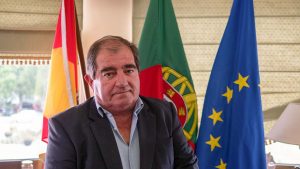
Although the prime minister defended that the detected cases of national tourists should be registered in the county of official residence, Vítor Aleixo told journalists that this is not happening and in that sense, he demands that the national cases detected in the county and therefore in the region, are actually attributed to the county where the people reside and not where they are detected, as in the cases counted to foreign visitors who are in hotels, they should count as the county’s population.

The mayor explained that what is happening, penalizes municipalities with more tourism, as is the case of Loulé, where the resident population is around 70,000 inhabitants, but in the peak season of tourism, the population triples and with it, also triples the number of positive cases.

With this calculation formula, the official even says that the Algarve will not be able to rise during the summer, because the number of tourists will increase in the coming weeks and the ratio is being poorly calculated, affecting other municipalities in the region. In this context, he called for an urgent review of this calculation.

COVID-19: Albufeira feels wronged and discriminated against by the government

José Carlos Rolo, Mayor of Albufeira, demands a review of the criteria for calculating the COVID-19 incidence.

Following the government’s recent decision, Council of Ministers Resolution 76-A/2021, of 17 June, «it is with deep sadness that Albufeira considers itself discriminated against by the criteria of a government that once again does not consider the current reality of region, especially in a municipality that depends so much on tourism».

The municipal executive considers that the calculation per 100,000 inhabitants «is totally unfair for the municipality of Albufeira, taking into account that the number of residents that is used by the government is not adequate and should not be applied, as tourists are not considered as a population but a gift: if a positive case occurs, it is, contradictorily, included in the counts».

“This artificially inflates a ratio that is so important for deciding our immediate future. This fact was addressed by me in one of the face-to-face conversations I had with the secretary of State for Tourism Rita Marques, as well as with the president of the Algarve Tourism Region João Fernandes and other regional authorities, in order to resolve the situation that is very damaging our region», writes José Carlos Rolo in a  statement sent to the newsrooms.

At the moment, «about twice as many residents may be in the municipality of Albufeira, who should be included in the DGS criteria. Therefore, the figures mentioned, at this moment, show that the county has a much higher number of residents/tourists than the number considered for the purpose of calculating the COVID-19 incidence».