Portugal situation Report Saturday 29th May 2021

Introduction

Good morning – I am sure you will like me have seen an awful lot of items on social media and in the press about covid 19 and we at Safe Communities are doing our best to provide you all with the most up to date information that is both accurate and relevant.

Whilst it is important to keep abreast of what is happening in the world regarding the pandemic, we must also not lose touch with what is happening around us. As we move into a very warm summer period there are issues which could at some point affect us all and we all need to be aware and to be armed with the right information to make the right decisions as the situation dictates.

“Civil Protection” is a phrase which we use a lot on the website and on the Facebook page. It is a very important part of our “raison d’etre” and whilst it may not seem as important as some subjects we know from experience that at some point we could well be impacted. oIt encompasses a wide range of issues which will become relevant to anyone who lives in Portugal and we genuinely believe that it is in your best interest to be fully aware of what is happening with regards to Civil Protection in your area. Our fire warnings two days before the Monchique fires in 2018, one directed to tourists with some 80,000 + views is a case in point.

We do not have a crystal ball at Safe Communities, but we do have the qualifications and vast experience as an organisation to make informed and timely advice.

To further promote this I will be appearing on KissFm Solid Gold Sunday on this Sunday at 0915 hrs to discuss the importance prevention and self- protection measures concerning rural fires as well as Covid-19 topics – so please tune in.

A reminder that the Council of Ministers on Thursday extended the Situation of Calamity law until 13th June 23.59 hrs. Apart from the movement of various municipalities under the de-confinement plan, we are not aware of any changes in the measures themselves. We await publication of the decree law either today or tomorrow and will inform you accordingly.

We sometimes get feedback from people that they see others often thought to be tourists not wearing masks in public places. So there is no misunderstanding, there is no requirement for people to wear masks outdoors except if social distancing cannot be maintained. It is important to distinguish between circumstances where a mask is required and those which it is not.

As of 27 May, it was reported that 38.5 per cent of new coronavirus infections in the UK were cases of the B.1.617.2 variant of the virus first identified in India, according to data from Public Health England. In Portugal cases of this variant have appeared in 13 municipalities out of a total of 280.counties. Currently there are 37 cases registered with this variant, and the estimate is that the real total is around 160 – a huge difference compared with the UK, but something the authorities here are alert to and monitoring carefully.

Of some concern is the growing number of new daily cases exceeding last week’ average and, according to INSA, the number of new cases of SARS-CoV-2 / COVID-19 infection per 100 000 inhabitants, accumulated in the last 14 days, increasing slightly to 60 in 100,000. Despite this however, only four municipalities out on nearly 280 are not in the final stage of de-confinement with the measures in place effective 1st May. Around half of these new cases are in the Lisbon area. The good news is however that active cases in the Algarve have decreased over 20% in the last week to 233 cases, despite the considerable increase in tourism. Figures will be monitored closely over the next few weeks.

Yesterday we once again published our Welcome poster to tourists appealing to those visiting Portugal to respect the rules that are in place here, not the country from which they originated.

Today we have re-published the Bathing Rules in the table format, so that people can enjoy the fine weather this weekend in safety. Do not forget to download the Info Praia may so you can see the occupancy levels of your chosen beach to avoid a wasted journey. Please share this information.

With all these arrangements in place please have an enjoyable and Safe weekend.


Headlines

Covid-19. European Medicines Agency approves use of Pfizer vaccine from age 12

The European Medicines Agency (EMA) approved on Friday the use of the Pfizer-BioNTech vaccine against covid-19 in adolescents aged 12 to 15 years, this Friday was announced.

The announcement was made by the head of the Vaccine and Biological Threats to Health Strategy at EMA, Marco Cavaleri, in a press video conference, broadcast from the agency’s headquarters in Amsterdam, the Netherlands, after the extraordinary meeting of the Committee for Medicinal Products for Human Use.

The vaccine should, as recommended for adults, be administered in two doses with an interval of three weeks. EMA experts consider the vaccine to be safe and effective in adolescents aged 12 to 15, whose use in this age group was already authorized in the United States.

EMA experts consider the vaccine to be safe and effective in adolescents aged 12 to 15, whose use in this age group was already authorized in the United States.

The vaccine from the Pfizer / BioNTech consortium was approved in Europe for people aged 16 and over.

Marco Cavaleri underlined that the decision of the EMA will be communicated to the European Commission, which will give the final approval. However, it will be up to each member state of the European Union to decide when and whether to use the vaccine in young people between 12 and 15 years old.

According to the European drug regulator, the vaccine’s effectiveness in this age group was demonstrated in a clinical trial with approximately 2,000 participants, with the immune response proving to be similar, and sometimes better, to that of young adults.

Marco Cavaleri stressed that the results of efficacy and safety of the vaccine in adolescents will have to continue to be monitored after approval of its use and during vaccination campaigns.


Vaccination remains the best weapon

The Minister of Health, Marta Temido, said yesterday that “vaccinations remains the best weapon” to control the Covid-19 pandemic.

At the press conference after meeting with experts at Infarmed, the Minister stressed that the vaccination process “continues to run in a favourable way” and underlined that the goal of having 70% of the adult population vaccinated by the end of the summer must be met.

“We are currently moving into a new self-scheduling age group [over 50 years old] and we are very concerned about not leaving anyone behind,” he added.

The vaccination process makes Portugal now in a «transition phase between a period when there were only non-pharmacological measures, such as the use of masks, hand washing and physical distance, and one where we have the expectation of immunity».

“At the moment we are still trying to assert immunity and the reference that was left by the experts was the need to maintain prudence,” he said.

Marta Temido reiterated the “need to maintain the criteria of incidence”, always taking into account other aspects such as the risk of transmission, the control of variants, the positivity of tests and the monitoring of the effective use of hospitals ».

The Minister also stressed the importance of adhering to the measures on the part of the population: “We need to maintain adherence and the awareness that we are facing a disease that requires specific behaviour to prevent transmission until we are protected”.


Covid-19: Risk matrix is ​​an alert system that does not impede the path to normality – Minister

Lisbon, May 28, 2021 (Lusa) – The Minister of Health said today that the risk assessment matrix of the covid-19 pandemic is an alert system that does not jeopardize the path to restoring normality.

The risk matrix, which crosses data on the incidence of cases in the population and the risk of transmission, “does not mean that the return to the desired normality is not carried out, always using the risk matrix as an alert,” said Marta Temido at the end of the periodic meeting to analyse the country’s epidemiological situation, which brought together specialists, members of the Government and the President of the Republic at Infarmed, in Lisbon.

The President of the Republic, who proposed a change in the risk matrix two days ago in view of the increasing immunity rate of the population against covid-19, today stressed at the meeting once again “the perception that the risks are falling” and placed the issue of “public legitimation of the adopted health indicators and criteria”.

Questioned by journalists at the end of the meeting, Marta Temido stated that “the risk matrix is ​​above all a set of warning signs” that it is necessary to “keep in mind for an eventuality” if it is necessary to “go back” in the deflation process.

The Minister of Health underlined that the number of new cases of infection with the SARS-CoV-2 coronavirus, which causes the covid-19 disease, is influenced by the vaccination process. “Naturally, we all understand that the life we ​​do today already reflects this process,” he said.


Covid-19 Data

On Friday, Portugal registered 598 new cases of Covid-19, and one death, according to the daily report of the Directorate-General for Health (DGS).

The main figures from yesterday were

Confirmed Cases: 847,604 (+ 598 / + 0.07 %)
Number of admitted: 246 (+ 13 / + 5.58 %)
Number of ICU admitted: 52 (-1 /-1.89 %)
Deaths: 17,023 (+ 1 / + 0.01 %)
Recovered: 808,047 (+ 515 / + 0.06 %)
Active cases: 22,534 (+82 /+ 0.36%)

Safe Communities comparisons/trends:

Intenisve care, Swedish television

Deaths were lower than last weeks’ daily average; new daily cases were again higher than recoveries and well above last weeks’ daily average. Highest since 21st April 2021. Nearly half of these once again were in Lisbon and Tejo Valley repeating trends over last few days

In hospital there was an Increase, but still 5th lowest for over a year since 27th March 2020 (then 191). Covid-19 patients are 6602 less compared to number in hospital 1st February 2021. In ICU there was a marginal decrease since yesterday, second lowest since 9th September 2020. Active cases saw another increase – a continuing trend since Tuesday. Unusually there was a large increase of over one thousand under surveillance.

It is important not to let our guard down at this crucial time. This means complying with the rules in place, – wearing face masks, social distancing, hygiene and no social gathering.


Health

DGS transmission and incidence rates

The R (t) remains unchanged both on the Continent and in the entire national territory, reveals this Friday’s bulletin from the Directorate-General for Health (DGS), halting the growth trend that had been occurring in the last two weeks. The transmissibility index is, as on Wednesday, 1.07 on the Continent and in the entire national territory.

The incidence, on the other hand, has grown: it is now 59.6 in the national territory and 56 in the continent (it is now closer to half of the red line of 120). The values ​​were 57.8 and 54.4, respectively, on Wednesday, but on March 15, when the publication of these values ​​started, they were much higher: 96 and 84.2.

This Friday, Portugal has 18 counties with an incidence of Covid-19 120 cases per 100 thousand inhabitants in the last 14 days, three fewer than those registered a week ago.

According to data released this Friday in the epidemiological bulletin of the Directorate-General for Health, as in the previous bulletin, there are no municipalities at extreme risk, that is, with an incidence of 14 days exceeding 960 cases per 100 thousand inhabitants.
The municipality of Ribeira Grande (619) remains at a very high risk of contagion, with an accumulated incidence of more than 480 cases per 100 thousand inhabitants and the only one in this group.

Of the 18 counties, six have accumulated, in the last 14 days, more than 240 cases per 100 thousand inhabitants, two more in relation to the previous bulletin: Arganil (272), Golegã (262), Northeast (329), Odemira (364), Vila do Bispo (272) and Vila Franca do Campo (326).

The remaining 11 counties have values ​​between 120 and 239.9 cases per 100 thousand inhabitants. With zero cases in the last 14 days, 61 counties are reported, minus 20 in relation to the previous bulletin.


New SNS 24 Branches open in the north of country
Three new SNS 24 branches opened today, two in Vila Real (in the district capital and in Alijó) and one in Barcelos, Braga district, the Northern Regional Health Administration (ARS) said today. North).

In a statement, ARS Norte announces that the new branches cover the inhabitants of the parishes of Vilar de Maçada and Alvelos and União de parish of Constantim and Vale Nogueiras.

At these counters, users can make appointments, make teleconsultations, consult exams, access treatment guides, renew chronic medication, assess and record symptoms caused by covid-19 and ask for exemption from user fees, among other health information.

ARS stresses that with these openings the North region “now has 46 units, in 45 parishes”. The units have digital mediators, “duly qualified” employees, who help citizens through two accesses: easy access (the user has autonomy to access digital services) and mediated access (the user accesses with the help of the mediator).

“The inauguration of the SNS 24 Balcão unit’s results from a network of partnerships between the Northern Regional Health Administration, SPMS, EPE, municipalities, parish councils and the Health Center Groups”, adds ARS.


Covid-19 Variants

João Paulo Gomes, from INSA, reported yesterday that the British variant already represents 87.2% of the total cases in Portugal. The one in Manaus (Brazil) fell from 4.3% in April to 3% in May, “and it should remain so”.

The South African variant is at 1.9% in May and the Indian is now at 4.6%, with no case detected a month ago. Cases of this variant in nine districts of 13 counties.

Currently, there are 37 cases registered with this variant, and the estimate is that the real total is around 160. “It is expected” that “there is already community transmission” of this variant, warned João Paulo Gomes.
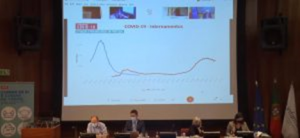
The virus is adapting to an increasingly immunized population,” said the expert, warning of the appearance of mutations “that somehow manage to deceive our immune system” and “cause some infections”.


Ricardo Jorge Institute collaborates with the Lisbon Firefighters Regiment in a simulation exercise

The National Institute of Health Doutor Ricardo Jorge (INSA) and the Sapadores Firefighters Regiment of Lisbon (RSBL) carried out, on May 28, in Lisbon, a simulation exercise in a level 3 biosafety laboratory (BSL-3), in order to to prepare the procedures for the removal of a health professional from the laboratory, in the event of an accident of biological origin. This action had the participation of about 10 operational staff, and took place within the scope of the collaboration between the Emergency Response and Biopreparation Unit (UREB) and the RSBL.
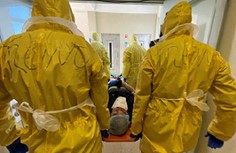
In order for the evacuation of the health professional concerned to be carried out in complete safety, the RSBL is required to comply with a set of steps, with natural primacy for the stabilization of the vital signs of the person concerned, decontamination process and respective hospital transport. At the same time, and taking into account the nature of the operation, the use of specific personal protective equipment and the decontamination of all operational personnel are also fundamental procedures.

UREB is responsible for coordinating the specialized, rapid and integrated laboratory response in situations of cases and outbreaks that may pose a risk to Public Health, particularly in the context of cases of outbreaks of infections by emerging and re-emerging microorganisms of natural or deliberate dissemination. . It has laboratory diagnosis for more than twenty infectious agents, including bacteria, hemorrhagic viruses, orthopoxvirus and toxins.

INSA currently has five level 3 biological safety laboratories, nomenclature applicable to clinical, diagnostic, teaching, research, or production facilities, where work is carried out with very pathogenic agents, which can cause serious or potentially lethal diseases through inhalation or other type of exposure. Two of these laboratories, located in its headquarters building in Lisbon, have recently undergone a rehabilitation and refurbishment intervention that allows INSA to improve its response capacity to emergencies and bio-preparation.

Henrique Barros, from the Public Health Institute of the University of Porto, announced yesterday a report from “From the acute infection to chronic consequences” study.

The expert points out that, in terms of incidence, the values ​​are now slightly higher in the North and in Lisbon compared to the same period in the previous year.

The difference, says Henrique Barros, is in the older age group, now more protected.

Hospitalizations are much lower, which reflects “the learning” done over these 15 months of the pandemic.

In children up to the age of 10 and in the age group of 80, positivity fell sharply compared to the previous year. The specialist also pointed out that, now, “the probability of dying has dropped dramatically”: it became 1 in 5 infected people and went to “1 in 20 infected people”.
The infection has become “endemic”, at least socially, he argued. “The infection circulates much less, but you have to be careful,” he added.

Within a year, the fear of being infected and anxiety about the pandemic have dropped significantly, revealing that the Portuguese population is learning to live with the coronavirus.

Covid-19 survey results – Carla Nunes, from Universidade Nova de Lisboa

She said that, in the last week, Lisbon had 3 times more cases than what was expected.

The behaviour of the Portuguese have “had significant changes, in line with the lack of definition”. The study released by Carla Nunes found that 16.2% of respondents said they had already been in groups of 10 or more people, compared to 1.8% on February 19.

According to the same study, there is a “clear recovery” of confidence in health services. Only 14.1% of respondents remain little or not confident in the treatment of covid-19, against 32.7% in February.

To change the risk matrix or not?


Redlines and question of updates

Andreia Leite, from the National School of Public Health at Universidade Nova de Lisboa, spoke about the update of the red lines.

The analysis is done through the cumulative incidence and the transmissibility rate, allowing to understand if the epidemic situation is controlled or not. It is called the risk matrix. With vaccination progressing, explains Andreia Leite, it is questionable whether it makes sense to update this framework.

“Incidence and Rt should remain the main indicators”

The official argues that there are several unknowns regarding vaccination, namely regarding the duration of immunity. For Andreia Leite, at this stage, it is important to continue looking at the incidence as it is the indicator that allows us to act in a timely manner. “It allows us to meet international criteria, to understand if the measurement of measures has effects and to identify if there is any change in the characteristics of the virus”.

Experts continue to propose the maintenance of the current set of indicators, stressing the importance of incidence and Rt as “main indicators”, she said.

Individual protection measures

 Raquel Duarte, from the University of Porto, said it was “almost unanimous” among the experts to “maintain the obligation to maintain individual protection measures”. The use of the mask continues to be encouraged, “especially in closed environments”. She also called for testing to be maintained at relevant levels and for “effective ventilation” to be carried out in the interior spaces.

The specialist said that it is necessary to go back “in the imposing character” of the measures, betting on a more pedagogical approach. The reason is that the improvement in the pandemic situation inevitably generates a greater willingness for the population to take to the streets.

Like João Paulo Gomes, Raquel Duarte also wants to watch the borders and “restrict” travel to and from countries with a significant impact of new variants.

Raquel Duarte proposes the creation of three new levels of restrictions – A, B and C -, in addition to the existing ones. At level C, the capacity of restaurants must be limited to 25%, changing to 50% at B. Level A is the least restrictive and will only require compliance with general protection measures.
As for family life, the specialist proposes to lift restrictions on levels B and A, while maintaining the risk assessment taking into account criteria such as age.

5.2 million Vaccinations administered

Vice Admiral Henrique Gouveia e Melo, coordinator of the Task Force for the Vaccination Plan reported at the Infarmed meeting the latest vaccination roll out progress.

According to the official, in the second quarter of the year 1.5 million vaccines will arrive in Portugal. Until Thursday, 5.2 million vaccines were given nearly 3.5 million first doses and 1.8 million second doses.
If everything goes according to plan, he advanced, on the 6th of June, the 40-year-old age group will start vaccinating and, in the last week of June, the 30-year-old. By the end of this week, more than 85% of people aged 60 to 69 will be vaccinated and about 40% of those aged 50 to 59.

Henrique Gouveia e Melo says he has two concerns: maintaining the rate of vaccination and ensuring that geographically isolated communities have all the necessary health care. “I am concerned about some grants for the elderly who, in this process, are left behind”, he said, also showing concern for the bedridden, the hospitalized people and those with comorbidities.

More than 25,000 patients have moved from hospitals to long-term care

More than 25,000 patients who were admitted to public hospitals have been placed in long-term care units since the pandemic began.

The National Network of Integrated Continuous Care (RNCCI) “extended its offer and it was possible to hospitalize an additional 25,300 patients between March 2020 and March 2021”, said the coordinator, Purificação Gandra, who spoke to Lusa about the Barometer of Social Internments, published by the Portuguese Association of Hospital Administrators (APAH).

According to the barometer, which reports data collected on 17 March from 43 public hospitals, the number of social admissions dropped 45% compared to February 2020, but the 853 beds occupied without clinical justification represented a cost of more than 16 million euros and they were mainly due to the lack of vacancies in social institutions.

Purification Gandra considered that the barometer is “very valuable” and helps to understand “many things”, but noted that the measurement used “is exactly the same” that has happened over the years when there were different situations than the one experienced in the pandemic.

“We really had to have different strategies and measures to help fight the pandemic and to free hospital beds and, therefore, we all know the difficulty that the country experienced in terms of hospitalizations and we have to take this into account,” he declared.

“We are very happy with the results” because there was “a great effort on the part of all the teams” in health and social security to try “as much as possible to get answers to these patients”, he added.


Madeira Situation Report Saturday 29th May 2021


By Daniel Fernandes

Covid-19 update

There were 33 new Covid-19 cases, 89 recoveries and no deaths from Covid-19 in Madeira since the previous Madeira Situation Report.

On Wednesday, there were 16 new Covid-19 cases (from 2 passengers who had arrived from Northern Portugal, 1 passenger who had arrived from the Lisbon and Tagus Valley Region and 13 cases of local transmission) and 19 recoveries. The number of patients in hospital decreased to 10, 2 of whom were intensive care.

On Thursday, there were 6 new Covid-19 cases (all cases of local transmission) and 41 recoveries. The number of patients in hospital decreased to 8, 3 of whom were in intensive care.

And on Friday, there were 11 new Covid-19 cases (all cases of local transmission) and 29 recoveries. The number of patients in hospital remained 8, 2 of whom were in intensive care.

There were 207 active cases on Friday, of which 15 had been imported while the other 192 cases had been a result of local transmission. As of Friday, there had been 9,433 cases, 9,154 recoveries and 72 deaths.

On Friday, there were 16 patients in isolation in a dedicated hotel, 183 patients in isolation in their own accommodation and 8 patients in hospital, 2 of whom in intensive care.

On the same day, there were 96 suspected cases under epidemiological investigation and analysis, which were all linked to patients who tested positive for Covid-19, to calls made to the SRS24 helpline, to referrals by SESARAM (Madeira Regional Health Service) and to airport screening.

There were 15,868 travellers under monitoring by the health authorities. Monitoring is being carried out through the ‘MadeiraSafe’ app. There were also 676 people, who had contact with positive cases, being monitored by the health authorities of several Madeira municipalities and of Porto Santo.

As for Covid-19 testing on passengers who had arrived at Funchal and Porto Santo airports, 211,923 samples had been collected until Friday (at 15h30). By Friday, 437,345 samples from RT-PCR tests had been processed and 55,443 antigen rapid tests had been carried out in the Autonomous Region of Madeira.

The SRS 24 helpline (Regional Health Service – 800 24 24 20) received 443 calls from Tuesday to Friday. Overall, it has received 50,691 calls.

The Covid-19 mental health helpline (Linha de Acompanhamento Psicológico da Direção Regional de Saúde – 291 212 399 – available every day from 09h00 to 21h00), which was set up to provide emotional and mental support to anyone in Madeira received 14 calls from Tuesday to Friday. Overall, it has received 3,577 calls.

https://funchalnoticias.net/2021/05/26/16-novos-casos-de-covid-19-19-recuperados-105-suspeitos/

https://funchalnoticias.net/2021/05/27/6-novos-casos-de-sars-cov2-41-recuperados-142-suspeitos/

https://funchalnoticias.net/2021/05/28/11-novos-casos-de-covid-19-29-recuperados-96-suspeitos/

Additional ferry services between Funchal and Porto Santo

Porto Santo Line (ferry company) informed there will be additional ferry services in the following 2 weeks. This is because there will be 2 bank holidays (on June 3rd and June 10th), which means many people will be able to have longer weekends. It is hoped the additional ferry services will lead to increased travel to Porto Santo. The new ferry schedule will be:

2nd June (Wednesday):

Funchal to Porto Santo – 08h00 (additional service) & 19h00

Porto Santo – Funchal – 11h30 (additional service) & 22h30

6th June (Sunday):

Funchal to Porto Santo – 08h00 & 16h30 (additional service)

Porto Santo – Funchal – 13h00 (additional service) & 20h00

9th June (Wednesday):

Funchal to Porto Santo – 08h00 (additional service) & 19h00


Porto Santo – Funchal – 11h30 (additional service) & 22h30


13th June (Sunday):


Funchal to Porto Santo – 08h00 & 16h30 (additional service)


Porto Santo – Funchal – 13h00 (additional service) & 20h00


Passengers wishing to change their bookings may do so by visiting the office at Avenida do Mar e das Comunidades Madeirenses, calling 291 210 300 (Monday to Friday – 09h00-12h30 & 14h00-18h00) or by sending an email to infopsl@gruposousa.pt


https://funchalnoticias.net/2021/05/27/viagens-extraordinarias-para-o-porto-santo-a-2-6-e-13-de-junho/


https://funchalnoticias.net/2021/05/28/porto-santo-line-abre-viagens-extraordinarias-a-9-de-junho/


Water supply disruption


The Municipality of Funchal informed there will be a water supply disruption on Monday, May 31st, from 09h00 to 17h00, in the parish (freguesia) of São Martinho. The disruption will affect Rua Dr. Pita, between Caminho das Virtudes and the rotunda (roundabout) dos Barreiros.


https://funchalnoticias.net/2021/05/28/11-novos-casos-de-covid-19-29-recuperados-96-suspeitos/


Power cut


Empresa de Electricidade da Madeira (Madeira power supplier) announced there will be power cuts due to planned work on the electricity supply network. These works cannot be postponed and will take place in the following days and places:


SANTA CRUZ


May 29th – 09h00 to 12h00 (TODAY)


– Rocha Preta


– São Gil


– Massapez


– Levadas


– Fajocos


– Estrada do Miradouro


– Caminho da Fonte


– Caminho da D. Mécia


RIBEIRA BRAVA


May 31st – 14h00 to 16h00


– Estrada do Barreiro


– Estrada de São João (between number 38 and number 68)


– Estrada do Vale de Cima


– Estrada do Roda


– Estrada do Jardim


– Caminho Dom Fernando


– Vereda do Charéu


– Vereda do Ribeiro do Vale


However, power could be restored during the time frame mentioned above. So, for safety purposes, it should be assumed that there will be power at any time during this period of time.


If necessary, customers can contact the free Customer Support Service (Serviço de Apoio ao Cliente): 800 221 187.


https://funchalnoticias.net/2021/05/27/publicidade-o-fornecimento-de-energia-sera-interrompido-nos-dias-horas-e-locais-abaixo-indicados-anuncio-43-2021/


Algarve Situation Report Saturday 29th May 2021


The Algarve has 233 active cases in Covid.19, informed the District Civil Protection Commission of Faro based on data from ARS Algarve.

Up to yesterday, 21,952 were infected, 33 more in the last 24 hours and 21,363 recovered (cumulative).

There are 223 patients recovering at home and 10 hospitalized, 2 in the Intensive Care Units and 1 ventilated. Since the beginning of the pandemic, 356 deaths have been recorded in the region since the start of the pandemic.

839 people are currently under active surveillance.

Compared to last week’s bulletin, 63 fewer active cases and 125 new cases are confirmed. Another 188 people are recovered.

There are 3 more hospitalized (10), maintaining the number of patients in intensive care (2) and ventilated (1). Under active surveillance there are fewer 172 people.

British turnover in the Algarve soared 231% last weekend

Thanks to the reopening of the air corridor between the United Kingdom and Portugal, British turnover at national level increased by 80% between the second and third weeks of May.

In the Algarve, the increase in British billing was substantial, but pre-pandemic values ​​have not yet been reached, according to a statement from Reduniq, which says it is the largest national network for accepting payments by national and foreign cards.

According to the same source, with the resumption of British flights to Portugal on 17 May, last week (17 to 23 May) there was an increase of 80% in billing from British payment cards across the country, comparatively to the previous week.

This growth was reflected, above all, in the Algarve, where the total turnover of the district’s businesses rose 13% in the week of the reopening of the borders compared to the previous week. Of these results, 53% are due to the increase in British visitors.

In relation to the consumption of the English in the district of Faro, spending skyrocketed by more than 111% from the week of May 10 to 16 for the week of May 17 to 23, with emphasis on the weekend of May 22 and 23, period in which British turnover in the Algarve region increased by 231% over the previous weekend.

Even so, according to data collected by Reduniq, this growth is still not enough to reach pre-pandemic billing levels, since the total British billing maintains a drop of around 55%, compared to the same period in 2019. .

The total turnover for tourist activities in the region (which includes hotels, rent-a-car, travel agencies and airlines) increased by 82% in the last week compared to the previous week.

In a more detailed analysis by the hotel sector, there was an increase of 57%, in the week of May 17th to 23rd, compared to the previous week. Here, too, values ​​remain below 46% in the same period of 2019. The restoration of the region increased 24% from May 10 to 16 to May 17 to 23, still maintaining a drop of 14% compared to the same period in 2019.


INEM’s new building is an investment by the municipality of Loulé but will serve the entire region. Urgent Patients Orientation Centre (CODU) returns to the Algarve.

In an investment of close to 1.8 million euros, the construction of the new INEM facilities started today in the city of Loulé with good news for the Algarve: after a few years of absence, the region will once again have a delegation from the Centro de Guidance for Urgent Patients (CODU) of the Algarve, a key component in the emergency medical and relief services, which will be integrated in this building.

Between 2000 and 2012, this service was active but, since then, it has functioned as an extension of CODU Lisboa (which covers the entire area between Fátima and the south of the country).

«We were left with the valence of the activation and, for some time to this part, there has been a progressive resumption of valences that we hope that, with the publication of the statutes and the formal creation of the regional delegation, there will be a CODU in the Algarve in full », Said Carlos Raposo, regional responsible for the institution, yesterday, Thursday, May 27th.

Azores Situation Report  – Saturday 29th May 2021 


From our colleague in the Azores 

Changes to Restrictive Measures 

Half of the municipalities on the island of São Miguel are at high risk of transmitting the new coronavirus, but the Government of the Azores has decided not to apply the most restrictive measures across the island.

“Until now, there was a legal provision that with a certain number of municipalities at a certain risk level, there was a consequence in the measures to be applied on the island. There is no longer any repercussion on the island ”, said Clélio Meneses, the regional secretary for Health and Sports of the Azores.

With 308 new cases per 100 thousand inhabitants, in the last seven days, the municipality of Ribeira Grande joins Northeast (223 cases per 100 thousand inhabitants) and Vila Franca Campo (178 cases per 100 thousand inhabitants) in the list of municipalities. at high risk of transmission, the highest level of five.

The Azorean executive previously determined that whenever 50% of the municipalities on an island with identified community transmission were at high risk, the rest would be subject to the same containment measures, regardless of the numbers they presented.

With the change of this rule, Ponta Delgada, which last week was at very low-risk, is now subject to medium risk measures, Lagoa goes from very low to low risk and Povoação goes from low risk to very low risk, level at which the other municipalities of the Azores are also found.

The village of Rabo de Peixe, in the municipality of Ribeira Grande, will maintain restrictions measures higher than those provided for at the high-risk level.

Between 21st and 27th May, the Azores recorded 188 new cases of infection by SARS-CoV-2, which causes the covid-19 disease, 35 more cases than in the previous week, the majority recorded on the island of São Miguel.

The regional health secretary justified, however, the decision not to apply restrictive measures across the island because of the increase in vaccination against covid-19.

122,717 doses of vaccines against covid-19 have been administered to the Azores to 79,081 people (32.1%), of which 43,636 have two doses (17.7%).

“Azoreans aged 60 or more are already vaccinated with at least one dose. We are vaccinating the age group between 55 and 60 years of age and pathologies under 55 years of age. We have a process that is to move forward in an intense way “, he pointed out.

Clélio Meneses nevertheless appealed for compliance with the rules of containment of the pandemic, such as the use of a mask, social distance, hand hygiene or the communication of symptoms.

“We maintain restrictive measures to ensure the defence of health and lives. This week there is an increase in the number of cases. The situation therefore deserves attention. The pandemic is still there. There are cases, there are hospitalizations, there are deaths. Therefore, it is necessary to comply with rules”.

The measures announced today, which will be applied from 00:00 on Saturday, will be in force for two weeks, and not for one week, as usual, but if the number of new cases decreases, the Regional Health Authority will be able to “determine the decrease of risk levels“.

The Azores currently have 285 active cases of infection with the new coronavirus that causes the covid-19 disease, of which 279 in São Miguel, two in Pico, one in Terceira, one in Faial, one in Flores and one in São Jorge.

Since the beginning of the pandemic, 5,467 cases of infection have been diagnosed in the region, with 5,020 recoveries and 33 deaths. 79 people left the archipelago without being cured and 50 had proof of previous healing.

The risk level assessment in the Azores is based on a German model, of traffic lights, and is calculated according to the number of new cases of covid-19 per 100 thousand inhabitants in a period of seven days.

There are five levels of risk: very low (fewer than 25 cases per 100 thousand inhabitants), low (between 25 and 49 cases per 100 thousand inhabitants), medium (between 50 and 74 cases per 100 thousand inhabitants), medium high (between 75 and 99 cases per 100 thousand inhabitants) and high (more than 100 cases per 100 thousand inhabitants).

There have been some new infections and recoveries over the last three days.

26th May

21 new positive cases of covid-19 were diagnosed in the Azores, all on the island of São Miguel, following 2,179 tests carried out in the reference laboratories of the Region. One of the new cases concerns a traveler, resident in Rabo de Peixe, with a positive result upon arrival and all the other cases concern community transmission.

There are six new cases in the municipality of Ribeira Grande (three in Rabo de Peixe, two in Ribeira Seca and one in Pico da Pedra). There are 12 new cases in the municipality of Ponta Delgada (eight in Santo António, two in the Fenais of Luz, one in Capelas and one in the Arrifes). In the municipality of Lagoa, there is a new case in the parish of Cabouco and in the municipality of Nordeste, two new cases were diagnosed in the parish of Salga.

28 recoveries were registered. With the recovery of both cases related to the primary local transmission chain on the island of Terceira, in the municipality of Praia da Vitoria, this transmission chain is considered extinct.

27th May 

42 new positive cases of covid-19 were diagnosed in the Azores, with 41 on the island of São Miguel and one on the island of Flores following 2,255 tests carried out in the reference laboratories of the Region.

There are 21 new cases in the municipality of Ribeira Grande: two in Ribeirinha, 13 in Rabo de Peixe, two in Santa Bárbara, two in Ribeira Seca and two in the Lomba de São Pedro. The municipality of Ponta Delgada registers 12 new cases: three in São Vincente Ferreira, two in Arrifes, two in Fenais da Luz, and the parishes of Capelas, São Roque, São José, Fajã de Baixo and Sete Cidades have one case each. The municipality of Vila Franca do Campo has six new cases: five in Ponta Garça and one in São Pedro. There is one new case in the municipality of Lagoa, in the parish of Cabouco and the municipality of Nordeste also registers a new case in the parish of Achadinha. The case registered on the island of Flores is allocated to the parish of Fajã Grande in the municipality of Lajes das Flores.

There were 14 recoveries.

28th May 

19 new positive cases of covid-19 were diagnosed in the Azores, all on the island of São Miguel, following 3,031 tests carried out in the reference laboratories of the Region and three in independent laboratories.

There has been a total of 26 recoveries.

The positive case identified yesterday in the parish of Fajã Grande, municipality of Lajes das Flores, provided documentation demonstrating a previous infection and recovery, and therefore is no longer considered an active case in the Azores.

During the epidemiological investigation, a positive case initially allocated to the parish of Rosto de Cão (São Roque), municipality of Ponta Delgada, is now reported to the parish of Rabo de Peixe, municipality of Ribeira Grande.

As of today, ten patients are in hospital, all at the Divino Espírito Santo Hospital in Ponta Delgada (none in intensive care).

The Archipelago currently has 277 active positive cases: 272 on the island of São Miguel, two on the island of Pico, one on the island of Terceira, one on the island of Faial and one on the island of São Jorge. There are no active transmission chains and 202 has been extinguished so far. There are 1,320 people under active surveillance.

Since the beginning of the pandemic, 5,486 positive cases of covid-19 have been diagnosed in the Azores and 5,046 people recovered from the disease. There were 33 deaths, 79 people who left the archipelago and 51 cases with history of previous cure.

To date, 499,155 tests have been carried out in the Azores for SARS-CoV-2 virus, which causes covid-19 disease. From December 31st, 2020 until the current May 20th, 106,631 doses of covid-19 vaccine were administered in the Azores, corresponding to 68,352 people aged 16 years or more who received the first dose, and 38,278 people who received both doses, under the Regional Vaccination Plan.


Overseas Situation Report Friday 28th May 2021


By Mike Evans

“You must learn from the mistakes of others. You can’t possibly live long enough to make them all yourself.” – Sam Levenson

In less than the five months of 2021, the number of coronavirus cases reported worldwide has surpassed the number reported in 2020. In this report we look at the numbers and what countries have suffered the worst in 2021.

Up until Sunday, the world reported 83.62 million cases this year, up from 83.56 million cases last year. The trajectory of the number of global cases in 2020 compared with 2021 is startling.

The early months of 2020 reflect the gradual rise and spread of the virus around the world. But since autumn of 2020, the global pace of infections hasn’t abated – even with 1.7 billion Covid-19 vaccine doses administered.

Confirmed coronavirus cases in India, the United States and Brazil have outpaced the rest of the world in 2020 and 2021, but the U.S, with half of the population at least partially vaccinated, is the only country where the number of cases have fallen this year.

India, which has seen a spike in infections and deaths in recent weeks, has reported 60% more cases than it did in 2020 and driven a large portion of the worldwide increases. Brazil is approaching 1 million more reported infections than last year.

Of the 10 countries that have reported the most coronavirus infections, four (the U.S Italy, the United Kingdom and Russia) have reported fewer infections this year.

A lack of widespread testing in some places, and an initial lack of testing early in the pandemic nearly everywhere, mean many infections were never reported. Many cases are asymptomatic, also, so many people would not have been tested.

The biggest increases over last year were in several island countries, South East Asia and South America. In South East Asia, cases were 127 times higher in Timor-Leste than last year, 66 times higher in Cambodia, 43 times higher in Laos and 17 times higher in Thailand.

Double-digit multiples in these countries are worrisome, but they also put India’s dire predicament into perspective. The combined number of confirmed cases during 2021 in these 10 countries (512,000) is just one-fifth of India’s weekly average of reported cases in India during May.

Americans still have suffered the most confirmed coronavirus cases and deaths since the start of the pandemic, but India could surpass the U.S. this summer – or sooner – should infection trends continue.

With India remaining the current epicentre of the world’s epidemic there are a number of other less well-documented places where the virus is also rampaging.

Argentina’s coronavirus cases hit 3.66 million on 27th May 2021 since the pandemic began, – medical workers said hospitals were full to capacity despite toughened government measures to bring down the spread of infections.

The country’s health ministry said there were 35,399 new cases over the last 24-hour period, bringing up the grim new milestone, with 532 new deaths taking fatalities to 75,566.

The government of President Alberto Fernandez this week unveiled a new round of tougher restrictions as a second wave of infections has battered the country, filling up intensive care units and setting new daily records for cases and deaths.

“People need to be a little more aware and know that the hospitals are full and that health personnel are exhausted,” said Luciana Berti, a 41-year-old surgical assistant.

The South American grains producer, which has gone through three straight years of recession, exacerbated by the pandemic, is balancing the need to stem the spread of the virus while protecting a fragile economic recovery.

The spike in cases has forced the government to bring in new lockdown measures. The new measures  include closing schools and non-essential businesses, as well as banning social, religious and sporting events, reported Reuters.

Vaccination is progressing slowly in the country, with around 19% of the roughly 45 million population having received at least one dose, according to statistics site Our World in Data.

Another country which we have mentioned before is Nepal which in 2020 was hardly affected by the virus. However, since the start of the year the number of cases have increased and many believe this is because migrant workers returning from India have brought it back with them. Many of the returning Nepalese had lost their jobs and income when parts of India went into lockdown to curb the second wave of infections there, the report said.

That caused Nepal’s daily cases to accelerate from below 200 at the start of April to a record-high of more than 9,300 in mid-May,

Nepal is scrambling to secure Covid vaccines. The country started vaccinating its people in January with the AstraZeneca vaccine provided by India and Covax, a global alliance aimed at fairly distributing vaccines, reported Reuters. However, the South Asian nation has run out of shots with the Serum Institute of India yet to deliver the doses that Nepal ordered, the report said.

One country we hear little of is Bahrain. In a country of just over 1.75 million population the number of confirmed cases is 226,416 as of the 26th May. Reported cases in Bahrain jumped from around 600 a day in early-March to above 2,000 a day last week, and this in a country which has vaccinated a large proportion of its people. The country’s latest outbreak has contributed to concerns about the effectiveness of vaccines from Sinopharm and Sputnik. That’s especially so, as other highly vaccinated countries — such as Israel and the U.K. — which rely mostly on western-developed shots, are reporting a decline in cases.

China, on its part, appeared to suggest last month that Chinese vaccines “don’t have very high protection rates.” This comment was quickly rescinded by the state media. At the same time in the USA, President Biden has ordered a closer intelligence review of what he said were two equally plausible scenarios of the origins of the Covid-19 pandemic. Biden revealed that earlier this year, he asked the intelligence community to assess “whether it emerged from human contact with an infected animal, or from a laboratory accident.”

The hypothesis that the virus may have escaped from a Chinese lab has gained more mainstream traction.

As of today, the U.S. Intelligence Community has ‘coalesced around two likely scenarios’ but has not reached a definitive conclusion on this question,” Biden said in a statement. “Here is their current position: while two elements in the IC leans toward the [human contact] scenario and one leans more toward the [lab leak scenario] – each with low or moderate confidence – the majority of elements do not believe there is sufficient information to assess one to be more likely than the other,” Biden said.

Biden’s statement mirrors the unique way that the intelligence community presents its findings to sitting Presidents. This includes explaining when different agencies within the community disagree, and using a scale, low-moderate-high, to quantify the level of confidence analysts have in the accuracy of their assessments.

“I have now asked the intelligence community to redouble their efforts to collect and analyse information that could bring us closer to a definitive conclusion, and to report back to me in 90 days,” said Biden.

We shall wait to hear more on this in the weeks to come.

In the meantime, Stay Safe.

Total Cases Worldwide – 169,262,431

Total Deaths Worldwide – 3,515,664

Total Recovered Worldwide – 150,941,584

Total Active Cases Worldwide – 14,805,183 (8.8% of the total cases)

Total Closed Cases Worldwide – 154,457,248


Information and resources:

https://www.worldometers.info/coronavirus/

https://www.worldometers.info/coronavirus/#main_table

https://www.cnbc.com/2021/05/26/

https://www.reuters.com/world/americas


Madeira Situation Report Wednesday 26th May 2021


By our correspondent, Daniel Fernandes


Covid-19 update

There were 83 new Covid-19 cases, 68 recoveries and 1 death from Covid-19 in Madeira since the previous Madeira Situation Report. This was the first death from Covid-19 in 59 days.

On Friday, there were 25 new Covid-19 cases (from 1 passenger who had arrived from France and 24 cases of local transmission) and 11 recoveries. The number of patients in hospital increased to 5, although no patients were in intensive care.

On Saturday, there were 18 new Covid-19 cases (from 1 passenger who had arrived from Poland and 17 cases of local transmission) and 16 recoveries. The number of patients in hospital increased to 7, although no patients were in intensive care.

On Sunday, there were 14 new Covid-19 cases (from 1 passenger who had arrived from Moldova and 13 cases of local transmission) and 11 recoveries. The number of patients in hospital increased to 9, 1 of whom was in intensive care.

On Monday, there were 13 new Covid-19 cases (all cases of local transmission) and 14 recoveries. The number of patients in hospital increased to 10, 1 of whom was in intensive care.

And on Tuesday, there were 13 new Covid-19 cases (from 1 passenger who had arrived from Poland, 1 passenger who had arrived from Northern Portugal and 11 cases of local transmission), 16 recoveries and 1 death. A 90 year old female patient, who had pre-existing conditions, died from Covid-19 at Hospital Dr. Nélio Mendonça. She had arrived in hospital from a care home. The number of patients in hospital increased to 11, 2 of whom were in intensive care.

There were 263 active cases on Tuesday, of which 18 had been imported while the other 245 cases had been a result of local transmission. As of Tuesday, there had been 9,400 cases, 9,065 recoveries and 72 deaths.

On Tuesday, there were 18 patients in isolation in a dedicated hotel, 234 patients in isolation in their own accommodation and 11 patients in hospital, 2 of whom in intensive care.

On the same day, there were 70 suspected cases under epidemiological investigation and analysis, which were all linked to patients who tested positive for Covid-19, to calls made to the SRS24 helpline, to referrals by SESARAM (Madeira Regional Health Service) and to airport screening.

There were 15,980 travellers under monitoring by the health authorities. Monitoring is being carried out through the ‘MadeiraSafe’ app. There were also 750 people, who had contact with positive cases, being monitored by the health authorities of several Madeira municipalities and of Porto Santo.

As for Covid-19 testing on passengers who had arrived at Funchal and Porto Santo airports, 208,087 samples had been collected until Tuesday (at 15h30). By Tuesday, 424,835 samples from RT-PCR tests had been processed and 55,146 antigen rapid tests had been carried out in the Autonomous Region of Madeira.

A total of 2,004 antigen rapid tests were carried out in the Region’s schools between May 12th and May 24th, and only 1 came back with a positive result that was confirmed through a PCR test.

The SRS 24 helpline (Regional Health Service – 800 24 24 20) received 635 calls from Thursday to Tuesday. Overall, it has received 50,248 calls.

The Covid-19 mental health helpline (Linha de Acompanhamento Psicológico da Direção Regional de Saúde – 291 212 399 – available every day from 09h00 to 21h00), which was set up to provide emotional and mental support to anyone in Madeira received 23 calls from Thursday to Tuesday. Overall, it has received 3,563 calls.

https://funchalnoticias.net/2021/05/21/25-novos-casos-de-covid-19-11-recuperados-282-suspeitos/

https://funchalnoticias.net/2021/05/22/18-novos-casos-de-covid-19-16-recuperados-131-suspeitos/

https://funchalnoticias.net/2021/05/23/14-novos-casos-de-covid-19-11-recuperados-81-suspeitos/

https://funchalnoticias.net/2021/05/24/13-novos-casos-de-covid-19-14-recuperados-126-suspeitos/

https://funchalnoticias.net/2021/05/25/13-novos-casos-de-covid-19-16-recuperados-70-suspeitos/

https://funchalnoticias.net/2021/05/25/faleceu-mais-uma-doente-com-covid-19-na-madeira/

https://www.jm-madeira.pt/regiao/ver/129838/Depois_de_59_dias_sem_obitos_Madeira_regista_mais_uma_morte_

https://www.jm-madeira.pt/regiao/ver/129826/Covid-19_Realizados_2004_testes_rapidos_em_escolas_da_Regiao_e_apenas_um_positivo

Vaccination update

As of May 25th, 132,162 vaccine doses (90,436 1st doses & 41,726 2nd doses) had been administered in the Autonomous Region of Madeira since the start of the vaccination campaign on December 31st. This means that 35.6% of the population has been inoculated with 1 vaccine doses while 16.4% of the population has been fully inoculated.

In the previous week, 9,936 vaccine doses were administered, of which 2,326 were 1st doses while 7,610 were 2nd doses.

The new vaccination centre in Ribeira Brava (Centro de Vacinação da Ribeira Brava) has opened on May 23rd at Pavilhão da Serra de Água (Sports Hall), in the parish (freguesia) of Serra de Água, with the inoculation of 600 people (1st & 2nd doses). The Municipality of Ribeira Brava started to provide assistance in the transportation of people who are scheduled to be inoculated. Until last week, the vaccination centre had been located at the Ribeira Brava Health Centre (Centro de Saúde da Ribeira Brava).

The plan for this week is to continue vaccination throughout the Region, with a particular focus on inoculation of 1st and 2nd vaccine doses to Porto Santo residents on May 28th and 29th.

A total of 32,000 Johnson & Johnson vaccine doses are expected to arrive in the Region until June. Miguel Albuquerque, President of the Madeira Regional Government, revealed that although 7,000 doses have already arrived in the Portuguese mainland, their delivery to Madeira is delayed. It is hoped this specific shipment will arrive in the Region in the following days. He dismissed the slower pace of inoculations recorded in the previous week and believes it will be possible to recover and to keep the aim of vaccinating 70% of the population until September.

https://www.jm-madeira.pt/regiao/ver/129748/Mais_de_132_mil_vacinas_contra_a_covid-19_administradas_na_Madeira

https://www.jm-madeira.pt/regiao/ver/129774/7_mil_vacinas_da_Johnson_chegam_nos_proximos_dias

https://www.jm-madeira.pt/regiao/ver/129578/Covid-19__Foram_vacinadas_hoje_600_pessoas_no_pavilhao_da_Serra_de_Agua

Water supply disruptions

There will be water supply disruptions in the following places:

26th May (TODAY – 09h00-16h00) – Parish (Freguesia) of São Martinho:

– Rua Dr. Pita (between Caminho das Virtues and the roundabout at Rua das Virtudes)

– Urbanização da Azinhaga da Nazaré

– Rua Henrique Franco

– Alameda Danilo Gouveia

26th May (TODAY – 09h00-13h00) – Parish (Freguesia) of Câmara de Lobos:

– Torre

28th May (00h00-04h00) – Parish (Freguesia) of Câmara de Lobos:

– Vila

– Serrado da Adega

28th May (09h00-13h00) – Parish (Freguesia) of Câmara de Lobos:

– Palmeira

– Palmeira de Baixo

– Torre

https://funchalnoticias.net/2021/05/25/cmf-avisa-para-cortes-de-agua-na-freguesia-de-s-martinho/

https://funchalnoticias.net/2021/05/22/arm-avisa-para-cortes-de-agua-em-camara-de-lobos-3/


Azores Situation Report Wednesday 26th May 2021


By our Azores Correspondent

Inaugural Flight.

The Regional Government of the Azores, the Association of Tourism and the carrier Lufthansa considered this Sunday that the beginning of the company’s connections to São Miguel signals the recovery of the tourist sector in the region, affected by the Covid-19.

At 12:22 local time, Lufthansa’s 320-Neo aircraft, arrived from Frankfurt, Germany, with a capacity for 179 passengers, it landed for the first time at Ponta Delgada airport, on the island of São Miguel.

Awaiting the inaugural flight of the German company in São Miguel, which had an occupancy rate of around 80%, was a delegation of members of the Government of the Azores, ANA Airports and the air carrier.

Mota Borges considered the beginning of the connection to be “recognition” of the Azores’ tourism potential and said he hoped the operation would “infect other markets”.

“People want to travel, the Azores offers everything you need for a safe trip. There is so much to do on this island, not only on this island, but across the archipelago. It is truly safe by nature”.

The President of the Azores Tourism Association, Carlos Morais, praised the operation that aims to bring about 4 thousand passengers from the German market, the second most important tourist market in the Azores (the first is the national market).

“Today is a historic day for tourism in the Azores, and one of the largest airlines in the world is making its first flight to the autonomous region of the Azores. There are a total of 22 flights and it’s a very important market for the Azores“.

From the 25th of June, Ponta Delgada will also have a direct connection with Geneva, Switzerland, on Fridays, operated by Swiss (belonging to the Lufthansa group).

Death 

The Regional Health Authority has reported that there has been another death.  An 86-year-old woman, who was hospitalized at the Hospital do Divino Espírito Santo, in Ponta Delgada”.

She was a resident of the parish of São Sebastião, in the municipality of Ponta Delgada.
The number of fatalities caused by Covid-19 in the Azores archipelago has risen to 33 since the beginning of the pandemic.

Over the last few days there have been a number of cases and recoveries.

22nd May 

24 new positive cases of Covid-19 were diagnosed in the Azores, all in São Miguel, in the context of community transmission, resulting from 1,914 tests in the reference laboratories in the Region.

The municipality of Ribeira Grande registered 18 new cases (13 in Rabo de Peixe, four in Ribeirinha and one in Conceição). In the municipality of Ponta Delgada there are four new cases (one in São José, one in Santa Clara, one in Capelas and one in Arrifes). In the municipality of Vila Franca do Campo there is a new case, in Ponta Garça, and in the municipality of Lagoa there is a new case, in Santa Cruz.

There was a total of 18 recoveries.

During the epidemiological investigation, it was found that a positive case initially allocated to the parish of Matriz, municipality of Ribeira Grande, resides in the parish of São José, municipality of Ponta Delgada, so the data shown in the table reflect this change.

23rd May 

30 new positive cases of Covid-19 were diagnosed in the Azores, 29 in São Miguel and one in Faial, resulting from 2,177 tests carried out in the region’s reference laboratories.

In Faial, the case now diagnosed resulted from screening, upon arrival, to a traveller, resident in Feteira.

In São Miguel, the municipality of Ribeira Grande registered nine cases (three in Rabo de Peixe, three in Matriz, one in Ribeirinha, one in Ribeira Seca and one in Pico da Pedra). In the municipality of Ponta Delgada there are also nine cases (four in São Vicente Ferreira, three in Capelas, one in São Sebastião and one in Arrifes). In the municipality of Vila Franca do Campo there are two new cases (one in Ponta Garça and the other in Água de Alto). In the municipality of Lagoa there are two new cases in Rosário, and in the municipality of Nordeste there are seven new cases, all in Salga.

There was a total of 30 recoveries.

24th May 

12 new positive cases of Covid-19 were diagnosed in the Azores, all in São Miguel, resulting from 1,207 tests carried out in the Region’s reference laboratories.

The municipality of Ribeira Grande registered eight cases (five in Ribeira Seca, one in Rabo de Peixe, one in Ribeirinha and one in Santa Bárbara). In the municipality of Ponta Delgada there is a new case in Livramento and in the municipality of Vila Franca do Campo there are three new cases (one in Ponta Garça, one in São Pedro and one in Água de Alto).

There was a recovery in Terceira, Praia da Vitória municipality, Lajes parish.

25th May 

33 new positive cases of Covid-19 were diagnosed in the Azores in the last 24 hours, all on the island of São Miguel, following 1,909 tests carried out in the reference laboratories of the Region. All cases concern community transmission.

There are 20 new cases in the municipality of Ribeira Grande (18 in Rabo de Peixe, one in Ribeirinha and one in Conceição). In the municipality of Ponta Delgada, there are five new cases (two in São Vincente Ferreira, one in Santo António, one in Capelas and one in Rosto do Cão (Livramento). There are four new cases in the municipality of Vila Franca do Campo (three in Ponta Garça and one in Ribeira Seca). There are two new cases in the municipality of Lagoa, both in Santa Cruz. In the municipality of Nordeste, a new case was diagnosed in the parish of Salga and in the municipality of Povoação there is a new case in the parish of Furnas.

During the epidemiological investigation of the case above mentioned, that was initially allocated to the parish of Arrifes, municipality of Ponta Delgada, it was found she was now residing in the parish of São Sebastião, in the same municipality, so this data was changed.

As of today, six patients are in the region’s hospitals, with five at the Divino Espírito Santo Hospital in Ponta Delgada (one in intensive care) and one at Santo Espírito Hospital in Angra do Heroísmo.

The archipelago currently has 264 active positive cases: 257 on the island of São Miguel, three on the island of Terceira, two on the island of Pico, one on the island of Faial and one on the island of São Jorge. There is one active transmission chain on the island of Terceira and 202 have been extinguished so far. 1,056 people are under active surveillance.

Since the beginning of the pandemic, 5,404 positive cases of Covid-19 have been diagnosed in the Azores and 4,978 people recovered from the disease. There were 33 deaths, 79 people who left the archipelago and 50 cases with history of previous cure. Up to now, 491,690 tests have been carried out in the archipelago for SARS-CoV-2 virus, which causes the Covid-19 disease.

From December 31st, 2020 until May 20th, 106,631 people aged 16 years or more were vaccinated in the Azores, corresponding to 68,352 people who received the first dose, and 38,278 people who received both doses, under the Regional Vaccination Plan


Algarve Situation report Wednesday 26th May 2021


Covid-19: President of AHETA says tourism demand is far from satisfactory.

British tourist bookings for hotels in the Algarve have increased “above expectations”, but the numbers are far from “satisfactory” for the region, the President of the sector’s largest regional association told Lusa today.

“There is a very positive demand from the British market in the Algarve, even above expectations, but we cannot go overboard due to the fact that there is one or another hotel with high occupancy levels,” the president of the Association of Hotels and Enterprises told Lusa. Algarve Tourist Attractions (AHETA).

According to the director, “the scale of the climb is not yet known and requires careful analysis”, as there are “many units and developments still closed in the Algarve and only reopening in June”, so it will only be possible to know at the end of this month ” the real impact of demand on the units that are working.”

According to Elidérico Viegas, tourist demand “grew gradually and progressively, as soon as it was known that Portugal would be included in the ‘green list’ of safe destinations that exempts citizens from quarantining on their return to the United Kingdom, which happened from 17 May.

However, for the leader of AHETA, the numbers “very satisfactory that we have been talking about in the last few days correspond to one or the other unit and not to the average of the Algarve”, creating even “some disappointment in the entrepreneurs who are not seen in these results”.

There is a whole machine that has been idle for a year and a half and needs to be retrofitted, because it is not enough to put it to work at cruising speed. It is a gradual process and it will take some time for it to work in full”, recalled the person in charge.

The full functioning of the hotel units is also, according to the leader, “dependent on the stability of the markets that emit tourists, mainly the British and the national market, which may be affected by a possible setback caused by the pandemic” of Covid-19.

Tavira beaches open bathing season with “gold” quality.

The four beaches in the municipality of Tavira (Barril, Cabanas, Ilha de Tavira and Terra Estreita) were distinguished, once again, with the classification of “beaches with gold quality” by Quercus – National Association for Nature Conservation.

Tavira was thus recognized, along with 391 beaches, of which 329 are coastal, 51 inland and 11 transition. The purpose of this award is to highlight the beaches that, for five consecutive years (2016-2020), have bathing water of excellent quality.

The assessment, carried out by Quercus, results from the analysis carried out in accordance with the Bathing Water Directive.

As in the past year, the Câmara de Tavira sends the message that Quercus reinforces the need for bathers to comply with the sanitary rules defined by the Directorate-General for Health, when attending bathing areas. In this context, it is requested that crowds of people are avoided when accessing the beaches and the sand. It also appeals to the civic fulfilment of those who frequent the beaches, namely, “with regard to the correct disposal of disposable masks, which must be placed in trash bins and never abandoned in the natural environment”, he concludes.

Rural Fire at the entrance to Faro.

A fire has already been overcome in an area “with debris and pasture”, at the entrance to the city of Faro, which broke out this Sunday, around 6 pm.

Although it was quickly overwhelmed and did not cause “any damage to structures or victims”, according to the Faro District Relief Operations Command (CDOS) confirmed, the column of black smoke was visible from a long distance.

The quick response was made by the Sapadores de Faro Firefighters, the Faro Volunteers – Cruz Lusa and the Olhão Firefighters, who, with the help of an aerial means, quickly controlled the flames.

In addition to the helicopter, 29 operational fire supporters, supported by 9 vehicles, were involved in fighting the fire.


Portugal Situation Report Wednesday 26th May 2021


Introduction

I hope you are becoming familiar with our new site which, after 7 months of development, was launched last week. We have received very positive feedback and it seems that one of the objectives to improve ease of access and navigation has been met. We will be featuring this in the Algarve Resident on Thursday and Portugal News on Friday this week. Please visit the site for more information on safety and security here.

Good news is that this coming Sunday is the warm return to Kiss Fm of Owen Gee, host of Solid Gold Sunday, after a break for several months due to health reasons. Safe Communities Portugal has a feature on the show “Crime Check” and I will be on the show at around 09:15 hrs. More details later.

We have seen over the last week or so increasing temperatures and very little rain, if any at all, in the south of the country. The land is becoming drier, and with the high winds recently the rural fire risk has increased. This could be a long and hot summer if May has been anything to go by. The greater the period without rain and with the high temperatures and winds the higher potential for rural fires. Often these have taken place toward the latter part or end of the summer season when the ground is at its driest.

It is therefore important to start making preparations by familiarizing yourselves with all the preventive and self-protections measures should a major fire materialise.   Our new website features risks, warning and major incidents all accessible through the home page so please study these pages particularly if you live in the high-risk parishes.

Whilst on the subject of rural fires a reminder to take care when using BBQs during periods of very high or maximum fire risk. There are laws on this subject in public areas. In your garden please follow the advice concerning safety available on our website and the Facebook post yesterday. Should use of a BBQ result in a fire the user can be held liable.

The current law concerning the Situation of Calamity expires at 23:59 hrs 30th May 2021. The President of the Republic yesterday ruled out any return to a State of Emergency, but from what health officials said and the Prime Minister there is likely to be increased focus on the situation in Lisbon, where yesterday around one half of the new cases were recorded.

In fact, when asked yesterday if the increase in cases in the region could be related to the reopening of tourism in the country, namely for British tourists, António Costa stressed that “there is no correlation established at this moment between this reopening” and the rise in infections. “The cases are more associated with family celebrations and housing conditions than with British tourists,” he said. The fact that new cases in the Algarve have not increased would appear to confirm this.

A reminder that the official bathing season starts Saturday 29th May 2021. Safe Communities has already summarized the law published last week in the form of the table which, since posting on our Facebook page, has reached many people. We are now awaiting the relaunch of the Praia App which will, among other things, determine the capacity of individual beaches throughout the mainland. Please download this to avoid a wasted journey should you chose a beach that has already reached maximum capacity. Once available we will publish.

Yesterday Mike Evans and I visited the Director of Faro Airport, Alerta Borges, and his colleagues to discuss a number of issues concerning Covid-19. A most useful visit, the details of which we will post shortly.

Have a Safe Day

Headlines

European Council: 1.5 billion doses of anti-covid vaccines by the end of the year, 100 million are to donate.

On the second day of the extraordinary European Council, leaders were more optimistic about the evolution of the pandemic and vaccination. By the end of September, the EU is expected to add more than 1 billion doses delivered, enough to inoculate the entire population. The leaders’ agreement is to until December to donate at least 100 million to the poorest countries.

This time, the conclusions of the European Council bring greater optimism regarding the evolution of the pandemic. The 27 no longer complain that it is necessary to speed up vaccination and production, but recognize that the pace “has accelerated” and now “must be maintained”.

The figures taken by the President of the Commission to the extraordinary European Council on Monday and Tuesday support this new stance. Almost half of European adults have already taken at least one dose of the vaccine. So far, 300 million doses have been delivered and the number will rise to 413 by the end of June. Between July and September, another 529 million are expected, which brings the total to more than 1 billion.

Until the end of the year, the value will continue to rise. If the estimates are confirmed and without any new setbacks for pharmaceutical companies, the EU will total 1.5 billion by 31 December. Only the doses delivered until the end of September are enough to vaccinate the entire European population – 450 million – and there are still vaccines left.

With the situation in the EU improving, the debate is also turning to the rest of the world. In the conclusions, there is no reference to the idea of ​​suspending patents to increase production and access to vaccines. The discussion was arranged at the dinner at the Porto Summit and the Global Health Summit, where it was clear that the EU does not see the temporary breach of intellectual property rights as a way to increase the doses delivered across the globe.

Alternatively, they offer to donate “at least 100 million doses, by the end of the year”, to the poorest countries that remain in a health crisis. According to the President of the European Council, Charles Michel, they will be used “to vaccinate health workers and vulnerable groups around the world”.

The figure had already been put forward by Commission President, Ursula von der Leyen, at the Global Health Summit last week. Now it is confirmed by the leaders, who are still committed to helping with vaccine production efforts and developing local production capacity.

Covid-19

This Tuesday Portugal recorded 3 deaths and 375 new cases of Covid-19, according to the daily report of the Directorate-General for Health (DGS). The key figures recorded were:

Confirmed Cases: 845.840 (+ 375 / + 0.04 %)

Number of admitted: 237 (-2 /-0.84 %)

Number of ICU admitted: 52 (-5 /-8.77 %)

Deaths: 17.021 (+ 3 / + 0.02 %)

Recovered: 806.648 (+ 669 / + 0.08 %)

Active cases: 22,171 (-297 /- 1.32%)

Safe Communities comparisons/trends show that: deaths were higher than last weeks’ weekly average, new daily cases were much lower than yesterday and below the weekly average; and recoveries nearly double new cases

In hospital there was a decrease reversing trend from last few days and were the 4th lowest for over a year since 27th March 2020 (then 191) and those in ICU decreased for third day and one of the lowest 9th September 2020. There was also a welcomed moderate decrease for one day in active cases.

Lisbon and Tagus Valley region accounts for almost half of all new cases.

Health

Costa rejects link to increase cases in Lisbon with tourism and celebrations.

The Prime Minister asked for caution to avoid a greater increase in the number of cases of Covid-19 in the Lisbon region, also stressing “there is no correlation” with the reopening of tourism or the celebrations of Sporting.

“The message of caution is a message that we have to keep permanently because it is very clear to everyone that the pandemic has not yet disappeared. Fortunately, vaccination has been evolving at a good pace, but we are far from being covered by the entire population,” he said. António Costa was speaking to Portuguese journalists in Brussels at the end of a two-day European Council.

Asked at the time about the situation in Lisbon and the Tagus Valley, where there has been an increase in the number of infections, the Head of Government repeated the idea: “We will have to continue to be prudent until the pandemic is eradicated and the municipality of Lisbon  is no different from the other 277 counties on the continent and, therefore, the rules that apply to the 278 counties also apply to Lisbon”.

Asked if the increase in cases in the region could be related to the reopening of tourism in the country, namely for British tourists, António Costa stressed that “there is no correlation established at this moment between this reopening” and the rise in infections. “The cases are more associated with family celebrations and housing conditions than with British tourists ,” he said.

There also “doesn’t seem to be much evidence” of a connection with Sporting’s celebrations, he added. “There are some cases of people who, unfortunately, are infected and participated in the festivities, but to be authentic of the images I saw on television of the people who were at the festivities and the number of cases verified would say that there is not a strong correlation there”, he concluded.

Covid-19: Marcelo considered number of cases and excludes return to State of Emergency.

The President of the Republic considered today, in view of the advance of vaccination against Covid-19, the indicators of case numbers and transmission index, and from this excluded a return to the State of Emergency.

Speaking to journalists, outside the National Palace of Ajuda, Marcelo Rebelo de Sousa argued that, as the vaccination progresses, “the youngest will still be subject to contagion” with the new coronavirus, “but this will not necessarily have repercussions in hospitalizations, intensive care and deaths “.

Asked if in the Lisbon region there could be setbacks in one or more stages in the deflationary process, the Head of State replied: “The Government has the competence to make this assessment. What I think is that the return to the country of a State of Emergency is out of the question in any case “.

The President of the Republic defended that in addition to the new cases of infection per 100 thousand inhabitants and the transmission rate “there are other indicators that are no less important: the number of deaths, the number of intensive care and the number of hospitalized persons”, and that have to be taken into account.

On the other hand, he pointed out that vaccination against Covid-19 makes the current situation “different than what happened a year ago”.

“We have five million doses of vaccines already, and a pace that will be accelerated, namely, as I said, in the region of Lisbon and Vale do Tejo, of tens of thousands of doses per day, covering groups at risk,” he said.

Marcelo Rebelo de Sousa added that, “despite the high number of cases between 20 and 40 years, this has not had repercussions so far in hospitalizations and in intensive care” and maintained that “it is this consideration that has to be done at every moment”.

“This is a consideration that must be made by those who have the power to do so, and it is the Government,” he insisted.

Vaccinations – weekly report

Lisbon, 25 May 2021 (Lusa) – More than half a million vaccines against Covid-19 were administered in the last week in Portugal, which has 34% of the population with the first dose taken, said today the Directorate-General for Health (DGS) ).

According to the weekly vaccination report released by the DGS, 3,526,688 people are already vaccinated with the first dose and 1,654.55 have already completed the vaccination, with a total of 516,911 doses being administered in the last week.

The vaccination of the age group of people over 80 years old has changed slightly compared to the previous week, with 96% (646,721 elderly people) now with the first dose already administered and 90% (607,257) with the two doses taken.

In the age group between 65 and 79 years, 92% of the people in this group (1,471,719) have already received the first dose, a percentage that drops to 30% (473,148) with regard to complete vaccination.

In the group between 50 and 64 years old, 44% (941,130) have already been vaccinated for the first time and another 13% (285,780) have already received two doses of vaccine against Covid-19.

By regions, DGS data indicates that the North continues to lead in the number of vaccines administered, with a total of 1,756,275 doses, closely followed by Lisbon and Vale do Tejo, where 1,705,909 doses have already been administered.

The Centre is the third region in the country where most people received the vaccine (983,974), followed by Alentejo (292,725), Algarve (199,146), Madeira (132,162) and the Azores (107,122).

With regard to the vaccination coverage of the population by regions, Alentejo leads in the percentage of people who have already received a dose of the vaccine (41%), while the Center has 40%.

Vaccinations

The Secretary of State for Health, Diogo Serras Lopes, assumed this Monday that extending the self-scheduling of vaccination against Covid-19 to people over 50 is a “matter of days” and will occur “very soon”.

“I do not have a specific date yet. I think it is possible [that it will be this week], but if it is not, it is a matter of days. It seems quite evident, not least because the vaccination is taking place at a very fast pace. No, there is no reason for this rhythm to slow down from now on, although there is some prevalence of second doses that decreases the capacity of first doses, “he said.

At this time, the self-scheduling system for vaccination only covers people over 55 years old, after it was initially designed for users over 65 years old and later extended to the population over 60 years

With the increase in the number of cases in the last two weeks in Lisbon and Vale do Tejo, Diogo Serras Lopes was also questioned if a possible vaccination of younger age groups in this region could be a solution in parallel with the reinforcement of the testing capacity already announced for the next few days and similarly to what has already happened in other regions of the country, such as in the Algarve, where the population is younger.

“Let’s see. Right now, we already have more than 90% of the population over 60 years old vaccinated and over 50 years old we are relatively close to reaching 80%, if we haven’t already. The population that has the highest prevalence of serious disease or death is already with a very high degree of protection. I don’t know if it makes sense to have a specific vaccination for a younger population in Lisbon, but, if it makes sense, it will obviously be something that we will consider “, he asserted.

Intensification of testing and contact history in Lisbon and Tagus Valley.

The Secretary of State for Health, Diogo Serras Lopes, said that there will be an intensification of testing and the history of contacts with positive cases in the region of Lisbon and the Tagus Valley.

In Vila Franca de Xira, at the ceremony that marked the transition from private clinical management to the State, the Secretary of State stated that “what is going to be done is to reinforce in some way the mechanisms that already exist, in order to be able to test more people and go a little further in the link between people confirmed with Covid-19 or who have been in contact with a person who has been confirmed as Covid-19.

“We are well aware of the experience that we have already accumulated that cutting transmission is absolutely essential” he added, referring that the Metropolitan Area of ​​Lisbon already experienced a similar epidemiological situation at the beginning of last summer and did not rule out a possible setback in the region in the respective rules of deflation.

“There are multiple factors that have been explaining this increase in cases in Lisbon and Vale do Tejo, but we already had a relatively similar situation in June and July 2020. The mechanisms at that time were implemented and today are much more streamlined”, he said. .

Diogo Serras Lopes also stressed that “the rules are clear” and, if necessary, it is possible that the municipalities will move to more restricted rules according to the number of cases per 100 thousand inhabitants in 14 days.

The Secretary of State also said that the intensification of testing will follow the same model as previous approaches, “with PCR tests, rapid tests and the application of tests both sectorally – where outbreaks are effectively sectorial – as well as in family or neighbourhood contexts”.

International Travel

France plans to apply certificate for travel as early as June.

The French Government is considering the entry into force in the country in June of the digital certificate of Covid-19, which the European Union intends to launch as of July 1, in closer coordination with neighbouring countries, including Portugal.

The Secretary of State for European Affairs, Clément Beaune, in an interview this Monday with radio RMC and BFMTV, said that the objective is to make decisions in the first week of June “to anticipate a little” in relation to the EU calendar the entry into force of the document that allows traveling in the community space.

“It is a possibility” that people arriving in France from “countries where the situation is safe” can use the certificate as early as June, “he said.

Beaune said that, together with the French Minister of Health, Olivier Véran, this Monday will also have a meeting with leaders from seven nearby countries with which France has the largest tourist flows, including Spain or Portugal, to “try to have exactly the same rules “.

The French official insisted that the European certificate “is a real coordination progress” that will allow a person to cross the EU’s internal borders if he proves that he has recovered from Covid-19, that he was vaccinated or tested negative.

For those who are vaccinated, France will only accept vaccines authorized by the European Medicines Agency as valid that is, Pfizer-BioNtech, Moderna, AstraZeneca and Janssen, revealed the French Secretary of State.

Other News

Regions

Madeira Situation Report Wednesday 26th May 2021

By our correspondent, Daniel Fernandes


Covid-19 update

There were 83 new Covid-19 cases, 68 recoveries and 1 death from Covid-19 in Madeira since the previous Madeira Situation Report. This was the first death from Covid-19 in 59 days.

On Friday, there were 25 new Covid-19 cases (from 1 passenger who had arrived from France and 24 cases of local transmission) and 11 recoveries. The number of patients in hospital increased to 5, although no patients were in intensive care.

On Saturday, there were 18 new Covid-19 cases (from 1 passenger who had arrived from Poland and 17 cases of local transmission) and 16 recoveries. The number of patients in hospital increased to 7, although no patients were in intensive care.

On Sunday, there were 14 new Covid-19 cases (from 1 passenger who had arrived from Moldova and 13 cases of local transmission) and 11 recoveries. The number of patients in hospital increased to 9, 1 of whom was in intensive care.

On Monday, there were 13 new Covid-19 cases (all cases of local transmission) and 14 recoveries. The number of patients in hospital increased to 10, 1 of whom was in intensive care.

And on Tuesday, there were 13 new Covid-19 cases (from 1 passenger who had arrived from Poland, 1 passenger who had arrived from Northern Portugal and 11 cases of local transmission), 16 recoveries and 1 death. A 90 year old female patient, who had pre-existing conditions, died from Covid-19 at Hospital Dr. Nélio Mendonça. She had arrived in hospital from a care home. The number of patients in hospital increased to 11, 2 of whom were in intensive care.

There were 263 active cases on Tuesday, of which 18 had been imported while the other 245 cases had been a result of local transmission. As of Tuesday, there had been 9,400 cases, 9,065 recoveries and 72 deaths.

On Tuesday, there were 18 patients in isolation in a dedicated hotel, 234 patients in isolation in their own accommodation and 11 patients in hospital, 2 of whom in intensive care.

On the same day, there were 70 suspected cases under epidemiological investigation and analysis, which were all linked to patients who tested positive for Covid-19, to calls made to the SRS24 helpline, to referrals by SESARAM (Madeira Regional Health Service) and to airport screening.

There were 15,980 travellers under monitoring by the health authorities. Monitoring is being carried out through the ‘MadeiraSafe’ app. There were also 750 people, who had contact with positive cases, being monitored by the health authorities of several Madeira municipalities and of Porto Santo.

As for Covid-19 testing on passengers who had arrived at Funchal and Porto Santo airports, 208,087 samples had been collected until Tuesday (at 15h30). By Tuesday, 424,835 samples from RT-PCR tests had been processed and 55,146 antigen rapid tests had been carried out in the Autonomous Region of Madeira.

A total of 2,004 antigen rapid tests were carried out in the Region’s schools between May 12th and May 24th, and only 1 came back with a positive result that was confirmed through a PCR test.

The SRS 24 helpline (Regional Health Service – 800 24 24 20) received 635 calls from Thursday to Tuesday. Overall, it has received 50,248 calls.

The Covid-19 mental health helpline (Linha de Acompanhamento Psicológico da Direção Regional de Saúde – 291 212 399 – available every day from 09h00 to 21h00), which was set up to provide emotional and mental support to anyone in Madeira received 23 calls from Thursday to Tuesday. Overall, it has received 3,563 calls.

https://funchalnoticias.net/2021/05/21/25-novos-casos-de-covid-19-11-recuperados-282-suspeitos/

https://funchalnoticias.net/2021/05/22/18-novos-casos-de-covid-19-16-recuperados-131-suspeitos/

https://funchalnoticias.net/2021/05/23/14-novos-casos-de-covid-19-11-recuperados-81-suspeitos/

https://funchalnoticias.net/2021/05/24/13-novos-casos-de-covid-19-14-recuperados-126-suspeitos/

https://funchalnoticias.net/2021/05/25/13-novos-casos-de-covid-19-16-recuperados-70-suspeitos/

https://funchalnoticias.net/2021/05/25/faleceu-mais-uma-doente-com-covid-19-na-madeira/

https://www.jm-madeira.pt/regiao/ver/129838/Depois_de_59_dias_sem_obitos_Madeira_regista_mais_uma_morte_

https://www.jm-madeira.pt/regiao/ver/129826/Covid-19_Realizados_2004_testes_rapidos_em_escolas_da_Regiao_e_apenas_um_positivo


Vaccination update

As of May 25th, 132,162 vaccine doses (90,436 1st doses & 41,726 2nd doses) had been administered in the Autonomous Region of Madeira since the start of the vaccination campaign on December 31st. This means that 35.6% of the population has been inoculated with 1 vaccine doses while 16.4% of the population has been fully inoculated.

In the previous week, 9,936 vaccine doses were administered, of which 2,326 were 1st doses while 7,610 were 2nd doses.

The new vaccination centre in Ribeira Brava (Centro de Vacinação da Ribeira Brava) has opened on May 23rd at Pavilhão da Serra de Água (Sports Hall), in the parish (freguesia) of Serra de Água, with the inoculation of 600 people (1st & 2nd doses). The Municipality of Ribeira Brava started to provide assistance in the transportation of people who are scheduled to be inoculated. Until last week, the vaccination centre had been located at the Ribeira Brava Health Centre (Centro de Saúde da Ribeira Brava).

The plan for this week is to continue vaccination throughout the Region, with a particular focus on inoculation of 1st and 2nd vaccine doses to Porto Santo residents on May 28th and 29th.

A total of 32,000 Johnson & Johnson vaccine doses are expected to arrive in the Region until June. Miguel Albuquerque, President of the Madeira Regional Government, revealed that although 7,000 doses have already arrived in the Portuguese mainland, their delivery to Madeira is delayed. It is hoped this specific shipment will arrive in the Region in the following days. He dismissed the slower pace of inoculations recorded in the previous week and believes it will be possible to recover and to keep the aim of vaccinating 70% of the population until September.

https://www.jm-madeira.pt/regiao/ver/129748/Mais_de_132_mil_vacinas_contra_a_covid-19_administradas_na_Madeira

https://www.jm-madeira.pt/regiao/ver/129774/7_mil_vacinas_da_Johnson_chegam_nos_proximos_dias

https://www.jm-madeira.pt/regiao/ver/129578/Covid-19__Foram_vacinadas_hoje_600_pessoas_no_pavilhao_da_Serra_de_Agua


Water supply disruptions

There will be water supply disruptions in the following places:

26th May (TODAY – 09h00-16h00) – Parish (Freguesia) of São Martinho:

– Rua Dr. Pita (between Caminho das Virtues and the roundabout at Rua das Virtudes)

– Urbanização da Azinhaga da Nazaré

– Rua Henrique Franco

– Alameda Danilo Gouveia

26th May (TODAY – 09h00-13h00) – Parish (Freguesia) of Câmara de Lobos:

– Torre

28th May (00h00-04h00) – Parish (Freguesia) of Câmara de Lobos:

– Vila

– Serrado da Adega

28th May (09h00-13h00) – Parish (Freguesia) of Câmara de Lobos:

– Palmeira

– Palmeira de Baixo

– Torre

https://funchalnoticias.net/2021/05/25/cmf-avisa-para-cortes-de-agua-na-freguesia-de-s-martinho/

https://funchalnoticias.net/2021/05/22/arm-avisa-para-cortes-de-agua-em-camara-de-lobos-3/


 Algarve Situation report Wednesday 26th May 2021

Covid-19: President of AHETA says tourism demand is far from satisfactory.

British tourist bookings for hotels in the Algarve have increased “above expectations”, but the numbers are far from “satisfactory” for the region, the President of the sector’s largest regional association told Lusa today.

“There is a very positive demand from the British market in the Algarve, even above expectations, but we cannot go overboard due to the fact that there is one or another hotel with high occupancy levels,” the president of the Association of Hotels and Enterprises told Lusa. Algarve Tourist Attractions (AHETA).

According to the director, “the scale of the climb is not yet known and requires careful analysis”, as there are “many units and developments still closed in the Algarve and only reopening in June”, so it will only be possible to know at the end of this month ” the real impact of demand on the units that are working.”

According to Elidérico Viegas, tourist demand “grew gradually and progressively, as soon as it was known that Portugal would be included in the ‘green list’ of safe destinations that exempts citizens from quarantining on their return to the United Kingdom, which happened from 17 May.

However, for the leader of AHETA, the numbers “very satisfactory that we have been talking about in the last few days correspond to one or the other unit and not to the average of the Algarve”, creating even “some disappointment in the entrepreneurs who are not seen in these results”.

There is a whole machine that has been idle for a year and a half and needs to be retrofitted, because it is not enough to put it to work at cruising speed. It is a gradual process and it will take some time for it to work in full”, recalled the person in charge.

The full functioning of the hotel units is also, according to the leader, “dependent on the stability of the markets that emit tourists, mainly the British and the national market, which may be affected by a possible setback caused by the pandemic” of Covid-19.


Tavira beaches open bathing season with “gold” quality.

The four beaches in the municipality of Tavira (Barril, Cabanas, Ilha de Tavira and Terra Estreita) were distinguished, once again, with the classification of “beaches with gold quality” by Quercus – National Association for Nature Conservation.

Tavira was thus recognized, along with 391 beaches, of which 329 are coastal, 51 inland and 11 transition. The purpose of this award is to highlight the beaches that, for five consecutive years (2016-2020), have bathing water of excellent quality.

The assessment, carried out by Quercus, results from the analysis carried out in accordance with the Bathing Water Directive.

As in the past year, the Câmara de Tavira sends the message that Quercus reinforces the need for bathers to comply with the sanitary rules defined by the Directorate-General for Health, when attending bathing areas. In this context, it is requested that crowds of people are avoided when accessing the beaches and the sand. It also appeals to the civic fulfilment of those who frequent the beaches, namely, “with regard to the correct disposal of disposable masks, which must be placed in trash bins and never abandoned in the natural environment”, he concludes.


Rural Fire at the entrance to Faro.

A fire has already been overcome in an area “with debris and pasture”, at the entrance to the city of Faro, which broke out this Sunday, around 6 pm.

Although it was quickly overwhelmed and did not cause “any damage to structures or victims”, according to the Faro District Relief Operations Command (CDOS) confirmed, the column of black smoke was visible from a long distance.

The quick response was made by the Sapadores de Faro Firefighters, the Faro Volunteers – Cruz Lusa and the Olhão Firefighters, who, with the help of an aerial means, quickly controlled the flames.

In addition to the helicopter, 29 operational fire supporters, supported by 9 vehicles, were involved in fighting the fire.


Azores Situation Report Wednesday 26th May 2021

By our Azores Correspondent

Inaugural Flight.

The Regional Government of the Azores, the Association of Tourism and the carrier Lufthansa considered this Sunday that the beginning of the company’s connections to São Miguel signals the recovery of the tourist sector in the region, affected by the Covid-19.

At 12:22 local time, Lufthansa’s 320-Neo aircraft, arrived from Frankfurt, Germany, with a capacity for 179 passengers, it landed for the first time at Ponta Delgada airport, on the island of São Miguel.

Awaiting the inaugural flight of the German company in São Miguel, which had an occupancy rate of around 80%, was a delegation of members of the Government of the Azores, ANA Airports and the air carrier.

Mota Borges considered the beginning of the connection to be “recognition” of the Azores’ tourism potential and said he hoped the operation would “infect other markets”.

“People want to travel, the Azores offers everything you need for a safe trip. There is so much to do on this island, not only on this island, but across the archipelago. It is truly safe by nature”.

The President of the Azores Tourism Association, Carlos Morais, praised the operation that aims to bring about 4 thousand passengers from the German market, the second most important tourist market in the Azores (the first is the national market).

“Today is a historic day for tourism in the Azores, and one of the largest airlines in the world is making its first flight to the autonomous region of the Azores. There are a total of 22 flights and it’s a very important market for the Azores“.

From the 25th of June, Ponta Delgada will also have a direct connection with Geneva, Switzerland, on Fridays, operated by Swiss (belonging to the Lufthansa group).


Death 

The Regional Health Authority has reported that there has been another death.  An 86-year-old woman, who was hospitalized at the Hospital do Divino Espírito Santo, in Ponta Delgada”.

She was a resident of the parish of São Sebastião, in the municipality of Ponta Delgada.
The number of fatalities caused by Covid-19 in the Azores archipelago has risen to 33 since the beginning of the pandemic.

Over the last few days there have been a number of cases and recoveries.

22nd May 

24 new positive cases of Covid-19 were diagnosed in the Azores, all in São Miguel, in the context of community transmission, resulting from 1,914 tests in the reference laboratories in the Region.

The municipality of Ribeira Grande registered 18 new cases (13 in Rabo de Peixe, four in Ribeirinha and one in Conceição). In the municipality of Ponta Delgada there are four new cases (one in São José, one in Santa Clara, one in Capelas and one in Arrifes). In the municipality of Vila Franca do Campo there is a new case, in Ponta Garça, and in the municipality of Lagoa there is a new case, in Santa Cruz.

There was a total of 18 recoveries.

During the epidemiological investigation, it was found that a positive case initially allocated to the parish of Matriz, municipality of Ribeira Grande, resides in the parish of São José, municipality of Ponta Delgada, so the data shown in the table reflect this change.

23rd May 

30 new positive cases of Covid-19 were diagnosed in the Azores, 29 in São Miguel and one in Faial, resulting from 2,177 tests carried out in the region’s reference laboratories.

In Faial, the case now diagnosed resulted from screening, upon arrival, to a traveller, resident in Feteira.

In São Miguel, the municipality of Ribeira Grande registered nine cases (three in Rabo de Peixe, three in Matriz, one in Ribeirinha, one in Ribeira Seca and one in Pico da Pedra). In the municipality of Ponta Delgada there are also nine cases (four in São Vicente Ferreira, three in Capelas, one in São Sebastião and one in Arrifes). In the municipality of Vila Franca do Campo there are two new cases (one in Ponta Garça and the other in Água de Alto). In the municipality of Lagoa there are two new cases in Rosário, and in the municipality of Nordeste there are seven new cases, all in Salga.

There was a total of 30 recoveries.

24th May 

12 new positive cases of Covid-19 were diagnosed in the Azores, all in São Miguel, resulting from 1,207 tests carried out in the Region’s reference laboratories.

The municipality of Ribeira Grande registered eight cases (five in Ribeira Seca, one in Rabo de Peixe, one in Ribeirinha and one in Santa Bárbara). In the municipality of Ponta Delgada there is a new case in Livramento and in the municipality of Vila Franca do Campo there are three new cases (one in Ponta Garça, one in São Pedro and one in Água de Alto).

There was a recovery in Terceira, Praia da Vitória municipality, Lajes parish.

25th May 

33 new positive cases of Covid-19 were diagnosed in the Azores in the last 24 hours, all on the island of São Miguel, following 1,909 tests carried out in the reference laboratories of the Region. All cases concern community transmission.

There are 20 new cases in the municipality of Ribeira Grande (18 in Rabo de Peixe, one in Ribeirinha and one in Conceição). In the municipality of Ponta Delgada, there are five new cases (two in São Vincente Ferreira, one in Santo António, one in Capelas and one in Rosto do Cão (Livramento). There are four new cases in the municipality of Vila Franca do Campo (three in Ponta Garça and one in Ribeira Seca). There are two new cases in the municipality of Lagoa, both in Santa Cruz. In the municipality of Nordeste, a new case was diagnosed in the parish of Salga and in the municipality of Povoação there is a new case in the parish of Furnas.

During the epidemiological investigation of the case above mentioned, that was initially allocated to the parish of Arrifes, municipality of Ponta Delgada, it was found she was now residing in the parish of São Sebastião, in the same municipality, so this data was changed.

As of today, six patients are in the region’s hospitals, with five at the Divino Espírito Santo Hospital in Ponta Delgada (one in intensive care) and one at Santo Espírito Hospital in Angra do Heroísmo.

The archipelago currently has 264 active positive cases: 257 on the island of São Miguel, three on the island of Terceira, two on the island of Pico, one on the island of Faial and one on the island of São Jorge. There is one active transmission chain on the island of Terceira and 202 have been extinguished so far. 1,056 people are under active surveillance.

Since the beginning of the pandemic, 5,404 positive cases of Covid-19 have been diagnosed in the Azores and 4,978 people recovered from the disease. There were 33 deaths, 79 people who left the archipelago and 50 cases with history of previous cure. Up to now, 491,690 tests have been carried out in the archipelago for SARS-CoV-2 virus, which causes the Covid-19 disease.

From December 31st, 2020 until May 20th, 106,631 people aged 16 years or more were vaccinated in the Azores, corresponding to 68,352 people who received the first dose, and 38,278 people who received both doses, under the Regional Vaccination Plan. 


Overseas Situation Report Wednesday 26th May 2021

By Mike Evans

“Think like a proton. Always positive.” – Unknown

With almost 168 million recorded cases of Covid-19 across the world and with nearly three and a half millions of lives lost, scientists are doing all they can to understand the virus better and hopefully allow technology to combat it and put an end to the Pandemic.

From the subarctic community of Yellowknife, Canada, to the subtropical city of Brisbane, Australia, scientists in more than 50 nations are now monitoring the spread of SARS-CoV-2 in sewage. The number of sewage-surveillance programmes tracking Covid-19 has exploded during the past year from a dozen or so research projects to more than 200, following the discovery that whole virus particles and viral fragments are shed in faeces.
The information garnered is helping scientists to track down cases, predict surges, identify where to target testing and estimate overall numbers of infected people in cities or regions. Although sewage surveillance has been used for several decades to identify polio outbreaks and target immunization programmes and, more recently, to detect illicit drug use, the pandemic has brought new focus and investment in it as a means of tracking public health.

“There was always an interest in wastewater epidemiology, but now it’s taken flight,” says Ana Maria de Roda Husman, an infectious-diseases researcher at the Netherlands National Institute for Public Health and the Environment in Bilthoven.

Since early 2020, SARS-CoV-2 sewage projects have taken off around the world as wastewater experts pivoted to concentrate on the crisis. But the scale and focus of surveillance programmes varies, depending on how severely countries or communities have been hit by the pandemic.

The number of ways sewage surveillance is being used is dizzying. In the United Arab Emirates, researchers have been testing sewage from commercial aircraft to see whether incoming flights were carrying infected passengers. Scientists in Hong Kong are monitoring sewage in apartment buildings to find undetected infections, and, in Yellowknife, health officials are testing wastewater to discover which viral variants have made it to their city, just 400 kilometres from the Arctic Circle.

One common application of such surveillance programmes is as an early-warning system. People who are infected start shedding virus fragments a few days before they show symptoms, and de Roda Husman uses this to predict hospitalization numbers a few days ahead of time.

Other groups are using wastewater to find and suppress outbreaks on a much smaller scale. At the University of California, San Diego, scientists test wastewater from 343 buildings around campus to check for signs of infection. Whenever a sample comes back positive, the University sends targeted messages to encourage students housed in affected buildings to get tested and isolate. “You just can’t afford to test 10,000 students each day,” says Smruthi Karthikeyan, an environmental engineer at the University. Wastewater tracking provides a cheap and effective alternative, catching up to 85% of cases on campus.

A similar system is in use in Hong Kong, where signs of SARS-CoV-2 in the wastewater of two apartment buildings led to mandatory testing of all residents in January. According to the South China Morning Post, the early-warning system helped health officials to find nine asymptomatic cases.

Scientists in Australia, where Covid-19 cases have remained relatively low throughout the pandemic, are also using wastewater tracking as an early-warning system. In Queensland, wastewater samples are collected across the state and sent to a laboratory in Brisbane for analysis.

Elsewhere, governments and institutions have adapted pre-existing wastewater-tracking methods to monitor larger trends in the numbers of cases across cities and neighbourhoods. One country leading the charge is the Netherlands.

Samples from wastewater-treatment plants allow researchers there to estimate how many people in large populations are infected with SARS-CoV-2, and government officials use these estimates to make decisions about whether to implement lockdowns and how to channel resources.

Gertjan Medema, a microbiologist at the KWR Water Research Institute in Nieuwegein, the Netherlands, argues that wastewater gives a more accurate overall picture of infections than does diagnostic testing, because it includes asymptomatic individuals. “Not everyone is getting tested, but everyone is going to the bathroom,” he says. “It’s nice to have an objective tool that isn’t dependent on willingness to get tested.”
Whilst this technology is good for those countries with a high income level, for the lesser well off countries the problem is the lack of a decent sewage system. In India, where they have just surpassed the 300,000 deaths from Covid-19 (and some believe this figure is well under the “real” number) many of the bigger towns and cities have suffered from poor sewage systems for many years. “Testing in India is incredibly challenging as sewage systems are fragmented,” says Sudipti Arora, an environmental scientist at the Dr. B. Lal Institute of Biotechnology in Jaipur, India. Only about one-third of all towns have sewer networks, she says. “Consequently, slums and rural areas remain largely untested.”

In two of the country’s northern states, her team is testing hospital wastewater for SARS-CoV-2, as part of a study into whether specific disinfectants inactivate the virus; as well as samples from wastewater-treatment plants, to determine if the method can be used more widely in India. Despite the challenges facing the method in India, Arora and her team plan to use the experience they have gained with sewage surveillance during the pandemic and apply it to detecting other infectious diseases, as well as antibiotic-resistant bacteria, in wastewater in the future.

Many scientists working in the field say that a rare positive outcome of the pandemic might be that it will normalize the use of wastewater to monitor public health — whether for future pandemics or to track other health indicators, such as hormones that indicate stress or levels of caffeine consumption.

In the UK, testing and sequencing of sewage has been ramped up to help tackle Covid-19 outbreaks. The programme is currently providing insights to local health protection teams across England on the variants first identified in India and South Africa. Previous support has involved working with Bristol Local Authority to investigate the presence of the variant first identified in Brazil and launch surge testing to stop the spread. Testing sewage for Covid-19 and variants now covers more than two thirds of the population of England. The government-led programme to test sewage for traces of Covid-19 has ramped up genomic sequencing to help rapidly detect outbreaks of variants of concern.

The Environmental Monitoring for Health Protection (EMHP) Programme, led by the Joint Biosecurity Centre (JBC), a part of the newly-formed UK Health Security Agency (UKHSA), has reached a new milestone of testing wastewater for Covid-19 and variants across more than two thirds of the population in England. A new laboratory in Exeter opened last month dedicated to analysing wastewater, making it one of the biggest wastewater processing labs in the world.

Analysts from the JBC are using this insight to help build a better picture of where the virus is circulating, particularly asymptomatic Covid-19 infections that may otherwise go undetected.

Increased genomic sequencing of these sewage samples will provide more clues to where variants of concern may be circulating undetected in communities. It can pick up evidence of variants from infected people and continue to monitor sewage after surge testing has ended in an area. This helps provide reassurance the variant is no longer circulating in that community.

Wastewater samples are taken from around 500 locations in England and sent to the EMHP Laboratory at Exeter Science Park. Environment Agency scientists analyse the samples to quantify the amount of Covid-19 present. Some of these samples are then sent to other University labs, working with the Centre for Environment, Fisheries and Aquaculture Science (CEFAS), or to CEFAS laboratory partners who sequence the samples to identify variants.

The EMHP programme is a non-invasive way of providing insight for potential spikes in infection in an area. Testing takes place at sewage treatment works and the sewage network across England to understand infection levels at both national and local scales.

Without the need to rely on individuals coming forward for swab tests, monitoring in a catchment area is able to pinpoint outbreaks to smaller areas and neighbourhoods. There are also pilots analysing the wastewater from specific institutions such as within the food supply chain and prisons. It is not possible to trace back the samples of Covid-19 to specific individuals and no personal information is collected.

Whatever tools are available to governments, we should all be thankful that science is working hard to find solutions to the virus and hopefully will help in the fight to eradicate it and will provide valuable data for use in the future to combat other pandemics.

Until the next time, Stay Safe.

Total Cases Worldwide – 168,279,838

Total Deaths Worldwide – 3,492,985

Total Recovered Worldwide – 149,736,078

Total Active Cases Worldwide – 15,050,775 (9.0% of the total cases)

Total Closed Cases Worldwide – 153,229,063

Information and resources:

https://www.worldometers.info/coronavirus/

https://www.nature.com/articles

https://www.worldometers.info/coronavirus/#main_table

https://www.gov.uk/government/news/testing-and-sequencing-of-sewage-ramped-up-to-help-tackle-covid-19-outbreaks