Overseas Situation Report Wednesday 2nd June 2021


By Mike Evans

Try walking forward while looking over your shoulder and see how far you get. The same goes for life. Look forward!” – Martin Henderson


We start this report with the news that Peru has admitted to understating the number of deaths as a result of Covid-19 and we look at a roundup of stories that connect with the virus.

Peru on Monday dramatically increased its official Covid-19 death toll to 180,764, following a government review.

Peru has been among the hardest hit Latin American countries, with its hospitals overcrowded with patients and demand for oxygen outstripping availability. Experts had long warned that the true death toll was being undercounted in official statistics. The government said it will now update its death count, which stood at 69,342 as of Sunday, in part because of a lack of testing that made it difficult to confirm whether a person had died due to the virus or some other cause.

Health Minister, Oscar Ugarte, said the criteria for identifying the coronavirus as a cause of death were changed. Previously, only those who “had a positive diagnostic test” were considered to have died from the virus, but other criteria have since been incorporated. The new toll from Covid-19 includes deaths reported between March 2020 and May 22 of this year. Among Latin American countries, only Brazil and Mexico have reported higher death tolls from the disease.

Meanwhile In the Asia-Pacific region, Malaysia began a two-week national lockdown on Tuesday, with police checkpoints on road junctions around the capital Kuala Lumpur as authorities tackle a wave of Covid-19 infections that has hit record levels in recent weeks.

Prime Minister, Muhyiddin Yassin, called it a “total lockdown,” though essential services are allowed and some factories can operate with a reduced workforce. The latest outbreak has been more severe, partly due to highly transmissible variants.

In South Africa – despite the Covid-19 pandemic, it appeared that many foreign tourists were still travelling to visit. This was revealed in Stats SA’s Travel and Migration report for March, which was released on Tuesday. It gave insight into traveller numbers to and from the country. The latest Travel and Migration Report showed that more than 635,000 travellers passed through South African ports of entry in March.

They comprised more than 214,000 South Africans and around 420,000 foreigners. Almost 2,700 Americans visited in March, while the country welcomed more than 2,000 Germans and over 1,700 from the UK, a country where only essential travel was allowed.

There were also significant travellers from France, India, China and the Netherlands, while most visitors from Africa were from Nigeria, Ghana, Kenya, Uganda and Ethiopia. Almost 140,000 indicated that they were here on holiday, but some were visiting for business, study or medical treatment. Most tourists were from Europe, totalling almost 9,000 in March. It does rather make one think that these travellers may have exacerbated the increase in cases seen during this period.

Continuing on the travel theme, there are reports this week of concerns surrounding the Covid-19 vaccine certificates. A travel risk intelligence specialist has warned of long airport delays as travellers use paper documents to show their Covid status.

The paperwork can be faked so there could be lengthy queues while checks are carried out, said Adam Schrader, Operations Director at Riskline.

“Governments and travel authorities are now hastily rushing to introduce vaccination passports to meet the demand to open up travel and holidays,” he said.

“While digital vaccine passports are in development and testing, the absence of any universal standards means that many people around the world have already been issued with paper documentation for their vaccinations.

The unvaccinated who still want to travel will turn to counterfeit documents and fake vaccination passports which are already available on the dark web. Some violators may not be caught.”
He added: “Until all countries introduce digital vaccination records, security will be weak and be dependent on hard-pressed border and travel staff checking documents diligently. The queues will be lengthy.”

After being housebound for more than a year due to Covid-19 restrictions, many vaccinated Westerners are eager to travel again — and tour operators are only too happy to oblige.

Costa Cruises is among the companies booking trips through the Mediterranean this summer. While cruise ships are a common sight in the region, in the last year, they’ve also been put to a less glamorous use.

Italy, more than most countries in the region, has been struggling to deal with the thousands of migrants from Africa and the Middle East who risk their lives to cross the Mediterranean. Every week, hundreds are rescued at sea. The Italian public has become increasingly resistant to bringing them into the country, and the pandemic has only hardened that resolve.

In an attempt to save lives while containing the spread of Covid-19, in 2020 the Italian government chartered nine cruise ships. Staffed by the Italian Red Cross, they are intended to quarantine migrants rescued at sea, in order to keep them from bringing Covid-19 ashore. The ships have become giant, floating holding pens. On any given day last fall and winter, several hundred migrants and a few dozen Red Cross staff were on board La Suprema. The passengers were confined to designated floors and areas, which were cordoned off with barriers of clear-plastic sheets that had been taped across doorways, to lessen the potential flow of Covid-contaminated air. The ship felt less like a vacation destination than a nursing home — humid with worried people waiting and smelling of boiled broccoli and carrots. The ship’s gold-coloured railings served as clothes lines. The video game arcade became a medical storage closet, with boxes of latex gloves, hand sanitizer and toilet paper stacked between the Galaga and Pac-Man machines.

Most of the time, they were anchored about one and a half kilometres from shore, off the coast of Sicily. The liner was circled at all times by two patrol boats from Italy’s Guardia di Finanza, which polices immigration and financial crimes.

Several times a day, Red Cross staff led the migrants out of their cramped hallways to the ship’s upper deck, where they were allowed half-hour recesses.

The migrants spent most of their time sitting on the floor in the hallways outside their cabins, huddled around their cell phones. The cabins typically held two or three people, the majority of them men between 15 and 25 years old, from Tunisia, Egypt, Libya, Somalia, Bangladesh or Eritrea.

It’s hard to miss the irony in using cruise ships to forestall the spread of the coronavirus. One of the first serious Covid-19 outbreaks outside China was on the Diamond Princess, a British cruise ship that had stopped in the port of Yokohama, Japan, in early February 2020. Roughly one-fifth of the passengers tested positive; about a dozen people ultimately died. Mass outbreaks followed on other ships.

Until the next time, Stay Safe.

Total Cases Worldwide – 171,625,780

Total Deaths Worldwide – 3,568,091

Total Recovered Worldwide – 153,959,634

Total Active Cases Worldwide – 14,098,055 (8.2% of the total cases)

Total Closed Cases Worldwide – 157,527.725


Information and resources:

https://www.worldometers.info/coronavirus/


Madeira Situation Report 2nd June 2021


By Daniel Fernandes

Covid-19 update

There were 37 new Covid-19 cases, 73 recoveries and no deaths from Covid-19 in Madeira since the previous Madeira Situation Report.

On Saturday, there were 12 new Covid-19 cases (from 1 passenger who had arrived from France and 11 cases of local transmission) and 25 recoveries. The number of patients in hospital remained 8, 2 of whom were intensive care.

On Sunday, there were 15 new Covid-19 cases (from 1 passenger who had arrived from the Czech Republic and 14 cases of local transmission) and 16 recoveries. The number of patients in hospital increased to 9, 2 of whom were in intensive care.

On Monday, there was 1 new Covid-19 case of local transmission and 16 recoveries. The number of patients in hospital decreased to 7, 2 of whom were in intensive care.

And on Tuesday, there were 9 new Covid-19 cases (from 1 passenger who had arrived from South Africa, 3 passengers who had arrived from Northern Portugal and 5 cases of local transmission) and 16 recoveries. The number of patients in hospital remained 7, 1 of whom was in intensive care.

There were 171 active cases on Tuesday, of which 11 had been imported while the other 160 cases had been a result of local transmission. As of Tuesday, there had been 9,470 cases, 9,227 recoveries and 72 deaths.

On Tuesday, there were 13 patients in isolation in a dedicated hotel, 151 patients in isolation in their own accommodation and 7 patients in hospital, 1 of whom in intensive care.

On the same day, there were 50 suspected cases under epidemiological investigation and analysis, which were all linked to patients who tested positive for Covid-19, to calls made to the SRS24 helpline, to referrals by SESARAM (Madeira Regional Health Service) and to airport screening.

There were 19,389 travellers under monitoring by the health authorities. Monitoring is being carried out through the ‘MadeiraSafe’ app. There were also 569 people, who had contact with positive cases, being monitored by the health authorities of several Madeira municipalities and of Porto Santo.

As for Covid-19 testing on passengers who had arrived at Funchal and Porto Santo airports, 216,446 samples had been collected until Tuesday (at 15h30). By Tuesday, 445,131 samples from RT-PCR tests had been processed and 58,461 antigen rapid tests had been carried out in the Autonomous Region of Madeira.

The SRS 24 helpline (Regional Health Service – 800 24 24 20) received 503 calls from Friday to Tuesday. Overall, it has received 51,194 calls.

The Covid-19 mental health helpline (Linha de Acompanhamento Psicológico da Direção Regional de Saúde – 291 212 399 – available every day from 09h00 to 21h00), which was set up to provide emotional and mental support to anyone in Madeira received 15 calls from Friday to Tuesday. Overall, it has received 3,592 calls.

https://funchalnoticias.net/2021/05/29/12-novos-casos-de-Covid-19-25-recuperados-96-suspeitos/

https://funchalnoticias.net/2021/05/30/15-novos-casos-de-Covid-19-16-recuperados-43-suspeitos/

https://funchalnoticias.net/2021/05/31/hoje-surgiu-apenas-um-novo-caso-de-Covid-19/

https://funchalnoticias.net/2021/06/01/9-novos-casos-de-Covid-19-16-recuperados-50-suspeitos/


Covid-19 vaccination update.

As of May 30th, 144,578 Covid-19 vaccine doses (93,879 1st doses & 50,699 2nd doses) had been administered in the Autonomous Region of Madeira since the start of the vaccination campaign on December 31st. This means 37% of the Region’s population has been administered the 1st vaccine dose while 20% have been fully vaccinated.

A total of 12,406 vaccine doses (3,436 1st doses & 8,970 2nd doses) were administered in the previous week. The plan for this week is to continue inoculations of both 1st and 2nd doses throughout the Region.

Pedro Ramos, Madeira’s Health and Civil Protection Secretary, said the Region is expected to have administered 150,000 vaccine doses in the next few days, of which 100,000 will be 1st doses.

He announced that pregnant women who are at a certain stage of their pregnancies are already being inoculated as long as they have medical approval.

He also revealed that among the 50,000 fully vaccinated people in the Region, 315 were infected with Covid-19. Nevertheless, he assured that they remained asymptomatic and had not required hospitalisation. He said these figures highlighted the efficiency of vaccination and were a reminder that vaccination does not provide full immunity against Covid-19.

The Madeira Regional Government would like vaccination of youngsters aged 12-15 to be complete before the start of the next school year. They will be administered the Pfizer vaccine as soon as the Directorate-General of Health (Direção-Geral da Saúde) gives approval to vaccination of this age group.

A shipment of 35,100 Pfizer Covid-19 vaccines arrived in Funchal on Monday morning. And 5,000 doses of the Johnson & Johnson Covid-19 vaccine had been due to arrive in the Region on Tuesday. Administration of the single-dose vaccines will start today on about 1,500 hospital patients who had been selected by SESARAM (Madeira Health Service).

https://www.jm-madeira.pt/regiao/ver/130504/Administradas_mais_de_144_mil_vacinas_contra_a_COVID-19_na_RAM

https://funchalnoticias.net/2021/05/31/madeira-com-mais-35-100-vacinas/

https://www.jm-madeira.pt/regiao/ver/130483/Vacinas_da_Johnson_and_Johnson_chegam_hoje_a_Regiao_

https://observador.pt/2021/05/30/Covid-19-governo-da-madeira-pretende-vacinar-jovens-antes-de-inicio-ano-letivo/

https://www.jm-madeira.pt/regiao/ver/130271/Madeira_ja_tem_50000_pessoas_com_vacinacao_completa


CR7 Museum reopened.

CR7 Museum reopened on Monday after being closed for a year. Visitors to this popular museum can learn about Cristiano Ronaldo’s career, the most important moments during his career, the best goals he scored and look at a number of trophies he has won throughout his career.

https://funchalnoticias.net/2021/05/31/museu-cr7-reabre-depois-de-quase-um-ano-encerrado/


Increase in the number of Binter flights to the Canary Islands.

The reopening of the Funchal-Tenerife route in July means that Binter will increase the number of flights between Funchal and the Canary Islands. The airline already has flights between Funchal and Gran Canaria on Thursdays and on Sundays.

From July 10th, Binter will have flights between Funchal and Tenerife on Tuesdays and on Saturdays. On Tuesdays, the flight from Tenerife North – Ciudad de La Laguna Airport will depart at 15h40 and land in Funchal at 17h00. The flight from Funchal will depart at 13h30 and land in Tenerife at 14h50. On Saturdays, the flight from Tenerife will depart at 14h40 and land in Funchal at 16h00. The flight from Funchal will depart at 12h30 and land in Tenerife at 13h50.

Bookings can be made on Binter’s website (www.binter.pt), by phone (291 290 129) or through a travel agency.

https://funchalnoticias.net/2021/06/01/binter-vai-aumentar-ligacoes-entre-a-madeira-e-as-canarias/


Algarve Situation Report Wednesday 2nd June 2021


COVID-19: Unilabs and HPA Saúde Group inaugurate laboratory in Faro.

Unilabs Portugal and the HPA Saúde Group, with the collaboration of the Faro City Council, inaugurated, on Monday, May 31, a new Molecular Biology Laboratory.

The new structure, integrated in the «Summer Safe Algarve» operation, will allow to expand the response capacity in quantity and response time to Covid-19 tests, especially at the level of the standard PCR tests.

The Molecular Biology Laboratory will have the capacity to carry out more than 15,000 tests per day and represents an investment of 1.5 million euros, with the creation of 100 jobs in the laboratory and in the testing network to be set up on the ground, throughout the Algarve region.

With the increase in tourism expected for the summer months in the Algarve, and the mandatory testing to enter Portugal and return to the countries of origin, Unilabs, in partnership with the HPA Saúde Group, will thus strengthen the capacity testing facilities in the region, allowing for a quicker response, without the need to transport samples outside the district.

The screening centre is located at Rua Engenheiro Nuno Abecassis, in Faro, parallel to the Decathlon chain store in Faro.

Hand in hand with the installation of this centre, a network of specific locations and routes programmed in hotel units will be created, in order to expand the ease and convenience in accessing these health services.


Covid-19: Rolling Loud Portugal Festival that would take place in Portimão is postponed again to 2022.

The North American festival Rolling Loud, which was due to open in July in Europe with an event in Portimão, has been postponed to 2022 because of the pandemic situation, the organization announced today.

“While we see that the world is opening up again and we are encouraged by many positive indicators about European travel, stays and events, we feel that the rescheduling of the festival is the best in the name of the safety of all our fans traveling to Portugal, to the festival “, reads a statement shared on social networks.

The first edition of Rolling Loud Portugal should have already taken place in Portimão in the summer of 2020, next to Praia da Rocha, but it was postponed to July this year, but it is now rescheduled, due to the pandemic, for the days from 06 to 08 July 2022.

The festival, made mainly of hip hop, had on the poster names like Travis Scott, A $ AP Rocky, Future, Wiz Khalifa, A Boogie Wit Da Hoodie, Chief Keef, City Girls, Dababy, Gucci Mane, Gunna and Meek Mill.

The organization does not give names for 2022, saying only that it is working “in the biggest hip hop line-up that Europe has ever seen”.

According to the organization, the tickets already purchased are valid for 2022, but a refund will also be possible.

Calling itself the largest hip-hop festival in the world, Rolling Loud only admits those over 18 years of age.


One dead and one injured in a vehicle crash into a ravine in Silves.

The falling of an off-road vehicle into a ravine in the area of ​​São Bom Homem, in the municipality of Silves, today caused a death and a person slightly injured a source from Civil Protection told Lusa.

According to the District Relief Operations Centre (CDOS) in Faro, the accident that occurred in the middle of the afternoon on Monday resulted in the death of a 62-year-old man and injuries to a 57-year-old woman, both of German nationality.

“The causes of the accident are being investigated” said the source.

In the rescue operations of the victims, 25 members of the firefighters from Silves, from the National Institute for Medical Emergency (INEM) and from the National Republican Guard, from the Municipal Civil Protection of Silves, were involved, supported by an INEM helicopter.


Azores Situation Report Wednesday 2nd June 2021


From our colleague in the Azores 


Azores Fare.

Passengers, resident in the Azores can travel back and forth between the islands of the archipelago, starting today, for the maximum price of 60 euros.

Reservations related to the so-called ‘Azores Fare’ can be made through the sales channels of SATA Air Azores, which makes inter-island trips, and travel agencies.

Passengers who have already purchased a ticket with the normal resident fare for inter-island travel starting today (and who have not yet started their travels), may request a refund of the differential for the Azores Fare.


Azores Bathing Season 

The bathing season started yesterday, Tuesday 1st June in the Azores. There are 32 zones, and a manual on the use of these spaces is being finalized in the context of the Covid-19 pandemic, which does not provide for fines, but warns users of their responsibility.

82 bathing waters are available for the public to use this year, six of which are for the first time.


Covid-19 

29th May. 

18 new positive cases of Covid-19 were diagnosed in the Azores, all in São Miguel, in the context of community transmission, resulting from 2,197 tests carried out in reference laboratories in the Region.

The municipality of Ribeira Grande registered 10 cases (five in Rabo de Peixe, two in Ribeirinha, two in Lomba de São Pedro and one in Pico da Pedra). In the municipality of Ponta Delgada there were three new cases (one in Capelas, one in Santa Clara and one in Fenais da Luz), in the municipality of Vila Franca do Campo there was a new case in São Miguel and in the municipality of Lagoa there are four new cases, in Cabouco.

Tthere were a total of 19 recoveries. With the recovery of the only positive case on the island of São Jorge, it has no positive cases.

30th May. 

32 new positive cases of Covid-19 were diagnosed in the Azores, all in São Miguel, in the context of community transmission, resulting from 2,340 tests carried out in reference laboratories in the Region.

The municipality of Ribeira Grande registered 20 cases (14 in Rabo de Peixe, two in Ribeirinha, two in Matriz, one in Conceição and one in Porto Formoso). In the municipality of Ponta Delgada there were 11 new cases: three in Arrifes, three in Fenais da Luz, two in Capelas, two in São José and one in Fajã de Baixo. In the municipality of Vila Franca do Campo there was a new case, in São Pedro.

There was a total of 21 recoveries

31st May. 

23 new positive cases of Covid-19 were diagnosed in the Azores in, all on the island of São Miguel, in the context of community transmission, following 945 tests carried out in the reference laboratories of the Region.

The municipality of Ribeira Grande registered 11 cases (three in Rabo de Peixe, six in Ribeirinha, one in Matriz and one in Porto Formoso). There were 11 new cases in the municipality of Ponta Delgada (two in Arrifes, two in Capelas, two in Relva, one in São Sebastião, one in São Pedro, one in Santa Clara, one in Fajã de Baixo and one in Fenais da Luz). In the municipality of Vila Franca do Campo, there was a new case in Ponta Garça.

There has been a total of 21 recoveries.

1st June. 

19 new positive cases of Covid-19 were diagnosed in the Azores, all on the island of São Miguel, following 2,312 tests carried out in the reference laboratories of the Region and two in independent laboratories. One case concerns a traveller, non-resident, who tested positive upon arrival. All the other cases refer to the community transmission.

The municipality of Ribeira Grande registers 10 cases (four in Rabo de Peixe, two in Ribeirinha, two in Matriz, one in Maia and one in Lomba da Maia). In the municipality of Ponta Delgada, there are six new cases (three in São Vincente Ferreira, one in Santo António, one in Fenais da Luz and one in Covoada). In the municipality of Vila Franca do Campo there was a new case in Ponta Garça and in the municipality of Nordeste, there was also a new case in Vila do Nordeste.

There have been a total of 31 recoveries.

As of today, there are 13 patients hospitalised, all in the Divino Espírito Santo Hospital in Ponta Delgada, with three of them in intensive care.

The archipelago currently has 277 active positive cases, all on the island of São Miguel.

There are no active local transmission chains and 203 have been extinguished so far. There are 1,396 people under active surveillance.

Since the beginning of the pandemic, 5,578 positive cases of Covid-19 have been diagnosed in the Azores and 5,138 people recovered from the disease.

There were 33 deaths, 79 people who left the archipelago and 51 cases with history of previous cure. Up to now, 506,949 tests have been carried out in the archipelago for SARS-CoV-2 virus, which causes Covid-19 disease.

From December 31st, 2020 until May 28th, 126,130 doses of Covid-19 vaccine were administered in the Azores, corresponding to 79,832 people aged 16 years or more who received the first dose, and 46,298 people who received both doses, under the Regional Vaccination Plan.


Portugal Situation Report Wednesday 2nd June 2021


Introduction

Good morning – As you have hopefully noticed, we have been placing some emphasis over the last few days on public safety, especially as regards to the prevention of rural fires. This becomes increasingly important as we head into the summer months, when the risk of such fires increases. To increase awareness on this topic and particularly “risk awareness”, the Algarve Resident in its edition tomorrow will contain a one page feature, which I have written on rural fire prevention. Please take time to read this and by doing so help keep yourself and others safe.

When is a bubble not a bubble? That is the question seemingly contained in the President of the Republic’s statement on Monday where he commented on the lack of adequate arrangements concerning the Champions League final in Porto on Saturday. Clearly the arrangements where not as originally announced and as a result there were large numbers of people gathering in public areas with no social distancing and no wearing of facemasks. It seems that there is little understanding of the behaviour of football supporters when it comes to crowd management, particularly during periods of celebrations.

Talking about crowds we remind visitors to play by the rules here in Portugal, when it comes to social distancing and wearing of masks in outdoor crowded places, as well as complying with the ban on the drinking of alcohol in public areas. Visitors to Portugal are of course welcome, but please realise that everything is not yet back to normal as far as social activities are concerned.

We have seen the images of the events following the match in Porto, as well as reports in some areas that a minority of visitors are not following the laws here, and therefore respecting all that people here have worked so hard to achieve over the last year.

For those planning to travel to Portugal please realise that the laws here maybe different compared with your own country. Respect our laws please.

The emphasis in tackling Covid-19, like rural fires, should be on awareness and prevention and enforcement only as the last resort. The police here are fully stretched dealing with their normal day to day duties and can ill afford to spend time have to deal with those who cannot be bothered to follow the rules in place. We at Safe Communities are, I believe from the considerable feedback we receive from you, doing our part in helping to keep people informed. For example our two posts on WELCOME to Portugal poster reached almost 70,000 people and several hundred shares and our two posts on beach rules over 61,000. Please therefore share these posts widely so as many people as possible are informed.

Yesterday the Head of the Vaccination Task Force stated that there are more than 60,000 people over the age of 50 waiting for confirmation of self-scheduling for vaccination against Covid-19. The number of registrations was so high that the services will need three days to book all orders.

We suggest therefore in light of this, that after these 3 days those who have still not received a confirmation should call the SNS number 808 24 24 24, even if you have done so previously.

Remember dial 9 for English, Listen for option 5 (or enter 5 immediately) If you speak Portuguese do not use option 9 await option 5 – You are given some information including “if you have not received an SMS dial 3”, then “for vaccination issues” dial 1.

Safe Communities Portugal is pleased to answer your questions where we can. We have noticed sometimes, however, that the same questions are asked several times, when the topic has already been fully explained or a link provided to where such information can be found. This places a great deal extra work on our volunteers, at a time when we have so many other priorities to deal with. We encourage people therefore to please read information and advice provided in the first instance. A reminder that we have a new, very comprehensive website and the answers to many questions can be found here. A question often takes time for us to research, and often the same research can be undertaken by the person asking the question.

The use of photographs on Facebook if used properly can help convey the sense and purpose of the information being posted. We take as much care as possible in this respect. Conversely the posting of pictures/videos which are unsourced clearly designed to stir emotions and provoke a negative response are seldom helpful as they can be misleading. Some tabloids are very experienced at this! In the interests of the integrity of our Facebook page and ensuring accuracy, any photos uploaded under comments should state when and where the photo was taken. We reserve the right to remove any that do not.

Please have a Safe day.


Headlines

WHO approves emergency use of Chinese vaccine Coronavac.

The World Health Organization approved, on Tuesday, the use of the Chinese vaccine CoronaVac, from the Sinovac laboratory, in the prevention of Covid-19.

The WHO committee of vaccine experts recommended this vaccine, which requires two doses every two to four weeks, for people 18 years of age or older. The CoronaVac vaccine is already applied in 22 countries and territories, according to data collected by AFP. In addition to China, it is used in Brazil, Tunisia, Chile, Indonesia, Mexico, Thailand and Turkey, among others.

This is the second Chinese immunizer approved by the WHO, and from now on it can also be used by the international Covax device for the distribution of vaccines, mainly in disadvantaged countries.

“The world is in desperate need of several anti-vaccine-19 vaccines to address the huge inequalities across the planet,” said Mariangela Simao, WHO’s Deputy Director-General in charge of access to medicines and health products.

CoronaVac’s effectiveness in preventing symptomatic Covid-19 cases is 57%, but it is 100% effective in preventing serious cases and hospitalizations in the populations studied, according to the WHO. Efficacy in people over 60 has not been studied.


Covid-19 Data.

On Tuesday Portugal did not record any deaths from Covid-19 in the last 24 hours, but 445 new cases of the disease were registered, according to the daily report of the Directorate-General for Health (DGS).

Confirmed Cases: 849.538 (+ 445 / + 0.05 %)

Number of admitted: 268 (-15 /-5.30 %)

Number of ICU admitted: 50 (-2 /-3.85 %)

Deaths: 17,025 (+ 0 / + 0.00 %)

Recovered: 809.813 (+ 678 / + 0.08 %)

Active cases: 22,700 (- 233 /- 0.97%)

Safe Communities comparisons/trends show that there are three days with zero deaths out of the last 4; new daily cases were slightly above Monday’s figures but below last week’s daily average (491); recoveries were greater than new cases reversing the trend and of the new cases around 55% were in Lisbon and Tejo Valley, similar to yesterday.

In hospitalisations there was a decrease, reversing the previous days increase.  Covid-19 patients reduced by 6580 compared to number in hospital 1st February 2021. In ICU also a decrease, the total being one of the lowest however since September 2020 There was a welcome decrease in active cases, reversing the increasing figures over the last two days. Still over 500 additional active cases since a week ago, however.


Health

Private Hospitals cannot charge for personal protection equipment.

The Health Regulatory Authority (ERS) warned, this Tuesday, private hospitals cannot charge for personal protective equipment to users of the National Health Service (SNS) to whom they provide care.

In a statement, the ERS stresses that the private, cooperative and social sectors with conventions with the NHS can only charge moderating fees for the provision of health services to users of the public system.

The charging of amounts for personal protective equipment used because of the Covid-19 pandemic or “any other amount for services provided to users of the NHS” is “a violation of the rules on access to health care, foreseen and punished” by the law, stresses the ERS.

The health regulatory body reinforces that forcing users of the NHS to pay for equipment is “a violation of their right of access to the provision of care” and “a breach of contract” of the convention agreements.

ERS claims to have “knowledge of various user complaints” from the public system who have been charged for equipment and stresses that private individuals can only charge, “and when applicable, the amount due as a moderating fee” for the activities covered by the convention.


Vaccinations

Covid-19: About 63 thousand young people between 16 and 24 years old have already been vaccinated in Portugal.

Lisbon, 01 Jun 2021 (Lusa) – About 63,000 young people aged between 16 and 24 have already been vaccinated against Covid-19 in Portugal, where 19% of the population is already immunized with the two doses, reveal data from DGS released today.

According to data from the DGS weekly vaccination report, 1,099 young people between 16 and 17 years of age were vaccinated with the first dose and 323 had the complete vaccination.

“The class of people under the age of 18 includes young people between 16 and 17 years old who have an indication of vaccination according to DGS Standard 2/2021 and who have been given the Comirnaty vaccine (Pfizer-BioNTech)”, says the DGS.

The data also indicates that 38,276 young people between 18 and 24 years of age are already vaccinated with the first dose and 23,158 (3%) with the two doses of the Covid-19 vaccine.

According to DGS, vaccination by decreasing age groups, up to 16 years old, and of people aged 16 or over, applies to those who have diseases with an increased risk of severe Covid-19 or death, such as diabetes, severe obesity, active cancer disease, transplantation and immunosuppression, severe neurological diseases and mental illness.

According to the weekly vaccination report released by the DGS, 3,757,395 people are already vaccinated with the first dose, which corresponds to 37% of the population, and 1,979,425 have the complete vaccination (19%).


Tele-consultations skyrocketed with the pandemic and April saw over 138,000.

Lisbon, 01 Jun 2021 (Lusa) – The Minister of Health, Marta Temido, today highlighted the increase in tele-consultations in the National Health Service since the beginning of the pandemic, which went from 15,000 in April last year to more than 138,000 in the same month this year.

“This shows how much this tragic opportunity of the pandemic has done for the development of tele-health”, said Marta Temido, at the opening ceremony of the eHealth Summit, an event on innovation and digital transformation in health organized by the Ministry of Health under the Portuguese Presidency of the Council of the European Union (EU).

Marta Temido also stressed that, with the demands imposed by the pandemic, the National Health Service managed to modernize itself, “guaranteeing a panoply of responses that go beyond therapeutic counselling”.

She highlighted the need to take full advantage of the advances achieved in digital health, pointing to tele-monitoring and the work developed with the “Trace Covid” platform, which has allowed the registration and management and clinical surveillance of citizens suspected of Covid-19 by public health teams and family doctors.

“The pandemic was not only predictable, but it was predicted,” said Marta Temido, for whom “shock waves” cannot be converted into “demagogy and populism”.

“So that we can leave with lessons learned and with social and economic development models that are more robust, resilient and cohesive and so that we can not only be better prepared technologically and scientifically for new emergencies, but socially more cohesive to face them,” she said.


Recovered people can now schedule a vaccine.

Those who recovered from Covid-19 more than six months ago and are over 50 years old can now schedule a date to be vaccinated. The limitation that existed on the Covid-19 Portal has now been lifted, said Gouveia e Melo, who admitted that it may not be necessary to vaccinate children.

Vice Admiral Gouveia e Melo, responsible for the vaccination task force, assured that health centres are calling people who fell ill with Covid-19 (with a positive test for more than six months) and, in the meantime, recovered. Anyone who wants to, and is over 50, can now go to Covid-19 Portal to sign up.


Covid-19: Minister says consultations and surgeries are already close to 2019 levels.

Coimbra, 31 May 2021 (Lusa) – The Minister of Health stressed today that there was an increase of 450,000 consultations and 40,000 surgeries, at the hospital level, in the first four months of the year, numbers already close to the levels of 2019, pre-pandemic.

“At this time of less pressure on health care, recovery is already noticeable. In the first four months of this year, at the hospital level, there was an increase of 450,000 consultations and 40,000 surgeries, compared to the same period”, said Marta Temido, who was speaking during the opening session of the National Congress of the Order of Doctors, which takes place in Coimbra.

The minister stressed that this increase means that the levels are already “very close” to those of 2019, before the Covid-19 pandemic.

Also in primary health care, there is an increase compared to 2020, with 12.1 million non-urgent medical consultations, he said.

“We need and count on everyone to continue this path”, stressed Marta Temido.

The Minister of Health also stressed the need to recover the assistance activity, recalling that financial incentive mechanisms were approved for carrying out the postponed assistance activity.

These incentives, at the hospital level, “have already made it possible to recover more than 82,000 first consultations and 30 thousand surgeries”, he pointed out.

According to the official, this inventive regime was extended to primary health care, which may start its activity under this regime in June.


Travel

Refunds for cancelled flights are taking an average of 20 days.

The President of the National Civil Aviation Authority (ANAC) rejected this Tuesday that there are “significant delays” in refunds to passengers with flights cancelled due to the pandemic, adding that “they are taking, on average, around 20 days”.

“What we are aware of is that requests for refunds of passengers in cash are taking, on average, around 20 days and that there will be no significant delays in this matter,” said Luís Miguel Ribeiro during a hearing at the Economy Committee, Innovation, Public Works and Housing, in parliament.

According to the President of ANAC, “people started to know and exercise their rights in due time and, therefore, this issue, more or less, was emptied”.

“This matter, as far as we are aware, is being adequately dealt with by the airlines and we have no echoes of large accumulations of debt in this regard,” he reiterated.

Asked by the deputies about the approximately 500 million euros in ticket refunds that TAP will have accumulated between March 2020 and March this year, according to data advanced by Saturday, Luís Miguel Ribeiro said he did not know this amount, but he warned that it was ” probably from a ‘cake’ that includes passengers’ credits that have been turned into vouchers “and that” may or may not be reimbursed or converted into an effective journey “.

“There is a block of passenger rights that keep their claims on the company, but they have the right to travel next, if they want, or to demand reimbursement. This is a set with an expressive value and what we are waiting for. Is that now, with the relaxation of restrictions, many of these so-called ‘vouchers’ are used and that credit is transformed into a trip “, he said.

As he pointed out, in these cases there may be no question of an effective cash refund that will have to be made to passengers.

“If people took advantage of the opportunities presented by the various carriers to, under favourable conditions, transform their credit into the right to travel at a lower price in the future, this, in fact, appears in the companies’ accounts as a right to a refund, but that will be transformed into a service provision “, he said.

“So” – he added – “some caution is needed when interpreting these values, which may not turn into a ‘cash outflow’ for carriers”.


Other news

President of the Republic believes that no European country will follow the path of ‘Brexit’.

The President of the Republic said today that no European country will want to leave the European Union after ‘Brexit’, saying that “unity means strength” and that, despite differences, European partners usually agree at the “last minute”.

“I think that any country that observes (…) what happened in the United Kingdom, will say ‘it is better not to experiment, no, we will stay inside’. The EU is very diverse, we are different, but we play together, we discuss, we debate and, at the last minute, we agree. Because we know that unity means strength, and that makes a difference,” said Marcelo Rebelo de Sousa.

The President of the Republic was speaking at a local high school in the city of Kranj, about 30 kilometres from the Slovenian capital, where he gave a class with his Slovenian counterpart, Borut Pahor, on the topic “How do children and young people see and how do they want it? Europe’s future, in terms of values ​​and practical priorities”.

Questioned by a student, if he foresees any further departure from a member state of the European Union, Marcelo Rebelo de Sousa who “does not believe”, even “analytically”, that another “problematic scenario” may arise, stating that “there is nothing to see What happened”.

Thus explaining to Slovenian students the “special relationship” that links Portugal to the United Kingdom, Marcelo Rebelo de Sousa said that many of his British friends consider that the withdrawal from the European Union, as “often happens in referendums”, arose due to a “Negative coalition”.

The President of the Republic also recalled that, in the days following the referendum, he was invited by the former British Prime Minister, Theresa May, to Downing Street, the seat of the British Government in London, where he realized that the British partners did not know “what to do next”.

“And there was [Theresa May], trying to explain that they were not prepared for that, that they had to think about that later, because they had to convert a negative coalition into a positive position, which is very difficult”, pointed out Marcelo Rebelo de Sousa .

Thus referring that “nobody expected” that “Brexit” would be “possible”, the President of the Republic told the students that Europeans are used to considering “normal” to live in “democracy, to have freedom of the press, and political parties”.


Regions

Madeira Situation Report 2nd June 2021

By Daniel Fernandes

Covid-19 update

There were 37 new Covid-19 cases, 73 recoveries and no deaths from Covid-19 in Madeira since the previous Madeira Situation Report.

On Saturday, there were 12 new Covid-19 cases (from 1 passenger who had arrived from France and 11 cases of local transmission) and 25 recoveries. The number of patients in hospital remained 8, 2 of whom were intensive care.

On Sunday, there were 15 new Covid-19 cases (from 1 passenger who had arrived from the Czech Republic and 14 cases of local transmission) and 16 recoveries. The number of patients in hospital increased to 9, 2 of whom were in intensive care.

On Monday, there was 1 new Covid-19 case of local transmission and 16 recoveries. The number of patients in hospital decreased to 7, 2 of whom were in intensive care.

And on Tuesday, there were 9 new Covid-19 cases (from 1 passenger who had arrived from South Africa, 3 passengers who had arrived from Northern Portugal and 5 cases of local transmission) and 16 recoveries. The number of patients in hospital remained 7, 1 of whom was in intensive care.

There were 171 active cases on Tuesday, of which 11 had been imported while the other 160 cases had been a result of local transmission. As of Tuesday, there had been 9,470 cases, 9,227 recoveries and 72 deaths.

On Tuesday, there were 13 patients in isolation in a dedicated hotel, 151 patients in isolation in their own accommodation and 7 patients in hospital, 1 of whom in intensive care.

On the same day, there were 50 suspected cases under epidemiological investigation and analysis, which were all linked to patients who tested positive for Covid-19, to calls made to the SRS24 helpline, to referrals by SESARAM (Madeira Regional Health Service) and to airport screening.

There were 19,389 travellers under monitoring by the health authorities. Monitoring is being carried out through the ‘MadeiraSafe’ app. There were also 569 people, who had contact with positive cases, being monitored by the health authorities of several Madeira municipalities and of Porto Santo.

As for Covid-19 testing on passengers who had arrived at Funchal and Porto Santo airports, 216,446 samples had been collected until Tuesday (at 15h30). By Tuesday, 445,131 samples from RT-PCR tests had been processed and 58,461 antigen rapid tests had been carried out in the Autonomous Region of Madeira.

The SRS 24 helpline (Regional Health Service – 800 24 24 20) received 503 calls from Friday to Tuesday. Overall, it has received 51,194 calls.

The Covid-19 mental health helpline (Linha de Acompanhamento Psicológico da Direção Regional de Saúde – 291 212 399 – available every day from 09h00 to 21h00), which was set up to provide emotional and mental support to anyone in Madeira received 15 calls from Friday to Tuesday. Overall, it has received 3,592 calls.

https://funchalnoticias.net/2021/05/29/12-novos-casos-de-Covid-19-25-recuperados-96-suspeitos/

https://funchalnoticias.net/2021/05/30/15-novos-casos-de-Covid-19-16-recuperados-43-suspeitos/

https://funchalnoticias.net/2021/05/31/hoje-surgiu-apenas-um-novo-caso-de-Covid-19/

https://funchalnoticias.net/2021/06/01/9-novos-casos-de-Covid-19-16-recuperados-50-suspeitos/


Covid-19 vaccination update.

As of May 30th, 144,578 Covid-19 vaccine doses (93,879 1st doses & 50,699 2nd doses) had been administered in the Autonomous Region of Madeira since the start of the vaccination campaign on December 31st. This means 37% of the Region’s population has been administered the 1st vaccine dose while 20% have been fully vaccinated.

A total of 12,406 vaccine doses (3,436 1st doses & 8,970 2nd doses) were administered in the previous week. The plan for this week is to continue inoculations of both 1st and 2nd doses throughout the Region.

Pedro Ramos, Madeira’s Health and Civil Protection Secretary, said the Region is expected to have administered 150,000 vaccine doses in the next few days, of which 100,000 will be 1st doses.

He announced that pregnant women who are at a certain stage of their pregnancies are already being inoculated as long as they have medical approval.

He also revealed that among the 50,000 fully vaccinated people in the Region, 315 were infected with Covid-19. Nevertheless, he assured that they remained asymptomatic and had not required hospitalisation. He said these figures highlighted the efficiency of vaccination and were a reminder that vaccination does not provide full immunity against Covid-19.

The Madeira Regional Government would like vaccination of youngsters aged 12-15 to be complete before the start of the next school year. They will be administered the Pfizer vaccine as soon as the Directorate-General of Health (Direção-Geral da Saúde) gives approval to vaccination of this age group.

A shipment of 35,100 Pfizer Covid-19 vaccines arrived in Funchal on Monday morning. And 5,000 doses of the Johnson & Johnson Covid-19 vaccine had been due to arrive in the Region on Tuesday. Administration of the single-dose vaccines will start today on about 1,500 hospital patients who had been selected by SESARAM (Madeira Health Service).

https://www.jm-madeira.pt/regiao/ver/130504/Administradas_mais_de_144_mil_vacinas_contra_a_COVID-19_na_RAM

https://funchalnoticias.net/2021/05/31/madeira-com-mais-35-100-vacinas/

https://www.jm-madeira.pt/regiao/ver/130483/Vacinas_da_Johnson_and_Johnson_chegam_hoje_a_Regiao_

https://observador.pt/2021/05/30/Covid-19-governo-da-madeira-pretende-vacinar-jovens-antes-de-inicio-ano-letivo/

https://www.jm-madeira.pt/regiao/ver/130271/Madeira_ja_tem_50000_pessoas_com_vacinacao_completa


CR7 Museum reopened.

CR7 Museum reopened on Monday after being closed for a year. Visitors to this popular museum can learn about Cristiano Ronaldo’s career, the most important moments during his career, the best goals he scored and look at a number of trophies he has won throughout his career.

https://funchalnoticias.net/2021/05/31/museu-cr7-reabre-depois-de-quase-um-ano-encerrado/


Increase in the number of Binter flights to the Canary Islands.

The reopening of the Funchal-Tenerife route in July means that Binter will increase the number of flights between Funchal and the Canary Islands. The airline already has flights between Funchal and Gran Canaria on Thursdays and on Sundays.

From July 10th, Binter will have flights between Funchal and Tenerife on Tuesdays and on Saturdays. On Tuesdays, the flight from Tenerife North – Ciudad de La Laguna Airport will depart at 15h40 and land in Funchal at 17h00. The flight from Funchal will depart at 13h30 and land in Tenerife at 14h50. On Saturdays, the flight from Tenerife will depart at 14h40 and land in Funchal at 16h00. The flight from Funchal will depart at 12h30 and land in Tenerife at 13h50.

Bookings can be made on Binter’s website (www.binter.pt), by phone (291 290 129) or through a travel agency.

https://funchalnoticias.net/2021/06/01/binter-vai-aumentar-ligacoes-entre-a-madeira-e-as-canarias/


Algarve Situation Report Wednesday 2nd June 2021

COVID-19: Unilabs and HPA Saúde Group inaugurate laboratory in Faro.

Unilabs Portugal and the HPA Saúde Group, with the collaboration of the Faro City Council, inaugurated, on Monday, May 31, a new Molecular Biology Laboratory.

The new structure, integrated in the «Summer Safe Algarve» operation, will allow to expand the response capacity in quantity and response time to Covid-19 tests, especially at the level of the standard PCR tests.

The Molecular Biology Laboratory will have the capacity to carry out more than 15,000 tests per day and represents an investment of 1.5 million euros, with the creation of 100 jobs in the laboratory and in the testing network to be set up on the ground, throughout the Algarve region.

With the increase in tourism expected for the summer months in the Algarve, and the mandatory testing to enter Portugal and return to the countries of origin, Unilabs, in partnership with the HPA Saúde Group, will thus strengthen the capacity testing facilities in the region, allowing for a quicker response, without the need to transport samples outside the district.

The screening centre is located at Rua Engenheiro Nuno Abecassis, in Faro, parallel to the Decathlon chain store in Faro.

Hand in hand with the installation of this centre, a network of specific locations and routes programmed in hotel units will be created, in order to expand the ease and convenience in accessing these health services.


Covid-19: Rolling Loud Portugal Festival that would take place in Portimão is postponed again to 2022.

The North American festival Rolling Loud, which was due to open in July in Europe with an event in Portimão, has been postponed to 2022 because of the pandemic situation, the organization announced today.

“While we see that the world is opening up again and we are encouraged by many positive indicators about European travel, stays and events, we feel that the rescheduling of the festival is the best in the name of the safety of all our fans traveling to Portugal, to the festival “, reads a statement shared on social networks.

The first edition of Rolling Loud Portugal should have already taken place in Portimão in the summer of 2020, next to Praia da Rocha, but it was postponed to July this year, but it is now rescheduled, due to the pandemic, for the days from 06 to 08 July 2022.

The festival, made mainly of hip hop, had on the poster names like Travis Scott, A $ AP Rocky, Future, Wiz Khalifa, A Boogie Wit Da Hoodie, Chief Keef, City Girls, Dababy, Gucci Mane, Gunna and Meek Mill.

The organization does not give names for 2022, saying only that it is working “in the biggest hip hop line-up that Europe has ever seen”.

According to the organization, the tickets already purchased are valid for 2022, but a refund will also be possible.

Calling itself the largest hip-hop festival in the world, Rolling Loud only admits those over 18 years of age.


One dead and one injured in a vehicle crash into a ravine in Silves.

The falling of an off-road vehicle into a ravine in the area of ​​São Bom Homem, in the municipality of Silves, today caused a death and a person slightly injured a source from Civil Protection told Lusa.

According to the District Relief Operations Centre (CDOS) in Faro, the accident that occurred in the middle of the afternoon on Monday resulted in the death of a 62-year-old man and injuries to a 57-year-old woman, both of German nationality.

“The causes of the accident are being investigated” said the source.

In the rescue operations of the victims, 25 members of the firefighters from Silves, from the National Institute for Medical Emergency (INEM) and from the National Republican Guard, from the Municipal Civil Protection of Silves, were involved, supported by an INEM helicopter.


Azores

Azores Situation Report Wednesday 2nd June 2021

From our colleague in the Azores 


Azores Fare.

Passengers, resident in the Azores can travel back and forth between the islands of the archipelago, starting today, for the maximum price of 60 euros.

Reservations related to the so-called ‘Azores Fare’ can be made through the sales channels of SATA Air Azores, which makes inter-island trips, and travel agencies.

Passengers who have already purchased a ticket with the normal resident fare for inter-island travel starting today (and who have not yet started their travels), may request a refund of the differential for the Azores Fare.


Azores Bathing Season 

The bathing season started yesterday, Tuesday 1st June in the Azores. There are 32 zones, and a manual on the use of these spaces is being finalized in the context of the Covid-19 pandemic, which does not provide for fines, but warns users of their responsibility.

82 bathing waters are available for the public to use this year, six of which are for the first time.


Covid-19 

29th May. 

18 new positive cases of Covid-19 were diagnosed in the Azores, all in São Miguel, in the context of community transmission, resulting from 2,197 tests carried out in reference laboratories in the Region.

The municipality of Ribeira Grande registered 10 cases (five in Rabo de Peixe, two in Ribeirinha, two in Lomba de São Pedro and one in Pico da Pedra). In the municipality of Ponta Delgada there were three new cases (one in Capelas, one in Santa Clara and one in Fenais da Luz), in the municipality of Vila Franca do Campo there was a new case in São Miguel and in the municipality of Lagoa there are four new cases, in Cabouco.

Tthere were a total of 19 recoveries. With the recovery of the only positive case on the island of São Jorge, it has no positive cases.

30th May. 

32 new positive cases of Covid-19 were diagnosed in the Azores, all in São Miguel, in the context of community transmission, resulting from 2,340 tests carried out in reference laboratories in the Region.

The municipality of Ribeira Grande registered 20 cases (14 in Rabo de Peixe, two in Ribeirinha, two in Matriz, one in Conceição and one in Porto Formoso). In the municipality of Ponta Delgada there were 11 new cases: three in Arrifes, three in Fenais da Luz, two in Capelas, two in São José and one in Fajã de Baixo. In the municipality of Vila Franca do Campo there was a new case, in São Pedro.

There was a total of 21 recoveries

31st May. 

23 new positive cases of Covid-19 were diagnosed in the Azores in, all on the island of São Miguel, in the context of community transmission, following 945 tests carried out in the reference laboratories of the Region.

The municipality of Ribeira Grande registered 11 cases (three in Rabo de Peixe, six in Ribeirinha, one in Matriz and one in Porto Formoso). There were 11 new cases in the municipality of Ponta Delgada (two in Arrifes, two in Capelas, two in Relva, one in São Sebastião, one in São Pedro, one in Santa Clara, one in Fajã de Baixo and one in Fenais da Luz). In the municipality of Vila Franca do Campo, there was a new case in Ponta Garça.

There has been a total of 21 recoveries.

1st June. 

19 new positive cases of Covid-19 were diagnosed in the Azores, all on the island of São Miguel, following 2,312 tests carried out in the reference laboratories of the Region and two in independent laboratories. One case concerns a traveller, non-resident, who tested positive upon arrival. All the other cases refer to the community transmission.

The municipality of Ribeira Grande registers 10 cases (four in Rabo de Peixe, two in Ribeirinha, two in Matriz, one in Maia and one in Lomba da Maia). In the municipality of Ponta Delgada, there are six new cases (three in São Vincente Ferreira, one in Santo António, one in Fenais da Luz and one in Covoada). In the municipality of Vila Franca do Campo there was a new case in Ponta Garça and in the municipality of Nordeste, there was also a new case in Vila do Nordeste.

There have been a total of 31 recoveries.

As of today, there are 13 patients hospitalised, all in the Divino Espírito Santo Hospital in Ponta Delgada, with three of them in intensive care.

The archipelago currently has 277 active positive cases, all on the island of São Miguel.

There are no active local transmission chains and 203 have been extinguished so far. There are 1,396 people under active surveillance.

Since the beginning of the pandemic, 5,578 positive cases of Covid-19 have been diagnosed in the Azores and 5,138 people recovered from the disease.

There were 33 deaths, 79 people who left the archipelago and 51 cases with history of previous cure. Up to now, 506,949 tests have been carried out in the archipelago for SARS-CoV-2 virus, which causes Covid-19 disease.

From December 31st, 2020 until May 28th, 126,130 doses of Covid-19 vaccine were administered in the Azores, corresponding to 79,832 people aged 16 years or more who received the first dose, and 46,298 people who received both doses, under the Regional Vaccination Plan.
 

Overseas Situation Report Monday 31st May 2021


By Mike Evans

As we start another week of the State of Calamity in Portugal, this report is looking at what other countries around the world have done or are doing to combat the pandemic. Some may surprise you and some may make you smile but whatever the outcome it has certainly been a strange year.

We start first in Europe and highlight France. France has been one of the hardest hit of all European countries, with over 5.6 million reported cases and just under 110,000 deaths. Whilst the country has seen a 30% drop in cases over the past week, they are still in a lockdown scenario. Nowhere more so than Paris, where residents can go outside for exercise but only within 10 km (6 miles) of their homes. People are not allowed to travel to other parts of the country without proof of a valid reason, such as a death in the family, or business that cannot be done remotely.

Cafes, restaurants, museums, theatres and ski resorts have been closed across France since October 30, with no date set for reopening. A nationwide curfew has kept people home from 6 pm until 6 am every night since mid-January. Masks are required on public transportation, and on top of that, France’s National Academy of Medicine has urged people to keep quiet! – no talking, no phone calls – to reduce the spread of germs on public transport and whenever social distancing is not possible. Officials specified that this is “not an obligation” but a “recommendation.”

During France’s first lockdown in March 2020, the rules were even more stringent. People had to download and fill out a form each time they needed to leave the house. Police would check the forms to make sure the person had a legitimate reason to be outside and issued fines up to $150 (approximately 220 Euros) for violations. At that time, people could only exercise within a 2 km radius (about 1.2 miles) of their homes and recreational cycling was banned.

In Abu Dhabi, where they have seen a steady rise in cases since the start of 2021, they hoped that the curve would even out. However, in the past month the number of cases has risen amid fears of a third wave of infections. Since September 2020, most passengers arriving in Abu Dhabi, in the United Arab Emirates, have been required to wear a tracking wristband during the mandatory 10-day home quarantine. All travellers also have to undergo thermal screening and Covid-19 testing at the airport. “Self-isolation must take place at home and people are required to wear a medically approved wristband for the duration. The wristband is provided by the authorities at Abu Dhabi Airport after travellers clear immigration,” Etihad Airways announced this in the guidelines posted on its website.

Those under the age of 18, over 60, suffering from a chronic disease or holding a diplomatic passport are exempt from having to wear the wristband.

Meanwhile in Singapore; At the start of the pandemic, Singapore started requiring people to carry a special digital device or use an app to help authorities track any contacts with coronavirus cases. It is mandatory for entering shopping malls and public places.

Authorities initially said the contact tracing system’s data was encrypted, stored locally, and only used if individuals tested positive for Covid-19. But last month, officials said the data had been used in a criminal investigation, raising questions over privacy and surveillance.

Additionally, travellers entering Singapore from most countries are required to serve a 14-day quarantine at a government-designated facility – at the traveller’s expense.

The quarantine is strictly monitored by the government and the facilities are randomly assigned. One woman said she spent her entire quarantine in a 5-star hotel, while others recounted their experience holed up in rooms without windows and filled with cockroaches.

Last month, a Singapore Court sentenced a British man to two weeks in jail after he sneaked out of his hotel room to meet his then fiancée during quarantine. He was also fined $752.56 (approximately 620 Euros) for leaving his room three times, according to Reuters.

Similar quarantine requirements are also in place for most visitors traveling to Kuwait, Hong Kong and Australia.

In Mexico, a number of states took steps to ban the sale and marketing of junk food and sugary drinks to minors in September, out of concern that health conditions such as diabetes and obesity were putting people at higher risk from the coronavirus. The law applies to stores and school vending machines.

Many grocery stores, especially those in Mexico City, have instituted rules allowing only one family member at a time into their stores to reduce crowding and potential exposure to the virus. Almost 224,000 people have now died as a result of the pandemic and the country has recorded over 2.4 million cases.

South Africa was home to one of the world’s most stringent lockdowns. At the start of the pandemic, South Africa introduced a total ban on alcohol sales, which lasted until June 1 2020. The ban was brought back in July but reversed a second time a month later. A third ban was put in place in December, which has now been lifted.

“Reckless behaviour due to alcohol intoxication has contributed to increased transmission. Alcohol-related accidents and violence are putting pressure on our hospital emergency units,” President, Cyril Ramaphosa, said in a nationwide address in July 2020.

South Africa also imposed an unprecedented ban on cigarette sales, to help prevent respiratory problems associated with Covid-19. The ban lasted for over three months.

In March 2020, South Africa sealed its borders, barring international visitors from coming into the country and leaving many South Africans stranded abroad. The travel ban was lifted in October, but following a “massive increase” in Covid-19 cases driven by a highly contagious variant discovered there last year, Ramaphosa announced in January that 20 land borders would close until February 15.

As with many of the actions taken when the virus was in full flow, many have now been able to relax the conditions for its citizens.

We can only hope that with newfound freedoms, the population doesn’t take it to mean everything is how it was and we see the virus take hold again.

Until the next time, Stay Safe.

Total Cases Worldwide – 171,040,562

Total Deaths Worldwide – 3,556,957

Total Recovered Worldwide – 153,154,740

Total Active Cases Worldwide – 14,328,865 (9.1% of the total cases)

Total Closed Cases Worldwide – 156,711,697

Information and resources:

https://www.worldometers.info/coronavirus/

https://www.cbsnews.com/news/covid-pandemic-mitigation-restrictions-world/

https://www.worldometers.info/coronavirus/weekly-trends/#countries

Portugal situation Report Saturday 29th May 2021

Introduction

Good morning – I am sure you will like me have seen an awful lot of items on social media and in the press about covid 19 and we at Safe Communities are doing our best to provide you all with the most up to date information that is both accurate and relevant.

Whilst it is important to keep abreast of what is happening in the world regarding the pandemic, we must also not lose touch with what is happening around us. As we move into a very warm summer period there are issues which could at some point affect us all and we all need to be aware and to be armed with the right information to make the right decisions as the situation dictates.

“Civil Protection” is a phrase which we use a lot on the website and on the Facebook page. It is a very important part of our “raison d’etre” and whilst it may not seem as important as some subjects we know from experience that at some point we could well be impacted. oIt encompasses a wide range of issues which will become relevant to anyone who lives in Portugal and we genuinely believe that it is in your best interest to be fully aware of what is happening with regards to Civil Protection in your area. Our fire warnings two days before the Monchique fires in 2018, one directed to tourists with some 80,000 + views is a case in point.

We do not have a crystal ball at Safe Communities, but we do have the qualifications and vast experience as an organisation to make informed and timely advice.

To further promote this I will be appearing on KissFm Solid Gold Sunday on this Sunday at 0915 hrs to discuss the importance prevention and self- protection measures concerning rural fires as well as Covid-19 topics – so please tune in.

A reminder that the Council of Ministers on Thursday extended the Situation of Calamity law until 13th June 23.59 hrs. Apart from the movement of various municipalities under the de-confinement plan, we are not aware of any changes in the measures themselves. We await publication of the decree law either today or tomorrow and will inform you accordingly.

We sometimes get feedback from people that they see others often thought to be tourists not wearing masks in public places. So there is no misunderstanding, there is no requirement for people to wear masks outdoors except if social distancing cannot be maintained. It is important to distinguish between circumstances where a mask is required and those which it is not.

As of 27 May, it was reported that 38.5 per cent of new coronavirus infections in the UK were cases of the B.1.617.2 variant of the virus first identified in India, according to data from Public Health England. In Portugal cases of this variant have appeared in 13 municipalities out of a total of 280.counties. Currently there are 37 cases registered with this variant, and the estimate is that the real total is around 160 – a huge difference compared with the UK, but something the authorities here are alert to and monitoring carefully.

Of some concern is the growing number of new daily cases exceeding last week’ average and, according to INSA, the number of new cases of SARS-CoV-2 / COVID-19 infection per 100 000 inhabitants, accumulated in the last 14 days, increasing slightly to 60 in 100,000. Despite this however, only four municipalities out on nearly 280 are not in the final stage of de-confinement with the measures in place effective 1st May. Around half of these new cases are in the Lisbon area. The good news is however that active cases in the Algarve have decreased over 20% in the last week to 233 cases, despite the considerable increase in tourism. Figures will be monitored closely over the next few weeks.

Yesterday we once again published our Welcome poster to tourists appealing to those visiting Portugal to respect the rules that are in place here, not the country from which they originated.

Today we have re-published the Bathing Rules in the table format, so that people can enjoy the fine weather this weekend in safety. Do not forget to download the Info Praia may so you can see the occupancy levels of your chosen beach to avoid a wasted journey. Please share this information.

With all these arrangements in place please have an enjoyable and Safe weekend.


Headlines

Covid-19. European Medicines Agency approves use of Pfizer vaccine from age 12

The European Medicines Agency (EMA) approved on Friday the use of the Pfizer-BioNTech vaccine against covid-19 in adolescents aged 12 to 15 years, this Friday was announced.
The announcement was made by the head of the Vaccine and Biological Threats to Health Strategy at EMA, Marco Cavaleri, in a press video conference, broadcast from the agency’s headquarters in Amsterdam, the Netherlands, after the extraordinary meeting of the Committee for Medicinal Products for Human Use.

The vaccine should, as recommended for adults, be administered in two doses with an interval of three weeks. EMA experts consider the vaccine to be safe and effective in adolescents aged 12 to 15, whose use in this age group was already authorized in the United States.

EMA experts consider the vaccine to be safe and effective in adolescents aged 12 to 15, whose use in this age group was already authorized in the United States.

The vaccine from the Pfizer / BioNTech consortium was approved in Europe for people aged 16 and over.

Marco Cavaleri underlined that the decision of the EMA will be communicated to the European Commission, which will give the final approval. However, it will be up to each member state of the European Union to decide when and whether to use the vaccine in young people between 12 and 15 years old.

According to the European drug regulator, the vaccine’s effectiveness in this age group was demonstrated in a clinical trial with approximately 2,000 participants, with the immune response proving to be similar, and sometimes better, to that of young adults.

Marco Cavaleri stressed that the results of efficacy and safety of the vaccine in adolescents will have to continue to be monitored after approval of its use and during vaccination campaigns.


Vaccination remains the best weapon

The Minister of Health, Marta Temido, said yesterday that “vaccinations remains the best weapon” to control the Covid-19 pandemic.

At the press conference after meeting with experts at Infarmed, the Minister stressed that the vaccination process “continues to run in a favourable way” and underlined that the goal of having 70% of the adult population vaccinated by the end of the summer must be met.

“We are currently moving into a new self-scheduling age group [over 50 years old] and we are very concerned about not leaving anyone behind,” he added.

The vaccination process makes Portugal now in a «transition phase between a period when there were only non-pharmacological measures, such as the use of masks, hand washing and physical distance, and one where we have the expectation of immunity».

“At the moment we are still trying to assert immunity and the reference that was left by the experts was the need to maintain prudence,” he said.

Marta Temido reiterated the “need to maintain the criteria of incidence”, always taking into account other aspects such as the risk of transmission, the control of variants, the positivity of tests and the monitoring of the effective use of hospitals ».

The Minister also stressed the importance of adhering to the measures on the part of the population: “We need to maintain adherence and the awareness that we are facing a disease that requires specific behaviour to prevent transmission until we are protected”.


Covid-19: Risk matrix is ​​an alert system that does not impede the path to normality – Minister

Lisbon, May 28, 2021 (Lusa) – The Minister of Health said today that the risk assessment matrix of the covid-19 pandemic is an alert system that does not jeopardize the path to restoring normality.

The risk matrix, which crosses data on the incidence of cases in the population and the risk of transmission, “does not mean that the return to the desired normality is not carried out, always using the risk matrix as an alert,” said Marta Temido at the end of the periodic meeting to analyse the country’s epidemiological situation, which brought together specialists, members of the Government and the President of the Republic at Infarmed, in Lisbon.

The President of the Republic, who proposed a change in the risk matrix two days ago in view of the increasing immunity rate of the population against covid-19, today stressed at the meeting once again “the perception that the risks are falling” and placed the issue of “public legitimation of the adopted health indicators and criteria”.

Questioned by journalists at the end of the meeting, Marta Temido stated that “the risk matrix is ​​above all a set of warning signs” that it is necessary to “keep in mind for an eventuality” if it is necessary to “go back” in the deflation process.

The Minister of Health underlined that the number of new cases of infection with the SARS-CoV-2 coronavirus, which causes the covid-19 disease, is influenced by the vaccination process. “Naturally, we all understand that the life we ​​do today already reflects this process,” he said.


Covid-19 Data

On Friday, Portugal registered 598 new cases of Covid-19, and one death, according to the daily report of the Directorate-General for Health (DGS).

The main figures from yesterday were

Confirmed Cases: 847,604 (+ 598 / + 0.07 %)
Number of admitted: 246 (+ 13 / + 5.58 %)
Number of ICU admitted: 52 (-1 /-1.89 %)
Deaths: 17,023 (+ 1 / + 0.01 %)
Recovered: 808,047 (+ 515 / + 0.06 %)
Active cases: 22,534 (+82 /+ 0.36%)

Safe Communities comparisons/trends:

Intenisve care, Swedish television

Deaths were lower than last weeks’ daily average; new daily cases were again higher than recoveries and well above last weeks’ daily average. Highest since 21st April 2021. Nearly half of these once again were in Lisbon and Tejo Valley repeating trends over last few days

In hospital there was an Increase, but still 5th lowest for over a year since 27th March 2020 (then 191). Covid-19 patients are 6602 less compared to number in hospital 1st February 2021. In ICU there was a marginal decrease since yesterday, second lowest since 9th September 2020. Active cases saw another increase – a continuing trend since Tuesday. Unusually there was a large increase of over one thousand under surveillance.

It is important not to let our guard down at this crucial time. This means complying with the rules in place, – wearing face masks, social distancing, hygiene and no social gathering.


Health

DGS transmission and incidence rates

The R (t) remains unchanged both on the Continent and in the entire national territory, reveals this Friday’s bulletin from the Directorate-General for Health (DGS), halting the growth trend that had been occurring in the last two weeks. The transmissibility index is, as on Wednesday, 1.07 on the Continent and in the entire national territory.

The incidence, on the other hand, has grown: it is now 59.6 in the national territory and 56 in the continent (it is now closer to half of the red line of 120). The values ​​were 57.8 and 54.4, respectively, on Wednesday, but on March 15, when the publication of these values ​​started, they were much higher: 96 and 84.2.

This Friday, Portugal has 18 counties with an incidence of Covid-19 120 cases per 100 thousand inhabitants in the last 14 days, three fewer than those registered a week ago.

According to data released this Friday in the epidemiological bulletin of the Directorate-General for Health, as in the previous bulletin, there are no municipalities at extreme risk, that is, with an incidence of 14 days exceeding 960 cases per 100 thousand inhabitants.
The municipality of Ribeira Grande (619) remains at a very high risk of contagion, with an accumulated incidence of more than 480 cases per 100 thousand inhabitants and the only one in this group.

Of the 18 counties, six have accumulated, in the last 14 days, more than 240 cases per 100 thousand inhabitants, two more in relation to the previous bulletin: Arganil (272), Golegã (262), Northeast (329), Odemira (364), Vila do Bispo (272) and Vila Franca do Campo (326).

The remaining 11 counties have values ​​between 120 and 239.9 cases per 100 thousand inhabitants. With zero cases in the last 14 days, 61 counties are reported, minus 20 in relation to the previous bulletin.


New SNS 24 Branches open in the north of country

Three new SNS 24 branches opened today, two in Vila Real (in the district capital and in Alijó) and one in Barcelos, Braga district, the Northern Regional Health Administration (ARS) said today. North).

In a statement, ARS Norte announces that the new branches cover the inhabitants of the parishes of Vilar de Maçada and Alvelos and União de parish of Constantim and Vale Nogueiras.

At these counters, users can make appointments, make teleconsultations, consult exams, access treatment guides, renew chronic medication, assess and record symptoms caused by covid-19 and ask for exemption from user fees, among other health information.

ARS stresses that with these openings the North region “now has 46 units, in 45 parishes”. The units have digital mediators, “duly qualified” employees, who help citizens through two accesses: easy access (the user has autonomy to access digital services) and mediated access (the user accesses with the help of the mediator).

“The inauguration of the SNS 24 Balcão unit’s results from a network of partnerships between the Northern Regional Health Administration, SPMS, EPE, municipalities, parish councils and the Health Center Groups”, adds ARS.


Covid-19 Variants

João Paulo Gomes, from INSA, reported yesterday that the British variant already represents 87.2% of the total cases in Portugal. The one in Manaus (Brazil) fell from 4.3% in April to 3% in May, “and it should remain so”.
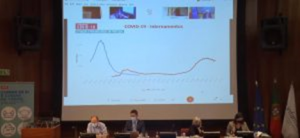
The South African variant is at 1.9% in May and the Indian is now at 4.6%, with no case detected a month ago. Cases of this variant in nine districts of 13 counties.

Currently, there are 37 cases registered with this variant, and the estimate is that the real total is around 160. “It is expected” that “there is already community transmission” of this variant, warned João Paulo Gomes.

The virus is adapting to an increasingly immunized population,” said the expert, warning of the appearance of mutations “that somehow manage to deceive our immune system” and “cause some infections”.
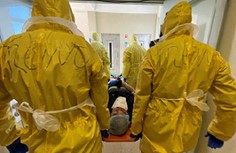
 

Ricardo Jorge Institute collaborates with the Lisbon Firefighters Regiment in a simulation exercise

The National Institute of Health Doutor Ricardo Jorge (INSA) and the Sapadores Firefighters Regiment of Lisbon (RSBL) carried out, on May 28, in Lisbon, a simulation exercise in a level 3 biosafety laboratory (BSL-3), in order to to prepare the procedures for the removal of a health professional from the laboratory, in the event of an accident of biological origin. This action had the participation of about 10 operational staff, and took place within the scope of the collaboration between the Emergency Response and Biopreparation Unit (UREB) and the RSBL.

In order for the evacuation of the health professional concerned to be carried out in complete safety, the RSBL is required to comply with a set of steps, with natural primacy for the stabilization of the vital signs of the person concerned, decontamination process and respective hospital transport. At the same time, and taking into account the nature of the operation, the use of specific personal protective equipment and the decontamination of all operational personnel are also fundamental procedures.

UREB is responsible for coordinating the specialized, rapid and integrated laboratory response in situations of cases and outbreaks that may pose a risk to Public Health, particularly in the context of cases of outbreaks of infections by emerging and re-emerging microorganisms of natural or deliberate dissemination. . It has laboratory diagnosis for more than twenty infectious agents, including bacteria, hemorrhagic viruses, orthopoxvirus and toxins.

INSA currently has five level 3 biological safety laboratories, nomenclature applicable to clinical, diagnostic, teaching, research, or production facilities, where work is carried out with very pathogenic agents, which can cause serious or potentially lethal diseases through inhalation or other type of exposure. Two of these laboratories, located in its headquarters building in Lisbon, have recently undergone a rehabilitation and refurbishment intervention that allows INSA to improve its response capacity to emergencies and bio-preparation.

Henrique Barros, from the Public Health Institute of the University of Porto, announced yesterday a report from “From the acute infection to chronic consequences” study.

The expert points out that, in terms of incidence, the values ​​are now slightly higher in the North and in Lisbon compared to the same period in the previous year.

The difference, says Henrique Barros, is in the older age group, now more protected.

Hospitalizations are much lower, which reflects “the learning” done over these 15 months of the pandemic.

In children up to the age of 10 and in the age group of 80, positivity fell sharply compared to the previous year. The specialist also pointed out that, now, “the probability of dying has dropped dramatically”: it became 1 in 5 infected people and went to “1 in 20 infected people”.
The infection has become “endemic”, at least socially, he argued. “The infection circulates much less, but you have to be careful,” he added.

Within a year, the fear of being infected and anxiety about the pandemic have dropped significantly, revealing that the Portuguese population is learning to live with the coronavirus.

Covid-19 survey results – Carla Nunes, from Universidade Nova de Lisboa

She said that, in the last week, Lisbon had 3 times more cases than what was expected.

The behaviour of the Portuguese have “had significant changes, in line with the lack of definition”. The study released by Carla Nunes found that 16.2% of respondents said they had already been in groups of 10 or more people, compared to 1.8% on February 19.

According to the same study, there is a “clear recovery” of confidence in health services. Only 14.1% of respondents remain little or not confident in the treatment of covid-19, against 32.7% in February.

To change the risk matrix or not?


Redlines and question of updates

Andreia Leite, from the National School of Public Health at Universidade Nova de Lisboa, spoke about the update of the red lines.

The analysis is done through the cumulative incidence and the transmissibility rate, allowing to understand if the epidemic situation is controlled or not. It is called the risk matrix. With vaccination progressing, explains Andreia Leite, it is questionable whether it makes sense to update this framework.

“Incidence and Rt should remain the main indicators”

The official argues that there are several unknowns regarding vaccination, namely regarding the duration of immunity. For Andreia Leite, at this stage, it is important to continue looking at the incidence as it is the indicator that allows us to act in a timely manner. “It allows us to meet international criteria, to understand if the measurement of measures has effects and to identify if there is any change in the characteristics of the virus”.

Experts continue to propose the maintenance of the current set of indicators, stressing the importance of incidence and Rt as “main indicators”, she said.

Individual protection measures

 Raquel Duarte, from the University of Porto, said it was “almost unanimous” among the experts to “maintain the obligation to maintain individual protection measures”. The use of the mask continues to be encouraged, “especially in closed environments”. She also called for testing to be maintained at relevant levels and for “effective ventilation” to be carried out in the interior spaces.

The specialist said that it is necessary to go back “in the imposing character” of the measures, betting on a more pedagogical approach. The reason is that the improvement in the pandemic situation inevitably generates a greater willingness for the population to take to the streets.

Like João Paulo Gomes, Raquel Duarte also wants to watch the borders and “restrict” travel to and from countries with a significant impact of new variants.

Raquel Duarte proposes the creation of three new levels of restrictions – A, B and C -, in addition to the existing ones. At level C, the capacity of restaurants must be limited to 25%, changing to 50% at B. Level A is the least restrictive and will only require compliance with general protection measures.
As for family life, the specialist proposes to lift restrictions on levels B and A, while maintaining the risk assessment taking into account criteria such as age.

5.2 million Vaccinations administered

Vice Admiral Henrique Gouveia e Melo, coordinator of the Task Force for the Vaccination Plan reported at the Infarmed meeting the latest vaccination roll out progress.

According to the official, in the second quarter of the year 1.5 million vaccines will arrive in Portugal. Until Thursday, 5.2 million vaccines were given nearly 3.5 million first doses and 1.8 million second doses.
If everything goes according to plan, he advanced, on the 6th of June, the 40-year-old age group will start vaccinating and, in the last week of June, the 30-year-old. By the end of this week, more than 85% of people aged 60 to 69 will be vaccinated and about 40% of those aged 50 to 59.

Henrique Gouveia e Melo says he has two concerns: maintaining the rate of vaccination and ensuring that geographically isolated communities have all the necessary health care. “I am concerned about some grants for the elderly who, in this process, are left behind”, he said, also showing concern for the bedridden, the hospitalized people and those with comorbidities.

More than 25,000 patients have moved from hospitals to long-term care

More than 25,000 patients who were admitted to public hospitals have been placed in long-term care units since the pandemic began.

The National Network of Integrated Continuous Care (RNCCI) “extended its offer and it was possible to hospitalize an additional 25,300 patients between March 2020 and March 2021”, said the coordinator, Purificação Gandra, who spoke to Lusa about the Barometer of Social Internments, published by the Portuguese Association of Hospital Administrators (APAH).

According to the barometer, which reports data collected on 17 March from 43 public hospitals, the number of social admissions dropped 45% compared to February 2020, but the 853 beds occupied without clinical justification represented a cost of more than 16 million euros and they were mainly due to the lack of vacancies in social institutions.

Purification Gandra considered that the barometer is “very valuable” and helps to understand “many things”, but noted that the measurement used “is exactly the same” that has happened over the years when there were different situations than the one experienced in the pandemic.

“We really had to have different strategies and measures to help fight the pandemic and to free hospital beds and, therefore, we all know the difficulty that the country experienced in terms of hospitalizations and we have to take this into account,” he declared.

“We are very happy with the results” because there was “a great effort on the part of all the teams” in health and social security to try “as much as possible to get answers to these patients”, he added.


Madeira Situation Report Saturday 29th May 2021


By Daniel Fernandes

Covid-19 update

There were 33 new Covid-19 cases, 89 recoveries and no deaths from Covid-19 in Madeira since the previous Madeira Situation Report.

On Wednesday, there were 16 new Covid-19 cases (from 2 passengers who had arrived from Northern Portugal, 1 passenger who had arrived from the Lisbon and Tagus Valley Region and 13 cases of local transmission) and 19 recoveries. The number of patients in hospital decreased to 10, 2 of whom were intensive care.

On Thursday, there were 6 new Covid-19 cases (all cases of local transmission) and 41 recoveries. The number of patients in hospital decreased to 8, 3 of whom were in intensive care.

And on Friday, there were 11 new Covid-19 cases (all cases of local transmission) and 29 recoveries. The number of patients in hospital remained 8, 2 of whom were in intensive care.

There were 207 active cases on Friday, of which 15 had been imported while the other 192 cases had been a result of local transmission. As of Friday, there had been 9,433 cases, 9,154 recoveries and 72 deaths.

On Friday, there were 16 patients in isolation in a dedicated hotel, 183 patients in isolation in their own accommodation and 8 patients in hospital, 2 of whom in intensive care.

On the same day, there were 96 suspected cases under epidemiological investigation and analysis, which were all linked to patients who tested positive for Covid-19, to calls made to the SRS24 helpline, to referrals by SESARAM (Madeira Regional Health Service) and to airport screening.

There were 15,868 travellers under monitoring by the health authorities. Monitoring is being carried out through the ‘MadeiraSafe’ app. There were also 676 people, who had contact with positive cases, being monitored by the health authorities of several Madeira municipalities and of Porto Santo.

As for Covid-19 testing on passengers who had arrived at Funchal and Porto Santo airports, 211,923 samples had been collected until Friday (at 15h30). By Friday, 437,345 samples from RT-PCR tests had been processed and 55,443 antigen rapid tests had been carried out in the Autonomous Region of Madeira.

The SRS 24 helpline (Regional Health Service – 800 24 24 20) received 443 calls from Tuesday to Friday. Overall, it has received 50,691 calls.

The Covid-19 mental health helpline (Linha de Acompanhamento Psicológico da Direção Regional de Saúde – 291 212 399 – available every day from 09h00 to 21h00), which was set up to provide emotional and mental support to anyone in Madeira received 14 calls from Tuesday to Friday. Overall, it has received 3,577 calls.

https://funchalnoticias.net/2021/05/26/16-novos-casos-de-covid-19-19-recuperados-105-suspeitos/

https://funchalnoticias.net/2021/05/27/6-novos-casos-de-sars-cov2-41-recuperados-142-suspeitos/

https://funchalnoticias.net/2021/05/28/11-novos-casos-de-covid-19-29-recuperados-96-suspeitos/

Additional ferry services between Funchal and Porto Santo

Porto Santo Line (ferry company) informed there will be additional ferry services in the following 2 weeks. This is because there will be 2 bank holidays (on June 3rd and June 10th), which means many people will be able to have longer weekends. It is hoped the additional ferry services will lead to increased travel to Porto Santo. The new ferry schedule will be:

2nd June (Wednesday):

Funchal to Porto Santo – 08h00 (additional service) & 19h00

Porto Santo – Funchal – 11h30 (additional service) & 22h30

6th June (Sunday):

Funchal to Porto Santo – 08h00 & 16h30 (additional service)

Porto Santo – Funchal – 13h00 (additional service) & 20h00

9th June (Wednesday):

Funchal to Porto Santo – 08h00 (additional service) & 19h00


Porto Santo – Funchal – 11h30 (additional service) & 22h30


13th June (Sunday):


Funchal to Porto Santo – 08h00 & 16h30 (additional service)


Porto Santo – Funchal – 13h00 (additional service) & 20h00


Passengers wishing to change their bookings may do so by visiting the office at Avenida do Mar e das Comunidades Madeirenses, calling 291 210 300 (Monday to Friday – 09h00-12h30 & 14h00-18h00) or by sending an email to infopsl@gruposousa.pt


https://funchalnoticias.net/2021/05/27/viagens-extraordinarias-para-o-porto-santo-a-2-6-e-13-de-junho/


https://funchalnoticias.net/2021/05/28/porto-santo-line-abre-viagens-extraordinarias-a-9-de-junho/


Water supply disruption


The Municipality of Funchal informed there will be a water supply disruption on Monday, May 31st, from 09h00 to 17h00, in the parish (freguesia) of São Martinho. The disruption will affect Rua Dr. Pita, between Caminho das Virtudes and the rotunda (roundabout) dos Barreiros.


https://funchalnoticias.net/2021/05/28/11-novos-casos-de-covid-19-29-recuperados-96-suspeitos/


Power cut


Empresa de Electricidade da Madeira (Madeira power supplier) announced there will be power cuts due to planned work on the electricity supply network. These works cannot be postponed and will take place in the following days and places:


SANTA CRUZ


May 29th – 09h00 to 12h00 (TODAY)


– Rocha Preta


– São Gil


– Massapez


– Levadas


– Fajocos


– Estrada do Miradouro


– Caminho da Fonte


– Caminho da D. Mécia


RIBEIRA BRAVA


May 31st – 14h00 to 16h00


– Estrada do Barreiro


– Estrada de São João (between number 38 and number 68)


– Estrada do Vale de Cima


– Estrada do Roda


– Estrada do Jardim


– Caminho Dom Fernando


– Vereda do Charéu


– Vereda do Ribeiro do Vale


However, power could be restored during the time frame mentioned above. So, for safety purposes, it should be assumed that there will be power at any time during this period of time.


If necessary, customers can contact the free Customer Support Service (Serviço de Apoio ao Cliente): 800 221 187.


https://funchalnoticias.net/2021/05/27/publicidade-o-fornecimento-de-energia-sera-interrompido-nos-dias-horas-e-locais-abaixo-indicados-anuncio-43-2021/


Algarve Situation Report Saturday 29th May 2021


The Algarve has 233 active cases in Covid.19, informed the District Civil Protection Commission of Faro based on data from ARS Algarve.

Up to yesterday, 21,952 were infected, 33 more in the last 24 hours and 21,363 recovered (cumulative).

There are 223 patients recovering at home and 10 hospitalized, 2 in the Intensive Care Units and 1 ventilated. Since the beginning of the pandemic, 356 deaths have been recorded in the region since the start of the pandemic.

839 people are currently under active surveillance.

Compared to last week’s bulletin, 63 fewer active cases and 125 new cases are confirmed. Another 188 people are recovered.

There are 3 more hospitalized (10), maintaining the number of patients in intensive care (2) and ventilated (1). Under active surveillance there are fewer 172 people.

British turnover in the Algarve soared 231% last weekend

Thanks to the reopening of the air corridor between the United Kingdom and Portugal, British turnover at national level increased by 80% between the second and third weeks of May.

In the Algarve, the increase in British billing was substantial, but pre-pandemic values ​​have not yet been reached, according to a statement from Reduniq, which says it is the largest national network for accepting payments by national and foreign cards.

According to the same source, with the resumption of British flights to Portugal on 17 May, last week (17 to 23 May) there was an increase of 80% in billing from British payment cards across the country, comparatively to the previous week.

This growth was reflected, above all, in the Algarve, where the total turnover of the district’s businesses rose 13% in the week of the reopening of the borders compared to the previous week. Of these results, 53% are due to the increase in British visitors.

In relation to the consumption of the English in the district of Faro, spending skyrocketed by more than 111% from the week of May 10 to 16 for the week of May 17 to 23, with emphasis on the weekend of May 22 and 23, period in which British turnover in the Algarve region increased by 231% over the previous weekend.

Even so, according to data collected by Reduniq, this growth is still not enough to reach pre-pandemic billing levels, since the total British billing maintains a drop of around 55%, compared to the same period in 2019. .

The total turnover for tourist activities in the region (which includes hotels, rent-a-car, travel agencies and airlines) increased by 82% in the last week compared to the previous week.

In a more detailed analysis by the hotel sector, there was an increase of 57%, in the week of May 17th to 23rd, compared to the previous week. Here, too, values ​​remain below 46% in the same period of 2019. The restoration of the region increased 24% from May 10 to 16 to May 17 to 23, still maintaining a drop of 14% compared to the same period in 2019.


INEM’s new building is an investment by the municipality of Loulé but will serve the entire region. Urgent Patients Orientation Centre (CODU) returns to the Algarve.

In an investment of close to 1.8 million euros, the construction of the new INEM facilities started today in the city of Loulé with good news for the Algarve: after a few years of absence, the region will once again have a delegation from the Centro de Guidance for Urgent Patients (CODU) of the Algarve, a key component in the emergency medical and relief services, which will be integrated in this building.

Between 2000 and 2012, this service was active but, since then, it has functioned as an extension of CODU Lisboa (which covers the entire area between Fátima and the south of the country).

«We were left with the valence of the activation and, for some time to this part, there has been a progressive resumption of valences that we hope that, with the publication of the statutes and the formal creation of the regional delegation, there will be a CODU in the Algarve in full », Said Carlos Raposo, regional responsible for the institution, yesterday, Thursday, May 27th.

Azores Situation Report  – Saturday 29th May 2021 


From our colleague in the Azores 

Changes to Restrictive Measures 

Half of the municipalities on the island of São Miguel are at high risk of transmitting the new coronavirus, but the Government of the Azores has decided not to apply the most restrictive measures across the island.

“Until now, there was a legal provision that with a certain number of municipalities at a certain risk level, there was a consequence in the measures to be applied on the island. There is no longer any repercussion on the island ”, said Clélio Meneses, the regional secretary for Health and Sports of the Azores.

With 308 new cases per 100 thousand inhabitants, in the last seven days, the municipality of Ribeira Grande joins Northeast (223 cases per 100 thousand inhabitants) and Vila Franca Campo (178 cases per 100 thousand inhabitants) in the list of municipalities. at high risk of transmission, the highest level of five.

The Azorean executive previously determined that whenever 50% of the municipalities on an island with identified community transmission were at high risk, the rest would be subject to the same containment measures, regardless of the numbers they presented.

With the change of this rule, Ponta Delgada, which last week was at very low-risk, is now subject to medium risk measures, Lagoa goes from very low to low risk and Povoação goes from low risk to very low risk, level at which the other municipalities of the Azores are also found.

The village of Rabo de Peixe, in the municipality of Ribeira Grande, will maintain restrictions measures higher than those provided for at the high-risk level.

Between 21st and 27th May, the Azores recorded 188 new cases of infection by SARS-CoV-2, which causes the covid-19 disease, 35 more cases than in the previous week, the majority recorded on the island of São Miguel.

The regional health secretary justified, however, the decision not to apply restrictive measures across the island because of the increase in vaccination against covid-19.

122,717 doses of vaccines against covid-19 have been administered to the Azores to 79,081 people (32.1%), of which 43,636 have two doses (17.7%).

“Azoreans aged 60 or more are already vaccinated with at least one dose. We are vaccinating the age group between 55 and 60 years of age and pathologies under 55 years of age. We have a process that is to move forward in an intense way “, he pointed out.

Clélio Meneses nevertheless appealed for compliance with the rules of containment of the pandemic, such as the use of a mask, social distance, hand hygiene or the communication of symptoms.

“We maintain restrictive measures to ensure the defence of health and lives. This week there is an increase in the number of cases. The situation therefore deserves attention. The pandemic is still there. There are cases, there are hospitalizations, there are deaths. Therefore, it is necessary to comply with rules”.

The measures announced today, which will be applied from 00:00 on Saturday, will be in force for two weeks, and not for one week, as usual, but if the number of new cases decreases, the Regional Health Authority will be able to “determine the decrease of risk levels“.

The Azores currently have 285 active cases of infection with the new coronavirus that causes the covid-19 disease, of which 279 in São Miguel, two in Pico, one in Terceira, one in Faial, one in Flores and one in São Jorge.

Since the beginning of the pandemic, 5,467 cases of infection have been diagnosed in the region, with 5,020 recoveries and 33 deaths. 79 people left the archipelago without being cured and 50 had proof of previous healing.

The risk level assessment in the Azores is based on a German model, of traffic lights, and is calculated according to the number of new cases of covid-19 per 100 thousand inhabitants in a period of seven days.

There are five levels of risk: very low (fewer than 25 cases per 100 thousand inhabitants), low (between 25 and 49 cases per 100 thousand inhabitants), medium (between 50 and 74 cases per 100 thousand inhabitants), medium high (between 75 and 99 cases per 100 thousand inhabitants) and high (more than 100 cases per 100 thousand inhabitants).

There have been some new infections and recoveries over the last three days.

26th May

21 new positive cases of covid-19 were diagnosed in the Azores, all on the island of São Miguel, following 2,179 tests carried out in the reference laboratories of the Region. One of the new cases concerns a traveler, resident in Rabo de Peixe, with a positive result upon arrival and all the other cases concern community transmission.

There are six new cases in the municipality of Ribeira Grande (three in Rabo de Peixe, two in Ribeira Seca and one in Pico da Pedra). There are 12 new cases in the municipality of Ponta Delgada (eight in Santo António, two in the Fenais of Luz, one in Capelas and one in the Arrifes). In the municipality of Lagoa, there is a new case in the parish of Cabouco and in the municipality of Nordeste, two new cases were diagnosed in the parish of Salga.

28 recoveries were registered. With the recovery of both cases related to the primary local transmission chain on the island of Terceira, in the municipality of Praia da Vitoria, this transmission chain is considered extinct.

27th May 

42 new positive cases of covid-19 were diagnosed in the Azores, with 41 on the island of São Miguel and one on the island of Flores following 2,255 tests carried out in the reference laboratories of the Region.

There are 21 new cases in the municipality of Ribeira Grande: two in Ribeirinha, 13 in Rabo de Peixe, two in Santa Bárbara, two in Ribeira Seca and two in the Lomba de São Pedro. The municipality of Ponta Delgada registers 12 new cases: three in São Vincente Ferreira, two in Arrifes, two in Fenais da Luz, and the parishes of Capelas, São Roque, São José, Fajã de Baixo and Sete Cidades have one case each. The municipality of Vila Franca do Campo has six new cases: five in Ponta Garça and one in São Pedro. There is one new case in the municipality of Lagoa, in the parish of Cabouco and the municipality of Nordeste also registers a new case in the parish of Achadinha. The case registered on the island of Flores is allocated to the parish of Fajã Grande in the municipality of Lajes das Flores.

There were 14 recoveries.

28th May 

19 new positive cases of covid-19 were diagnosed in the Azores, all on the island of São Miguel, following 3,031 tests carried out in the reference laboratories of the Region and three in independent laboratories.

There has been a total of 26 recoveries.

The positive case identified yesterday in the parish of Fajã Grande, municipality of Lajes das Flores, provided documentation demonstrating a previous infection and recovery, and therefore is no longer considered an active case in the Azores.

During the epidemiological investigation, a positive case initially allocated to the parish of Rosto de Cão (São Roque), municipality of Ponta Delgada, is now reported to the parish of Rabo de Peixe, municipality of Ribeira Grande.

As of today, ten patients are in hospital, all at the Divino Espírito Santo Hospital in Ponta Delgada (none in intensive care).

The Archipelago currently has 277 active positive cases: 272 on the island of São Miguel, two on the island of Pico, one on the island of Terceira, one on the island of Faial and one on the island of São Jorge. There are no active transmission chains and 202 has been extinguished so far. There are 1,320 people under active surveillance.

Since the beginning of the pandemic, 5,486 positive cases of covid-19 have been diagnosed in the Azores and 5,046 people recovered from the disease. There were 33 deaths, 79 people who left the archipelago and 51 cases with history of previous cure.

To date, 499,155 tests have been carried out in the Azores for SARS-CoV-2 virus, which causes covid-19 disease. From December 31st, 2020 until the current May 20th, 106,631 doses of covid-19 vaccine were administered in the Azores, corresponding to 68,352 people aged 16 years or more who received the first dose, and 38,278 people who received both doses, under the Regional Vaccination Plan.