Portugal Situation Report Wednesday 28th April 2021
Introduction
Good morning – Yesterday was dominated by the Infarmed meeting when once again medical health experts from various institutions made presentations to the President of the Republic and Prime Minister and other government officials on the evolution on the pandemic with forecasts and other data.
 At the end of the meeting, the Minister of Health reinforced what had already been said by the specialists heard at Infarmed, that “The country is controlling the pandemic,” stressing however, the importance of people continuing to comply with preventive measures in order to consolidate the recent results.
Stating that the Government is already “preparing” the fourth and final phase of the de-confinement she stressed the “most positive aspect” of the recent evolution of the pandemic: the reduction of mortality.
This news that the epidemiological situation is under control is good news, but it is important to maintain this through testing, isolation, screening, reduction of contacts, maintenance of preventive measures and maintenance of the vaccination process.
Last night the President of the Republic spoke to the nation, after consulting with parliamentary leaders. He stated that the State of Emergency which has been declared 15 times will end on Friday, April 30. In fact, the last day without a State of Emergency was 173 days ago, on November 8th.
As of May 3, Portugal can enter a new containment regime. It is understood that the Government is planning to decree the Situation of Public Calamity due to the pandemic when the period of State of Emergency ends. So what is the difference?
Provided for in the Basic Law of Civil Protection, there are three regimes: Alert situation (the lowest), Contingency situation (intermediate) and Calamity situation (the most restrictive), declared by the Government or by mayors.
A Situation of Calamity can be declared in case of serious accidents or catastrophes that cause “high material losses and, eventually, victims”, affecting the populations and the economy “in areas or in the entire national territory”. It allows “to adopt exceptional measures”, but does not suspend rights, freedoms or guarantees.
It has no definite deadline. The measures will, however, have to be included in a resolution of the Council of Ministers, which must refer to the time horizon and territorial scope, as well as the coordination structure and means.
When the country advances to the last stage of the lack of definition, the duty of home collection is no longer an imposition, but the State of Calamity still allows the establishment of limits or conditions for the movement or permanence of people, namely through controls to prevent the spread of epidemic outbreaks. In other words, the Government will thus be able to continue to impose limits on circulation between the municipalities most affected by the pandemic and which are lagging behind in the plan of deflation.

A State of Emergency however can only be declared “in cases of effective or imminent aggression by foreign forces, of serious threat or disturbance of the democratic constitutional order or of public calamity”, it must “respect the principle of proportionality”. It cannot last more than 15 days (although it can be renewed) and, after hearing Government and the Council of State, the President must specify that rights, freedoms and guarantees are suspended. This was never designed however, with a health crisis in mind.
We now wait and see the decision of the Council of Ministers to decide the last phase of de-confinement scheduled 3rd May.
The end of the State of Emergency is of course very good news for everyone, but it does not mean an end of all measures which are needed to protect the population – the only difference being they will be less restrictive. It will be vitally important to continue to wear face masks, respect social distancing and undertake routine hygiene measures for instance. Even though most of the figures are encouraging we are not over this yet.
The control of the borders is a separate issue and considerable care needs to be taken to ensure that any relaxation does not facilitate the importation of the Covid-19 variants which were highlighted at the Infarmed meeting yesterday.
With this more positive news please have a Safe Day.
Headlines
Highlights from yesterday’s Infarmed meeting.
The disease incidence rate has remained “stable” and there was a “decrease in the rate of transmissibility” (Rt) compared to the last fortnight. There are 37 municipalities with more than 120 cases per 100 thousand inhabitants, and in large urban centres there was a “slight downward trend”. Highlight for the areas of Paredes, Paços de Ferreira and Penafiel, which, because of the growth of the infection, generate “some concern”. In Odemira, one of the municipalities with the highest incidence in the country, there is a “reversal of trend”.
At the regional level, the North has an increasing trend and is the only region in the country with an R (t) above 1 (1.05). If the pace is maintained, it will reach the red barrier of 120 cases per 100 thousand inhabitants in 14 days between “two weeks and one month”. Already the Algarve began a downward trend.
Almost all age groups are below the incidence recorded on March 15 – the exception is the group between 10 and 19 years old, where the virus has grown the most.
The number of deaths also maintains a “downward trend”, as well as that of hospitalizations (currently, the group that occupies the most intensive care beds is the 50 to 79 years old group). The likelihood of dying from Covid-19 has undergone a “brutal variation” over the past few months and is currently about five times lower than at the beginning of the pandemic.
Mortality is higher in men and in people with foreign nationality. In the autonomous region of Madeira, the risk of death is lower than in the rest of the country.
The British variant already corresponds to about 90% of the total cases (15 days ago, it was 83%). Six cases of the Indian variant were also detected, all in the region of Lisbon and the Tagus Valley.
The vaccination process has been essential to reduce both the incidence of the disease and deaths and hospitalizations. By Wednesday, mainland Portugal will reach the three million vaccines administered (with Madeira and Azores, the threshold is exceeded). By the end of the week, more than 22% of the population will have their first dose and all people over 70 will be vaccinated (the population over 80 is already there).
There is a “slight positive evolution in the availability” of vaccines, with 9.2 million doses. But the age limit of two types of vaccines that the country is using (AstraZeneca and Janssen) “may condition the use of up to half a million vaccines”.
A “very positive” data is the fact that the testing positivity (which is being increased) is below the reference indicator (4%). The increase in testing explains, in part, the reduction in the lethality rate – in the beginning, only the most serious cases were identified.
Statement by the Minister of Health.
The Minister of Health,  , said that the country is controlling the pandemic but that individual prevention measures (mask, hand washing and physical distance) must be maintained.
Marta Temido spoke at the end of the Meeting on the Epidemiological Situation in Portugal, in Lisbon, where she said that testing and isolation are to be maintained and highlighted some of the results presented as the “decrease in death”.
“It is the most positive aspect of all those results that were achieved in this fight against Covid-19” and that indicate that “we are currently in a death rate that is half of what was registered last year and a fifth of that which was registered a year ago.”, in which “we have less than five deaths per one million inhabitants”, she explained.
Regarding vaccination against Covid-19, the Minister said that, in the third week of May, all people over the age of 60 are expected to be vaccinated, “thus protecting those who gave rise to more than 96% of deaths over the last year “,” saving time on the progression of the pandemic and then moving on to other age groups “.
Among the aspects that currently need attention, Marta Temido highlighted an increase in the incidence of the disease in young people between 10 and 19 years old and the “growing trend in some areas of the northern region, with a risk of transmissibility above 1, although with incidence below 120 cases”.
The existence of some clusters in the territory with a high risk of transmission and greater mobility in the retail and leisure areas were other aspects presented by the Minister and which deserve attention.
Covid-19
This Tuesday Portugal counts five more deaths and 353 new cases of Covid-19, according to the daily report of the Directorate-General for Health (DGS). The main figures from yesterday were:
Confirmed Cases: 834.991 (+ 353 / + 0.04 %)
Number of admitted: 346 (-19 /-5.21 %)
Number of ICU admitted: 86 (-5 /-5.49 %)
Deaths: 16.970 (+ 5 / + 0.03 %)
Recovered: 794.205 (+ 1194 / + 0.15 %)
Active cases: 23,816 (-846 / – 3.4 %)
Safe Communities comparisons/trends show that: deaths were just above last week’s daily average (3); new daily cases were below last week’s daily average (492) and recovered cases were three times new cases.
In hospital there was a decrease since Monday with 6540 Covid-19 patients less compared to number in hospital on 1st February 2021 and those in ICU were the lowest since 26th September- remaining below 100 for fifth day since 30th September 2020
As far as active cases were concerned this is the lowest since 26th September, the largest daily decrease for some weeks.
Health
Vaccinations Self-scheduling
The self-scheduling process “is fundamental” for the pace to grow, considers Diogo Serras Lopes, who was in Barreiro this Tuesday to mark the passage of the barrier of the three million vaccines administered in Portugal. Group immunity is expected to arrive “there for the beginning or middle of summer”
 The Secretary of State for Health, Diogo Serras Lopes, believes that self-scheduling is a “fundamental” step to accelerate the pace of vaccination against Covid-19.
“The process of scheduling vaccines is time-consuming for health professionals and everyone who has helped in this process,” said Serras Lopes. Without that need, “more time is left, which is useful,” he added.
The governor was speaking this Tuesday in Barreiro, where he marked the passing of the bar of three million vaccines administered in Portugal.
To the journalists, the Secretary of State underlined that the country is preparing to rise to a daily average of 100 thousand vaccines and insisted that “if the vaccines reach the expected pace” it will be possible to achieve group immunity “by the beginning or the middle of the summer”.
“We are not far from reaching one million people vaccinated with the two doses” (there are more than 800,000 to date), he stressed. In addition, he stressed the importance of achieving “very high rates of protection in groups of people who are at serious risk of serious illness or even death”.
Serras Lopes recalled that the percentage of people over 80 years old already vaccinated exceeds 90%, being above 80% in the case of people between 70 and 79 years old.
Vaccinations
Speaking at the Infarmed meeting held yesterday the co-ordinator of the Vaccination Task Force Gouveia e Melo stated that the vaccination of the group of 70 to 79 years old should be almost finished by the end of the week.
This Tuesday, the goal of three million doses administered on the continent should be reached.
If the numbers of the autonomous islands are added, the value already exceeds that threshold.
And if the group over 80 is practically vaccinated (at least one dose) completed, at the end of next week and it is expected that the same will happen with the group 70-79 years’ old, also announced Gouveia e Melo.
The goal for the end of next month remains: to have the entire population over 60 vaccinated with one dose in the week of May 23.
Covid-19: Study reveals that 95% of the elderly acquire protection after a second dose of vaccine.
A study involving 146 elderly people vaccinated against Covid-19 in homes reveals that 95% developed antibodies after the second dose and the remaining 5% did not acquire immunity, it was released today.
 The study, coordinated by the Gulbenkian Institute of Science (IGC), was carried out between January and March with elderly people over 70, living in four homes in the municipality of Almeirim and inoculated with the Pfizer/BioNTech vaccine, which is administered in two doses.
After the first dose, only 25% of the elderly generated antibodies against SARS-CoV-2, the new coronavirus that causes Covid-19 respiratory disease, a percentage that rises to 95% after the second dose.
The study measured antibodies against SARS-CoV-2 before vaccination, three to four weeks after the first dose and three weeks after the second dose. None of the elderly in the sample was infected before being inoculated.
According to a statement from the IGC, the study highlights that the immune system of the elderly does not respond in the same way as that of the youngest to the vaccine against Covid-19, as in relation to other vaccines, with “the response to the first dose is much lower “in the elderly, with a minority that does not develop antibodies even after the second dose”.
Speaking to Lusa, IGC immunologist Carlos Penha Gonçalves, who co-organized the study, said that in the elderly, the immune system reacts “less vigorously” to vaccines and the development of antibodies “is slower”.
Fernando Rocha and Pedro Abrunhosa test shows with 400 people.
The outdoor space of the Altice Braga Forum will host, on Thursday and Friday, two test shows with 400 spectators each, the first by Fernando Rocha and the second by Pedro Abrunhosa.
The Mayor of Braga, Ricardo Rio, said this Tuesday that the shows will be “supervised and closely monitored” by the Directorate-General for Health (DGS). “All spectators will be tested free of charge at Covid-19, before each show, and subsequently accompanied by the DGS”, he added, speaking to Lusa.
This is one of the pilot events scheduled for days before the new phase of deflation and reopening of activity, on May 3, when it is expected that the Government will allow the holding of large outdoor and indoor events with reduced capacity.
On Thursday, the public that wants to watch Fernando Rocha’s show will be entitled to a seat, with “due distance” between the chairs. Pedro Abrunhosa’s show, on the other hand, will be for standing up. Tickets will cost two euros and the proceeds will go to Braga’s Education and Rehabilitation Cooperative for Most Inclusive Citizens).
On Friday, the Ministry of Culture said that the first two shows aimed at “defining new technical guidelines and conducting diagnostic tests for SARS-CoV-2 for performing shows and festivals”. The two cultural events were approved “following the work developed in the last months between the ministries of Culture and Health with the entities representing the cultural sector, in conjunction with the DGS”.
Covid-19 Mortality rate.
Lisbon, April 27, 2021 (Lusa) – The likelihood of a patient dying from Covid-19 in Portugal dropped from 4%, in the first two months of the pandemic, to 0.5%, revealed the epidemiologist Henrique Barros yesterday.
The public health specialist and epidemiologist at the Institute of Public Health at the University of Porto revealed this data at the meeting of experts taking place at Infarmed, in Lisbon, on the country’s epidemiological situation.
Henrique Barros, who spoke about vaccination, the genetic variants of the virus and mortality, said that the reduction in the probability of dying from Covid-19 is explained by testing, which is now much greater, “when at the beginning only the more severe cases “, but also with the effects of learning on the ability to respond to the disease.
However, there are other factors that still cannot be controlled and, therefore, death rates rose in January and February, he said.
Taking April as a point, he added that the probability that the infection would have a fatal outcome, under current conditions, is about five times lower than at the beginning of the pandemic and globally half the risk than it was over the year.
Covid-19: Confidence in health services is rebounding – Barometer
Lisbon, April 27, 2021 (Lusa) – The level of confidence of the Portuguese in the capacity of health services to respond to Covid-19 and other pathologies is recovering, revealed today the director of the National School of Public Health (ENSP), Carla Nunes.
 In an intervention at the meeting at Infarmed, in Lisbon, which brings together experts, members of the Government and the President of the Republic to analyse the country’s epidemiological situation, Carla Nunes highlighted the positive evolution of citizens in the use of consultations in the first half of April, with only 10.4% of people indicating the decision not to go to an appointment, as opposed to 24.5% between January 23 and February 5.
“Confidence in the capacity of health services to respond to Covid-19 and other diseases has maintained the recovery trend registered since February, with 80.2% indicating that they are ‘confident or very confident’ in their capacity to respond to Covid-19. 19 and 51.2% say they are ‘confident or very confident’ in their ability to respond to other diseases”, can be read in the ENSP document.
The perception of vaccine safety and efficacy is also on the rise, since 87.6% of respondents consider vaccines to be safe or totally safe, while 89.9% consider vaccines to be effective or totally effective. These aspects are also reflected in the intention to take the vaccine, in which there was a small reduction in the percentage of people who do not want to get the vaccine: from 7.9% to 5.10%.
Infant mortality rate in Portugal lowest ever.
Lisbon, April 27, 2021 (Lusa) – The infant mortality rate in Portugal in 2020 was the lowest ever, released today by the National Statistics Institute (INE), which registered 205 deaths of children under 1 year.
In the Vital Statistics of 2020, which were published today, the INE pointed out that 41 children under the age of 1 year died less in 2020 than in 2019, which means a rate of 2.4 deaths per thousand births, which in 2019 had been 2.8.
This is the “lowest value ever recorded in Portugal”, points out the Institute, whose data indicate that it is the second consecutive year in which the infant mortality rate goes down.
In the last decade, the highest figure was in 2012, with a child mortality rate of 3.4.
Referring to data from 2019, the most recent year for which data can be compared, INE says that Portugal was the tenth country in the European Union with the highest infant mortality rate.
The average of 27 was that year at 3.4 per thousand live births.
The country with the lowest rate was Estonia (1.6 per thousand) and Malta was the country with the highest rate (6.7 per thousand).
Number of marriages in Portugal lowest since there are records.
Lisbon, April 27, 2021 (Lusa) – The number of marriages in Portugal in 2020 was the lowest since there are registrations, dropping almost by half compared to 2019, revealed today the National Statistics Institute (INE).
 The number of marriages in 2020 reached 18,902, 14,370 less than in the previous year, representing a decrease of 43.2%, according to the INE, which attributed the reduction to the measures enacted because of the Covid-19 pandemic.
“In the last decade, the number of marriages has always been above 30,000 and, since there are records, there has never been such a low value,” said INE, who attributed this unprecedented number to the “declaration of the country’s first State of Emergency, on March 18, 2020, and the respective measures to contain the pandemic “.
The month of April 2020 was the one with the greatest decrease, with only 117 weddings performed, 93.4% less than in 2019.
The fall was felt mainly in the regions of the Algarve, where there were 50.8% fewer marriages in 2020, Centro (46.4% less) and North (44.2% less).
The vast majority of marriages between men and women (87.2%) were by civilians only, 12.3% were by Catholic rite and 0.6% by other religious forms, said the INE, stressing that the data must be read under the “limitations on wedding celebrations” imposed because of the pandemic.
In all, 18,457 marriages took place between men and women, 236 among men and 209 among women.
In more than half of marriages (63.4%), people who got married had lived together before, a trend that has been growing since it exceeded 50% in this situation, in 2013.
Region Reports
Madeira
Madeira Situation Report Wednesday April 28th from Daniel Fernandes
Covid-19 update
There were 85 new Covid-19 cases, 88 recoveries and no deaths from Covid-19 in Madeira since the previous Madeira Situation Report. There have been no deaths from Covid-19 for over 0 days.
On Saturday, there were 34 new Covid-19 cases (from 3 passengers who had arrived from Poland, 1 passenger who had arrived from Germany and 31 cases of local transmission) and 25 recoveries. The number of patients in hospital increased to 10 and none were in intensive care.
On Sunday, there were 22 new Covid-19 cases (from 1 passenger who had arrived from Germany, 1 passenger who had arrived from the Lisbon and Tagus Valley Region and 20 cases of local transmission) and 16 recoveries. The number of patients in hospital increased to 11, 1 of whom was in intensive care.
On Monday, there were 16 new Covid-19 cases (from 1 passenger who had arrived from the Lisbon and Tagus Valley Region and 15 cases of local transmission) and 26 recoveries. The number of patients in hospital increased to 13, 1 of whom was in intensive care.
And on Tuesday, there were 13 new Covid-19 cases (all cases of local transmission) and 21 recoveries. The number of patients in hospital decreased to 12, 1 of whom in intensive care.
There were 256 active cases on Tuesday, of which 13 had been imported while the other 243 cases had been a result of local transmission. As of Tuesday, there had been 8,908 cases, 8,581 recoveries and 71 deaths.
On Tuesday, there were 23 patients in isolation in a dedicated hotel, 221 patients in isolation in their own accommodation and 12 patients in Covid-19 units, 1 of whom in intensive care.
On the same day, there were 92 suspected cases under epidemiological investigation and analysis, which were all linked to patients who tested positive for Covid-19, to calls made to the SRS24 helpline, to referrals by SESARAM (Madeira Regional Health Service) and to airport screening.
There were 8,207 travellers under monitoring by the health authorities. Monitoring is being carried out through the ‘MadeiraSafe’ app. There were also 684 people, who had contact with positive cases, being monitored by the health authorities of several Madeira municipalities and of Porto Santo.
As for Covid-19 testing on passengers who had arrived at Funchal and Porto Santo airports, 189,436 samples had been collected until Tuesday (at 15h30). By Tuesday, 379,136 samples from RT-PCR tests had been processed and 36,635 antigen rapid tests had been carried out in the Autonomous Region of Madeira.
The SRS 24 helpline (Regional Health Service – 800 24 24 20) received 382 calls from Friday to Tuesday. Overall, it has received 46,993 calls.
The Covid-19 mental health helpline (Linha de Acompanhamento Psicológico da Direção Regional de Saúde – 291 212 399 – available every day from 09h00 to 21h00), which was set up to provide emotional and mental support to anyone in Madeira received 18 calls from Friday to Tuesday. Overall, it has received 3,409 calls.
https://funchalnoticias.net/2021/04/24/drs-informa-mais-34-casos-de-covid-19-25-recuperados-172-suspeitos/
https://funchalnoticias.net/2021/04/25/22-novos-casos-de-covid-19-16-recuperados-62-suspeitos/
https://funchalnoticias.net/2021/04/26/16-novos-casos-de-covid-19-26-recuperados-115-suspeitos/
https://funchalnoticias.net/2021/04/27/13-novos-casos-de-covid-19-21-recuperados-92-suspeitos/
https://www.jm-madeira.pt/regiao/ver/126575/Regiao_esta_ha_30_dias_sem_obitos_associados_a_covid-19
Covid-19 vaccination update
As of April 25th, 81,673 Covid-19 vaccine doses (60,077 1st doses & 21,596 2nd doses) had been administered in the Autonomous Region of Madeira. This means that 23,6% of the population have been inoculated with 1 vaccine dose  and that 8,5% of the population have been fully vaccinated.
A total of 11,932 vaccine doses (9,804 1st doses & 2,128 2nd doses) were administered in the week before April 25th.
The plan for this week is to continue the vaccination throughout the Region, with a focus on the island of Porto Santo, which will have a vaccination campaign on April 30th and on May 1st.
The Region is expecting to receive 10,000 AstraZeneca vaccine doses before the end April and 46,800 Pfizer vaccine doses in May. In June, 76,800 Pfizer vaccine doses will be delivered to the Region. The Region will also receive Johnson & Johnson vaccine doses in June, which will number 2.5% of the total amount of doses Portugal receive. It is estimated that Portugal will receive 1,250,000 doses, which means Madeira is likely to receive more than 30,000 doses of this vaccine.
Pedro Ramos, Madeira’s Health and Civil Protection Secretary, said the first vaccination phase is coming to an end and that the following mass vaccination campaign will target tourism professionals, in order to pave the way for an economic recovery in May and June. Regarding professionals from big commercial surfaces including supermarkets, he recognised these are “critical group”, stressed that immunisation quotas have been created for all these groups and said everyone will be inoculated.
https://www.jm-madeira.pt/regiao/ver/126603/Entre_maio_e_junho_Madeira_recebera_mais_de_150_mil_doses_de_vacinas_contra_a_covid
https://funchalnoticias.net/2021/04/27/administradas-mais-de-81-mil-vacinas-na-regiao/
Deconfinement measures
The Madeira Regional Government announced the following deconfinement measures, which became applicable on Tuesday:
1 – Shows, cultural events, conferences can take place with a maximum capacity of 50%, while complying with the existing distancing rules. No breaks are allowed so as to prevent gatherings.
2 – Care homes – a maximum of 2 visits per resident, per week are allowed. Each visit must be 1h long.
3 – Residents, students and emigrants who arrive by air:
Double testing on the 5th day remains, but there is a suspension of the requirement for prophylactic isolation between the 2 tests.
This rule is also applicable to Porto Santo, by air and sea, with double testing on the 5th day and a suspension of the requirement for prophylactic isolation.
However, Miguel Albuquerque (President of the Madeira Regional Government), warned once again that he will not hesitate to reverse these measures if the pandemic situation worsens.
https://www.jm-madeira.pt/regiao/ver/126538/Covid-19_Veja_todas_as_medidas_anunciadas_por_Albuquerque
https://www.jm-madeira.pt/regiao/ver/126616/Albuquerque_recuara_sem_demoras_se_a_situacao_da_pandemia_piorar
Water supply disruption
The Municipality of Funchal informed there will be work on the water supply chain at Estrada Comandante Camacho  de Freitas, in the parish (freguesia) of Santo António, on today from 09h00 to 14h00.
Water supply in the following areas will be affected:
– Estrada Comandante Camacho de Freitas (do cruzamento do Esmeraldo ao cruzamento do Caminho de Santo Amaro)
– Urbanização do Pico dos Barcelos
– Urbanização da Encosta do Pico dos Barcelos
– Ribeiro Choco
– Urbanização da Bela Vista
– Caminho do Poço Barral (do cruzamento do Esmeraldo à Travessa do Tanque)
– Caminho do Esmeraldo (da entrada do Recheio ao cruzamento do Esmeraldo)
– Rua do Poço Barral
https://www.jm-madeira.pt/regiao/ver/126605/Intervencao_na_rede_de_agua_vai_afetar_abastecimento_em_varios_arruamentos_no_Funchal
Power cut
Empresa de Electricidade da Madeira (Madeira power supplier) announced there will be power cuts due to planned work on the electricity supply network. These works cannot be postponed.
SANTA CRUZ – April 29th – 09h00 to 11h00
– São Gil
– D. Mécia
ARCO DA CALHETA – April 29th – 09h00 to 12h30
– Cales
– Chada
– Chão de Cima
FUNCHAL – April 29th and April 30th – 09h00 to 12h30
– Caminho do Meio 108 (number 2)
– Caminho da Casa Velha (number 99)
– Rua do Clube da Choupana
– Ladeira do Clube da Choupana
– Vereda do Clube da Choupana (number 34)
However, power could be restored during the time frame mentioned above. So, for safety purposes, it should be assumed that there will be power at any time during this period of time.
If necessary, customers can contact the free Customer Support Service (Serviço de Apoio ao Cliente): 800 221 187.
https://funchalnoticias.net/2021/04/28/publicidade-o-fornecimento-de-energia-sera-interrompido-nos-dias-horas-e-locais-abaixo-indicados-anuncio-33-2021/
https://funchalnoticias.net/2021/04/24/publicidade-o-fornecimento-de-energia-sera-interrompido-nos-dias-horas-e-locais-abaixo-indicados-anuncio-32-2021/
Algarve
Algarve Situation Report Wednesday April 28th
Covid-19: Aljezur asks the Government to review contagion accounting criteria.
The Mayor of Aljezur, asked the Government to revise the formula for accounting for contagions by Covid-19 and to take into account the particularity of each municipality.
 After an extended meeting of the civil protection commission this afternoon, José Gonçalves told Lusa that temporary workers “are not counted” in the population of about 5,800 inhabitants of the municipality, a value that serves as the basis for calculations of the confinement rules , but “if they become infected, they are included”.
“We need to change this. It is an injustice. The contagion situation is not addressed in this way” he stated.
In Aljezur, “14 infected people” are needed for the municipality to reach the level of 240 cases per 100 thousand inhabitants in 14 days, a value from which there is a greater restriction on the lack of definition.
In the bulletin released last Friday, the municipality of Aljezur recorded 501 cases per 100 thousand inhabitants in 14 days, referring to the period between 07 and 20 April.
On March 11, at the presentation of the de-confinement plan, the Prime Minister, António Costa, warned that the reopening measures will be revised whenever Portugal exceeds “120 new cases per day per 100 thousand inhabitants in 14 days” or whenever the R(t) – the average number of secondary cases that result from a case infected by the virus – exceeds 1.
Formula 1 has already arrived at the Autódromo Internacional do Algarve, in Portimão.
The biggest motorsport competition has already arrived in Portugal, for the third race of this year. The teams’ trucks and motorhomes already fill the parking lot of the Autódromo Internacional do Algarve and the paddock for the Formula 1 Heineken Grande Prémio de Portugal, which takes place this weekend.
 The first two races of the 2021 season were marked by intensified competition between Max Verstappen, a Red Bull driver, and Lewis Hamilton, of Mercedes.
Both with 1 victory conquered in the season so far, everything indicates that next Sunday we will see a very intense race.
In his last race in Portugal, Hamilton became the driver with the most victories in F1 history, in the year he won his 7th world title.
This weekend could be marked by another record for Lewis Hamilton, who could become the first F1 driver to reach 100 pole positions.
Azores
Situation Report Azores –28th April 2021 – From our colleague in the Azores .
Vaccination Protocol.
Taking into account some complaints received by the Regional Secretariat for Health and Sports, and others raised on social networks, about alleged abusive vaccination against Covid-19 last weekend, at the Vaccination Centre of the São Miguel Island Health Unit, in the ‘Portas do Mar’, in Ponta Delgada, the Regional Secretary for Health Sport ordered the opening of disciplinary proceedings and an investigation, with a view to the complete investigation of the facts that were the subject of the complaint, as well as the respective responsible parties.
Covid-19
The Regional Health Authority has said that in the last four days the number of new positive cases of Covid-19 resulting from 5,777 tests is 65. These tests were carried out in reference laboratories in the Region, in private laboratories with conventions, in the Regional Health Service, through rapid tests (mass screening), in the laboratory of Terceira University and by means of tests carried out in the scope of occupational medicine.
 São Miguel registered most of the cases with 63. Terceira recorded 1 and Flores had 1.
There have been some recoveries, 130 in total. Most of them on the island of São Miguel with 122, 5 on Santa Maria, 2 on Terceira and 1 on Flores.
There are currently 17 patients hospitalised, 16 of them at the Divino Espírito Santo Hospital in Ponta Delgada, with seven patients in intensive care, and one at the Santo Espírito Hospital of Terceira Island in intensive care. There are 1,126 active surveillance cases.
As of today, the Region registers 227 active positive cases: 217 on the island of São Miguel, seven on the island of Terceira, two on the island of Santa Maria and one on the island of Flores. Since the beginning of the pandemic, 4,837 positive cases of covid-19 have been diagnosed in the Azores, with 4,458 people recovering from the disease. There were 31 deaths, 78 people who left the archipelago and 43 cases with a history of previous cure.
A local transmission chain remains active on the island of Terceira. A total of 200 transmission chains have been extinguished.
Since the beginning of the pandemic, 440,879 tests have been carried out in the Azores for the screening of the SARS-CoV-2 virus, which causes Covid-19 disease. The island of São Miguel remains at High Risk, being subject to the containment measures corresponding to this level of risk. All municipalities of the remaining islands of the archipelago are at Very Low Risk. More information on the measures in force can be found online at: https://covid19.azores.gov.pt/ and on the Facebook page of the Regional Directorate for Health: https://www.facebook.com/DirecaoSaudeAcores.
From last December 31st, 2020, to April 21st, 69,887 people aged 15 or over were vaccinated in the archipelago: 49,477 received the first dose (24.42% coverage rate) and 20,410 the second dose (10.08% coverage rate), as part of the first phase of the Regional Vaccination Plan. More information at: https://vacinacao-covid19.azores.gov.pt.
Portugal Situation Report Saturday 24th April 2021
Introduction
Good morning – Yesterday was highlighted with the launch by DGS of the Self-Scheduling Portal for Vaccination against Covid-19. As of 17.00 hrs more than 50,000 had already scheduled their appointments so a very good start to the program.
 At Safe Communities we managed to capture the main content and links and after we had tried it ourselves, we were able to explain its operation on our Face book page at 09.26 hrs ahead of most of the media! Being in the age group concerned, I used it myself and it worked fine for both my wife and I and we have PDF downloads for an early appointment date, now awaiting an SMS.
As with anything new there are bound to be teething problems and these appear mainly IT related, some people reporting difficulty using Chrome (although it worked for me) whereas Safari was fine, and others finding they could access in the Portuguese version but not the English one.
When it came to selecting vaccine centres some people reported there were no vaccination centres in the municipality requested. In this case the advice is to try others close by.
Some locations say Loule, showed for instance the “Loule Vaccination Centre”, but no details of an address. We understand that this detail will be contained in the SMS when received. This was the first day and the system was most certainly was overwhelmed. However despite this the majority of people contacting us reported they were able to complete the process. A big thank you to my colleague Fernanda Goncalves, who highlighted the launch when many people were still asleep in bed!
This feature is accessible from the Covid-19 Portal, ( https://covid19.min-saude.pt/pedido-de-agendedor/ ) allowing users over 65 years old (age group that will now begin to be vaccinated regardless of any disease) can go to the portal and choose the vaccination point at which they want to be vaccinated.
Yesterday evening Henrique Gouveia e Melo the vaccination coordinator explained that because this age group (65s and over) may be less aware of the use of digital media, they can request help from some authorities and institutions that support the population, such as the GNR, fire or police station, or to a Parish Council to help make this self-appointment. We have as usual been monitoring the daily figures and one that stood out yesterday was that in the last three days up to 21st April a total of over a quarter of million people were tested for Covid-19. A very high figure indeed, bringing the total of over ten million tests being conducted. This is reassuring as it shows that close attention is being made to the third phase of the de-confinement measures, to establish the effect of greater movements and the possible increase in new cases. To date the number of daily cases positive cases has remained fairly stable, possibly with slight increases mainly in the north. Generally a good sign with R (t) rates decreasing slightly and yesterday holding steady just below one.
In terms of transmission rates you can see from our headline report, that apart from the north region all other regions have a rate lower than 1. In the coming week the President and government will be monitoring these rates very closely to determine whether or not to decide whether or not to extend the State of Emergency beyond 30th April. This is a decision of the President of the Republic. Should he decide not to do so, this does not mean that measures would cease then, far be it, but less restrictive measures that do not require a State of Emergency, such as a State of Calamity, may be put in place instead – we wait and see. We will know more, including which municipalities that can move forward to the fourth phase on 3rd May, which remain where they are (third phase) or move backwards, only on 29th April when the Council of ministers meet having reviewed more up to date data. Until then any premature lists are pure conjecture.
There are still many questions on whether the border with Spain will re-open but recent indications from the Prime Minister are that he does not foresee a re-opening soon, and when it does so it will be with the joint agreement of both countries.
We encourage everyone to visit our Facebook page and website regularly to obtain up to date accurate information. We will try and answer your questions as far as we can although as you appreciate these are not always possible with often fairly complex issues are involved and people’s circumstances are diverse.
Anyway have a Safe weekend and have a Happy April 25th.
Headlines
Covid-19: More than 50,000 people scheduled vaccinations on the first day of operation of the portal
Lisbon, 23 April 2021 (Lusa) – More than 50 thousand people have already scheduled the date of their vaccination against covid-19 through the Self-scheduling Portal for Vaccination, revealed today the President of the Shared Services of the Ministry of Health (SPMS), Luís Goes Pinheiro.
“More than 50 thousand scheduling requests were made until 17:00, which for the first day of a project is very impressive and demonstrates well the need that people had to be able to request their scheduling ‘online’”, said the president of the SPMS in a clarification session on the portal, in Benfica (Lisbon). People over 65 can now choose the date and place to be vaccinated through the Self-scheduling Portal for Vaccination against covid-19, which came into operation today.
The functionality is accessible from the Covid-19 Portal (covid19.min-saude.pt/pedido-de-agendar) and allows users over 65, an age group that will now begin to be vaccinated regardless of any disease, can choose the vaccination point at which they want to be vaccinated.
However, and because it is an age group that presents greater difficulties in the use of digital media, the coordinator of the vaccination task force clarified that people can request help from some authorities and institutions that support the population.
“They can go to a GNR, fire or police station, or to a Parish Council to help make this self-appointment,” revealed Henrique Gouveia e Melo.
If they do not register via the self-scheduling portal, these people can also “wait for them to be scheduled by the central process, which will continue to do so”, stressed the coordinator. The launch of the portal, however, allows “a lot of lightening to the administrative workload” that was necessary to convene people for vaccination, because, now, “it is the people themselves who register themselves”, continued the admiral.
Covid-19: North is the only region in the country with an Rt greater than 1
 Lisbon, 23 Apr 2021 (Lusa) – All regions of the country have an average transmissibility index (Rt) of the SARS-CoV-2 virus below 1, with the exception of the North which is above this value in the last 22 days, announced today the INSA.According to the weekly report of the National Institute of Health Doutor Ricardo Jorge (INSA) on the evolution of the epidemic curve of covid-19, these data suggest a “decrease in the incidence” of the virus in the country, a more favourable scenario than that verified last week.
In the report released on April 16, all regions of the country had an Rt – an indicator that estimates the number of secondary cases of covid-19 resulting from an infected person – above 1, except for the Lisbon and Vale do Tejo region, which it was 0.96.
By regions, INSA indicates that the North has a Rt of 1.07, the Center of 0.92, Lisbon and the Tagus Valley of 0.95, the Alentejo of 0.90, the Algarve of 0.88, the Azores 0.95 and Madeira 1.00.
“The North region has Rt values higher than 1 in the last 22 days, with an average of 209 new infections per day”, also says INSA, who advances that, in this period, the transmissibility index varied between 1.00 and the 1.18. At the national level, the average value of this indicator for the period between 14 and 18 April is 0.98. Regarding the accumulated incidence rate, the report states that all regions of the continent and Madeira have values below 120 cases per 100,000 inhabitants, while the Azores reached 173.8.
The North has an accumulated incidence rate of 78.6, the Centre 43.5, Lisbon and Tagus Valley 62.8, the Alentejo 79.9, the Algarve 112.0 and Madeira 113.7.
Covid 19
Yesterday Portugal recorded one more death and 506 new cases of Covid-19, according to the daily report of the Directorate-General for Health (DGS).
The main figures published yesterday compared to the previous day were:
Confirmed Cases: 833,397 (+ 506 / + 0.06 %)
Number of admitted: 384 (-11 /-2.78 %)
Number of ICU admitted: 98 (-6 /-5.77 %)
Deaths: 16,957 (+ 1 / + 0.01 %)
Recovered: 791,751 (+ 580 / + 0.07 %)
Active cases: 24,764 (-75 / – 0.3%)
Safe Communities comparisons/trends: show that deaths were the lowest number for 3rd time in just over one week. The number of daily deaths has been consecutively below double digits since April 2.New cases were similar to the weekly average (501), which is surprising given the huge amount of testing undertaken.
Hospitalisations showed a decrease since Thursday with 6485 less Covid-19 patients compared to number in hospital 1st February 2021.These were the second lowest since 9th September. Good news was that the number in ICU were below 100 for first time since 30th September 2020
As always despite this good news it is important not to let our guard down at this crucial time. Those in hospital and ICU remain high. This means complying with the rules in place, – wearing face masks, social distancing, hygiene and no social gatherings.
More details and in large text here:
Incidence rates Municipality trends
Yesterday DGS published the transmission and incidence rates the latter for municipalities being up to 20th April.
The municipalities of Moura, Odemira, Portimão and Rio Maior, which retreated to the first phase in the measures of deflation, on April 19, had a different evolution. In Odemira, infections went up and in Portimão they went down from 381 new cases to 306, which was not enough to go down. Rio Maior (137) and Moura (153) dropped to the level of municipalities above 120 cases.
As for the six municipalities that were unable to advance in the reopening and remained in phase two, the evolution was also different. At Alandroal, the decline was more pronounced. In a week from 361 new infections to 60. Albufeira dropped from 226 cases to 159 but remains at the level of 120 new cases per 100 thousand inhabitants. Like Carregal do Sal, which remains at the same level, but dropped from 227 to 162.
Figueira da Foz was the only municipality in this group that registered an increase in cases. It went from 145 to 153 and remains at the level of 120 or more infections. Marinha Grande went from 182 to 140 (down from 240 to 120 cases) and Penela decreased from 334 to 278, but remains in the group of municipalities with 240 or more cases.
Sports
Covid-19: Minister of Culture reveals that first test events with hundreds of spectators will take place next week, in Braga

Pixabay Braga
The first two test events with hundreds of spectators will take place next week, on 29 and 30 April, in Braga. In one of the shows there will be 400 spectators seated, in another the same number but standing.
The minister of Culture said, this Thursday, in the Evening Edition of SIC Notícias, that the two shows result from the work that has been done with the Directorate-General for Health to allow audiences at cultural and artistic events.
Impact of pandemic on courts
New data, related to the first quarter of this year, reveal a minor impact of the pandemic on the procedural movement of the courts of first instance, assessed by the Ministry of Justice, by monitoring the Directorate-General for Justice Policy. The data are indicative and provisional, for reasons of quality and completeness, are subject to change in the coming months. They do, however, allow for a first reading and corrective intervention.
 Despite the fact that only three months of 2021 have passed, even more characterized by a new period of limitation in the activity of the courts – factors that make it difficult to compare with the same periods in previous years – we can see that, overall, the trend of maintaining reduction of the overall pending in the judicial courts, although at a slower pace than in previous years. In the last quarter, fewer lawsuits were filed and fewer were also closed.
This positive behaviour of the system is based, as has been seen since the beginning of the pandemic period, on the good results of the executive action (whose pending continues to reduce at the pace of previous years, with fewer processes entered and ended), and also, from the beginning 2021, in the results of bankruptcy, insolvency and company recovery processes (whose pending, in the first 3 months of this year, appears to be decreasing more sharply than in previous years – almost doubled the reduction of incoming cases in relation to the quarter previous year and also reduced the number of completed cases.
The number of insolvencies enacted in the first 3 months of this year is still significantly lower than in the same periods of the previous 3 years, although the number of insolvencies enacted in March has apparently risen from the previous months, being at the level of the numbers 2020 (but still below the values of 2018 and 2019).
Border demonstration
Covid-19: Merchants cut traffic and demand reopening of the border in Chaves
 Chaves, Vila Real, April 23, 2021 (Lusa) – The demonstration by the Raiano traders in Chaves and Verín had the participation of a greater number of Spaniards, who cut the road to demand from the Iberian governments the reopening of borders, in the face of the economic impacts of the pandemic. At the appointed time, at 7 pm, the traders from Feces de Below, in Galicia, Spain, with the support of Verín’s neighbours, took the banner with the Galician phrase ‘Apertura da Fronteira Xá’ and headed for the border between Portugal and Spain, cutting traffic in both directions for about 40 minutes.
These Raian businessmen have demanded the reopening of the border, which was closed for the second time since January 31 due to the covid-19 pandemic and held this protest for the second consecutive Friday, which had the participation of traders from Chaves, in the district for the first time from Vila Real. Chaves and Verín, 28 km apart, have been forming a eurocity since 2008, a cross-border cooperation project that involves sharing a citizen’s card that gives access to swimming pools, libraries, events, training or contests, as well as a cultural agenda and more recently transports.
However, the Raiano traders were not able to meet at today’s demonstration, as the Portuguese, in smaller numbers, stayed close to the Authorized Crossing Point (PPA) in Vila Verde da Raia, while the Galicians advanced through Spanish control to the limit from the border, the bridge over the Tâmega River that delimits the two countries. Puri Regueiro, who owns a supermarket in Feces de Below, was one of about 100 people present on the Spanish side. Holding the banner and holding a microphone, he asked for the border to be reopened.
The Galician explained that 90% of customers are usually Portuguese and that all these months of closed borders are causing “high economic impacts”.
Other news
Presentation of the program for the celebration of World Portuguese Language Day
The Minister of State and Foreign Affairs, Augusto Santos Silva, presents, on April 26, the program of celebrations of the World Day of the Portuguese Language, in a press conference that will be attended by the Secretary of State for Cinema, Audiovisual and Media, Nuno Artur Silva, from the Secretary of State for Higher Education, João Sobrinho Teixeira, and from the Assistant Secretary of State and Education, João Costa.
UNESCO (United Nations Educational, Scientific and Cultural Organization) proclaimed, in 2019, the date of May 5 as World Day for the Portuguese Language, following the proposal of all Portuguese-speaking countries, supported by more 24 states, including countries like Argentina, Chile, Georgia, Luxembourg or Uruguay. The commemoration program of this anniversary has initiatives promoted by the areas of Foreign Affairs, Culture, Science, Technology and Higher Education and Education, in Portugal and in more than forty other countries.
Portugal Situation Report Wednesday 21st April 2021
Introduction
Good morning – From all the evidence presented so far, the Easter period has not resulted in the spike of cases that many people feared. Although there had been an increase in R (t) transmission rates, the latest figures show that these are now generally decreasing. The daily average of new cases over the last week was 501, below that of previous week (594). Deaths are at the lowest for some months.
Most municipalities are now at the third stage of de-confinement which means a vast increase in movements of  people, face to face teaching in schools and the opening of various recreational activities.
All these measures are very welcomed on the road to normality, but in our haste to enjoy our return to freedom we must take great care. We are now at a crucial stage and what happens over the next week or so will determine without doubt whether or not there will be a further extension of a State of Emergency after the 30th April.
With the opening up of restaurants and cafes etc. there is an increased risk of transmission of the disease by virtue of the fact that people are closer together for longer periods. A reminder that the law allows a maximum capacity per table of 4 people inside restaurants, cafes and pastries, and 6 people per table on terraces. DGS guidance is to remove the mask for food and drink only. A reminder also that when entering the restaurant and moving around inside, it is important to wear your mask. Use hand sanitiser when entering and leaving
These are simple measures but following them will help prevent the spread of Covid-19.
Regarding vaccines, yesterday’s headline was that at its meeting of 20 April 2021, EMA’s safety committee (PRAC) concluded that a warning about unusual blood clots with low blood platelets should be added to the product information for Covid-19 Vaccine Janssen. PRAC also concluded that these events should be listed as very rare side  effects of the vaccine. In other words, the outcome was similar to that of the vaccine developed by AstraZeneca. Portugal received 31,200 doses of the vaccine last Wednesday, which are being stored and awaiting a decision by the European regulator.
Altogether, almost 178 million doses of this single-dose vaccine from J&J, authorized by the EMA on 11 March, have already been distributed to the EU, according to data from Member States transmitted to the European Centre for Disease Prevention and Control (ECDC).
The Co-ordinator of the Vaccination plan announced yesterday that 280 rapid vaccination and enhanced response posts are being created across the country to be able to vaccinate 100,000 people a day. He added that within two to three weeks, it will be possible to vaccinate an average of 100,000 people per day, a process that will be “complex” due to the speed and number of doses to administer.
“Imagine what it is like to have a process that puts 1% of the Portuguese population every day in a certain place to be vaccinated, in an organized and undisturbed manner. “Seven days a week without fatigue and without rest”, he added. Certainly a challenge but inspiring words with a clear focus on a target to achieve!
To date, a total of around 2.6 million doses have been administered and with increased supplies already starting to reach Portugal this second quarter this can only be seen as very positive news.
Of concern, however, are the number of illegal gatherings that have been reported requiring police intervention. In one of these 80 people were identified in Cova da Moura, municipality of Amadora (Lisbon), for violation of the rules of the State of Emergency, with the PSP who resorted quote to “a tactical intervention” to stop aggressions when they  intervened.
“80 notices of infraction were prepared in the scope of non-compliance with the restrictions of the State of Emergency, in particular the non-observance of the general duty of home collection” and “the non-use of a mask on the public road due to the lack of adequate physical distance”, stressed the PSP. In addition at least three illegal gatherings have been subject of police intervention in Faro District.
Those taking part in such gatherings know that they are breaking the law and those organising such events and participating in them need to be held to account. Such reckless actions with no regards to public safety put everyone at risk, as well as the police who need to take enforcement action.
So, on that cautious note please have a Safe Day.
Covid-19
On Tuesday Portugal recorded five more deaths and 424 new cases of Covid-19, according to the daily report of the Directorate-General for Health (DGS). Details were:
Confirmed Cases: 831.645 (+ 424 / + 0.05 %)
Number of admitted: 429 (-25 /-5.51 %)
Number of ICU admitted: 113 (+ 1 / + 0.89 %)
Deaths: 16.951 (+ 5 / + 0.03 %)
Recovered: 790.118 (+ 902 / + 0.11 %)
Active cases: 24,576 (-483 / – 1.9)
Safe Communities comparisons/trends show that deaths were higher than yesterday but below last week’s daily average (6); new daily cases were below last week’s daily average (501) and slightly higher than last Tuesday (408) and recovered cases were more than double new cases
Those in hospital decreased since Monday. Covid-19 Patients 6,440 less compared to the number in hospital 1st February 2021 There was a marginal increase of those in ICU but 5th lowest since 7th October 2020 and active cases were the lowest since 29th September 2020
It is important not to let our guard down at this crucial time. Those in hospital and ICU remain high. This means complying with the rules in place, – wearing face masks, social distancing, hygiene and no social gatherings.
Health
Vaccinations
Portugal is currently in the second phase of the vaccination calendar and nearly half of the 482 thousand doses administered this week were aimed at people between 65 and 79 years old – the priority group in this phase.
Another considerable part of the doses, 39%, was for people under 65, including teachers vaccinated last weekend. With the increase in the rate of vaccination exceeding 75 thousand daily doses, Portugal is once again following the average value of the European Union – after being more than a month below it.
Covid-19: Vaccination process requires hiring more than 1700 professionals.
Vaccination target of 100 thousand people per day in early May will require the hiring of more doctors, nurses and health assistants. Several municipalities have already started making direct adjustments to hire nurses from private companies.
 According to data obtained by the newspaper Público, more than 1,700 health professionals are needed in vaccination centres to achieve the goal of administering vaccines to 100,000 people per day on average in early May.
Altogether, the regional health administrations (ARS), together with the groupings of health centres, determined the need to hire about a thousand more nurses, 140 doctors and 570 assistants for vaccination centres, and this number may increase, as there is an ARS that did not advance the final values.
At the national level, a total of 500 doctors and 2500 nurses are needed to ensure the mass vaccination campaign, and this number is close to that predicted in the initial estimates, requiring 100 more doctors than expected. Some of these professionals will come from the National Health Service (SNS) through instruments of mobility or the use of overtime, and the Ministry of Health assured the Public that “the number of professionals to be recruited will be whatever is necessary”.
Increase in movements.
Weekend was the busiest since October.
The new phase of the deflation caused this Monday to reach a peak of mobility in the country. On average, according to PSE (Produtos e Serviços de Estatistica), the week started with 70% of the population circulating.
The Portuguese circulated as much as before the pandemic. However, the distances covered have been shorter.
On Saturday and Sunday, 60% of the population took to the streets. Since October there hasn’t been such a busy weekend.
In the accesses to Lisbon, the queues returned during rush hour.
From Sintra, Cascais or Odivelas, traffic can even flow to enter the capital, but the tranquility of the last few months has disappeared.
Events
25 April: Parade will return to Avenida da Liberdade with rules due to pandemic.
Lisbon, 20 April 2021 (Lusa) – The traditional parade commemorating the 25th of April 1974 will return to Avenida da Liberdade, with some rules defined by the Directorate-General for Health, Colonel Vasco Lourenço confirmed today to Lusa.
 The President of the 25 de Abril Association, one of the entities that constitutes the commission promoting the parade (which in 2020 did not take place because of the health context caused by the new coronavirus) also said that a statement with more details on these rules will be released and how Saturday’s parade will take place in a pandemic context.
The organizing committee has been in contact with the authorities in recent weeks, namely the Directorate-General for Health (DGS), the Public Security Police (PSP) and the Lisbon City Council to settle details, having today received a ‘green light’ for advance.
On April 6, in declarations to Lusa, the official said that the parade could have a slightly shorter path than usual, ending in Restauradores instead of Rossio as is traditional, since in that area the path can “narrow “and maintaining security rules would be more complicated,” he explained.
At the time, Vasco Lourenço said that PS, PCP, Bloco de Esquerda, Ecological Party “Os Verdes” and Livre, as well as CGTP (General Confederation of Portuguese Workers – National Intersindical), which are part of the commission, showed their willingness to hold the parade, within the established rules.
Modernization of C-130 aircraft with “critical” delay in a 2020 affected by the pandemic.
The document on the implementation of the Military Programming Law (LPM), co-ordinated by the Monitoring Centre for the Execution of LPM and dated March 18, highlights “the impact of the Covid-19 pandemic, which caused delays in several contracted works (…) and funding constraints that led to the re-planning of activities and the use of flexible management”.
“The execution of some of the projects was also conditioned by the successive cuts in the allocation of available funds throughout 2020 and the late availability of the funds carried over from the previous year”, the report reads.
The report summarizes: “Of the 19 projects underway, one (C-130H – Capacity Modernization Program) has delays on its critical path and seven have delays compared to what was planned, but subject to recovery until the end of them (Command and Air Control, Air Navigation Services, Communications and Information Systems, Radar Systems, Engine Maintenance Contract (GSP), EH-101 Aircraft Support and Cooperative Projects – MHTC)”.
The process of modifying the historic aircraft, based at Air Base No. 6 (Montijo) since 1977, is in the hands of OGMA – Indústria Aeronáutica de Portugal, in an investment of around 16 million euros, with community funds, to adapt those devices to European rules, including redesign of communication, navigation, flight control and on-board instruments so that they can fly by 2030.
The Portuguese State has already purchased five KC-390 planes from the Brazilian company Embraer for a total of 827 million euros, including a flight simulator and aircraft maintenance in the first 12 years of life, but the first of these cargo and transport planes is only scheduled to be delivered to the FAP in February 2023, followed by one more each year until 2027.
Number of unemployed continues to rise since January.
The number of unemployed enrolled in the Institute of Employment and Professional Training (IEFP) has continued to rise since the beginning of the year.
There are 432,851 unemployed registered, which represents an increase of 0.2% (1,008 people) compared to February and 25.9% in year-on-year terms – the highest number since April 2017, that is, in almost four years.
The IEFP report shows that in the Algarve, registered unemployment remained unchanged compared to the previous month, with the regions of the North (-0.9%) and the Centre (-0.7%) registering decreases compared to February.
In year-on-year terms, the data shows that unemployment worsened in all regions of the country, with emphasis on the Algarve, where it rose 54.6%. In Lisbon and the Tagus Valley, the number of registered unemployed increased by 40.7%, compared to March 2020 and, in Madeira, it increased by 30.6%. These were the regions with the highest jump in registered unemployment, in the third month of 2021, according to the IEFP.
Economic Recovery Survey.
Only 10 percent of companies believe they will be able to reach an economic level similar to the one before the Covid-19 pandemic by the end of 2021.
 This is one of the results of the 14th survey carried out within the scope of the «Vital Signs» project, developed by the Confederação Empresarial de Portugal (CIP), in partnership with ISCTE’s Marketing Future Cast Lab, which has a sample of 618 companies, from of which 4 percent are large companies.
According to the document released today, “only 10 percent” of managers and businessmen consider that, in their sector, the recovery will take place by the end of 2021, with the same percentage (10 percent) for those who believe that will occur after 2023.
In turn, 19 percent responded that the recovery will arrive over 2023, while 17 percent believe it will be in the second half of 2022 and 15 percent in the first half of 2022.
The study also shows that 30 percent of entrepreneurs and managers chose the option “I don’t know / I don’t answer” for this question about when the sectorial recovery will take place.
Economy
Portugal is among the countries that had the most absences from work in the last year.
Portugal is the third country that showed the highest growth in terms of absences from work, compared to the previous year. More than 67% of Portuguese had days of work lost due to the pandemic. In total there were 175 million fewer days worked, which results in 70 million absences compared to 2019. The analysis was made by DN / Dinheiro Vivo through the microdata released, this Monday, by Eurostat.
On the table, ahead of Portugal, are Italy and Spain. Both registered more than 80% absences – Italy with 86% and Spain with 82%. The European Union (EU), in total, recorded 6.6 billion absences, which corresponds to an increase of 38% (plus 1.8 billion). Below the EU average was Denmark (20%), the Netherlands and Finland (both 8%).
In Portugal, of the 175 million days of work lost, women were absent in 58% of the days. This figure can be explained by the closure of schools and the need to provide assistance to minors without face-to-face classes.
The data also reveal that the reasons for absence from work range from vacation days to sick leave and measures to reduce hours or suspend employment contracts, such as the simplified lay-off.
Region Reports
Madeira
Madeira Situation Report, Wednesday 21st April 2021, by our Special Correspondent.
Covid-19
There were 73 new Covid-19 cases, 107 recoveries and no deaths from Covid-19 in Madeira since the previous Madeira Situation Report. One of the highlights is that there have not been any patients in intensive care for over 2 weeks.
On Saturday, there were 19 new Covid-19 cases (all cases of local transmission) and 20 recoveries. The number of patients in hospital increased to 7, with no patients in intensive care.
On Sunday, there were 17 new Covid-19 cases (from 1 passenger who had arrived from Germany and 16 cases of local transmission) and 16 recoveries. The number of patients in hospital decreased to 5 and none were in intensive care.
On Monday, there were 20 new Covid-19 cases (all cases of local transmission) and 23 recoveries. The number of patients in hospital was still 5 and none were in intensive care.
And on Tuesday, there were 17 new Covid-19 cases (all cases of local transmission) and 48 recoveries. The number of patients in hospital decreased to 4, with none in intensive care.
There were 281 active cases on Tuesday, of which 21 had been imported while the other 260 cases had been a result of local transmission. As of Tuesday, there had been 8,774 cases, 8,422 recoveries and 71 deaths.
On Tuesday, there were 22 patients in isolation in a dedicated hotel, 255 patients in isolation in their own accommodation, 4 patients in Covid-19 units and no patients in intensive care.
On the same day, there were 48 suspected cases under epidemiological investigation and analysis, which were all linked to patients who tested positive for Covid-19, to calls made to the SRS24 helpline, to referrals by SESARAM (Madeira Regional Health Service) and to airport screening.
There were 7,894 travellers under monitoring by the health authorities. Monitoring is being carried out through the ‘MadeiraSafe’ app. There were also 640 people, who had contact with positive cases, being monitored by the health authorities of several Madeira municipalities and of Porto Santo.
As for Covid-19 testing on passengers who had arrived at Funchal and Porto Santo airports, 186,345 samples had been collected until Tuesday (at 15h30). By Tuesday, 366,455 samples from RT-PCR tests had been processed and 36,119 antigen rapid tests had been carried out in the Autonomous Region of Madeira.
The SRS 24 helpline (Regional Health Service – 800 24 24 20) received 331 calls from Friday to Tuesday. Overall, it has received 46,321 calls.
The Covid-19 mental health helpline (Linha de Acompanhamento Psicológico da Direção Regional de Saúde – 291 212 399 – available every day from 09h00 to 21h00), which was set up to provide emotional and mental support to anyone in Madeira received 19 calls from Friday to Tuesday. Overall, it has received 3,377 calls.
https://funchalnoticias.net/2021/04/17/19-novos-casos-de-covid-19-20-recuperados-53-suspeitos/
https://funchalnoticias.net/2021/04/18/17-novos-casos-de-covid-19-16-recuperados-136-suspeitos/
https://funchalnoticias.net/2021/04/19/20-novos-casos-de-covid-19-23-recuperados-87-suspeitos/
https://funchalnoticias.net/2021/04/20/17-novos-casos-de-covid-19-48-recuperados-48-suspeitos/
Vaccination update
According to Miguel Albuquerque (President of the Madeira Regional Government) 71,089 people had been inoculated by Tuesday. He said vaccination is proceeding as planned and thanked all professionals involved for this. He reiterated the aim of having the population immunised by September and said the vaccination campaign will accelerate if Johnson & Johnson vaccines are received in June.
As of April 18th, 69,737 Covid-19 vaccine doses (50,269 1st roses & 19,468 2nd doses) had been administered in the Autonomous Region of Madeira since the start of the vaccination campaign on December 31st. This means by that same day, 7.7% of the population had been fully vaccinated and 19.8% had been administered 1 vaccine dose. So far, no single vaccine dose has been wasted in the Region.
A total of 9,723 vaccine doses had been administered in the previous week (11th-18th April) with 8,425 of them being 1st doses while 1,298 being 2nd doses. The number of inoculations is expected to increase this week.
It was also announced that all teaching and non-teaching staff from ISAL (Instituto Superior de Administração Línguas) had been vaccinated on Tuesday at Tecnopólo. The higher education institution had been contacted, in compliance with the Regional Vaccination Plan (Plano Regional de Vacinação), and all staff had accepted the invitation to be inoculated. According to the same plan, all students from this institution will be tested for Covid-19 on Thursday.
https://funchalnoticias.net/2021/04/20/69-mil-vacinas-administradas-na-regiao/
https://funchalnoticias.net/2021/04/20/presidente-do-gr-admite-alivio-das-restricoes-mas-com-muito-cuidado/
https://funchalnoticias.net/2021/04/19/isal-pessoal-docente-e-nao-docente-vai-ser-vacinado/
https://www.jm-madeira.pt/regiao/ver/125795/Madeira_nao_desperdicou_ainda_qualquer_vacina
Remarks from the President of the Madeira Regional Government
Miguel Albuquerque, the President of the Madeira Regional Government, said that although the number of Covid-19 infections has remained stable, the population must still be careful because there had been more than 300 active cases in the Region.
He also said there will be a news conference on Monday to announce pandemic policies that could possibly be an easing of restrictions. He stressed all decisions will be taken on the basis of the pandemic situation and the level of risk and that there should not be any pressure on the government and on the health authorities. He reminded that the pandemic has not ended and that any easing of restrictions must not be rushed up, otherwise there will be a risk of taking a step back and closing facilities, something that had recently happened in the Azores Region.
https://funchalnoticias.net/2021/04/20/presidente-do-gr-admite-alivio-das-restricoes-mas-com-muito-cuidado/
Party stopped by Police and man arrested for drug offences
Regional Command of the Public Security Police (Comando Regional da PSP Madeira) identified a group of 8  citizens who had been partying in public. As a result, 8 people were fined for not complying with the general duty of staying at home and a Portuguese citizen (aged 23) who lives in Madeira was arrested while in possession of 8.28 Kg of ecstasy and 0.72 doses of hashish. Additional 3.78 doses of hashish were also apprehended from the other members of the group.
The Regional Command appealed for the rules to be complied with and informed it will increase patrols in order to dissuade gatherings and other behaviour that could pose a threat to public health.
https://funchalnoticias.net/2021/04/19/psp-trava-festa-no-canical-e-detem-homem-de-23-anos-com-829-gramas-de-ecstasy-e-072-doses-de-haxixe/
Water supply disruptions
There will be a number of disruptions to the water supply across Madeira. The following areas will be affected:
– April 21st (09h00-16h00 – TODAY) – Parish (freguesia) of São Pedro (Calçada do Pico, Rua dos Arrifes, Beco do Salvador, Beco dos Arrifes, Travessa da Calçada do Pico, Rua do Castelo, Rua São João de Deus, Beco da Levada do Pico, Caminho da Achada – Edifício Jardins da Achada/Jardins da Achada Building, Beco do Paiol, Beco da Soca)
– April 22nd (09h00-13h00) – Parish (freguesia) of Câmara de Lobos (Lourencinha, Panasqueira and Ribeiro Real)
– April 23rd (09h00-13h00) – Parish (freguesia) of Câmara de Lobos (Torre)
https://funchalnoticias.net/2021/04/18/arm-alerta-para-cortes-de-agua-em-camara-de-lobos/
https://funchalnoticias.net/2021/04/20/cmf-avisa-para-corte-de-agua-na-freguesia-de-sao-pedro-5/
Algarve
Algarve Situation Report, Wednesday 21st April 2021
Vaccination Centre of Tavira is ready.
 The Tavira Vaccination Centre, set up in the Sports Pavilion of the D. Paio Peres Correia School, is ready to open.
“The space will have the capacity to vaccinate 50 people per hour and will start its function as soon as the necessary doses for intensive vaccination are available”, says Câmara de Tavira.
The centre consists of a waiting and pre-vaccination area with a nursing room, five vaccination stations, as well as a post-vaccination monitoring area with a follow-up room.
Within a week PSP ends with three illegal parties in Faro.
The latest situation is reported yesterday on the Facebook page of the Faro District PSP Command, reported a private party among students in a residence in the city.
PSP says that when arriving at the site, it faced a private party, involving a group of 12 citizens, 6 women and 6 men, of different nationalities.
After the party was over, the PSP agents identified all those involved in the event, 8 countermanding documents were collected for non-compliance with the duty of home collection and a report was sent to the court for indications of the practice of a crime of common danger. According to the same publication, four more documents were also raised to the promoters of the organised party.
This is already the third illegal party detected by the PSP, within a week in Faro.
Faro Airport with a 92% drop in passengers at the beginning of 2021.
According to the National Statistics Institute (INE), Faro Airport showed the greatest decrease in the number of passengers handled between January and February 2021 (-92.2 percent).
 In February, airports registered a movement of 265,600 passengers, a year-on-year drop of 92.9 percent, after the 79.3 percent drop seen in January, according to data released by the National Statistics Institute (INE).
The movement of cargo and mail, in turn, totalled 11.6 thousand tons, corresponding to a decrease of 33.5 percent (-30.2 percent in January).
Considering the total number of passengers disembarking at national airports in February 2021, he says, about 57 percent corresponded to international traffic (83 percent in the same period), the majority coming from airports located on the European continent (48 percent).
Regarding boarded passengers, around 60 percent are associated with international traffic (82 percent in the same period), with airports located on the European continent as the main destination (51 percent).
Comparing the number of aircraft landed and the number of passengers disembarked daily between January and February 2021 with the same period of 2020, there is a worsening in February, with daily reductions of more than 60 percent in the number of aircraft landed and 85 percent in the number of passengers disembarked.
Lisbon airport handled 52.3 percent of total passengers (543 thousand) in this period and recorded a decrease of 87.4 percent.
“Considering the three airports with the highest annual passenger traffic, Faro showed the greatest decrease in the number of passengers handled between January and February 2021 (-92.2 percent)”, says INE, noting that Madeira airport remained as the third airport with the highest passenger traffic in this period (75.3 thousand, minus 83.6 percent), surpassing Faro airport.
The municipal regulations for granting benefits to volunteer firefighters came into force on April 16.
The measure of the executive of Silves, to encourage and dignify volunteering in the municipality’s fire brigades, as well as to improve the living conditions of the operational staff residing in the municipality.
In a note issued today, the municipality states that among the various benefits granted to voluntary firefighters, it is foreseen a 50% compensation in the paid value of the municipal property tax (IMI) that applies to own and  permanent housing; the exemption from urban taxes, when it comes to the performance of works of recovery, improvement and / or rehabilitation in own and permanent housing; free access to museums and other municipal cultural facilities or under municipal administration, as well as cultural events organized by the municipality; the 50% reduction in prices for the use of the services of the Complex of Municipal Swimming Pools of Silves, for the frequency of physical and sports activities developed there;
Also, direct descendants of volunteer firefighters, subject to the fulfilment of a set of conditions, may have priority in enrolling in activities of animation and family support (pre-school), in access to educational services and vacation programs. educational activities, as well as in the awarding of scholarships in higher education, as long as there is academic achievement and when in equal social conditions and circumstances with other candidates.
In addition, volunteer firefighters who are part of the active staff and/or command board of volunteer fire brigades based outside the municipality of Silves can also benefit from the award of 50% compensation in the paid value of IMI.
Azores
Situation Report Azores –20th April 2021 – From our colleague in the Azores .
The Regional Health Authority said on the 19thApril that there has been another death. An 81 year-old woman, from Vila Franca do Campo on the island of São Miguel died in the Hospital do Divino Espírito Santo, Ponta Delgada.
She was a resident of the parish of São Miguel, in the municipality of Vila Franca do Campo.
With this further death, the Azores counts 31 deaths from Covid-19.
Covid-19
The Regional Health Authority has said that in the last four days the number of new positive cases of Covid-19 resulting from 7,164 tests is 94. These tests were carried out in reference laboratories in the Region, in private laboratories with conventions, in the Regional Health Service, through rapid tests (mass screening), in the laboratory of Terceira University and by means of tests carried out in the scope of occupational medicine.
São Miguel registered most of the cases with 89. Terceira recorded 5.
There have been some recoveries, 160 in total. Most on the island of São Miguel, 159 and one on Terceira.
17 patients are now hospitalized, 14 in the Hospital do Divino Espírito Santo in Ponta Delgada, with four patients in the Intensive Care Unit, and three in the Hospital of Santo Espírito on Terceira, with one patient in the Intensive Care Unit. In active surveillance are 1,354 people.
As of today, the Region has 315 active positive cases, 301 in São Miguel, seven in Terceira, five in Santa Maria, one in Flores and one in Faial. Since the beginning of the pandemic, 4,708 positive cases of covid-19 have been diagnosed in the Azores, and 4,242 people have recovered from the disease. 31 died, 77 left the archipelago and 43 presented proof of previous healing.
Two transmission chains are active, one shared between São Miguel and Terceira, and the other identified in Terceira, in the last 24 hours. To date, 199 transmission chains have been extinct.
Since the beginning of the pandemic, 428,361 tests have been carried out in the Azores to screen for the SARS-CoV-2 virus, which causes covid-19 disease. The island of São Miguel is at the level of High Risk, subject to containment measures corresponding to this level of risk. More information can be obtained online at: https://covid19.azores.gov.pt/ and on the Facebook page of the Regional Health Directorate: https://www.facebook.com/DirecaoSaudeAcores
Since December 31st, 2020 and April 18th, 66,557 people aged 15 years and over have been vaccinated in the archipelago, 46,165 with the first dose and 20,392 with the second, under the first phase of the ongoing, Regional vaccination plan. More information at: https://vacinacao-covid19.azores.gov.pt.
Portugal Situation Report Saturday 17th April 2021
Introduction
Good morning – As always in the lead up to the renewal of the State of Emergency there was intense speculation in the preceding days in the media, compounded on this occasion with the government decision regarding the third phase of de-confinement scheduled for 19th April. Such was its’s intensity the fact that the existing SOE law was about to expire in a few hours’ time almost went unnoticed.
Many sub- headlines were accompanied by the words” maybe”, could be” etc – the fact was as we have said many times no one knows until the decisions are made by the Council of Ministers and usually announced by the Prime Minister. The speculation leading up to this, however, obviously causes confusion especially when it comes as to which municipalities would de-confine, which would not and which would be delayed.
However in the end there was a clear decision that there would be four that would regress to the first phase, seven that would not at this time move forward and the rest that would move forward to the third phase on Monday 19th as planned. I said seven that would stay put, but yesterday this was reduced to six after the Mayor of Beja appealed on the basis that his municipality had 107 cases per 100,000 which was below the threshold. Government upheld this and Beja will now proceed to the third phase as scheduled. It will be interesting to see, however, if there are any further appeals.
The outcome will clearly be a disappointment for the population of the four municipalities who will go back to a position where they cannot travel between municipalities and can only have taka ways from restaurants. We hope that the cases decrease sufficiently soon to once again ease these restrictions
As midnight approached on 15th April the Safe Communities team were poised wondering whether a law extending the current state of emergency due to imminently expire would actually appear. Eventually it did, Decree ^a/2021, perhaps the simplest of SOE Decrees so far with just one short sentence that Decree 6/2021 and its terms had been extended to 23.59 hrs on 18th April. So no change. The “uncertainty” was compounded by the fact the communique of the Council of Minister’s focused on the de-confinement but no mention of the extension of the SOE due in just 4 hours’ time – nor any mention of the extension of air travel and land crossings – those Decrees only appearing the following day.
Another development yesterday was the Government announcement and extension of the air travel restrictions, with the lifting of the suspension of flights with origin or destination in Brazil and the United Kingdom, but only allowing trips considered essential. Essential journeys are considered, namely those aimed at allowing the transit or entry into Portugal of citizens traveling for professional, study, family reunion, health or humanitarian reasons. As for passengers on flights originating in South Africa, Brazil or countries with an incidence rate of Covid-19 equal to or greater than 500 cases per 100 million inhabitants, “they must comply with a period of isolation after entering mainland Portugal prophylactic for 14 days, at home or in a location indicated by health authorities”.
You can see from all this that life can be exciting for our team dealing with these uncertainties on one hand, responding where we can to questions often based on speculation and then actually dealing with the communiques, official announcements and Decrees when they appear – oh and by the way trying to put this into English in a way which is hopefully understandable!
On that latter point we have produced several tables and charts to assist and help make information simpler where we can. Most of the information regarding the current laws can be found on our state of emergency page here: We encourage you to visit our website daily to study these so you are kept up to date during these fast moving times. https://www.safecommunitiesportugal.com/all-risk-municipalitiesh/
We now await the publication of the new State of Emergency Decree which should provide all the measures particularly pertaining to the third phase of the de-confinement effective 19th April. When this is published it will almost certainly show in the annexes the lists of those services and facilities that are open and those that remain closed. We will publish this as soon as possible highlighting the most important points.
With that please have a Safe Day
Covid-19 Report
O Friday Portugal recorded 4 more deaths and 553 new cases of Covid-19 according to the daily report of the Directorate-General for Health (DGS). Figures compared with Thursday were
Confirmed Cases: 829.911 (+ 553 / + 0.07 %)
Number of admitted: 429 (+ 6 / + 1.42 %)
Number of ICU admitted: 101 (-8 /-7.34 %)
Deaths: 16.937 (+ 4 / + 0.02 %)
Recovered: 787.607 (+ 596 / + 0.08 %)
Active cases: 25,367 (- 47 / – 0.18)
Safe Communities comparisons/trends: showed that deaths were higher than yesterday but below last week’s average; new cases were higher than Thursday and above last week’s daily average (418) and recovered cases were slightly more than new cases.
Those in hospital were the second lowest since 11th September 2020 some 6450 less compared to number in hospital 1st February 2021 and those in ICU were the lowest since 29th September 2020. Active cases continued to decrease the lowest since 30th September 2020
There were no deaths in Alentejo, Algarve, Madeira and Azores
IMPORTANT NOTE:
It is important not to let our guard down at this crucial time. Those in hospital and ICU remain high. This means complying with the rules in place, – wearing face masks, social distancing, hygiene and no social gatherings.
More details and in larger text here:
DGS Cov-19 incidence and transmission rates

According to the bulletin of the Directorate-General for Health (DGS) this Friday, the R (t) decreased from 1.06 to 1.05 this Friday. Discounting the islands of the Azores and Madeira, the change was from 1.05 to 1.04.
The incidence rate, which was 72.4 cases of SARS-CoV-2 infection per 100,000 inhabitants on Wednesday, nationwide, dropped to 71.6. On the continent, not counting data from Azores and Madeira, the decline is from 69.0 to 68.0.
DGS reported that Portugal had on 13th April 29 municipalities with an incidence of covid-19 higher than 120 cases per 100 thousand inhabitants in the last 14 days, a value equal to that indicated in the previous bulletin, released on Friday.
The municipalities of Nordeste (1,049) and Vila Franca do Campo (1,312), both in the Azores, are at very high risk of contagion, with accumulated incidences exceeding 960 cases per 100 thousand inhabitants. Of the 29 counties, three have accumulated, in the last 14 days, more than 480 cases per 100 thousand inhabitants: Machico (581), Barrancos (551) and Odemira (757).
Seven counties have values above 240 cases per 100 thousand inhabitants: Alandroal (361), Aljezur (304), Portimão (382), Resende (385), Rio Maior (309), Moura (313) and Penela (334).
Health
Covid-19: Portugal can reach 120 cases per 100 thousand inhabitants within one to two months
Lisbon, 16 Apr 2020 (Lusa) – Portugal can reach 120 cases of covid-19 per 100 thousand inhabitants within one to two months, taking into account the evolution of the virus transmissibility index (Rt), announced today the Directorate- General of Health (DGS).
“Considering the current Rt value (average 5 days), the line of 120 cases per 100,000 inhabitants will be reached in one to two months”, says the report of “monitoring the red lines for the covid-19” of the DGS and the National Institute of Health Doutor Ricardo Jorge (INSA).
In the previous report, released on April 10, the two agencies estimated that the period of doubling the incidence would be 86 days, which meant that it would take “two or more months” to reach this barrier of 120 cases.
According to today’s data, the number of infections by the SARS-CoV-2 virus per 100 thousand inhabitants accumulated in the last 14 days was 70 new cases, with a “stable tendency to increase at national level”.
The Rt value – which estimates the number of secondary cases of covid-19 resulting from an infected person – presents values above 1 at the national level (1.05) and in all regions of the continent, with the exception of Lisbon and Vale do Tejo, where it is located at 0.96.
These indicators – the rate of transmissibility of the virus and the rate of incidence of new cases of covid-19 – are the two criteria defined by the Government for the continuous assessment that is being made of the process of deflation that began on March 15 and which continues on Monday with the third of four phases in most of the continental territory.
Lisbon, 16 April 2021 (Lusa) – Covid-19 was responsible for 70.8% of the excess mortality in the first year of the pandemic, in which deaths increased 20.8% in relation to the average of the previous five years, it announced today the National Statistics Institute. According to figures released today by the National Statistics Institute (INE), between March 2020 and February 2021 134,278 people died in Portugal, 23,089 more than the average for the same period between 2015 and 2019. Of the total deaths, 16,351 (12.2%) were attributed to covid-19, which represents 70.8% of the excess mortality for the first year of the pandemic that started with the new coronavirus detected in 2019 in the Chinese city of Wuhan .
In the data referring to the transition from March to April this year, INE notes that the number of deaths remains below the annual average for the same period calculated from the numbers from 2015 to 2019. Between March 22 and April 4, 4,153 people died in Portugal, 232 less than the 2015-2019 average for the same period.
Of the deaths in those two weeks, 111 were attributed to covid-19. The majority of deaths between March 22 and April 4 (72.1%) were from people aged 75 and over.
The North, Centre and Metropolitan Area of Lisbon accounted for 80.8% of total deaths, 62.6% of which occurred in a hospital context.
Vaccines
Covid-19. European Medicines Agency gives opinion on Janssen vaccine on Tuesday
 The European Medicines Agency announced yesterday that it will give an opinion on Tuesday on the Janssen vaccine against covid-19, whose use is suspended in the United States and Europe because there is a relationship with blood clots. The European Medicines Agency (EMA) announced today that it will issue an opinion on Tuesday on the Janssen vaccine against covid-19, whose use is suspended in the United States and Europe because of a relationship with blood clots.
The Amsterdam-based agency announced today that it will give a “virtual press conference on the findings on the safety assessment” of the Johnson & Johnson vaccine.
The press conference should be at 4 pm (Portugal time).
Portugal has already received the first 31,200 doses of the Janssen vaccine, which will be stored until there is a decision by the European regulator on its use. Janssen announced that, on its own initiative, it would delay the distribution of the drug in Europe due to the preventive suspension of its administration in the United States.
On Wednesday, the EMA had already said that the benefits of the Janssen vaccine outweigh the risks after blood clots in the United States, but forwarded a decision to next week.
Testing
In 13 days, pharmacies sold 104 thousand self-tests to covid-19
In all, in two weeks, 199 thousand tests were carried out, 104 thousand self-tests and 95 thousand professional tests. Businesses, restaurants and families are embracing the fastest tests.
In Lisbon, employers of catering are joining the purchase of self-tests to control the disease in the business. Parents are also looking for them to test their children so that they can return to leisure activities and sports. And whole families have also been looking for them to be able to get together and be more rested. The elderly also do it, but they, “have more difficulty doing them and, many times, we have to help them and do the self-test right here in the pharmacy”, tells DN source of a pharmacy in Lisbon, from Alvalade area. Here, self-tests have been in high demand, but not so much in Porto.
What is certain is that data made available to DN by the National Pharmacy Association reveals that in 13 days, from 1 to 13 April, after the Roche test was approved by Infarmed, the only one that is already on the market, 104 thousand were sold self-tests.
According to the DN, those looking for them consider that they are reliable, cheap and quick tests to do. And on top of that, “when they can’t, they have our help. That’s what we’ve been doing with all of our users,” said another pharmacist in the Arroios area. But in all, in this period of time, 199,000 tests were sold to track covid-19. The remaining 95 thousand were antigen tests carried out in the pharmacies themselves. So far, according to the DN, since more than a hundred positive situations are on sale, they have been notified to the health authorities.
Study estimates 17% of the Portuguese population with antibodies in March
A study released today estimates that 13 percent of the Portuguese population would have antibodies against the COVID-19 coronavirus in March after natural infection, a percentage that rises to 17 percent when vaccinated people are included. The study, called COVID-19 Longitudinal Serological Panel, analysed the presence of antibodies to SARS-CoV-2 in blood samples taken between March 1st and 17th, in mainland Portugal and islands, with a representative sample of the Portuguese population.
The sample consists of 2,172 people of various ages and regions, including 156 who were vaccinated mostly by the end of February and 264 who had revealed antibodies against the new coronavirus in an earlier serological study, from September and October 2020, conducted by the same team. Speaking to Lusa, the coordinator of both studies, Bruno Silva-Santos, researcher and deputy director of the Institute of Molecular Medicine (IMM) João Lobo Antunes, in Lisbon, said that the data indicate that «vaccination is the only way in time to achieve group immunity ‘, essential for a return to normality.
“Without vaccination, it is too slow a process”, stressed the immunologist, pointing out that only 13 percent of the population will have reached immunity “naturally” after a year after the pandemic and after two widespread confinements in the country, a first among March and April 2020 and a second between January and early April 2021.
International Travel
The Government announced this Friday the lifting of the suspension of flights with origin or destination in Brazil and the United Kingdom, but only for trips considered essential.
“Essential journeys are considered, namely those aimed at allowing the transit or entry into Portugal of citizens traveling for professional, study, family reunion, health or humanitarian reasons”, explains the Ministry of Internal Administration (MAI), in a statement.
As for passengers on flights originating in South Africa, Brazil or countries with an incidence rate of Covid-19 equal to or greater than 500 cases per 100 million inhabitants, “they must comply with a period of isolation after entering mainland Portugal prophylactic for 14 days, at home or in a location indicated by health authorities”.
Also on the list of these countries are Bulgaria, Czechia (Czech Republic), Cyprus, Croatia, Slovenia, Estonia, France, Hungary, the Netherlands, Poland and Sweden. Passengers from countries with an incidence rate equal to or greater than 150 cases per 100 thousand inhabitants can also only make essential trips.
The list of these countries includes Germany, Austria, Belgium, Denmark, Slovakia, Spain, Greece, Italy, Latvia, Lithuania, Luxembourg, Norway, Romania and Switzerland.
All citizens who arrive in Portugal by air (except children who have not reached 24 months of age) must present “proof of laboratory test (RT-PCR)” for screening Covid-19, with a negative result, carried out within 72 hours prior to departure.
“Passengers arriving in the national territory without proof of having performed the test for screening for SARSCoV-2 infection must perform it inside the airport, at their own expense, and have to wait for the result at the airport itself”, underlines the Ministry Internal Administration.
TAP resumes operation today for Brazil and the United Kingdom
 With the lifting of the suspension of flights with origin or destination in Brazil and the United Kingdom, TAP resumes its operation as of this Friday, guaranteeing air mobility between Portugal and the two countries”, announced, in a statement, the Portuguese airline. TAP expects to operate, this month, 25 weekly flights to Brazil, namely, to Brasilia (two), Belo Horizonte (two), Fortaleza (three), Rio de Janeiro (six, one of which departing from Porto), São Paulo (six), Recife (two), Recife / Maceió (two) and Salvador (two).
As for the United Kingdom, it expects to operate 15 weekly flights to London Heathrow. The carrier also recalled that passengers, with the exception of children under 24 months of age, are required to present, upon arrival in the national territory, a proof of having carried out a RT-PCR test with covid-19 with a negative result, carried out within 72 hours, prior to boarding.
In turn, passengers from Brazil have to comply with a 14-day prophylactic isolation at home or in a location indicated by health authorities.
Flights with origin or destination in Brazil and the United Kingdom will be allowed to depart today for essential journeys, keeping air traffic restrictive measures due to the pandemic, announced today the Ministry of Internal Administration (MAI).
Enforcement
GNR ends illegal party with 23 people in a bar in Guimarães
GNR ended an “illegal party” due to the Covid-19, which gathered 23 people in a bar in Caldas das Taipas, Guimarães, and detained two women aged 40 and 43 for irregular stay in national territory, the GNR announced yesterday.
In a statement, the GNR refers that this is an “unauthorized event” that took place at dawn on Thursday and in which the participants did not wear a mask or guarantee the necessary social distance to prevent contagion by SARS-CoV-2, causes covid-19.
The event was attended by 23 people, aged between 22 and 43 years old, who were identified.
“In view of the failure to comply with the measures in force to contain the covid-19 epidemic, the respective administrative offense records were prepared”, adds the statement.
GNR source says that the owner of the bar is already a repeat offender in violation of the restrictions imposed because of the pandemic, for which he incurs a crime of disobedience.
 The Carribean is made up of 20 different countries and in 2020 their economy saw a drop of 8.6% compared to the previous year, due to the pandemic. Figures for 2021 will be similar unless the tourists return.
 Jamaica set up a so-called ‘resilient corridor’, outside of which tourists were not permitted. St John does not think the return of tourism is the main driver behind the recent spike in cases. She points out that several countries managed to re-open their borders for several months, with few cases and no deaths. Still, it might well have been a tourist who brought the highly transmissible B.1.1.7. variant of SAR-CoV-2 to the Caribbean late last year. “There has also been a certain amount of Covid fatigue among the people here, so they have let down their guard a bit”, adds St John. Gatherings at Christmas probably contributed to a subsequent rise in cases, and there might have been too strong a focus on testing visitors, to the exclusion of the local population.
 In a recent report from The Inter-American Development Bank (IDB) it has found that the Covid-19 pandemic has led to the worst economic decline in Latin America and the Caribbean in two hundred years. In addition to its economic toll, the pandemic has had a devastating impact on the region’s society and health systems. Although the region represents just 8 percent of the global population, it has reported 28 percent of all deaths.
 commercial suppliers, those now starting to receive vaccines through the WHO’s COVAX facility, the variation in the receipt of vaccines from donors including China and India, or their subsequent sharing between nations.
 According to the vaccination portal against Covid-19 in the Azores, 79,589 doses of vaccines against Covid-19 have already been administered to 56,419 people (22.9% of the population, according to the 2011 census), of which 23,170 with two doses (9.4%).
 The North and the Centre have a Coronavirus transmission rate of 1, while Lisbon and Vale do Tejo and the Alentejo are at 0.96, the Algarve at 0.89 and the Azores at 0.87.
 Even so, Aljezur has a lower incidence than a week ago, when it had 501 cases per 100 thousand inhabitants.
 Isilda Gomes, cited in the note from the municipality of the district of Faro, expressed “great disappointment by the decision taken [by the Government], felt, once again, as a huge injustice”.
 So why has Spain seen a fourth wave? Even though almost all of Spain has infection rates in the high or very high risk categories, epidemiologists believe the fourth Covid-19 wave the country is currently enduring won’t be as severe as previous ones. On March 29th 2021, just as the Easter holidays were about to start in Spain, the country’s Health Emergencies Coordinator Fernando Simón said for the first time that Spain was indeed entering the fourth wave of the coronavirus, but that it could end up being “a little wave”.
 Over 80’s in Spain have now practically all been fully vaccinated and the regions are now vaccinating their over 70’s population, meaning that those that are generally most vulnerable to the virus and most likely to die or be admitted to the ICU, have been immunised.
 Despite pressure from political opponents and some regional authorities, Spain’s national government insists it won’t extend the State of Alarm past May 9th, even if that means that many of the restrictions in place currently are lifted. Spanish government spokesperson María Jesús Montero on Tuesday reiterated that La Moncloa does not intend to lengthen the country’s State of Alarm past the planned end date of May 9th 2021.
 In the past 7 days the number of reported new cases was 213,397 compared to 236,397 in the preceding week, a drop of 10%. The rate has been dropping since the start of April, when more measures were put in place by the government to stop the spread. These included a curfew from 6am to 7pm when citizens must stay within 10km of their homes. From 7pm to 6am, a curfew is in force in metropolitan France.
 In Germany, the number of cases has risen by 2% week on week. A total of 148,280 compared to 14,104 were reported despite the Federal Government on Thursday signing into law new legislation designed to tackle high coronavirus infection numbers across the country.
 Across the Southern Border in Italy, new cases have started to reduce, from the peak of the third wave in mid-March when the average daily rate was over 22,500, to now in the past 7 days the daily rate has gone down to just over 13,000. This reduction has spurred the government to ease restrictions which have been in place since the start of the year.
 Finally, on our tour of Europe, we go to Denmark. Whilst the number of new cases in Europe have shown a drop of around 11% in the past week, Denmark unfortunately has shown the reverse with an increase of 14% in new cases and tragically a 69% increase in deaths due to Covid-19 in the past week. In numerical terms, Denmark may not be in the same category as France and Germany with a reported figure of new infections at 5,279 in the past week and the death figure is 22 people died compared to 13 the previous week, but with all this they are the first in Europe to launch a Covid-19 pass scheme to help non-essential businesses reopen.
 In this week the country with the highest number of new cases was Tunisia with 15,106 cases compared to 11,733 the previous week, a rise of 29%. Deaths unfortunately rose as well from 393 in the 7 days previous to 519 in the past week, a rise of 31%. This increase comes amid a ban on Health workers speaking to the media about the pandemic, unless authorized by the Government.
 Also in the North of Africa, Ethiopia has seen a reduction of 6% in cases in the past week while deaths from Covid-19 increased by 14%. Since the start of the year, when the country had a 7 day average case rate of 394, the numbers continued to rise until two weeks ago when the 7 day rate peaked at 2163 cases. Since then they have seen a reduction each week.
 Next we go to the country which has been the hardest hit in Africa. South Africa has seen two peaks in infections and since the start of the pandemic has reported 1,569,935 cases and 53,940 deaths from the virus. In the past few weeks they have seen a gradual drop in cases and the latest weekly figures show that they recorded 8376 new cases compared to 7,950 the previous week, a rise of 5%. This spike has occurred in three main areas and the authorities are investigating whether it is a spike or a communal infection.
 Poland has seen its total number of Covid-19 cases more than double since the start of the year. Three weeks ago their 7 day average was 33,689 cases and this last week this has fallen to 10,150. In the past week they have seen a reduction of 35% in cases and a 16% reduction in deaths.
 In a recent speech the UN Secretary General said, “ Covid-19 has been likened to an x-ray, revealing fractures in the fragile skeleton of the societies we have built. It is exposing fallacies and falsehoods everywhere. The lie that free markets can deliver healthcare for all; The fiction that unpaid care work is not work; The delusion that we live in a post-racist world; The myth that we are all in the same boat. While we are all floating on the same sea, it’s clear that some are in super yachts, while others are clinging to the drifting debris.”
 The far-reaching and multi-faceted impacts of the pandemic have hit an already profoundly unequal world, where the richest 1% have hoarded more than twice as much wealth as 6.9 billion people. The pandemic has been a drastic economic and social disaster for hundreds of millions of people all over the world, precipitating unemployment, loss of income, funerals, and other tragedies, while giant multinational companies have skyrocketed their profits during the pandemic, particularly in the e-commerce industry.
 The wealth of these richest people increased by $540 billion between 18 March and 31 December 2020 in a world where about half of the world population was forced to survive by less than $5.5 a day. Another research conducted by the Institute of Policy Studies showed that the wealth of 2,365 billionaires have increased more than $4.35 trillion, rising from $8.04 trillion to $12.39 trillion, between 18 March 2020 and 18 March 2021. Thirteen of those billionaires had a five-fold increase in their wealth in this period.
 But overall, political upheaval across the EU has been muted, considering that half a million people have died in the pandemic. At the EU level, there has been no serious call for the ouster of European Commission President Ursula von der Leyen, the bloc’s chief executive, despite her acknowledgment that serious mistakes were made.
 With days left until the start of Ramadan, the traditional month of fasting and feasting in the Islamic world, governments are announcing new measures against Covid-19. New cases continue to emerge, along with new mutations and variants of the virus, prompting painful restrictive measures that reduce contact between family members. In Saudi Arabia, home of the holy city of Mecca, Saudi authorities said on Monday that only people immunised against Covid-19 will be allowed to perform the year-round Umrah pilgrimage, starting from the holy month of Ramadan. The Ministry of Hajj and Umrah said in a statement that only “immunised people” will be granted permits to perform Umrah as well as prayers in the Grand Mosque in the holy city of Mecca. These include individuals who have received two doses of a Covid-19 vaccine, those having received one dose of the vaccine at least 14 days before performing the pilgrimage, or a person who has recovered from the virus, the ministry said.
 In the Vatican, the home of the Roman Catholic church many of the services have been online since early 2020. The recent Easter festival, a highlight of the religious calendar saw the Pope conducting Mass on-line with a very small audience of specially invited people. Normally thousands would gather in the Vatican Square to hear his Easter sermon.
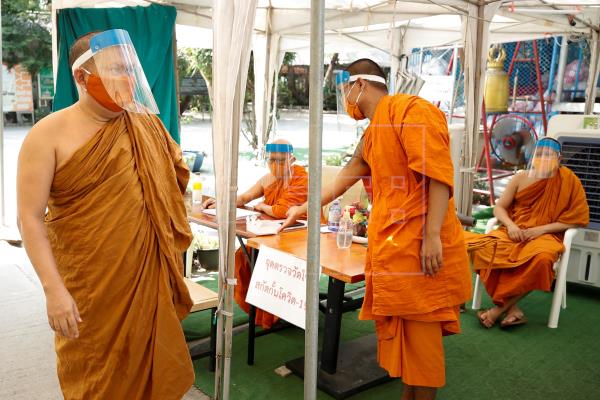 Finally, we take a look at Thailand, Thailand was the second country after China to have registered a Covid-19 case. Buddhist monks and local temples play a central role in towns and villages across Thailand. Monks engage with the community on a daily basis, while temples (each led by a chief monk) are often the institution people turn to when they feel anxious or troubled. The temples have also offered worship of various kinds and are at the centre of pilgrimages during certain observances and festivals. They have been the primary source of support, comfort, guidance, direct health care and social service. To fight against Covid-19, however, temples all around the country have been closed to the public. Temple personnel have adopted innovative measures such as setting up sanitizing tunnels and wearing a mask while performing their religious duties in order to comply with social distancing measures.
 With the US, UK and some other countries showing a declining graph for daily new Covid-19 cases against the backdrop of increasing vaccination rates there, Brazil and India are now the new pandemic epicentres. A fresh wave of infections is spreading fast in the two countries, with Brazil reporting new peaks in daily cases and India’s cases touching five-month highs.
 has emerged as the biggest exporter of the AstraZeneca vaccine through a local firm, the Serum Institute of India (SII), which is also the world’s biggest vaccine maker.
 Dr. Mike Ryan, executive director of the WHO’s health emergencies program, suggested that the uptick could be because “we may be relaxing a little before we’ve got the full impact of vaccination.” He added that he understands the temptation to socialize more and to revert to more normal behaviour, but “the problem is every time we’ve done that before the virus has exploited that.”
 With cases rising, and the Easter period a time when people meet up the German Authorities in the state of Mecklenburg-Western Pomerania sent hundreds of people were asked to leave by authorities after they failed to present a valid reason for their stay, The northern state, known for its Baltic Sea coastline, is a popular tourist destination, particularly among day-trippers.
 “Yes, we can do it. Here we can keep on dancing,” said Raffaella Serafini, the 45-year-old owner of New Dancing Days and a 35-year veteran of competitive ballroom dancing.
 Government members quickly denied knowledge of such wrongdoing. Interior Minister Gerald Darmanin asked police to look into the claims.
 While Canada continues to implement measures to reduce the spread of Covid-19 and the virus variants, Dr. Jason K. Lee of the Toronto Allergy and Asthma Clinic says its paramount to get allergy symptoms under control to know the difference between whether you’ve contracted coronavirus or just have allergies.
 Staying in Toronto, – Stigma towards people with obesity could be preventing some from signing up for early Covid-19 vaccine prioritization, advocates and doctors say.
 And to end this report we go back across the Atlantic to Sweden. On March 25th, 2023 the world will reach a milestone – or at least one country will. In Sweden, cash will be declared useless, and
  While there is a much separate discussion about Bitcoin and digital currencies, the cash question is just a matter of practicality. It is all to do with what consumers want, and Covid-19 has moved things along. Last March the World Health Organization told us all to switch to contactless “
 Since the start of the pandemic back in February 2020, the world saw a steady increase in daily infections to January 8 2021 when a record 844,590 cases were reported in a single day. Since then, we hoped that this peak would see a regular decrease in cases which happened until the 19th February where we saw a 7 day moving average of 361,643 cases. Unfortunately, since then we have seen the daily case rate increase until we now have at the latest count, 701,660 cases reported on the 1st April 2021.
 This brings global air travel totals back to 2003 levels. Resulting from the plunge in air traffic, airline financial losses are estimated to reach USD 370 billion, with Asia/Pacific accounting the biggest losses by 32%, followed by Europe (27%) and North America (24%).
 Due to the drastic fall in traffic, aircraft utilization dropped sharply by 58%, 50% and 43% for single aisle, twin aisle and regional jets, respectively. Nevertheless, the average utilization of dedicated freighters increased by 4%. The near-term outlook is for prolonged depressed demand, with downside risks to global air travel recovery predominating in the first half of 2021.
 While all regions have been heavily affected, Asia and the Pacific has suffered the most during this period, with a decrease of 84 percent in international arrivals, followed by the Middle East and Africa, with a decline of 75 percent. It is expected that international tourism will take between 2.5 to 4 years to return to the 2019 levels. The fall in international arrivals in 2020 translates into an estimated loss of 1.3 trillion USD in global inbound tourism expenditure with respect to 2019, more than 11 times the loss experienced with the 2009 global crisis.
 After reporting a decline in new cases for two consecutive weeks, the African Region reported a 22% increase in new cases (>62,000 cases) compared to the previous week, and over 1300 new deaths, a 6% decrease. The highest numbers of new cases were reported from Ethiopia (13 153 new cases; 11.4 new cases per .000 population; a 14% increase) and Kenya (9167 new cases; 17 new cases per 100,000; a 25% increase). The highest numbers of new deaths were reported from South Africa (566 new deaths; one new death per 100,000 population; a 31% decrease) and Ethiopia (137 new deaths; <0.1 new deaths per 100,000; a 28% increase).
 The Region of the Americas reported over 1.3 million new cases and over 32,000 new deaths, an 11% and 4% increase respectively compared to the previous week. Overall, there has been an increasing trend in weekly reported cases in the last five weeks. A slight increase in new deaths has been reported in the last two weeks after a decline in deaths for the six prior weeks. The highest numbers of new cases were reported from Brazil (533,024 new cases; 250.8 new cases per 100,000; a 5% increase), the United States of America (421 936 new cases; 127.5 new cases per 100 000; a 13% increase), and Peru (60,739 new cases; 184.2 new cases per 100,000; a 24% increase). The highest numbers of new deaths were reported from Brazil (16,798 new deaths; 7.9 new deaths per 100,000; a 10% increase), the United States of America (6,995 new deaths; 2.1 new deaths per 100 000; a 7% decrease), and Mexico (3,643 new deaths; 2.8 new deaths per 100 000; an 8% increase).
 The European Region reported over 1.6 million new cases and just under 24,000 new deaths in the past week, an 11% and a 7% increase respectively compared to the previous week. The number of new cases in the Region has been steadily increasing over the past five weeks while the number of new deaths has increased for the past three weeks.
 The Eastern Mediterranean Region reported just under 271,000 new cases and over 3,400 new deaths, a 3% and a 5% increase respectively compared to the previous week. Both cases and deaths are on an upward trajectory with new cases increasing for the past seven weeks and deaths for the past five weeks.
 The South-East Asia Region reported over 437,000 new cases and just under 3,000 new deaths, a 46% and a 21% increase respectively compared to the previous week. Cases in the Region have been steadily increasing over the past three weeks, with a sharp increase in the past two weeks.
 The Western Pacific Region reported over 84,000 new cases and just over 500 new deaths, a 32% and a 7% increase respectively compared to the previous week. The Region has reported a steep increase in the number of new cases over the past three weeks.
 “Vaccines present our best way out of this pandemic. Not only do they work, they are also highly effective in preventing infection. However, the rollout of these vaccines is unacceptably slow. And as long as coverage remains low, we need to apply the same public health and social measures as we have in the past, to compensate for delayed schedules. Let me be clear: we must speed up the process by ramping up manufacturing, reducing barriers to administering vaccines, and using every single vial we have in stock, now,” said Dr Hans Henri P. Kluge, WHO Regional Director for Europe.
 The leader of the coalition government PSD, CDS-PP and PPM continued, “the regional executive has been in permanent contact with mayors, diocese, security forces and other civil society actors” in the scope of combating Covid-19, considering that this action is also developed “based on the individual actions of each citizen and prudence”.
 Portuguese health authorities recommended the administration of the AstraZeneca vaccine against Covid-19 in people over 60 years of age, following the decision of more than a dozen countries, which also introduced age restrictions.
 The Regional Health Authority has said that for the municipalities of Nordeste and Vila Franca do Campo, the closure of all establishments for restaurants, beverages and the like, starting at 12:00 am Friday, April 13th.
 “Half of this batch will be delivered directly by the supplier to the Hospital de Santo Espírito in Angra do Heroísmo, and the other half will be delivered, in the same way, to the Hospital do Divino Espírito Santo, in Ponta Delgada”, the Health Authority said in a statement.
 For the islands of Santa Maria and São Miguel, which form the Eastern group, the notice will be in effect between 06:00 and 18:00 (19:00 Lisbon) on Sunday, while on the islands of Faial, Pico, São Jorge, Graciosa and Terceira (central group), the warning remains between 23:00 and 12:00 on Sunday.
 In the remaining islands, on this extended Easter weekend, the food and beverage establishments close at 22:00, with the sale of alcoholic beverages in the remaining establishments being prohibited from 20:00.
 And on Friday, there were 22 new Covid-19 cases (all cases of local transmission) and 29 recoveries. The number of patients in hospital decreased to 7, 1 of whom in intensive care.
 A fake text message inviting people to be vaccinated at Madeira Tecnopolo has been sent to several people on social media.
 So far, 26 pharmacies in the Region have signed a deal with the Madeira Regional Government in order to be able to carry out free antigen rapid tests.
 The Madeira Regional Government decided to extend the pandemic restrictions and the curfew until April 19th at 23h59.
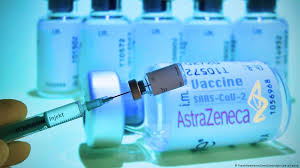 The Regional Health Directorate (DRS – Direção Regional de Saúde) decided to follow the guidelines of the DGS (Direção Geral da Saúde – Directorate-General of Health), the Vaccination Task-Force and INFARMED (Autoridade Nacional do Medicamento – National Authority of Medicines) and restrict inoculations of the AstraZeneca vaccine to those who are older than 60. Those who are younger will be inoculated with vaccines from other companies. The DRS reassured this will not have an impact on the vaccination schedule for the upcoming days.
 On April 7th, Pingo Doce started selling Covid-19 home testing kits at its Bem Estar areas that are located inside their stores in Madeira. These tests are available in 6 stores, are sold individually, cost €4.99 and will allow individuals to easily and quickly perform Covid-19 testing on themselves in their own homes. The test results are known within 15-30 minutes. In addition to these tests, it is also possible to buy face masks and hand-sanitiser gel at Pingo Doce stores.
 Pedro Ramos (Madeira’s Health and Civil Protection Secretary) expected the number administered doses to have exceeded 50,000 by Monday, with the inoculation of 1,200 teachers. He predicted that all teaching and non-teaching members of staff will be inoculated by the end of the week (April 11th). Around 3,600 teaching and non-teaching staff were inoculated in the week before Easter and 6,000 will be inoculated this week.
 Lar da Misericórdia (a care home) had also been due to receive their 2nd vaccine dose. At the end of this vaccination phase, 1,160 people will have been vaccinated in Porto Santo island, 15% of whom with the first vaccine dose.
 There were also around 28,000 lightning strikes, particularly in Calheta and Palheiro Ferreiro. This resulted in several power cuts across the island of Madeira due to lightning hitting power lines and equipment. Furthermore, the power cuts led to water supply disruptions in some areas in the municipalities of Câmara de Lobos and Funchal.
 Ryanair has reduced rates for all new bookings made before June 30 this year, for travel until October 31 this year, the low cost airline said in a statement.
 This decision by the municipality follows a set of exceptional and temporary measures to minimize the impact of the crisis that is reflected in the social fabric.
 According to the regional health delegate, compared to previous periods, there is now “a greater incidence in children”, with infected children who “managed to make more than 20 secondary cases”, transmitting the virus within the classroom and to their families.
 12, António Miguel Pina, president of AMAL – Intermunicipal Community of the Algarve, wanted to clarify that “some comments on the lack of testing capacity in the region are not true, they are unfair and incorrect”.
 The team of the company “Animaris”, which will give shape to the project, returned to the island to start the debris removal work. The 33 employees of the company join the owner of the restaurant José Vargas, who, with the support of his family, decided not to let his arms down and set out to rebuild the well-known “Estaminé”.