Overseas Situation Report, Friday February 26th 2021
“There’s good news and slightly less good news.” — Joanne Harris
Covid-19 has changed the way we live and work, as various health and safety restrictions keep more of us at home, more often. The resulting changes to our behaviour are already impacting the environment around us in myriad ways, according to comparisons of remote sensing data before and during the pandemic collected by NASA, U.S. Geological Survey (USGS), and ESA (European Space Agency) Earth-observing satellites and others.
At a virtual press conference on December 7th at the American Geophysical Union’s 2020, researchers presented some early findings at their Autumn meeting. They found that the environment is quickly changing, and the timing of those changes seems to indicate that the pandemic may be a reason. Deforestation rates are changing in some places, air pollution is diminishing, water quality is improving, and snow is becoming more reflective in some areas, since the pandemic began earlier this year.
Scientists and engineers use remote sensing data to observe how the world is changing during the Covid-19 pandemic, comparing current remote sensing data to pre-pandemic trends. Timothy Newman, National Land Imaging Program Coordinator for the United States Geological Survey (USGS) runs a programme that monitors weekly changes with satellite images from the joint NASA/USGS Landsat satellites and the ESA’s Sentinel-2 satellites.
Newman’s programme observed that large swaths of the Brazilian Amazon Rainforest were cleared from June to  September of this year, since the start of the Covid-19 pandemic. Rapid deforestation also is occurring in the tropics near Indonesia and the Congo. Yet, in other parts of the Amazon Rainforest such as Colombia and Peru, deforestation appears to have slowed somewhat since the onset of the pandemic.
Satellite images and data from Landsat also show a reduction in environmental pollution in this time period. Industrial activities in India, including extracting and crushing stone for construction projects, slowed or ground to a halt because of Covid-19 lockdowns. Soon after, surface air measurements and Landsat thermal infrared data showed that air pollution levels had dropped significantly. One study found that the concentration of an air pollutant called ‘particulate matter’ (PM) 10 decreased around a third to a fourth of the pre-pandemic level in India.
Ned Bair, a snow hydrologist with the University of California Santa Barbara’s Earth Research Institute, has been studying snow in the Indus River Basin — a network of mountain ranges and rivers near India, China, and Pakistan that supplies water for more than 300 million people.
 “Once the Covid-19 lockdown started in India, I immediately thought that it would have an impact on the snowpack. With less pollution in the air, he thought, there would be less dust and soot accumulating on nearby snow. Dust and other air pollutants affect snow albedo — how white and, therefore, reflective the snow is — as they accumulate on the surface of snow. Cleaner snow has a higher albedo, which means it reflects more light energy and, thus, melts at a slower rate.
Snowmelt is an important source of drinking water for more than 300 million people living in the Indus River Basin. While changes in albedo won’t change the overall amount of snowmelt, it will change the timing of when that snow melts – potentially affecting the available water supply in the region.
Whilst it is difficult to say that the pandemic is responsible for changes in the makeup of our water supplies, there were in certain places marked changes in the supply. For example, with most office workers now working from home, Manhattan in New York saw that the water has become clearer in the western Manhattan area because there were fewer people commuting to Manhattan during the lockdown,”
Sewage water from homes and businesses, as well as runoff from streets, is treated in wastewater treatment plants before being released into nearby rivers. When the city imposed a stay-at-home order in mid-March, many of Manhattans’ 2.1 million commuters began working from home or left the city. Fewer people producing those pollutants means that fewer particles ended up in the water in the Hudson River. Satellite data showed a more than 40% drop in turbidity during the pandemic in a section of the Hudson River.
On the opposite side of the Atlantic, in London, we see another product of the lack of movement around the city. This time it is not a benefit but a pest. That pest is the increase in Rats. According to a report from CNN, Pest Controllers say that, as many restaurants and office buildings in London’s bustling city centre remain empty, rats are forced to migrate to more residential areas in search of food.
Families spending more time at home – and eating all their meals there — have led to an increase in refuse and that is luring rats into suburban dwellings. Meanwhile, bird feeders – kept replenished through the winter – are encouraging rodents to burrow in gardens.
Exterminators say that rats are migrating to more residential areas in search of food during lockdown. “We had a case of an old lady who used to feed her beloved robins,” Coates tells CNN. “By the time she called us there were maybe 10 to 15 rats digging around the flower beds,” he adds.
Paul Claydon, another exterminator, based on the edge of Epping Forest in the capital’s east, has seen worse. He says he recently killed off a colony trying to dig into a rabbit hutch to eat an unsuspecting family pet.
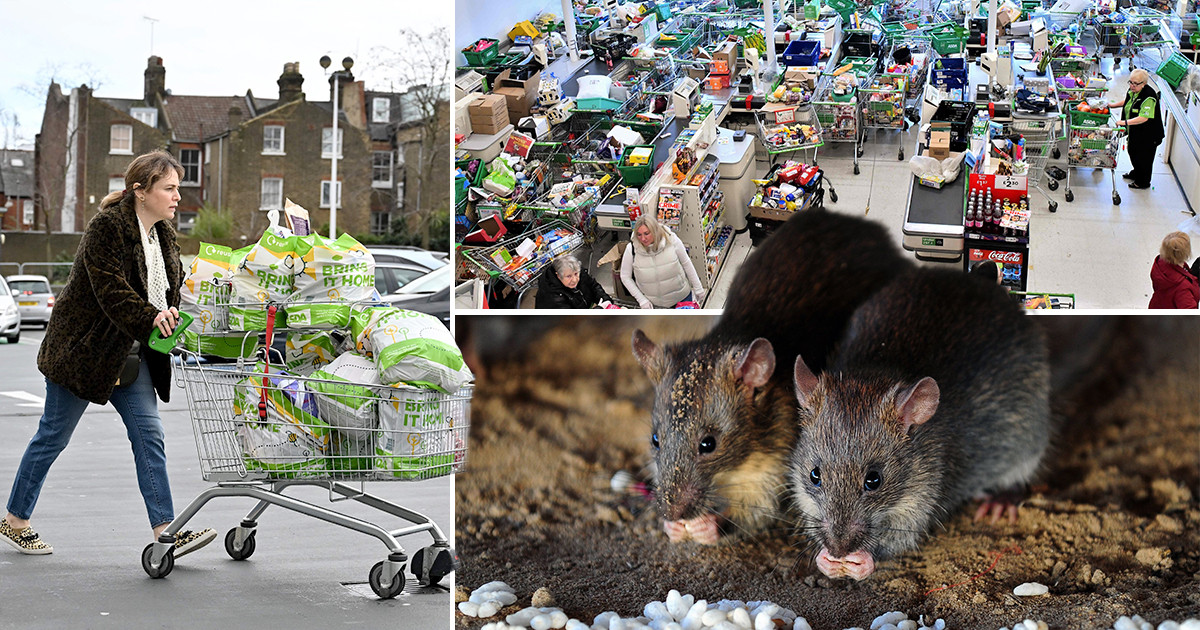 The British Pest Control Association (BPCA), which represents 700 vermin catchers across the country, said its members reported a 51% hike in rodent activity during the first lockdown, in the spring of 2020, and a 78% increase in November after another lockdown was brought in. They haven’t yet calculated figures for this year but told CNN sightings were up, presenting a public health problem which many homeowners are left to deal with on their own. “We may see rats now where we wouldn’t normally because they are so desperate,” says Natalie Bungay, of the BPCA. “Rats can chew through very hard substances like soft metals and brick.”
Nobody really knows how many rats there are in London, though some private surveys from exterminators claim they could number up to 20 million. Its likely there are more of them than the city’s nine million human inhabitants, whose population growth is slowing, according to the Office for National Statistics. Rats, meanwhile, can multiply fast. Research by pest control firm Rentokil, cited in the GLA report, claimed just one breeding pair of rats can lead to the birth of about 1,250 rats in a year.
The size of rats is increasing too. Claydon claims its not uncommon for him to catch a rat measuring up to 40 centimeters (15.7 inches) these days. Many, he says, require stronger traps and more poison to kill.
Bungay says the best pest control starts with prevention. That means sealing off any food waste outside the house in appropriate rubbish containers, keeping food locked away inside the house and checking all air vents are property protected with steel mesh and cracks filled with steel and cement. The avid gardener should also be aware that compost heaps attract rats.
I suppose we have to expect the good with the bad so, until the next time, Stay Safe, Stay Home.
Total number of cases worldwide – 113,267,072
Total number of deaths worldwide – 2,512,183
Total number of recovered cases worldwide – 88,839,280
Active cases – 21,915,145 (19.3% of Total Cases)
Closed cases – 91,351,463
Information and statistics from:
https://www.worldometers.info/
https://www.sciencedaily.com/
https://edition.cnn.com/2021
Overseas Situation Report, Wednesday February 23rd 2021
“There is little difference in people, but that little difference makes a big difference. The little difference is attitude. The big difference is whether it is positive or negative.” – W. Clement Stone
With the anniversary of the outbreak of the Covid-19 virus happening across the world, you may be forgiven for thinking that this has seemed like a lot longer than a year. It has been described by the UK Prime Minister as the “worst public health crisis for a generation”. However, with all the mainstream media bombarding us with statistics and scientific information, there have been a lot of positives over the past year and I thought it may be the right time to tell you about a few.
 The situation evolved drastically over the past year, with countries going into lockdown, and then relaxing restrictions, and then tightening them again and so on. The constant uncertainty over how we live our lives, underlying anxiety about the devastating consequences of the disease and impact of social isolation and financial concerns on our mental health has been extremely difficult. Whilst there have been incredibly positive updates – like the rollout of vaccines – it can be hard to focus on these when there are conversley negative stories elsewhere and the history of the pandemic itself has shown the up-and-down nature of Covid-19.
Now a year on, the ubiquitous breaking news related to the pandemic shows no sign of slowing down as the threat and spread of the virus continues to change. Last year, the World Health Organisation (WHO) suggested that if your mental health is suffering with the anxieties that the news brings, to limit and ‘seek information updates at specific times during the day once or twice’. We all know this is easier said than done when every media outlet seems to be vying to be the first to tell us more “bad” news.
So, for a change let’s look at a couple of positive stories about two remarkable women who have both made a difference to people’s lives in their own way.
A French nun who is Europe’s oldest person has survived Covid-19, just days before her 117th birthday. Lucile Randon, who took the name of Sister Andre in 1944, tested positive for coronavirus on 16th January but didn’t develop any symptoms.
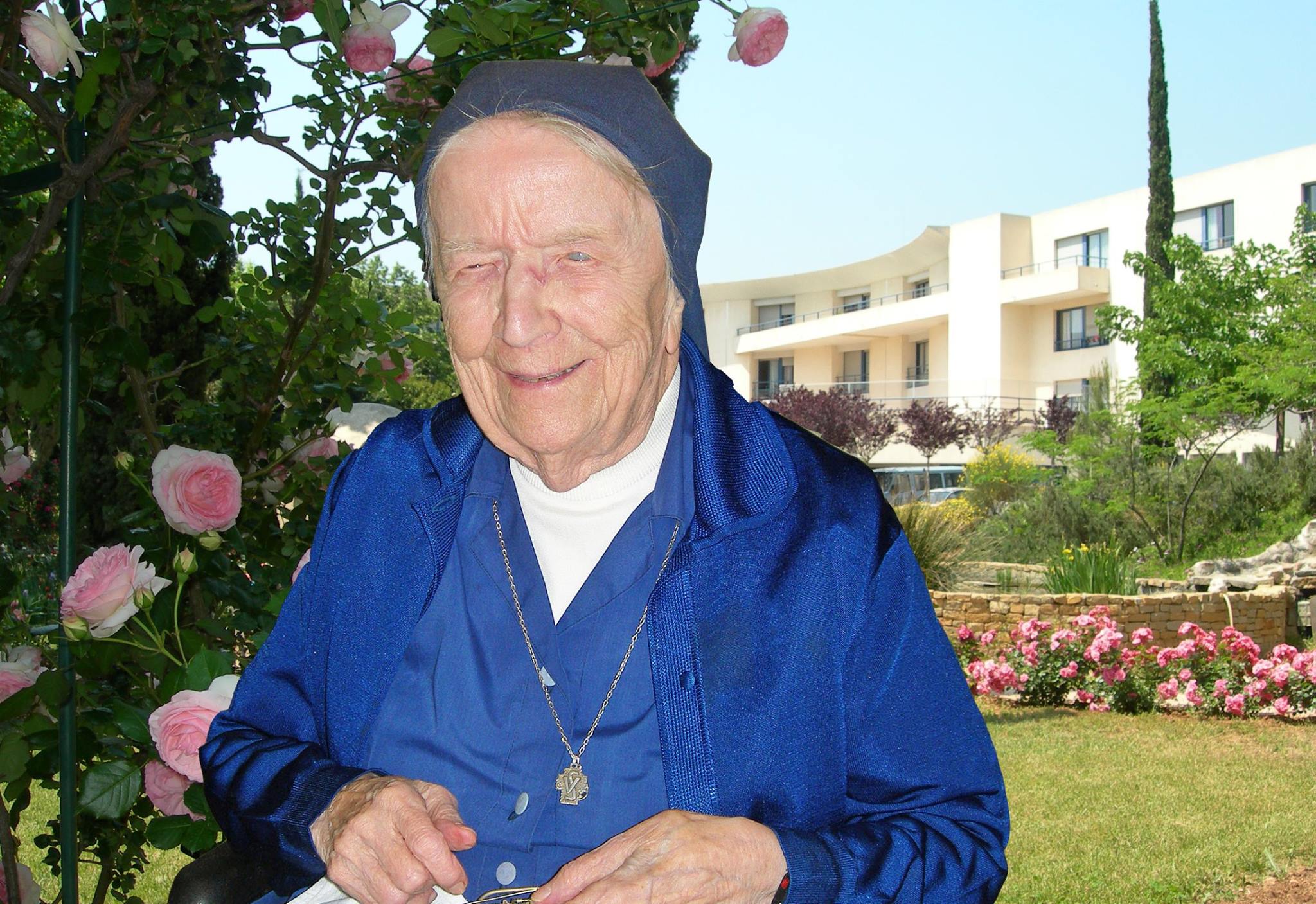 Sister Andre, who is blind and uses a wheelchair, was now looking forward to celebrating her birthday last Thursday – although she planned to mark the occasion with a smaller group of residents than usual.
On the day, Sister André took part in a Mass in her honour and a feast with Champagne, red wine and port. Then came a nap followed by more festivities, including an afternoon snack of Baked Alaska, her favorite dessert.
“It made me very, very, very, very happy,” the birthday girl said. “Because I met all those I love and I thank the heavens for giving them to me. I thank God for the trouble they went to.” Her birthday feast included a starter of foie gras, followed by capon with fragrant mushrooms. “All of it washed down with red wine because she drinks red wine. It’s one of her secrets of longevity,” according to the Care Home manager in Toulon where she lives.
Sister Andre was born on 11th February 1904. As well as being Europe’s oldest person, she is also the second-oldest living person in the world, according to the Gerontology Research Group’s (GRG) World Supercentenarian Rankings List.
Across the Atlantic in Denver, Colorado, our next remarkable story is about a Music Teacher.
For more than 50 years, Cornelia Vertenstein, 92, has taught piano lessons from her home in Denver. Every week, through all those years, a parade of children came to her door, books in hand.
They practiced for an hour at the Chickering & Sons piano that Ms. Vertenstein and her former husband, both Holocaust survivors from Romania, bought for $600 in 1965, two years after landing in the United States. And when  the children left, at least the little ones, Ms. Vertenstein gave them a sticker for encouragement. They gave her a hug.
The coronavirus had put an end to those visits. But Ms. Vertenstein would not let it put an end to the lessons. And she certainly would not let it cancel Spring Recitals. By way of modern technology, she was able to continue providing her students with lessons by way of Zoom meetings on her iPad.
Her friends called her Nellie, but most students and parents respectfully call her Dr. Vertenstein, a nod to her doctorate in music and her formal manner. She has been teaching piano since she was 14, first going door-to-door in war-torn Romania.
She had about 30 students during these days, ages 6 to 17. Normally, they came to the house on Fairfax Street, one at a time. Some came as early as 6:30 a.m., some as late as 7 p.m., some on the weekends.
“It’s very nice to see children at the door,” Ms. Vertenstein said. “They come, and they are smiling and ready for piano.”
Sadly, after a brief illness, she passed away at the age of 93 on 12th February 2021 from Pneumonia. As her condition worsened this month, she reflected on her life’s work.
“If I die, don’t be sad,” she told her daughter, Mariana. “I led a productive life helping children. ”Her story was picked up and reported in the USA for the New York Times back in May 2020 and she became a bit of a “celebrity”. The journalist who wrote her story said that he never actually met the lady due to Covid-19 and all the interviews took place on FaceTime and over the phone. But she left a lasting impression on him and countless others whom she never met, judging by how widely and quickly her story spread. It spawned an invitation to the “Today” show (she declined) and inspired a German telephone commercial, among other things. Her family teased her for being a celebrity, but she was uncomfortable with the attention.
“She’d say, ‘I just want to teach,’” her daughter said.
Always a woman of incredible strong will, she gave one last piano lesson just before going to the hospital for the final time.
Until the next time Stay Safe and Stay Home.
Total number of cases worldwide – 112,427,701
Total number of deaths worldwide – 2,489,512
Total number of recovered cases worldwide – 87,985,886
Active cases – 21,951,803 (19.5% of Total Cases)
Closed cases – 90,475,398
Information and statistics from:
https://www.worldometers.info/
https://www.startribune.com/
https://www.elle.com/uk
https://www.bbc.com
Overseas Situation Report, Monday 22nd February 2021
“If you start with a positive attitude on Monday, it’ll be a lot easier to fight off negativity the rest of the week”. – Unknown
There has been a lot of euphoria around the world surrounding the vaccine programme starting to ramp up. After a slow start for some countries, they are now starting to get the vaccine out to where it is most needed, the older and more vulnerable of the population.
However, whilst this is good news, we must also be aware that the virus is not just going to go away and disappear. In fact, there are signs that for a few countries the third wave (as many commentators like to refer to it) is already starting in countries close to home. Today we look at two European neighbours, albeit distant neighbours, France and Italy and what is the situation in these countries at the moment.
 In France, where they have now recorded over 3.5 million cases and 84,000 deaths, there is growing concern that, despite the vaccine programme moving up a gear from a very slow start, the number of new cases seen since the beginning of this month is not reducing anywhere near the sort of figures some other nations are recording. On the 1st February the 7 day rolling average of new cases stood at 20,515 per day. On the 20th February this figure stood at 19,217. A reduction but a rather small reduction.
A worrying factor is the rise in cases seen in the south of the country. The rapid spread of coronavirus infections in and around the French Mediterranean city of Nice will require further restrictions on movement, according to Health Minister Olivier Veran. The minister said decisions about possibly further tightening limits on people’s movements will be taken over the weekend. “There are a few cities and areas in France where the virus is circulating much more quickly than elsewhere and this may require regional lockdown measures,” Véran said during a visit to a health centre in Nice. Christian Estrosi, the conservative mayor of Nice, who accompanied Véran on his visit agrees that something needs to be done and said “If the government decides we need to go to a partial lockdown, for instance each weekend, I will support it and encourage it,”.
The mayor called on Sunday (February 21st) for a weekend lockdown in the area to stop the flow of visitors, saying tourists are welcome in normal times, but the city needs to focus on battling a sharp spike in coronavirus infections. The Nice area has the highest Covid-19 infection rate in France, with 740 new cases per week per 100,000 residents, according to Covidtracker.fr. This number is triple the national average.
The French government has used local curfews and lockdowns in other areas but has generally preferred nationwide measures. Since January, France has had a 6.00 pm curfew on most activities and despite these measures the number of cases have not reduced sufficiently to relax the measures.
 The north and northeast of France, as well as central and eastern Paris, are also showing high infection rates, with about 250 new cases per week per 100,000 residents in Paris. By comparison, the cities of Nantes and Montpellier only reported about 100 new cases per week per 100,000 people and the city of Brest on the western tip of Brittany just 26.
These increases have meant that The French Health Ministry has asked regional health agencies and hospitals to go into “crisis organisation” from February 18th to prepare for a possible surge in coronavirus cases due to highly contagious variants, Le Journal Du Dimanche reported last Sunday. The move, which would echo measures taken in March and November 2020 when France went into national lockdowns, involves increasing the number of hospital beds available, delaying non-urgent surgery and mobilising all medical staff.
A similar story is emerging from Italy. With almost 2.8 million recorded cases of Covid-19 and over 95,000 deaths since the start of the Pandemic, Italy, in the last month has seen their average 7 day rolling average of new cases at 12,227 on the 1st February only drop to 12,141 on the 20th February. Again, a very small decrease but this is a worrying trend for the authorities.
On the 21st February, the Italian president Sergio Mattarella led tributes to Italy’s doctors, nurses and healthcare workers as the nation marks one year since Covid-19 was detected in the northern town of Codogno.
The newly-established national day coincides with the detection of coronavirus in “Patient 1” when doctors broke protocol by performing a Covid test on a 38-year-old man, after he presented with a high fever, cough and shortness of breath. 326 doctors have died in Italy since the start of the coronavirus crisis, according to the national doctors’ guilds federation FNOMCEO.
With the death toll from Covid-19 still on the increase, there are reports that Italian Prime Minister, Mario Draghi’s administration, is about to accelerate Italy’s Covid-19 vaccination program, taking inspiration from the U.K. campaign, in an effort to contain the outbreak of the coronavirus. In a cabinet meeting on Monday, the newly appointed Italian government will follow the example of the UK government and proceed with a mass vaccination using all available doses, without setting aside some of the vaccines for second shots. This comes after Italy’s regional governors asked the government to increase efforts to find more vaccine doses. It is expected that Monday’s cabinet meeting will also decide to extend to beyond March 5th, a ban on people’s movement between regions, due to expire on February 25th, and will discuss more measures and restrictions to contain the pandemic outbreak in the country.
 Italy has already extended the shutdown of the country’s ski lifts until the 5th March. The news was announced on Sunday by government officials just a night before ski resorts were supposed to reopen in Italy. According to local reports, the officials were worried about new Covid-19 variants; as of now, the British variant is responsible for more than 18 percent of the new infections in the country.
The situation in both of these countries is a somber reminder that the virus is very difficult to eradicate and we must all do our part to comeback the spread of the disease.
So, until the next time Stay Safe, Stay Home and Stop the Spread.
Total number of cases worldwide – 111,809,745
Total number of deaths worldwide – 2,474,924
Total number of recovered cases worldwide – 87,112,121
Active cases – 22,164,271 (19.8% of Total Cases)
Closed cases – 89,645,474
Information and statistics from:
https://www.worldometers.info/
https://www.france24.com
Overseas Situation Report, Friday 19th February 2021
“Act as if what you do makes a difference. IT DOES!” – William James
A slightly different Overseas Report today, as l concentrate on the current situation across the World with regards to the rate of infections of Covid-19 over the past week..
 The news channels have been full of reports these past few days of how countries are seeing a dramatic drop in infections. Whilst this is true to a certain extent, data just released by the ECDC, European Centre for Disease Control shows that countries across Europe especially should not be too quick to relax measures that have been in place.
Transmission is still widespread in the EU/EEA, even though most countries are experiencing stable or decreasing case rates. However, absolute numbers remain high, with increasing case rates among older age groups and increasing death rates in several countries. Around one third of countries are seeing increases in hospital or ICU admissions and/or occupancy due to Covid-19.
While many countries are currently seeing a decline in overall infections as a response to Non Pharmaceutical Interventions (NPI’s) – or lockdowns to you and I – the introduction and increased spread of new SARS-CoV-2 variants first identified in the United Kingdom (B.1.1.7), South Africa (B.1.351) and Brazil (P.1) has raised concerns. As suggested by recent anti-lockdown protests and civil disturbances in some European cities, pandemic fatigue could adversely affect the continued acceptance of and compliance with NPI’s by the population.
Across the world, the rate of new coronavirus cases is declining, according to figures provided by the WHO, World Health Organisation. The number of new coronavirus cases has declined by 16 percent worldwide over the past week, even as more virulent strains of the virus spurred outbreaks in multiple regions. A total of five out of six WHO regions reported a double-digit percentage decline in new cases, with only the Eastern Mediterranean Region showing a 7% rise. Europe and the Americas continue to see the greatest drops in absolute numbers of cases.
The number of new deaths reported also fell, with 81 000 new deaths reported last week, a 10% decline as compared to the previous week. This brings the global cumulative numbers to 108.2 million cases and over 2.3 million cases (as I write this report) since the start of the pandemic.
In the past week, the five countries reporting the highest number of new cases continue to be the United States of America (673 630 cases, a 23% decrease), Brazil (318 290 cases, a 3% decrease), France (127 565 cases, a 6% decrease), the Russian Federation (104 602 cases, an 11% decrease), and the United Kingdom of Great Britain and Northern Ireland (97 271 cases, a 27% decrease).
One region where reporting is not as widespread is the Africa Region. In the past week, the African Region reported over 68 000 cases and 2500 deaths, a 20% and 21% decrease respectively compared to the previous week. This is the fourth consecutive week the Region reported decreases in both new cases and deaths. The highest numbers of new cases were reported in South Africa (16 363 new cases; 27.6 new cases per 100 000 population; a 33% decrease), Zambia (7027 new cases; 38.2 new cases per 100 000; a 13% decrease) and Nigeria (6422 new cases; 3.1 new cases per 100 000; a 26% decrease),
The countries reporting the highest number of new deaths in the past week were South Africa (1641 new deaths; 2.8 new deaths per 100 000; a 26% decrease), Zambia (101 new deaths; 0.5 new deaths per 100 000; a 7% increase), Nigeria (100 new deaths; <0.1 new deaths per 100 000; a 45% increase) and Malawi (100 new deaths; 0.5 new deaths per 100 000; a 33% decrease).
 As I indicated at the start of this piece, there is one area where the number of cases has increased over the past week. This is the Eastern Mediterranean Region which encompasses the Arab States, Lebanon and, surprisingly, Pakistan.
In the past week, the Eastern Mediterranean Region reported over 170 000 new cases, a 7% increase compared to last week. The region reported just over 2500 new deaths, a 9% decrease. The three countries reporting the highest numbers of new cases continue to be the Islamic Republic of Iran (51 503 new cases; 61.3 new cases per 100 000 population; an 8% increase), United Arab Emirates (22 203 new cases; 224.5 new cases per 100 000; a 2% decrease) and Lebanon (19 156 new cases; 280.7 new cases per 100 000; a 1% increase).
The highest numbers of new deaths continue to be reported in the Islamic Republic of Iran (471 new deaths; 0.6 new death per 100 000 population; a 10% decrease), Lebanon (399 new deaths; 5.8 new death per 100 000; a 25% decrease) and Pakistan (362 new deaths; 0.2 new death per 100 000; a 24% increase).
Whilst there is room for optimism, it is also the case that the pandemic is nowhere near over and we must all do all we can to keep the rate of infection down.
As for a closing message I would ask you to think of this to help keep the rate down:
Avoid the 3Cs: spaces that are closed, crowded or involve close contact.
 Outbreaks have been reported in restaurants, choir practices, fitness classes, nightclubs, offices and places of worship where people have gathered, often in crowded indoor settings where they talk loudly, shout, breathe heavily or sing.
The risks of getting Covid-19 are higher in crowded and inadequately ventilated spaces, where infected people spend long periods of time together in close proximity. These environments are where the virus appears to spread by respiratory droplets or aerosols more efficiently, so taking precautions is even more important.
Meet people outside. Outdoor gatherings are safer than indoor ones, particularly if indoor spaces are small and without outdoor air coming in.
Avoid crowded or indoor settings but if you can’t, then take precautions:
Open a window. Increase the amount of ‘natural ventilation’ when indoors.
Wear a mask
Above all, Stay Safe until the next time.
Total number of cases worldwide – 110,860,805
Total number of deaths worldwide – 2,442,942
Total number of recovered cases worldwide – 85,805,019
Active cases – 22,601,023 (20.4% of Total Cases)
Closed cases – 88,259,782
Information and statistics from:
https://www.worldometers.info/
Overseas Report – Wednesday 17th February 2021
“There’s no place like home and I do miss my home.” – Malala
Throughout the Pandemic, we have seen stories from around the world of people being stranded in a foreign country. In the early part of 2020, there was a lot of publicity surrounding those people who were on yachts or on a voyage around the world who became victims of the pandemic, even though they had not seen or mixed with anyone for months. When they tried to reach a port, they were either refused entry or were put into quarantine for a long period.
These stories seem to have largely disappeared but across the world there are still people desperate to get home having spent months longer than they intended to in a foreign place.
 We get messages at Safe Communities all the time from UK residents asking for advice to get back to the UK, with direct flights from Portugal having been stopped. There are still alternatives for many, although with the latest quarantine arrangements put in place by the UK government this is now a very expensive alternative.
However, spare a thought for the thousands of Australians who are probably the most travelled of all people. For many years, they have moved to all parts of the globe to work or to have an extended holiday. When the pandemic first, hit there was a rush to get back home but as the number of cases began to rise in Australia the government there made the decision to stop all International Arrivals into the country, which left many of its citizens stranded across the world.
For a country as large as Australia and with a population of under 26 million, you may expect the number of cases to be relatively low compared to many smaller and more populated countries. Since the start of the pandemic, they have recorded just 28,905 cases of Covid-19 and the death count stands at 909. Australia currently has 1,868 active cases.
Many cite the fact that, like New Zealand, their government shut down the country to foreigners immediately in order to stop the spread. The latest report shows just 5 cases reported. When this happens, the government takes what many see as draconian action by shutting down whole cities, with stiff penalties for those who don’t comply with the rules.
Meanwhile their citizens in far flung countries, where the virus is so much more prevalent, are desperately trying to get home. However, the Australian government has put quotas on the number of foreign arrivals allowed into Australia which is having an effect on many Australians.
Australia is now facing the “second wave” of travellers who want to return home, Ann-Catherine Jones is a travel adviser who has become something of a flight whisperer in recent months as she navigates complicated regulations to help stranded Australians get back.
 She said the next six weeks would be especially hard given government caps on international arrivals but added that this was just one part of the puzzle.
“There’s a bit of myth busting that needs to happen with the general public on stranded Australians,” she said. Ms. Jones said no-one she dealt with was travelling for leisure. Instead, it was a mix of work commitments and family tragedies.
Second, many people were only just now looking for flights, having always planned to come back in 2021.
“We’ve got people who are finishing their jobs, that they’re at the end of their contracts,” she said.
“We’ve got health workers overseas who are needing to be repatriated. We’ve got families needing to come back from the US with their dogs and their kids. Another misconception, according to Ms. Jones, was the number of seats available on each flight that did make the trip. Ms. Jones said while the aircraft itself may have 400 seats, they only had between 25-50 available, due to daily caps on international arrivals.
On Friday, the National Cabinet all but ruled out lifting the cap for almost another month after they had been temporarily halved in NSW, Queensland and Western Australia to halt the spread of the new UK variant of the virus. This new variant from the UK has caused further issues with some of the transit points that Australians would usually use to get back home. New border restrictions in both Hong Kong and Singapore meant certain flights from the UK couldn’t stop there, and Australians who had booked flights that had planned to transit through those airports suddenly found themselves dumped.
About 39,000 people are currently registered with the Department of Foreign Affairs and Trade as being overseas and wanting to return.
Whilst most of these people desperate to get home are stuck in a foreign country, spare a thought for the poor crew of a Panama registered oil tanker now beached just 5 metres from where holidaymakers are sipping coffee and cool drinks.
Abandoned by the vessel’s owner, their wages unpaid for 32 months, the five-person crew of the Iba are in limbo. If they leave the ship, they will lose their claim to the hundreds of dollars owed to them. What began as a normal seafaring job turned into a “living hell”, the men say, after the tanker’s owner, Alco Shipping, once one of the UAE’s largest shipping firms, ran into financial difficulty and stopped paying salaries almost three years ago. Since then, they have been forced to rely on charities for food and water. Although this situation started before Covid-19, the pandemic has only made things worse for the seamen. In January, the vessel, which is almost out of fuel, broke two anchors in rough seas in Al Hamriya Port, just north of Dubai. The crew spent a terrifying 12 hours as the Iba listed at an angle of 45 degrees and began drifting in the busy waters of the Gulf, before finally running aground on the sand, metres from the beach. If the crew set foot on land, they risk being detained for not having the right documents.
 The Mission to Seafarers, which dropped food to the men last month, hopes negotiations to repatriate the crew can be concluded soon. The Rev Andy Bowerman, the charity’s regional director in the Middle East and south Asia, says the contrast between the tourists on the beach and the crew is stark. “People go and sit on deckchairs on the beach and take coffee and look at them. Its a bizarre situation. But these are real people in a real situation.” “We were hoping that once they got beached, [this] would be resolved more quickly,” says Bowerman, who is helping to mediate negotiations between Alco and the crew.
“But it’s been two and a half weeks. The authorities need to think very carefully about how this is perceived by the wider world. These men have had to stay on a ship, unpaid, relying on charities for food and water. If there was strong maritime legislation in place this ship would be arrested and put out to auction almost immediately.”
With the owner of the ship now in prison, his brother is trying to arrange to repatriate the seamen. Let’s hope it doesn’t take too long before they are all back home with their families.
Until the next time Stay Safe and Stay Home.
Total number of cases worldwide – 109,829,908
Total number of deaths worldwide – 2,422,761
Total number of recovered cases worldwide – 84,402,457
Active cases – 22,851,279 (20.8% of Total Cases)
Closed cases – 83,860,982
Information and statistics from:
https://www.worldometers.info/
https://www.abc.net.au/news
https://www.theguardian.com/
Overseas Report – Monday 15th February 2021
“I’ve missed more than 9000 shots in my career. I’ve lost almost 300 games. 26 times I’ve been trusted to take the game winning shot and missed. I’ve failed over and over and over again in my life. And that is why I succeed.” – Michael Jordan
As this is published the USA will have reached a rather sad milestone of 500,000 deaths from Covid-19. Across the world the figure is now over 2.4 million. While the vaccine programme is now underway and the USA has administered almost 50 million doses, we look at what progress other countries have made in the past couple of weeks when for many it was the start of the programme.
 Across the world 171.5 million doses have been given to people across 88 countries. A long way from the 219 countries affected by the virus. Israel is still leading the “race” to get all of its citizens vaccinated, with more than a third of the population now having received at least one dose, and the UK is still second.
Across Europe, where there has been criticism of the pace of the vaccine rollout, the momentum is starting to increase. Across the whole of Europe over 62 million doses have been administered so far. With such a diverse number of countries to compare, the best way to look at this is to look at the number of vaccines that have been administered for every 100 of the population.
There are still some countries in Europe that have yet to start a vaccine programme. These include The Balkan States of Montenegro, as well as Ukraine. The country where they have the lowest vaccine per 100 people is Albania at just 0.1 per 100 with the UK at the top of the list with 22.2 doses per 100.
Two countries which perhaps have been somewhat less discussed are behind the UK. Serbia with a population of 8.7 million has recorded 419,493 cases of Covid-19 since the start of the pandemic. The death toll is 4,214 which is 484 deaths per 1 million population – it is in the lower part of the table and they have coped fairly well. Their vaccine rate is 14 doses per 100 of population. The other country in third place is Malta. Although a small island nation with just over 440,000 population they have already administered 11 doses of vaccine per 100 people.
 Elsewhere in Europe the situation is not so good. There is a marked drop in numbers after Malta to the next country which is Denmark, followed by Cyprus, both around 6 doses per 100 people. The news has been full of stories of delayed vaccines in Europe and many of the main European countries are struggling to get the required vaccine from the manufacturers. This seems to be the case in both France and Germany where their rate of inoculation is 4.35 and 4.74 doses per 100 people. To put this into perspective, Portugal has currently administered 4.96 doses per 100. There has been criticism of the programme in Portugal but when comparing these figures you can see that overall Portugal is doing fairly well at this time.
Returning to the USA and we find that their vaccine programme is starting to move a lot faster than when it started on the 2nd January 2021. Since the change-over at the White House, the new administration has put a priority on getting a more dedicated federal programme of vaccinations. Previously it was left to individual states to sort out their own programme, which led to a lot of delay and mis-management.
 The new administration is committed to see 100 million vaccines rolled out in the first 100 days of office. Vaccinations have sped up considerably since the start of the year, more than doubling in Mr Trump’s last week in office, compared to the first week of January. The daily average for the week before Mr Trump left office was less than 900,000, according to Our World in Data, although there could be a slight lag in recording daily vaccination figures. That figure has since risen above one million doses, and President Biden has said he’s hopeful of achieving 1.5 million doses a day, but “we have to meet that goal of a million a day”.
The USA currently is administering 15.1 doses per 100 people and are the 4th highest behind the UK in this count.
In South America, the vaccine programmes are causing some countries political upheaval. Peru has just sworn in its 5th Health Minister since the pandemic started after a scandal broke this week over former President Martin Vizcarra receiving a coronavirus vaccine before it was widely available in the South American nation.
President Francisco Sagasti said, on Saturday, that Health Minister Pilar Mazzetti, who led the health office during Vizcarra’s administration, handed in her resignation on Friday (11th) night. The country has reported over 1.2  million cases of Covid-19 and more than 43,000 coronavirus-related deaths to date, according to Johns Hopkins University data. It is struggling to get a surging second wave under control as hospitals are pushed to their limits.
Peru launched its Covid-19 vaccination programme last week, offering the first doses of the vaccine developed by Chinese company, Sinopharm, to healthcare workers. The country received 300,000 initial doses. Vizcarra, the former President, has said he did not jump the queue to receive the jab, but rather that he got it as part of a trial. Peru is facing an oxygen shortage for Covid-19 patients, something that has also presented big challenges to healthcare networks in other South American nations.
Whilst the pandemic continues and countries fight to inoculate their citizens, we all hope that we will see an end to the high death count, which only the vaccine rollout will show to be effective in the fight.
Until the next time Stay Safe, Stay Home.
Total number of cases worldwide – 109,248,019
Total number of deaths worldwide – 2,408,054
Total number of recovered cases worldwide – 81,301,453
Active cases – 25,387,037 (23% of Total Cases)
Closed cases – 83,860,982
Information and statistics from:
https://www.worldometers.info/
Overseas Report – Friday 12th February 2021
“Keep your face always toward the sunshine – and shadows will fall behind you.” – Walt Whitman
Today’s report is looking at how countries across the world are faring in their fight against the Pandemic. For many, the past month has seen a dramatic fall in the number of cases reported. What they all have in common is the fact that they have all been in one form of lockdown or restrictions for their citizens.
 To many people the restrictions placed on them by their respective governments has been seen as the right way to curb the virus. However, there are an increasing number of people across the world who see it as a restriction of their human rights and we have seen several demonstrations in various countries recently against the continued lockdown in many countries.
Sky News, the satellite TV news station, has published regular statistics since the start of the pandemic showing the comparison between the latest 14 day average case rate and the previous 14 day case rate. They have listed 182 countries where the data has been compiled by the John Hopkins University in the USA and the data included only countries with more than 300,000 citizens.
The results have been quite interesting. I am going to highlight a few in this report. To see the full list see the link at the bottom of the report.
The country that has shown the biggest fall in cases in the past month is Ireland. Four weeks ago their two week case rate was 964.8 cases per 100,000 people. The latest figure shows it now at 358.2 cases per 100,000. The country, since the start of the pandemic, has seen three lockdowns and the latest is due to run until the 5th March. With most shops shut and bars and restaurants closed there is also a 5km limit on travel, unless for essential or medical reasons.
In addition, schools have remained shut since Christmas and whilst some with special needs may reopen in the next couple of weeks, the vast majority of students will continue with online learning.
Looking ahead, it looks very likely that the travel ban will continue and some believe that overseas travel in 2021 will be almost non existent. Currently there are fines for people travelling abroad without specific reasons.
The next country on the list which has shown the largest drop is the UK. I am sure many will be aware of the restrictions in place in the UK. Similar to Ireland, the UK has seen its 2 week average rate drop from 949 cases per 100,000 to 493.6 in the last month.
 The country with the next best reduction is a country relatively less spoken of, and that is Panama. With a population of 4.6 million the number of cases reported since the start of the pandemic is 329,367. Since the start, they have seen 5,550 deaths from Covid-19. Four weeks ago they had a 14 day average rate of 825.6 cases. In the past two weeks this has fallen by 100% to 412.7. Panama closed its borders back in March 2020 when the pandemic started and only recently reopened them. With the highest number of infections in Central America, the country has been in lockdown for much of the past 8 months. Since the 14th January some parts of the country has had a curfew imposed from Monday to Friday from 9.00 pm to 05.00 am to curb the virus. The rest of the country is also under curfew but from 11.00 pm to 04.00 am.
Of the 182 countries listed in the report, 64 countries have seen their 14 day average case rate increase in the past month. The country with the highest increase is Bahrain, a month ago their 14 day average stood at 286.7 cases per 100,000. The last 14 day average shows this figure now at 501.6. With a population of just 1.73 million they have reported 109,604 cases and 391 deaths. In the same way that many countries have seen the third wave start after the turn of the year, Bahrain was no different. However, they have not seen the drop like many other countries in the past month. Unlike many countries Bahrain has not been in a lockdown situation since the start of January. Life has been pretty much as normal for its citizens. However, in the last month they have seen cases rise and this has forced the government to put in place a number of restrictions.
These include Indoor gyms, sports halls and swimming pools will be temporarily closed while a maximum of 30 people will be allowed to participate in outdoor exercise organised by gyms. In addition, Bahrain will suspend prayers and religious events at mosques for two weeks as of February 11th, Worshippers instead can follow the Friday prayers and sermon live as they air from the Ahmed Al-Fateh Islamic Centre.
 One country in Europe which has seen exceptionally high case numbers is Montenegro, in the Balkans. Over the last four week period, their case average started at 1005 per 100,000 and is now at 1172.7. Along with some of the other Balkan countries, Montenegro has a very low count of testing its population so the figures reported could well be inaccurate. However, according to Worldometer they have reported 66,857 cases in total with 592 deaths. In a country with a population of just 628,000 the cases per 100,000 are 10,644.1 which is one of the highest in the world. How did this come about?
Montenegro shut its borders to tourists in March 2020 after its first case of Covid-19 was discovered, dealing a heavy blow to its economy. In May, Montenegro had zero registered cases but by November it was the second-worst hit country in Europe with more than 30,000. It continued to allow foreign tourists – who flock to Montenegro’s beaches in summer and ski resorts in winter – but only if they could produce a negative test and with two-week quarantine in place for those who couldn’t. Tourist arrivals during 2020 fell by nearly 80%.
But in January 2021, the country’s new government – which was elected in August and took power in December – lifted the requirement for a negative test result, becoming one of only a handful of countries worldwide to allow unrestricted travel during the Covid-19 pandemic. People are now calling for more stringent measures to combat the rise in infections.
Whatever people think of Lockdowns, whether good or bad, the statistics show that the virus can only move when its host (the person who is carrying it ) moves so the less movement the less chance of the virus spreading.
Stay Safe until the next time.
Total number of cases worldwide – 108,315,631
Total number of deaths worldwide – 2,379,264
Total number of recovered cases worldwide – 80,364,059
Active cases – 25,423,029 (23% of Total Cases)
Closed cases – 82,892,602
Information and statistics from:
https://news.sky.com/story/coronavirus
https://www.worldometers.info/
Overseas Report – Wednesday 10th February 2021
“Life isn’t about waiting for the storm to pass, it’s about learning how to dance in the rain.” —Vivian Greene
Today l am going to look back on the past year, as we hit many year-old anniversaries of Covid-19. We could all be forgiven for thinking that the only thing that happened in 2020 was to do with the Pandemic. Throughout the world there are stories of things that happened which probably didn’t get the publicity they deserved. So, this report is about some of these events and what was achieved by many people and organisations.
We start with another disease which has been around a lot longer than Covid-19 and has bought a huge death toll on the world. This disease is Cancer. In 2020 the world saw a number of breakthroughs in the treatment of cancers.
In July, scientists in Australia reported preclinical laboratory studies of a new cancer vaccine had shown promising signs.
“We are hoping this vaccine could be used to treat blood cancers… plus solid malignancies including breast, lung, renal, ovarian, and pancreatic cancers, and glioblastoma,” said Lead Researcher Associate Professor, Kristen Radford.
 The vaccine has been developed by researchers based at Australia’s Translational Research Institute, in collaboration with The University of Queensland. The work has been funded by grants from the United Kingdom cancer research charity, Worldwide Cancer Research, and Mater Foundation, a community-based fundraising organization. In September, the virtual 2020 meeting of the European Society for Medical Oncology heard about a number of other developments, including a step forward in treatment for patients with newly diagnosed advanced ovarian cancer, a research breakthrough for high risk breast cancer patients and a successful prostate cancer trial using an existing drug for breast and ovarian cancer.
Other diseases which have been prolific around the world are also being tackled. Hepatitis B, is up to 100 times more infectious than the HIV/AIDS virus. It is also the primary cause of liver cancer (also known as hepatocellular carcinoma or HCC), which is the 2nd leading cause of cancer deaths in the world. 884,000 people die each year from hepatitis B and related diseases.
On World Hepatitis Day in July, the World Health Organization (WHO) reported that cases of hepatitis B in children under age five had dropped below 1% in 2019. “No infant should grow up only to die of hepatitis B because they were not vaccinated ─ today’s milestone means that we have dramatically reduced the number of cases of liver damage and liver cancer in future generations,” said Dr Tedros Adhanom Ghebreyesus, WHO Director-General.
The news means a key target set out in the United Nations’ Sustainable Development Goals has been met.
 Continuing the Medical theme, we saw in July the world’s first 3D eye! The unveiling in June of the world’s first spherical artificial eye with a 3D retina raised the possibility of bringing vision to humanoid robots and new hope to patients with visual impairment.
An international team led by scientists at the Hong Kong University of Science and Technology (HKUST) developed the eye and say its capabilities are better than existing bionic eyes and, in some cases, even exceed those of the human eye.
“The key feature allowing such breakthroughs is a 3D artificial retina – made of an array of nanowire light sensors which mimic the photoreceptors in human retinas,” the scientists explained.
One of the consequences of Pandemics, as well as other worldwide issues, is for many the lack of sustainable income causes many issues. None more than the inability to feed themselves and families. The good works of many NGO’s like Oxfam are well known. In October, another NGO, the World Food Programme won the 2020 Nobel Peace Prize.
During 2019, the programme helped close to 100 million people in 88 countries who are victims of acute food insecurity and hunger. The prize recognized the World Food Programme’s efforts to combat hunger, improve conditions for peace in conflict-affected areas and help prevent the use of hunger as a weapon of war and conflict. “In the face of the pandemic, the World Food Programme has demonstrated an impressive ability to intensify its efforts,” the Norwegian Nobel Committee said.
 Another precious commodity which many people have difficulty in accessing is water. Whilst there are many programmes making water on earth more accessible, we saw an interesting discovery away from our planet!
In October 2020, it was found that water on the moon is more widespread than previously thought and could help sustain future missions as drinking water or fuel, NASA announced in October. The discovery was made by NASA’s Stratospheric Observatory for Infrared Astronomy (SOFIA). “Whether the water SOFIA found is easily accessible for use as a resource remains to be determined,” NASA says.
“Under NASA’s Artemis program, the agency is eager to learn all it can about the presence of water on the Moon, in advance of sending the first woman and next man to the lunar surface in 2024 and establishing a sustainable human presence there by the end of the decade.”
Finally, with the pandemic providing some good news for the planet in that emissions have been reduced, we also 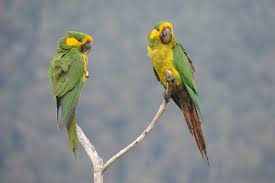 saw that in the world of conservation up to 48 bird and mammal species have been saved from extinction by international conservation efforts since 1993, it was announced in September.
They include the Asian Crested Ibis, Yellow-Eared Parrot, Hawaiian Crow, Spoon-Billed Sandpiper, Red Wolf, Black-Footed Ferret and Pygmy Hog. Researchers at Newcastle University and conservation partnership, BirdLife International, analyzed the impact of conservation activity since the UN Convention on Biological Diversity came into force in 1993.
As we continue to see a reduction in Covid-19 cases across the world and we can start to look forward to getting back to some semblance of normality, we can only hope that some of these good news stories are carried through and that the good news continues.
Until the next time, Stay Safe, Stay at Home.
Total number of cases worldwide – 107,100,512
Total number of deaths worldwide – 2,338,903
Total number of recovered cases worldwide – 78,980,796
Active cases – 25,633,865 (24% of Total Cases)
Closed cases – 81,466,647
Information and statistics from:
www.worldometers.com
Overseas Report – Monday 8th February 2021
“Waiting and hoping is a hard thing to do when you’ve already been waiting and hoping for almost as long as you can bear it” – Jenny Nimmo
With the rollout of vaccines around the world, many of us are beginning to believe the end is in sight for the nightmare that has been the Covid-19 pandemic.
But, while steps are being taken around the world that will ultimately restore some sense of normality, a key question which many of us keep asking ourselves remains unanswered by the experts. How long will it take before life is back to how it was before? A life that didn’t involve masks, social distancing, and Zoom parties.
While there are likely to be unseen events that could bolster or hinder the path towards pre-pandemic life, new calculations predict roughly when that could be. According to Bloomberg, the USA based media and finance organisation, which has built the biggest database of Covid-19 vaccines given around the world it will, by their calculations, take seven years.
 Number-crunchers at the publication say it will take that long to reach what many experts, including leading US doctor Anthony Fauci’s estimate, for the herd immunity threshold of 75 percent of people innoculated globally.
Vaccination numbers already fluctuate wildly from country to country, and some nations are expected to hit that threshold much more quickly. Israel for example, may hit the threshold fairly soon.
The middle-eastern nation is on track to see 75 per cent coverage by autumn but it could take Portugal four years, China seven years and Latvia almost nine years to reach herd immunity, if vaccine distributions don’t change. The US is predicted to reach herd immunity just in time for New Year’s 2022.The rate of vaccination is likely to change, but there are also likely to be disruptions, such as supply issues and whether the vaccines are effective against variants like those that emerged in South Africa and Brazil.
Meanwhile, across the 219 countries that have been affected by the virus, we are slowly seeing a drop in both daily cases reported and daily deaths across the world. From a record high on the 8th January of 843,464 cases we are now seeing the 7-day rolling average down to 456,832, a drop of almost 45%. Deaths are also dropping; from the 20th January when the total deaths was a record since the start of the pandemic when 17,344 people died, we are now down to a 7-day moving average of 12,658, a drop of 27%.
With so much focus now on the vaccine rollout, it is of interest to see how well Portugal is doing in comparison with other European countries. In the table which shows the number of people vaccinated per 100 citizens, Portugal is currently 20th out of 34 European countries with a rate of 3.72 vaccines per 100 people. This puts them above such countries as Germany, Belgium, France and The Netherlands. This data is based on a single dose so may not mean the actual number of people vaccinated, as there may be some countries where the second dose of vaccine has already been administered. However, when you look at those below Portugal you can see that the authorities are on the right track.
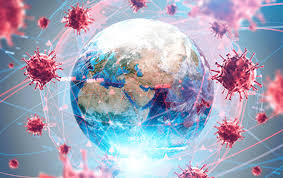 Meanwhile, The British Medical Journal reports that the head of Britain’s vaccination deployment effort says the world faces around 4,000 variants of the virus that causes Covid-19. As a result of new mutated versions, vaccine manufacturers are looking for ways to improve the shots to resist the virus variants, Vaccine Deployment Minister Nadhim Zahawi said on Thursday. British researchers plan to test a mix of two vaccines – the Pfizer-BioNTech and Oxford-AstraZeneca injections – to see if the two together can create stronger immunity.
Experts say thousands of individual changes arise as the virus mutates and develops into new variants over time. However, only a small number of mutations are likely to change the virus in an important way. So far, the most concerning versions identified by scientists are the so-called British, South African and Brazilian variants, which appear to spread more quickly than others. Zahawi said it was likely that the vaccines available now will be effective against the new virus variants. It’s very unlikely that the current vaccine won’t be effective on the variants – especially when it comes to severe illness and hospitalization.
To be certain that the current vaccines are good for purpose, Britain has begun a trial to consider the immune response that comes from using the vaccines from both Pfizer and AstraZeneca in two injections. Results of the trial are expected in June.The trial will combine an mRNA injection – such as the one developed by Pfizer and BioNtech – and an adenovirus viral vector vaccine, developed by Oxford University and AstraZeneca.
Viral vector vaccines carry genes that prepare the body to fight against Covid-19. Russia’s Sputnik V is also a viral vector vaccine. In a separate trial, it is being tested in combination with AstraZeneca’s vaccine.The British researchers said there are two main advantages to vaccinating people with two different vaccine versions: it may increase immune responses and it would give governments more ways to get the vaccines out to their populations.
And finally for this report, something you would never have expected to be a result of the pandemic. The Covid-19 pandemic has resulted in a global ginger shortage and record prices, as demand outstrips supply following hot and dry conditions last year resulting in small yields from Australian paddocks. The price of fresh ginger  has more than doubled compared to this time last year, with customers paying an average of $55 a kilogram at major supermarkets. Australian Ginger Growers Association President, Shane Templeton, said demand for ginger had risen around the world because of Covid-19. “I guess it comes down to the health benefits of ginger,” he said.
Eighteen months ago prices were so low that growers were barely covering the cost of production amid hot and dry growing conditions. “Because the yields were so low last year, if you actually don’t get a little bit higher price per kilogram, you don’t survive,” Mr Templeton said. “With the higher prices people have been able to invest back in their farms, they’ve been able to put more ginger in, more infrastructure in, so they can grow more.” The shortage has created challenges for processors who use ginger in everything from beer to confectionary. “It’s going to be hard again this year, but we are looking at a much bigger crop,” Mr Templeton said.
In every cloud they say there is a silver lining.
Stay Safe and Stay Home.
Total number of cases worldwide – 106,520,890
Total number of deaths worldwide – 2,324,050
Total number of recovered cases worldwide – 78,183,334
Active cases – 25,966,334
Closed cases – 80,654,056
Information and statistics from:
https://www.nzherald.co.nz/world
https://ourworldindata.org/
https://www.worldometers.info/
https://www.abc.net.au/news/
Overseas Report – Friday 5th February 2021
“Start by doing what’s necessary; then do what’s possible; and suddenly you are doing the impossible.” – Francis of Assisi
With the USA recording the 460,000th death this week from Covid-19 and recorded cases topping 27 million, there are signs that after a stuttering start the vaccine programme is starting to have an effect across the country. More than 27 million Americans have received a first shot, and more than 6 million are fully innoculated. Just three months ago, as infections surged around the country and the prospect of a bleak winter loomed, it was not clear if any of the vaccines in development would pan out.
 The picture now is very different. After a sputtering start, coronavirus vaccination in the United States is speeding up. Two of the vaccines have been found to be highly effective. Three others appear to be slightly less robust, but still offer strong, and in some cases complete, protection against serious illness and death.
“We’ve come a long way,” said Akiko Iwasaki, an immunologist at Yale University. “We’re still living with deadly disease because we haven’t vaccinated enough people, but once we do, it’s going to really change the way we live and deal with this virus.”
The pace has accelerated enough that President Biden, facing criticism that his administration’s goal of giving out 100 million shots in his first 100 days in office was too modest, last week raised that goal to 150 million shots.
But even as there are reasons for hope in the spring and summer, many public health experts remain pessimistic about the next couple of months. Several warned that the world was nowhere near clear of a pandemic that has taken nearly 2.3 million lives in total around the globe.
Vaccinations may have accelerated in wealthy countries, but poorer countries are being left behind. “I think in the rich world, we have a lot to feel good about for vaccines, but globally, it’s a different story,” said Marc Lipsitch, Professor of Epidemiology and Director of the Center for Communicable Disease Dynamics at Harvard T.H. Chan School of Public Health.
Even within the United States, there are disparities. Wealthier, ‘White’ residents are gaining access to the vaccine more frequently than ‘Black’ and ‘Latino’ people, who have been disproportionately affected by the pandemic. The same picture is being seem in other countries where ethnic minorities are being left behind in the race to vaccinate.
In the UK, where they have administered over 10 million vaccinations for Covid-19, a report in the British Medical Journal has highlighted a similar issue.
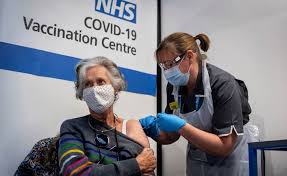 Within previous national vaccination programmes in the UK, reported vaccine uptake has been lower in areas with a higher proportion of minority ethnic group populations. Primary care data analysed by QResearch indicates that, for several vaccines, Black African and Black Caribbean groups are less likely to be vaccinated (50%) compared to White groups (70%). Furthermore, for new vaccines (post-2013), adults in minority ethnic groups were less likely to have received the vaccine compared to those in White groups (by 10-20%).
It is well known that these minority groups have been more vulnerable to Covid-19 infections and a higher proportion of this group have died compared to the white population.
The Chief Executive of NHS England has described “genuine and deep concern” that uptake of Covid-19 vaccines may be lower among minority ethnic groups. Speaking at the joint inquiry by the health and science select committees into lessons learnt from Covid, Stevens said, “It is a genuine and deep concern, because we are seeing more vaccine hesitancy on the part of some groups in the population. Overall . . . uptake has been fantastic. We’re at 80% already in the over 80s. We’re seeing a very strong response. “But a combination of access, systematic efforts to misinform and lie about the vaccination programme targeted particularly at minority populations, and in some cases longstanding mistrust of public services, is standing in the way of people coming forward.”
 The spread of misinformation regarding vaccines is widespread on Social Media. Conspiracy theories and misinformation about the coronavirus vaccine are still spreading on FaceBook and Instagram, more than two months after FaceBook pledged it would take them down. Under pressure to contain an avalanche of falsehoods, Facebook announced on 3rd December that it would ban debunked claims about the safety and efficacy of vaccines now being distributed worldwide.
To this extent, the NHS has targeted action to address the misinformation using communication channels and people who are trusted in different communities. Then, over and above that, making sure that the places where vaccination can be given are sufficiently accessible and diverse, so that they don’t stand in the way of uptake.” Stevens told MPs of the need for a “legitimate discussion” on adding new vaccine priority groups in mid-February, once all over 70s and clinically extremely vulnerable people had been offered their first dose.
He said, “The current proposition is that, once we have offered vaccination to everybody age 70 and above and the clinically extremely vulnerable, then the next group of people would be people who are in their 60s and 50s.
It remains to see if the situation changes as more and more vaccines are administered over the next few months and years.
Finally, to finish this report I am highlighting how false information can spread on Social Media.
Patricia is suffering from an unexplained skin condition – but a misunderstanding about what might have caused it set off a chain of events that turned her foot into fodder for anti-vaccine activists. The picture showed purple and red sores, swollen and oozing with pus. “Supposedly this is a [vaccine] trial participant,” read the message alongside it. “Ready to roll up your sleeve?”
 Within a day, those same feet had been mentioned thousands of times on Instagram and FaceBook. The picture went viral on Twitter as well. “See they are trying to deliberately hurt us with the vaccine,” one tweet read.
The feet belong to Patricia – a woman in her 30’s living in Texas. And it’s true – she was a participant in a trial for the Pfizer/BioNTech vaccine that started to be administered on Tuesday.
But this is also true: Patricia never received the actual vaccine. Medical records show that she received a placebo, a small injection of salt water (researchers do this as a matter of routine, to compare groups that receive a drug or a vaccine with those who receive the placebo.) Her illness had nothing to do with injections. But that didn’t stop activists twisting her story to advance their own agendas. And on top of the physical pain caused by her condition, Patricia received a wave of online abuse.
So, to finish. let’s all make sure we check anything and everything we see on social media before passing it on.
Until the next time Stay Home and Stay Safe.
Total number of cases worldwide >– 105,134,607
Total number of deaths worldwide >– 2,284,305
Total number of recovered cases worldwide >– 76,855,104
Active cases >– 25, 850,568
Closed cases >– 79,284,039
Information and statistics from:
https://www.nytimes.com/
https://www.worldometers.info/
https://www.bmj.com/
https://www.bbc.com/
Overseas Report – Wednesday 3rd February 2021
“As a matter of fact, there is still a lot of light at the end of the tunnel. We just have to find a way to get to it.” ~ Tyrone Willingham
For this Overseas Report we are concentrating on what we hope is some light at the end of a very long tunnel. We are looking at the trend of cases of Covid-19 in the past month and how the vaccines programme is working for one particular care home in Spain.
As we move into another week of lockdowns across many countries in the world, it is worth looking at how the  figures stack up in respect of the number of cases reported across the world in the past week. What we can see is that whilst deaths are still rising the number of cases is certainly dropping, with many of the majorly infected countries releasing data to show that perhaps they are on the downward spiral of infections.
If we look at the whole world to start with, we can see that according to Worldometers.info, the number of cases reported in the past week are on the 7 day moving average at 522,500 cases. Compare this with January 11th, when the corresponding figure was 745,682. This shows a drop of 31% in recorded cases. Looking at individual countries around the world, especially those who have recorded very high figures, and we see across the same time period that this figure is being replicated.
In the USA their 7-day moving average on the 11th January was 254,999. The latest figure recorded on the 1st February shows 147,839 – a reduction of 42% in recorded cases of infection. It is worth noting that on January 8th the USA recorded its highest number of cases in a 24-hour period at 308,182 cases; so the rate of infection has dropped dramatically in the three weeks since this record number was recorded.
The next largest infection rate in the world is currently found in India with a recorded 10,767,206 cases. Caution must be taken here though as their testing regime throughout the pandemic has been much lower than most other countries. India is currently testing just 142,000 people per 1 million of population, while a country like the USA is testing 946,000 people per 1 million of population, so the number of cases in India may be much higher than recorded. However, to give a comparison; India had a 7-day moving average of 17,478 cases per day on the 11th January. On the 1st February this figure was 12,785, a reduction of 26% based on their reported figures.
Closer to home and we can see that the UK has also followed this trend with a reduction in cases since the 11th January from 57,851 to 23,732 on the 1st February. A reduction of 59%.
 Not all countries are showing this positive reduction in reported cases. We are all aware of how the rate of infection has risen in Portugal but our neighbour Spain has also seen cases rise in the past month, although not as high as Portugal. From a 7-day moving average of 25,987 cases on the 11th January the latest figure on the 1st February shows cases at 26,951. As Spain enters its third wave of Covid-19 infections the country is still in lockdown, although there are signs in Spain and other parts of the world that the lockdown fatigue is wearing thin for some people. There have been an increasing number of demonstrations in many cities against the lockdown laws.
The vaccine programme worldwide is gaining momentum although it is still the poorer countries that are without vaccines. The daily news around the world is all about how many people in this or that country have been vaccinated. In Spain the vaccine has brought hope to Care Homes which have borne the brunt of the deaths so far with over 50% of all deaths coming from Care Homes in Spain.
One story to emerge from Spain is about a Care Home in Madrid called San Camilo. During the first wave Doctors recall the noise of residents’ struggling to breathe on the morning of March 18th, 2020 when the coronavirus first arrived at the San Camilo care home in Madrid. “They called from the fourth floor because a woman got sick. The stridor (breathing sound) was so loud you hear it from the outside,” said Lourdes Iglesias, a doctor at the San Camilo care home. “We were starting to treat her when I got a call from the third floor. Then another one on the fourth floor. My heart sank. I said: God this is going so fast,” she added.
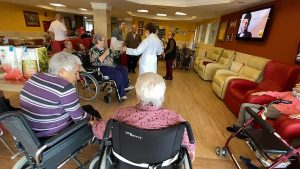 Then, madness: residents had to be kept in their rooms as much time as possible as the care home’s daily activity was completely disrupted.
The big hall that used to host amateur theatre plays became a Covid-19 ward where residents would fight for their lives, treated by personnel wearing full protective equipment.
“There were two ways out here. The gym — then turned into a recovery and rehabilitation room — or the chapel, where relatives were given the opportunity to say farewell to their loved ones,” said another staff member at San Camilo. The benches in the chapel were replaced with beds of people dying, so they could spend some time with their families, even if they had to wear full personal protective equipment.
“In hospitals they died alone. Here, they have always died with someone at their side. And that makes a big difference,” said Iglesias. Thirty residents lost their lives during the first wave of the virus and half of the staff were infected with Covid-19.“We didn’t even have time to think if we were even sick,” said Pablo Sastre, head of the palliative care unit. The care home, managed by the Catholic Order of San Camilo, was lucky to have a full medical staff and a palliative care unit.
The first doses of the Pfizer-BioNTech vaccine arrived on 12th January, right after the historic storm Filomena buried Madrid under half a metre of snow. “It was a gift. It fell from the sky like the snow. I say it was a gift from San Camilo. The vials arrived, but the team in charge of the vaccination could not make it because of the snow. Luckily, we knew how to do it,” said Iglesias.
Together with Iglesias, head nurse Laura Steegmann vaccinated 280 people the next day; all of the residents and most of the care home staff. Amidst a third coronavirus wave that is flooding Spanish hospitals with patients, staff at the care home are concentrating on keeping the centre Covid-free until they can get the second jab.
Even as the vaccine brings residents hope for the future, they will still have to deal with the trauma that came with a  year of death and solitude.
“This has made us more fragile. Some of the residents are very sad, no matter how much we care workers try to do our best,” said José Carlos Bermejo, director of the San Camilo care home. But there are still signs of life: in the dining room residents dance with staff to Juan Luis Guerra’s Burbujas de Amor.
Nuria Gimeno Rubio, 82, can’t wait to get the second jab so she can see their children again.
Let us all hope that we are seeing the beginning of the end of this long road to some semblance of normality.
Until the next time, Stay Safe and Stay Home.
Total number of cases worldwide >– 104,116,997
Total number of deaths worldwide >– 2,253,847
Total number of recovered cases worldwide >– 75,967,516
Active cases >– 25,890,152
Closed cases >– 78,226,845
Information and statistics from:
https://www.worldometers.info/
https://www.euronews.com/2021
Overseas Report – Monday 1st February 2021
“It has been a difficult road this year, but I still look at every day as a new opportunity.” – Michael Chang
Saturday 30th January marked exactly a year since the World Health Organization declared the novel coronavirus outbreak a public health emergency of international concern; WHO’s highest level of alarm.
In this time, we have recorded across 219 countries over 100 million cases and over 2.2 million deaths. In this time, we have seen the scientific community rally round to produce a vaccine faster than anything ever produced in our history.
Today however, the world faces a pandemic paradox.
Vaccines, on the one hand, offer remarkable hope. On the other hand, newly emerging variants of concern are presenting greater uncertainty and risk.
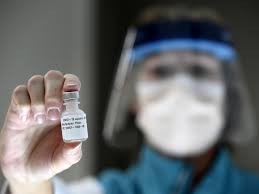 A total of 35 countries in the European Region have begun vaccinations, administering 25 million doses. These vaccines have shown the efficacy and safety we all hoped they would. Is this the time to pause to acknowledge where science and determination have got us, since the SARS-CoV-2 virus was identified a year ago? This monumental undertaking will release pressure on our health systems and undoubtedly save lives.
The continued high rates of transmission and emerging COVID-19 variants have raised the urgency of the task to vaccinate priority groups. The increasing expectation of science, and vaccine development, production and equitable distribution, is not being met as fast as we would all like.
This paradox, where communities sense an end is in sight with the vaccine but, at the same time, are called to adhere to restrictive measures in the face of a new threat, is causing tension, angst, fatigue and confusion. This has become known in the media as Lockdown Fatigue.
33 European countries have reported cases of the variant initially identified in the UK, while 16 have reported the one first identified in South Africa. Lockdowns, introduced to limit the spread of the virus, particularly the more transmissible new variants, have resulted in a decrease in new cases across the Region.
30 countries have seen a significant decrease in 14-day cumulative incidence. This is 7 more countries than 2 weeks ago. Yet, transmission rates across Europe are still very high, impacting health systems and straining services, making it too early to ease up. Pushing transmission down requires a sustained, consistent effort. Bear in mind that just over 3% of people in the Region have had a confirmed Covid-19 infection. Areas hit badly once can be hit again. There is not a single country or community in Europe that has been spared the consequences of the pandemic. More than 700,000 Europeans have lost their lives to a virus that has had a brutal impact on our economies, our mental health and education, our private and professional lives and our relationships. Last week alone, deaths continued to plateau at record levels with over 38,000 new deaths reported.
While breaking transmission chains is a clear priority, countries are also having to address the effect on mental health. Mental illness is taking its toll, both on those who were already at risk and on those who have never sought mental health support before. The International Labour Organization found that the pandemic has meant that half of young people aged 18 to 29 are subject to depression and anxiety — and up to 20% of health-care workers are suffering from anxiety and depression.
 Across the world there are stories everyday of people flouting the rules of lockdowns. Some countries are more strict than others.
In Taiwan for example, with a population of just under 24 million, they have fared well as a nation with only 899 reported cases and just 7 deaths since the pandemic started. They have very stringent rules for citizens returning from overseas in that everyone must quarantine for 14 days on their return. Not all Taiwanese are following the rules however; a Taiwanese man was fined a record NT$1 million (S$47,500) for breaking his home quarantine at least seven times in just three days after returning from a business trip to mainland China. The resident of Taichung, in central Taiwan, was found to have snuck out of his apartment building to go shopping and have his car fixed, among other escapades. He got into hot water after one of his neighbours confronted him about leaving his home when he was supposed to be observing Taiwan’s mandatory 14-day quarantine after returning to Taichung on January 21st. In addition to the fine, which is the largest imposed by the Taiwan government yet for a breach of coronavirus restrictions, the unnamed man was also ordered to pay NT$3,000 per day towards the cost of his quarantine.
The government has been compensating people NT$1,000 per day for the duration of their quarantine, but the man has been stripped of that entitlement.
 Another instance was also seen in the case of a Philippine migrant worker who wandered out of the room he was being quarantined in for eight seconds last month. The man was caught on CCTV by staff at the hotel in Kaohsiung City, and was then reported to the city’s Department of Health. He was fined NT$100,000, translating into NT$12,500 for every second he was outside the room.
To finish this report l would draw your attention to Israel, currently the world’s most vaccinated country. After inoculating 82% of Israelis aged 60 and more, going into a nearly month-long lockdown and shutting down the national airport this week, Israel is indicating the end of the tunnel may be further away than at first though. With the emergence of more infectious variants, they now find that these new variants are overwhelming its hospitals. This has dented hopes for a rapid vaccine-driven global recovery after Prime Minister Benjamin Netanyahu’s pledge at Davos to make Israel a test case for how quickly Covid shots can help reopen economies.
According to their Health Minister they are seeing a new wave of infection that refuses to decline because of the mutation. The ministry blamed the new variant from the UK as the reason why their vaccination campaign has not worked so far.
Whatever the reasons, it is obvious that there is still a long way to go until the world gets on top of the virus and whist vaccines are important it is still vitally important that we all adhere to the rules of social distancing and mask wearing, where required, if we are to see the end of this pandemic.
Until the next time Stay Safe.
Total number of cases worldwide >– 103,592,282
Total number of deaths worldwide >– 2,239,248
Total number of recovered cases worldwide >– 75,214,377
Active cases >– 26,134,159
Closed cases >– 77,458,123
Information and statistics from:
www.straitstimes.com
www.worldometers.info
www.who.int

 Group for Drug Addicts.
 According to the Bloc, the Food Bank reported that last year, only between April and December, due to the crisis that the pandemic brought to the region, requests for food aid increased significantly, 74%, from 16,200 people supported through 104 institutions, to 26,300 people, through 119 institutions, making the Food Bank go from 2 million to 3.3 million units of food products distributed.
 Over the last two weeks we have reported four major earthquakes; one in Greece and three off the coast of New Zealand – the largest being 8.1 on the Richter scale 8.1 near Kermadec Islands Region on Thursday. Luckily these, in the case of the New Zealand ones, have not caused any damage, although extensive evacuation plans were put in place with people moving from the coastal areas along the north coast of North Island to higher ground. This was undertaken by all accounts calmly and in accordance the alerts and directions that were clearly in place.
 It was announced yesterday by the President and executive director of Formula 1 Stefano Domenicali, that the Portuguese Formula 1 Grand Prix, in Portimão, will take place on May 2nd, hoping “to be able to receive spectators in Portimão safely again this year and we are working with the promoter on the details of this plan”. The decision to hold the event again in the Algarve is if course very welcomed – the issue is with or without spectators.
 Speaking to the Lusa agency, Didier Cabanes, researcher and director of the testing center for Covid-19 created at the institute of the University of Porto, explained today that the project has “two strands”: one scientific and the other technical.
 Within the Coimbra academy, women “were the group most affected by the severity of the psychological and emotional effects associated with confinement, having reported more often feelings of anxiety, sadness, concern for the professional future and perceived lack of control over the situation” , said the UC, in a press release sent to the Lusa agency.
 Specifically with regard to masks, the Ministry of Education explains in a statement that, although mandatory use for 1st cycle students is not foreseen, the amount of the budget was defined in order to allow schools to buy enough masks to these students.
 At the end of the Council of Ministers (CM) dedicated to forests, which today took place in Monsanto, Lisbon, João Matos Fernandes highlighted that the largest share, of more than 20 million euros, will be destined to investments in public forests and in forest perimeters.
 The vacancy that was open in the official calendar of the Formula 1 World Championship is filled. From April 30th to May 2nd, the “fireballs” of the main track racing event will accelerate at the Portimão race track, in the Algarve.
 The beds, installed at the Center for Physical Medicine and Rehabilitation (CMFR) do Sul, in São Brás de Alportel, integrated in CHUA, will be able to receive patients with Covid-19 who were subjected to intubation and who were referred by the National Health Service for hospitalization. Health (SNS).
 A reminder that the deadline for land cleaning for those living in rural areas still remains 15th March. The GNR began on 22nd February the Monitoring and Awareness phase by visiting those living in high-risk areas to raise fuel management awareness in order to ensure the safety of the population. This phase, will take place until March 31. The full details of land cleaning can be found on our website. Remember if your land includes holm oak trees then special permission is required before pruning or cutting down such trees. Failure to make the application will incur a large fine.
 “We cannot forget what happened because the idea that tragedies are not repeated is a false idea. Tragedies are repeated when the mistakes that resulted in these tragedies are repeated. It is good to keep your memory well because it is the best way to support excellent health professionals”, he added.
 On March 3rd, 2020, Hospital Curry Cabral, one of six hospitals that are part of CHULC, received the first patient diagnosed with Covid-19, one day after the first two cases were diagnosed in Porto, one at the Hospital of Santo António and the other at Hospital São João.
 “When we talk about essential services – and schools are in some way in our social approach an essential service – it may make sense that adults who work in these places have a differentiated vaccination,” said Marta Temido in an interview with Jornal da Noite da SIC.
 Hospital of Caldas da Rainha.
 In the Algarve, there are no municipalities at extreme risk (over 960 cases per 100,000 inhabitants) or at very high risk (+ 480 to 960).
 Representing the IEFP was present the Regional Delegate, Madalena Feu, and António Palma, director of the Employment and Professional Training Services. Deputy João Vasconcelos, Celeste Santos, Augusto Taveira, from the BE / Algarve Secretariat, Vítor Ruivo, Grupo Laboral and Marco Pereira represented the party.
 since 7th October 2020; those recovered cases were double new cases; lowest number in hospital since 5th November; lowest in ICU since 7th January and a decrease of 39.6% since 1st February; the number of active cases lowest since 30th December, decreasing for 26th consecutive day and over 100,000 (61.4%) since 31st January (in 26 days) and those under surveillance. the lowest since mid-October.
 Finally, a reminder about the purpose of our Facebook page. The aim of our page is to provide information and guidance from official channels which helps people during these difficult times. This can take us quite a bit of research and time, especially when we are publishing this in English. It may take a few minutes to publish a piece of information, but an hour or more to prepare it.
 The Prime Minister underlined the “clear improvement” in the European context, when the country was the worst in the EU just two weeks ago.
 The call is made by SMS message, whenever there is information on the user’s mobile phone number in the system.
 “Before the vaccination season, in this hospital, the incidence of illness was around 50 cases per week. Currently, in the entire month of February, we had about seven cases. All of them in unvaccinated professionals. Even so, the incidence that we have in a whole month is lower than what we had a day before starting the vaccination”, says Pedro Norton.
 279,578 citizens and 251,750 vehicles at authorized crossing points (PPA).
 The information was provided by the National Road Safety Authority, through its Twitter account, on the eve of the launch of the website on the new strategic plan to combat accidents. Called “Vision Zero 2030”, the program aims to achieve zero deaths and zero injuries on the roads over the next decade.
 There were 99 patients hospitalized in the Algarve a week ago, with regional data indicating that at 00:01 on this Friday, the 26th, there were 58 hospitalizations, that is, 41 less.
 The municipality of Aljezur was the only one where no new infection or death was reported.
 the Arrival of the Train to Lagos, with the participation of the Municipality of Lagos and the Parish Councils of the municipality, together with the Permanent Commission of the Municipal Assembly.
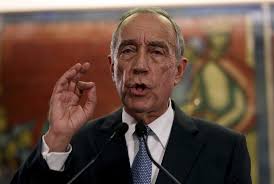 As usual, there will be various statements by the parties following their meeting as to what the President said, but as we know from experience these are not always enshrined in the final law. Yesterday, the sole deputy of the Liberal Initiative said that the President of the Republic has no intention of “changing anything” in the decree of the State of Emergency. The deputy of the Ecological Party “Os Verdes” (ENP), Mariana Silva, also echoed this after meeting with the President.
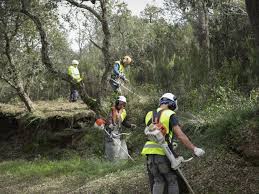 A reminder for those of you living in rural areas that according to the national budget law the deadline for fuel management and the cleaning of land is 15th March 2021. Last year due to the first confinement under the State of Emergency the deadline was extended twice – eventually being 31st May. We have been in contact with relevant Government authority concerning this matter and although there is no proposed extension at present, we would not be at all surprised if it were extended. I have written a feature for the Algarve Resident on this topic which will appear on 4th March. Full details concerning land cleaning can be found on our website
 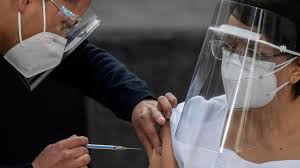 The most conservative models indicate that group immunity is achieved when 7 out of 10 people are vaccinated. The European goal is to reach the end of the summer with 70% of adults immunized, that is, with both doses of the vaccine given.
 “As of October 1st, the BIRs started to operate, which allow responding to the needs of social responses that, due to an outbreak, have the human resources teams compromised, having already activated 431 brigades”, states the report on the situation between 16th and 30th January and delivered to the Assembly of the Republic.
 The signatories argue that the nurseries and pre-school education establishments will be reopened in early March, as well as the 1st and 2nd cycles of basic education, which should gradually resume.
 This measure to support the economy aims to help in the recovery of one of the activities most affected by the effects of the pandemic of Covid-19, resulting in bank loans exclusively to finance the treasury needs of Travel Agencies and Tour Operators, in view of the obligation refunds for trips that were not made or cancelled due to the pandemic context.
 The municipality, in a statement on the official website , justifies the decision with the “decrease in the number of cases of Covid-19 per 100,000 inhabitants”, thus guaranteeing the municipality a “two-level descent, abandoning the Extremely and Very High Risk level passing to be part of the group of municipalities with a high risk level ”. The health and safety authorities in the municipality gave a positive opinion to this update.
 The appeal was left at the general meeting of RENA that elected its governing bodies for the 2021-2023 triennium, with Paulo Geisler, representative of Lufthansa, being re-elected president, unanimously, according to a statement.
 recollection, said a source that strength to Lusa.
 Speaking to Lusa, Vítor Neto said that the most optimistic recovery scenarios have not been verified and companies should take into account the different scenarios on the prospects of economic recovery to ensure that their companies remain active until then.