
Portugal Safety and Security Report Wednesday 17 September 2025

Good afternoon. As far as the weather is concerned the summer is not yet over!

Since yesterday, the maximum temperatures have been increasing to levels that will be above normal for the time of year. According to IPMA maximum temperatures expected in the Alentejo will be between 35 and 39°C and in the interior North and Centre they will be between 34 and 37°C”. By Friday 70% of the mainland is forecast to be at very high and maximum fire risk! It is extremely important therefore that we do everything possible to avoid any action that may cause a fire, particularly in the use of garden/agricultural machinery.

The Prime Minister Luís Montenegro warned this Monday of the high risk of fires, taking into account the high temperatures, calling for an effort to prevent occurrences. He stated, “I want to warn the country not to let our guard down, so that in the coming weeks we can act responsibly and respectfully following the guidance that the competent authorities may issue”. “We still have before us the possibility of having, again, some adverse weather conditions and the collaboration of factors that could increase and elevate the level of risk” of fire, he warned.

This period of hot weather is expected to persist until Friday, with a sharp drop in temperatures expected over the weekend, according to the IPMA, to normal or slightly below normal values ​​for the time of year, with a possible drop of 8 to 10 degrees in the maximum temperature in some places.

Although there has been some rain in the north and south it has not been sufficient to dampen vegetation to a level that reduces the risk, particularly in the south, where there has been little or no rain for several weeks in some places. This means that when fires do start there is a high risk they can burn with intensity and spread quickly. Even when finally extinguished there is always the risk of  re-ignitions as we saw earlier this week in the Murça fire in Vila Real District, which reignited twice, once when the fire was in “Vigilance” stage.

The Judicial Police have dismantled a network that allegedly profited more than 15 million euros through online fraud, primarily targeting the elderly. The group sent victims links to fake websites that resulted in the theft of personal and banking information. A total of 64 people suspected of belonging to a transnational organized crime group were arrested this Tuesday. As part of Operation “Pivot,” which involved 400 inspectors, 73 house searches were conducted across various areas of the country, the police force announced in a statement.

The criminal scheme consisted of recruiting victims, all of Swedish nationality, generally over the age of 65, who, through various schemes, were convinced to provide access codes to their bank accounts, with the subsequent unauthorized transfer of funds to bank accounts in Portugal and other countries. Safe Communities Portugal gave advice on KissFm radio 14th September regarding on line fraud known as Phishing. This is on the rise in Europe and people need to be more aware of this.

We reported the tragic case this week of two Canadian citizens in Mesão Frio who died after being hit by a train. According to the GNR they were taking photos of an approaching train near a level crossing, when the accident occurred. The same day an 86-year-old woman and died after being hit by an Alfa Pendular train, for reasons still unclear. The accident, in the occurred at a level crossing in Ribeira de Santarém, which was reported as “in perfect working order.” This is an opportune time to remind everyone to follow the signs in place at railway lines, especially at pedestrian/road crossing points. Avoid selfies at dangerous places, and when crossing lines regardless of the signal, to always be on the lookout for approaching trains.

News

Prime Minister urges people not to let their guard down in face of high temperatures

The Prime Minister Luís Montenegro warned yesterday 15th September of the high risk of fires, taking into account the high temperatures, calling for an effort to prevent occurrences.

The prime minister was speaking to reporters after a symbolic ceremony handing over aid to farmers affected by the fires that occurred a month ago, held at the Sernancelhe City Hall in the district of Viseu.

“Today, September 15th, I want to warn the country not to let our guard down, so that in the coming weeks we can act responsibly and respectfully” following the guidance that the competent authorities may issue, he warned.

“We still have before us the possibility of having, once again, some adverse weather conditions and the collaboration of factors that could increase and elevate the level of risk” of fire.

In this regard, he urged “everyone to make an effort” so that everyone can “be even more efficient in the future to prevent major fires like those that occurred in August.” During the ceremony, the Prime Minister had already issued the same warning, stating that “the current high temperatures are very hot again, and humidity is low,” which “still poses a risk” of fire.

Government authorizes video surveillance at Mafra National Palace

Given the high national value, a video surveillance system will be installed in areas close to the Mafra Palace due to the growing number of passers-by, such as tourists.

The installation and use of a video surveillance system in the area surrounding the Mafra National Palace has already been authorized by the Government, according to a dispatch published this Monday in the Official Gazette.
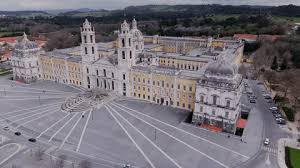
In the order, the Secretary of State for Internal Administration, Telmo Correia, authorizes the installation and operation of a video surveillance system, consisting of four cameras, “operated in such a way as to guarantee the effective safeguarding of privacy and security”.

The video surveillance system is expected to operate “24 hours a day, uninterruptedly” for three years, with the possibility of renewal upon authorization from the Government.

When questioned by Lusa, the Lisbon district municipality clarified that, “following the authorization granted, it is already operationalizing the launch of the acquisition process for the necessary technological solution, with a view to its entry into production,” without, however, providing dates.

In 2019, the City Council invested more than nine thousand euros in the acquisition of physical support infrastructure and cabling.

“Given the growing influx of passers-by, particularly tourists, in the area bordering the Mafra National Palace, and given that this is a heritage site of recognized historical and cultural value, it is considered that the installation of a video surveillance system contributes to greater security for people and property,” the municipality explained.



Situation Report Azores Wednesday 10th September 2025


By our correspondent from the Azores

The Azores lack sufficient mountain guides to meet tourism demand.

The Azores do not have enough guides to meet the demand for visitors to Pico Mountain, which saw an 18% increase in 2024.

Data collected since 2022 – the moment from which management of Casa da Montanha, in Pico, passed to the Regional Secretariat for the Environment and Climate Action – reveal that demand “has been growing, with an increase of around 18% in 2024 compared to 2023”.

Although 22 natural park guide courses were held in the Azores, across all the islands, and three mountain guide courses were held on Pico between 2015 and 2020, enabling the training of “more than fifty mountain guides to date”, the Ministry states that, “for various reasons, many of the mountain guides trained during that period do not work as guides on Pico”.

According to the regional secretariat, this factor “has been causing a shortage of human resources for companies to meet the demand for visitors, especially during the high season.”

Pico Mountain is very popular with tourists during peak season, and the climb can be done with a guide or independently, provided certain rules are followed to ensure visitor safety.

The Regional Secretariat for the Environment and Climate Action has opened pre-registration for the Pico Island Natural Park Guide and Mountain Guide courses, and registration is also open for the Azores Natural Park Guide training, scheduled to take place “in the last quarter of this year”.

Currently, the regulations for access to Pico Mountain define a maximum capacity of 320 visitors per day and 160 visitors simultaneously, with overnight stays in the crater limited to 32 visitors per day.

Rita Rico is the new United States Consul in the Azores

Last week, Rita Rico took office as Consul at the United States Consulate in Ponta Delgada.

Since last August, the diplomatic mission of the United States of America (USA) in Portugal has had new faces and, at the Consulate in Ponta Delgada, Rita Rico succeeded Meg Campbell as the new Consul for the Azores.

A native of Chicago, Illinois, Rita Rico holds a PhD from the University of California, Los Angeles (UCLA) in the USA, a master’s degree from the University of Guadalajara in Mexico, and a bachelor’s degree from Stanford University, also in the USA.

Before joining the State Department in 2010, the new U.S. Consul in the Azores served as a senior advisor in the U.S. Senate.

In recent years, Rita Rico served as Strategic Communications Advisor and Speechwriting Supervisor for the U.S. Ambassador in London, United Kingdom.

In 2022, the US Consul completed a one-year Transatlantic Diplomatic Fellowship (TDF) program and a mission to the Office of the Prime Minister of the United Kingdom.

Prior to her assignment in the UK, Rita Rico was Special Advisor to the Under Secretary for Public Diplomacy in Washington, DC.

He subsequently held diplomatic posts in Belo Horizonte (Brazil), Caracas (Venezuela), Nairobi (Kenya) and Santiago (Chile).

Around 400 operators from four countries will train in search and rescue in the Azores until Friday.

Around four hundred military personnel and civilians are participating, from today (Monday) until Friday, in an advanced search and rescue exercise in the Azores, which brings together entities from Portugal, Spain, the United States and Canada.

“To ensure that the procedures in place are adequate to accomplish the intended mission, the only reasonable way is to conduct an exercise that brings together these training audiences to work for a week in a location that will be our area of ​​operations if there is a major accident,” Major General António Moldão, commander of the Azores Air Zone, has said.

Since 2015, the ASAREX exercise has been held annually in the Azores, with alternating coordination between the Maritime Search and Rescue Coordination Centre (MRCC) of Ponta Delgada, on the island of São Miguel, and the Search and Rescue Coordination Centre (RCC) of Lajes, on the island of Terceira.

This year, the exercise departs from Air Base No. 4, in Lajes, and involves air assets from three countries.

From Spain, a Super Puma arrives from the Canary Islands and a C-235 from Madrid, and from Canada a C-295.

In addition to the resources assigned to BA4, in Lajes, the exercise also involves a C-130 from Air Base number 6, in Montijo, and a P3 Cup, a long-range aircraft, from the Portuguese Air Force.

Between Spanish and Canadian military personnel, Portuguese and American military personnel from Lajes Base, Portuguese Navy personnel, and personnel from other entities, “between 350 and 400 people” will be directly involved in the exercise.

According to António Moldão, Portugal “has a very broad area of ​​responsibility,” bordering eight countries, so it is important to involve entities from those countries in this exercise.

The objective is to test the “coordination of search and rescue resources if there is a need for a more muscular intervention, resulting from a serious accident with an aircraft or a ship, which requires the collaboration of friendly and neighbouring countries”.

“The procedures we have in place are generally sound and will allow us to resolve the situations we have identified, but opportunities for improvement may arise and will be implemented,” the commander noted.

For a week, search and rescue scenarios will be tested at night, with the Canadian C-295 aircraft, and high-altitude rescue scenarios, on Pico Island, with the Canary Islands helicopter.

Search and rescue missions at sea are also planned, which will also involve naval resources from the Portuguese Navy, and simulated air accidents, with multiple casualties, to train coordination with Civil Protection and other entities in the Azores.

“The scenarios were built to meet the primary mission training needs of each of the search and rescue units involved,” explained António Moldão.

For the commander of the Azores Air Zone, “the strategic relevance of the archipelago is linked to geography, and it is immutable.”

“It is essential for Portugal to have a robust Air Force presence in the archipelago, and that is what we have been doing and will continue to do,” he stressed.

Regardless of the geostrategic importance that the Lajes Base may have for foreign countries, the archipelago is strategic, first and foremost, for Portugal, argued António Moldão.

“We are primarily responsible for search and rescue, but we are also an essential entity for transporting patients between islands and to the mainland. When someone needs to be extracted from the sea quickly, there’s only one way to do it: a helicopter,” he emphasized.

In addition to the Air Force and Navy, the GNR, PSP, Regional Civil Protection Service and Firefighters of the Azores, Firefighters of Madalena, Pico Island, Atlânticoline, Azores Sea School and Mutualista Açoreana also participate in the exercise.


PORTUGAL SAFETY AND SECURITY REPORT WEDNESDAY 10TH SEPTEMBER 2025

Good afternoon. Almost serving as a reminder that we are not yet out of the fire season, was the fire on Monday in Santo António De Monforte, Chaves in the north of Portugal which at one stage required the deployment of around 250 operatives and 11 aircraft. Actually which I say fire season, I mean the time of year when the fire risk is generally higher; although as we know there is a tendency for fires to start at any time of the year, especially during periods of heatwaves.

Portugal has just experienced its longest heatwave lasting 20 days. The effects of this allowed fires (over 95% caused by human hands) to develop and spread quickly, due to dryness of the vegetation, high temperatures and winds. The situation was exacerbated by the difficulty in accessing fire scenes by firefighters on the ground in some areas. Also on occasions due to the large amount of smoke, it was unsafe for firefighting aircraft to operate. The quick aerial response during the daytime was not available during the night time, when several fires broke out.

Studies show that the hot, dry, and windy conditions that fuelled the fires in Spain and Portugal are now about 40 times more frequent and about 30% more intense than they would be in a world without climate change.

The wildfires in Europe show that the current 1.3°C of warming is already incredibly dangerous. If we don’t move away from fossil fuels, which release large amounts of carbon dioxide more quickly, we could reach 3°C this century. Wildfires at this level would be catastrophic.

Read more about this in our Feature in the Portugal Resident out tomorrow 11th September

Turning from land to sea. Four months into the 2025 Beach Season, the National Maritime Authority has recorded 1,007 rescues, 3,561 first aid operations, and 16 fatalities on Portuguese beaches between May 1st and August 31st. of the fatalities. This is a very large number and most are preventable if people simply followed the warnings that are in place. We ask people to take care and use beach where there are lifeguards.

Last week  we warned that whenever  there is heavy rain following rural fires, is the instability of slopes, increased by the removal of vegetation cover, or by artificial soil development, which also leads to the risk of mass movements (landslides, collapses and others), increased by water infiltration.  Locations that are downhill and downstream from burned areas are also in the following circumstances susceptible to flash flooding and debris lows, especially in and near steep terrain.

There was in face less rain than expected so it is important therefore that when we do finally get heavy rain to be on the lookout for slope instability. In particular be especially care when driving in roads where there are steep burned slopes.

Finally a reminder that the Judicial Police has created an official information hotline dedicated to officials and the families of the victims of the tragic Elevador da Glória accident: Phone: 211 968 000; E-mail chefepiquetelx@pj.pt For effective and agile performance of this service, it is requested that only family members, close friends and official entities use it.

We wish you a good week ahead

News

Almost half of Portuguese adults can only understand simple, short texts

You have to get almost to the end of the table published in the report “Education at a Glance 2025”, released this Tuesday by the Organization for Economic Cooperation and Development (OECD), to find Portugal

Four in 10 Portuguese people aged between 25 and 64 can only understand simple, short texts, according to a report released this Tuesday that shows Portugal among the countries with the lowest levels of literacy proficiency.

Second among 30 countries with the lowest level of literacy proficiency, 46% of Portuguese people aged between 25 and 64 have great difficulty interpreting texts and can only understand very short texts with minimal irrelevant information.

The conclusion comes from the survey of adult skills, conducted within the framework of the OECD’s Programme for the International Assessment of Adult Competencies (PIAAC)

With five proficiency levels, ranging from the ability to identify information in short texts (level 1) to the ability to synthesize and critically evaluate complex information (level 5), nearly half of Portuguese people scored at level 1 or below, a percentage much higher than the OECD average (27%).

Behind Portugal was only Chile, where 57% of respondents also did not go beyond level 1.

On the other hand, around a third of respondents in Portugal are able to integrate information from multiple sources, and 18% went a little further and demonstrated that they were able to interpret and evaluate complex texts.

At the highest levels (4 and 5) only 3% of Portuguese scored, the same percentage in Poland and Slovakia and lower only in Chile and Lithuania (both 2%), while the OECD average is 12%.

The analysis of these results within the scope of Education at a Glance 2025 also reveals that the level of education and skills are closely linked.

In Portugal, for example, adults with higher education demonstrated greater ease in understanding and analysing texts, achieving, on average, 36 points more than those with only secondary education and nearly 70 points more than those surveyed without completing the 12th grade.

Literacy proficiency levels are also related, on the other hand, to the commitment to training, with adults with better skills being more likely to participate in education or training.

According to the survey’s findings, by 2023, 80% of adults at literacy proficiency levels 4 or 5 had completed some formal or informal course or training in the last year, while only 22% of those at level 1 or below had done so.

The trial of the couple accused of triple homicide in Bragança has begun.

Nélida Guerreiro and Sidney Martins, who became known as the Portuguese Bonnie & Clyde, are facing charges of a triple homicide between parents and son, which occurred in the parish of Donai, near Bragança, in 2022. The pair had devised a scheme to steal drugs and valuables.

The trial of the couple accused of robbing and murdering a family began this Monday in Bragança, Bragança. The crime is particularly shocking and includes charges of setting fire to the victims’ homes in an attempt to cover their tracks and dispose of the bodies.

They became known as the Portuguese Bonnie & Clyde and are now serving nine-year prison sentences for robbery and kidnapping in several gas station robberies in the Algarve.

They are also the perpetrators of several armed robberies in Spain, where they were captured after having fled.

Nélida Guerreiro and Sidney Martins are responding to a new triple homicide case that occurred in the parish of Donai, near Bragança, in 2022.

The crime victimized a family—parents and son. According to the prosecution, the defendant had an apparent romantic relationship with the couple’s son, a 40-year-old man, who supplied her with drugs, even though she was living in a de facto relationship with the defendant, both of whom were drug users.

The duo devised a scheme to steal drugs, valuables, and money from the victim. This plan was attempted on July 9, 2022.

The crime

Taking advantage of the victim’s absence, the defendant entered his residence, but was surprised by his mother, who stabbed him 10 times, causing fatal injuries.

Ten days later, on the night of July 19, the defendant, intending to eliminate evidence of the previous crime and carry out the planned robbery, returned to the same residence. He went to the couple’s son’s room, where the defendant was already.

Together, the pair killed the man with 17 stab wounds. They then attacked the father, who had woken up to the noise, stabbing him 24 times, which were also fatal.

Then, in order to hide the evidence and dispose of the bodies, the defendants set fire to two rooms in the house.

For all these reasons, they are accused of murder, desecration of a corpse, theft, assault on physical integrity and arson.


Azores Situation Report Wednesday 3rd September 2025

Woman dies near Santo António fishing port

A 44-year-old woman died near the fishing port of Santo António, on the north coast of the municipality of Ponta Delgada, the National Maritime Authority reported.

The causes of the incident are currently unknown, according to a press release from the National Maritime Authority.

According to the statement, the Ponta Delgada Maritime Search and Rescue Coordination Centre (MRCC Delgada) received an alert at 4:39 p.m., immediately activating the crew of the Ponta Delgada Lifeguard Station, as well as members of the Ponta Delgada Maritime Police Local Command and the Ribeira Grande and Ponta Delgada Volunteer Fire Departments.

“Upon arrival at the scene, it was found that the victim, who was lying face down in the water, had been promptly removed by the Ribeira Grande Volunteer Fire Department. The Lifeguard Station crew subsequently transported her to the port of Ponta Delgada, where the Health Officer issued a death certificate,” the statement from the National Maritime Authority adds.

The Ponta Delgada Fire Department subsequently transported the body to the Divino Espírito Santo Hospital, after contacting the Public Prosecutor’s Office.

Hydrographic plans prohibit swimming in lagoons

Watershed management plans for the lakes on São Miguel Island—including Sete Cidades, the site of two deaths in the space of 12 days—expressly prohibit bathing. The Regional Secretariat for the Environment and Climate Change has placed several signs on the banks of the lakes warning of this prohibition. The Parish Council President appeals to the public for common sense and responsibility.
Two schools in the Azores with bilingual education

For the first time, in the 2025/26 academic year, two Azorean schools will begin teaching in Portuguese and English.

The new school year in the Azores brings with it a set of pedagogical innovations that mark a turning point in the regional education system.

According to Sofia Ribeiro, Regional Secretary for Education, Culture, and Sports, during the public presentation of the school year’s preparations, two Azorean schools—EB1 Praia da Vitória, on Terceira Island, and Escola Básica e Secundária de Velas, in São Jorge—will implement bilingual instruction in Portuguese and English for the first time. The project begins with three first-grade classes and aims to expose students to early exposure to English, integrating it naturally into their daily school life.

Another new development this year is the expansion of the Computational Thinking project, which now extends to the 4th grade of primary school. This measure means that all initial primary education, from 1st to 4th grade, will now be covered by this approach, which focuses on developing logic, programming, and problem-solving skills.

Also in the digital realm, the dematerialization of school textbooks takes a decisive step this year: all students from 5th to 12th grade will have access to digital textbooks, progressively replacing paper textbooks.


Portugal Safety and Security Report Wednesday 3rd September 2025

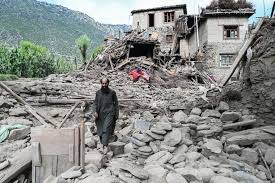
Good afternoon. The very tragic earthquake in Afghanistan in the news at present with over 1400 deaths, it is timely reminder that Portugal is also in an earthquake risk zone. It is important therefore that everyone is prepared and knows what action to take should a strong earthquake take place. Thankfully these are rare, but the impact can be high.

Although a Mag 6 earthquake in Portugal is unlikely to result in the same level of casualties and destruction as in Afghanistan, due to the fact that most modern buildings are built to earthquake standards, there are still many people living in older buildings that do not meet these standards. Also factors such as the timing of the earthquake, its location, and the depth of the earthquake are some of the factors that can determine the level of impact. Generally speaking earthquakes at night can result in higher casualties. It is important therefore to follow the posts we make on our Facebook concerning this topic as well as our website here: https://www.safecommunitiesportugal.com/find-information/environment-and-weather/earthquake-tsunami/
The Council of Europe yesterday reported that the top positions in the Portuguese government and security forces are receiving little scrutiny in terms of corruption prevention measures. The report by the Group of States against Corruption (GRECO) and the Council of Europe acknowledges that Portugal has made progress in adopting measures to prevent corruption, but believes that further action is needed. However as an example of progress is the introductory briefings and training sessions which have been organised for members of the new government, and confidential counselling is now available to all individuals with top executive functions, which is an important milestone. The report also welcomes the launch of an electronic platform for submitting declarations.

In a mid-term review of corruption prevention measures, GRECO concluded that Portugal has partially implemented 18 of the 28 recommendations made in the past by the Council of Europe. GRECO is a body of the Council of Europe that aims to improve its members’ ability to combat corruption. GRECO invites the Portuguese authorities to report on the progress achieved in implementing its recommendations by 30 September 2026.

With pickpocketing incidents rising by 12% in Portugal during 2024 (Portuguese Annual Internal Security Report), understanding effective prevention strategies has never been more critical for personal security. Portugal ranks 6th among European destinations for pickpocketing incidents (58 mentions per million visitors), trailing behind Italy’s staggering 478 per million. This positions us within a continent wide security challenge that demands coordinated prevention efforts (Source: European Pickpocketing Index, 2024). Although Portugal ranks highly in the Global Pace index there are some areas where pickpocketing is more prevalent especially at some tourist attracts particularly in Lisbon. It is wise therefore to take precautions.

Government is to review by the end of the year the structure of Civil Protection following the fires in August. It is felt however, that any changes to the Civil Protection system should only be made after the independent technical commission has produced its findings. There was much criticism among the public and even local authorities regarding the leadership in combating what was the largest fires ever recorded in Portugal. However, 93% of these fires were suppressed within 90 minutes, being the initial tack phase.

Apparently the government is even planning structural changes, but it is felt this should not come before the independent technical commission’s has presented its conclusions. For now, the priority is to analyse what went well and what didn’t during the fires, and if this means that there is a need for a structure change, this should follow in a separate review. Care is needed “not to put the cart before the horse”!

Our team at Safe Communities Portugal wishes you all a safe week ahead

News

Civil Protection wants to reorganize firefighting commands and advocates for additional firefighters

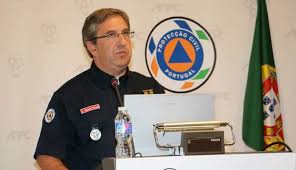
In an interview with Expresso, the president of Civil Protection suggests that it makes no sense for a country with 18 districts to have 29 fire-fighting commands divided into regions and sub-regions.

The head of Civil Protection wants to change the organization of firefighting commands. The Secretary of State for Civil Protection promises to make the change, but only after the fire season.
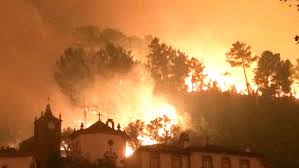
It was one of the most common criticisms heard during the recent fires: having someone outside the district in charge of the fires.

In an interview with Expresso, the president of Civil Protection suggests that it makes no sense for a country with 18 districts to have 29 fire-fighting commands divided into regions and sub-regions, and that he considers the argument that this helps to access community funds to be short-sighted.

José Manuel Moura participated in a meeting with mayors from the interior of the state this Friday morning, alongside the Secretary of State for Civil Protection. He heard the government representative assure him that the proposed amendment will be made by the end of the year.

“This is one of the topics that we will bring to the table after the device is passed, also with contributions from various stakeholders so that by the end of the year the Government can present its idea for amending the organic law,” says Rui Rocha, Secretary of State for Civil Protection.

In an interview with the weekly newspaper, the president of Civil Protection says that Portugal should have a special firefighting force with five times the number of personnel. The Secretary of State says this matter will also be discussed.

The ‘La Niña’ phenomenon could impact the climate again this month

The ‘La Niña’ phenomenon could once again impact climate and weather patterns from September onwards, estimates the World Meteorological Organization (WMO).

By definition, ‘La Niña’ corresponds to the periodic cooling of sea surface temperatures in the Pacific Ocean, associated with changes in tropical atmospheric circulation, including changes in wind, pressure and precipitation patterns.

Despite the temporary cooling influence of ‘La Niña’ from September onwards, temperatures are still expected to be above average across much of the world until November, the WMO estimates in a report released this Tuesday.

According to WMO forecasts, there is a 55% chance that sea surface temperatures in the equatorial Pacific will cool to La Niña levels between September and November.

The probability will be slightly higher, around 60%, if the period between October and December is considered.

According to the WMO, natural climate events like La Niña are occurring “in the broader context of human-induced climate change, which is increasing global temperatures, exacerbating extreme weather, and affecting seasonal precipitation and temperature patterns.”

The World Meteorological Organization notes that the rainfall forecast “resembles conditions typically observed during a moderate La Niña.”


Portugal Safety and Security Report Wednesday 27th August 2025

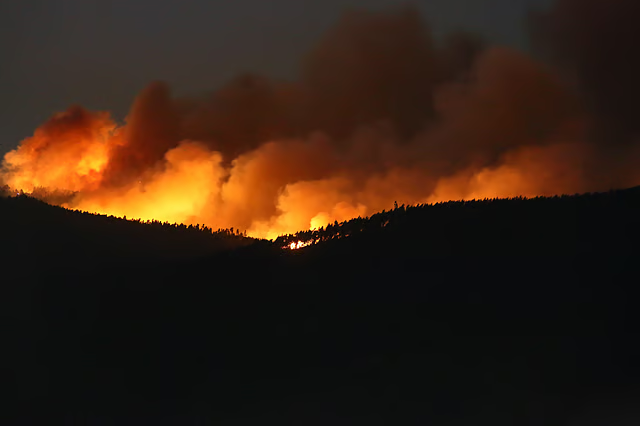
Good afternoon. One of Portugal’s longest every heatwaves is now over, which facilitated the ignition and spread of a number of major fires in the centre and north of Portugal, resulting in a period of days in 4 deaths and around 200,000 hectares of burned land.

The fires started during a heatwave and due to the high temperatures, the extreme dryness of vegetation, bushes, leaves and shrubs, led to high intensity fires spreading very quickly and to a level well above the capacity of firefighters (on the ground and in the air) to suppress these. In the end the fires were only extinguished through an increase in humidity overnight which allowed fire fighters to take effective action.

An example is the Aganil fire which started on 13th August, spread to many municipalities and became Portugal’s largest fire in terms of area burned, 64,451 hectares of land. It is now in the conclusion stage with 378 operatives still deployed to deal with any re-ignitions. At its height, however, the deployment stood at some1700 operatives and 20 aircraft fighting the fires.
This scenario is one we have warned of many times, in this newsletter, as well as on social media and KissFM radio.

One of the most important elements of communication is clear and comprehensive situation reports which hopefully we at Safe Communities Portugal have been providing from many sources usually twice a day. Completely lacking at present is the total number of injuries from these fires even if these were only provisional at this stage

Although the current fires are considerable, they are nowhere near the number of the October fires of 2017, when at one stage around 500 fires were recorded in just one day! Also the death toll stands at four, nowhere near over the 100 in the two fires of 2017. Much of this is down to the lessons learned from 2017 including the excellent work conducted mainly by the GNR in undertaking timely evacuations.

Lastly we thank everyone one involved in tackling these fire: the Bombeiros, the GNR, Forrest Sappers, civil protection Special Forces, the Army, the pilots of the firefighting aircraft and all those involved in logistics and support such as the Red Cross, INEM etc.

From fires to rough seas

Today and in the coming days, extra care should be taken at beaches and sea fronts. According to the Portuguese Institute of the Sea and Atmosphere (IPMA), waves of up to four meters in height are expected on the west coast on Tuesday. Authorities are urging the public to exercise extra caution, especially now, during the bathing season. Some beaches are completely closed to swimming. For example this is the case at Foz do Douro, where, in addition to raising a red flag, swimmers have ended up closing the entrance to the beach. Do not try and enter beaches that are closed – as they are closed for good reasons!

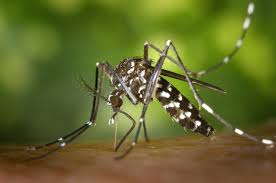
The Unidade Local de Saúde (ULS) of Leiria Region warned this Tuesday about the increased presence in Pombal of the tiger mosquito (Aedes albopictus) that transmits Zika and dengue and asked the population to adopt measures to prevent its spread.

Although no cases of diseases associated with this vector have been recorded in mainland Portugal, it is important to highlight that the tiger mosquito is a potential transmitter of viruses such as dengue, Zika, and chikungunya, causing painful bites and allergic reactions in sensitive individuals. One of the main preventive steps is to avoid prevention and control measures, which include eliminating stagnant water in flowerpots, tires, bottles, drains or other containers. Although this is aimed at Pombal, the advice also applies to any area where there are mosquitoes.

We wish you a good week ahead.

News

Spain has already mobilized 5,600 troops and 2,000 assets from the Armed Forces

Spain has already sent 5,600 military personnel and more than 2,000 air and ground resources from the Armed Forces to the fires this year, in an unprecedented mobilization in recent decades to combat the fires, the Government said today.

The autonomous regions, which are responsible for civil protection in Spain, have already asked the central government 41 times to activate the Military Emergency Unit (UME, a special force of the Armed Forces created 20 years ago that operates in disaster scenarios), said Defence Minister Margarita Robles at a hearing in the Senate (the upper house of the Spanish Cortes).

All requests were responded to, with resources from the UME and the rest of the Armed Forces, the minister assured, and emphasized that Spanish legislation only allows military personnel to act in these scenarios at the request of regional governments.

According to Margarita Robles, 5,600 personnel and more than 200 resources “of all types” – air, land and others – have already been mobilized to respond to an “unprecedented situation in August” in the country, due to the number of fires burning simultaneously and the “virulence” of the flames.

The minister also highlighted that in the wave of fires that has hit Spain since the beginning of the month, the work was carried out in an “absolutely coordinated” manner and “without controversy” between the “technical teams” of the autonomous communities and the military until August 15.

According to Margarita Robles, on that date, however, “surprisingly”, during the night, and after statements from the national leadership of the Popular Party (PP, right), the three regions most affected by the fires, all led by the PP (Galicia, Castile and León and Extremadura), sent new requests for resources in writing to the central government, “abstract” or in “incredible quantities” impossible to meet even using all the air resources available in the European Union’s civil protection mechanism.

“It’s as if there were no resources on the ground,” said the minister, who gave examples of assistance requested at that time by the regions from the military that were met and then never used or were only activated punctually or after several days.

Robles urged politicians, in a situation like the one Spain is facing with the fires, to let technicians and experts work and make decisions.

The minister of the Spanish government led by socialist Pedro Sánchez praised the military sent to the fires and also highlighted the praise for the “technical teams” and forestry brigades of the autonomous regions governed by the PP.

Without directly singling out regional governments, he also criticized the “lack of prevention and foresight” of some officials, stressing that the EMU can only respond as it has in recent weeks with “hard and adequate” preparation work throughout the year and investments in equipment and human resources.

AI model simulates current climate over periods of up to a thousand years in just 12 hours

The Deep Learning Earth System Model (DLESyM) runs on a single processor and performs a forecast in just 12 hours, while a state-of-the-art supercomputer would take approximately 90 days to do the same.

An artificial intelligence (AI) model can accurately simulate Earth’s current climate and interannual variability over periods of up to 1,000 years in just one day, according to a study released Tuesday by Europa Press.
The work of researchers at the University of Washington in the United States, released by the Spanish private news agency, was published in the scientific journal AGU Advances on Monday.

The Deep Learning Earth System Model (DLESyM) runs on a single processor and performs a forecast in just 12 hours, while a state-of-the-art supercomputer would take approximately 90 days to do the same.

“DLESyM simulations match or exceed key metrics of seasonal and interannual variability—such as tropical cyclogenesis across the range of observed intensities, the Indian summer monsoon cycle, and the climatology of mid-latitude blocking events—when compared with historical simulations from four leading models of the sixth Climate Model Intercomparison Project,” notes the abstract that introduces the scientific paper.

“It worked very well”

The program combines two neural networks, one representing the atmosphere and the other the ocean, which had not previously been done in models powered solely by AI.

“We were the first to apply this framework to AI and found it worked very well,” said Nathaniel Cresswell-Clay, a graduate student in Atmospheric and Climate Sciences at the University of Washington and the paper’s lead author, as quoted by Europa Press.

The researcher is currently working to include a land surface model in DLESyM, the latest contribution from the group led by Dale Durran, professor of Atmospheric and Climate Sciences at the University of Washington and one of the first scientists to introduce AI into weather forecasting more than five years ago.

The researchers compared their predictions of past events with those of the four leading models from the sixth phase of the Coupled Model Intercomparison Project (CMIP6), all of which run on supercomputers and whose “future climate predictions were essential inputs to the latest report from the Intergovernmental Panel on Climate Change (IPCC).”

DLESyM simulated tropical cyclones and the seasonal cycle of the Indian summer monsoon better than the CMIP6 models, and in the mid-latitudes, it captured the monthly and interannual variability of weather patterns at least as well as they did.

Neither model is 100% accurate, but the AI ​​model also has the advantage of much lower power consumption.

“The quality of our results validates our model and increases our confidence in its future projections,” said Cresswell-Clay.


Azores Situation Report Wednesday 27th August 2025

25% more nursing consultations in the ICU

In 2024, the region’s nine Ilha Health Units (USI) performed more than 660,000 nursing consultations, a 25% increase compared to the previous year. Medical consultations saw a slight decrease.

Transinsular with new ship and weekly flight to the Azores from September

Shipping operator Transinsular will launch a new service and increase maritime transport capacity to the Azores, with a new vessel and weekly frequency starting in September.

Azores thermal spas sought by 150,000 people in 2024

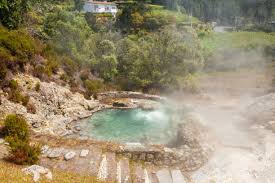
In 2024, Azorean thermal spas welcomed around 150,000 national and international users, demonstrating the “extraordinary success” of thermalism in the archipelago, according to the Azores Thermal Spa Association.

In the Autonomous Region of the Azores, 50 thermal phenomena have been identified, and there are eight active spas.

The association’s president, Luísa Pereira said that last year, “mainland spas registered around 80,000 users,” and in the Azores, around 150,000 were registered, demonstrating “the extraordinary success of thermalism” in the archipelago.

“In my opinion, this success is due to simple balneotherapy, which is the phenomenon well known as the Dona Beija phenomenon, the Caldeira Velha Park, or the Terra Nostra [Park],” in the municipalities of Povoação and Ribeira Grande, on the island of São Miguel, she explained.

Balneotherapy “consists of frequenting or using thermal water outdoors, in a pool or complex,” most of which are thermal tanks.

“And this value is truly what makes thermal spas in the Azores a true success,” resulting in the archipelago’s user numbers far exceeding those on mainland Portugal.

Luísa Pereira added that in the Azores, although thermal waters “are empirically recognized for their health benefits,” this completely different practice exists, which is already being replicated in thermal spas on mainland Portugal, demonstrating the practice’s success.

The president of the Azores Thermal Association emphasized that data on the use of thermal spas in 2025 collected so far could “surpass last year,” without providing specific figures.

Regarding the origin of visitors to Azorean thermal spas, they come from “various source markets.”

She added that “a large portion” of users are local residents, while the remainder are visitors from various countries, although there are times when more people from the United States and Canada visit, “due to Azorean emigration.”

“Our diaspora, whenever they come to the Azores, frequent the spas […] and then we have all our source markets. [At] certain times, we have the German market, we also have our Portuguese coming from the mainland, and so there’s a panoply, so to speak, of different cultures and different people.”

The director noted that there are also times when visitors are more French and English, “because thermalism is a global phenomenon, although it is more implicit in the culture of some countries.”

In Portugal, there is “a very vast and significant thermal culture,” she concluded.

According to the president of the Azores Thermal Association, 50 thermal phenomena have been identified in the region (on the islands of São Miguel, Terceira, Faial, Flores, and Graciosa), and there are eight active thermal resorts, three of which are spas (two on São Miguel and one on Graciosa).

There are still two inactive thermal spas: one on the island of Faial (Termas do Varadouro) and another in the municipality of Ribeira Grande (Termas da Ladeira da Velha).

São Miguel has thermal spas in the municipality of Ribeira Grande (Caldeiras and Caldeira Velha), Ponta Delgada (Ferraria, in the town of Ginetes), and in the municipality of Povoação, parish of Furnas (hotel, Terra Nostra Park, Poça da Dona Beija, and the Poça da Dona Silvina foot-washing phenomenon).

On Graciosa, in the municipality of Santa Cruz da Graciosa, the Carapacho spa is active (it reopened in late July).

A thermal spring has also been identified on the island of Flores, while on Terceira Island, with several recognized sites, the thermal spring is being used to produce geothermal energy.


Azores Situation Report Wednesday 20th August 2025

Construction work has begun on the drone track on Faial Island.

Construction work began this week on a drone runway on the island of Faial in the Azores, which the Regional Government intends to use for test flights by companies involved in innovative technologies.

“This is another step we’re taking today toward completing the drone track, which will support the Maritime Cluster we’re building,” emphasized Mário Rui Pinho, Regional Secretary for Maritime Affairs and Fisheries, speaking to reporters after a visit to the facility, which will cost approximately €300,000.

The Faial drone track, which will be 300 meters long and 20 meters wide, is being built on land donated by the Horta City Council, which was used as the island’s landfill in recent decades. This land will now be enhanced by an investment integrated into a broader plan.

“The research vessel is expected to arrive in Horta in December, the Tecnopolo-Martec (marine science research centre) should be ready in June, the coastal station is under development, and we’re working on implementing the Technological Free Zone,” explained the minister, referring to the investments the government is making to flesh out the Azores Maritime Cluster.

The Free Technological Zone (ZLT) is a space covering over 150 square kilometres, located north of Faial, which is intended to be used for all types of robotic equipment testing, both in the air and at sea, and which can be exploited not only by companies but also by the Portuguese Navy and Air Force.

This was emphasized in September 2023 by the then Chief of the Navy General Staff, Gouveia e Melo, during a visit to the land where the Faial drone runway is now being built.

“This runway and its significance, and what it can contribute, is a digital economy, focused on the sea, in which the product is not the value of the materials themselves, but the value of the knowledge associated with these materials,” the admiral explained at the time during a visit to the Azores, emphasizing that the infrastructure could have civilian, military, and, above all, scientific uses.

The new drone runway currently under construction in Faial will be managed by the Azores Maritime Development Association (ADAFMA), which also manages the Azores Maritime School. The school has received interest from companies and consortia interested in conducting test flights.

“There aren’t many runways like these available for testing, given the atmospheric variability we have here. Climate variability, surprisingly, is a very positive aspect, because it allows for very accurate proof-of-concept tests very quickly,” explained Ana Rodrigues, director of the Azores Maritime School.

Earthworks on the drone runway are expected to be completed within approximately a month, followed by a drone testing phase before final paving.

One dead and two injured in accident between two motorcycles in São Miguel

A collision between two motorcycles in the village of Água de Pau, in the municipality of Lagoa, left one fatality and two injured on Sunday, according to a firefighter source.

The fatal victim, a man whose death was confirmed at the scene, was the driver of one of the motorcycles involved in the accident, the commander of the Vila Franca do Campo Volunteer Fire Department, Tiago Santos, told Lusa news agency.

The injured, a man and a woman, were transported by firefighters to the emergency room at the Hospital do Divino Espírito Santo, in Ponta Delgada, he added.

The accident occurred on the expressway, in the direction of Ponta Delgada – Lagoa, at the exit that gives access to Pisão.

The alert for the occurrence was given to the firefighters at 10:16 am.

The circumstances in which the accident occurred are being investigated by the police authorities.

“I was told that the two motorcycles were traveling in the same direction. Something happened, and they collided, and then both ended up skidding off the road,” said the commander of the Vila Franca do Campo Volunteer Fire Department.

Members of the Volunteer Fire Department of Vila Franca do Campo and Ponta Delgada, as well as the PSP, were present at the scene.


Azores Situation Report Wednesday 13th August 2025 

The Azores managed to recover 76% of their urban waste

Around two-thirds (76%) of the waste generated in the Azores was recycled in 2024, a “very significant advance” compared to previous years, according to the regional secretary for the Environment.

According to data provided by Alonso Miguel, who was speaking at the presentation of the 2024 report on urban waste in Ponta Delgada, there were “improvements in packaging management and collection, with a rate of 83.5 kilograms per inhabitant in 2024,” a 4.8% increase compared to 2023.

The Minister of Environment and Climate Action highlighted two factors that he considered “very differentiating and prestigious for the region,” namely the rate of waste preparation for reuse and recycling, which reached 48% in 2024, 33% more than in 2023.

At the national level, he added, the rate of waste preparation for reuse and recycling was 23%, compared to 48% in the Azores.

Alonso Miguel also said that, in 2020, the rate “was only 31.2%, which represents a 54% increase” and leaves the region “very close to achieving the EU targets for 2025.”

According to the minister, one of the determining factors for this growth was the commissioning of the mechanical and biological treatment plant on the island of São Miguel.

“It has even been possible to achieve the EU target set for 2025, which was 55%, since São Miguel achieved a rate of 56%,” he stated.

Another “relevant statistic” highlighted by the regional secretary concerns the diversion of landfill waste, which in the Azores “reached a very significant 45% in 2020, reaching 24% this year.”

These results, he emphasized, demonstrate that the Azores are “on a very solid path to achieving the EU target for landfill waste disposal by 2035, which is 10%.

However, the Environment Minister also highlighted “less positive data that warrant additional efforts, particularly regarding waste management on Terceira Island, where the rate of preparation for reuse and recycling remains stagnant, with a slight reduction to 19%.

Communications traffic at MEO Monte Verde equal to 13 years of calls

The festival, which brought together around 40,000 people on Monte Verde beach, in Ribeira Grande, was also the first in the Azores to have sign language interpreters.

The MEO Monte Verde 2025 festival recorded communications traffic equivalent to more than 13 years of calls, MEO revealed in a press release.

Last weekend, around 40,000 people gathered on Monte Verde beach, in Ribeira Grande, for three days of music, sharing and innovation.

And as stated in a press release, for the first time in the Azores, a festival featured Portuguese Sign Language interpreters, ensuring that the music could be felt by everyone, complementing the mobility solutions already available at the venue and ensuring that everyone could fully enjoy the festival experience.

This initiative, part of the MEO Foundation’s “Music with Meaning” project, reinforced the event’s commitment to cultural accessibility and social inclusion, in a festival that also included the strengthening of technological infrastructure, ensuring that thousands of festivalgoers could share moments and stay connected quickly and safely.

Santa Clara makes its home debut on August 17th

The Portuguese Professional Football League (LPFP) released, last Friday, the schedule for the second round of the I Liga, where the “encarnados” from Ponta Delgada will play the first match at home, on August 17, against Moreirense.
The duel between the Azoreans and the “canons” is scheduled to start at 5 pm and will be played three days after Santa Clara plays the second leg of the third qualifying round of the Conference League, against Northern Ireland’s Larne.

The second round of the main Portuguese football competition starts next Friday (August 15), with AFS hosting Casa Pia, at 2:30 pm.

Three more matches follow on Saturday, with the clash between Tondela and Famalicão (2:30 pm), Vitória de Guimarães – Estoril (5:00 pm) and also Benfica’s visit to Estrela da Amadora’s home (7:30 pm), with the duel between the “tricolores” and “águias” being subject to changes, depending on the qualification of the “encarnados” for the Champions League play-off.

On Sunday, in addition to Santa Clara-Moreirense, there are three more matches to highlight, with Rio Ave hosting Nacional (2:30 pm), the duel between Alverca and Sporting de Braga (5:00 pm) and Sporting debuting, at 7:30 pm, the “renovated” Estádio José Alvalade, against Arouca, with the round concluding on Monday, from 7:15 pm, with FC Porto’s visit to Gil Vicente’s stronghold.


Portugal Safety and Security Report Wednesday 13th August 2025

Good morning everyone. The fires over the last 12 days have been extensive, intensive and prolonged. One 12 days from ignition is still actives and there are several that over 3-4 days. This is an illustration of what we have warned of over the last year, that climate change and extreme temperatures is providing the basis for  more extreme fires which burn at such an intensity, that it is difficult for firefighters to supress using normal means.

In monitoring these fires daily we cannot recall a time that so many fires have re-ignited from being in resolution or even conclusion some three or four times.

There is speculation whether or not Portugal will extend the State of Alert for the second time. It is currently due to expire on 13 the August at 23.59 hrs. However, the fire risk for the days ahead are not good with the fire risk forecast being particularly high at 90% of the mainland at very high or above. A decision will need to be reached today.

It was reported on Monday confirmed by the ANEPC that none of Canadair’s firefighting aircraft in the country are operational. The aircraft, which was operating in the Tâmega and Barroso region, had taken off from Castelo Branco when smoke was detected in one of its engines, Civil Protection confirmed to RTP. Shortly after, it returned to the airfield, making an emergency landing. The failure occurred a week after a second Canadair ditched in the Douro. A third Canadair is also not operational.

Avincis, the company responsible for the fleet of Canadair aircraft used to fight wildfires in Portugal, describes an “unprecedented situation.” The aircraft it provided to the Portuguese government are currently inoperable due to mechanical problems.

When these aerial resources are not in operation, particularly in weeks like these, it has a decisive influence – not only in containing the fires, but in many cases in resolving them. Despite being the Mediterranean country with the largest area of burned forest, Portugal is also the only one that does not have its own fleet of these planes – the three in question are rented.

Fortunately Morocco has stepped in activating a bilateral cooperation with Portugal and provided two replacements which arrived on Monday and are now in service. These aircraft normally operate in pairs. Spain was ask to assist but they need their Canadair’s due to the high fire risk situation there. There is no indication that any request was earlier made under the EU Civil Protection Mechanism, which appears strange in these circumstances.

The first Canadair heavy forest firefighting aircraft to replace those that are inoperable arrived in Portugal early this afternoon and a second will arrive “in the coming days,” according to the Avinica company that operates these aircraft. Clearly the speed of replacements reflects the seriousness of the problem and the absolute need for heavy duty firefighting aircraft in these major fires.

Portugal has only completed 40% of its National Action Plan (PNA) to reduce the destruction caused by forest fires: the objective, the newspaper ‘Público’ revealed this Tuesday, was to clear one million hectares of Portuguese forest between 2020 and 2024. However, the clearing operations covered only 400 thousand hectares. According to the National Plan of Action (PNA), which establishes the goals and priorities of the Integrated Rural Fire Management System, the achievement rate for the 98 objectives set by 2030 reached 56% last year. However, experts are more cautious about this assessment. (More about this in our news article below)

Lastly we are experiencing daily temperatures up to 43C/44C in some places .Health in such conditions is vitally import; so please take the advice of DGS concerning steps to avoid dehydration, especially for children and the elderly.

Our team at Safe Communities wishes you a good week ahead.t

News

Only 40% of the national forest cleaning plan has been completed

Portugal has only completed 40% of its National Action Plan (PNA) to reduce the destruction caused by forest fires: the objective, the newspaper ‘Público’ revealed this Tuesday, was to clear one million hectares of Portuguese forest between 2020 and 2024. However, the clearing operations covered only 400 thousand hectares.

According to the National Plan of Action (PNA), which establishes the goals and priorities of the Integrated Rural Fire Management System, the achievement rate for the 98 objectives set by 2030 reached 56% last year. However, experts are more cautious about this assessment.

The performance report, according to Miguel Freitas, former Secretary of State in António Costa’s government, “gives a good picture of the state of the art, but if we look at the physical implementation, which is fundamental, everything remains unfulfilled.” “On the ground, the investment in prevention isn’t felt,” he added. Francisco Castro Rego, academic and former president of the Independent Technical Observatory created by the Assembly of the Republic to define a strategy against wildfires, also indicated that the AGIF report [the agency that coordinates and monitors entities involved in preventing and combating forest fires] “is very well done,” but “it’s just numbers.”

Despite the promises of successive governments, forest clearing, management, and economic development have not changed, as was seen in September 2024: in one week, more than one hundred thousand hectares of forest burned and 16 people died, leading the AGIF to recognize in its report a warning sign for the present and the future: “The fires of September 2024 show that there are difficulties to overcome and call on Portuguese society and its political representatives to mobilize to strengthen the path already defined.”

Tiago Oliveira, chairman of the agency’s board of directors, emphasized that, after 2023, the sense of urgency that politicians and society in general placed on fighting the fires has been deflated. “It’s essential that the country re-discuss what needs to be done,” he warned, noting that “the difficult things” remain to be done. “Politicians don’t want to discuss the Gordian knots” of the sector in the Assembly. Which ones? Changes to the inheritance system that perpetuates undivided inheritances and abandonment, the financing model for municipalities based on their forest area, or multi-year program contracts with forest producer organizations.

The cleanup of the national forest failed across the board, despite the ambitious goals set by the National Plan of Action (PNA): between 2020 and 2024, one million hectares were to be cleared, and by the end of the program, in 2030, 2.5 million. Resources from agricultural policy, the PRR, and the State Budget were allocated to this end. The clean-up, which was to be coordinated and monitored by ANEPC (National Emergency and Civil Protection Authority), relied on various resources and institutions: sapper goats, contracts with producers and municipalities, programs from the ICNF (Institute for Nature Conservation and Forests), controlled fires, and obligations of electricity and gas grid managers and Infrastructure Portugal.

However, the numbers are revealing: in 2024, grazing with over half a million animals totalled 3,480 hectares; controlled fires totalled 2,100 hectares—94% below the program’s targets. The ICNF, energy companies, and Infraestruturas de Portugal are also reducing their contributions: in 2021, when political and social pressure was high, they cleared 88,000 hectares; in 2024, they cleared 75,000.

The national forest is more vulnerable, exacerbated by climate change: with brush accumulating over the years in the mountains, among the trees, large fires will continue to plague the summer. To stop this threat, Portugal would need to clear more than twice the forest area it is currently managing.

By the end of 2024, almost 338,000 hectares had already burned; this year, with at least two months of hardship ahead, fires have consumed almost 50,000 hectares.