Madeira Situation Report Thursday 20th January 2022

By Daniel Fernandes

Covid-19 update

There were 13,740 new Covid-19 cases, 8,167 recoveries and 5 deaths from Covid-19 in Madeira since the previous Madeira Situation Report, which was published a week ago. Once again, the vast majority of new Covid-19 cases were locally transmitted 

On Wednesday, there were 1,839 new Covid-19 cases (50 imported cases & 1,789 cases of local transmission) and 479 recoveries. The number of patients in hospital decreased to 87, 5 of whom were in intensive care.

On Thursday, there were 2,166 new Covid-19 cases (51 imported cases & 2,115 cases of local transmission), 1,544 recoveries and 1 death. An 82-year-old male patient, who was vaccinated against Covid-19 and had pre-existing conditions, died with Covid-19 at Hospital. Dr. Nélio Mendonça. The number of patients in hospital increased to 88, 5 of whom were in intensive care.

On Friday, there were 2,006 new Covid-19 cases (25 imported cases & 1,981 cases of local transmission) and 647 recoveries. The number of patients in hospital decreased to 83, 4 of whom were in intensive care.

On Saturday, there were 2,034 new Covid-19 cases (64 imported cases & 1,970 cases of local transmission), 1,105 recoveries and 2 deaths. A 64-year-old female patient and an 80-year-old male patient, who were vaccinated against Covid-19 and had pre-existing conditions, died with Covid-19 at Hospital Dr. Nélio Mendonça. The number of patients in hospital increased to 85, 3 of whom were in intensive care.

On Sunday, there were 1,455 new Covid-19 cases (20 imported cases & 1,435 cases of local transmission), 1,030 recoveries and 1 death. An 83-year-old male patient, who was vaccinated against Covid-19 and had pre-existing conditions, died with Covid-19 at Hospital Dr. Nélio Mendonça. The number of patients in hospital decreased to 75, 3 of whom were in intensive care. 

On Monday, there were 2,071 new Covid-19 cases (17 imported cases & 2,054 cases of local transmission), 1,681 recoveries and 1 death. A 94-year-old male patient, who was vaccinated against Covid-19 and had pre-existing conditions, died with Covid-19 at Hospital Dr. Nélio Mendonça. The number of patients in hospital decreased to 73, 1 of whom was in intensive care.

And on Tuesday, there were 2,169 new Covid-19 cases (29 imported cases & 2,140 cases of local transmission) and 1,681 recoveries. The number of patients in hospital increased to 76, 1 of whom was in intensive care.

There were 14,494 active cases on Tuesday, of which 317 had been imported while the remaining 14,177 cases had been a result of local transmission. As of Tuesday, there had been 49,580 cases, 34,939 recoveries and 147 deaths.

As of Tuesday, there were 79 patients in isolation in a dedicated hotel, 14,339 patients in isolation in their own accommodation and 76 patients in hospital, 1 of whom in intensive care. 

On the same day, there were 1,867 suspected cases under epidemiological investigation and analysis, which were all linked to patients who tested positive for Covid-19, to calls made to the SRS24 helpline, to referrals by SESARAM (Madeira Regional Health Service) and to airport screening.

Also on the same day, there were 19,037 travellers under monitoring by the health authorities. Monitoring is being carried out through the ‘MadeiraSafe’ app. There were also 7,044 people, who had contact with positive cases, being monitored by the health authorities of several Madeira municipalities and of Porto Santo.

As for Covid-19 rapid antigen tests, a total of 1,573,324 tests had been carried out by January 18th, as part of a mass testing campaign.

The SRS 24 helpline (Regional Health Service – 800 24 24 20) received 3,192 calls in the last 7 days. Overall, it had received 84,064 calls.

The Covid-19 mental health helpline (Linha de Acompanhamento Psicológico da Direção Regional de Saúde – 291 212 399 – available every day from 09h00 to 21h00), which was set up to provide emotional and mental support to anyone in Madeira received 11 calls in the last 7 days. Overall, it has received 4,038 calls.

https://funchalnoticias.net/2022/01/12/madeira-tem-hoje-1839-novos-casos-de-covid-19-ha-mais-de-10-mil-activos 

https://funchalnoticias.net/2022/01/13/madeira-bate-novo-recorde-e-regista-2166-infeccoes-por-sars-cov-2-num-so-dia/

https://funchalnoticias.net/2022/01/13/morreu-mais-um-doente-com-covid-19-e-o-143o/ 

https://funchalnoticias.net/2022/01/14/2006-novos-casos-de-covid-19-hoje-na-ram-12266-activos-entre-nos/

https://funchalnoticias.net/2022/01/15/2034-novos-casos-de-covid-19-13193-activos-85-pessoas-internadas-duas-mortes-hoje/

https://funchalnoticias.net/2022/01/15/morreu-mais-uma-pessoa-com-covid-19-uma-doente-de-64-anos/

https://funchalnoticias.net/2022/01/16/1455-novos-casos-de-covid-19-13-617-casos-activos-na-ram/

https://funchalnoticias.net/2022/01/16/morreu-mais-um-doente-com-covid-19-no-hospital-dr-nelio-mendonca/

https://funchalnoticias.net/2022/01/17/numeros-da-covid-19-na-ram-acima-dos-dois-mil-novos-casos-diarios/

https://funchalnoticias.net/2022/01/17/morreu-na-madeira-mais-um-doente-com-covid-19/

https://funchalnoticias.net/2022/01/18/mais-2-169-casos-de-covid-19-14494-casos-activos-na-ram/

Hospital visits suspended for another 10 days

On January 15th, SESARAM (Madeira Health Service) announced that hospital visits to all SESARAM hospitals (Dr. João de Almada; Marmeleiros; Dr. Nélio Mendonça) will remain suspended for an additional period of 10 days. This is a precautionary measure due to the current number of Covid-19 infections in the Region.  

For more information, contact Balcão do Cidadão, which is located in the entrance hall to Hospital Dr. Nélio Mendonça, by calling 291705763 or 961186549 or send an email to balcaocidadao@sesasam.pt (for inquiries related to the different hospitals and health centres – Monday to Friday between 08h30 and 19h00 & Saturday/Bank Holliday between 10h00 and 13h00).

If someone is hospitalised after being seen at the ICU unit, the Family Support Office (Gabinete de Apoio à Família) can be contacted by calling 291705608 between 08h00 and 00h00 (everyday).

https://funchalnoticias.net/2022/01/15/hospitais-da-ram-com-visitas-suspensas-por-mais-dez-dias-em-prevencao 

https://www.jm-madeira.pt/regiao/ver/155688/SESARAM_mantem_suspensas_as_visitas_hospitalares_por_mais_10_dias_

Remarks from the Regional Health and Civil Protection Secretary

Pedro Ramos, Madeira’s Health and Civil Protection Secretary, said mass testing helped to protect the population after the arrival of the Omicron variant. However, he added that mass testing cannot take place for ever. Indeed, he stressed the most important thing is for the population to vaccinate against Covid-10 

He announced that by January 16th,  40% of the population had received a booster shot. Polling station staff for the upcoming Legislative Election were also inoculated with a  booster shot.

He said the Region is waiting for the European Union to provide further information on whether there should be a 4th dose of the Covid-19 vaccine..

He was also pleased that the increase in the number of infections did not result in greater pressure on the regional health service.

https://www.jm-madeira.pt/regiao/ver/155824/A_testagem_massiva_nao_se_pode_perpetuar_indefinidamente_diz_Pedro_Ramos

https://www.jm-madeira.pt/regiao/ver/155822/Regiao_aguarda_indicacao_da_Agencia_Europeia_para_avancar_com_a_quarta_dose

Covid-19 outbreak onboard Portuguese Navy corvette

Regarding the Covid-19 outbreak onboard NRP António Enes, a Portuguese Navy corvette that had been deployed on patrol in Madeira to replace another vessel that had experienced a mechanical issue, the number of infected sailors increased to 41 on January 13th. As a result, all infected sailors were moved to a hotel in Porto Santo, where they stayed until recovering. All sailors had presented light symptoms.

By January 17th, 31 sailors had recovered and returned to the corvette. An additional 20 sailors had remained in prophylactic isolation in a dedicated hotel. The Covid-19 outbreak did not result in any negative operational issues because NRP Mondego had also been deployed on patrol.

https://www.dn.pt/sociedade/autoridades-ponderam-retirar-os-39-militares-infetados-da-corveta-antonio-enes-14486691.html

Madeira Health Service Helpline for the elderly 

SESARAM (Madeira Health Service) announced its helpline for the elderly is now available. The helpline is called “Linha de Apoio ao Idoso” (Helpline for the Elderly). Its number is 969 320 822. In January, it will be available from 09h00 to 24h00.

https://funchalnoticias.net/2022/01/18/sesaram-divulga-linha-de-apoio-ao-idoso/

https://covidmadeira.pt/suspensao-de-visitas-no-hospital-dr-joao-de-almada-e-no-hospital-dos-marmeleiros/

Vaccine shipments 

A shipment of 5,850 Pfizer Covid-19 vaccines arrived in Funchal on January 14th. This will enable the regional Covid-19 vaccination to continue.

https://funchalnoticias.net/2022/01/14/chegaram-mais-5850-vacinas-da-pfizer-a-ram/ 

Direct New York flights to return in March

Flights between Madeira and New York have been temporarily suspended as a result of Covid-19 developments. This weekly route had started on November 30th. The flight is operated by Azores Airlines. These flights will resume in March and there is already strong customer demand for travel from the USA to the Region. This route will operate until May.  

https://funchalnoticias.net/2022/01/14/voos-directos-entre-nova-iorque-e-a-ram-prolongados-ate-maio/

Power cut 

Empresa de Electricidade da Madeira (Madeira power supplier) announced there will be power cuts due to scheduled work on the electricity supply network. These cannot be postponed and will take place in the following days and places:

FAJÃ DA OVELHA

January 20th09h00 to 13h30 

– São Lourenço (Precipício)

FAJÃ DA OVELHA

January 20th09h00 to 10h00 & 12h30 to 13h30

– Falcões

– Massapez

PAUL DO MAR

January 20th09h00 to 10h00

– Tunnel (Túnel)

FUNCHAL

January 20th09h00 to 12h0 

– Caminho dos Lombos

FUNCHAL 

January 21st00h00 to 04h00 

– Avenida Arriaga (number 33) (Café Ritz Madeira)

FUNCHAL

January 20th and January 21st09h00 to 11h30 & 14h00 to 16h00

– Estrada do Lombo Chão (numbers 1 to 19)

– Impasse das Balceiras 

– Vereda das Balceiras (numbers 4 to 37)

However, power could be restored during the time frame mentioned above. So, for safety purposes, it should be assumed that there will be power at any time during this period of time.     

If necessary, customers can contact the free Customer Support Service number (Serviço de Apoio ao Cliente): 800 221 187 

https://funchalnoticias.net/2022/01/18/publicidade-o-fornecimento-de-energia-sera-interrompido-nos-dias-horas-e-locais-abaixo-indicados-anuncio-5-2022/

Portugal Situation Report Wednesday 19th January 2022

Introduction

Good morning – I start today, not with Covid-19, but with the devastation caused to the tiny islands of Tonga resulting from the Hunga Tonga-Hunga Ha’apai volcanic eruption on 15th January 2022. Our sympathy goes to all those affected who have suffered a great deal, transforming some parts of the idyllic islands from tranquillity, to areas covered by ash, mud and damaged buildings and livelihoods. Let us hope they can recover from this soon, assisted by aid that is on its way. A tragedy on a monumental scale.

Turning to Covid matters, our lead story is the media briefing yesterday by WHO Director – General Dr. Tedros Adhanom Ghebreyesus. We have included this as our headline article as it puts the spread of Omicron in a global context and how governments should move forward from where we are at present.

He highlighted, “In some countries, cases seem to have peaked, which gives hope that the worst of this latest wave is done with, but no country is out of the woods yet. I remain particularly concerned about many countries that have low vaccination rates, as people are many times more at risk of severe illness and death if they’re unvaccinated.”

I used to say in the context of crime prevention, that security is only as good as the weakest link, and this is certainly true when it comes to Covid-19.

Portugal according to some forecasts is expected to reach the peak of the covid-19 pandemic between this Thursday and the following Monday. According to the calculations made by mathematicians from the Instituto Superior Técnico, at that time there will be about 45,000 diagnosed cases of infection and 40 deaths per day. Yesterday in fact there were just over 43,000 and 46 deaths so in terms of deaths slightly higher.

After reaching close to 45,000 daily cases, Portugal’s epidemiological curve should begin to decline in the following days. On the other hand, the peak of hospitalizations and intensive care should arrive at the beginning of February.

The transmission rates are continuing to decrease, so this maybe a good sign that the peak will, as the experts state, be in a matter of days and therefore towards the end of next week, new cases begin to decrease from the highs we are currently experiencing. In terms of hospitalisations, those in ICU and deaths we are well below the levels at this time last year.

A reminder that since Monday users aged 40 or over can self-schedule, to receive the booster dose against covid-19. The self-scheduling request is made on the SNS website dedicated to vaccination. Self-scheduling is also open for people over 60 years old (booster dose and flu shot) and those over 18 years old vaccinated with Janssen for 90 days or more.

Portugal has already administered 4 million booster doses of the vaccine against COVID-19. Of these, and until the end of yesterday, January 17, 2,041,675 doses had been administered to users aged 65 or over. Since the start of the vaccination campaign against COVID-19, in total, close to 20.2 million doses of vaccines have been administered.

Over the last two weeks DGS has made a number of changes to their website and as a result of this page links have therefore changed. As a consequences some people may have experienced difficulty finding various services and in some media reports even up to now are still providing links to pages which no longer exist. We have updated our website accordingly giving priority to the vaccination page. The new links are on that page relative to vaccinations and digital certificates. There may well be more changes so if you encounter any difficulty with any DGS/SNS page please let us know.

Yesterday we published a report “Social Balance 2021” concerning poverty in Portugal. One alarming statistic (and there several) was that among those who are poor, 43% live in homes without sufficient heat. The report noted that nearly a quarter of the elderly could not afford to heat their homes. We will be publishing more from this report over the next few days, but it is sombre reading especially as the survey which led to the findings was conducted just before or early in the pandemic, when the full effects had not yet been felt.

The above is one of the reasons why police (PSP and the GNR) have safe elderly programs here in Portugal checking regularly on the elderly living alone in isolated areas. It is important that we all do what we can through the various charities here, to help those in need, and in the case of elderly neighbours to check from time to time they are OK especially in this colder weather at present

With that have a Safe Day

Headlines

WHO Director-General’s opening remarks at the media briefing on COVID-19 — 18 January 2022

Director – General Dr. Tedros Adhanom Ghebreyesus – “Omicron continues to sweep the world. Last week, there were more than 18 million reported cases. The number of deaths remains stable for the moment but we are concerned about the impact Omicron is having on already exhausted health workers and overburdened health systems.

In some countries, cases seem to have peaked, which gives hope that the worst of this latest wave is done with, but no country is out of the woods yet. I remain particularly concerned about many countries that have low vaccination rates, as people are many times more at risk of severe illness and death if they’re unvaccinated.

Omicron may be less severe, on average of course, but the narrative that it is mild disease is misleading, hurts the overall response and costs more lives.  Make no mistake, Omicron is causing hospitalizations and deaths, and even the less severe cases are inundating health facilities. The virus is circulating far too intensely with many still vulnerable.

For many countries, the next few weeks remain really critical for health workers and health systems. I urge everyone to do their best to reduce risk of infection so that you can help take pressure off the system. Now is not the time to give up and wave the white flag.

We can still significantly reduce the impact of the current wave by sharing and using health tools effectively and implementing public health and social measures that we know work.

I am proud COVAX delivered its one-billionth dose over the weekend. Of course it’s not enough and we should do more.

At a time of Omicron, it remains more important than ever to get vaccines to the unvaccinated.

Vaccines may be less effective at preventing infection and transmission of Omicron than they were for previous variants, but they still are exceptionally good at preventing serious disease and death.

This is key to protecting hospitals from becoming overwhelmed. We’ve been able to track new variants like Omicron and this virus’ evolution in real time thanks to efforts of thousands of scientists and experts around the world.

More than 7 million whole genome sequences from 180 countries have now been submitted to GISAID, which was initially set up to track flu. This pandemic is nowhere near over and with the incredible growth of Omicron globally, new variants are likely to emerge, which is why tracking and assessment remain critical.

New formulations of vaccines are being developed and assessed for how they perform against Omicron and other strains. I am concerned that unless that if we change the current model we’ll enter a second and even more destructive phase of vaccine inequity. We need to make sure we share current vaccines equitably and we develop distributed manufacturing around the world.

We can only beat this virus if we work together and share health tools equitably. It’s really that simple”.

COVID-19 DGS Situation report for 18TH January 2022

Confirmed: 1,950.620 (+43729 / +2.29%)

Admitted in hospital: 1,955 (+17 / +0.88%)

Admitted to ICU: 160 (-14 / -8.05%)

Deaths: 19,380 (+46 / +0.24%)

Recovered: 1.598.454 (+42055 / +2.70%)

Active cases: 332,786 (+1628 / +0.49%)

TRENDS

Deaths are above the average of the last seven days (31.3) and well above the average of the last 30 days (20.1).

The Lisbon and Tagus Valley region recorded 25 deaths from covid-19 in the last 24 hours: the highest number ever since the beginning of the pandemic in Portugal

New cases are the highest for one day since the start of the pandemic, however,

Largest daily number of recoveries since start of pandemic

A smaller increase in hospitalisation since over one week.

A moderate decrease in those in ICU, but general trend remains fairly stable following small increases over the last few days.

Lowest daily increase in active case for some time.

COMPARISON WITH 2021

On this day last year there were a large 167 additional recorded deaths, 5165 in hospital, an increase of 276 from the previous day and 664 in IC

Health

Covid-19: more than four million people are vaccinated with the booster dose

The update of the administration of booster doses of the vaccine against covid-19 was made, in the early afternoon of this Tuesday, by the Directorate-General for Health (DGS).

Of these four million doses, “and until the end of yesterday, January 17, 2,041,675 doses were administered to users aged 65 or over”, specifies the DGS.

Taking the opportunity to make a total balance, the DGS points out that since the beginning of the vaccination campaign, on December 27, 2020, “nearly 20.2 million doses of vaccines have already been administered”.

The DGS reiterates, in the statement sent to the newsrooms, that “vaccination is the best form of protection against serious illness, hospitalizations and death”, and reinforces the appeal to “people, over 40 years of age, who are not yet vaccinated with the booster dose” schedule the vaccination on the DGS portal.

Attorney General’s Office opens investigation into the death of a child at Santa Maria Hospital

The Attorney General’s Office confirmed today the opening of an investigation to investigate the case of the death of the child with a positive test for SARS-CoV-2 on Sunday at the Hospital de Santa Maria.

In response to SAPO24, the PGR’s communication office confirms “the opening of an inquiry that runs under the Lisbon DIAP”.

The Centro Hospitalar Universitário Lisboa Norte (CHULN) announced this Monday that a six-year-old boy who tested positive for SARS-CoV-2 died on Sunday at Hospital Santa Maria and that the causes of death are being analysed.

The hospital said, in a statement, that the child was admitted to Hospital de Santa Maria on Saturday with “a condition of cardiorespiratory arrest”.

“The child had the first dose of the vaccine against covid-19, and CHULN notified the case to Infarmed and the Directorate-General for Health”, says the statement.

Also this Monday, Infarmed confirmed that it had received the notification of suspected adverse reaction in the case of the child who died.

“We confirm that we received the notification of a suspected adverse reaction today and that it is being treated by Infarmed together with the Regional Pharmacovigilance Unit of Lisbon, Setúbal and Santarém”, said the National Medicines Authority

According to the national regulator, “additional data are being collected by the notifier for the analysis and assessment of the imputation of causality, since, since the apparent temporal relationship is not the only determinant in the assessment of causality, it is necessary to proceed with the collection of all clinical information”

Twelve emergency team leaders at the Beja hospital present their resignation

Twelve emergency team leaders at the Beja hospital today resigned from their posts, claiming they are unable to treat patients with quality and safety, mainly due to the lack of doctors and work overload.

In the resignation request, to which the Lusa agency had access, the 12 heads of the Internal Medicine team consider that “the current conditions do not allow to ensure care to patients with the quality and safety due” in the Emergency Department (SU) of the hospital of Beja, managed by the Baixo Alentejo Local Health Unit (ULSBA).

Therefore, the specialists presented the resignation of the positions “until a reassessment of the situation” of the SU, “with resolution of the lack of medical human resources and reappraisal of the competences of the team leaders”.

The doctors refer that the decision to present the resignation was taken now “due to a ‘dragged’ situation of decline in working and organizational conditions” of the SU, “to which the attention of the board of directors” of the ULSBA was requested. , “innumerable times, without any effective response”.

The resigning team leaders consider “a two-week deadline to schedule a meeting between interested parties” and warn that, “in the absence of a response, additional measures are planned”.

The 12 team leaders have also asked to be excused from civil liability, along with four more specialist doctors from the Beja hospital.

According to the resigning doctors, the covid-19 pandemic “has worsened the conditions, already precarious, in which the work is carried out” in the hospital’s emergency rooms.

European Centre asks governments to treat covid-19 like flu

European centre calls for a change in strategy in the future, so that countries do not live forever in public health emergencies.

The European Centre for Disease Prevention and Control (ECDC) is asking European countries to consider a change in strategy in the treatment of covid-19: to start monitoring it as if it were the flu virus.

In the case of Portugal, this could mean having data updated weekly and not daily, as is currently the case with the daily bulletins of the Directorate-General for Health (DGS).

An ECDC source told the Spanish newspaper “El País” that countries must “make the transition from an emergency surveillance system to more sustainable and goal-oriented ones”.

Across Europe, governments have reduced periods of quarantine and isolation, due to higher vaccination rates.

In Portugal, the National Institute Dr. Ricardo Jorge (INSA) monitors the flu virus on a weekly basis. JN contacted INSA, DGS and the Ministry of Health about whether a change in strategy was being considered, but has not yet received a response 

Portuguese Dental Association warn of the dangers of buying dental appliances and services on the net

The Ordem dos Médicos Dentistas (Portuguese Dental Association) launched a campaign to warn of the dangers of orthodontic teleconsultations and the purchase of dental appliances online, a situation that has already been reported to the Health Regulatory Authority.

The association is concerned about the growing offer of medical-dental services on the internet without the intervention of the dentist, including orthodontic self-treatment in which the patient directly places the device.

“All this comes from the participation of several colleagues and also of some patients regarding the growing offer of dental services”, through online advertisements, which misrepresent “the principles of medical practice”, explains the chairman of the association.

Miguel Pavão points out that orthodontic treatment has “some complexity” and requires “knowledge of the facts by the dentist and also a close and highly committed follow-up” by the specialist.

“You can never dispense with any type of diagnostic, planning, evaluation and control consultations, and what can never be at stake here is the patient taking crucial steps towards that same diagnosis”, he warned.

Miguel Pavão exemplified that there are cases in which the patient himself performs the self-assessment, through selfie-type photographs obtained by cell phone.

“In certain cases, it is the patient who makes impressions [study models] himself, who makes the record of the arch and the shape of his teeth, and this really has some risks for the patient and calls into question errors in this diagnosis and obviously throughout the treatment plan”, he stressed.

After this procedure, the devices (generally aligners) are sent to the patient by mail for a fee, and the monitoring of the progress of the treatment takes place, mostly or exclusively, without physical contact between the dentist and the patient.

Although the Portuguese Dental Association has already conveyed this concern to the Health Regulatory Authority , it decided to launch a campaign aimed at the population to warn of “the serious consequences of these procedures, whether results of inferior quality, the need for additional treatments or, in the most serious cases , irreversible damage to oral health”.

Covid-19: Infarmed confirms notification of suspected adverse reaction in the case of a child who died

According to the national regulator, “additional data are being collected by the notifier for analysis and assessment of the imputation of causality”

Infarmed confirmed that it received today notification of a suspected adverse reaction in the case of the death of a child who tested positive for SARS-CoV-2 on Sunday at Santa Maria Hospital.

“We confirm that we received the notification of a suspected adverse reaction today and that it is being treated by Infarmed together with the Regional Pharmacovigilance Unit of Lisbon, Setúbal and Santarém”, stated the National Medicines Authority.

According to the national regulator, “additional data are being collected by the notifier for the analysis and assessment of the imputation of causality, since, since the apparent temporal relationship is not the only determinant in the assessment of causality, it is necessary to proceed with the collection of all clinical information”.

This review precedes its reporting to the European EudraVigilance database, the system for managing and analysing information on suspected adverse drug reactions that have been authorized or under study in clinical trials in the European Economic Area.

The Centro Hospitalar Universitário Lisboa Norte (CHULN) announced today that a six-year-old boy who tested positive for SARS-CoV-2 died on Sunday at Hospital Santa Maria and that the causes of death are being analysed.

The hospital said, in a statement, that the child was admitted to the Hospital de Santa Maria on Saturday with “a condition of cardiorespiratory arrest”.

“The child had the first dose of the vaccine against covid-19, and CHULN notified the case to Infarmed and the Directorate-General for Health”, says the statement.

According to data from the DGS, since the beginning of the pandemic, three children have died from covid-19 between zero and nine years old. 

Portugal is fourth EU country and sixth in the world with the most new daily infection

Portugal is the fourth country in the European Union (EU) and sixth in the world with the most new daily cases of contagion with SARS-CoV-2 per million inhabitants in the last seven days, according to the statistical website Our World in Data.

According to data updated on Monday, the member state with the highest average of new infections is France, with 4,370 per million inhabitants, followed by Denmark (3,970) and Ireland (3,590), while Portugal has an average of 3,440 new cases per million inhabitants in the last seven days.

Worldwide in this indicator, and considering only countries and territories with more than one million inhabitants, at the top of the list is Israel, with a daily average of 4,440 new cases, followed by France, Australia (4,100), Denmark, Ireland and Portugal.

Last week, Portugal was the seventh EU country with the most new cases, with a daily average of 2,390.

The European average on this indicator rose this week from 1,830 new cases to 2,130, while the world average rose from 307 to 372.

In the EU context, the countries with the lowest average number of new cases per million inhabitants are to the east: Poland (377), Romania (439), Slovakia (534) and Hungary (653).

Last week Portugal was the fourth with the fewest deaths attributed to covid-19 per million inhabitants in the previous seven days, with an average of 1.52, but today it is at 2.67

The member state with the highest average of seven-day daily deaths continues this week to be Bulgaria, with 10.9, followed by Poland (9.6), Slovakia (8.8) and Croatia (8.4).

Bulgaria, Poland, Georgia (9.4), Slovakia and Greece (8.1) are the countries with the highest average daily deaths attributed to covid-19 worldwide.

The EU average for this indicator stands at 3.98 (slight increase of four tenths) and the world average at 0.9, one tenth more than last week. 

Border Enforcement – Covid-19 measures

More than 2,300 passengers were fined, between December 1 and January 16, for trying to enter Portugal through air borders without a negative test for SARS-CoV-2, the Ministry of Internal Administration (MAI) indicated this Monday.

According to the MAI, 41 airlines were also fined for boarding these passengers without a negative test.

In an assessment of this measure to control cases of covid-19, MAI told the Lusa agency that, between December 1 and January 16, PSP and SEF inspected 1,586,295 passengers and 15,309 flights, which resulted in 2,370 offences. .

Of the 2,370 infraction notices, 1,561 were raised by the PSP, which controls passengers from flights originating in the Schengen area (European area of ​​free movement of people), and 809 by the SEF, which inspects travellers from countries outside the Schengen area. .

Since December 1, 2021, all passengers arriving in Portugal by air are required to present a negative test or a recovery certificate upon disembarkation.

Passengers on domestic flights, children under 12 years of age and crews are exempt from the obligation of testing, PCR or rapid.

Airlines that carry passengers without a negative test incur a fine of between 20,000 and 40,000 euros per passenger and travellers are also subject to an administrative offence, between 300 and 800 euros, for not presenting a test on arrival.

The MAI also states that the 2,370 infractions include eight foreigners who were refused entry into the country because they did not present a test on arrival, since it is only allowed to take the test at the airport to citizens of Portuguese nationality, foreigners residing in Portugal and diplomatic personnel.

Land Border Control with 17,021 Random Operations

At land borders, also since December 1, citizens of countries outside the European Union and EU countries considered to be at red or dark red risk need a negative test or a recovery certificate.

Citizens from EU countries considered to be at low or moderate risk must have a vaccination, test or recovery certificate to enter Portugal.

The GNR and the Foreigners and Borders Service carried out 17,021 random surveillance operations at land borders until January 10th to ensure tests for covid-19, according to the MAI.

Within the scope of these operations, more than 100 thousand inspections were carried out on light and goods vehicles, motorcycles, trains, buses, which gave rise to 36 administrative offense notices for lack of a test or recovery certificate.

The MAI also mentions that 532 diagnostic tests were carried out at land borders. Control at the border areas will last until 9 February.

Other news

SEF- Execution of arrest warrants two detained

The Foreigners and Borders Service (SEF) detained two foreign citizens in Lisbon who were pending arrest warrants, the agency announced this Tuesday in a statement sent to newsrooms.

One of the detainees is a 35-year-old Cape Verdean woman, with an international arrest warrant “issued by the Cape Verdean authorities, for the purpose of extradition”, is indicted for the crimes of kidnapping, aggravated murder and criminal association, and will be still present this Tuesday to a judge to know the coercive measures.

As for the other foreign citizen arrested, the SEF has not disclosed the nationality, revealing only that she was arrested on Monday at Humberto Delgado airport, in Lisbon, in compliance with an arrest warrant for crimes of forgery and breach of trust.

North Region – If it doesn’t rain this month, mild drought in the North could turn to moderate

If it does not rain by the end of the month in the North region, a drought situation that is at a “critical” point could worsen and “the outlook is not good”, a source from the IPMA stated told Lusa.

Since November, the North region has been in a weak drought, with the exception of the northeast region, in Trás-os-Montes, where “there are points with moderate drought”, according to Vanda Pires, from the Department of Climate and Climate Change at the IPMA.

“This is the time that will greatly determine the evolution of the drought and the month of January is critical, because, if there is no precipitation, and large amounts of precipitation are not expected, at least until the end of the month, the tendency is for this to happen and itwill get worse,” she continued.

With this perspective, it remains “to be seen if in February there is any recovery”, not least because “then we start to enter months of the year in which there is less and less precipitation”, she underlined.

Therefore, he insisted that “January was a crucial month here for this situation not to worsen, but the outlook is not good”, adding that the region “may move to the moderate drought class”, with severe drought in the region of Bragança.

“We have four drought classes [mild, moderate, severe and extreme] and we are still in the first class, the least intense, but we are evolving to moderate. Bearing in mind that we have already been in the weak for two months, three consecutive months of drought, when there are three winter months, in which there is normally precipitation, these impacts could already be greater now, during the end of the month and beginning of February ”, detailed.

The specialist said that “they have been years with less and less rainfall, years with levels ​​far below normal in many of them, since the 1990s, but above all since the 2000s”.

 

Azores Situation Report Wednesday 19th January 2022

From our colleague in the Azores

Covid data from the previous 7 days.

12th January 2022 

557 new positive cases of covid-19 were diagnosed, with 292 on the island of São Miguel, 121 on the island of Terceira, 75 on the island of Pico, 32 on the island of Faial, 16 on the island of Santa Maria, nine on the island of Flores, seven on the island of São Jorge, four on the island of Corvo and one on the island of Graciosa.

On the island of São Miguel, 134 new positive cases in the municipality of Ponta Delgada, 96 in the municipality of Ribeira Grande, 21 in the municipality of Nordeste, 16 in the municipality of Povoação, 13 in the municipality of Lagoa and 12 in the municipality of Vila Franca do Campo.

The island of Terceira registered 84 new positive cases in the municipality of Angra do Heroísmo and 37 in the municipality of Praia da Vitória.

The island of Pico registered 47 new positive cases, 26 in the municipality of Madalena and two in the municipality of São Roque.

The island of Faial registered 32 new cases in the municipality of Horta.

On the island of Santa Maria, there are 16 new cases in the municipality of Vila do Porto.

On the island of Flores, eight new cases were registered in the municipality of Santa Cruz and one in the municipality of Lajes.

On the island of São Jorge, seven new cases were identified in the municipality of Velas.

On the island of Corvo, there are four new positive cases.

In turn, the island of Graciosa registered a new positive case in the municipality of Santa Cruz.

Hospitalisations: 

There are 30 patients hospitalised, 21 of them at the Divino Espírito Santo Hospital in Ponta Delgada (six in intensive care), five at the Horta Hospital (one in intensive care) and four at the Santo Espírito Hospital of Terceira Island.

Recoveries:

A total of 370 recoveries were registered.

13th January 2022 

605 new positive cases of covid-19 were diagnosed, with 336 on the island of São Miguel, 136 on the island of Terceira, 50 on the island of Pico, 41 on the island of Faial, 22 on the island of Santa Maria, 16 on the island of Flores, three on the island of São Jorge and one on the island of Graciosa, following 2,468 tests carried out.

On the island of São Miguel, 165 new positive cases were registered in the municipality of Ponta Delgada, 111 in the municipality of Ribeira Grande, 27 in the municipality of Vila Franca, 24 in the municipality of Lagoa, seven in the municipality of Nordeste and two in the municipality of Povoação.

The island of Terceira registered 86 new positive cases in the municipality of Angra do Heroísmo and 50 in the municipality of Praia da Vitória.

The island of Pico registered 32 new positive cases in the municipality of Lajes, 12 in the municipality of Madalena and six in the municipality of São Roque.

The island of Faial registered 41 new cases in the municipality of Horta.

On the island of Santa Maria, there are 22 new cases in the municipality of Vila do Porto.

On the island of Flores, nine new cases were registered in the municipality of Santa Cruz and seven in the municipality of Lajes.

On the island of São Jorge, two new positive cases were registered in the municipality of Calheta and one in the municipality of Velas.

In turn, the island of Graciosa registered a new positive case in the municipality of Santa Cruz.

Hospitalisations:

There are 33 patients hospitalised, 25 of them at the Divino Espírito Santo Hospital in Ponta Delgada (five in intensive care), four at the Horta Hospital (one in intensive care) and four at the Santo Espírito Hospital of Terceira Island.

Recoveries: 

A total of 249 recoveries were registered.

14th January 2022 

543 new positive cases of covid-19 were diagnosed, with 356 on the island of São Miguel, 89 on the island of Terceira, 42 on the island of Pico, 27 on the island of Faial, 13 on the island of Flores, 12 on the island of Santa Maria and four on the island of São Jorge, following 2,569.

On the island of São Miguel, 155 new cases were registered in the municipality of Ponta Delgada, 123 in the municipality of Ribeira Grande, 29 in the municipality of Lagoa, 27 in the municipality of Vila Franca do Campo, 16 in the municipality of Nordeste and six in the municipality of Povoação.

The island of Terceira registered 64 new positive cases in the municipality of Angra do Heroísmo and 25 in the municipality of Praia da Vitória.

The island of Pico registered 20 new positive cases in the municipality of Lajes, 17 in the municipality of Madalena and five in the municipality of São Roque.

The island of Faial registered 27 new cases in the municipality of Horta.

On the island of Flores, eight new cases were registered in the municipality of Santa Cruz and five in the municipality of Lajes.

The island of Santa Maria registered 12 new positive cases in the municipality of Vila do Porto.

On the island of São Jorge, three new positive cases were registered in the municipality of Calheta and one in the municipality of Velas.

Hospitalisations:

There are 34 patients hospitalised, 26 of them at the Divino Espírito Santo Hospital on the island of São Miguel (seven in intensive care), five at the Santo Espírito Hospital of Terceira Island and three at the Horta Hospital (one in intensive care).

Recoveries: 

A total of 225 recoveries were registered.

Death: 

An 84-year-old man died from Covid-19 on the island of São Miguel. He resided in Água de Pau, municipality of Lagoa, and had received primary vaccination. The patient suffered from several comorbidities and died shortly after being admitted to the hospital.

15th January 2022 

552 new positive cases of covid-19 were diagnosed in the Azores, 340 in São Miguel, 122 in Terceira, 50 in Faial, 27 in Pico, eight in Santa Maria, four in São Jorge and one in Flores, resulting from 2,735 analyses.

In São Miguel, 138 cases were registered in the municipality of Ponta Delgada, 117 in the municipality of Ribeira Grande, 31 in the municipality of Lagoa, 30 in the municipality of Vila Franca do Campo, 14 in the municipality of Nordeste and 10 in the municipality of Povoação.

In Terceira, 88 new cases were diagnosed in the municipality of Angra do Heroísmo and 34 in Praia da Vitória.

Faial registered 50 new cases in the municipality of Horta. Pico has 12 new positive cases in the municipality of Madalena, 11 in Lajes and four in São Roque.

In Santa Maria there are eight new cases in the municipality of Vila do Porto and in São Jorge four new positive cases were diagnosed in the municipality of Velas.

In Flores, a positive case was diagnosed in the municipality of Santa Cruz.

Admissions:     

37 people are hospitalized, of which 26 are at Hospital do Divino Espírito Santo, in São Miguel (five in intensive care), eight at Hospital de Santo Espírito on Terceira Island and three at Hospital da Horta (one in intensive care).

Recoveries:     

789 recoveries were recorded.

16th January 2022 

471 new positive cases of covid-19 were diagnosed in the Azores, 273 in São Miguel, 101 in Terceira, 57 in Pico, 19 in Faial, 13 in São Jorge, six in Santa Maria and two in Flores, resulting from 3,146 analyses.

In São Miguel, 112 new positive cases were registered in the municipality of Ponta Delgada, 91 in the municipality of Ribeira Grande, 25 in the municipality of Vila Franca do Campo, 23 in the municipality of Lagoa, 12 in the municipality of Nordeste and 10 in the municipality of Povoação.

In Terceira, 73 new cases were diagnosed in the municipality of Angra do Heroísmo and 28 in Praia da Vitória.

In Pico there are 27 new cases in Lajes, 21 in Madalena and nine in São Roque.

Faial has 19 new cases in the municipality of Horta.

In São Jorge, 10 positive cases were diagnosed in the municipality of Velas and three in the municipality of Calheta.

In Santa Maria there are six new positive cases in the municipality of Vila do Porto.

In Flores, a new case was diagnosed in the municipality of Lajes and another in the municipality of Santa Cruz.

Admissions:    

40 people are hospitalized, 28 at Hospital do Divino Espírito Santo, in São Miguel (four in intensive care), nine at Hospital de Santo Espírito on Terceira Island and three at Hospital da Horta (one in intensive care).

Recoveries:     

156 recoveries were recorded.

17th January 2022 

484 new positive cases of covid-19 were diagnosed, with 388 on the island of São Miguel, 97 on the island of Terceira, 19 on the island of Pico, 12 on the island of Santa Maria, nine on the island of São Jorge, seven on the island of Flores, one on the island of Graciosa and one on the island of Faial, following 1,839 tests.

On the island of São Miguel, 139 new positive cases were registered in the municipality of Ponta Delgada, 132 in the municipality of Ribeira Grande, 39 in the municipality of Vila Franca do Campo, 14 in the municipality of Lagoa, nine in the municipality of Nordeste and five in the municipality of Povoação.

The island of Terceira registered 65 new cases in the municipality of Angra do Heroísmo and 32 in the municipality of Praia da Vitória.

The island of Pico registered nine new cases in the municipality of Lajes, one in the municipality of Madalena and nine in the municipality of São Roque.

On the island of Santa Maria, there are 12 new positive cases in the municipality of Vila do Porto.

The island of São Jorge registered nine positive cases in the municipality of Velas.

On the island of Flores, seven new positive cases were registered in the municipality of Lajes and two in the municipality of Santa Cruz.

Faial and Graciosa registered a new positive case, respectively.

Hospitalisations:

There are 43 patients hospitalised, 28 of them at the Divino Espírito Santo Hospital on the island of São Miguel (two in intensive care), 12 at the Santo Espírito Hospital of Terceira Island (one in intensive care) and three at the Horta Hospital (one in intensive care).

Recoveries:    

A total of 638 recoveries were registered.

18th January 2022 

868 new positive cases of covid-19 were diagnosed, with 602 on the island of São Miguel, 176 on the island of Terceira, 52 on the island of Pico, 26 on the island of Faial, five on the island of São Jorge, five on the island of Flores and two on the island of Santa Maria, following 3,158 tests carried out.

On the island of São Miguel, 245 new positive cases were registered in the municipality of Ponta Delgada, 201 in the municipality of Ribeira Grande, 69 in the municipality of Vila Franca do Campo, 67 in the municipality of Lagoa, 11 in the municipality of Povoação and nine in the municipality of Nordeste.

The island of Terceira registered 104 new cases in the municipality of Angra do Heroísmo and 72 in the municipality of Praia da Vitória.

The island of Pico registered 22 new cases in the municipality of Madalena, 16 in the municipality of São Roque and 14 in the municipality of Lajes.

The island of Faial registered 26 new cases in the municipality of Horta.

On the island of São Jorge, three new positive cases were registered in the municipality of Velas and two in the municipality of Calheta.

On the island of Flores, five new positive cases were registered in the municipality of Lajes.

On the island of Santa Maria, there are two new positive cases in the municipality of Vila do Porto.

Hospitalisations:

There are 46 patients hospitalised, 33 of them at the Divino Espírito Santo Hospital on the island of São Miguel (four in intensive care), 10 at the Santo Espírito Hospital of Terceira Island (one in intensive care) and three at the Horta Hospital (one in intensive care).

Recoveries:    

A total of 354 recoveries were registered.

Current situation: 

The archipelago currently registers 3,894 active positive cases: 2,759 on the island of São Miguel, 616 on the island of Terceira, 218 on the island of Faial, 196 on the island of Faial, 38 on the island of Santa Maria, 37 on the island of São Jorge, 29 on the island of Flores and one on the island of Graciosa.

From December 31st, 2020, to January 1th7, 2020, 204,474 people in the Azores already have complete primary vaccination (86.5%) and 66,182 people have already received the booster dose (28%).

Vaccination of children. 

The vaccination of children against covid-19 will start this week in the Azores on the island of São Miguel and Terceira, the vaccination of children aged between 5 and 11 will take place at vaccination centres on specific days and schedules.  On the remaining islands, it will be carried out at health centres by appointment.

Vaccination Centres – Schedule for the vaccination of children

São Miguel

Municipalities of Ponta Delgada and Lagoa

(Pavilhão do Mar): Wednesday (1 pm to 7 pm); Friday (1 pm to 7 pm); Saturday (9 am to 7 pm);

Municipality of Ribeira Grande (Fernando Monteiro Pavilion): Wednesday (1 pm to 6 pm); Friday (1 pm to 6 pm); Saturday (9 am to 6 pm);

Municipality of Vila Franca do Campo:  Saturday (9 am to 4 pm);

Municipality of Nordeste (Health Centre): Wednesday (1 pm to 3:30 pm); Thursday (1 pm to 3:30 pm); Friday (1 pm to 3:30 pm);

Municipality of Povoação (Health Centre): Thursday (9 am to 3:30 pm); Saturday (9 am to 3:30 pm);

Terceira

Municipality of Angra do Heroísmo

Vinha Brava Multipurpose Pavilion– January 20, 21, 26 and 27, from 8:30 am to 7 pm.

Municipality of Praia da Vitória

Martial Arts Pavilion, next to the Municipal Stadium – January 20, 21 and 25, from 8 am to 2 pm.

The days and hours indicated here for the islands of Terceira and São Miguel are exclusively dedicated to the vaccination of children.  For the other seven islands of the archipelago, vaccination sessions will be scheduled by the respective island health units at health centres by appointment.

Flooded houses and roads on Terceira Island 

The Civil Protection of the Azores identified, yesterday, nine occurrences due to bad weather, all on Terceira Island, namely flooding of houses and roads, and the operation to remove the occupant of a partially submerged car was successfully carried out.

The reported situations concern flooding of houses and flooding of roads, with most of the occurrences being recorded in the municipality of Praia da Vitória, on Terceira Island.

In Angra do Heroísmo, three people were relocated, due to a flooding in the house, which although it is not uninhabitable, as a precaution, three people were relocated, an action that was ordered by the social services of the Municipality of Angra do Heroísmo.


Algarve Situation Report Wednesday 19th January 2022

“Electrão Schools” in the district of Faro have already collected more than 1 ton of electrical equipment

Eight educational establishments in the district of Faro that joined the “Escola Electrão” campaign have already collected 1383 kilos of used electrical equipment this school year, between September and December 2021.

Most of the used electrical equipment collected in the campaign corresponds to small appliances, such as cell phones, computers, microwaves and lamps, which make up a total of 1063 kilos. 236 kilos of batteries and 84 kilos of light bulbs were also collected.

The 11th edition of Escola Electrão, which runs until June, involves 236 schools nationwide. Overall, in this first period, participating schools across the country collected a total of 73 tons of used equipment. The campaign, promoted by Electrão – Waste Management Association, aims to raise awareness of the correct disposal of unused batteries, lamps and electrical equipment.

Each participating school can receive prizes depending on the amount of used batteries, light bulbs and electrical equipment collected. One point is awarded for every 100 kilos of used electrical equipment, 10 kilos of light bulbs or 10 kilos of batteries delivered. For every 10 points accumulated, at the end of the school year, the school receives a gift voucher in the amount of 75 euros to use in the purchase of new electrical equipment.

Over the last 10 editions, the “Escola Electrão” campaign allowed the collection of more than six thousand tons of electrical equipment used in the various participating schools, from north to south of the country.

Faro approves support for the creation of new vacancies in Medicine at UAlg

The measure will allow the creation of 96 vacancies by 2025.

The Faro City Council approved, at a council meeting on 5 January, the allocation of a total amount of 317,090 euros to the University of Algarve (UAlg) to reinforce and expand the vacancies of the integrated master’s degree in Medicine.

This transfer, which results from a program contract signed between UAlg, the Association for the Development of the Academic Centre for Biomedical Research and Training of the Algarve (AD-ABC), the Ministry of Science, Technology and Higher Education, through the Directorate -General of Higher Education, and the associated municipalities of the Intermunicipal Community of the Algarve (AMAL), will allow the increase of up to 96 places in the Medicine course by the year 2025.

The Program Contract «Extending and modernizing the teaching of medicine and biomedical research at the University of the Algarve» provides for the allocation of 6 million euros to the University of the Algarve, over five years (from 2021 to 2025), and is also financed by the Ministry of Health. Science, Technology and Higher Education and by AMAL.

For this purpose, the municipality will contribute with annual transfers in the amount of 63,418 euros.

According to the municipality of Faro, «the signature of this program-contract embodies another additional investment by the municipality in promoting quality in health care provided to the population, as well as in the reinforcement of educational offers within the scope of higher education».

Algarve Municipal Libraries provide free access to digital newspapers and magazines

As of January 18, readers of the Intermunicipal Network of Libraries of the Algarve (BIBAL) will have free access to more than 7,000 online publications. The availability of this service, acquired by AMAL – Comunidade Intermunicipal do Algarve, represented an investment of around 20 thousand euros.

BIBAL readers will have access to the PressReader service, a digital platform that gives access to online newspapers and magazines. There are more than 7,000 national and foreign publications that, through this innovative and free service, can be read at the moment or downloaded for later reading.

PressReader is a digital platform, distributed in Portugal by WECUL, which provides direct and full access to periodicals from more than 150 countries and in more than 60 languages, through an interface with several functionalities, including searches by title, country, language or category. Access to the platform is possible in several ways, with library user credentials. All information is available at each of the municipal libraries.

The mayors of the Algarve believe that this initiative universalises and democratizes access to information and knowledge, while encouraging reading.

In a statement, AMAL recalls that the acquisition of this service was unanimously approved at the Intermunicipal Council meeting in July last year. «On the occasion, all the presidents recognized the importance of the measure for the communities in the region and decided to support this expense, thus guaranteeing the availability of the service in the network of municipal libraries belonging to BIBAL (with the exception of Aljezur, the only municipality that has not yet has a library).

Access to the platform is possible in several ways, including a Whatsapp, using the library’s user credentials. All information is available at each of the municipal libraries.


The Overseas Situation Report Tuesday 18 January 2022

by Mike Evans

“Patience is not the ability to wait but how you act while you are waiting”  

Joyce Meyer

With the latest variant still moving across the world, in this report we look at the situation in Australia and closer to home, France.

In Australia, where the main news the world has been seeing is that the Tennis star, Novak Djockovic has been deported and England’s cricketers once again surrendered in the latest Ashes test match, the Covid situation has taken a very different path to what we all saw in 2021.

As 2021 drew to a close, many Australians were cautiously optimistic that the worst of the Covid-19 pandemic was behind them. The country had surpassed ambitious vaccine targets, meaning its rolling lockdowns could cease, both internal and international borders would reopen, and as Prime Minister Scott Morrison declared, it was now possible to “live with this virus.”

But as Australia moved to change course on its pandemic strategy, the highly transmissible Omicron variant hit. In just over a month, cases have risen from around 1,000 a day to more than 100,000 a day. Hallmarks of the pandemic that Australia mostly avoided began to emerge. The health system is buckling. Many supermarket shelves are bare as sick workers stay home.

Despite this surge in cases, most Australian states and territories are holding the line and allowing the virus to circulate in their communities, which critics have labelled the “let it rip” approach. For much of the pandemic, Australia aimed for zero Covid cases, employing regular lockdowns (the country’s second-largest city, Melbourne, was in lockdown for more than 260 days) and extremely strict border policies. And it worked — the nation’s Covid mortality rate has been among the lowest in the world.

But as the pandemic ground on, the government decided restrictions could start to be dramatically loosened when a state or territory vaccinated 80 percent of its over-16 population. All states and territories achieved this in the final months of last year.

Practises that had become part of everyday life, such as wearing masks in certain settings and checking into venues via government apps for contact tracing purposes, were soon relaxed. (Australia did require that international arrivals be vaccinated, leading to the Novak Djokovic saga.)

According to Alexandra Martiniuk, a professor and epidemiologist at the University of Sydney, she thinks the timing of Australia’s U-turn was not ideal.

“[Some states and territories] really got down to very few restrictions, just as there was the emergence of Omicron.  Scientists, other experts and some in the public were asking, ‘Hey, is this smart? We actually don’t know omicron well enough. Should we be doing this?’”  she said. “We should have changed our plan when we saw Omicron arrive. … We barged straight into a dark room without knowing what was in there.”

Like many countries around the world, Omicron has hit Australia hard. Some states and territories that once went weeks without a case now have thousands or tens of thousands of cases each day.  The number of daily deaths has jumped from around 10 in December to more than 50.

And the strain has been felt across the country.  First, testing systems quickly became overwhelmed. People waited for hours at PCR testing facilities, with results delayed for days. Many pharmacies and shops have run out of rapid tests and those that still have some face accusations of price gouging.

Some convenience stores and restaurants have been selling rapid tests via the UberEats app at inflated prices, and one Australian has created a website to help people use a live map of their towns and cities to find where a rapid test may still be available.

With cases spiking so quickly, workers of all stripes have needed to take time off because of sickness or to meet isolation requirements, affecting many industries and supply chains. Supermarkets are short of certain products. Trains in Australia’s biggest city, Sydney, are running on a reduced timetable due to a lack of staff. And KFC restaurant outlets are facing a chicken shortage.

“Omicron is a beast. Every country is dealing with it, and it never would have been perfect [in Australia]. … But what we could have done is bend the curve — slow the number of people who got it,” Martiniuk says. In the face of Omicron, states and territories have reintroduced some limited Covid restrictions, such as mask mandates and banning singing and dancing at certain venues.

The one state to have dodged the omicron surge is Western Australia, which has maintained a hard border with other states and territories. It remains almost free of Covid but has faced criticism for not allowing fellow Australians to enter, even for compassionate reasons.

The prime minister and other state and territory leaders point to Australia’s vaccination rate as a key reason why the country will weather the omicron storm. Around 77 percent of the overall population has received two doses of the vaccine, compared with around 62 percent in the United States. And the Australian government often trumpets another number — around 92 percent of the over-16 population has received two vaccine doses.

Amid criticism about the government’s response to the omicron surge, the prime minister maintains Australia is well-placed to get through to the other side. “You’ve got two choices here: You can push through, or you can lock down. We are pushing through,” Morrison told reporters. “It’s going to be tough. The whole pandemic has been tough, and Australians have shown resilience, patience, and determination. … The best possible medical advice is to push through.” Omicron “has been moving at a very quick rate compared to our early estimates. … What we’ve also seen is the severity of it being far less than perhaps was anticipated.”

Australia’s initial tough approach toward Covid, followed by its slow but successful vaccine rollout, have meant the number of deaths attributed to the virus has been around 2,500, compared with around 846,000 in the U.S. Time will tell which track is the right one.

Meanwhile a little closer to home in France, the Government announced that citizens of the country, as well as foreigners, are now subject to tightened Coronavirus rules. The authorities revealed that since January 15, the rules for access to all kinds of services, including restaurants, museums, theatres, sports activities, and accommodation facilities, among others, will be tightened.

The tightened rules follow the announcement on the validity of vaccination certificates. The French authorities disclosed that everyone over the age of 18 would have to receive a booster shot in order for their vaccination certificate to remain valid. The requirement to receive the booster dose will apply to all persons who have completed their vaccination more than seven months ago.

Thus, in line with the new rules, it means that as soon as the decision enters into force, all those who have received their last vaccine dose over seven months ago but haven’t received a booster dose yet will be considered as unvaccinated.

Taking into account that access to the majority of places and activities is only permitted to those who are fully vaccinated against the COVID-19 disease, those who don’t receive their additional vaccine dose will be denied entry to most places, including the ones mentioned above.

It has been explained that children between the age of 12 and 18 are exempt from the requirement to receive a booster dose, meaning that their two-dose vaccine will remain valid. In contrast, children under 12 are not required to receive any vaccine dose.

“To enter French territory, The COVID certificate is mandatory for everyone over the age of 12 years and two months,” the statement of the French government reads. Apart from the vaccination requirement, travellers over the age of 12 are also required to present a negative PCR or rapid antigen test, taken within 48 or 24 hours, respectively. Nonetheless, it has been explained that the pre-entry testing requirement does not apply to travellers who reach France from a European Union Member State or a Schengen Area country.

Previously, France eased its entry rules for travellers from the UK. In line with the new rules that started being effective on January 14, all UK travellers who have been fully vaccinated against the COVID-19 disease can enter France without having to provide a compelling reason for their trip. However, everyone is still required to meet the national rules while in France, including the presentation of vaccination certificates when attending different places and activities.

These new rules which were approved by parliament on the 15th have not come without protests. Over 100,000 people protested on the streets of Paris and other cities last week to oppose what they called the government’s plans to restrict the rights of the unvaccinated.

In the French capital, Paris, protesters – many of them unmasked – braved the cold and the rain on Saturday, carrying placards that read “Truth”, “Freedom” and “No to vaccine pass”. Among the larger demonstrations, about 6,000 demonstrators turned out in Toulon, while in Montpellier police used tear gas during clashes with protesters.

Until the next time Stay Safe.

Information and Resources:

Total Cases Worldwide – 329,022,171

Total Deaths Worldwide 5,559,048

Total Recovered Worldwide – 267,839,370 

Total Active Cases Worldwide 55,623,753 (16.9% of the total cases) 

Total Closed Cases Worldwide – 273,398,418

https://www.worldometer.info/coronavirus/

https://www.nbcnews.com/science/science-news

https://www.aljazeera.com/news/2022/1/9/more-than-100000-rally-in-france-against-covid-vaccine-rules


The Overseas Situation Report Friday 14 January 2022

by Mike Evans

“It ain’t over ’til it’s over”

– Yogi Berra

As the Covid Pandemic enters its third year, this report is looking at the issue surrounding the phrase long Covid and its effects on people many months later. We also look at the latest information from around the world on the Omicron variant and how it is now the major variant around the world.

For some people when the first signs of Covid 19 appeared, they, along with a lot of others who were sceptical of the news media, did not believe that the virus was any worse than the common flu virus and the consequences of catching it were not really worth worrying about.

This all changed when the number of people being admitted to hospitals across the world started to increase massively, and then when the death tolls started to mount, people finally started to realise that this virus was not like a common flu virus. Whilst many people got over it quickly some didn’t and the term Long Covid started to hit the headlines.

According to new research into this issue, Long COVID “brain fog” shares features with “chemo brain”. The “brain fog” reported by some people after COVID-19 shows striking similarities to the condition known as “chemo brain” – the mental cloudiness some people experience during and after cancer treatment, according to new research.

People who had COVID-19 “frequently experience lingering neurological symptoms, including impairment in attention, concentration, speed of information processing and memory,” similar to patients with cancer therapy-related cognitive impairment that is known to involve inflammation of the brain.

Among 63 patients with so-called long COVID, the researchers found high CCL11 levels in the 48 with lingering cognitive symptoms, but not in the 15 without cognitive issues. They speculate that treatments showing promise for cancer therapy-related cognitive impairment might be helpful for COVID-19 patients with similar problems. But they would need to be tested specifically for long COVID. The World Health Organisation defines long Covid as ongoing symptoms “three months from the onset of Covid-19”. In December, the Office for National Statistics (ONS) estimated that more than 1.3 million people in the UK had symptoms for four weeks or more after Covid-19, of whom 892,000 people (70%) had symptoms that persisted for at least 12 weeks, and 506,000 (40%) for at least one year. Dr Melissa Heightman, who leads the University College London hospital specialist long Covid clinic says that breathlessness, fatigue, cough, myalgia, chest pain, headache, “brain fog” and palpitations are most commonly reported. But many other symptoms may be present.

The situation in the UK has gotten so bad that 90 dedicated long Covid clinics have been established, but research and data are needed to inform patient services in real time. The aim of these clinics is to get more understanding of long Covid and to address and transform existing integrated care pathways. Another study, which involves a trial to evaluate a community-based, comprehensive MRI scan to rule out multi-organ impairment caused by Covid-19 and digitally enhanced rehabilitation, including tailored information and recovery plans, and connection to relevant specialists through an app, which will inform future care. A further trial will repurpose existing drugs, including antihistamines (loratadine and famotidine), anticoagulants (rivaroxaban) and anti-inflammatories (colchicine) to measure effects of three months’ treatment on long Covid symptoms, mental health, return to work and other important outcomes.

It is early days to see what results these specific trials will produce but we hope that by research we can get a better understanding of the long-term effects of this virus. We will return to this subject in the future once more data is available.

Meanwhile, here is a roundup of world news regarding the pandemic. The World Health Organisation warned on Tuesday that repeating booster shots of original COVID-19 vaccines was not a viable strategy for new variants.

The health body pushed for new shots that provide better protection from transmission. “A vaccination strategy based on repeated booster doses of the original vaccine composition is unlikely to be appropriate or sustainable,” a WHO vaccine advisory group said.

Meanwhile, Pfizer said this week that its vaccine jointly produced with German firm BioNTech can be given along with its pneumonia vaccine. The company tested its pneumonia shot along with a third dose of COVID vaccine in a trial of 570 participants.

Hong Kong will soon feel the negative effects of stricter quarantine curbs on air crew, with cargo traffic and implicitly — the supply of goods into the city — set to plummet, Chief Executive Carrie Lam told legislators on Wednesday.

Lam said Hong Kong already had the toughest restrictions against imported infections and it was difficult to tighten them further.

The Chinese city of Tianjin has started a new round of mass testing on all its 14 million residents after 97 cases of the omicron variant were discovered in initial screenings that began Sunday. On Wednesday, residents were ordered to remain where they were until all test results were received, the Xinhua News Agency said.

Indonesia has opened its coronavirus booster campaign to the public as the country records rising infections driven by the omicron variant. The free shots will be given to the elderly and at-risk residents as a priority but will be available to everyone who received their second dose six months previously.

South Korea on Wednesday greenlit the use of the Novavax COVID-19 jab and was gearing up to distribute the first of Pfizer’s antiviral oral drug, as the country turns to additional pharmaceutical tools amid the omicron threat. At least 21,000 of Pfizer’s pills, called Paxlovid, will reach South Korea on Thursday, with an additional 10,000 more expected to arrive by the end of January, the health ministry said.

The pills will be used in treatments for more than 1,000 people per day from Friday, the ministry added. Unvaccinated people will not be allowed to use public transport in the Philippine capital of Manila, the transport department said on Wednesday. Individuals with medical conditions that prevent their full inoculation will be exempt after producing a medical certificate. Meanwhile, unvaccinated people who need to buy essential goods or access essential services may be allowed to ride public transport if they have a health pass from their community officials or other proof to justify travel, the department added.

In Japan, Tokyo and Osaka are expected to witness a spike in the coronavirus caseload to 4-month highs. Tokyo’s infections are likely to soar to 2,000 on Wednesday as the omicron variant gains foothold across the nation, the Fuji News Network reported. In the western prefecture of Osaka there could be 1,700 new cases on Wednesday, Governor Hirofumi Yoshimura told the media, nearly three times higher from the day before.

Kyrgyzstan’s Health Ministry on Wednesday confirmed the Central Asian nation’s first cases of the omicron variant.

The United States is nearing the “threshold” of living with the coronavirus, despite the spiking caseload and record-high hospitalizations, Chief Medical Advisor to the President Anthony Fauci has said. “There’s no way we’re going to eradicate this” virus, he said in an address to the Centre for Strategic and International Studies on Tuesday. But “as omicron goes up and down,” the country will hopefully enter a new phase “where there’ll be enough protection in (the) community, enough drugs available so that when someone does get infected and is in a high-risk group, it will be very easy to treat that person,” Fauci added.

“When we get there, there’s that transition, and we may be on the threshold of that right now,” he said. Fauci also underpinned that with the country reporting almost a million COVID-19 infections a day, over 1,200 daily deaths and some 150,000 people in hospital, “we’re not at that point.”

Mexico reached a record number of daily COVID-19 infections on Tuesday, with 33,626 new confirmed cases.

In Colombia, the waiting time for booster shots has been reduced to four months. “Everyone aged 18 and over who has had both doses, or one dose in cases like Janssen, can now have their booster doses after four months instead of six,” President Ivan Duque said in a video message on Tuesday. He also added that people who have contracted the virus can get their jab 30 days after their isolation ends instead of six months after.

In Bulgaria, new cases were at a record high of 7,062 on Wednesday, spurred by omicron. The Balkan nation, which is the European Union’s least inoculated member state, saw the previous peak in October amid the delta outbreak.  About 3,000 anti-vaccine demonstrators attempted to storm the Bulgarian parliament on Wednesday and clashed with police officers. This came as protesters against the country’s health pass rallied in downtown Sofia.

Daily coronavirus cases in Austria reached a record of 18,427 on Wednesday, newspaper Kronen Zeitung said. The rise comes amid a spread of the highly virulent omicron variant.

Germany’s top civil and criminal court, the Federal Court of Justice, has ruled that commercial property tenants can be entitled to lower rents if they have been affected by a coronavirus lockdown. The court said the reduction would not be at a single level for every business — with all the circumstances of individual cases to be taken into account.

The Institute Pasteur private foundation in France said Wednesday it predicts omicron cases will peak in mid-January, with a peak in hospitalizations later this month. France recorded a daily high of nearly 370,000 new cases on Tuesday, with President Emmanuel Macron vowing to limit public activities for the unvaccinated.

The government in Tunisia announced Wednesday it would enact new restrictions to curb the spread of the virus. These new measures include a ban on gatherings and a nightly curfew from 10 p.m. to 5 a.m. The curfew begins on Thursday and will remain in place for at least two weeks. Critics say the measures are intended to silence dissent towards President Kais Saied’s government. The opposition Ennahda Movement said Wednesday it would hold a demonstration on Friday against Saied, defying the rules.

Until the next time Stay Safe.

Total Cases Worldwide – 318,056,163

Total Deaths Worldwide 5,533,524

Total Recovered Worldwide – 263,183,261

Total Active Cases Worldwide 49,339,378 (15.5% of the total cases) 

Total Closed Cases Worldwide – 268,716,785

Information and Resources:

https://www.worldometer.info/coronavirus/

https://beta.dw.com/en/coronavirus-digest-germany-daily-cases-hit-record-levels/a-60394417

https://www.theguardian.com/commentisfree/2022/jan/12/long-covid-trial-britain-short-term-virus


Madeira Situation Report Wednesday 12th January 2022 

By Daniel Fernandes

Covid-19 update 

There were 10,699 new Covid-19 cases, 9,059 recoveries and 6 deaths from Covid-19 in Madeira since the previous Madeira Situation Report, which was published a week ago. Once again, the vast majority of new Covid-19 cases were locally transmitted.

On Wednesday, there were 1,210 new Covid-19 cases (55 imported cases & 299 cases of local transmission) and 1,544 recoveries. The number of patients in hospital decreased to 61, 2 of whom were in intensive care.

On Thursday, there were 1,665 new Covid-19 cases (61 imported cases & 1,604 cases of local transmission) and 649 recoveries. The number of patients in hospital increased to 65, 3 of whom were in intensive care.

On Friday, there were 1,690 new Covid-19 cases (61 imported cases & 1,629 cases of local transmission), 699 recoveries and 2 deaths. A 56-year-old male patient, who was not vaccinated against Covid-19 and had pre-existing conditions, died with Covid-19 at Hospital Dr. Nélio Mendonça. And a 71-year old male patient, who was vaccinated against Covid-19 and had pre-existing conditions, also died with Covid-19 while staying at Hospital Dr. Nélio Mendonça. The number of patients in hospital increased to 69, although the number of patients in intensive remained the same as the day before.  

On Saturday, there were 1,393 new Covid-19 cases (124 imported cases & 1,269 cases of local transmission), 683 recoveries and 1 death. A 65-year-old male patient, who was vaccinated against Covid-19 and had pre-existing conditions, died with Covid-19 at Hospital Dr. Nélio Mendonça. The number of patients in hospital increased to 79, 2 of whom were in intensive care. 

On Sunday, there were 1,260 new Covid-19 cases (51 imported cases & 1,209 cases of local transmission), 703 recoveries and 1 death. An 85-year-old male patient, who was vaccinated against Covid-19 and had pre-existing conditions, died with Covid-19 at Hospital Dr. Nélio Mendonça. The number of patients in hospital increased to 83, 1 of whom was in intensive care.

On Monday, there were 1,592 new Covid-19 cases (27 imported cases & 1,565 cases of local transmission), 3,412 recoveries and 2 deaths. A 78-year-old male patient (who had been inoculated against Covid-19) and an 85-year-old female patient (who had not been vaccinated against Covid-19) died with Covid-19. Both patients had pre-existing conditions. The number of patients in hospital increased to 85, 3 of whom were in intensive care.

And on Tuesday, there were 1,889 new Covid-19 cases (44 imported cases & 1,845 cases of local transmission) and 1,369 recoveries. The number of patients in hospital increased to 94, 3 of whom were in intensive care.

There were 8,926 active cases on Tuesday, of which 276 had been imported while the remaining 8,650 cases had been a result of local transmission. As of Tuesday, there had been 35,840 cases, 26,772 recoveries and 142 deaths.

As of Tuesday, there were 69 patients in isolation in a dedicated hotel, 8,763 patients in isolation in their own accommodation and 94 patients in hospital, 3 of whom in intensive care.

On the same day, there were 1,087 suspected cases under epidemiological investigation and analysis, which were all linked to patients who tested positive for Covid-19, to calls made to the SRS24 helpline, to referrals by SESARAM (Madeira Regional Health Service) and to airport screening.

Also on the same day, there were 23,632 travellers under monitoring by the health authorities. Monitoring is being carried out through the ‘MadeiraSafe’ app. There were also 4,147 people, who had contact with positive cases, being monitored by the health authorities of several Madeira municipalities and of Porto Santo.

As for Covid-19 testing on passengers who had arrived at Funchal and Porto Santo airports, 322,242 samples had been collected until Tuesday (at 15h30).

The SRS 24 helpline (Regional Health Service – 800 24 24 20) received 1,835 calls in the last 7 days. Overall, it had received 80,872 calls. 

The Covid-19 mental health helpline (Linha de Acompanhamento Psicológico da Direção Regional de Saúde – 291 212 399 – available every day from 09h00 to 21h00), which was set up to provide emotional and mental support to anyone in Madeira received 20 calls in the last 7 days. Overall, it has received 4,027 calls.

https://funchalnoticias.net/2022/01/05/madeira-hoje-com-mais-1210-casos-e-61-internados-por-causa-da-covid-19/ 

https://funchalnoticias.net/2022/01/06/1665-novos-casos-de-infeccao-por-sars-cov-2-esta-quinta-feira-na-ram/

https://funchalnoticias.net/2022/01/07/1690-novos-casos-esta-sexta-feira-duas-mortes-8963-casos-activos-de-covid-19/ 

https://funchalnoticias.net/2022/01/08/ram-aproxima-se-dos-dez-mil-casos-activos-de-covid-19-hoje-houve-mais-uma-morte/ 

https://funchalnoticias.net/2022/01/09/madeira-ultrapassa-dez-mil-casos-activos-de-covid-19-e-atinge-140-mortes/

https://funchalnoticias.net/2022/01/09/gr-da-conta-de-mais-uma-morte-na-ram-associada-ao-coronavirus/ 

https://funchalnoticias.net/2022/01/10/covid-19-continua-galopante-no-arquipelago-da-madeira/

https://funchalnoticias.net/2022/01/10/mais-uma-morte-por-covid-19-no-mesmo-dia-um-homem-de-78-anos/ 

https://funchalnoticias.net/2022/01/10/morreu-mais-uma-doente-com-covid-19-na-ram-ja-sao-141/

https://funchalnoticias.net/2022/01/11/1889-novos-casos-de-covid-19-hoje-94-pessoas-internadas-no-hospital/

Hospital visits suspended for 10 days

On January 7th, hospital visits to all Regional Health Service facilities were suspended for a period of 10 days. This was due to the thousands of active Covid-19 cases the Region has been facing.

 https://www.jm-madeira.pt/regiao/ver/154833/SESARAM_suspende_visitas_hospitalares_durante_10_dias

More than 150 Covid-19 cases in schools

It was announced that more than 150 people (students, teaching and non-teaching staff) from nursery schools and schools throughout the Region had tested positive for Covid-19.

Covid-19 outbreak onboard Portuguese Navy corvette

There is a Covid-19 outbreak onboard NRP António Enes, a Portuguese Navy corvette that has been deployed on patrol in Madeira to replace another vessel that had experienced a mechanical issue. Rapid antigen tests had been performed on all sailors. As a result, 35 sailors were found to be infected with Covid-19 while 34 tests came back negative.

The corvette is currently docked in Funchal and the sailors who tested positive have been isolated onboard from the remaining sailors. As such, there has not been an urgent need to move the sailors to dedicated hotels.

The infected sailors who are symptomatic have been facing light symptoms such as sore throats and coughs. All sailors are vaccinated against Covid-19 and had tested negative for Covid-19 before the start of the deployment.  

https://www.cmjornal.pt/sociedade/amp/surto-com-35-infetados-a-bordo-de-corveta-da-marinha-portuguesa-na-madeira

Region produced nearly 200 tonnes of Covid-19 waste

The Madeira Region produced 199 tonnes of Covid-19 waste (face masks, gloves and personal protection equipment) in the first 11 months of 2021. In 2020, the Region had produced 169 tonnes of Covid-19 waste.

https://www.jm-madeira.pt/regiao/ver/154933/Cerca_de_199_toneladas_de_lixo_covid-19

Covid-19 vaccination update

On Sunday, nearly 80 children (aged 5-11) were inoculated with the Covid-19 vaccine in Porto Santo. Pedro Ramos, Madeira’s Health and Civil Protection Secretary, was pleased with this development and, informed that 480 booster shots had been provided and that 800 people would be insulated on Monday.

https://www.jm-madeira.pt/regiao/ver/155034/Covid-19_Vacinadas_hoje_80_criancas_no_Porto_Santo

Power cut

Empresa de Electricidade da Madeira (Madeira power supplier) announced there will be power cuts due to scheduled work on the electricity supply network. These cannot be postponed and will take place in the following days and places:

FUNCHAL

January 13th09h00 to 11h30 

– Rua da Carne Azeda (numbers 68 to 115A)

January 14th09h00 to 12h00

– Caminho de Santo António (numbers 206 to 315)

However, power could be restored during the time frame mentioned above. So, for safety purposes, it should be assumed that there will be power at any time during this period of time.

If necessary, customers can contact the free Customer Support Service number (Serviço de Apoio ao Cliente): 800 221 187.

https://funchalnoticias.net/2022/01/12/publicidade-o-fornecimento-de-energia-sera-interrompido-nos-dias-horas-e-locais-abaixo-indicados-anuncio-3-2022/


Portugal Situation Report Wednesday 12th January 2022

Introduction

Good morning – Over the last 10 days we have seen large daily increases in new Covid-19 cases as well as an increase in hospitalisations – the latter however is still 60% lower for the same time last year. As far as the numbers in ICU are concerned, they remain around 150 far below the 567 recorded on the same day last year. There are signs of an increase in the number of deaths, but last week these were still 81% lower for the same week last year. Welcome news yesterday was that there some 43,000 recoveries – a record. We await developments especially whether the transmission rate continues to decrease, and of course the incidence rate which last Monday was 3204.4 for Portugal.

However, I start today with a plea from the hospital services. If you think you have Covid-19 or if you have had a positive self-test, do not, under any circumstances, go to the emergency rooms of hospitals in the Algarve, the chairman of the Board of Directors of the Centro Hospitalar Universitário do Algarve said yesterday.

This is because, there has been great pressure from “completely asymptomatic” patients with Covid-19, which makes it difficult to provide assistance to those who really need urgent treatment.

Although this plea is from one particular hospital, the same situation applies in other hospitals throughout the country. The correct action in these circumstances is to call the SNS 24 help line. It may take some time to get through, but hospitals are under considerable pressure at present and they need their resources to deal with real emergencies.

Yesterday in Novas, Santarém, the Centro Hospitalar do Médio Tejo (CHMT) suspended from immediate effect visits to patients admitted to hospitals in Abrantes, Tomar and Torres Novas, as a temporary and preventive measure in view of epidemiological developments of covid-19. In a statement, the CHMT stated it was a “preventive measure that aims to further safeguard the safety of sick people who are hospitalized in hospitals, as well as health professionals”. A further example of the pressure on hospitals.

On a different topic, yesterday the tax authority (AT) issued an alert that false emails in the name of the authority are being sent to some taxpayers. These contain an invitation for taxpayers to send “their request for tax refunds so that” so they can “process it as soon as possible”, followed by a malicious ‘link’ where the taxpayer is asked to click. This type of phishing attempt is not unusual this time of the year and are the work of fraudsters trying to obtain financial information such as bank details. Simply delete and do not reply or click on any links.

Positive news is that the European Union (EU) is preparing a proposal that aims to tighten the fight against child sexual abuse content circulating on the internet. The new legislation is expected to be presented in the coming months. According to the European Commissioner for Home Affairs, with the new regulation, tech giants would have a legal obligation to “identify, report and remove this content”.

Currently, a provisional law allows technology companies to choose whether or not to pursue reports of content related to child sexual abuse. According to Euronews, the voluntary nature of this regulation means that for six months of 2021 companies stopped reporting these complaints for fear of non-compliance with the new European privacy regulation, introduced at the end of 2020. Let us hope that this new regulation is put in place as soon as possible.

On a similar theme, following a decision by the Portuguese Episcopal Conference in November 2021, an Independent Commission has been established to carry out a study on Child abuse (from 0 to 18 years of age) within the Portuguese Catholic Church. Anyone who has suffered this type of situation can and should give their testimony, relying on the team’s professional secrecy and the guarantee of their anonymity.

The commission yesterday set up a website for this purpose asking: “Were you a victim of sexual abuse during your childhood and adolescence (up to the age of 18), practiced by members of the Portuguese Catholic Church or people who work for it?” If so those victims can provide testimony directly to the commission. If you need to contact them or require further information the website is at https://darvozaosilencio.org/   About 50 testimonies have already been validated through an online survey or completed in a phone call”, as at 1830 hrs yesterday.

A reminder that self-scheduling for those age 45 and over for the booster vaccination is now available through the DGS portal.

The Self-scheduling for those age 30 and over, if you were previously given the Janssen /J&J vaccine for the booster vaccination is also available through the DGS portal. There is likely to be a large demand in these age groups so we suggest people to be patient if the system is overloaded.

The process is the same on this link here https://covid19.min-saude.pt/pedido-de-agendamento/

Also a reminder where you can find the current covid 19 measures in place as a result of the last Resolution of the Council of Ministers published 7th January. Our page on the website with these measure is here. Please check here first of all, before asking us questions on our Facebook page as it helps in reducing the large number of enquiries we are receiving.

https://www.safecommunitiesportugal.com/major-incidents/all-risk-municipalities/

With that have a good day and stay Safe.


Headlines

Covid-19: Omicron could infect 50% of the European population in the coming weeks

The World Health Organization (WHO) predicts that more than 50% of Europe’s population will have Covid-19 in the next six to eight weeks. The projection was advanced by Hans Kluge, the regional director of WHO Europe during a press conference this Tuesday.

Hans Kluge recalled that the unvaccinated are six times more likely to need hospitalization than the vaccinated. The specialist noted, however, that the most recent data show that the effectiveness of the vaccine drops after the second dose, but is recovered by the third dose.

Asked about the inequity of vaccination between continents, the specialist considered that there is no contradiction in Europe (which is advancing with reinforcements while in other continents the first dose has not yet reached the majority of the population). Hans Kluge believes that the approach to this issue should not be “one or the other”, but rather promote vaccination on all fronts.

“As long as there is vaccine inequity, the pandemic will not end,” he said. “No country is going to strengthen itself [to the point of exiting] out of the pandemic alone.” The regional director acknowledged, however, that although Europe has led the donation of vaccines to the most impoverished regions, it must increase this effort.

According to the most recent data, Europe reported in the first week of 2022 more than seven million new cases, “more than doubling” the number in two weeks. “Mortality rates remain stable and remain high in countries with many cases and low vaccination coverage.” The Omicron variant has been detected in 50 countries in Europe and Central Asia and is becoming the dominant variant and expanding into the Balkans.

Despite tending to present milder symptoms, Hans Kluge once again underlined that Omicron should not be “underestimated” and that it is highly contagious due to its mutations, and can affect even recovered and vaccinated people. “Infection control remains very important.”

Covid-19 DGS Report 11th January 2022

Confirmed: 1.693.398 (+ 33,340 / + 2.01 %)

Admitted: 1.564 (-24 /-1.51 %)

Admitted to ICU: 153 (-8 /-4.97 %)

Deaths: 19.161 (+ 28 / + 0.15 %)

Recovered: 1.404.786 (+ 43,513 / + 3.20 %)

Active cases: 269,451 (-10,201 /-3.39%)

TRENDS

New cases increase compared to yesterday to over 30,000 – above last week’s daily average

A moderate decrease in hospital admissions after yesterday very large increase

Deaths higher than yesterday and higher than last week’s daily average. Highest daily number since 5th March 2021

Record number of recoveries in a single day

A decrease of those in ICU compared with an increase yesterday and a decrease the day before

COMPARISON 2021

On this same day last year 122 deaths were recorded, and 3983 were in hospital (+213 compared to the previous day and 567 in ICU.

Health

Covid-19. Suspected adverse reaction in 0.1% of the 19.6 million doses administered in the country

In more than 19.6 million doses of the vaccine against covid-19 administered in Portugal, suspected adverse reactions were reported in 0.1% of these inoculations, an average of one complaint per thousand vaccines. There were about 21,500 cases registered by the end of 2021, according to Infarmed.

Most adverse reactions (10,993) are related to the Pfizer/BioNtech (Comirnaty) vaccine, followed by AstraZeneca (Vaxzevria), with 6166 reports, Moderna (Spikevax), with 2440, and Janssen, with 1878 cases.

Infarmed stresses, however, that these data “do not allow the comparison of safety profiles between vaccines”, since they were used in different population subgroups (age, gender, health profile, among others) and “in epidemiological periods and distinct contexts”.

Infarmed also emphasizes that, in the case of the 116 notifications of deaths in the elderly, the cause-effect relationship was not demonstrated. “The cases of death occurred in a group of individuals with a median age of 77 years and do not necessarily presuppose the existence of a causal relationship between each death and the vaccine administered, also taking place within the normal patterns of morbidity and mortality of the Portuguese population”.

The report also adds that, of the cases of adverse reactions classified as serious, “about 85% concern situations of temporary incapacity (including absenteeism from work)”.

Covid-19: Hospitals in the Middle Tagus suspend visits to hospitalized patients

Torres Novas, Santarém, January 11, 2022 (Lusa) – The Centro Hospitalar do Médio Tejo (CHMT) suspended from today visits to patients admitted to hospitals in Abrantes, Tomar and Torres Novas, as a temporary and preventive measure in view of epidemiological developments of covid-19.

In a statement, the CHMT administration states that the three CHMT hospital units will “temporarily suspend hospital visits, as of today”, a “preventive measure that aims to further safeguard the safety of sick people who are hospitalized in hospitals”. CHMT hospitals, as well as health professionals” of the institution.

“Given the epidemiological evolution of the country and the municipalities served by the CHMT, as well as taking into account the alerts that are launched today by the WHO – World Health Organization – about the foreseeable evolution of the pandemic in Europe, the Board of Directors of the CHMT considered it essential the temporary suspension of the possibility of visits”, adds the hospital institution based in Torres Novas, in the district of Santarém.

The decision, which enters into force today, “will be reassessed periodically and according to the evolution of the epidemiological situation”, with the CHMT asking for “understanding and collaboration” from users and their families.

Government predicts 380,000 confined in legislative elections, a total similar to that of presidential elections 

The Government expects that in the January legislative elections there will be a number of confined citizens similar to that of the last presidential elections, around 380,000, the Minister of Internal Administration advanced this Monday.

“We are convinced, at the moment, that we will probably have, at the time of the elections, more or less the same level of people confined that we had in the last presidential elections, in which there were 383,346 confined citizens”, said Francica Van Dunem, in statements to the journalists at the ministry’s premises in Lisbon.

These data were provided by the government official, after meeting with the parties with parliamentary seats on the conditions for voting in the early parliamentary elections on January 30th.

“Regarding this total, there was a very small percentage of people who requested the vote at home, around 4%, that gives a number in the order of seven thousand”, he said.

Van Dunem began by saying that “between 2 and 8 January the average number of people confined was 428,644”, but that the new rules defined by the Directorate-General for Health (DGS) – the reduction of the period of isolation and the review of the risk contact concept – “in principle, they will tend to reduce by 30% the weight of people confined because they are infected, and by around 19% the weight of people confined because they are risk contacts”.

The minister also said that the idea that the country would reach the peak of infections by the new Omicron variant “either last week or this week” came out of the Infarmed meeting.

“Even admitting that this is not the case, that there will be some more time, we will probably already be in the downward phase by the time of the elections. The experience gathered from other countries that had this variant before us points to the fact that an exponential rise, reaching the peak, is also followed by an abrupt fall”, he explained. 

More than 2000 nurses asked to leave Portugal since the beginning of the pandemic

In the last year alone [2021], the total number of nurses who expressed an intention to emigrate corresponds to about a third of the new nurses trained annually by Portuguese schools”, says the OE in a statement. The Order of Nurses received 2413 requests for declarations for emigration purposes.

According to the data, 1230 requests were made in 2020 and 913 in 2021, especially in the second half of the last year, “a time when thousands of nurses leave schools for the market”, says the OE. “Thus, while until June [2021] there were 277 requests for the issuance of declarations, between June and December that number rose to 636”, states the OE.

“European countries, which in the last two years have carried out very aggressive recruitment campaigns, to which the OE has warned, continue to be chosen by Portuguese nurses, especially Switzerland, but the United Arab Emirates also receive, from year to year, year, more and more Portuguese professionals”, the order adds.

After Switzerland, Spain and the United Kingdom, despite Brexit, were the main destinations chosen by Portuguese nurses in 2021. 

Portugal has already vaccinated more than 300,000 children against COVID-19

More than 300,000 children aged between 5 and 11 have already started vaccination against COVID-19 in Portugal.

Considering that there are almost 626 thousand users in this age group, approximately 48% of children aged between 5 and 11 have already been vaccinated. It is noteworthy, however, that to date, about 45,000 children are not eligible for vaccination, as they contracted the disease in the last 90 days.

Children who were not vaccinated on these days will have the opportunity to schedule vaccination for the next periods dedicated to paediatric vaccination, starting on February 5th.

The number of new cases of COVID-19 in children has been increasing, so the Directorate-General for Health recommends vaccinating children in this age group.

Other news

Independent Commission for the study of Sexual abuses against children in the Portuguese Catholic Church

Pedro Strecht talks about “mission” and undertakes to analyse “everything that could have happened”, from 1950 until now, in terms of abuse committed against children. The Commission says that there is a “clear and unequivocal position” on the part of the Church for the whole truth to be ascertained and it will have access to ecclesiastical archives and all entities responsible for the protection of minors.

From 10 am on Tuesday, a website, a telephone line and all forms of mail (electronic or postal) will be available to collect reports of sexual abuse committed by members of the Catholic Church or its collaborators. The field of analysis is gigantic: the cases can have occurred from 1950 to the present, the reports can be made by people of any age and they can also involve both priests and lay people, as long as they are linked to organizations under the responsibility of the Church. The only condition is that the testimonies involve minors, between the ages of 0 and 18, who have been victims of any form of abuse.

The motto is “give a voice to silence” and that is the name of the website (https://darvozaosilencio.org ) which, from now on, will act as a reception point for all complaints. Or rather, “they are not denunciations, but testimonies”, says sociologist Ana Mendes Almeida, who is part of the commission and who will be responsible for the inquiry that will lead to the national study on the situation of sexual abuse practiced by the Church in Portugal. The invitation was made by the Portuguese Episcopal Conference (CEP) and, in line with the guidelines given by Pope Francis, Pedro Strecht, the child psychiatrist who presides over the commission really wants to “analyse everything that may have happened in Portugal” in this matter.

With “total autonomy and total trust” on the part of the Portuguese bishops, Pedro Strecht dispels the idea that there is resistance on the part of the Church to investigate one of the darkest chapters in its recent history.

Military numbers fall again in 2021

The number of military personnel in the Armed Forces (FAA) fell again in 2021, according to information obtained by the DN. Despite being still provisional, the data indicate that last year there were 23,347 soldiers in the FAA, 401 less than in 2020.

The evolution recorded by the Branches (Army, Air Force and Navy) shows that, since 2016, there has been an 8% decrease in the number of personnel, with emphasis on the enlisted personnel who fell by about 20% and the sergeants 1.1%, while the officers increased by 9% (plus 515).
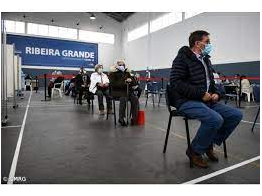
At the moment the Portuguese Armed Forces have 5653 officers for 9820 enlisted men – each officer does not have two enlisted men to command. If we add the sergeants to the officers, this number (13,527) is much higher than the 9,820 soldiers in 2021.

“The structure level of an Armed Forces is one officer for every 30 soldiers and one sergeant for every 10 soldiers. Anything less than that is a huge waste. There shouldn’t be any FAA in the world with the approximate framing level. of Portuguese”, underlines Major General Carlos Chaves , secretary general of the recently created Movimento de Militares pela Verdade (MMV) and former advisor for Defence and Security to former Prime Minister Pedro Passos Coelho.

But the drop in the number of soldiers is even more significant if we go back to 2012, when, according to a balance sheet made by the Ministry of Defence, to which the DN also had access, there were 38,000 soldiers in the Armed Forces. This balance, whose values ​​have been rounded, includes not only the permanent staff and contracted personnel, but also the military in the reserve, hence the numbers do not coincide with those referred to by the Branches.


Azores Situation Report Wednesday 12th January 2022

From our colleague in the Azores

5th January 

523 new positive cases of Covid-19 were diagnosed, with 234 on the island of Terceira, 231 on the island of São Miguel, 33 on the island of Faial, 16 on the island of Flores, six on the island of Pico and three on the island of Graciosa, following 3,521 tests carried out.

The island of Terceira registered 134 new positive cases in the municipality of Angra do Heroísmo and 100 in the municipality of Praia da Vitória.

On the island of São Miguel, 108 new positive cases were registered in the municipality of Ponta Delgada, 51 in the municipality of Ribeira Grande, 28 in the municipality of Povoação, 16 in the municipality of Lagoa, 16 in the municipality of Vila Franca do Campo and 12 in the municipality of Nordeste.

The island of Faial registered 33 new cases in the municipality of Horta.

On the island of Flores, 14 new positive cases were registered in the municipality of Lajes and two in the municipality of Santa Cruz.

The island of Pico registered four new positive cases in the municipality of Madalena and two in the municipality of São Roque.

On the island of Graciosa, three new cases were registered in the municipality of Santa Cruz.

Hospitalisations: 

There are 20 patients hospitalised, 16 of them at the Divino Espírito Santo Hospital in Ponta Delgada (two in Intensive Care), three at the Santo Espírito Santo Hospital of Terceira Island (one in Intensive Care) and one at the Horta Hospital.

Recoveries:  

A total of 391 recoveries were registered.

6th January 

365 new positive cases of Covid-19 were diagnosed, with 229 on the island of São Miguel, 78 on the island of Terceira, 41 on the island of Faial, nine on the island of Flores, five on the island of Pico, two on the island of São Jorge and one on the island of Graciosa, following 2,828 tests carried out.

On the island of São Miguel, 126 new positive cases were registered in the municipality of Ponta Delgada, 61 in the municipality of Ribeira Grande, 24 in the municipality of Lagoa, 10 in the municipality of Vila Franca do Campo, six in the municipality of Povoação and two in the municipality of Nordeste.

The island of Terceira registered 60 new positive cases in the municipality of Angra do Heroísmo and 18 in the municipality of Praia da Vitória.

The island of Faial registered 41 new cases in the municipality of Horta.

On the island of Flores, six new positive cases were registered in the municipality of Lajes and three in the municipality of Santa Cruz.

The island of Pico registered three new positive cases in Lajes, two in the municipality of Madalena. In turn, the island of São Jorge registered two new positive cases in the municipality of Velas and there is a new positive on the island of Graciosa.

Hospitalisations: 

There are 18 patients hospitalised, 15 of them at the Divino Espírito Santo Hospital in Ponta Delgada (two in Intensive Care), two at the Santo Espírito Hospital of Terceira Island (one in Intensive Care) and one at the Horta Hospital.

Recoveries:   

A total of 171 recoveries were registered in the last 24 hours.

Death:

In the last 24 hours, a 71-year-old man died at the Hospital do Divino Espírito Santo in Ponta Delgada.

He was a resident in the parish of Rabo de Peixe, municipality of Ribeira Grande, São Miguel Island.

After testing positive on the last day of the year, he was hospitalised on January 4th and died yesterday.

The number of deaths registered in the Azores rises to 53, since the beginning of the pandemic.

7th January 

383 new positive cases of covid-19 were diagnosed, with 202 on the island of São Miguel, 134 on the island of Terceira, 28 on the island of Faial, 13 on the island of Pico, three on the island of Flores and three on the island of Santa Maria, following 3,874 tests carried out.

On the island of São Miguel, 95 new positive cases were registered in the municipality of Ponta Delgada, 44 in the municipality of Ribeira Grande, 34 in the municipality of Lagoa, 15 on the municipality of Vila Franca do Campo, 11 in the municipality of Nordeste and three in the municipality of Povoação.

The island of Terceira registered 102 new positive cases in the municipality of Angra do Heroísmo and 32 in the municipality of Praia da Vitória.

The island of Faial registered 28 new cases in the municipality of Horta.

The island of Pico registered 12 new positive cases in the municipality of Madalena and one in the municipality of São Roque.

On the island of Flores, three new positive cases were registered in the municipality of Lajes.

In turn, the island of Santa Maria registered three new positive cases in the municipality of Vila do Porto.

Hospitalisations:

There are 25 patients hospitalised, 22 of them at the Divino Espírito Santo Hospital in Ponta Delgada (four in Intensive Care), two at the Horta Hospital and one at the Santo Espírito Hospital of Terceira Island in Intensive Care.

Recoveries:  

A total of 204 recoveries were registered.

8th January 

411 new positive cases of covid-19 were diagnosed, 238 in São Miguel, 113 in Terceira, 46 in Faial, 10 in Pico and four in São Jorge, resulting from 4,119 analyses.

In São Miguel, by municipalities, 111 were registered in Ponta Delgada, 82 in Ribeira Grande, 19 in Lagoa, 15 in Vila Franca do Campo, seven in Povoação and four in Nordeste.

In Terceira, 74 new cases were diagnosed in the municipality of Angra do Heroísmo and 39 in the municipality of Praia da Vitória.

Faial has 46 new cases in Horta, Pico has five new cases in Madalena, four in São Roque and one in Lajes.

In São Jorge, four new cases were diagnosed in the municipality of Velas.

Admissions:    

26 people are hospitalized, 22 at Hospital do Divino Espírito Santo, in São Miguel (three in intensive care), three at Hospital da Horta and one at Hospital de Santo Espírito on Terceira Island (in intensive care).

Recoveries:    

368 recoveries were recorded.

9th January 

337 new positive cases of covid-19 were diagnosed, with 209 on the island of São Miguel, 62 on the island of Terceira, 37 on the island of Faial. 11 on the island of Pico, 11 on the island of Santa Maria, four on the island of Flores and two on the island of São Jorge, following 2,163 tests carried out.

On the island of Sao Miguel, 95 new positive cases were registered in Ponta Delgada, 60 in Ribeira Grande, 22 in Lagoa, 17 in Vila Franca do Campo, 14 in Povoação and one in Nordeste.

The island of Terceira registered 41 new positive cases in the municipality of Angra do Heroísmo and 21 in the municipality of Praia da Vitória.

The island of Faial registered 37 new cases in the municipality of Horta, while the island of Pico registered eight new cases in the municipality of Lajes and three in the municipality of Madalena. Santa Maria registered 11 new cases in Vila do Porto. The island of Flores registered two new cases in the municipality of Santa Cruz and two in the municipality of Lajes. In turn, the island of São Jorge registered two new cases in the municipality of Velas. The island of Corvo also registered one case.

Hospitalisations:

There are 21 patients hospitalised, 18 of them at the Divino Espírito Santo Hospital on the island of São Miguel (two in intensive care), two at the Horta Hospital and one at the Intensive Care Unit of the Santo Espírito Hospital of Terceira island.

Recoveries:   

A total of 327 recoveries were registered.

10th January 

247 new positive cases of covid-19 were diagnosed, with 165 on the island of São Miguel, 51 on the island of Terceira, 14 on the island of Faial, eight on the island of Santa Maria, four on the island of Pico, two on the island of Graciosa, two on the island of São Jorge and one on the island of Flores, following 1,412 tests.

On the island of São Miguel, 84 new positive cases were registered in the municipality of Ponta Delgada, 45 in the municipality of Ribeira Grande, 18 in the municipality of Vila Franca do Campo, 10 in the municipality of Lagoa, four in the municipality of Nordeste and four in the municipality of Povoação.

The island of Terceira registered 23 new positive cases in the municipality of Angra do Heroísmo and 28 in the municipality of Praia da Vitória.

The island of Faial registered 14 new cases in the municipality of Horta.

On the island of Santa Maria, there are eight new cases in the municipality of Vila do Porto.

The island of Pico registered three new positive cases in the municipality of Madalena and one in the municipality of Lajes.

The island of Graciosa registered two new cases in the municipality of Santa Cruz and the island of São Jorge also registered two new positive cases in the municipality of Velas.

On the island of Flores, three new positive cases were registered in the municipality of Lajes.

Hospitalisations:

There are 24 patients hospitalised, 20 of them at the Divino Espírito Santo Hospital in Ponta Delgada (three in intensive care), two at the Horta Hospital and two at the Santo Espírito Hopital of Terceira Island.

Recoveries:   

A total of 277 recoveries were registered.

11th January 

268 new positive cases of covid-19 were diagnosed, with 119 on the island of São Miguel, 82 on the island of Terceira, 28 on the island of Faial, 26 on the island of Pico, seven on the island of São Jorge, three on the island of Santa Maria and three on the island of Flores, following 1,316 tests.

On the island of São Miguel, 69 new positive cases were registered in the municipality of Ponta Delgada, 27 in the municipality of Ribeira Grande, 11 in the municipality of Lagoa, seven in the municipality of Vila Franca do Campo, four in the municipality of Povoação and one in the municipality of Nordeste.

The island of Terceira registered 47 new positive cases in the municipality of Angra do Heroísmo and 35 in the municipality of Praia da Vitória.

The island of Faial registered 28 new cases in the municipality of Horta.

The island of Pico registered 20 new positive cases in the municipality of Lajes and six in the municipality of Madalena.

On the island of São Jorge, four new cases were identified in the municipality of Velas and three in Calheta.

On the island of Santa Maria, there are three new cases in the municipality of Vila do Porto.

On the island of Flores, two new cases were registered in the municipality of Santa Cruz and one in the municipality of Lajes.

Hospitalisations:

There are 25 patients hospitalised, 21 of them at the Divino Espírito Santo Hospital in Ponta Delgada (three in intensive care), two at the Horta Hospital and two at the Santo Espírito Hospital of Terceira Island.

Recoveries: 

A total of 337 recoveries were registered.

Current situation: 

The archipelago currently registers 2,615 active positive cases: 1,796 on the island of São Miguel, 483 on the island of Terceira, 222 on the island of Terceira, 54 on the island of Pico, 23 on the island of Santa Maria, 15 on the island of Flores, 15 on the island of São Jorge, six on the island of Graciosa and one on the island of Corvo.

From December 31st, 2020, to January 5th, 2022, 418,394 doses of the vaccine against covid-19 were administered in the Azores, with 85.2% of the population having currently completed primary vaccination, and 44,032 people have already received the booster dose (18.6%).

Vaccination Centres 

The Azores has four vaccination centres open 

As of last Monday, four vaccination centres against Covid-19 have opened, two in São Miguel, in an open house regime, and two on the island of Terceira, by appointment only.

The Portas do Mar vaccination centre, in Ponta Delgada, on the island of São Miguel, had already reopened on the previous Thursday, in an open house regime, with more than 1,000 doses of vaccines against Covid-19 having been administered in the first day.

As of today, vaccination centres are also open in the municipalities of Ribeira Grande (São Miguel), Angra do Heroísmo and Praia da Vitória (Terceira).

In Ribeira Grande, on the island of São Miguel, the vaccination centre will work at the Fernando Monteiro Pavilion, from Monday to Saturday, between 9:00 am and 12:15 pm and between 1:00 pm and 5:30 pm.

Vaccination with a booster dose against Covid-19 is available, with prior appointment or in an open house regime, for people over 50 years old, as well as flu vaccination for people over 60 years old.

On the island of Terceira, two vaccination centres will operate, but only “with an appointment by the health centres”.

Booster vaccination against Covid-19 will be available in these centres for people over 50 years of age or for those over 18, in the case of the Janssen vaccine, as well as first doses for people over 12 years of age.

Those over 60 can also be vaccinated against the flu in these spaces.

In Angra do Heroísmo, the vaccination centre will work again in the multipurpose pavilion of Vinha Brava, from Monday to Friday, between 8:30 am and 7:00 pm.

In Praia da Vitória, vaccination takes place in the martial arts pavilion, next to the Municipal Stadium, from Monday to Friday, between 8:15 am and 2:15 pm.

The Portas do Mar vaccination centre, in Ponta Delgada, is open from Monday to Saturday, between 9 am and 7 pm.

Algarve Situation Report Wednesday 12th January 2022

Do you think you have Covid-19? Whatever you do, don’t run to the ER

If you think you have Covid-19 or if you have had a positive self-test, do not, under any circumstances, go to the emergency rooms of hospitals in the Algarve, appeals Ana Varges Gomes, the chairman of the Board of Directors of the Centro Hospitalar Universitário do Algarve.

This is because, the head of management of public hospitals in the Algarve told Sul Informação, there has been great pressure from “completely asymptomatic” patients with Covid-19, which makes it difficult to provide assistance to those who really need urgent treatment.

“People who go to the ER who are green and blue [respectively, minor and non-urgent cases, according to the Manchester triage method] and who had no reference to come here, still constitute 46% of the people we see in this service”.

«While we are like this, the Emergency Department can never give the best answer. And all because people don’t look for the right services. There are respiratory services at the health centers in operation, there is a family doctor, there are specific places to do tests. Therefore, coming to a hospital emergency to come for a Covid test when the person is asymptomatic is not a good practice”, defended Ana Varges Gomes.

This rush of asymptomatic Covid patients to the emergency room has to do, on the one hand, with «the non-functioning of the Saúde 24 line», but also with a wrong notion that many people have, that it is necessary to go to the emergency room to be able to have a sick leave.

Firefighters from São Brás de Alportel enter 2022 with a new permanent intervention team.

The Firefighters of the new Permanent Intervention Team (EIP) of the Humanitarian Association of Volunteer Firefighters of São Brás de Alportel received their insignia on Friday, January 7th, during a ceremony attended by the Mayor of São Brás de Alportel, Vitor Guerreiro, and the Civil Protection District Operational Commander of Faro, Richard Marques.

The entry into office of this new team, which represents an annual investment of 70 thousand euros, was possible after the signing of a protocol between the municipality of São Brás de Alportel, the National Authority for Emergency and Civil Protection (ANEPC) and the Humanitarian Association of Volunteer Firefighters of São Brás de Alportel (AHBVSBA), will be supported in equal parts by the City Council and ANEPC.

This second AHBVSBA Permanent Intervention Team reinforces the work of the first team that was created in 2012.

For the Commander of the Fire Department of São Brás de Alportel, Vitor Martins, and for the President of AHBVSBA, Custódia Reis, the realization of this new team «is a very important objective in the life of the Fire Department» because it will allow the daily reinforcement operational structure and highlighted the fundamental role of the municipality in this improvement of assistance to the population.

Tourist village in Tavira regulates public lighting via Bluetooth

The Pedras da Rainha Tourist Village, in Tavira, inserted in the Ria Formosa Natural Park, has just implemented a sustainable smart lighting project.

Without the need to dig trenches or use cabling, and in a completely autonomous way, SunStay solar luminaires were installed that offer public lighting to the village in an intelligent, clean and sustainable way.

In a statement, the tourist village explains that, essentially, the SunStay solar luminaires, produced by the Signify company of the Philips Group, are fully sustainable and include battery, motion detector and photovoltaic panels that adapt to sunrise and sunset, making the luminaire autonomous and sustainable. It is also possible to connect via bluetooth, which allows the management of the luminaires through an application, being possible to define the lighting levels adaptable to the place, allowing the saving of resources, given that it is a renewable energy, and also the saving of resources.

Almeida Pires, General Director of Pedras da Rainha says that “The Algarve is one of the most privileged regions of our country, and with 300 days of sunshine a year there are even more reasons to bet on sustainable and smart solutions. We want to reduce the ecological footprint and we believe that we are contributing to making the Algarve an increasingly smart and sustainable destination, and by inserting the Sunstay solar luminaires in the Pedras da Rainha village we are setting an example of good practices and betting on the future. .

Woman died who went swimming at Faro beach

A woman in her 50s was found dead on Faro beach on Monday, after being spotted by people entering the water and swimming, a source from the Marinha told Lusa.

According to the Commander of the Southern Maritime Zone and Captain of the Port of Faro, Fernando Rocha Pacheco, the woman who “was undocumented was taken out of the water by people and assisted on the beach by the INEM doctor who confirmed the death”.

The source said the body was pulled out of the water around 3pm, about 50 minutes after witnesses saw the lady enter the water and swim.

“On the beach a towel and some personal belongings were found that are presumed to belong to the lady”, he added.

The causes of death will now be determined by the Medical-Legal Office of Faro, where the body was transported.