
Overseas Situation Report Tuesday 21 September 2021 

by Mike Evans

As we are beginning to restart our world after being hit by a horrific global health crisis, our actions hold the key to a fast recovery for the entire humankind…”

– Abhijit Naskar

There have been a lot of recent changes to travel restrictions around Europe and as some countries relax their rules others tighten them and it can be a bit of a mindfield to find out the right answer. In this Overseas Report we are looking at what travel restrictions are in place within the Schengen area of the EU. Schengen refers to the EU passport-free zone that covers most of the European countries. It’s the largest free travel area in the world. The Schengen zone includes the 26 countries that have signed the Schengen agreement, which allows citizens of member countries to travel within the zone freely, without passing through passport and border control.

There are another 19 other countries that are not part of the Schengen Zone, yet they allow foreign citizens of other non-Schengen countries to enter and stay in their territories, only by showing a valid multiple-entry Schengen Visa.

Several European countries reintroduced temporary internal border control and extended the restriction due to Coronavirus concerns, terrorism attacks, and secondary movement, the European Commission has announced.

Coronavirus restrictions include Norway, whose measure will remain effective until October 7, and France, which was introduced from May 1 until October 31. These measures imposed by Norway and France apply to all of their internal borders

Denmark announced the border control due to Coronavirus risk on May 12, and the measure remains valid until November 11. However, the border control towards all internal borders is expected to be abolished soon. Although the reintroduction of travel border control must be the last alternative to be applied, the Schengen Borders Code (SBS) allows the Member States to reintroduce the measure in order to minimize threats of public policy or internal security. Norway’s border control is valid until November 9 and was introduced due to terrorist threats and secondary movements on May 10. The measure is applied to ports with ferry connections to Denmark, Germany, and Sweden.

Furthermore, Austria imposed the measure on May 12, which is directed to secondary movements, risk related to terrorists and organized crime, the situation at the external borders, and the land borders with Hungary and Slovenia. The measure will remain effective until November 11.

Germany has also extended the internal border restriction until November 11 due to secondary movements and the situation at the external borders. The restriction initially introduced on May 12 will apply to the land border with Austria. France’s restriction regarding internal borders will be extended until October 31 and is raised due to constant terrorist threats and secondary movements. Non-vaccinated and unrecovered travellers reaching Switzerland are required to present a negative test performed before arrival and another one, carried out four to seven days upon arriving in the country, starting from Monday, September 20, the country’s authorities have announced. The decision has been determined in a bid to halt the further spread of COVID-19 as the autumn season vacations are approaching.

Furthermore, regardless of the vaccination status, all travellers reaching Switzerland must complete SwissPLF, a Passenger Locator Form. The form allows the authorities to locate travellers residing in respective cantons and determine whether they have been tested on the fourth to seventh day upon arrival, as the law orders.

However, travellers administered one of the vaccines approved by the Swiss medical authorities, those who tested positive for the virus in the last 30 days, as well as the EU Digital COVID-19 Certificate holders are permitted to enter the country free of entry quarantine or testing requirements.

Travellers transiting through Switzerland, drivers transporting people or goods, cross-border commuters and people entering border areas are also exempted from testing requirements. Children under 16 are also excluded from the test requirement. On the other hand, since August 4, the Swiss authorities have imposed more stringent restrictions on travellers from India, Nepal and the United Kingdom due to the concerns of the virus variants in these areas. Moreover, all travellers reaching Switzerland from the EU/Schengen Area countries, and other third countries found in the EU’s list of epidemiologically safe countries, are permitted to enter the country. However, they need to present a valid vaccination or recovery certificate or be willing to undergo the double testing requirements.

Authorities in Slovakia have announced that starting from September 20, the border regime will be relaxed, and only police members will carry out checks, the country’s Ministry of the Interior has announced. Anyway, travellers who have been fully vaccinated and can prove their vaccination status by showing valid evidence are permitted to enter Slovakia without being subject to entry restrictions.

Still, authorities in Slovakia previously announced that all persons who have not entirely finished their immunization process would have to undergo a five-day mandatory quarantine rule upon their arrival.

Due to the current Coronavirus situation, authorities in Slovakia have placed other countries into different categories, taking into account their epidemiological situation, imposing additional requirements for travellers who plan to enter the Central European territory from countries that have recently been profoundly affected by the virus.

In this regard, Slovakia’s Ministry of the Interior has clarified that the riskiness of individual districts regarding the COVID-19 situation will be estimated in a new way.

“Less weight should be given to those infected among children under 18 years of age. This follows from the third update of the Covid Vending Machine, which was approved by the government on Thursday, September 16, 2021,” the statement reads.

The Ministry of Health has stressed that the new calculation methodology should be more focused on other factors that lead to the increase in the number of COVID-19 infections.

Two of the countries whose residents have faced some of the harshest travel restrictions since the beginning of 2021 – Brazil and South Africa – have finally been removed from Germany’s list of high-risk areas. In an announcement of the Robert Koch Institute, which is the German federal government agency and research institute, responsible for disease control and prevention located in Berlin and Wernigerode, the same has noted that Brazil and South Africa have been removed from the high-risk list, alongside Bangladesh, Botswana, Eswatini, India, Ireland’ the West Region, Lesotho, Malawi, Nepal, Portugal’s Algarve region, Zambia, Zimbabwe, and Cyprus.

The decision means that travellers from these countries reaching Germany are no longer subject to strict entry requirements, in particular those who haven’t been vaccinated against COVID-19 with one of the vaccines accepted as proof of immunity, as well as those who haven’t recovered from the virus in the last 180 days. Vaccinated and recovered travellers from these countries no longer need to have a purpose of entry, as they can travel to Germany even for tourism purposes now.

Finally and further afield, The United States administration has finally taken concrete steps towards the removal of the entry ban on travellers who visited the United Kingdom, Ireland, the 26 Schengen Area countries, China, India, South Africa, Iran and Brazil, after the same have been banned from entering the country for over a year now.

The decision was announced by the White House on Monday, September 20, noting that air travellers from the countries listed above, including the EU countries and the UK, will be permitted to enter the US in November if they are vaccinated. The same travellers will also be exempt from the requirement of quarantine.

Children who aren’t eligible to get the vaccine yet will be exempt from the requirement to be vaccinated.

The decision does not cover land travel from Canada and Mexico.While the Coordinator did not specify the exact date when the ban would be removed, he noted that this would happen in early November. The US has been keeping their borders closed for travellers who have been in the Schengen Area countries, Ireland, the United Kingdom, Brazil, China, India, Iran and South Africa in the past 14 days, for almost a year and a half.

The ban has been criticized in particular in the past months, including by the European Commission Vice President Margaritis Schinas, who cancelled his trip to the US last month in protest against the entry ban imposed on Europeans, calling it “unfair”.

As the epidemic continues we shall endeavour to bring you the latest and accurate news on travelling overseas.

Until the next time stay safe.

Total Cases Worldwide – 229,847,462

Total Deaths Worldwide – 4,713,920

Total Recovered Worldwide – 205,526,020

Total Active Cases Worldwide – 18,607,522 (8.1 % of the total cases)

Total Closed Cases Worldwide – 211,239,940

https://www.worldometers.info/coronavirus/


The Overseas Situation Report Friday 17 September 2021

by Mike Evans

“Persistence makes all the difference between success and failure. If you keep at it, every obstacle must give in.” 

–  Dr. Moses Simuyemba

In this report we are looking at the trends of Covid 19 infections around the world, in a week where the drop in new infections compared to last week was 8% and was less than 4 million new cases worldwide.

However, whilst most regions have seen drops, many individual countries are seeing a rise again in new cases. To start with let’s look at Europe, where overall the drop in new cases in the past week has been 7%. Looking closer at this figure, there is a definite East West divide in so far as those countries in the Eastern side of Europe are seeing a surge in new cases whereas those in the west are seeing a drop.

In the East of Europe we are seeing a big increase in cases from a number of countries. Of the 47 countries listed by Worldometer.info the top ten countries with the highest increase in the past week all with the exception of Andorra are in the Eastern side of Europe. There is only one country in this region, Northern Macedonia which has shown a drop in cases in the past 7 days. In terms of actual numbers none of them are close to the figure the UK has reported in the last week of 219,446, although this is a drop of 18% on the previous week. The Eastern country with the highest number of new infections is Russia at 129,002 but again this is a drop compared to the previous seven days. Serbia has seen a rise of 48% in new infections to report a figure of 43,984 and Ukraine reported a 51% increase to 22,520.

Compare this with the western side of Europe and we see a drop in infections in many countries. In the week Portugal has seen a drop of 32% in new cases, while our nearest neighbour, Spain has seen a drop even bigger of 34%. With France, Italy, Greece all showing drops in infections it does seem to be that those countries who have been able to vaccinate a higher proportion of their citizens are winning the fight against the virus. A look at Our World in Data shows that in the Ukraine only 14% of their citizens have had 1 vaccination and in Serbia this figure is 44% whereas in Portugal the figure is 87% and in Spain it is 80%.

Whilst overall Europe has seen a drop in new infections, the death rates in the past week have gone up by 3% from 10,900 to 11,264. Russia with 5,459,this is a drop of 2% on the previous seven days, but the UK with 973, a rise on the week of 4%, followed by France with 570 and Spain with 491, both showing a fall of 16% and 27% respectively. Whilst data showing whether these deaths were in vaccinated or non vaccinated people is not available it is worth remembering that the UK, France and Spain have very high rates of vaccinations compared to the rest of Europe.

In pure percentage increases across the Eastern European area we see that in the past week, Germany saw a 77% increase in deaths, Romania, 90% increase, Serbia 36% and Ukraine a 55% increase in deaths.

Across the Atlantic in the North America region we saw a stabilizing trend in the past week with new infections dropping by just 0.2%. The USA has the bulk of the cases with 1,070,235, an increase in the past week of just under 1%. It is worth remembering that in the whole of the region the total number of new cases was 1,303,600 so you can see what a huge part of this is from the USA.

In Canada they saw a rise in the week of 15% compared to the previous week with a total of 30,110 new cases across the country. Whilst Mexico has seen a drop in cases by 18% in the past week there are worrying concerns that the virus is taking a hold in some parts of  the caribbean. The past week has seen a more than 300% increase in cases in St Vincent and the Grenadines, a 73% increase in Bermuda, 32% in the Bahamas, 30% increase in St Kitts & Nevis and a 21% increase in Barbados. The concern is that as the tourist winter holiday season starts these countries who rely on tourism are going to be affected in not just health concerns but in economic concerns as well.

Deaths have risen across the North America region in the past week by 8% with notable rises from both the USA and Canada of 22% and 38% respectively. In the Caribbean region ten countries have all seen an increase in deaths in the past week compared to the previous seven days. In total across the region in the past week saw 17,828 deaths compared to 16,550 in the previous week.

In Asia the trend over the past week has been a steady downward spiral of new infections. Across the whole region there has been a drop of 13% in new reported cases and a 16% drop in deaths in the past week compared to the previous seven days. Leading the way with the reduction in cases is Japan where they saw a 43% reduction in the week, followed by Azerbaijan and Indonesia with reductions of 39% and 35% respectively. India by sheer numbers continues to have the highest number of new cases in the week at 207.017 but this is a 27% reduction compared to the previous week.

Countries where infections are on the rise in the past week include, The Philippines with a 6% rise, Singapore, 144% increase, Cambodia, 32% and Israel with a 15% increase.

Whilst the region has seen a significant drop in deaths in the past week, there are some countries where this trend is not happening. Malaysia saw an increase of 28% in the past week, as did Japan at 16%, Mongolia at 114% and Israel at 9%.

This after Israel’s vaccination rollout that began last December was among the fastest in the world and brought infections to a trickle by June, when all pandemic restrictions were lifted. But when cases began surging again through the summer, health experts confronted a key question, said Gabi Barbash, a former health ministry director general now with the Weizmann Institute of Science.

Had the surge been caused by the PfizerBioNTech vaccine waning effectiveness five months after the second jab, or, was the Delta variant’s ability to break through vaccine protection to blame? “When the fourth wave erupted, we were not sure which was the more dominant factor,” Barbash told AFP. But weeks after the third jab rollout began, the severe case count — which shot up from more than 70 in late July to 600 by mid-August — has stabilised, currently standing below 700. Infections also remain very low along the triple jabbed.

Finally to Africa where we see that in the past week new cases has dropped by 24% compared to the previous week. Of the 54 countries that make up this region in the past week 30 of those have shown an increase in cases. Whilst most of these increases are relatively small it is still the more populated countries that lead the table in actual infections. There were a total of 117,251 new cases recorded in the past week across the region and South Africa accounted for 32,428 and Morocco for 17,529. Both countries showed a drop in new cases by 35 and 34% respectively.

Of the more populous countries Egypt had an increase of 36% in new infections compared to the previous week, with Angola and Madagascar also showing rises of 31 and 27% respectively.

With regards to deaths in the region, the drop across the region saw 27 countries  with lower deaths in the past week although this was not replicated in certain countries. Ethiopia saw a 49% increase in the week, Kenya saw a 31% increase and Egypt saw a 4% increase.

In closing this report it is obvious that not all parts of the world are at the same stage of combatting the virus and we have a long way to go before we can truely say that we have beaten it!

Until the next time Stay Safe.

Total Cases Worldwide – 227,374,381

Total Deaths Worldwide – 4,675,976

Total Recovered Worldwide – 204,092,822

Total Active Cases Worldwide – 18,605,583 (8.2 % of the total cases)

Total Closed Cases Worldwide – 208,768,798

https://www.worldometers.info/coronavirus/

Information and resources:

https://www.worldometers.info/coronavirus/weekly-trends/#countries

https://ourworldindata.org/covid-vaccinations


Portugal Situation Report Thursday 16th September 2021

Introduction

Good morning – I start with an apology that we were not able to produce our weekly situation report as usual yesterday due to our General Meeting, which occupied most of our time.  So here it is today.

The very good news is that Portugal has the World’s highest percentage of completed vaccinations.  More than 8.2 million Portuguese have complete vaccination, which corresponds to 80% of the population, reveals the most recent Vaccination Report from the General Directorate of Health (DGS). The ‘task force’ that coordinates the logistics of vaccination estimates reaching in the last week of this month the goal of 85% of the Portuguese population with complete vaccination.

This is a great achievement and one for which Portugal should be congratulated, in particular the work of Vice Admiral Gouveia e Melo and his team.  A major logistical challenge, only a military man with a logistical background could perhaps achieve!

This has placed Portugal at number one position in the world for highest percentage of population fully vaccinated – a remarkable achievement when many comparing Portugal with the UK at the start, were critical of Portugal’s efforts.

Today we have the meeting of Infarmed where the President of the Republic, Prime Minister, and Minister of Health will listen to various experts to analyse the situation concerning the pandemic in order that parliament can consider the way forward. The current Situation of Contingency is due to expire on 30th September, so this will be instrumental in deciding whether this needs to be extended and if so, what measures need remain in place.

According to Expresso, experts believe that “the time has come to lift the generality of restrictions” — including the use of masks, digital certificates, crowded spaces or hand hygiene. The team responsible for the decontamination plan wants to end all mandatory measures against the pandemic. The news is advanced this Wednesday by the weekly Expresso. Experts chose not to be identified. Proposals will be presented at the Infarmed meeting. We await the meeting.

In an interview with Público, Graça Freitas said this week that, in the fight against the pandemic, Portugal is “in a phase of epidemiological transition” and that the Portuguese population “is no longer totally unprotected from the virus”. However, she stressed that the relief of measures will be “gradual” and that it will depend on the behaviour of the virus this winter. “We still don’t know how this virus will behave in its second winter. We learned from the first winter, but we weren’t protected [vaccination],” he safeguarded.

Another piece of good news is that there are no weather warning in place today. When we have storms, despite the technology available, the path and speed of these can be sometimes difficult to project due to many factors. The criteria for warnings is clearly set out on the IPMA website based on wind speed and rainfall. It is important to distinguish between “showers” and “rain”. Scattered showers sometimes heavy mean exactly that. In other words short lived, maybe a few minutes and no predetermined exact location and timing. Because you do not experience these, does not mean to say that the forecast was wrong.

As far as Safe Communities is concerned we take the information primarily from the IPMA and the ECMWF which is used by the IPMA, supplemented by other international organisation which use modelling appropriate to Portugal. For instance in the case of tropical cyclones (luckily few and far between), we often use the US hurricane Centre which has advanced technology especially as far as tracking is concerned.

So if the weather does not turn out to be as was forecasted on our Facebook page do not shoot the messenger!

Being prepared is far better than not, and if the storm does affect you, all well and good. At the same time please do not assume others have not been affected causing damage to property or worse.

Let’s hope for improving weather over the last few days and maintain the low fire risk as we head towards the end of the Critical Fire Period in 2 weeks’ time.

With that have a Safe day.


Covid 19

Confirmed Cases: 1.058.347 (+ 1247 / + 0.12 %)

Number of admitted: 527 (-24 /-4.36 %)

Number of ICU admitted: 119 (+ 3 / + 2.59 %)

Deaths: 17.882 (+ 10 / + 0.06 %)

Recovered: 1.004.925 (+ 1686 / + 0.17 %)

Active cases 35,540 (-449 / – 1.24%)

The area of ​​Lisbon and Vale do Tejo, with 457 new cases, and the North region, with 380, have 67.1% of the total of new infections verified in the last 24 hours.

There are 24 fewer patients in the country’s hospitals, with the total now standing at 527 inpatients — the lowest number in the last two and a half months, since 532 admissions were registered on July 2nd.

In intensive care units there are 119 patients, three more than the day before.

Health

Covid-19 Incidence and transmission rates

The incidence of covid-19, updated in this Wednesday’s bulletin, is 191.1 cases per 100,000 inhabitants in the national territory and 196.1 on the mainland – to find a lower value it is necessary to go back to 2 July. The R(t), or transmissibility index, dropped to 0.84 for the entire national territory and to 0.83 for the continent – the lowest values ​​since March.

On Monday, 208.3 cases per 100,000 inhabitants had been registered in the national territory and 214 in the mainland. R(t) was 0.85 in Portugal and 0.84 on the mainland on that same day.

Covid-19: Infarmed registers 41 suspected cases of “failure” of the Janssen vaccine

Lisbon, 15 Sep 2021 (Lusa) – The national pharmacovigilance system detected 41 cases of “suspected vaccine failure” in people who received the Janssen vaccine, 36 of which were considered serious, the National Medicines Authority (Infarmed) said today.

“Were notified to the national pharmacovigilance system until yesterday (Tuesday), 41 cases of suspected vaccine failure with the Janssen vaccine, of which 36 were classified as serious,” said the regulatory authority Lusa.

On Monday, the French Medicines Agency (ANSM) indicated that a “significant number” of cases of failure of the Janssen covid-19 vaccine, which works with a single dose, had been detected in that country.

“A significant number of cases of Janssen vaccine failure have been reported, including severe forms (death, resuscitation) as well as an above-normal presence of patients vaccinated with Janssen in the intensive care of two CHU (University Hospital Centers),” in Marseille (south) and Tours (west), provided the ANSM in its periodic surveillance report on vaccines.

In Portugal, according to Infarmed, out of a total of 36 serious situations detected, “five led to hospitalization and 31 were considered clinically relevant”, being people who tested positive for the SARS-CoV-2 virus more than 14 days after receiving the single-dose vaccine.

“Considering that in Portugal more than one million doses of this vaccine have already been administered, this would represent an incidence of four reported cases per 100,000 vaccines”, added the national regulator, guaranteeing that this number of notifications “is far below the expected value, taking into account the results obtained in the clinical trials used for the approval of this vaccine”.

In France, among people vaccinated with Janssen’s drug, 32 cases of infection with covid-19 were reported, corresponding to an incidence of 3.78 cases per 100,000 people.


Covid-19: Outbreak with eight patients at Hospital Amadora-Sintra

The Hospital Professor Doutor Fernando Fonseca detected today eight cases of covid-19 in patients admitted to the ‘Orthopedics A’ service and has already activated the contingency plan to contain and mitigate the risk of contagion, said source hospital.

According to a note sent to Lusa, infected patients were transferred to an infirmary dedicated to covid-19 and, for now, there are no cases of infection among health professionals who were in direct contact with these patients in the provision of care.

“Positive cases were detected early on Wednesday morning, thanks to the strict testing protocol of the HFF, which provides for a PCR test for all patients at the time of admission to the ward and, subsequently, on the fifth day of hospitalization. ”, says the note.

According to the hospital, the contingency plan was immediately activated to contain and mitigate the risk of contagion, “through the implementation of differentiated circuits for patients who are infected”, which involved the transfer to an infirmary dedicated to covid-19, the restriction of admissions and new admissions to that ward.

Hospital Fernando da Fonseca also says that patients infected with covid-19 are stable.

Experts will propose the end of mandatory measures at the meeting at Infarmed

The team responsible for the decontamination plan wants to end all mandatory measures against the pandemic. The news is advanced this Wednesday by the weekly Expresso. Experts chose not to be identified. Proposal will be presented at the next Infarmed meeting.

According to the publication, experts believe that “the time has come to lift the generality of restrictions” — including the use of masks, digital certificates, crowded spaces or hand hygiene.

This Thursday’s meeting, scheduled for 15:00, will take place in a “semi-present” format.

At Infarmed, writes Expresso, experts will defend that “there is no need to maintain mandatory measures anywhere”, but rather “to re-educate the population for the self-assessment of risk, leaving behaviour to the discretion of each one”.

The end of all restrictions on schools and public transport is the only matter still in doubt for experts.

“With all certainty, more conservative positions will emerge, right from the General Directorate of Health, but it is necessary that everyone understands that Portugal is in ideal conditions to make a return to normality”, present the experts.

Portugal is about to reach the target of 85% of the population with vaccination against full covid-19 , which, according to the coordinator of the ‘task-force’, Vice Admiral Gouveia e Melo, should happen by the end of the month with the vaccination centers gradually being deactivated.

In an interview with Público, Graça Freitas said this week that, in the fight against the pandemic, Portugal is “in a phase of epidemiological transition” and that the Portuguese population “is no longer totally unprotected from the virus”. However, he stressed that the relief of measures will be “gradual” and that it will depend on the behaviour of the virus this winter. “We still don’t know how this virus will behave in its second winter. We learned from the first winter, but we weren’t protected [vaccination],” he safeguarded.

The obligation to wear a mask on the street lasted almost a year, now it is no longer mandatory, but it continues to be recommended in crowded places or in situations where it is not possible to maintain distance. The General Directorate of Health updated the recommendations, also reiterating the situations in which the use of a mask remains mandatory.

Other news

Over 100 occurrences due to bad weather in Leiria

Leiria, 15 Sept 2021 (Lusa) – More than 100 occurrences related to bad weather were registered in the district of Leiria, throughout Tuesday, a source from the District Command for Relief Operations (CDOS) told the Lusa news agency today.

Between 00:00 and 23:59, the district civil protection registered a total of 104 occurrences, mostly related to flooding.

According to a CDOS source, 84 situations related to flooding “due to intense rainfall” were reported.

There were also records of five falls of trees, nine landslides and two falls of structures.

“The most affected municipalities were Leiria, Alcobaça, Marinha Grande and Caldas da Rainha, in this order of more expressive situations”, said the same source, noting that there were no victims.

A source from the Municipal Civil Protection Service of Leiria said, on Tuesday, that in the municipality “there were some occurrences in the parish of Maceira, with some houses and companies registering floods”.

“We still had specific situations in the city. The reported cases are not serious and we are monitoring and monitoring the situation”, said this source.


Algarve Situation Report Thursday 16th September 2021

Bad weather: Luís Gomes criticizes delays in IPMA information

Luís Gomes says that the Portuguese Institute of the Sea and Atmosphere (IPM) provides data more than an hour late, making it impossible to take timely decisions in favour of the population.

Luís Gomes, former mayor of Vila Real de Santo António (VRSA), and professor at the University of Algarve (UAlg) and current candidate for that municipality, criticizes the delay in making available data from the Portuguese Institute of the Sea and Atmosphere (IPMA) .

At a time when the country is under the effect of a depression, satellite images show delays of approximately 90 minutes, which makes it impossible for the competent bodies to prepare in time.

“Authorities need the best and timely information. When there is such a huge delay as the one we are now witnessing, we may be condemning the population to suffer consequences that no one wants. Today, the IPMA provides radar data with about 90 minutes of delay, which means that when this data reaches the civil protection agents, it will be too late», defends Luís Gomes.

In a period in which meteorological uncertainty is increasingly a concern and climate change is a reality that Man will have to get used to until the best decisions can take effect, Luís Gomes recalls that there are mechanisms that can help society to be better prepared.

“Technology is increasingly advanced and meteorology is no exception. In fact, we are able to predict how the weather will be in the next 30 days. We need the same to happen when conditions are more adverse, and we know, today, that they will be more and more frequent and more intense. In winter, above all, decision makers need the best information and they need this information to be instantaneous, otherwise they will make decisions based on outdated information», warns Luís Gomes.

This Tuesday, Luís Gomes sent a communication to the president of IPMA where he expressed his concerns and asked for measures to be taken to allow the timely availability of information, so that civil protection agents, both at local and national level, can make the best decisions to protect the population.

Some 73% of Algarve population have completed Covid-19 Vaccination.

73% of the Algarve population already has complete vaccination, but the region continues to be the most backward in the process, according to the report released this Tuesday, 7 September.

The Algarve still has 80% of the population with at least one inoculation.

Compared to the last report, this is an increase of 3% in full vaccination and 1% in first doses.

In the last seven days, 19,010 vaccines were administered in the Algarve.

Nationally, 8,836,915 citizens have already been vaccinated with at least one dose, which corresponds to 85% of the population, while 8,273,795 already have full vaccination (80%).

Local authorities: PS candidate promises more troops and new fire station in Faro

The PS candidate for the Faro Chamber promised today that if he is elected he will reinforce the number of firefighters, “manifestly insufficient” to meet the needs, and the construction of a new barracks.

“We have increased in numbers of thousands of the population of Faro and we have reduced the number of rescue workers to the population, which makes no sense nowadays, because we are exposed to more risks”, he told Lusa João Marques, after a visit to Faro’s Firefighters Sapadores barracks.

According to the socialist candidate, who also met with the commander of the corporation, there are currently 45 troops, a number that he considered “manifestly insufficient” and which requires the carrying out of “reduced shifts”, which could jeopardize the response to the population.

 “The ‘call center’ service is being carried out by firefighters and should be carried out by civil, technical and specifically trained personnel. It doesn’t make sense to have rescue workers clinging to a central”, he exemplified, defending that the ideal number will be between 70 and 80 effective and that the recent contest for 16 new firefighters does not solve the problem.

After having been the socialist councillor with the responsibility for Civil Protection between 2005 and 2009, in the term led by José Apolinário, the now head of the PS list stressed that there has been “divestment” in the area since then, in the terms of the coalition led by Rogério Cod (PSD/CDS-PP/MPT/PPM).

“Over the past 12 years, what I saw here as a major investment was a single firefighting vehicle. Neither in technical nor in operational resources. In 12 years it practically stopped, it could even be said that there was a disinvestment”, he said.


Azores Situation Report 16th September 2021

 From our colleague in the Azores

Covid -19 

Since the last Situation Report a week ago on the 8th September of August there have been 62 new cases of Covid-19 registered and 68 recoveries.

The region now has an Rt rate of .66.  All the islands are at ‘Very Low’ or have achieved ‘Herd Immunity’.  More information can be found here:-  https://covid19.azores.gov.pt/

Current situation:
Currently, there are 114 active positive cases in the archipelago, with 74 on São Miguel island, 15 on Terceira island, 22 on Pico island and three on Faial island. There are 2 people in hospital and none in intensive care.

Since the beginning of the pandemic, 8,819 positive cases of COVID-19 have been diagnosed in the Azores, 8,490 people have recovered from the disease, 42 died, 94 left the archipelago and 79 provided evidence of previous cure. To date, 687,244 tests have been carried out for SARS-CoV-2 virus, which causes COVID-19 disease.

From 31st of December 2020 to 6th of September, 170,146 people in the Azores have been vaccinated with the first dose (71.9 per cent) and 177,122 with complete vaccination (74,8 per cent), within the Regional Vaccination Plan.

Tourist Accommodation Statistics 

The tourist accommodation sector registered 1.6 million guests and 4.5 million overnight stays in July, increases of 59.6% and 71.9% respectively, compared to the same month of the previous year, numbers released today by the National Statistics Institute.

However, comparing it to July 2019, the period prior to the covid-19 pandemic guest registrations decreased by 42.5% and overnight stays decreased by 45%.

Still comparing with July 2019, there is a growth of 6.4% in overnight stays from residents and a decrease of 67.6% in overnight stays from non-residents, also indicate data from INE on tourist activity.

According to INE, overnight stays by residents in July registered an “expressive growth” in the autonomous regions of Madeira and the Azores and in the Algarve.

Between January and July, considering most types of accommodation (tourist accommodation establishments, camping and holiday camps and youth hostels), there were 5.8 million guests and 14.8 million overnight stays, corresponding to breaks of 1.2% in both cases, compared to the same period in 2020.

Sustainable Tourism 

The Azores want to “raise sustainability standards” and achieve, in 2024, the certification of gold as a sustainable tourist destination.

In 2019, the Azores were the first region in the country certified as a sustainable tourist destination, a distinction awarded with the “silver” category by EarthCheck.

EarthCheck is an international certification and consultancy group for scientific benchmarking in travel and tourism, in operation since 1987. The certification responded to the criteria of the Global Sustainable Tourism Council, an international accreditation body for certification of sustainable tourism.

The Azores certification process began in 2017, proclaimed by the United Nations as the International Year of Sustainable Tourism.


Madeira Situation Report Thursday 16th September 2021  

By Daniel Fernandes Covid-19 update

There were 124 new Covid-19 cases, 139 recoveries and no deaths from Covid-19 in Madeira since the previous Madeira Situation Report, which was published a week ago.

On Wednesday, there were 11 new Covid-19 cases (5 imported cases – 3 from the UK, 1 from the USA and 1 from the Lisbon and Tagus Valley Region & 6 cases of local transmission) and 22 recoveries. The number of patients in hospital remained the same as the day before (5 patients hospitalised, including 1 in intensive care).

On Thursday, there were 32 new Covid-19 cases (5 imported cases – 2 from the UK, 2 from the Lisbon and Tagus Valley Region and 1 from Southern Region & 27 cases of local transmission) and 22 recoveries. The number of patients in hospital increased to 6, 1 of whom was in intensive care.

On Friday, there were 17 new Covid-19 cases (6 imported cases – 3 from the UK, 2 from the Netherlands and 1 from the Lisbon and Tagus Valley Region & 11 cases of local transmission) and 22 recoveries. The number of patients in hospital decreased to 3, none of whom was in intensive care.

On Saturday, there were 20 new Covid-19 cases (5 imported cases – 2 from France, 1 from South Africa, 1 from the USA and 1 from Venezuela & 15 cases of local transmission) and 19 recoveries. The number of patients in hospital remained the same as he day before (3) and no patients were in intensive care.

On Sunday, there were 20 new Covid-19 cases (11 imported cases – 10 from the UK and 1 from Southern Region & 9 cases of local transmission) and 12 recoveries. The number of patients in hospital increased to 5, none of whom were in intensive care.

On Monday, there were 18 new Covid-19 cases (4 imported cases – 2 from South Africa and 2 from the UK & 14cases of local transmission) and 20 recoveries. The number of patients in hospital increased to 6, none of whom were in intensive care.

And on Tuesday, there were 6 new Covid-19 cases (3 imported cases – 2 from the Netherlands and 1 from the UK & 3 cases of local transmission) and 22 recoveries. The number of patients in hospital decreased to 5, none of whom were in intensive care.

There were 160 active cases on Tuesday, of which 44 had been imported while the other 116 cases had been a result of local transmission. As of Tuesday, there had been 11,542 cases, 11,307 recoveries and 75 deaths.

On Tuesday, there were 32 patients in isolation in a dedicated hotel, 138 patients in isolation in their own accommodation and 5 patients in hospital, 1 of whom was in intensive care.

On the same day, there were 95 suspected cases under epidemiological investigation and analysis, which were all linked to patients who tested positive for Covid-19, to calls made to the SRS24 helpline, to referrals by SESARAM (Madeira Regional Health Service) and to airport screening.

There were 41,380 travellers under monitoring by the health authorities. Monitoring is being carried out through the ‘MadeiraSafe’ app. There were also 250 people, who had contact with positive cases, being monitored by the health authorities of several Madeira municipalities and of Porto Santo.

As for Covid-19 testing on passengers who had arrived at Funchal and Porto Santo airports, 306,830 samples had been collected until Tuesday (at 15h30).

As for Covid-19 rapid antigen tests, a total of 261,194 tests had been carried out by September 5th, 186,983 of which as part of mass testing campaigns.

By Tuesday, 613,715 samples from RT-PCR tests had been processed in the Autonomous Region of Madeira.

The SRS 24 helpline (Regional Health Service – 800 24 24 20) received 564 calls in the last 7 days. Overall, it had received 63,716 calls.

The Covid-19 mental health helpline (Linha de Acompanhamento Psicológico da Direção Regional de Saúde – 291 212 399 – available every day from 09h00 to 21h00), which was set up to provide emotional and mental support to anyone in Madeira received 3 calls in the last 7 days. Overall, it has received 3,851 calls.

https://funchalnoticias.net/2021/09/08/11-novos-casos-de-covid-19-22-recuperados-95-suspeitos/

https://funchalnoticias.net/2021/09/09/32-novos-casos-de-covid-19-hoje-22-recuperados-86-suspeitos/

https://funchalnoticias.net/2021/09/10/17-novos-casos-de-covid-19-22-recuperados-59-suspeitos-169-activos/

https://funchalnoticias.net/2021/09/11/11-700-vacinas-da-pfizer-chegam-ha-20-novos-casos-de-infeccao-por-covid-19/

https://funchalnoticias.net/2021/09/12/20-novos-casos-de-covid-19-12-recuperados-121-suspeitos-178-activos/ 

https://funchalnoticias.net/2021/09/13/18-novos-casos-de-covid-19-20-recuperados-102-suspeitos/

https://funchalnoticias.net/2021/09/14/6-novos-casos-de-covid-19-22-recuperados-95-suspeitos-160-activos/

Covid-19 vaccination update

On September 10th, a Covid-19 vaccination team administered 252 Covid-19 vaccine doses in Porto Santo. Most doses administered were second doses.

On September 11th, a shipment of 11,700 Pfizer Covid-19 vaccine doses arrived in Funchal.

As of September 12th, a total of 374,095 Covid-19 vaccine doses (201,735 1st doses & 193,460 2nd doses/full vaccination) had been administered since the start of the campaign on December 31st. This means that on that day, 80% of the population had been administered the first vaccine dose while 77% of the population had been fully vaccinated.

A total of 5,952 vaccine doses (1,734 1st doses & 5,952 2nd doses/full vaccination) were administered in the week up to September 5th.

The plan for this week is to continue to inoculate the population throughout the Region.

According to a real-time Covid-19 vaccination tracker, 80.49% of the Region’s population (202,078) have been administered 1 vaccine dose while 76.48% of the population (192,020) have been fully vaccinated.

https://funchalnoticias.net/2021/09/11/equipa-de-vacinacao-administrou-mais-252-vacinas-no-porto-santo/

https://funchalnoticias.net/2021/09/11/11-700-vacinas-da-pfizer-chegam-ha-20-novos-casos-de-infeccao-por-covid-19/

https://funchalnoticias.net/2021/09/14/mais-de-374-mil-vacinas-contra-a-covid-19-na-ram/

Use of face mask recommended

The Madeira Regional Government will continue to recommend the use of face masks outdoors in any circumstances. Miguel Albuquerque, the President of the Madeira Regional Government, said Madeira’s high population density and the large number of tourists who visit the archipelago are reasons why the population is advised to continue to wear face masks in outdoor areas. He also reminded about a recent Covid-19 outbreak in Camacha, where 25 people were infected.

https://funchalnoticias.net/2021/09/09/surto-na-camacha-infectou-25-pessoas-gr-insiste-no-uso-da-mascara-na-rua/

Power cut

Empresa de Electricidade da Madeira (Madeira power supplier) announced there will be power cuts due to scheduled work on the electricity supply network. It cannot be postponed and will take place in the following days and places:

SANTANA 

September 15th12h00 to 14h00 (TODAY) 

Rua do Cónego Fernando Vaz 

Rua do Dr. João Abel de Freitas 

Rua do Dr. joão de Almada

GAULA

September 16th10h55 to 12h00

Lajes

Caminho das Lages Lombadinha 

Caminho da Portada do Porto Novo

– Rampa do Quiosque

CAMPANÁRIO

September 17th09h00 to 09h30 & 12h00 to 12h30 

Adega

Longueira

Cova da Velha

– Pico do Frade 

– Jardim 

– Rodes

September 17th09h00 to 12h30

– Serrado

However, power could be restored during the time frame mentioned above. So, for safety purposes, it should be assumed that there will be power at any time during this period of time.     

If necessary, customers can contact the free Customer Support Service number (Serviço de Apoio ao Cliente): 800 221 187.

https://funchalnoticias.net/2021/09/14/publicidade-o-fornecimento-de-energia-sera-interrompido-nos-dias-horas-e-locais-abaixo-indicados-anuncio-75-2021/ 

https://funchalnoticias.net/2021/09/15/publicidade-o-fornecimento-de-energia-sera-interrompido-nos-dias-horas-e-locais-abaixo-indicados-anuncio-76-2021/


The Overseas Situation Report Tuesday 14 September 2021

by Mike Evans

“You can judge a man’s true character by the way he treats his fellow animals”

– Paul McCartney

In our Overseas reports we try to bring you some unusual stories, some good, some not so good regarding the pandemic from across the world. As the world starts to see a drop in new cases with a 15% reduction in the last 7 days compared to the previous week we look at two very different stories from the USA and from India around the world.

First up to Atlanta Georgia in the USA. Gorillas at Zoo Atlanta are being treated after initial tests showed they were positive for the coronavirus — and the zoo plans to vaccinate them once they recover.

A care team recently noticed telltale signs: Several members of the zoo’s western lowland gorilla population were coughing, had runny noses and showed minor changes in their appetites.

After nasal, oral and fecal samples were sent for testing, the zoo received presumptive positive results indicating that several gorillas had been infected by the virus that causes covid-19, the zoo said in a statementFriday. Zoo officials said in the statement that they were waiting for confirmation of the results after samples were sent to the National Veterinary Services Laboratories in Ames, Iowa. Rachel Davis, a spokeswoman for Zoo Atlanta, said Sunday that one confirmation had been received since the Friday statement and that the delta variant was identified.

Additional results from the lab are expected in the coming days. Davis said in an email that the zoo received presumptive positive results from all four troops of gorillas and that “the assumption is that members of all four troops have been exposed, regardless of symptoms exhibited or not exhibited.” Twenty gorillas total live in the four troops. Davis added that 18 of the 20 have exhibited varying degrees of symptoms, including sneezing, nasal discharge, coughing, decreased appetite and decreased activity.

“The teams are very closely monitoring the affected gorillas and are hopeful they will make a complete recovery,” Sam Rivera, senior director of animal health at the zoo, said in the statement. “They are receiving the best possible care, and we are prepared to provide additional supportive care should it become necessary.

The zoo is collecting samples to test its whole gorilla population and plans to regularly test the gorillas regardless of their symptoms, it said in the statement. Because the gorillas live together in proximity, it is not possible to isolate the affected population members, Rivera said, according to the Atlanta Journal-Constitution. The gorillas “at risk of developing complications” from the virus are being treated with monoclonal antibodies, the zoo said. As they recover, the next step will be to vaccinate them with a vaccine developed for animals.

More animals across the country have been receiving vaccine doses, as zoos respond to and try to prevent coronavirus outbreaks among animal populations.

The Centers for Disease Control and Prevention has said that the virus has been shown to infect mammals, and there have been documented reports around the world of animals, including pets and those in zoos and sanctuaries, being infected. The agency noted that most got the virus after contact with infected humans.

It’s not certain how the gorillas became sick, but the zoo said the virus may have been passed on by a fully vaccinated team member who cares for them. The team member was asymptomatic and wearing personal protective equipment (PPE) at work, the zoo said.

Meanwhile from India we report on a story about those who have had covid 19 and recovered and have received a vaccine dose.

Over the past several months, a series of studies has found that some people mount an extraordinarily powerful immune response against SARS-CoV-2, the coronavirus that causes the disease COVID-19. Their bodies produce very high levels of antibodies, but they also make antibodies with great flexibility — likely capable of fighting off the coronavirus variants circulating in the world but also likely effective against variants that may emerge in the future. “One could reasonably predict that these people will be quite well protected against most — and perhaps all of — the SARS-CoV-2 variants that we are likely to see in the foreseeable future,” says Paul Bieniasz, a virologist at Rockefeller University who helped lead several of the studies.

In a study published online last month, Bieniasz and his colleagues found antibodies in these individuals that can strongly neutralize the six variants of concern tested, including delta and beta, as well as several other viruses related to SARS-CoV-2, including one in bats, two in pangolins and the one that caused the first coronavirus pandemic, SARS-CoV-1.

“This is being a bit more speculative, but I would also suspect that they would have some degree of protection against the SARS-like viruses that have yet to infect humans,” Bieniasz says. So who is capable of mounting this “superhuman” or “hybrid” immune response?

People who have had a “hybrid” exposure to the virus. Specifically, they were infected with the coronavirus in 2020 and then immunized with mRNA vaccines this year. “Those people have amazing responses to the vaccine,” says virologist Theodora Hatziioannou at Rockefeller University, who also helped lead several of the studies. “I think they are in the best position to fight the virus. The antibodies in these people’s blood can even neutralize SARS-CoV-1, the first coronavirus, which emerged 20 years ago. That virus is very, very different from SARS-CoV-2.”

In fact, these antibodies were even able to deactivate a virus engineered, on purpose, to be highly resistant to neutralization. This virus contains 20 mutations that are known to prevent SARS-CoV-2 antibodies from binding to it. Antibodies from people who were only vaccinated or who only had prior coronavirus infections were essentially useless against this mutant virus. But antibodies in people with the “hybrid immunity” could neutralize it.

These findings show how powerful the mRNA vaccines can be in people with prior exposure to SARS-CoV-2, she says. “There’s a lot of research now focused on finding a pan-coronavirus vaccine that would protect against all future variants. Our findings tell you that we already have it. “But there’s a catch, right?” she adds: You first need to be sick with COVID-19. “After natural infections, the antibodies seem to evolve and become not only more potent but also broader. They become more resistant to mutations within the [virus].”

Hatziioannou and colleagues don’t know if everyone who has had COVID-19 and then an mRNA vaccine will have such a remarkable immune response. “We’ve only studied the phenomena with a few patients because it’s extremely laborious and difficult research to do,” she says. But she suspects it’s quite common. “With every single one of the patients we studied, we saw the same thing.” The study reports data on 14 patients.

Several other studies support her hypothesis — and buttress the idea that exposure to both a coronavirus and an mRNA vaccine triggers an exceptionally powerful immune response. In one study, published last month in The New England Journal of Medicine, scientists analyzed antibodies generated by people who had been infected with the original SARS virus — SARS-CoV-1 — back in 2002 or 2003 and who then received an mRNA vaccine this year.

Remarkably, these people also produced high levels of antibodies and — it’s worth reiterating this point from a few paragraphs above — antibodies that could neutralize a whole range of variants and SARS-like viruses. Now, of course, there are so many remaining questions. For example, what if you catch COVID-19 after you’re vaccinated? Or can a person who hasn’t been infected with the coronavirus mount a “superhuman” response if the person receives a third dose of a vaccine as a booster?

Hatziioannou says she can’t answer either of those questions yet. “I’m pretty certain that a third shot will help a person’s antibodies evolve even further, and perhaps they will acquire some breadth [or flexibility], but whether they will ever manage to get the breadth that you see following natural infection, that’s unclear.”

Immunologist John Wherry, at the University of Pennsylvania, is a bit more hopeful. “In our research, we already see some of this antibody evolution happening in people who are just vaccinated,” he says, “although it probably happens faster in people who have been infected.”

In a recent study, published online in late August, Wherry and his colleagues showed that, over time, people who have had only two doses of the vaccine (and no prior infection) start to make more flexible antibodies — antibodies that can better recognize many of the variants of concern. So a third dose of the vaccine would presumably give those antibodies a boost and push the evolution of the antibodies further, Wherry says. So a person will be better equipped to fight off whatever variant the virus puts out there next.

“Based on all these findings, it looks like the immune system is eventually going to have the edge over this virus,” says Bieniasz, of Rockefeller University. “And if we’re lucky, SARS-CoV-2 will eventually fall into that category of viruses that gives us only a mild cold.”

Until Next Time, Stay Safe.

Total Cases Worldwide – 225,613,041 

Total Deaths Worldwide – 4,646,764 

Total Recovered Worldwide – 202,232,976 

Total Active Cases Worldwide – 18,733,301 (8.3 % of the total cases) 

Total Closed Cases Worldwide – 206,879,740

https://www.worldometers.info/coronavirus/ 

Information and resources:

https://www.washingtonpost.com/nation/2021/09/12/zoo-atlanta-gorillas-coronavirus-vaccine/

https://www.worldometers.info/coronavirus/weekly-trends/#countries

https://www.npr.org/sections/goatsandsoda/2021/09/07/1033677208/


The Overseas Situation Report Friday 10 September 2021  

by Mike Evans

“The two areas that are changing… are information technology and medical technology. Those are the things that will make the world a very different place 20 years from now than it is today.”

– Bill Gates

With the news that Portugal has now vaccinated over 75% of its citizens this report is looking at the way the pandemic has made scientists look at viruses in a different way and have now been able to look at a different form of vaccine.

This is through sequencing the DNA of the virus and it was announced recently that scientists in India along with a number of other countries had successfully produced a vaccine that uses DNA as its main weapon of attack.

The Government of India has approved a new COVID-19 vaccine that uses circular strands of DNA to prime the immune system against the virus SARS-CoV-2. Researchers have welcomed news of the first DNA vaccine for people to receive approval anywhere in the world, and say many other DNA vaccines might soon be hot on its heels. It must be stressed that this approval is for emergency use only at this stage.

ZyCoV-D, which is administered into the skin without an injection, has been found to be 67% protective against symptomatic COVID-19 in clinical trials, and will probably start to be administered in India this month. Although the efficacy is not particularly high compared to that of many other COVID-19 vaccines, the fact that it is a DNA vaccine is significant, say researchers.

It is proof of the principle that DNA vaccines work and can help in controlling the pandemic, says Peter Richmond, a pediatric immunologist at the University of Western Australia in Perth. “This is a really important step forward in the fight to defeat COVID-19 globally, because it demonstrates that we have another class of vaccines that we can use.”

Close to a dozen DNA vaccines against COVID-19 are in clinical trials globally, and at least as many again are in earlier stages of development. DNA vaccines are also being developed for many other diseases.

“If DNA vaccines prove to be successful, this is really the future of vaccinology” because they are easy to manufacture, says Shahid Jameel, a virologist at Ashoka University in Sonipat, India.

The urgency of combating COVID-19 has fast-tracked the development of vaccines that use genetic technology, such as messenger RNA and DNA vaccines, says David Weiner, director of the Vaccine & Immunotherapy Center at the Wistar Institute in Philadelphia, Pennsylvania.

RNA vaccines were quicker to show strong immune responses in clinical trials; they have now been delivered to hundreds of millions of people around the world. But DNA vaccines have a number of benefits, because they are easy to produce and the finished products are more stable than mRNA vaccines, which typically require storage at very low temperatures.

ZyCoV-D was developed by Indian pharmaceutical firm Zydus Cadila, headquartered in Ahmedabad. On 20 August, India’s drug regulator authorized the vaccine for people aged 12 and older. The efficacy figure of 67% came from trials involving more than 28,000 participants, which saw 21 symptomatic cases of COVID-19 in the vaccinated group and 60 among people who received a placebo.

ZyCoV-D contains circular strands of DNA known as plasmids, which encode the spike protein of SARS-CoV-2, together with a promoter sequence for turning the gene on. Once the plasmids enter the nuclei of cells, they are converted into mRNA, which travels to the main body of the cell, the cytoplasm, and is translated into the spike protein itself. The body’s immune system then mounts a response against the protein, and produces tailored immune cells that can clear future infections. Plasmids typically degrade within weeks to months, but the immunity remains.

Both DNA and mRNA vaccines have been under development since the 1990s, says Weiner. The challenge for DNA vaccines is that they need to make it all the way to the cell nucleus, unlike mRNA vaccines, which just need to get to the cytoplasm, says Jameel. So, for a long time, DNA vaccines struggled to induce potent immune responses in clinical trials, which is why they had been approved for use as vaccines only in animals, such as horses, until now.

To solve this problem, ZyCoV-D is deposited under the skin, as opposed to deep in muscle tissue. The area under the skin is rich in immune cells that gobble up foreign objects, such as vaccine particles, and process them. “This helps capture the DNA far more efficiently than in the muscle,” Jameel says. Unusually, the vaccine is delivered using a needle-free device pressed against the skin, which creates a fine, high-pressure stream of fluid that punctures the surface and is less painful than an injection.

But despite being more potent than previous DNA vaccines, ZyCoV-D requires a minimum of three doses to achieve its initial efficacy. This is likely to add to the logistical challenge of administering the vaccine during the current pandemic, says Jameel.

Although ZyCoV-D’s efficacy seems to be lower than the 90% or higher achieved by some mRNA vaccines, the figures are not comparable, says Jameel. The ZyCoV-D trials in India earlier this year were conducted while the Delta variant of SARS-CoV-2 was the dominant variant in circulation, whereas earlier mRNA vaccine trials were conducted when less transmissible variants were circulating. “The efficacy is essentially against the Delta variant, so that is pretty good,” he says.

However, it is not all good news as some researchers have criticized a lack of transparency in the approval process, because no late-stage trial results have yet been published. Zydus Cadila says the trial is still under way and it will submit the full analysis for publication shortly. The company says the first doses will start to be administered in India in September and it plans to produce up to 50 million doses by early next year.

Scientists in the US, South Korea, Japan, Italy, Canada, Thailand and Australia are all at various stages of development with the DNA vaccine although many are at the first phase so there will be a lot more testing to be done before it is available to the world.

Two of the trials have entered late-stage trials: one by Japanese company AnGes, based in Osaka; the other, which Weiner helped to develop, by Inovio Pharmaceuticals in Plymouth Meeting, Pennsylvania. Inovio is injected under the skin and uses a device that hits the skin with short electric pulses to form pores in the cells that the vaccine can slip through.

More than half a dozen DNA vaccines for COVID-19 are in early-stage trials, including one by the South Korean biotech company GeneOne Life Science in Seoul, and another that Richmond is involved in, developed by the Thai firm BioNet in Bangkok. This vaccine is undergoing a phase I trial in Australia.

But Richmond expects many more DNA vaccines to emerge, targeting diseases for which there are currently no vaccines — from cytomegalovirus, which can be passed on to babies during pregnancy, to respiratory syncytial virus. DNA vaccines are also being trialled or developed for influenza, human papillomavirus, HIV and Zika.

DNA vaccines can store lots of information, which means they can encode large, complex proteins or even multiple proteins. Weiner says that gives them promise as anti-cancer vaccines, a possibility he is exploring in his own research.

If this new technology can help the world rid itself of Covid 19 then we will all be happier but as with many new developments they take time and until they are ready.

Until next time be sure to stay safe.

Total Cases Worldwide – 223,623,005 

Total Deaths Worldwide – 4,613,384 

Total Recovered Worldwide – 200,138,459 

Total Active Cases Worldwide – 18,871,162 (8.4 % of the total cases)

Total Closed Cases Worldwide – 204,751,843

Information and resources:

https://www.worldometers.info/coronavirus/

https://www.nature.com/articles/d41586-021-02385-

Portugal Situation Report Wednesday 8th September 2021

Introduction

Good morning – Yesterday was a very unusual day, almost unique in terms of rural fires, certainly for September, in that at 20.00 hrs there were NO fires, either Active, In resolution or concluded. This is so unusual in Portugal during the Critical Fire Period, I contacted the ANEPC in Lisbon and they confirmed that this was indeed the case.

This illustrates very clearly the effect of rain that fell in the north the night before and high humidity on rural fires. On a normal day the number deployed at that time would be over 300, so very good news.

As you may have noticed the rural risk chart over the last day or so is showing an increasing number of municipalities at lower risk, in some areas at “Low” or “Moderate” risk. This does not mean, however, that we can go out and burn debris or scrubland (extensive burning). We are still in the Critical Fire Period, which means that any burning must be AUTHORISED beforehand. Failing to do this means that people could be put at risk through uncontrolled burns as well as those responsible who are breaking the law, punishable by hefty fines.

Turning from fire to floods – Over the last few days we have seen very changeable weather conditions, the south remaining mostly dry, but with rain and some thunderstorms in the north. The reason for the change is mainly due to an area of low pressure to the west of Portugal moving north eastwards. Such weather patterns are not unusual for this time of the year.

Although rare, occasionally Tropical Cyclones can bring strong winds and heavy rain to Western Europe during the tropical storm period, which is usually from September to November. These are luckily few and far between. Cyclone Vince from 8-11 October 2005 was the first known tropical cyclone to reach the Iberian Peninsula.   Hurricane Leslie (2018) and Subtropical Storm Alpha (2020) are two examples of recent tropical-like cyclones that impacted Portugal.

Leslie made landfall in the central region of Portugal, resulting in extensive material damage in Figueira da Foz, and placed thirteen districts under red warning due to strong winds and waves. It was considered the biggest storm to hit Portugal since 1842

Fortunately in Portugal we have advanced meteorological systems in place closely integrated into European systems, which enables forecasts and information to be shared quickly. In the case of cyclones there is usually plenty of warning so everyone should be aware of these before being affected. It is important therefore to monitor the weather warnings and forecasts which may include advice to the public on measures to be taken in order to mitigate the risk to life and property.

Turning to Covid-19. Good news yesterday was that in Portugal, 8,759,684 people have already received at least one dose of a vaccine against Covid-19, which corresponds to 85% of the population. Of these, 7,941,747 have already had the complete vaccination schedule, which corresponds to 78% of the resident population, according to the vaccination report released yesterday. There is scheduled to be a Council of Ministers meeting on Thursday, so we await any changes in measures.

Our volunteers continue to be very busy particularly in responses to your questions on Facebook. Although we try to provide a definitive answer there are times, where there is simply no answer, other than we “do not know”. In such cases we try and point you in the best direction to obtain your answer based on our experience. Please understand that our Admins and Moderators are volunteers and this does involve a great deal of our time.

I am therefore pleased to welcome on board Susan Wright who lives in the north of the country who has recently joined our team and has been posting the weekly and overseas situation reports on our website, and with effect from yesterday will be joining our Admins/Moderators on Facebook. This will help with the workload and we thank you Susan for giving up your time.

Have a Safe Day

Covid-19

DGS COVID-19 SITUATION REPORT TUESDAY 7th SEPTEMBER

Confirmed Cases: 1.048.941 (+ 1231 / + 0.12 %)

Number of admitted: 650 (-32 /-4.69 %)

Number of ICU admitted: 135 (-5 /-3.57 %)

Deaths: 17,816 (+ 6 / + 0.03 %)

Recovered: 991.215 (+ 3280 / + 0.33 %)

Active cases: 39,910 (-2,055 / -4.8 %)

The number in hospital is the lowest figure in almost two months, since on July 10th there were 632 hospitalized. There are also five fewer patients in Intensive Care Units (total: 135).

The number of deaths reported today (six) is the lowest in the last month and a half, since on July 20 there were only four. Since then, it is the fourth time that there have been six deaths in 24 hours.

The number of reported cases increased compared to the previous day but remains well below the average of the last seven days (1573.4 daily infections), as well as the last 30 days (2066). This suggests that the number of cases is progressively declining.

Recoveries have increased considerably in the last 24 hours. The number of people recovered today (3280) is almost triple the number recorded this Monday (1109), and it is also the highest number in the last week.

The Active cases showed a large decrease for one day. 

Health

Vaccination against covid-19 was suspended this Tuesday at the Health Centre of Gouveia.

At issue is an alleged failure in the refrigeration chain, which will have compromised the standards and procedures in force.

In the coming days, users vaccinated on 2, 3 and 4 September will be contacted. The vaccination commission considers that the incident will have no effect on the health of users.

Appointments for this unit will be forwarded to others in the region. 

DGS experts will be heard in parliament on Wednesday on masks

The Epidemiology Group of the Directorate-General for Health (DGS) will be heard in parliament on Wednesday about the mandatory use of masks, following a request by the PSD approved this Tuesday, a parliamentary source told Lusa.
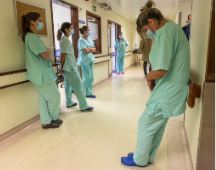
According to information on the website of the Assembly of the Republic, the hearing of experts from the DGS is scheduled for 9:00 am on Wednesday.

The request by the PSD parliamentary group for an urgent hearing of experts from the DGS, presented on August 21, was approved this Tuesday by the Eventual Committee for monitoring the implementation of the response measures to the COVID-19 disease pandemic and the process economic and social recovery.

In the application, the PSD parliamentary group maintains that the decision on the maintenance or end of the use of masks “is not exclusively a political one, as it can have consequences for public health, so it must be taken with scientific support”.

In this regard, he asked for the hearing of experts from the DGS who have participated in Infarmed meetings, “who have contributed to scientifically support the Government’s political decision-making”.

The PSD’s request came a day after the Minister of the Presidency, Mariana Vieira da Silva, said that the end of the mandatory use of masks in public spaces will be decided in the Assembly of the Republic. 

Covid-19. Nearly eight thousand nurses were infected during the pandemic, revealed the Order

Almost eight thousand nurses have been infected with the SARS-CoV-2 virus since the beginning of the covid-19 pandemic in Portugal, which represents about 10% of professionals registered with the Order, the organization said.

According to the Ordem dos Enfermeiros (OE), from March 2020 until July this year, there were “7,928 cases of infection of these health professionals”, equivalent to “about 10% of registered nurses in the OE”.

“It is clear why nurses need risk subsidy, something they still don’t have,” said President Ana Rita Cavaco, quoted in a statement. According to the same source, in March the OE “asked the Ministry of Health for the number of nurses infected with covid-19 since the beginning of the pandemic”, but “only now” received this information from the General Directorate of Health.

According to Ministry data, the National Health Service has about 49,000 nurses.

Covid-19: Task force mandate for testing renewed for six months

The mandate of the task force to operationalize the testing was renewed for another six months to ensure increased capacity within the scope of the decontamination process, according to an order published today in Diário da República.

“In the context of the current epidemiological situation, caused by the new SARS-CoV-2 coronavirus, and within the scope of the de-confinement process currently underway, with a reduction in social distancing measures, it is considered crucial to continue to ensure an increase in the testing capacity and coverage, together with the reinforcement of the tracing of contacts throughout the country”, says the dispatch, which takes effect since 1 September.

In this sense, and taking into account that the mandate of the ‘task force’ for the promotion of the “Plan for the Operationalization of the Testing Strategy in Portugal” is about to end, it is fundamental” that its mandate can be renewed in order to be able to “continue to develop its activity”, underlines the order.

The ‘task force’ was created through an order dated March 18 and is coordinated by the president of the National Health Institute Doctor Ricardo Jorge (INSA), Fernando de Almeida, and is composed of elements from the Ministry of Health, INSA, and General Directorate of Health, Shared Services of the Ministry of Health, National Authority for Medicines Health Products (Infarmed) and Regional Health Administrations.

According to data from health authorities, 17,274,708 PCR tests and rapid antigen tests (TRAG) have already been carried out in Portugal.

Infarmed orders the removal of masks with improper CE marking from the market

Infarmed ordered to suspend marketing and withdraw from the national market a face protection mask from the manufacturer BesilChem LLP because it has not been proven to comply with all European legal requirements, announced the medicine’s authority.

In a statement, Infarmed says that the “3Ply Type II Face Mask”, model M3PII, from the manufacturer BesilChem LLP, unduly bears the CE marking as there is no evidence of compliance with all applicable legal requirements at European level, including the fact that the technical documentation is incomplete.

Therefore, the National Authority of Medicines and Health Products ordered to suspend the marketing and withdraw this mask from the national market and adds that entities that have units of this medical device “should not use them and must contact the representative”.

Other news

Portugal received 23 children and young people from Greek refugee camps

This Tuesday, Portugal received 23 foreign children and young people who were in refugee camps in Greece, having been welcomed in the cities of Braga, Fundão and Lisbon, announced the Government.

The children and young people, unaccompanied, were welcomed in Portugal under the Voluntary Relocation Program and are from Afghanistan, Bangladesh, Egypt, Ghana, Iraq, Pakistan and Sudan, says a joint statement from the cabinets of the ministers of State and of Sudan. Presidency, of Internal and Labour Administration, Solidarity and Social Security.

With the arrival of this group, Portugal has so far welcomed 143 unaccompanied children and young people from refugee camps in Greece.

The note recalls that, in March 2020, the Greek Government and the European Commission launched the appeal for “the relocation of about 5500 children and young people who were in Greece “.


Madeira Situation Report Wednesday 8th September 2021 

By Daniel Fernandes

Covid-19 update 

There were 134 new Covid-19 cases, 190 recoveries and no deaths from Covid-19 in Madeira since the previous Madeira Situation Report, which was published a week ago. There was another fall in the number of new and active case

On Wednesday, there were 24 new Covid-19 cases (2 imported cases from Northern Region and 22 cases of local transmission) and 35 recoveries. The number of patients in hospital increased to 5, with no patients were in intensive care. 

On Thursday, there were 17 new Covid-19 cases (7 imported cases – 2 from the UK, 1 from Belarus, 1 from Switzerland, 2 from Northern Region and 1 from the Lisbon and Tagus Valley Region & 10 cases of local transmission) and 38 recoveries. The number of patients in hospital increased to 6, again with no patients in intensive care. 

On Friday, there were 18 new Covid-19 cases (2 imported cases from the UK & 16 cases of local transmission) and 23 recoveries. The number of patients in hospital remained the same as the day before (6) and none were in intensive care. 

On Saturday, there were 16 new Covid-19 cases (all cases of local transmission) and 32 recoveries. The number of patients in hospital decreased to 5, although there was 1 patient in intensive care. 

On Sunday, there were 28 new Covid-19 cases (8 imported cases – 7 from the UK and 1 from Ireland & 20 cases of local transmission) and 18 recoveries. The number of patients in hospital increased to 7, 1 of whom was in intensive care 

On Monday, there were 15 new Covid-19 cases (5 imported cases – 2 from the UK, 1 from France, 1 from the Lisbon and Tagus Valley Region and 1 from Southern Region & 10 cases of local transmission) and 21 recoveries. The number of patients in hospital increased to 8, 1 of whom was in intensive care. 

And on Tuesday, there were 16 new Covid-19 cases (2 imported cases – 1 from the UK, 1 from Macedonia & 14 cases of local transmission) and 23 recoveries. The number of patients in hospital decreased to 5, 1 of whom was in intensive care. 

There were 175 active cases on Tuesday, of which 33 had been imported while the other 142 cases had been a result of local transmission. As of Tuesday, there had been 11,418 cases, 11,168 recoveries and 75 deaths.

On Tuesday, there were 32 patients in isolation in a dedicated hotel, 138 patients in isolation in their own accommodation and 5 patients in hospital, 1 of whom was in intensive care. 

On the same day, there were 37 suspected cases under epidemiological investigation and analysis, which were all linked to patients who tested positive for Covid-19, to calls made to the SRS24 helpline, to referrals by SESARAM (Madeira Regional Health Service) and to airport screening 

There were 42,014 travellers under monitoring by the health authorities. Monitoring is being carried out through the ‘MadeiraSafe’ app. There were also 258 people, who had contact with positive cases, being monitored by the health authorities of several Madeira municipalities and of Porto Santo. 

As for Covid-19 testing on passengers who had arrived at Funchal and Porto Santo airports, 303,778 samples had been collected until Tuesday (at 15h30).

As for Covid-19 rapid antigen tests,  a total of 261,194 tests had been carried out by September 5th, 186,983 of which as part of mass testing campaigns.

By Tuesday, 604,980 samples from RT-PCR tests had been processed in the Autonomous Region of Madeira. 

The SRS 24 helpline (Regional Health Service – 800 24 24 20) received 593 calls in the last 7 days. Overall, it had received 63,152 calls. 

The Covid-19 mental health helpline (Linha de Acompanhamento Psicológico da Direção Regional de Saúde – 291 212 399 – available every day from 09h00 to 21h00), which was set up to provide emotional and mental support to anyone in Madeira received 6 calls in the last 7 days. Overall, it has received 3,848 calls.  

https://funchalnoticias.net/2021/09/01/24-novos-casos-de-covid-19-35-recuperados-83-suspeitos/ 

https://funchalnoticias.net/2021/09/02/covid-19-tem-17-novos-casos-ha-38-recuperados-e-124-suspeitos/ 

https://funchalnoticias.net/2021/09/03/18-novos-casos-de-covid-19-23-recuperados-80-suspeitos-194-activos/ 

https://funchalnoticias.net/2021/09/04/covid-19-este-sabado-registaram-se-16-casos-de-transmissao-local/ 

https://covidmadeira.pt/situacao-epidemiologica-da-covid-19-na-ram-04-de-setembro-de-2021/

https://funchalnoticias.net/2021/09/06/28-novos-casos-de-covid-19-18-recuperados-74-suspeitos/ 

https://funchalnoticias.net/2021/09/06/15-novos-casos-de-covid-19-21-recuperados-66-suspeitos/

https://funchalnoticias.net/2021/09/07/16-novos-casos-de-covid-19-37-suspeitos-23-recuperados-175-activos/

New opening hours of Covid-19 Vaccination Centres 


At this stage, there is no need to book a vaccination spot. Anyone interested in being inoculated will simply need to visit any vaccination centre. The Covid-19 vaccine can be administered to any Madeira resident aged 12 or older, at any vaccination centre and without booking. 

If you are a Madeira resident and have not been inoculated with the Covid-19 vaccine, these are the new opening hours of the Covid-19 Vaccination Centres across the Region: 

September 6th (Monday): 

Centro de Vacinação de Machico (Machico Vaccination Centre) – 11h:00-17h:00

Centro de Vacinação do Funchal (Funchal Vaccination Centre) – 09h:00-17h:00 

September 7th (Tuesday): 

Centro de Vacinação da Calheta (Calheta Vaccination Centre)   09h:30-15h:30 

Centro de Vacinação do Funchal (Funchal Vaccination Centre) – 09h:00-17h:00 

September 8th (Wednesday): 

Centro de Vacinação de São Vicente (São Vicente Vaccination Centre) – 13h:00-16h:00 

Centro de Vacinação do Porto Moniz (Porto Moniz Vaccination Centre) – 10h:30-12h:00 

Centro de Vacinação do Funchal (Funchal Vaccination Centre) – 09h:00-17h:00

– September 9th (Thursday): 

Centro de Vacinação de Santana (Santana Vaccination Centre) –  09h:00-12h:00

Centro de Vacinação do Funchal (Funchal Vaccination Centre) – 09h:00-17h:00 

Centro de Vacinação em Santa Cruz (Santa Cruz Vaccination Centre) – 09h:00-17h:00 

September 10th (Friday):

Centro de Vacinação da Ponta do Sol (Ponta do Sol Vaccination Centre) – 13h:00-16h:00

Centro de Vacinação do Funchal (Funchal Vaccination Centre) – 09h:00-17h:00 

Centro de Vacinação do Porto Santo (Porto Santo Vaccination Centre) – 09h:30- 15h:00 

– September 11th (Saturday): 

Centro de Vacinação de Câmara de Lobos (Câmara de Lobos Vaccination Centre) – 09h:00-14h:00 

Centro de Vacinação do Funchal (Funchal Vaccination Centre) – 09h:00-14h:00  

https://www.jm-madeira.pt/regiao/ver/140132/Conheca_o_horario_dos_centros_de_vacinacao_para_os_proximos_dias 

https://funchalnoticias.net/2021/09/06/novos-horarios-dos-centros-de-vacinacao-contra-a-covid-19/ 

Covid-19 vaccination update 

On September 4th, a shipment of 17,550 Pfizer Covid-19 vaccine doses arrived in Funchal. 

As of September 5th, a total of 367,976 Covid-19 vaccine doses (200,420 1st doses & 187,844 2nd doses/full vaccination) had been administered since the start of the campaign on December 31st. This means that on that day, 80% of the population had been administered the first vaccine dose while 75% of the population had been fully vaccinated. 

A total of 7,367 vaccine doses (2,567 1st doses & 5,869 2nd doses/full vaccination) were administered in the week up to September 5th. 

The plan for this week is to continue to inoculate the population throughout the Region. 

According to a real-time Covid-19 vaccination tracker, 79.83% of the Region’s population (200,420) have been administered 1 vaccine dose while 74.82% of the population (187,844) have been fully vaccinated.  

https://funchalnoticias.net/2021/09/04/chegaram-hoje-mais-17-550-vacinas-da-pfizer/ 

https://funchalnoticias.net/2021/09/07/mais-de-360-mil-vacinas-administradas-contra-a-covid-19-na-ram/ 

https://web.sesaram.pt/COVID19_INFO

Third Covid-19 vaccine dose  

Miguel Albuquerque (President of the Madeira Regional Government) said when the time comes to administer the 3rd Covid-19 vaccine dose, those who need it the most (at-risk groups and frontline professionals) will have priority. He also said the Region is considering administering the 3rd Covid-19 vaccine dose to those aged 12 or older. He added that the Region is looking closely at Israel’s experience in administering the 3rd dose to most of its population.

https://funchalnoticias.net/2021/09/02/albuquerque-diz-que-terceira-dose-da-vacina-ira-primeiro-para-quem-mais-necessita/

New flight from Switzerland  

On September 4th, Swiss International Airlines (SWISS) opened a new route from Switzerland to Madeira (Funchal). The weekly flight from Geneva will be operated by Edelweiss, a SWISS subsidiary. An Airbus A320, with a maximum capacity of 180 passengers, will be used on this route. This new route will guarantee an additional direct flight from the main Swiss airports to Madeira during this winter. It will also provide another option for passengers flying from Switzerland and the surrounding countries.

https://funchalnoticias.net/2021/09/04/madeira-recebe-hoje-novo-voo-da-swiss-international-air-lines-de-genebra/

 Power cut

Empresa de Electricidade da Madeira (Madeira power supplier) announced there will be power cuts due to scheduled work on the electricity supply network. It cannot be postponed and will take place in the following days and places:

CÂMARA DE LOBOS

September 8th09h00 to 9h30 & 14h00 to 14h30 (TODAY)

– Estrada do Brasileiro (partial) 

– Caminho do Cabo Podão

– Caminho do Velho da Boca dos Namorados

– Rua do Dr. Alberto Araújo

FUNCHAL

September 9th09h00 to 11h30 & 14h00 to 16h00

– Rua do Lombo da Boa Vista (numbers 6, 10 and 18)

– Beco da Boa Vista (number 2)

– Beco do Lombo da Boa Vista

However, power could be restored during the time frame mentioned above. So, for safety purposes, it should be assumed that there will be power at any time during this period of time.

If necessary, customers can contact the free Customer Support Service number (Serviço de Apoio ao Cliente): 800 221 187.

https://funchalnoticias.net/2021/09/04/publicidade-o-fornecimento-de-energia-sera-interrompido-nos-dias-horas-e-locais-abaixo-indicados-anuncio-72-2021/