Portugal Situation Report Wednesday 14th July 2021
Introduction
Good morning, in the last few days there have been many figures regarding Covid-19 but probably the most important to put in perspective are the following. Portugal recorded, on Monday, 476 active outbreaks on the continent, of which 18 are in nursing homes and two in health institutions, according to data from the General Directorate of Health (DGS) announced yesterday.
 Although this may seem high, these numbers contrast drastically with the maximum number of active outbreaks recorded in February 2021, when there were 921 active outbreaks in mainland Portugal. As you can see from our weekly comparison tables, that we publish on Mondays, the number of infections is also having some impact on the health service. Compared with the daily averages over three weeks, the numbers in ICU were up 57%, and in hospital they increased by 68%. Again to put this in context, at the beginning of February this year, those in hospital stood at near 7000, many times higher than at present.
There are various forecasts at the present from several experts, but there appears to be a consensus that the peak is likely to come in August before the situation improves.
With these increases, most taking place within the younger age group, one would think this would deter taking part in large gatherings. Yet a few days ago we saw reports of a gathering of a rave party with nearly 300 people and few days ago a similar party to the west of Albufeira with some 150 youngsters participating. This maybe one of the reasons for the large new cases in the Algarve reach around 2000 in the last six days.
Turning to vaccinations, more than 42% of people already have full vaccination and 60% have taken at least one dose. This week 1,040,692 doses were administered, 231,000 more than the previous week – the highest since the start of the vaccination campaign against Covid-19.
Self-scheduling for those aged 23 years of age became available on Monday. The self- scheduling started with the 65 years of age, and over on 65s and over, on 23rd April and the process is the same.
People who have not received the second dose of AstraZeneca vaccine do not need to make an appointment for the second dose, they just need to go to the respective centre at the specific time for this type of vaccination. The time schedules can be downloaded here. https://covid19.min-saude.pt/antecipacao-das-2a-doses-de-astrazeneca/
We understand that there is some pressure at the vaccination centres in the Algarve, so please use the virtual traffic light system concerning queuing times.
 Turning to the weather – well the temperatures did not reach the higher 40s forecast for last weekend, but it was still very hot, with temperatures around 39C and just over 40C recorded in some central and southern parts of the mainland. During this period we publish the Rural Fire Index which shows the rate by which fires can start and spread.
Compared with previous years, so far this year we have been fortunate in terms of the number of fires (around 300 in the last four days), given the weather conditions recently. This compares with over 330 a day during the worst periods of 2017. However it is important to remember that we are only at the start of the critical fire period that normally runs until 30th September. As the summer progresses, the vegetation becomes drier and in doing so it provides the fuel for fires to start and spread more easily. Some of the worst fires of 2017 were in October. The emergency services have responded very quickly to incidents, with most being brought to a conclusion within the initial attack phase of 90 minutes. However, one yesterday in the Algarve yesterday burned for some 3 hours even with the deployment of 4 aircraft/helicopters.
Much of the quick responses is due to the prepositioning of some fire vehicles e.g. at locations where the risk is extremely high, not necessarily at the fire station which maybe some distance from the areas concerned. Another area where we have been fortunate, is that we have not had significant multiple fires at the same time in the same region. When these occour in areas where access is difficult, more response is required, and any delay in bring the fire under control leads to fires spreading, the circumference of the fire becoming larger, burning with greater intensity. This then becomes far more difficult, with more firefighters becoming deployed with the risk of the fire becoming out of control – as in the case of the Monchique fire in 2018 which burned for 8 days!
This is why, as soon as you see signs of a fire call 112 immediately – every second counts
With that, please have a Safe Day.
Covid-19
The good news was from yesterday that both the number of active cases and the total in ICU decreased. The report published by DGS on Tuesday showed the following:
Confirmed Cases: 912.406 (+ 2650 / + 0.29 %)
Number of admitted: 742 (+ 13 / + 1.78 %)
Number of ICU admitted: 161 (-2 /-1.23 %)
Deaths: 17.173 (+ 9 / + 0.05 %)
Recovered: 850.034 (+ 3490 / + 0.41 %)
Active cases: 45,199 (+849/ -1.8%)
Safe Communities comparisons/trends show that deaths were double last week’s daily average (4); new daily cases were below the 3,000 mark seen last week; 43% of these were in Lisbon and Vale do Tejo a lower percentage than average of last week. In hospital, there was an increase but lower than last few days. Highest total since 23rd March 2021. In ICU there was a decrease, the first decrease for some days, and active cases also decreased.
Health
Covid-19 Incidence rate amongst young people increased five times in the last month.
Cases of new SARS-CoV-2 infections have increased in all age groups, however, less accentuated increases have been recorded in older groups as a result of vaccination, while the incidence in the 20 to 29 age group has shown a sharp ascent.
The cumulative incidence is increasing in all age groups, however, it is among the youngest that the incidence has been more pronounced. In the last month, the number of new cases per 100,000 inhabitants in 14 days increased six times in the age group from 0 to 9 years old and more than five times in the age group from 20 to 29.
 This increase in cases, however, verifies the impact of vaccination on the increase in cases, since the increase in the number of cases has been less accentuated among the elderly. To Público, the mathematician Carlos Antunes, from the Faculty of Sciences of the University of Lisbon, stated that it is possible to verify a “gradual mitigation” of infections “in the higher aged groups”.
In the range from 0 to 9 years, the incidence increased from 59.15 cases at 14 days to 366.62. However, in the age group from 20 to 29 years, the increase in incidence rose from 142.43 cases per 100,000 young adults to 766.34, representing an increase of 439%.
Carlos Antunes explains to the publication that this increase has been similar in all regions of the country, highlighting, however, the “slower rate of increase and a much lower incidence rate” in Portuguese aged 50 or over, which he points out as a result of the advance in vaccination. “The groups that have the least vaccination coverage, under 50 years old, continue to be those with the highest rates of higher incidence and rate of increase. And all regions have the same pattern”, he says, adding that Lisboa and Vale do Tejo is beginning to see “a slowdown in almost all bands”, a trend that is seen mainly in the 50-59 group.
Mainland Portugal with 476 active outbreaks.
Portugal recorded, on Monday, 476 active outbreaks on the continent, of which 18 are in nursing homes and two in health institutions, according to data from the General Directorate of Health (DGS) announced this Tuesday.
According to the DGS this data contrasts drastically with the maximum number of active outbreaks recorded in February 2021, when there were 921 active outbreaks in mainland Portugal.
The majority of active outbreaks were registered in the Lisbon and Vele do Tajo Region, with 350, while the North Region had 46, Algarve 31, Alentejo 24 and Centro region 25.
According to data from the DGS, 84 active outbreaks were related to education and teaching establishments in the public and private sectors, which include schools, higher education, day care centers and other social facilities.
An active outbreak consists of two or more confirmed cases with an epidemiological link to each other in time and space, explains the DGS , adding that “only after 28 days have elapsed after the date of diagnosis of the last confirmed case (two incubation periods no new cases) is that the outbreak is considered closed”
Covid-19. More than six thousand daily cases expected in early August.
The peak of the new wave should be reached in the second half of August, forecasts the Covid-19 Insights platform
New cases of infection by Covid-19 are expected to exceed 6000 daily in the first week of August. The forecast is made by the “Covid-19 Insights” platform, which brings together specialists from Nova Information Management School and COTEC Portugal. The same platform estimates, according to “Jornal de Notícias”, that the peak of the new wave should occur after the second half of August.
“I don’t think these are scary numbers. Even six thousand cases today are not as serious as they were from January to March, because they translated into hospitalizations and deaths”, said the co-ordinator of the platform, Pedro Simões Coelho. The platform predicts that, on the same date, there will be 1101 hospitalizations – 213 in intensive care.
The red line monitoring report defines as a “critical threshold” the occupation of “245 beds in intensive care”. The latest DGS report registered 163 patients in the ICU.
Covid-19: Hospital Santa Maria in Lisbon registers 94% occupancy and foresees increased response.
Lisbon, 12 Jul 2021 (Lusa) – The Hospital de Santa Maria, in Lisbon, registers today 39 Covid-19 patients admitted to the ward and 18 to the intensive care unit (ICU), occupying 94% of the limit of available beds, the broadening of the “short term” response is foreseen.
 A source from the University Hospital Centre Lisbon North (CHLN), which integrates the Hospital Santa Maria, said that the contingency plan for the response to Covid-19 patients, as of today, has 42 beds available in the infirmary and 19 in the ICU.
With readiness and capacity to anticipate the needs registered during the Covid-19 pandemic, the Hospital de Santa Maria has “in progress the expansion of its response, in the short term, in the ward and in the ICU”, pointing out as “very likely” that the reinforcement happens already during this week.
Speaking to Lusa agency, a CHLN source said that the opening of another ward, with 21 beds, is planned, which will join the two wards already available (each with the capacity to accommodate 21 patients), increasing to 63 the total number of beds.
Regarding the response to Covid-19 patients in the ICU, the capacity building will be “according to needs”.
As of today, Santa Maria Hospital has 39 Covid-19 patients admitted to the ward, which represents 92.8% of the available capacity, and 18 in the ICU, which corresponds to 94.7% of the occupancy limit, according to CHLN data, noting that “there are variations in the level of occupation throughout the day”, including due to medical discharges.
Regarding the age of hospitalised Covid-19 patients, the CHLN stated that “the average is 55 years old”, specifying that in the ward the average is 59 years old and in the ICU it is 50 years old, according to data recorded last week.
Covid-19: Guard Council asks emigrants to comply with recommendations and “don’t make it easy”.
Guarda, July 13, 2020 (Lusa) – The Mayor of Guarda appealed today to emigrants, who this summer are on vacation in the county, to comply with “the basic rules” recommended by the authorities and “do not make it easy”, to avoid possible contagion from Covid-19.
“There has to be immense rigour in what are the behaviours, defence and protection attitudes of themselves [emigrants] and the community where they are inserted, from the outset, complying with the basic rules of the national Health authority, with commitment and with this obligation, which today we all assume as natural, as a situation that is necessary to defend our health”, said Carlos Chaves Monteiro to Lusa agency.
The mayor appeals to emigrants who are already in the territory and to those who will soon come to visit their families, to comply with the recommendations in force.
The municipality of Guarda will inform them “to commit to this code of conduct, to this way of being, which is to sanitize, protect with gloves and masks, with everything that is already part” of the current experience and appeals “don’t make it easy”.
“Because, in fact, we cannot yet put out the victory cry, because the virus is more resistant, less vulnerable, more multi-adaptable than what we imagined. And, therefore, we have to give science time so that it can defend us more fully and totally and, for that, we need, until then, everyone’s contribution”, he declared.
Carlos Chaves Monteiro recognizes that the presence of emigrants in the territory, traditionally with greater expression in the month of August, will help to boost the local economy.
Covid-19: Alentejo with occupancy rates of 32.6% in infirmary and 28.6% in ICU.
Évora, July 12, 2021 (Lusa) – Hospitals in Alentejo recorded, on Sunday, a total occupancy rate by patients with Covid-19 of 32.6% in the infirmary and 28.6% in intensive care units, revealed today source of the Regional Health Administration (ARS).
“In hospitals in the Alentejo region, on 11 July, there was an occupancy rate in wards of 32.6% and in intensive care units of 28.6%”, indicated the source of the ARS do Alentejo, in written response sent to Lusa agency.
According to the same source, on Sunday, in all hospitals in the region, 15 patients were hospitalized with Covid-19 in the ward and another six in intensive care units.
“The current capacity of beds dedicated to Covid-19 is 46 in the ward and 21 in intensive care units”, he stressed.
The source of the ARS of Alentejo pointed out that “the response capacity will always be adjusted and the necessary measures taken” according to the evolution of the epidemiological situation.
The data refer to the Hospital do Espírito Santo de Évora (HESE) and the hospitals of the local health units (ULS) in the coast of Alentejo, North Alentejo and Baixo Alentejo.
AHRESP proposes plan with 10 measures to compensate accommodation and restaurant.
AHRESP sent the Government a plan to compensate tourist accommodation and the restoration of the effects of the pandemic with 10 measures, such as the reinforcement of the Apoiar program, a new simplified lay-off and credit and tax moratoria.
 Entitled “Face the pandemic, ensure survival”, the plan is presented by the Association of Hotels, Catering and Similar Services of Portugal (AHRESP) as a “last attempt to save the most affected sectors” by the pandemic crisis.
The plan, released today, provides for 10 measures, advocating right away the replacement of the recently launched IVAucher program by the attribution of a “direct 50% discount”, applied directly at the time of consumption and with no limit on use.
This solution, argues AHRESP, would make it possible to overcome the fact that IVAucher does not have direct and universal access, “which could limit its scope”.
In line with the Government’s recent decision to allow restaurants to serve meals beyond 3:30 pm in high and very high risk municipalities, provided that customers do have a negative test for Covid-19 or present a digital certificate, this association advocates that tests and certificates be used to advance to a new level; that is, to allow tourist accommodation, restaurants and the like to no longer have time or capacity restrictions and for nightlife establishments to reopen.
Among the measures of the plan addressed to the Government, there is also a new stage of candidacies for the Apoiar program, providing support between 5,000 and 7,500 euros for self-employed entrepreneurs (ENI) without employees, with billing losses of between 15% and 50% or above 50%, respectively or between 12,500 and 18,750 euros for ENI in dependent workers, for the levels of invoicing breaks referred to.
Portugal sends Covid-19 vaccines to Guinea-Bissau.
On July 12, Portugal sends a first batch of 24,000 vaccines against Covid-19 to Guinea-Bissau to support the Guinean health authorities in implementing their national vaccination plan against this disease. Vaccines will be accompanied by the material necessary to enable their administration, including, in particular, syringes and needles.
This donation is part of the fulfilment of the political commitment assumed by the Portuguese Government to make available at least 5% of its batches of vaccines to Portuguese-speaking African countries and East Timor, and is part of the second phase of the Action Plan in the health response to Covid-19 pandemic between Portugal and Portuguese-speaking African countries and East Timor.
In this sense, the shipment of this batch of vaccines to Guinea Bissau follows others that have recently been sent to Cape Verde, Mozambique and São Tomé and Príncipe. Also during this month of July, new batches will be sent to Angola and East Timor.
This action is the result of the joint effort of the Ministry of Foreign Affairs, through Camões – Institute for Cooperation and Language and the Embassy of Portugal in Bissau, and the Ministry of Health, through the General Directorate of Health, of the National Medicines Authority and Health Products (Infarmed) and the Task Force of the National Vaccination Plan against Covid-19 in Portugal.

 In the week ending on July 11st, 19,319 Covid-19 vaccine doses were administered (12,436 1st doses & 6,883 2nd doses/full vaccinations). A highlight from the week was the fact that over 60% of the population of the municipalities of Calheta and Santana have been inoculated with the 1st vaccine dose. Over 70% of the population of the Municipalities of Porto Santo and Porto Moniz have already been inoculated with the 1st vaccine dose.
 The search for Michael Kopek, a Polish tourist who had gone missing while running on a trail was suspended on Saturday. Over 30 from several fire brigades, the Forest Police (Corpo de Polícia Florestal), the PSP police force (Polícia de Segurança Pública), the GNR police force (Guarda Nacional Republicana), the Regional Civil Protection Service (Serviço Regional de Protecção Civil), 5 rescue dogs, 2 drones and a multi-mission helicopter were deployed during the search.
 Despite the EU trying to work as “one” we are seeing many countries putting their own rules into place. Norway has imposed a mandatory quarantine requirement for arrivals from Luxembourg, due to an increase in the number of infections registered on the latter, Norway’s government has confirmed.
 Fully vaccinated travellers can now freely enter the territory of Slovakia, as the country has changed its entry restrictions rules since July 9th, putting to an end the traffic light system, which determines the nationals of which countries could enter Slovakia, depending on country of origin infection rates.
 With the number of cases increasing in France the cost of testing is now being put onto the person rather than the state. Tests used for detecting the Covid-19 will no longer be free of charge for tourists visiting France, as the government decided on July 7th.
 According to a press release of the same Ministry, the Finnish government has decided to continue internal border controls, which were set to expire on July 12th, until July 25th. The move has been taken in order to make sure that municipalities and joint municipal authorities have the necessary time to prepare for the implementation of health security measures under the Communicable Diseases Act.
 Spain is one of the European countries that has been seriously affected by Covid-19, and since the beginning of the pandemic, the country has reported a large number of cases and deaths. After having one of the most stringent lockdowns in Spring 2020, Spain reopened for summer in the same year. Still, in November, the latter entered a State of Emergency once again, leaving the country in continuous lockdown until May 9th, 2021.
 Some good news – More than 611,000 people were vaccinated in the last four days, the Vaccination Task Force confirmed yesterday. On Thursday, Portugal reached a new record in the number of vaccinations with 158,000 doses administered in one day.
 Lisbon, 09 Jul 2021 (Lusa) – One hundred and thirty municipalities record an incidence of new cases of infection by the SARS-CoV-2 virus above 120 per 100,000 inhabitants in the last 14 days, 43 more than last Friday.
 In the first six days of July alone, 364,380 Covid-19 tests were carried out in Portugal, which represents an average of more than 60,000 daily tests and the highest value since the beginning of the pandemic, according to data provided by the National Health Institute Dr. Ricardo Jorge (INSA) to ECO.
 always available to hold meetings at Infarmed and, therefore, if that is the intention of all parties, we are available for this meeting”, said Mariana Vieira da Silva in response to a question from the Renaissance.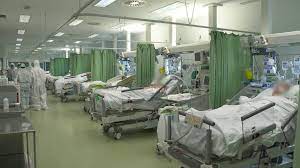
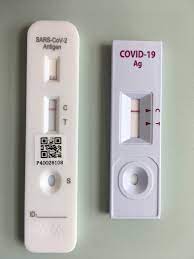

 Speaking to Lusa agency, the president of the Association of Hotels and Touristic Enterprises of the Algarve (AHETA), Elidérico Viegas, was very critical of the decision announced on Thursday by the Council of Ministers to introduce a test or certificate requirement in hotels , in mainland Portugal, and within restaurants in high and very high risk municipalities, from 19:00 on Fridays and on weekends and holidays, a measure that currently affects nine of the 16 municipalities in the Algarve.
 One of the most heard criticisms at the place, according to Algarve Primeira, was the waiting time, but also because some people passed the front in line, not respecting the order of arrival.
 “In very low-risk municipalities, there is a capacity limitation of half of the respective capacity. In low-risk municipalities, it is a third of the respective capacity and, in medium-risk or higher municipalities, a quarter of the respective capacity and subject to a plan of contingency”.
 In total, three countries account for more than a third of all global deaths. The United States, which has the highest number of fatalities at 606,000, accounts for 15% of the global total, followed by Brazil and India.
 We start with Europe, where we saw reported cases rise by 43%, an increase of 164,655 cases. Just as concerning, Europe saw a rise of 3% in deaths attributed to Covid-19 in the past 7 days making a total of 6,348. Russia had the highest death count at 4,827 followed by Germany with 206 and the Ukraine with 197. Three other countries, the United Kingdom, France and Italy all had over 150 deaths in the past week.
 The weekly trend here is a rise of 11% in reported cases, 213,346 compared to 192,819 in the previous week. In deaths we have seen a 13% drop in the last 7 days. Of the 35 countries represented, 18 have had increases in cases. One good factor to report is that only 15 of the 35 countries recorded 3 deaths or more in the past week.
 In the past week there has been a 21% increase in record cases across the continent and more concerning a 25% increase in deaths.
 In a recent report published by the WHO, they recommended that schools should remain open for as long as possible with adequate public health and social measures in place, and governments should use the summer months to implement measures that protect in-person schooling in the next school year, This report was from an international group of experts established by the World Health Organization’s Regional Office for Europe, in its latest recommendations on schooling during Covid-19.
 “The summer months offer a valuable window of opportunity for governments to put in place the right set of measures that will help keep infection rates down and avoid resorting to school closures, which, as we have seen, have such a harmful effect on the education, social and mental well-being of our children and youth,” said Dr Hans Henri P. Kluge, WHO Regional Director for Europe. “The spread of new variants, coupled with the presence of pockets of unvaccinated people in school settings, means that there is no time to lose. The time to act is now. We can’t allow the pandemic to rob children of their education and development.”
 Across the WHO European Region, the pandemic had a dire impact on schooling during the 2020-2021 academic year. UNESCO’s monitoring of national distance learning solutions shows that 44 out of 53 countries in the WHO European Region closed their schools at the national level at the height of the pandemic in April 2020.
 Schools deliver essential functions beyond education that cannot be delivered online, including the opportunity for real-life interactions with peers, which is essential for healthy development. Online teaching therefore remains a suboptimal alternative. In addition, there is evidence that more children are experiencing food insecurity due to lack of school meals, and levels of violence against children increase when staying home during lockdowns and school closures.
 A total of 22,210 vaccine doses (9,927 1st doses & 12,283 2nd doses) were administered in the week leading up to July 4th.
 Empresa de Electricidade da Madeira (Madeira power supplier) announced there will be power cuts due to planned work on the electricity supply network. These works cannot be postponed and will take place in the following days and places: