Portugal Situation Report Wednesday 13th October 2021

Introduction

Good morning – It was announced last week the travellers from the UK to Portugal, who have a NHS Covid-19 pass will be able to enter Portugal without a negative test result, in other words the same as for those with an EU Digital Covid Certificate.

This was published on the Gov.UK travel advice page. To date there has been no announcement from the Portuguese side, and we doubt if there will be one given that this has already been covered under “reciprocity”.

Yesterday Brits in Portugal Facebook page updated their previous post stating “that whilst most airlines are applying this correctly, we have received some reports of passengers still being asked to show test results. We have followed this up urgently with carriers and Portuguese Tourism and Border authorities and expect this situation to be regularized shortly. In the meantime, it is recommended that you check directly with your airline ahead of travelling for confirmation”.

An important reminder concerning beach safety particularly so in taking a dip in the sea. There have been several accidents this month where people have got into difficulties whilst swimming. Fortunately they were rescued. It is important to follow that flags regarding entry into the sea and at all times even if conditions appear safe, beware of rip currents and action to take if you do get dragged in one of these.

A reminder that on 5th November 2021 government will be conducting the annual “A Terra Treme” Earthquake awareness exercise throughout the country. This, as the title suggests, is to create awareness of the earthquake risk in Portugal and should a major earthquake occur, what action to take.

This is important as although the potential of a major earthquake taking place are low, the effects could be considerable in terms of destruction, injuries and possible loss of life.

Safe communities Portugal is a partner for “A Terra Treme” and in the lead up to the event we will be publishing various awareness material. Usually around half a million students participate in the exercise as well as many businesses. It only takes less than 5 minutes involving practicing the safety precautions “Drop, Cover, Hold On”.

We will also be covering awareness of tsunamis and action to take should this occur.

I will be talking more about this as well as beach safety on Solid Gold Sunday on KissFm radio this coming Sunday 17th October.

With that please have a good day.

Headlines

Portugal is now Europe’s vaccination frontrunner

The Financial Times (FT) reported in detail recently that a former submarine commander has almost single-handedly instilled confidence in a vaccination programme that had a faltering start in Portugal.

Vice Admiral Henrique Gouveia e Melo, the former submarine commander who has become a quiet hero of Portugal’s fight against COVID-19, could not stop his voice cracking with emotion when he was greeted by a prolonged ovation at a crowded vaccination centre. “I couldn’t help it,” said the grey-bearded vice-admiral, who heads the country’s vaccination task force, referring to the moment. “People were . . . saying to me “we’re with you”.

A week earlier, he won plaudits for his handling of an anti-vaccine protest, calmly telling angry demonstrators that “the real killer is the virus” as some in the placard-waving crowd shouted “murderer” at him. Such protests have been rare in Portugal. An overwhelmingly positive response from the public to Gouveia e Melo is one of several factors that have made the country a frontrunner in the global race to vaccinate against Covid.

About 83% of its population are already fully vaccinated and 86% have received at least one dose (as of 28 September), which meant it remarkably achieved one of the highest vaccination rates in the world alongside the likes of the United Arab Emirates and Singapore.

Pedro Simas, executive director of the Católica Biomedical Research Institute in Lisbon, believes the strong public adherence to the programme has its roots in Portugal’s first national vaccination plan in 1965. “It was tremendously successful and people have understood and trusted the benefits of vaccination ever since,” he said. Marta Temido, health minister, said Portugal’s national health service, has always had a strong focus on primary care. “Our doctors and nurses have been at the heart of a strategy based around large-scale vaccination centres in which the support of the military and municipalities has been vital,” she told the Financial Times.

Covid-19 Situation Tuesday 12th Portugal 2021

Confirmed Cases: 1.076.358 (+ 719 / + 0.07 %)

Number of admitted: 345 (-11 /-3.09 %)

Number of ICU admitted: 56 (-2 /-3.45 %)

Deaths: 18.056 (+ 8 / + 0.04 %)

Recovered: 1.028.465 (+ 1041 / + 0.10 %)

Active cases: 29,837 (-330 /-1.09%)

TRENDS

New daily cases higher than last week’s daily average (600)

Number of deaths higher than yesterday, but below last week’s daily average and remaining in single digits.

Welcome decrease in hospitalisations after a moderate increase yesterday

Large number of recoveries for one day.

Health

Nurses unions to strike

The nurses’ unions scheduled a strike for the first week of November and a rally on the 28th of this month in front of the Assembly of the Republic.

The decision was taken by all the unions that represent nurses in a meeting that began on Monday afternoon and ended this morning, the president of the Nurses Union, Pedro Costa, told Lusa.

The concentration of nurses and all unions, in front of the Assembly of the Republic, aims to claim the rights of nurses, with the delivery of the petition: “Nurses demand career unfreezing and performance assessment equal to nurses in the Autonomous Region of Madeira”.

Despite the measures announced, Pedro Costa stated that “the capacity for dialogue” between the unions and the Government has not been exhausted.

“For this reason, a national strike was decreed for the first week of November, which we want to announce on Friday. In a way, we are giving the Government some time here to be able to speak out,” he added. The union leader stressed that “the strike always has a dual responsibility”: “responding to the fair demands of nurses, but at the same time valuing the population’s access to health care”.

“We are currently not valuing the human value” of the NHS, which impedes the recovery of the national health system, he told Lusa.

The measures announced by the unions follow on from the lack of response to a claim submitted to the Ministry of Health on September 21 by the seven unions.

Some requirements included in the document include “the hiring of nurses who are in a precarious situation”, an “appropriate performance assessment for the profession”, the “correction of point-counting problems” and “equal conditions for nurses with individual employment contracts and contracts in public functions”.

Hospital visits with fewer restrictions

The General Directorate of Health (DGS) updated Guideline 038/2020, which defines the recommendations for companions and visits to hospital units.

The Guidance states that the Boards of Directors of Hospitals, Hospital Centers and Local Health Units, in conjunction with the PPCIRA Local Coordination Group (GCL-PPCIRA), should facilitate visits to inpatients and adapt the Visiting Regulation accordingly .

Under current legislation, visitors must present a valid EU COVID Digital Certificate or, alternatively, a negative result in a test for SARS-CoV-2: rapid antigen test (TRAg) performed up to 48 hours before, self-test on day and on site and under supervision of a responsible person or PCR test up to 72 hours before the visit.

Infection prevention and control recommendations must continue to be respected, namely the physical distance between visitor, user and health professionals; respiratory tag; correct use of surgical mask; and frequent hand hygiene. The number of visitors per hospitalized user must also be adjusted to ensure effective compliance with infection prevention and control measures.

The document also determines that users admitted to the health services of the National Health Service are entitled to religious assistance, regardless of their religion.

Covid-19: WHO experts consider co-administration of flu vaccines and covid-19 “acceptable”

The limited data on co-administration of inactivated vaccines (produced from inactivated virus) against seasonal influenza with that of covid-19 did not show an increase in adverse events,” indicate the recommendations of the Strategic Advisory Group of Experts (SAGE) in immunization programs released today, which do not yet constitute WHO guidance on co-administration of vaccines.

According to the advisory group’s opinion, taking into account that the priority age group to receive the seasonal flu vaccine is also considered at risk for more serious covid-19 situations, the co-administration of the two vaccines “is acceptable” and will allow to immunize a greater number of people against both diseases.

On Friday, the Director-General of Health announced that she plans to combine flu vaccination and the administration of the third dose against covid-19, to simplify the two processes, a possibility that was awaiting WHO guidance.

“It would be great for people, because it is much more comfortable to go and vaccinate themselves once with two inoculations and it is also much easier for our nurses, for our logistics and for our services”, explained Graça Freitas, at a conference in press.

Matosinhos students sent home. Parents against ARS Norte decision

The health delegate’s decision is generating controversy among those in charge of educating students at the Quinta de São Gens Basic School, in Matosinhos.

Matosinhos health delegate sent more than 300 students from the Quinta de São Gens Basic School to prophylactic isolation, after an employee tested positive for Covid-19.

Parents are disgusted with the decision they consider to be “overkill” and question how the rest of the year will go as SARS-CoV-2 continues to circulate.

For this reason, they decided to deliver, to the General Directorate of Health, a petition with 216 signatures.

To TVI24, ARS Norte said that the decision was taken as a “precautionary measure”.

The educational action assistant, who works in the cafeteria and is also a supervisor at recess, was considered a “risk contact” for at least more than 300 students at the school. At the moment, only fifty continue to attend classroom classes.

For students who are in prophylactic isolation for 10 days, online classes are available. Only the first year does not have this option.

The children concerned are between 6 and 10 years old, so they are not included in the national Covid-19 vaccination plan.

Students have already started to be tested for the disease and, so far, there has been no record of positive cases.

Other news

Rail Safety

Alpha/Accident: Security is “Critical Concern” for IP and it’s Important to Hear – Government

Lisbon, 12 Oct 2021 (Lusa) – The Government is analysing the final report on the derailment of the Alfa Pendular in Soure, said today the Minister of Infrastructure, stressing that “security is a crucial concern for Infraestruturas de Portugal (IP)”, which should be heard.

“We are still doing the analysis of the report ourselves. […] Apparently, it is not true that IP has not taken the measures that were determined in the past, and that is why it is important to listen to IP”, said Pedro Nuno Santos, who was heard in the parliamentary committee on Economy, Innovation , Public Works and Housing.

“Security is a crucial concern for IP, which is not to say that we still don’t have much to do,” added the official.

According to the final report of the Office for the Prevention and Investigation of Aircraft Accidents and Railway Accidents (GPIAAF), which the Lusa agency had access to on October 1st, the derailment of the Alfa Pendular train, in the village of Soure, which caused two deaths and 44 injured, were due to human error, but the investigation also blames Infraestruturas de Portugal (IP).

The train, with 212 passengers and heading south-north, bound for Braga, derailed in the afternoon of July 31, 2020, after colliding with a catenary conservation vehicle (VCC), which had entered the track, seconds earlier, close to the locality of Matas, causing the death of two IP workers, who were at the VCC, and 44 injured, three of them serious.

“The accident was not due to any technical anomaly, having established as the most likely explanation for the undue overtaking of signal S5 [red] by the VCC an error by the crew in the identification of the signal that related to the line the train was on, having it was understood that signal S3 with a green appearance was applied to them for the passage of fast train no. 133 [Alfa Pendular]”, concluded the GPIAAF. 

State Budget – Internal security grows 8% with budget of 2,311 million euros

Lisbon, October 12, 2021 (Lusa) – The amount foreseen in the State Budget proposal for 2022 for internal security is 2,311 million euros, representing an 8% increase compared to the estimated budget execution for 2021.

“The budget program for internal security shows, in the 2022 budget, a total of 2,311.6 million euros of total consolidated revenue and total consolidated expenditure allocation, which exceeds the estimated execution by the end of 2021 by 8%”, refers to the proposal for the State Budget for 2022 (OE2022) delivered on Monday to the Assembly of the Republic.

The Government’s proposal states that, of the total consolidated expenditure allocation, personnel expenses have greater weight, which “represent 76.5% of the total consolidated expenditure, with 1,767.9 million euros of allocation, highlighting the structure of the payroll of the security forces and services, distributed between the National Republican Guard (GNR), with 842.3 million euros, and the Public Security Police (PSP), with 787.5 million euros.

The document gives an account of the appropriations for investment expenditure, whose caption for acquisitions of capital goods amounts to 152.8 million euros, of which 53.2 million euros relate to the Law on the Programming of Infrastructure and Equipment of Forces and Services Security, and 40.9 million euros related to budgeted funds under the Recovery and Resilience Plan (PRR).

“We also highlight the purchase of goods and services, with 239.1 million euros, of which 114 million euros are allocated to the security forces, intended to finance the current activity of these entities”, reads the proposal.

The OE2022 for the Ministry of Internal Administration highlights the specific allocation for pensions and reforms carried out by the GNR, with 106.5 million euros, and by the PSP, with 55.1 million euros, fully financed by tax revenues.

The proposal also states that the GNR will have 39.8 million euros in health expenses and the PSP 35.3 million euros, which are fully covered by its own revenue.
 

Algarve Situation report Wednesday 13th October 2021

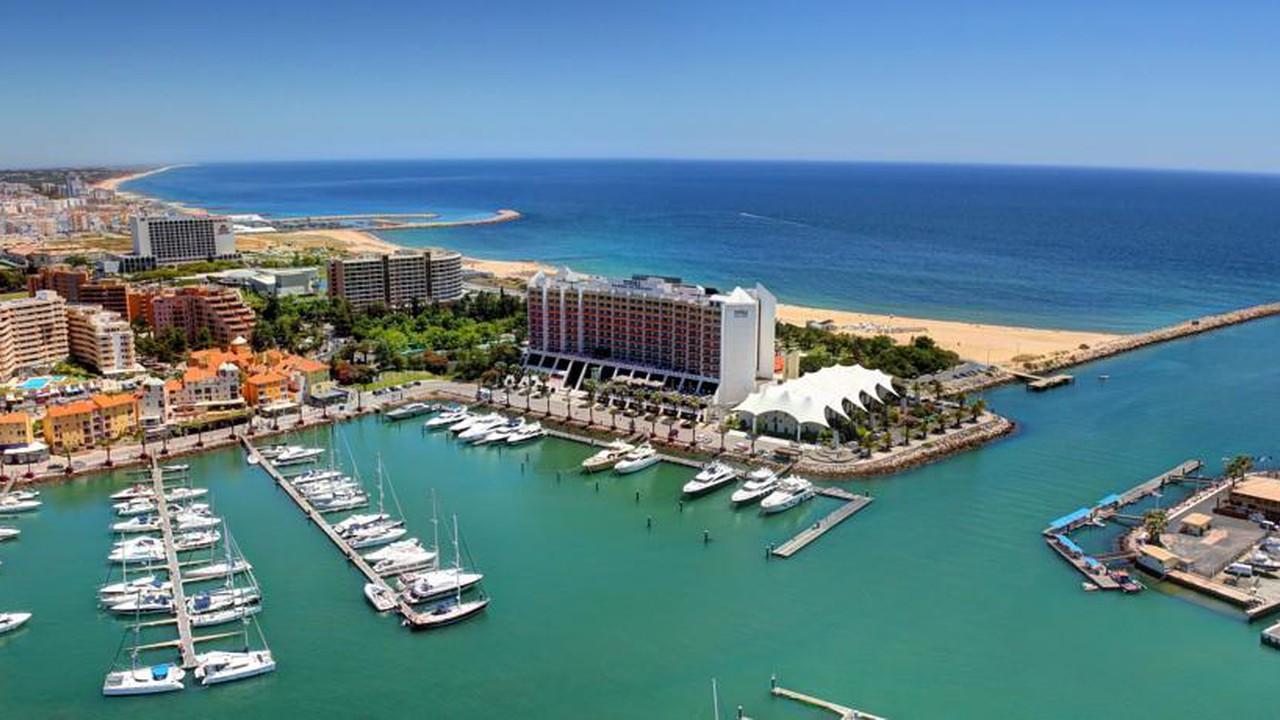
World experts debate future of leisure and post-covid tourism in Vilamoura

The 2021 edition of the conference ‘The Resort and Residential Hospitality Forum’ (R&R) dedicated to investment in resorts will take place between 25 and 27 October at the Tivoli Marina Vilamoura Resort, bringing together international specialists in investments in the area of ​​hospitality and leisure.

The R&R, part of the International Hospitality Investment Forum (IHIF), hopes to attract a senior audience of leading investors, developers and operators in the hospitality and leisure sector. This year’s conference theme ‘Leisure Supports the Turnaround’, in addition to focusing on the adaptability demonstrated by this industry, will discuss systemic shifts in hospitality and leisure investment that continue to drive the industry forward, with increasingly blurred lines between life personal and professional, requiring innovation in all aspects so that one can work remotely while living outside the large urban centers, taking advantage of all types of infrastructure and technologies that the resorts make available to their residents.

In the 2019 edition, more than 400 delegates from 14 countries participated in this international meeting that offers a balance between networking and information on investment strategies and trends in the sector.

The CEO of Vilamoura World, João Brion Sanches, will be one of the participants at the conference, on the panel “Destination Portugal”, a session in which the President of Turismo de Portugal, Luís Araújo, and Julio Delgado, CEO of Ombria Resort, will also participate jointly talk about Portugal’s opportunities as an investment destination.

Algarve in the race for Best Beach Destination in the World 2021

The Algarve Tourism Region – RTA, reported that the Algarve is once again nominated for “Best Beach Destination in the World 2021” at the World Travel Awards, the Tourism Oscars, a category that won for the first time last year.

Voting is open to both travellers and the general public, as well as travel and tourism professionals and takes place at www.worldtravelawards.com/vote, with the winner being announced in November, during a gala taking place in Moscow, Russia.

The region’s hospitality industry is also represented in the race to choose the best in the world in the tourism industry, with 20 nominations in various categories, including «Best Beach Resort in the World», «Best Family Resort in the World» or «Best Hotel of the Luxury of the World», among others.

To the two dozen nominations from hotels in the Algarve are added six nominations from units from Madeira, five from Lisbon and one from Alentejo. Portugal is also nominated for “Best Destination in the World”, “Best Family Destination in the World” and “Best Nature Destination in the World”, in a total of 54 national nominations.

Established in 1993 to recognize, reward and celebrate excellence in all key sectors of the travel, tourism and hospitality industry, the World Travel Awards celebrate their 28th anniversary in 2021. Every year, a series of gala ceremonies Regional companies recognize excellence in each continent, culminating in a Grand Final in which only destinations, companies, services and equipment are named among the best in the world. 

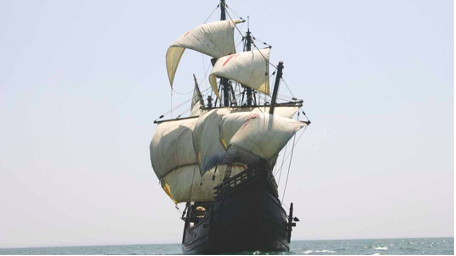
Nau Victoria from Spain will dock at Marina de Lagos

Nau Victoria, the replica of the 16th century ship that went around the world with Fernão de Magalhães and Elcano, docks in Lagos from 26th to 31st October.

The show Spain, biennial initiative program more than 40 cultural activities by 2022 across the country, arrives in October to Lagos, with Nau Victoria, a replica of the ship that between 1519 and 1522, has achieved the greatest maritime adventure story:  First Round the World by captains Fernão de Magalhães and Juan Sebastián Elcano.

During the Nau’s stay at the Lagos marina, there will be a program of free visits, guided visits to educational establishments and expert lectures on Spanish-Portuguese maritime exploits.

This replica was built in Spain in 1991, and to delineate the shapes and define the characteristics of the ship, Ignacio Fernández Vial, its designer and builder, conducted a long process of historical research. An exhaustive study, based on documental sources, chronicles, nautical treatises from the 16th century, and iconography of the time, which allowed us to determine its main dimensions, mast, sails and equipment.


The Overseas Situation Report Tuesday 12 October 2021

– By Mike Evans

“Wine makes every meal an occasion every table more elegant and everyday more civilized”

Author Unknown

As the world starts to recover from the Global Pandemic this report tells of one aspect of Portuguese culture that tourists have been sampling since well before the pandemic and how the government and producers are working together to build a sustainable future post covid. We are talking about the amazing wines and their impact on tourism to Portugal.

 Last month The World Tourism Organization (UNWTO), Visit Portugal and the city of Reguengos de Monsaraz organized the 5th UNWTO Global Conference on Wine Tourism on 8-10 September 2021 in Reguengos de Monsaraz (Alentejo), Portugal.

Held under the theme ‘Wine Tourism – a driver for rural development’, the Conference focused on the contribution of wine tourism to social and economic regional integration and its great potential to generate development opportunities in remote rural destinations.

Building on UNWTO’s work on advancing tourism at the centre of plans for recovery, the Conference represented a unique opportunity for experts from across the growing field of wine tourism to work together to find concrete solutions to build back better and make tourism an enabler of the way forward towards a more sustainable, inclusive and resilient future for rural communities.

Speaking at the event, The Secretary of State for Tourism, Rita Marques, highlighted that “10% of those who have visited Portugal in recent years have chosen the country for reasons associated with wine”, according to the newspaper Diário Alentejo.

The Government is “working very focused” on wine tourism “since 2019 and we can already say that 10% of those who visited Portugal in recent years, before the pandemic, came exclusively with reasons associated with wine”, said Rita Marques.

Portugal is “one of the few European countries” that has “an action plan” aimed at wine tourism and betting and investing in this sector “is a path” that the country is “treading”, highlighted the Secretary of State,  in Monsaraz.

The conference theme was how to rebuild the market post Covid 19 and a number of initiatives were put forward to help the growers increase sales and have a greater exposure to the world markets. Ideas for a new beginning were:

  1. Open air, smaller known groups, encourage more individual tourism.
  2. New markets : domestic, promoted in the region as well as across the country.
  3. Smaller groups, higher spending
  4. Bookings – better planning, better experience
  5. Online wine activities as a complement to stay working in tandem with hotels.

The Secretary of State for Tourism recalled that the national action plan for wine tourism has “four major dimensions”, starting with the ‘terroir’, that is, “for working the territories with the 14 wine committees, distributed over seven regions”.

“Then, working on the quality product, as it presents itself, as it is, can be well appreciated by the tourist”, adding that “the training and qualification of people is very important”, as well as “the promotion and continuous addition to the value chain.” And sustainability, a matter in which tourism “has played an important role, because it has assumed a very strong leadership”, must “be part of the DNA” in Portugal, defended Rita Marques.

“Many” of the 14 Portuguese wine regions develop their activity in rural and inland territories, and the Secretary of State warned that, as a result of the covid-19 pandemic, wine tourism in these regions could benefit. “The reasons for travelling have changed slightly, we are all looking for places where we can be a little more isolated from the hustle and bustle of the cities”, and there is “a greater appetite for tasting local products, whether food or wine”.

And it is necessary to “provide products, but also experiences and diversity” to visitors, because Portugal has to ensure that visitors can “stay longer”, that is, in addition to the average “2.7 nights” stay, to “ guarantee more economic value”.

As the biggest consumers of wine per capita globally, it might be expected that domestic sales of Portuguese wines would have fared well over the course of the pandemic, where drinkers globally were largely turned onto local vinous offerings.

In Portugal however, domestic consumption only forms half the picture.

While the Portuguese undoubtedly consume more than their fair share of wine, (on average, 55 litres annually for each of the country’s 10 million people), a large proportion of those sales come from tourists from countries like the UK. With the pandemic grounding planes everywhere, this has shifted the balance of sales abroad.

“We ended the year with a roughly 25% decrease in domestic wine consumption,” Frederico Falcão, president of Wines of Portugal.“Regarding our exports, we were one of only two countries globally that managed to grow in both volume and value: Portugal and New Zealand. There was a decrease in world wine trade, but Portugal managed to grow in value for our exports. Consumption was lower in Portugal, but we managed to export more.”

He said that Portugal exported a total of €846m in 2020, a 3% uplift on 2019 when sales reached €818m.

A significant proportion of this shift came from Portugal’s’ number three export market in value, the UK, where sales rose 16% in 2020.

Falcão puts this down to greater risk-taking among Brits, who displayed a willingness to convert on-trade spend to more adventurous off-trade purchases.

“Because of the lockdown of restaurants, people started to drink more wine at home, and they were buying wines with a bit more value. Usually, in restaurants, consumers don’t take many risks because the wines are expensive. But if they’re buying in an independent store or supermarket and they are willing to risk more, they find Portuguese wines are very good value for money,” he said.

When it comes to Port, Portugal has an interesting relationship with France, the US and the UK, it’s top three export markets by value.

For the past six years in the UK, sales of Port in these markets have been stable with a very slight increase of 0.1% in value. The share of Port however, is decreasing.

“Six years ago it was 68%, whereas in 2020, Port represented 52%. Table wines are increasing a lot,” said Falcão.

France remains Portugal’s number one export market, predominantly due to large amount of Port usually consumed in the country. Last year saw a significant dip because of the loss of the on-trade.

“Portuguese wines saw a huge increase in almost all countries except for France last year (because of Port) and also Angola. There is a problem with the economy in Angola these days. But France remains the biggest export market for Port in volume. The loss of the on-trade meant sales in 2020 dipped a lot.”

He added that France over-indexes at the entry level for Port. It’s an everyday drinking wine, whereas premium trends have greater weight in the US and UK.

“The Portuguese also don’t drink a lot of Port,” he said – a fact which was laid bare last year as consumption dipped significantly in the country.

Many of the trends which have become popular in the UK in recent years – for example Port & Tonic – originated in the bars and restaurants of Porto. While this was a domestically driven trend, Falcão said, it is not a traditional drink, and was created largely with tourists in mind.

It’s far more popular on the export market, where trends such as rosé Port are driving buy-in and excitement.

“My guess is that the premium categories of Port will go on for a long time. The future will be mixology like Port & Tonic, because the younger generation doesn’t like to drink those styles of wines, not just Port, but other fortified styles. Drinks like Port & Tonic are an excellent solution to keep Port sales going,” he said.

All of this leads us to believe that Portugal has a great chance to see their wine and tourism businesses move forward to greater things as we leave behind the fears of Covid 19.

Until the next time, Stay Safe.

Total Cases Worldwide – 238,761,035

Total Deaths Worldwide – 4,869,694

Total Recovered Worldwide – 215,938,873

Total Active Cases Worldwide – 17,952,468  (7.5 % of the total cases) 

Total Closed Cases Worldwide – 220,808,567

Information and Resources:

https://www.worldometer.info/coronavirus/


The Overseas Situation Report Friday 8 October 2021

by Mike Evans

 “When it comes to social media, there are just times I turn off the world, you know. There are just sometimes you have to give yourself space to be quiet, which means you’ve got to set those phones down.”  

– Michelle Obama

In this report we are looking at the impact that covid 19 has had and continues to have on the population around the world. There are differing reasons behind many of the issues that the pandemic has brought to different countries but overall the vast majority of countries have seen one thing in common. Worldwide, statistics suggest mental health has declined since the beginning of the COVID-19 pandemic.

Is social media partly to blame?

On a global scale, social media can be a way for people to gather information, share ideas, and reach out to others facing similar challenges. It can also be an effective platform to relay information quickly during a national or worldwide crisis.

This global reach is what has made social media a critical communication platform during the COVID-19 pandemic.

As government health organizations used it to relay recent findings on prevention and treatment, social media became more than a place to post the latest vacation photos — it became a hub of pandemic-related information.

But has the use of social media during the pandemic negatively impacted mental health and well-being? Or has it had the opposite effect?

According to the World Health Organization (WHO), mental health conditions are on the rise. Data show that around 20% of children and adolescents worldwide live with a mental health condition. Moreover, suicide is the second leading cause of death in 15–29-year-olds.

During the COVID-19 pandemic, a report published by the Centres for Disease Control and Prevention (CDC) found that of the adults surveyed in the United States: 31% reported symptoms of anxiety or depression, 13% reported having started or increased substance use, 26% reported experiencing stress-related symptoms, 11% reported having suicidal thoughts suggests that pandemic-related mental health challenges have impacted people differently, with some racial and ethnic groups disproportionately affected by pandemic stress. In particular, Hispanic adults reported experiencing the highest level of psychosocial stress in relation to food shortages and insecure housing at the start of the pandemic.

A research report published in Frontiers in Psychology suggests that there is an association between pandemic threats and extensive anxiety and concern among the public.

Scientists explain that some anxiety about personal safety and health during a widespread disease outbreak can help promote healthy behaviour, including hand-washing and social distancing. However, in some people, anxiety can become overwhelming and cause harm.

Social media use has been on the rise since its debut in 1995. As it has grown, more people have started using it as a news source. According to a Pew Research Center survey conducted between August 31 and September 7, 2020, about 53% of adults in the U.S. get their news from social media.This report indicates that social media can help effectively communicate health information to a global audience during a public health crisis. However, the information shared on these platforms can sometimes be inaccurate or misleading.

For example, one research review published in the Journal of Medical Internet Research looked at social media posts before March 2019 and found that Twitter contained the most health misinformation — mostly about smoking products and drugs.

According to one study, attempts to reduce the spread of misinformation by fact-checking and flagging posts with inaccuracies may help reduce the influence of false information for some people.

Still, there is ongoing debate on whether social media content regulation may increase mistrust and promote more social media posts reflecting inaccurate information.

Because the COVID-19 pandemic emerged recently, scientists are only beginning to understand the role of social media on users’ mental health.

For instance, using questionnaires, researchers in China interviewed college students from March 24 to April 1, 2020, to determine whether social media harmed mental health during the COVID-19 pandemic. Results indicate a link between higher use of social media and an increased risk of depression. Furthermore, the authors suggest that exposure to negative reports and posts may contribute to the risk of depression in some people. Additionally, according to a study that appears in the journal Globalization and Health, there is increasing evidence that endless news feeds reporting SARS-CoV-2 infection rates and COVID-19 death rates could influence the mental health of some individuals.

According to one Lifestyle coach, Lee Chambers who is a British Psychologist the pandemic has had a big effect on people’s mental well being. In a recent interview he said, “While we are all impacted in differing ways by social media consumption, the continual flow of negative and misinformation during the past 18 months have spread fear; the highlighting of social and political issues has reduced optimism; and edited photos and toxically positive content leave no space to feel secure or express negative emotions healthily. Alongside the increased desire for metrics such as likes and comments in these challenging times, it’s likely that social media has exacerbated mental health challenges.”

He also explained that social media keeps people connected to friends and family, especially during social distancing with limited physical interactions. Yet, this increased use may have amplified social anxiety and challenges with perfectionism and comparison for some people.

Research published in the Journal of Medical Internet Research  suggests that psychosocial expressions have significantly increased during the COVID-19 pandemic.

This means that more people are expressing their emotions, both positive and negative, and garnering support from others. As a result, the stigma surrounding mental health conditions may be decreasing.

According to Prof. Steven C. Hayes, Foundation Professor of Psychology at the University of Nevada, Reno, who developed the Relational Frame Theory and Acceptance and Commitment Therapy, told Medical News Today, “We know that there are toxic processes that produce particular challenges for people: exposure to physical and psychological pain; a comparison with others and judgment; entanglement with self-judgment.”Prof. Hayes noted that the COVID-19 pandemic exploded the idea that mental health conditions only affect certain individuals.

With emerging research suggesting social media may impact the mental health of some users, some platforms have begun to initiate positive changes. For example, on September 14, 2021, the social media platform TikTok announced new features for its users to help provide resources for suicide prevention.

But can they do more?

According to Chambers: “Social media platforms have a key role to play in how their products impact the mental health and well-being of their users. There are many aspects where this can be achieved. However, the challenge is that using most of these will decrease addictiveness, engagement, and time spent. This often goes against the aims of the platform itself.”

He suggests that social media platforms could consider improvements to build in mental well-being protection, including:

  • limiting news feed length
  • changing the way notifications are triggered
  • labeling altered images
  • introducing stronger regulation and monitoring of content designed to harm
  • implementing suggestions that users take a break
  • signposting to evidence-based resources and support on posts that may be triggering
  • ensuring clearer guidelines and more ability for users to easily control sensitive content.

According to Chambers, “when it comes to using social media, both moderation of time and content consumed and intentionality play a significant part in garnering the benefits and reducing the downsides.” He suggests that having a “digital sunset” before retiring for the night can help ensure anxiety will not impact sleep. In addition, having a social media-free day can positively affect mental well-being.

The irony of all this is that we are all using social media to get our messages across and at Safe Communities we are well aware of the impact that social media has had on people during the pandemic and as we start to see the way out we all hope that the social media platforms will get back to what they were invented for in the first place.

With that until the next time, Stay Safe.

Total Cases Worldwide – 237,221,331

Total Deaths Worldwide – 4,843,447

Total Recovered Worldwide – 214,364,486

Total Active Cases Worldwide – 18,013,398  (7.6 % of the total cases) 

Total Closed Cases Worldwide – 219,207,933

https://www.worldometers.info/coronavirus/

Other Resources:

https://www.medicalnewstoday.com/articles


Madeira Situation Report Wednesday 6th October 2021 

By Daniel Fernandes

Covid-19 update

There were 87 new Covid-19 cases, 72 recoveries and no deaths from Covid-19 in Madeira since the previous Madeira Situation Report, which was published a week ago.

On Wednesday, there were 14 new Covid-19 cases (all cases of local transmission) and 8 recoveries. The number of patients in hospital increased to 5, 1 of whom was in intensive care.

On Thursday, there were 22 new Covid-19 cases (5 imported cases – 3 from the UK, 1 from France and 1 from the Netherlands & 17 cases of local transmission) and 7 recoveries.

On Friday, there were 9 new Covid-19 cases (4 imported cases – 2 from the UK, 2 from the USA and 1 from Lithuania) & 5 cases of local transmission) and 10 recoveries. The number of patients in hospital increased to to 7, 1 of whom was in intensive care.

On Saturday, there were 11 new Covid-19 cases (3 imported cases – 2 from the USA and 1 from the UK & 8 cases of local transmission) and 11 recoveries. The number of patients in hospital increased to 8, 1 of whom was in intensive care.

On Sunday, there were 14 new Covid-19 cases (2 imported cases – 1 from France and 1 from Germany & 12 cases of local transmission) and 11 recoveries. The number of patients in hospital decreased to 7 and there were no patients in intensive care.

On Monday, there were 7 new Covid-19 cases (1 imported case from Bulgaria & 6 cases of local transmission) and 16 recoveries. The number of patients in hospital remained the same as the day before.

And on Tuesday, there were 10 new Covid-19 cases (3 imported cases – 2 from Venezuela and 1 from Southern Region & 7 cases of local transmission) and 9 recoveries. There were 7 patients in hospital, none of whom in intensive care.

There were 120 active cases on Tuesday, of which 22 had been imported while the other 98 cases had been a result of local transmission. As of Tuesday, there had been 11,781 cases, 11,586 recoveries and 75 deaths.

On Tuesday, there were 18 patients in isolation in a dedicated hotel, 95 patients in isolation in their own accommodation and 7 patients in hospital, none of whom was in intensive care.

On the same day, there were 140 suspected cases under epidemiological investigation and analysis, which were all linked to patients who tested positive for Covid-19, to calls made to the SRS24 helpline, to referrals by SESARAM (Madeira Regional Health Service) and to airport screening.

There were 36,720 travellers under monitoring by the health authorities. Monitoring is being carried out through the ‘MadeiraSafe’ app. There were also 238 people, who had contact with positive cases, being monitored by the health authorities of several Madeira municipalities and of Porto Santo.

As for Covid-19 testing on passengers who had arrived at Funchal and Porto Santo airports, 313,455 samples had been collected until Tuesday (at 15h30).

As for Covid-19 rapid antigen tests, a total of 334,685 tests had been carried out by September 27th, 260,474 of which as part of mass testing campaigns.  By Tuesday, 645,452 samples from RT-PCR tests had been processed in the Autonomous Region of Madeira.

The SRS 24 helpline (Regional Health Service – 800 24 24 20) received 373 calls in the last 7 days. Overall, it had received 64,911 calls.

The Covid-19 mental health helpline (Linha de Acompanhamento Psicológico da Direção Regional de Saúde – 291 212 399 – available every day from 09h00 to 21h00), which was set up to provide emotional and mental support to anyone in Madeira received 17 calls in the last 7 days. Overall, it has received 3,883 calls.

https://funchalnoticias.net/2021/09/29/14-novos-casos-de-covid-19-todos-de-transmissao-local/

https://www.jm-madeira.pt/regiao/ver/142899/Madeira_com_mais_22_novos_casos_de_covid-19

https://funchalnoticias.net/2021/10/01/9-novos-casos-de-covid-19-10-recuperados-46-suspeitos/

https://funchalnoticias.net/2021/10/02/11-novos-casos-de-covid-19-11-recuperados-66-suspeitos/

https://funchalnoticias.net/2021/10/03/14-novos-casos-de-coronavirus-11-recuperados-65-suspeitos/

https://funchalnoticias.net/2021/10/04/7-novos-casos-de-covid-19-16-recuperados-45-suspeitos/

https://funchalnoticias.net/2021/10/05/10-novos-casos-de-sars-cov-2-9-recuperados-120-activos-140-suspeitos/

Flu Vaccination started on Friday

The annual flu vaccination campaign started on Friday in the Madeira archipelago. A total of 68,000 flu vaccine doses were purchased. These vaccines will be administered in Madeira’s Vaccination Centres (Centros de Vacinação) and in health centres.

https://www.jm-madeira.pt/regiao/ver/142956/Vacinacao_contra_a_gripe_arranca_hoje_com_65_mil_vacinas_a_serem_disponibilizadas_

New direct flights between Madeira and New York

Miguel Albuquerque, President of the Madeira Regional Government, announced on Friday there will be two weekly flights between Madeira and New York’s JFK Airport. The flights will be operated by SATA (an Azorean airline) between November 29th and March 23rd. The aim will be to target the highly sought-after US market and to allow Madeirans to fly directly to New York.

https://www.jm-madeira.pt/regiao/ver/143017/Albuquerque_anuncia_dois_voos_semanais_diretos_entre_Madeira_e_Nova_Iorque_a_partir_de_29_de_novembro_


Portugal Situation Report Wednesday 6th October 2021

Introduction

Good morning – The highlight for many on Monday was the failure of Facebook, WhatsApp and Instagram. Downdetector described it as “one of the largest ever tracked on Downdetector® in terms of the total number of reports (over 14 million as of 3:30 p.m. PDT) and duration – this is an extremely impactful event”. This of course is just the tip of the iceberg as not everyone reports these outages to Downdetector.

Certainly we were affected at Safe Communities like many other users across the world

Many people may not realize the reach of Facebook’s services into other seemingly unrelated applications. Facebook operates one of the largest advertising networks in the world, used by countless websites and mobile applications. Facebook also provides a method to authenticate (log in) for users of many internet applications. Any service that relies on Facebook for any part of its infrastructure will have experienced problems to a varying degree.

The cascading impact of an outage to a core service like this can be confusing for people experiencing problems with a service seemingly completely unrelated to Facebook. When Facebook goes down, it’s a bad day on the internet.

When installing a new application perhaps think twice how you wish to authenticate your login in light of this experience.

Another outcome was that on Monday, a sell-off led to a 4.9% decline in the tech giant’s shares, adding to a drop of around 15% since mid-September. The fall in shares on Monday led to a drop in Mark Zuckerberg’s value to $121.6 billion (about €105 billion), trailing Microsoft founder Bill Gates in fifth place in the Bloomberg Billionaires index.

The Government’s proposal on the use of video surveillance systems by security forces and services, which will allow police officers to use cameras on their uniforms, called ‘bodycams’, will be discussed in parliament today.

In addition to the proposed law, the Assembly of the Republic will also discuss the draft resolution of the CDS-PP, for service vehicles and for video surveillance in police stations and posts. In my police experience this is long overdue and is necessary to improve and enhance transparency in frontline policing, and offer greater protection from inappropriate or violent behaviour for both police officers and members of the public. The full article is in this report.

Yesterday the President of the Republic in his 5th October speech called for a more “inclusive Portugal” being more attentive to the people and their needs, to their voice in social rights, economic activity and education”.   He added that the Portugal that we are will never overcome the challenges of entering the new economic cycle in time, with two million poor people and some more at risk of poverty”, he warned.

The President of the Republic warned that poverty and social inequalities “pass from generation to generation” and “drive people, regions and sectors away”, even in years and “decades of economic growth and convergence.”

This was an important speech that the opportunities are there for the future and must not be missed.

Turning to rural fire prevention; Safe Communities has prepared a feature on safety concerning the burning of debris and scrubland, which will appear in this week’s edition of the Algarve Resident out tomorrow 7th October. It is a fact that failure to follow safety advice in the burning of cut and piled waste and extensive burning of uncut scrubland, thus allowing them to become out of control, is the cause of around half of all rural fire, so far this year. Now we are out of the critical period, when people start undertake such burns, it is more important than everyone to ensure all the safety precautions are taken.

With that have a good day 

Covid 19 – DGS Situation 5th October 2021

Confirmed Cases: 1.072.037 (+ 730 / + 0.07 %)

Number of admitted: 346 (-5 /-1.42 %)

Number of ICU admitted: 62 (-6 /-8.82 %)

Deaths: 18.004 (+ 4 / + 0.02 %)

Recovered: 1.024.149 (+ 1064 / + 0.10 %)

Active cases: 29,884 (-338 / -1.1%)

The update of the risk matrix, today (from yesterday’s figures), indicates a further decline in the incidence of covid-19: it is now 94.3 cases per 100,000 inhabitants in the national territory and 95.1 on the continent. Three and a half months ago the incidence values ​​were not so low – the last time they were below 100 was on June 16th. The R(t), or transmissibility index, rose again, currently standing at 0.91 for the entire national territory and 0.90 for the continent.

Trends

Number of new cases increased compared to just 193 yesterday which was the lowest number for the last five months

The number of deaths is below last week’s daily average

Lowest in ICU since 7th June 2021

Lowest number of active cases since 24th June 2021

Health

Covid-19. People over 65 will be vaccinated with the third dose from October 11th

The Portuguese over 65 will start to be vaccinated with the third dose of the vaccine against covid-19 from October 11th, announced this Monday the Assistant Secretary of State and Health

António Lacerda Sales said that the General Directorate of Health (DGS) will issue a standard in the next few hours with “technical support for this third dose” against covid-19 or booster dose, noting that the vaccine will start to be administered to people residing in nursing homes and over 80 years of age.

“We will start with the most vulnerable groups, namely residential structures for the elderly, for the age group above 80 years and then we will go in a descending way to the age group equal to or above 65 years, as was done when the first phase of covid vaccination was carried out”, the secretary of state told journalists on the side lines of the signing of the cooperation agreement between INEM, the Portuguese Firemen League and the National Emergency and Civil Protection Authority, in Lisbon.

The government official also stressed that this booster dose should be administered from October 11th.

The secretary of State said that the decision of the European Medicines Agency (EMA), which was announced today, was awaited, so that “the DGS could also take its technical decision” and so that Portugal could move forward with this booster dose or third dose.

Covid-19: Pfizer vaccine is “effective” at preventing hospitalizations for six months

The Pfizer-BioNTech vaccine against the new coronavirus is “highly effective” in preventing hospitalizations within at least six months after being taken, advances a study published today by the scientific journal The Lancet.

Prepared by the North American health company Kaiser Permanente Southern California (KPSC) and the pharmaceutical company Pfizer, the study says that the two doses of the vaccine prevent hospitalizations in 90% of cases of infection in the 24 weeks following the inoculation, despite the percentage drops to 47% after that interval.

The investigators found that the drop in efficacy over time does not mean the virus “evades” the protection offered by the vaccine, but they do warn that the delta variant became dominant during the study, recommending analyses to measure the rate of decline of this vaccine variant in relation to the others, they clarified in a statement.

During the investigation, researchers examined 3,436,957 electronic health records from Kaiser Permanente Southern California (KPSC) between December 4, 2020 and August 8, 2021.

During this period, 5.4% of individuals were infected by the new coronavirus and, within this group, 6.6% were hospitalized, after an interval, on average, of three to four months between taking the first and taking the second dose.

Analysis of the complete genomic sequence and viral information from 8,911 positive PCR tests revealed that the delta variant accounted for 28% of the total proportion of positive sequences.

The proportion of positive cases attributed to this variant increased from 0.6% detected in April 2021 to almost 87% last July, which confirmed the predominance of delta in the United States.

Other news

Parliament discusses bodycams on police uniforms on Wednesday

The Government’s proposal on the use of video surveillance systems by security forces and services, which will allow police officers to use cameras on their uniforms, called ‘bodycams’, will be discussed in parliament on Wednesday.

In addition to the proposed law of the socialist executive, the Assembly of the Republic will also discuss the draft resolution of the CDS-PP on the acquisition of uniform cameras (bodycams), for service vehicles and for video surveillance in police stations and posts.

The proposal that regulates the use of surveillance systems by video cameras by security forces and services foresees the expansion of the use of these technologies by the police, with ‘bodycams’ being allowed by PSP and GNR elements, ‘drones’ and several video cameras in support of police activity and traffic control in road, sea and river traffic, movement of people at borders and in search and rescue operations.

“It is important to accommodate the use of cameras incorporated in unmanned aircraft systems, as well as in other types of vehicles, ships and vessels, by the security forces and services, in their daily activity, and to provide for the use of portable video surveillance cameras for use for recording police interventions, legally framing the use of this mechanism, which is of great importance in the security of police interventions in the field, as well as in safeguarding the rights, freedoms and guarantees of citizens”, the proposal reads.

The ‘bodycams’, small video cameras incorporated in the uniforms of the PSP agents, have been one of the instruments claimed by the police and the target of debate, namely following some media cases in which images of police operations are disseminated through mobile phones.

According to the Government document, the use of ‘bodycams’ “for the purpose of recording the individual intervention of an agent of the security forces in police action, depends on the authorization of the respective top leader, with the member of the Government responsible for the security force being informed ”.

The proposal indicates that the ‘bodycams’ must be placed “visibly on the uniform or equipment”, being provided with signs indicating their end”, and the capture and recording of images and sound can only “occur in case of intervention of element of the security forces, namely when the occurrence of a criminal offense, dangerous situation, emergency or change of public order is at stake, and the beginning of the recording must be preceded by a clearly perceptible warning, whenever the nature of the service and the circumstances allow”.

The characteristics and rules for the use of ‘bodycams’, as well as the form of transmission, storage and access to collected data, will also be the object of an ordinance to be approved by the Minister of Internal Administration.

More than 100 music students and teachers leave Kabul and are expected to come to Portugal

Fearing reprisals from the Taliban who, during their first period in power [between 1996 and 2001] had banned music, 101 ANIM members landed on Monday night in Doha, M. Sarmast told the France news agency. Presse (AFP).

The group, about half made up of women and girls, should come to Portugal with the support of the Portuguese government, said the institute’s founder, who is a refugee in Melbourne, Australia.

That operation was delicate right up to the last minute, said Sarmast.

With the help of the Qatar embassy in Kabul, the musicians were transported in small groups to the city’s airport.

At first, the Taliban – who control the airport in Kabul – expressed doubts about their visas, but the problem was finally resolved by the Qatar authorities.

When the flight finally took off with the musicians on board, especially the girls from the orchestra “Zohra”, aged 13 to 20, they were overcome with immense emotion.

“This is the happiest time of my life,” said Sarmast, who admits to having cried a lot.

That flight was the result of long planning since the Taliban came to power and required time-consuming and intense preparation.

“As soon as the Taliban took power in Kabul, musicians were discriminated against. The Afghan people have been silenced once again,” said Sarmast.


Azores Situation Report Wednesday 6th October 2021  

From our colleague in the Azores

Covid -19 

Since the last Situation Report a week ago on the 29th September there have been 106 new cases of Covid-19 registered, more than last week, and 76 recoveries.

Current situation: 

The Azores currently have 146 active positive cases, 133 in São Miguel, seven in Terceira, five in Faial and one in Pico.

Since the beginning of the pandemic, 9,078 positive cases of covid-19 have been diagnosed in the Azores, with 8,708 people having recovered from the disease. 42 died, 95 left the archipelago and 87 presented proof of previous cure.

From December 31st, 2020 until September 29th, 173,125 people have been vaccinated in the Azores with the first dose (73.2 percent) and 190,817 with full vaccination (80.7 percent), under the Regional Vaccination Plan.

As of yesterday, there are 10 inpatients, six at the Divino Espírito Santo Hospital, in Ponta Delgada, none in intensive care, two in the Santo Espírito da Ilha Terceira Hospital, with one in intensive care, and one in the Horta Hospital, also in intensive care.

The Transmissibility Index, or Rt, is an indicator of how many people a given individual can infect, within a given period.  In the Azores it is 1.06 this week.

Mask Wearing 

The Azores region has largely fallen in line with Continental Portugal regarding mask wearing.  It is mandatory to wear masks or visors to access or stay inside commercial spaces and establishments, including shopping centres, with an area greater than 400 square meters, Citizens’ Shops, educational establishments, schools and day care centres, except in outdoor recreational spaces.

It is also mandatory in concert halls, cinematographic film exhibition halls, congress halls, venues for events of a corporate nature, improvised venues for events, namely cultural, or similar, venues for sporting events and celebrations and health establishments and services.

The use of masks is also mandatory in residential or care facilities or home support services for vulnerable populations, elderly people or people with disabilities, as well as integrated continuous care units of the National Integrated Continuous Care Network and other dedicated residential structures and responses to children and young people and in places where this is determined in the norms of the General Directorate of Health, informs the circular issued.

It is also mandatory to wear masks or visors by workers in bars, clubs, restaurants and similar, as well as in commercial establishments and those providing services where physical contact with the customer necessarily occurs.

Explosive Material 

The Public Security Police carried out a nationwide police operation, entitled ‘ARMEX I-2021’, which seized 530 kilos of explosive material on the island of São Miguel.  The operation took place between September 30th and October 1st, with the Police from the Weapons and Explosives Nucleus carrying out several inspection actions throughout the Region, culminating in the apprehension 530 kg of explosive material, which were stored outside the legal conditions, on the island of São Miguel

The inspection actions are part of the operational strategy of the Azores PSP Regional Command and aim at the control of weapons and explosives and the verification of the legal requirements for their storage.

Volcanic Dust 

The Portuguese Institute of the Sea and Atmosphere (IPMA) confirmed today that some of the particles emitted by the volcano of Cumbre Vieja, in La Palma, have reached the Azores, causing a “significant reduction in horizontal visibility”.

In a statement, the IPMA has said that following the eruption of the volcano, on September 19th, “gases and particles have been emitted into the atmosphere” that “are transported over long distances”.

“According to the forecast results of the atmospheric monitoring service of the Copernicus program (CAMS), some of these particles have arrived in the Azores archipelago in the form of sulphate aerosol”.

The IPMA emphasizes that the sulphate aerosol “results from the liquid phase reaction of sulphur dioxide with water”, forming “small liquid particles”.

These particles, which can be “transported by the wind”, have “optical properties that contribute to a greater dispersion of light and, consequently, cause a reduction in visibility”.

IPMA observations confirm a significant reduction in horizontal visibility by these particles in the central and eastern groups of the Azores, which are expected to be found mainly in a layer below 800 meters in altitude”, the statement said.

The IPMA also refers that the “high humidity” registered in the Azores will have “increased the size of the particles”.

Today, the Portuguese Institute of the Sea and Atmosphere (IPMA) said it was studying the possibility that a chemical reaction caused by the volcano of La Palma was creating a “fog” around some islands of the Azores, a possibility that has now been confirmed.

Algarve Situation Report Wednesday 6th October 2021

Order wants more nurses in the Algarve but hospitals are already looking for professionals in Spain

The president of the Ordem dos Enfermeiros today called for the hiring of more professionals for the Hospital and University Center of the Algarve (CHUA), but the administration says there is no one to hire and are looking for nurses in Spain.

Speaking to journalists on the side lines of a visit to Faro hospital, Ana Rita Cavaco considered it essential to hire “more nurses” for CHUA, as well as “changes in the organization and emergency circuit” and “one-off” corrections in Cardiology services and Surgery 1.

“We are talking about a hospital that, in terms of the ratio of nurses per thousand inhabitants, at the moment, is one of the worst in the country. This hiring has to be constant, so that we can go in time to keep services and functional areas open, otherwise, we cannot serve the population”, he said.

The visit of the bastonária takes place after, in August, 65 of the 72 Nurses of the Emergency Department of CHUA have presented a declaration of disclaimer of responsibility, alleging lack of conditions to provide care.

The nurse director of CHUA argued that, since the new administration took office two years ago, it has already hired “250 nurses”, a number that is “manifestly insufficient”, although there is a concern to admit professionals according to the “availability of those who appear ” in the business market.

“We have been hiring all the nurses who have shown us availability to work at CHUA”, assured Mariana Santos, stressing that the difficulty in retaining professionals in the region led the administration to establish protocols with universities in Andalusia, Spain.

The objective is to hire newly graduated professionals, from whom they have received “requests for information” and who, if they materialize, will be forwarded to the Ordem dos Enfermeiros to “formalize the process of accreditation and certification of competence in Portugal”.

São Brás de Alportel celebrates the establishment of the Republic by raising the flag, music and exhibition

The Municipality of São Brás de Alportel celebrated the 111th anniversary of the establishment of the Republic, this Tuesday, October 5th, with the flag-raising ceremony and musical moments by the São Brás de Alportel Philharmonic Band, within the scope of the Music and Monuments.

At 10:00 am, there was a gathering of members of the Humanitarian Association of Voluntary Firefighters of São Brás de Alportel and the Philharmonic Band of São Brás de Alportel, at the ceremony which took place at the Paços do Concelho. The flag was raised, with a program adapted to the Municipality’s Contingency Plan for the prevention of contagion by Covid-19.

The performances of the São Brás de Alportel Philharmonic Band, at 10:30 am in the Churchyard and at 11:15 am in Largo de São Sebastião, took place within the scope of the Music and Monuments Festival, an initiative of the Musical Confederation Portugal (CMP).

The Dr. Estanco Louro Municipal Library marks the date with the exhibition “The Presidents of the Republic, from 1910 to the present”, which will be open until this Friday, October 8th.

Portimão raises awareness of breast cancer in yet another “Pink October”

The municipality of Portimão is once again associated with the international campaign “Outubro Rosa”, with a view to raising awareness of the prevention and early diagnosis of breast cancer, in partnership with the Portuguese League against Cancer (LPCC) and the Oncological Association of the Algarve (AOA).

Thus, on October 9th, in partnership with the LPCC – Southern Regional Nucleus, the municipality will develop several Solidarity Walks and a gathering in order to raise awareness of the issue of prevention and early diagnosis of breast cancer.
The Solidarity Walks will take place from 10:00 am in the three parishes of the county, with the following coordinates: Portimão – departure from the riverside area, next to Clube Naval (registration: 282 470 813 | secretaria.gimnodesportivo@cm-portimao.pt); Alvor – departure from the Sports Complex (registration: 282 248 570 | cdalvor@cm-portimao.pt) and Mexilhoeira Grande – departure from the Sports Complex (registration: 282 248 571 | cdmexgrande@cm-portimao.pt).

Participants will be able to purchase the solidarity t-shirt in advance for a price of five euros, at the different registration points or on October 9th at the starting points of the hikes.

Loulé: Two men arrested for illegal hunting

On Sunday, the GNR Environmental Protection Nucleus detained two men, 74 and 75 years old, for the crime of hunting in non-hunting terrain, less than 250 meters from houses and villages, in the town of Monte Ruivo, municipality of Loulé.

Through an inspection action, the military detected suspects hunting in a terrain where hunting is not allowed, namely in the vicinity of a settlement.

After conducting a search of the suspects, the following objects were seized: two 12-caliber firearms; 39 12-gauge cartridges; two hunter cards and two firearm booklets.

The detainees were constituted as defendants, and the facts were referred to the Judicial Court of Loulé.

The GNR reminds that hunting is prohibited within 250 meters of homes, in accordance with current legislation.

The Overseas Situation Report Tuesday 5 October 2021

by Mike Evans

“Nowadays, we are confronted by a huge gap between rich and poor. This is not only morally wrong, but practically a mistake. It leads to the rich living in anxiety and the poor living in frustration, which has the potential to lead to more violence. We have to work to reduce this gap. “

– Dalai Lama

The last few days has seen the toll for the Pandemic reach the tragic milestone of 5 million deaths with unvaccinated people particularly exposed to the virulent Delta strain.

The variant has exposed the wide disparities in vaccination rates between rich and poor nations, and the upshot of vaccine hesitancy in some western nations. In this report we are looking at the impact still on a number of countries and what is happening now.

More than half of all global deaths reported on a seven-day average were in the United States, Russia, Brazil, Mexico and India.

While it took just over a year for the COVID-19 death toll to hit 2.5 million, the next 2.5 million deaths were recorded in just under eight months. An average of 8,000 deaths were reported daily across the world over the last week, or around five deaths every minute. However, the global death rate has been slowing in recent weeks.

There has been increasing focus in recent days on getting vaccines to poorer nations, where many people are yet to receive a first dose, even as their richer counterparts have begun giving booster shots.

More than half of the world has yet to receive at least one dose of a COVID-19 vaccine, according to Our World in Data.

The World Health Organization this week said its COVAX distribution programme would, for the first time, distribute shots only to countries with the lowest levels of coverage.Co-led by the WHO, COVAX has since January largely allocated doses proportionally among its 140-plus beneficiary states according to population size.

“For the October supply we designed a different methodology, only covering participants with low sources of supply,” Mariangela Simao, WHO Assistant Director General for Access to Vaccines, said in a recording of a conference presentation last week posted on the WHO’s website. Countries considered among the least covered are targeted for supplies, although there was no mention of the countries that would receive the vaccines. COVAX has so far overseen these allotments. The presentation went on to detail the fact that of the more than 90 poorer nations served by COVAX, about half had immunised less than 20% of their populations and 26 less than 10%. Many wealthy nations reached 70% coverage during the northern hemisphere summer.

About 75 million doses of Pfizer, AstraZeneca, Johnson & Johnson, Moderna and Sinopharm vaccines will be distributed in October to 49 of over 500 million shots, of which about 300 million have been shipped to recipient countries.

Meanwhile, the United States, which has been battling vaccine misinformation that has caused about one-third of the population to avoid inoculations, surpassed 700,000 deaths on Friday, the highest toll of any country. The country has reported an average of more than 2,000 deaths per day over the past week, which represents about 60% of the peak in fatalities in January. The United States still leads the world in COVID-19 cases and deaths, accounting for 19% and 14% of all reported infections and fatalities.
The highly transmissible Delta variant has driven a surge in COVID-19 cases that peaked around mid-September before falling to the current level of about 117,625 cases per day, based on a seven-day rolling average.

That is still well above the 10,000 cases a day that top U.S. infectious diseases. Expert Dr. Anthony Fauci has said all needs to be reached to end the health crisis.

U.S. cases and hospitalizations have been trending lower, but health officials are bracing for a possible resurgence as cooler weather forces more activities indoors.While national hospitalization numbers have fallen in recent weeks, some states, particularly in the south of the country, are bucking that trend to record big rises, putting pressure on healthcare systems.

Last week saw the U.S. President, Joe Biden, receive a booster shot, hoping to provide an example for Americans on the need to get the extra shot even as millions go without their first.

While scientists are divided over the need for booster shots when so many people in the United States and other countries remain unvaccinated, Biden announced the push in August as part of an effort to shore up protection against the highly transmissible Delta variant.

About 56% of the U.S. population has been fully vaccinated, with around 65% receiving at least one dose, according to the data from the Centers for Disease Control and Prevention. New York hospitals on Monday began firing or suspending healthcare workers for defying a state order to be vaccinated, while a federal judge ruled in favor of an Ohio private healthcare provider that had mandated shots for its staff.

Vaccination rates in some parts of the Midwest and South are lagging those in the Northeast and parts of the West Coast, according to the U.S. Centers for Disease Control and Prevention, indicating a divide between the rural and urban parts of the country.

Russia reported 887 coronavirus-related deaths on Friday, the largest single-day death toll it has recorded since the pandemic began and the fourth day in a row it has set that record. Only 33% of Russia’s eligible population has received a first vaccine dose.

According to the Worldometer.info site in the past week there have been 165,623 new reported cases compared to 145,985 in the previous week, a rise of 13%.

As a region, South America has the highest death toll in the world accounting for 21% of all reported deaths and over 1.1 million deaths. Brazil has the highest death toll of the South American countries with 597,986 deaths recorded so far followed by Peru with 199,485.

However on closer analysis Peru with a much smaller population has more than double the number of deaths per 1 million of population than Brazil. However, when we look at the latest weekly comparisons of reported cases Brazil has 116,149 cases in the past week and the whole of South America has recorded only 166,996.

While many of the South American countries have seen a big drop in cases, Brazil is still suffering from the lack of vaccines.

North America and Eastern Europe contribute more than 14% of all fatalities each, according to Reuters analysis. The smaller countries of Eastern Europe have been hard hit by the pandemic. When looking at the number of deaths per 1 million of population, Bosnia and Herzegovina have the highest rate at 3,267 deaths per 1 million of population. They are followed closely by North Macedonia, Hungary, Montenegro and Bulgaria all with over 3000 deaths per  million of population. Whilst Russia and the UK have the highest number of deaths in Europe the number per 1 million is a lot lower at 1,444 and 2004 respectively although it should be notes that Russia’s own health minister reckons that the number of deaths due to Cpovid 19 should be around 3 time more than they have reported.

To finish this report we look at  India, one of the first countries ravaged by the Delta variant, which has gone from an average of 4,000 deaths a day to less than 300 as its vaccination campaign is rolled out. India recorded a spike of 20,799 new Covid-19 cases in the past 24 hours. The country also witnessed 180 deaths, taking the death toll to 448,997. On the vaccine front it was announced that 70% of the adult population had received the first dose of the vaccine and in Delhi they have reopened the schools for the first time since the pandemic took hold in March 2020.

With the Delta variant now the dominant strain around the globe and has been reported in 187 out of 194 World Health Organization member countries it is still a viable threat to the health of the world and there is still a way to go before we can safely say we are through the pandemic.

Until the next time Stay Safe.

Total Cases Worldwide – 235,846,317

Total Deaths Worldwide – 4,818,348

Total Recovered Worldwide – 212,751,246

Total Active Cases Worldwide – 18,276,723  (7.7 % of the total cases)

Total Closed Cases Worldwide – 217,569,594 

https://www.worldometers.info/coronavirus/

Other Resources:

https://www.worldometers.info/coronavirus/#main_table

https://www.reuters.com/world

The Overseas Situation Report Friday 1 October 2021

by Mike Evans

“No matter how many mistakes you make or how slow you progress, you’re still way ahead of everyone who isn’t trying.”

– Tony Robbins

In this report we take a look at the Bloomberg Covid Resilience Ranking system and see what are the best and worst countries to be in with Covid 19.

The Covid Resilience Ranking is a monthly snapshot of where the virus is being handled the most effectively with the least social and economic upheaval. Compiled using 12 data indicators that span virus containment, the quality of healthcare, vaccination coverage, overall mortality and progress toward restarting travel and easing border curbs, the Ranking captures which of the world’s biggest 53 economies are responding best—and worst—to the same once-in-a-generation threat.

The new Delta variant has defined the way we live with the virus for many across the world, places that stayed resilient amid the variant’s onslaught providing a new model for how the  world emerges from the pandemic.

In September, European nations dominated the top rungs of Bloomberg’s Covid Resilience Ranking for a third month, and we have a new No. 1—Ireland has taken pole position from Norway after steadily climbing the ranks from the start of 2021, when it had the worst outbreak in the world. In its monthly report published on Tuesday the news agency noted Ireland had been “steadily climbing” the rankings since the beginning of the year when it had experienced the worst outbreak in the world.

It noted a “startling turnaround” and national vaccination rates among the highest globally. Ireland took the top position from Norway, while European countries remain dominant in the higher rankings.

“Even as the peak summer travel season unfolded alongside delta’s spread, Ireland and places like Spain, the Netherlands and Finland held down serious illness and deaths through pioneering moves to largely limit quarantine-free entry to immunised people,” the report said.

“Bestowing more domestic freedoms on the inoculated helped boost vaccination levels to some of the highest in the world – over 90 per cent of Ireland’s adult population has received two shots – while allowing social activity to resume safely.”

Responding in a social media post, Taoiseach Micheál Martin said the result was down to the hard work of the Health Service Executive (HSE) and the Irish public.

Minister for Health Stephen Donnelly said the same resilience would see Ireland on a safe path to recovery coming into the autumn.

It pulled off the startling turnaround with a strategy used Europe-wide. Even as the peak summer travel season unfolded alongside delta’s spread, Ireland and places like Spain, the Netherlands and Finland held down serious illness and deaths through pioneering moves to largely limit quarantine-free entry to immunized people. Bestowing more domestic freedoms on the inoculated helped boost vaccination levels to some of the highest in the world—over 90% of Ireland’s adult population has received two shots—while allowing social activity to resume safely.

The country that was at the top of the chart, Norway, has seen riots in the past week following the lifting of all covid restrictions. The Norwegian government announced on Friday that most of the remaining coronavirus restrictions would be scrapped from Saturday and that life would return to normal.

The move included the lifting of social distancing rules and capacity limits on businesses, as well as the reopening of nightclubs. The unexpected announcement by prime minister Erna Solberg late on Friday afternoon took many Norwegians by surprise and led to chaotic scenes in the capital Oslo and elsewhere in the country on Saturday.

Rowdy celebrations across Norway by hundreds of citizens started on Saturday afternoon and lasted until the early hours of Sunday. Police said unrest was reported in several places, including in the southern city of Bergen and the central city of Trondheim, while the situation was worst in Oslo. Police in Norway registered at least 50 fights and disturbances during the course of the night.

Long queues were seen outside Oslo’s nightclubs, bars and restaurants late on Saturday. Neither vaccination status certificates nor negative test results for Covid-19 were required to enter such venues in Norway.

“That’s exactly what I predicted would happen,” according to one angry Oslo nightclub manager.“It was a life-threatening situation in the city because they [the government] didn’t give us at least a few days’ advance notice. This was a dangerous situation as police said all places were packed.”

Among other incidents, Norwegian media reported that police received an alert about a man carrying a machete on a bus in Oslo and people fainted while waiting to get into pubs in Trondheim.

SONY DSC

“There was a significantly greater workload [on Saturday] than during the summer. There were a lot of people out already in the afternoon and it continued during the night,” Oslo police spokesman Rune Hekkelstrand told the Norwegian public broadcaster NRK.

Denmark moved up six spots into the top five as high vaccination coverage enables it to lift restrictions while its outbreak is contained.

On the 10th September Denmark became the first European country to lift all covid restrictions. For residents in Denmark, it’s a tantalizing return to pre-pandemic times. As the last of the mask restrictions fell, for example, ticket controllers in commuter trains cheerfully informed masked travellers they could take off their face coverings. Those who were tourists opted to keep them on anyway, as one POLITICO reporter recently witnessed. Meanwhile, at Glyptoteket, an art museum in central Copenhagen, visitors crammed in to take advantage of the weekly admission-free day, with minimal masking and little regard for social distancing. Down the street, stages and stalls were preparing for revelers coming in for the World Pride gathering of activists and allies.

Along with the successful vaccine rollout, experts have pointed to high levels of trust in authorities. Almost three-quarters of adults are fully vaccinated and COVID-19 hospitalization rates are low.

In contrast, the delta variant has left the U.S. reeling. The world’s biggest economy dropped three spots to No. 28 in September as unfettered normalization, regardless of vaccination status, drove a surge in cases and deaths. Inoculation has hit a wall, with places that started shots later than the U.S. now overtaking it.

Southeast Asian economies continue to populate the Ranking’s bottom rungs in September, with Indonesia, Thailand, Malaysia, Vietnam and the Philippines the last five. While the region’s outbreak may have peaked, their export-reliant economies are still struggling from the hit.

Once the gold standard for virus containment, the Asia-Pacific is faltering in the era of vaccination. Not only are their strict measures less effective in the face of delta, former top rankers in the region are also grappling with how to reopen after such a long period of isolationist border curbs.

No. 1 at the Ranking’s inception last November, New Zealand fell nine spots from August to No. 38. A delta incursion after months virus-free has left the country in varying degrees of lockdown, still seeking to stamp out infections as it strives to boost vaccination levels. Singapore, which is trying to pivot from a Covid Zero approach to a vaccine-led reopening, fell 11 rungs as what is increasingly apparent is that the pandemic is far from over—for some more than others.

Called “a shame on all humanity” by World Health Organization chief Tedros Adhanom Ghebreyesus, vaccine inequality persists, confining developing economies to the bottom half of the Ranking. With so many countries barely inoculated, the risk of another destructive variant emerging has never been higher, just as rich nations grapple with waning immunity from the first round of shots.

Over the month of September Spain jumped eight places to No. 2 as its infection rate fell to the lowest level in more than a year.

Canada advanced 14 rungs, while the U.K. climbed six places to No. 16 after both nations eased travel curbs for fully vaccinated people.

Bangladesh edged up five notches as the country recorded its lowest number of daily deaths in nearly four months and schools reopened after being shut for more than 500 days.

What happens in one month can all change in the next month so we can hope that these new openings of countries don’t end up having to reimpose restrictions if the variant takes another hold.

Until the next time Stay Safe.

Total Cases Worldwide – 234,208,789

Total Deaths Worldwide – 4,790,934

Total Recovered Worldwide – 211,024,704

Total Active Cases Worldwide – 18,393,151 (7.8 % of the total cases)

Total Closed Cases Worldwide – 215,815,638

https://www.worldometers.info/coronavirus/

Other Resources:

https://www.irishtimes.com/news/world/europe/mass-brawls-reported-in-norway-as-country-celebrates-lifting-of-covid-restrictions-1.4684342

https://www.bloomberg.com/graphics/covid-resilience-ranking/#notable-movers

https://www.politico.eu/article/denmark-first-eu-lift-coronavirus-restrictions/