Azores Situation Report Azores – Saturday 7th August 2021

 From our colleague in the Azores

Open House 

Hundreds of young people flocked to the Ponta Delgada Vaccination Centre, Azores, to take advantage of the first day of the “Open House”, an inoculation against Covid-19 without an appointment for adults on the island of São Miguel.

The USISM’s is aiming to vaccinate two thousand people a day and will be supported by 120 professionals, including nurses, doctors and operational assistants and technicians.

Ryanair 

Ryanair airline revealed that it will increase the number of weekly flights between Lisbon and Ponta Delgada and Terceira during the winter.

The company revealed that, to Ponta Delgada, it will make 14 weekly flights to Lisbon, one more than before, and, for Terceira, seven weekly flights to Lisbon (three more).

Covid-19 

3rd August 2021 

17 new covid-19 positive cases were diagnosed in the Azores, 11 in São Miguel, four in Terceira, one in São Jorge and one in Pico, resulting from 2,215 tests carried out in the reference laboratories of the Region and one in non-agreed private laboratory.

In São Miguel, one of the cases corresponded to a traveller, residing in the parish of São Pedro, in the municipality of Ponta Delgada, who obtained a positive result on arrival. All other cases correspond to community transmission. By municipality, Lagoa registered a new case, the municipality of Ponta Delgada registered four new cases, the council of Vila Franca do Campo registered one new case and the council of Ribeira Grande registered five new cases.

In Terceira, a non-resident traveller, in the parish of Santa Cruz, municipality of Praia da Vitória, obtained a positive result, after taking a test on the 6th day with a negative result. The remaining cases corresponded to community transmission. Thus, the municipality of Angra do Heroísmo registered two new cases and the municipality of Praia da Vitória also registered two new cases.

In São Jorge, a resident traveller, in the parish of Santo Amaro, in the municipality of Velas, made an inter-island trip, obtaining a positive result upon arrival on the island.

In Pico, a non-resident traveller, in the town and municipality of Madalena, performed a test due to the presentation of symptoms, obtaining a positive result.

90 recoveries were recorded.

4th August 2021 

67 new covid-19 positive cases were diagnosed in the Azores, 58 in São Miguel, five in Terceira, two in Pico, one in Faial and one in Santa Maria, resulting from 2,426 tests carried out in the reference laboratories of the Region and one in a non-agreed private laboratory.

In São Miguel, all the remaining cases correspond to community transmission. By municipality, Lagoa registered seven new cases, the municipality of Ponta Delgada registered 22 new cases, the municipality of Vila Franca do Campo registered four new cases and the municipality of Ribeira Grande registered 25 new cases.

In Terceira, all the cases are also in the context of community transmission and were fully registered in the municipality of Angra do Heroísmo.

In Pico, two travellers residing in the parish of Ribeiras, municipality of Lajes, obtained positive results on the 6th day.

In Faial, a traveller residing in the parish of Conceição, municipality of Horta, made an inter-island trip, obtaining a positive result on the 6th day.

In Santa Maria, a non-resident traveller obtained a positive result on the 6th day, causing the appearance of a primary local transmission chain in the town and municipality of Vila do Porto.

48 ​​recoveries were recorded

5th August 2021 

52 new covid-19 positive cases were diagnosed in the Azores, 46 in São Miguel, three in Terceira, two in Faial and one in Santa Maria, resulting from 2,233 tests carried out in the reference laboratories of the Region and five in non-agreed private laboratory.

In São Miguel, a non-resident traveller in the parish of São Pedro, municipality of Ponta Delgada, obtained a positive result after having already performed a negative 6th day test. A non-resident traveller, in the parish of São Sebastião, municipality of Ponta Delgada, obtained a positive result on the 6th day. A resident traveller, in the parish of Rosto do Cão (Livramento), municipality of Ponta Delgada, also obtained a positive result on the 6th day. All other cases correspond to community transmission. By municipality, Lagoa registered four new cases, the municipality of Ponta Delgada registered 19 new cases, the municipality of Vila Franca do Campo registered 10 new cases and the municipality of Ribeira Grande registered 13 new cases.

In Terceira, a traveller residing in the parish of Altares, municipality of Angra do Heroísmo, obtained a positive result on the 6th day. The remaining cases correspond to community transmission. In the municipality of Angra do Heroísmo there were two new cases and in the municipality of Praia da Vitória one new case was registered.

In Faial, two resident travellers, one in the parish of Angústias and the other in the parish of Praia do Norte, obtained positive results on the 6th day.

In Santa Maria there was also a new case, the origin of which has yet to be determined.

51 recoveries were recorded.

6th August 2021 

55 new positive cases of COVID-19 were diagnosed in the Azores, with 38 on São Miguel island, eight on Terceira island, six on Faial island , two on Pico island, and one on São Jorge island, arising from 1,936 tests carried out in reference laboratories of the region, and one in a private non-contracted laboratory.

On the island of São Miguel, one traveller non-resident in the civil parish of São Sebastião, municipality of Ponta Delgada, tested positive on arrival. All the other cases are the result of community transmission. By municipalities, three new cases were recorded in Lagoa, 18 in the municipality of Ponta Delgada, two in the municipality of Vila Franca do Campo, and 15 in the municipality of Ribeira Grande.

On Terceira, one traveller non-resident in the civil parish of Santa Cruz, municipality of Praia da Vitória, tested positive on arrival. Another traveller resident in the civil parish of Fonte do Bastardo, municipality of Praia da Vitória, tested positive on day 6. The remaining cases are the result of community transmission chain. There were two new cases in the municipality of Angra do Heroísmo and six in the municipality of Praia da Vitória.

On the island of Faial, one traveller resident in the civil parish of Angústias, municipality of Horta, tested positive on day 6, one resident inter-island traveller tested positive on day 6 and started a new primary local transmission chain in Horta. The other cases are the result of a previous chain.

On the island of Pico, one traveller non-resident in the town and municipality of Madalena, tested positive on day 6, one traveller resident in the town and municipality of Lajes tested positive on day 6 and started a new primary local transmission chain

On the island of São Jorge, one non-resident inter-island traveller tested positive on arrival in Santo Amaro, municipality of Velas.

47 recoveries were recorded.

As of today, eight patients are hospitalised: four in Divino Espírito Santo Hospital, in Ponta Delgada (one of which in ICU), three in Santo Espírito Hospital, in Angra do Heroísmo (one of which in ICU), and one in the Hospital of Horta.
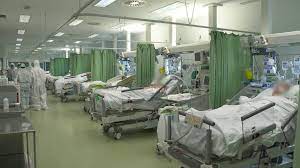
Currently, there are 541 active positive cases the archipelago, with 410 on São Miguel, 91 on Terceira, 13 on Santa Maria, 10 on Faial, eight on São Jorge, eight on Pico island, and one on Flores island.

With the emergence of three new primary local transmission chains in the past 24 horas, there are seven now: two on Pico, two on São Jorge, one on Santa Maria, one on Faial, and one on Flores. To date, 222 have been extinguished on all islands. There are 1,627 people under active surveillance today.

Since the beginning of the pandemic, 7,915 positive cases of COVID-19 have been diagnosed in the Azores, 7,181 people have recovered from the disease, 38 died, 89 left the archipelago and 66 provided evidence of previous cure. To date, 653,675 tests have been carried out for SARS-CoV-2, which causes COVID-19 disease.

From 31st December 2020 to 2nd of August, 145,562 people in the Azores have been vaccinated with the first dose (61.5 per cent) and 137,897 with complete vaccination (58.2 per cent), within the Regional Vaccination Plan.
 

Algarve Situation Report Saturday 7Th August 2021

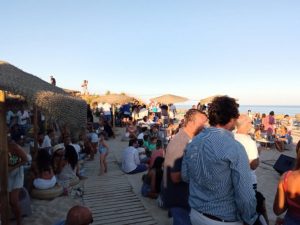
Maritime Police interrupt event with about 300 people on Cabeço beach in Castro Marim

The Maritime Police of Vila Real de Santo António interrupted yesterday afternoon an unauthorized musical event, with about 300 people, in an establishment on Cabeço beach, in the municipality of Castro Marim.

In a statement, the National Maritime Authority said that following a complaint received at 17:00, informing that an event was taking place on the beach, the elements of the Maritime Police found “that it was an unauthorized musical event, in which about 300 people without the proper social distance were present. The Maritime Police order those present to disperse, which was promptly complied with”.

Six pharmacies in the municipality of Portimão make free Covid-19 tests

Throughout the month of August, citizens of Portimão will be able to carry out a free weekly screening test to Covid-19, in the six pharmacies in the county covered by the protocol established between the City Council, the ANF – Association National of Pharmacies and Farminveste.

As the municipality explains in a press release, also throughout this month, four advanced testing posts are available, known as ‘walk thru’, located next to the old fish market in the riverside area of ​​Portimão, in the riverside area of ​​Alvor, in the Marina de Portimão and near the Fortaleza de Santa Catarina, in Praia da Rocha, whose practiced values ​​are defined and are the responsibility of the private entities that promote the tests in these outposts, the costs of which are borne by the interested parties.

Residents interested in carrying out rapid antigen tests in pharmacies should schedule in advance with the six participating pharmacies, by telephone, and they only take place from Wednesday to Saturday, as well as on the 15th of August holiday.

The following pharmacies joined this campaign: Arade (tests between 2:30 pm and 6:30 pm, from Wednesday to Friday – telephone 282 425 858); Carvalho (10:00 to 18:00, from Wednesday to Saturday – tel. 282 423 516); Central (11:00 am to 3:00 pm and from 6:00 pm to 9:00 pm, on Saturdays – 282 422 068); Palma Santos (11:00 am to 1:00 pm and from 3:00 pm to 8:00 pm, from Wednesday to Saturday – tel. 282 485 641); Pedra Mourinha (9:30 am to 1:30 pm, from Wednesday to Saturday – tel. 282 422 909); and Rosa Nunes (9:00 am to 1:00 pm, from Wednesday to Friday, and from 9:30 am to 6:00 pm on Saturdays – tel. 282 422 653).
Beneficiaries, who do not need a prescription, must be over 12 years old, not have a complete vaccination schedule or have been previously infected by Covid-19.

Overnight stays from foreigners in the Algarve are down 76 percent in July compared to the same month in 2019.

Overnight stays by foreign tourists in hotels in the Algarve decreased 76 percent in July, compared to the same month in 2019, but the national market increased 40 percent, according to data released today by hoteliers.

According to the Association of Hotels and Touristic Enterprises of the Algarve (AHETA), general data indicate an overall average occupancy rate per room of 49.5 percent in July, 40.6 percent below the figure recorded in the same month of 2019.

Despite the global decline, accommodation units in the Algarve registered an increase of 40 percent on the national market, compared to July 2019, offset by a 76 percent drop on the external market, according to AHETA in communicated.

In accumulated values, since the beginning of the year, occupancy per room registered an average decrease of 68.9 percent and sales volume a decrease of 68.6 percent compared to the same period in 2019, he adds.

By geographical areas, compared to July 2019, the decreases varied between minus 53.2 percent in Albufeira and minus 24.3 percent in Tavira.

AHETA makes a comparison with the same period of 2019, and not last year, as it was a period in which the sector had not yet been hit by the impact of the covid-19 pandemic.

In cumulative terms, in 2020, from January to July, the average load factor decreased by 17.4 percent and sales volume decreased by 18.7 percent.


The Overseas Situation Report Friday 6 August 2021

by Mike Evans

“Tough times are normal to come in your journey of life.  If we think about it with a calm head, there is a higher possibility we’ll deal with it better.” 

― Sarvesh Jain

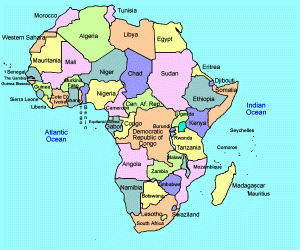
To conclude another week of Overseas reports I will finish my roundup of the situation in the rest of the world with a look at Africa, Asia and Oceania. This will look at comparisons of a week ago to get a feel for what is happening in these areas.

First to Africa, where the cases have been on the increase for the past few months. Well there seems to be some good news in that the cases in the last week have dropped by 7% compared to the previous week. However with the good comes the bad in that the number of deaths in the past week has increased by 2% compared to the previous 7 days.

To look at this continent in detail, South Africa has been the main country where the virus has been the most prolific. However in the past week the country has seen the number of news cases drop by 7% from 81,053 to 75,484. The country also says that the number of deaths in the week fell by 8% although the figure of 2,507 is actually 37.5% of the total deaths in the whole of Africa in the past week.
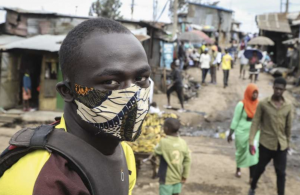
This comes while Cape Town is struggling to cope with more than 38,000 active cases of COVID-19, making it the epicenter of the pandemic in Africa’s worst-hit country.

The provincial chairman of the Democratic Nursing Organization of South AfrIca, Elenor Roberts, said medical staff members were under immense pressure. “As of now, the situation in our rural areas, it is dire,” because there are so many COVID patients who need attention and “so few staff to look after these patients,” Roberts said. She said there were about 13,000 nurses in Western Cape province, far too few to handle the workload.

To date the country has administered over 8 million doses of vaccine but there is a lot of skepticism in the country about vaccines. About 54% of South Africans say they are unlikely to get a Covid-19 vaccine and almost half say they believe prayer provides more protection than the shots against contracting the disease, a survey showed.

The Afrobarometer survey of 1,600 South Africans highlights a hurdle for the government’s drive to inoculate two-thirds of its 60 million people in a bid to curb infections in the country, which is Africa’s worst hit by the disease, according to official statistics. Hesitancy is highest among those below the age of 35 and among the poor, according to the survey. Just 28% of those surveyed trust the government to ensure vaccines are safe.

Elsewhere in Africa there have been a number of countries showing increases in case in the past week. Morocco saw a 76% increase in cases compared to the previous week and has the second highest number of cases behind South Africa with 55,410 new cases in the week. More worrying is that the death count increased by 110% from 167 to 350 people in the past week. Kenya, Ethiopia Nigeria and Mauritania all showed increases compared to the previous 7 days. As has been highlighted in these reports in the past the big issue for Africa is getting the vaccines out to the people.  The lack of a stable health service in many countries and the sheer size of nations is making the vaccination programme very difficult and there are fears that Africa will be left behind in the world which is a bad thing for all the countries across the world.

In Asia the pandemic continues to hit many countries and this week saw an increase in new case across the 49 states that make up the Region of 13% compared to the previous 7 days. There were 1,822,642 new cases in the week and dceaths rose by 17% to 31,237. The countries with the largest number of cases were Indonesia and India. In Indonesia the  health ministry has recorded 1,747 new deaths of Covid-19 in the last 24 hours, pushing the nation’s total deaths to 100,636.

The south-east Asian country has been struggling to cope with the highly contagious Delta variant since it was first discovered in Indonesia in late June. According to Our World in Data, Indonesia’s total number of infections has now reached 3.53 million.

The country recorded a huge rise in cases at the beginning of July, and more than 30,100 deaths. High fatality numbers have left much of the country frustrated with their government, blaming a slow vaccine rollout, while others point blame at conspiracy theorists and anti-vaxxers. The COVID-19 death rate for people in the Indonesian capital of Jakarta who were not vaccinated was more than three times higher than those who were, according to new health ministry data.

As with Africa the issue is with the speed of the vaccination programme. In Indonesia, 18% of the population have had one dose of a vaccine, while 8% are fully vaccinated, according to health ministry data. Indonesia has had 100,600 deaths.

In India where they have seen a reduction in cases in recent weeks the past week saw an increase of 5%. However, on the good news front deaths reduced in the week by 1%. In terms of vaccinations, in India 27.7% of the population have had one dose of a vaccine and 7.8 % are fully vaccinated, according to government data.

Other countries where there has been a big increase in cases in the past week include Turkey where they have seen a 56% increase, Iran 23%, and Japan where the focus of the world is on the Olympic games, they have seen an increase of 110% in new cases in the week from 35,142 to 73,533. Japan is preparing to expand emergency restrictions to eight more prefectures to fight a surge in COVID-19 cases, as worries grow about strains on the medical system in Tokyo as it hosts the Olympics.

On Wednesday, Tokyo reported a record 4,166 new cases, while nationwide new cases topped 14,000. “New infections are rising at an unprecedented fast pace,” Economic Minister Yasutoshi Nishimura told a panel of experts reviewing the proposal for expanded restrictions. “Not just in the national capital region, but starting with the Kansai region and northern Kanto region, the number of new infections has surged across the whole country at levels we have never seen before.”

“The situation on the ground is extremely severe,” he said, adding: “We are seeing clusters where we’d seldom seen them before, such as at department stores, hairdressers and cram schools.”

The latest steps, to take effect from Sunday, mean more than 70 percent of Japan’s population will be under some restrictions. Already, six prefectures including Tokyo are under full states of emergency, which will remain in place until August 31, while a further five are under less strict “quasi-emergency” directives.
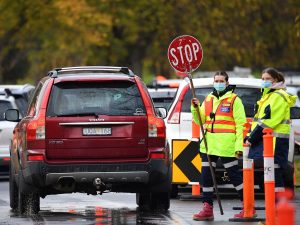
Finally to Oceania, and in the past week the region has seen a surge in new cases in Fiji, Australia and French Polynesia. In the region which since the start of the pandemic has fared better than most other areas in the world. In Australia there has been a 34% increase in new cases in the past week. Sydney reported its worst day of the Covid-19 pandemic on Thursday with five deaths and a record rise in locally acquired infections as a weeks-long hard lockdown is struggling to contain the highly contagious Delta strain of the coronavirus.

Four of the five people that died were unvaccinated while one had one dose, New South Wales state health authorities said, as they implored residents to get inoculated as early as possible.

Authorities also announced a one-week lockdown from Thursday in the region surrounding the state’s second-largest city of Newcastle, 140 kilometers (87 miles) north of Sydney, after six cases were reported there.

That will place an additional 615,000 people under lockdown, raising the total in New South Wales under strict stay-home restrictions to 6 million people out of 8 million in the state, or about a quarter of Australia’s population.

In the state of Queensland, whose capital Brisbane is under lockdown, another 16 Covid-19 cases were reported on Thursday, the same as the previous two days.

The state of Victoria, meanwhile, entered a weeklong lockdown as of 8 p.m. Thursday. People in Victoria must stay home unless they are doing essential work, buying food, getting exercise, receiving or providing healthcare or getting a Covid-19 vaccine.

With the new restrictions in place, some 13 million people across Australia’s three largest cities of Sydney, Melbourne and Brisbane will be under lockdown from Thursday night.

Meanwhile in French Polynesia, the increase in the week has been just under 2000 new cases or a 34% rise. Restrictions are being reintroduced in French Polynesia in a bid to counter a rapidly worsening Covid-19 pandemic.

Within two weeks, the incidence of the virus has increased more than 40-fold, with case numbers since the start of the pandemic topping 20,000, including 149 fatalities.

While there was no Covid-19 patient in the hospitals in mid-July, the wards are again filling fast, with 40 patients in care and eight of them in ICUs. More than 90 percent of those admitted have not been vaccinated.

The French High Commission and the French Polynesian government have set a stop to all public events, limited public gatherings to no more than 20 people and funerals to 15.

A reintroduction of a curfew has been mooted, should the latest measures fail to curb the spread of the virus. Despite an abundance of vaccines, only about a third of the population has been inoculated, with officials warning almost 80,000 doses risk expiry by October. As with many people in Africa the local Polynesians are suspicious of vaccines and the government has had a hard time trying to convince people otherwise.

So in the past three reports we have been around the world and one thing we can see from these reports is that this virus is still amongst us and is not going to go away anytime soon.

So until the next time Stay Safe.

Total Cases Worldwide – 201,212,343

Total Deaths Worldwide – 4,274,299

Total Recovered Worldwide – 181,175,212

Total Active Cases Worldwide – 15,762,832 (7.8% of the total cases)

Total Closed Cases Worldwide – 185,449,511

Information and resources:

https://www.worldometers.info/coronavirus/

https://www.worldometers.info/coronavirus/weekly-trends/#countries

https://www.rnz.co.nz/international/pacific-news/448256/tahiti-gripped-by-new-covid-19-wave


Madeira Situation Report Wednesday 4th August 2021  

By Daniel Fernandes

Covid-19 update 

There were 170 new Covid-19 cases, 191 recoveries and 1 death from Covid-19 in Madeira since the previous Madeira Situation Report, which was published on July 28th. 

On Wednesday, there were 23 new Covid-19 cases (6 imported cases – 1 from Hungary, 1 from the Netherlands, 3 from the Lisbon and Tagus Valley Region and 1 from Northern Region & 17 cases of local transmission) and 23 recoveries. The number of patients in hospital decreased to 5, with none in intensive care 

On Thursday, there were 16 new Covid-19 cases (4 imported cases – 2 from the Netherlands, 1 from Italy and 1 from the UK & 12 cases of local transmission) and 24 recoveries. The number of patients in hospital decreased to 3. No patients were in intensive care.

On Friday, there were 27 new Covid-19 cases (11 imported cases – 9 from the UK, 1 from Lebanon and 1 from Spain & 16 cases of local transmission) and 25 recoveries. The number of patients in hospital increased to 4, with no patients in intensive care. 

On Saturday, there were 22 new Covid-19 cases (11 imported cases – 3 from the UK, 1 from Colombia, 1 from Spain and 6 from the Lisbon and Tagus Valley Region & 11 cases of local transmission) and 23 recoveries. The number of patients in hospital increased to 6, with no patients in intensive care.

On Sunday, there were 28 new Covid-19 cases (16 imported cases – 9 from the UK, 2 from France and 5 from the Lisbon and Tagus Valley Region & 12 cases of local transmission), 36 recoveries and 1 death. A male patient, aged 88 and who had pre-existing conditions, died with Covid-19 at Hospital Dr. Nélio Mendonça. The number of patients in hospital remained the same as the day before. No patients were in intensive care. 

On Monday, there were 22 new Covid-19 cases (8 imported cases – 2 from Spain and 6 from the Lisbon and Tagus Valley Region & 14 cases of local transmission) and 22 recoveries. The number of patients in hospital remained the same as the day before. 

And on Tuesday, there were 32 new Covid-19 cases (12 imported cases – 3 from the UK, 2 from Ireland, 2 from Lithuania, 1 from Russia, 1 from South Africa, 2 from the Lisbon and Tagus Valley Region and 1 from Northern Region & 20 cases of local transmission) and 38 recoveries. The number of patients in hospital remained the same as the day before (6). No patients were in intensive care. 

There were 227 active cases on Tuesday, of which 89 had been imported while the other 138 cases had been a result of local transmission. As of Tuesday, there had been 10,333 cases, 10,031 recoveries and 75 deaths.  

On Tuesday, there were 61 patients in isolation in a dedicated hotel, 160 patients in isolation in their own accommodation and 6 patients in hospital, none of whom was intensive care. 

On the same day, there were 41 suspected cases under epidemiological investigation and analysis, which were all linked to patients who tested positive for Covid-19, to calls made to the SRS24 helpline, to referrals by SESARAM (Madeira Regional Health Service) and to airport screening.

There were 44,262 travellers under monitoring by the health authorities. Monitoring is being carried out through the ‘MadeiraSafe’ app. There were also 465 people, who had contact with positive cases, being monitored by the health authorities of several Madeira municipalities and of Porto Santo. 

As for Covid-19 testing on passengers who had arrived at Funchal and Porto Santo airports, 278,360 samples had been collected until Tuesday (at 15h30). By Tuesday, 551,629 samples from RT-PCR tests had been processed and 73,945 antigen rapid tests had been carried out in the Autonomous Region of Madeira.

The SRS 24 helpline (Regional Health Service – 800 24 24 20) received 1,548 calls in the last 7 days. Overall, it had received 57,108 calls. 

The Covid-19 mental health helpline (Linha de Acompanhamento Psicológico da Direção Regional de Saúde 291212 399 – available every day from 09h00 to 21h00), which was set up to provide emotional and mental support to anyone in Madeira received 22 calls in the last 7 days. Overall, it has received 3,787 calls.

https://funchalnoticias.net/2021/07/28/23-novos-casos-de-covid-19-23-recuperados-87-suspeitos/

https://funchalnoticias.net/2021/07/29/16-novos-casos-de-covid-19-24-recuperados-128-suspeitos/

https://funchalnoticias.net/2021/07/30/27-novos-casos-de-covid-19-25-recuperados-110-suspeitos/

https://funchalnoticias.net/2021/08/01/22-novos-casos-de-covid-19-23-recuperados-79-suspeitos/

https://funchalnoticias.net/2021/08/01/28-novos-casos-de-covid-19-36-recuperados-106-suspeitos/

https://funchalnoticias.net/2021/08/01/mais-uma-morte-na-madeira-por-causa-da-covid-19/

https://funchalnoticias.net/2021/08/02/22-novos-casos-de-covid-19-22-recuperados-24-suspeitos/

https://funchalnoticias.net/2021/08/03/32-novos-casos-de-covid-19-38-recuperados-41-suspeitos/

Covid-19 vaccination update

As of August 1st, a total of 305,773 Covid-19 vaccine doses (176,403 1st doses & 141,848 2nd doses/full vaccinations) had been administered in the Autonomous Region of Madeira since the start of the Covid-19 vaccination campaign on December 31st. This means that 69% of the population had been administered 1 vaccine dose while 56% of the population have already been fully vaccinated. A total of 19,133 Covid-19 vaccine doses (8,745 1st doses & 13,623 2nd doses/full vaccinations) were administered in the week before August 1st.

Pedro Ramos (Madeira’s Health and Civil Protection Secretary), expects 90% of the population will have been inoculated by the end of September/October. This is why he said it does not make sense to end the mandatory use of face masks in public places.

According to the latest data, 309,739 Covid-19 vaccine doses have been administered (164,239 1st doses & 145,500 2nd doses/full vaccinations).

Covid-19 vaccination will continue this week. One of the highlights of the week will be the 2 “Open Day” vaccination campaigns aimed at inoculating young people aged 12-17 on August 4th (today from 09h00 to 19h00) and on August 6th in the Funchal Vaccination Centre (Centro de Vacinação do Funchal), which is located at Madeira Tecnopolo. No booking is required for the “Open Day” vaccination campaigns. There will be additional “Open Day” campaigns in other regional municipalities, including in Porto Santo.

The first “Open Day” vaccination campaign took place on August 31st. There was strong demand during the day. There was already big queues of teenagers and their parents before 09h00. Around 100 teenagers had already been inoculated before the 1st hour of the campaign. Out of a total of 2,036 Covid-19 vaccine doses that had been administered in the Funchal Vaccination Centre, 1,207 were administered on teenagers aged 12-17 (368 aged 12-14 & 839 aged 15-17).

Pedro Ramos visited the scene on Saturday and praised the teenagers “big maturity and sense of responsibility”, stating that “this is another weapon at their disposal in order to continue to be protected”. He reminded that many children and youngsters were infected with Covid-19 throughout the country and said the aim is for about 20,000 youngsters to be inoculated in the Region, to ensure a safe start to the school year.

The Pfizer and Johnson & Johnson Covid-19 vaccines will be administered, as recommended by the European Medicine Agency.

It is also possible for youngsters from this age group to book a vaccination spot in all regional municipalities.

A shipment of 40,950 Pfizer Covid-19 vaccines arrived in the Region on Sunday. It was another step in ensuring there are enough vaccine doses to continue the regional Covid-19 vaccination campaign.

https://funchalnoticias.net/2021/08/03/gr-diz-que-ja-administrou-mais-de-305-vacinas-contra-a-covid-19-na-ram/

https://www.jm-madeira.pt/regiao/ver/136915/Apenas_10_dos_passageiros_fazem_teste_a_chegada_a_Regiao_

https://web.sesaram.pt/COVID19_INFO

https://www.jm-madeira.pt/regiao/ver/136630/Novo_Open_Day_de_vacinacao_de_criancas_na_proxima_quarta-feira

https://www.jm-madeira.pt/regiao/ver/136708/Cerca_de_1200_jovens_com_mais_de_12_anos_foram_vacinados_na_Madeira

https://funchalnoticias.net/2021/08/01/40-950-vacinas-da-pfizer-chegaram-hoje/

Only 10% of passengers are tested on arrival

Pedro Ramos (Madeira’s Health and Civil Protection Secretary) revealed that only 10% of the passengers arriving in the Region are tested for Covid-19 at the Covid-19 testing centre that was set up at the airport. This means 90% of the passengers arriving in the Region are already vaccinated, have recovered from Covid-19 or were tested before traveling. He also said 50% of passengers were tested on arrival at the start of the July 2020. About 600,000 passengers, half of them from the Portuguese mainland, have arrived in the Region since the start of Covid-19 testing on arrival.

https://www.jm-madeira.pt/regiao/ver/136915/Apenas_10_dos_passageiros_fazem_teste_a_chegada_a_Regiao_

University students reminded that they can book Covid-19 vaccination

The Academic Association of the University of Madeira (Associação Académica da Universidade da Madeira) reminded students that they can book their vaccination spot. They will first have to register at the SESARAM (Madeira Health Service) website. After registration, they can book their vaccination spot. They must attach their university registration, which is available on the “InfoAlunos” platform, at “Documentos > Académicos (categoria Inscrição)”. After confirmation of registration on the SESARAM website, students must wait to be contacted by the Regional Health and Civil Protection Secretariat (Secretaria Regional de Saúde e Proteção Civil).

https://www.jm-madeira.pt/regiao/ver/136918/Academica_da_UMa_lembra_que_universitarios_ja_podem_agendar_vacinacao

Power cut 

Empresa de Electricidade da Madeira (Madeira power supplier) announced there will be power cuts due to planned work on the electricity supply network. These works cannot be postponed and will take place in the following days and places:  

FUNCHAL 

August 5th – 09h00 to 11h30 & 14h00 to 16h00 

– Caminho da Alegria (numbers 3 to 28) 

– Caminho da Terça (number 73)

– Caminho Velho da Igreja (numbers 1 to 58) 

– Rua Conde da Alegria 

– Travessa da Alegria (numbers 1 to 24) 

August 5th – 00h00 to 05h00 

– Estrada Comandante Camacho de Freitas (number 82) 

– Rua da Encosta do Pico dos Barcelos – Galeria and Bar 

– Urbanização do Pico dos Barcelo 

CALHETA 

August 5th – 13h00 to 16h00 

– Rabaça 

– Pico da Urze (including communications mast)

However, power could be restored during the time frame mentioned above. So, for safety purposes, it should be assumed that there will be power at any time during this period of time. 

If necessary, customers can contact the free Customer Support Service (Serviço de Apoio ao Cliente): 800 221 187.

https://funchalnoticias.net/2021/08/03/publicidade-o-fornecimento-de-energia-sera-interrompido-nos-dias-horas-e-locais-abaixo-indicados-anuncio-66-2021/


Portugal Situation Report Wednesday 4th August 2021

Good morning – Although it is early days, it appears that we may have now reached a turning point in the Covid-19 pandemic here in Portugal. All the key indicators such as RT and a reduction in incidence rates show that we are now at last on a downward track.

Of course we have been in similar situations before, only to find that cases have increased again, necessitating the reintroduction of more restrictive measures.

However, we are now at a point where the measures are less restrictive than we have seen for well over a year, and we have one of the highest vaccination rates in Europe. The Portuguese government in my view have done an incredible job in responding to crisis few of us have previously experienced.

I can say this with some experience and confidence, having been at the forefront in Hong Kong in 2002/3 dealing with the SARS crisis. We learned a great deal from that crisis which is why Safe Communities Portugal became the first organisation in Portugal to start monitoring its progress, two months before it reach our shores.

If all goes well we will be back to normality once 85% of the population is vaccinated with estimates being that will be sometime in October. Before then, once 70% vaccinations are achieve, estimate, September we will then move to the next phase. Currently 57% of the population have been fully vaccinated and almost 70% at least one dose.

As proposed by several experts, measures were approved at the last Council of Ministers applicable to the levels of 70% and 85% of complete vaccination of the population, based on indicators related to the assessment of the risk of transmission of the infection, the level of incidence, clinical severity and the responsiveness of the National Health Service, to be defined by the member of the Government responsible for the health area. An Order has now been published with details of these and can be downloaded in English from our Covid-19 Risk page.

https://www.safecommunitiesportugal.com/major-incidents/covid-19-risk/

I recommend that you visit this page with the updated figures from the INSA which are usually published on Saturday mornings

The self-scheduling of Covid-19 vaccines for those age 16 and 17 years was available from yesterday, August 3, at the DGS site.

According to the Task Force – At this time, older people cannot schedule a vaccination because the portal “is only allocated to self-schedule for 16 and 17 year olds”. This group is for vacancies available for the 14th and 15th of August, so they will have full priority. There are more than 200,000 teenagers eligible for vaccination across the country. The task force stated that the portal should re-open for older age groups within days.

The Casa Aberta (Open House) scheme is now available to those 30 years of age and over. Users will now be able to schedule their “Casa Aberta” vaccination through a TICKET SYSTEM, in order to avoid queues. Please see our Facebook post yesterday and also our website Covid-19 Vaccinations page.

Turning to the subject of rural fires and other catastrophes; much of this is a result of extreme weather conditions, which we are experiencing in Portugal in respect of high temperatures, but also in the north of Europe concerning heavy rain and flooding.

We are focusing on this subject because of the high risk of rural fires in Portugal which will likely increase further as the weather becomes dryer. To help the foreign communities here in Portugal will also report on major catastrophes overseas, where families or friends may be affected.

Extreme weather is becoming far more frequent, and sets the conditions where fires can start and spread easily. Often these are a result of negligence and sometimes deliberately.

It is essential, and I repeat “essential”, therefore that we are fully aware of the fire risks, especially those living in high risk areas. We should know what action to take should a fire start, bearing in mind that fires can start and spread very quickly.

So we remind those in rural areas, especially high risk areas, to understand the fire risk in your area, develop a self-protection action plan, practice it and know what to do should a fire break out. Your life and that of your family could depend on the decisions you make and the action you take.

I will be covering this topic in more detail in a special feature in this Thursday’s Algarve Resident.

With this please have a Safe Day


DGS Covid-19 Report Tuesday 3rd August 2021

Confirmed Cases: 974.203 (+ 2076 / + 0.21 %)

Number of admitted: 945 (-23 /-2.38 %)

Number of ICU admitted: 204 (+ 1 / + 0.49 %)

Deaths: 17.397 (+ 19 / + 0.11 %)

Recovered: 909.330 (+ 4368 / + 0.48 %)

Active cases: 47,476 (-2311/–4.6%)

Safe Communities comparisons/trends show that deaths were double that of the previous day and nearly double last weeks’ daily average; new daily cases were nearly double that of Monday’s but still below last week’s daily average. As far as hospitalisations are concerned there was a moderate decrease following Monday’s’ large increase, but still second highest since 15th March. In ICU there was another small increase, and in so far as active cases are concerned there was a very large decrease for one day, the lowest total since 14th July 2021


Health

Vaccines for 16 and 17 year olds

The self-scheduling of Covid-19 vaccines for those age 16 and 17 years was available from yesterday, August 3, at the DGS site.

According to the Task Force – At this time, older people cannot schedule vaccination because the portal “is only allocated to self-schedule for 16 and 17 year olds”. This group has vacancies available for the 14th and 15th of August, so they will have full priority. There are more than 200,000 teenagers eligible for vaccination across the country.

This came into effect a few hours ago and appointments can be made in the same way as older age groups on the DGS website.

At this time, older people cannot schedule vaccination because the portal “is only allocated to these ages”, confirms the task force, which recalls that young people were considered a priority in this phase before the start of the new academic year. “It’s a constraint on the system”, he justifies, noting that the portal will open again for other age groups “within a few days”.

COVID 19 – Vaccination “Casa Aberta” is now available for 30s and over

The announcement was made yesterday by the coordinator of the task force, Vice Admiral Henrique Gouveia e Melo, who also said that this regime would no longer be conditioned to the use of the Janssen vaccine (from Johnson & Johnson pharmaceuticals), in vaccination centers that have other brands available.

Users will now be able to schedule their “Casa Aberta” vaccination through a TICKET SYSTEM, in order to avoid queues. The ticket scheme using a digital password is here.

Gouveia e Melo stressed that this system is already being tested in some places and will be generalized next week.

The “Casa Aberta” allows for the vaccination of first doses by people +30s, who have not scheduled a vaccine and who have not been infected with Covid-19 in the past six months.

DGS Reduces interval between doses of Pfizer’s vaccine

The changes were announced in DGS Standard 021/2020 of 3 August 2021 “n5. Vaccination schedule of the COMIRNATY® vaccine – Recommended vaccination schedule: 2 doses with an interval of 21 to 28 days.”

Pfizer/BioNtech is the most used brand of vaccines against Covid-19 in Portugal. New interval is flexible.

A change that confirms what had already been requested by the coordinator of the vaccination task force, Vice Admiral Gouveia e Melo, to be able to vaccinate the younger people group before the start of the school year.

And above all, given the prospect of the arrival of one million vaccines from Pfizer next week, it is expected that it will be possible to speed up the vaccination process again.

Blood donations

The Portuguese Federation of Benevolent Blood Donors (FEPODABES) launched, this Tuesday, an appeal so that “citizens continue to give blood at this time of year”.

According to the website dodor.pt , the reserves of the Portuguese Institute of Blood and Transplantation (IPST) referring to negative groups are the most worrying. Type O- and B- have reservations for up to four days and type A- for four to seven days. AB- and O+ groups have reservations of seven to 10 days. Groups AB+, A+ and B+ will last for more than 10 days.

In the summer and in time of pandemic, “hospitals continue to need blood to meet the needs of their patients”, warns FEPODABES, calling for “all citizens over 18 years old, weighing more than 50 kilos and that they are healthy, make your gift”.

“Right now we are in need of blood donors of blood groups 0-, A-, B- very low reserves”, he emphasizes.

To respond to this need, it continues to promote summer campaigns. Collection locations and dates can be found on the official website www.fepodabes.pt .

“Summer is a time of the year when the availability of citizens to donate blood is reduced, so FEPODABES decided to promote this summer campaign to contribute to the maintenance of blood reserves”, he explains.

Alberto Mota, president of FEPODABES, insists that it is “very important that people make their donation before leaving for the well-deserved vacation, because even in the summer hospitals need blood.” This call to mobilize citizens is also aimed at “remembering that giving blood is a benevolent gesture that can save lives”, he concludes.

Azores Situation Report Wednesday 4th August 2021  

From our colleague in the Azores

Over 18 vaccinations

The Health Unit of São Miguel will carry out, tomorrow, August 4th, at the Vaccination Centre of Portas do Mar, in Ponta Delgada, an ‘open house’ for residents of São Miguel, aged 18 years old or over.

The ‘open house’ vaccination is intended for all citizens, residents of the island of São Miguel, aged 18 years or over and who have not yet been vaccinated against Covid-19.

They can go to the Vaccination Centre of Portas do Mar, in the Pavilion do Mar, in Ponta Delgada, between 10:00 and 18:00.

“The ‘open house’ is a simple vaccination process and does not require advance booking”, this activity is scheduled for six days with a daily assessment of adherence and 120 inoculations per hour/1000 day are planned.

Only residents or users with proof of residence with more than ninety days will be vaccinated.  If you travelled outside the Region and/or Terceira Island, you can only be vaccinated after the test result on the sixth day. Users with at risk, should not be vaccinated and users in prophylactic isolation should not be vaccinated either.

This vaccination is extended to the six municipalities on the island of São Miguel.

To expedite the process, USISM asks users to bring the citizen card and the completed questionnaire. This questionnaire can be found on the USISM website.

31st July 2021

46 new positive cases of covid-19 were diagnosed in the Azores, 43 in São Miguel, two in Terceira and one in Faial, resulting from 2,139 tests carried out in reference laboratories in the Region and one in an unconventional laboratory.

In São Miguel, two non-resident travellers, one in the parish of Pico da Pedra, in the municipality of Ribeira Grande and the other in the parish of S. José, in the municipality of Ponta Delgada, obtained positive results on the 6th day. Another non-resident traveller, from the parish of Faial da Terra, municipality of Povoação, obtained a positive result on arrival. Still a resident traveller, in the parish of São José, municipality of Ponta Delgada, presented symptoms after a negative test on arrival. The remaining cases correspond to community transmission. By municipalities, in Lagoa there were three new cases, in Ponta Delgada 15 new cases were registered, in Vila Franca do Campo there were four new cases, in Povoação there is a new case and in the municipality of Ribeira Grande there were 20 new cases.

In Terceira, a resident traveller, in the parish of Lajes, municipality of Praia da Vitória, obtained a positive result on the 6th day, the other case corresponds to community transmission. Both were registered in the municipality of Praia da Vitória.

Faial registers a new case, of a non-resident traveller, in the parish of Angústias, Horta municipality, who obtained a positive result on the 6th day.

72 recoveries were recorded.

1st August 2021

44 new covid-19 positive cases were diagnosed in the Azores, 35 in São Miguel, three in Terceira, two in São Jorge, two in Pico, one in Faial and one in Santa Maria, resulting from 2,064 tests in reference laboratories and two in a non-agreed laboratory.

In São Miguel, two non-resident travellers obtained positive results, one in the screening analysis on arrival and the other in the test prior to boarding abroad, one from the parish of S. Pedro and the other from the parish of S. José, both from Ponta Delgada municipality. The remaining cases correspond to community transmission. By municipality, Lagoa registered five new cases, the municipality of Ponta Delgada registered 17 new cases, the council of Vila Franca do Campo registered five new cases and the council of Ribeira Grande registered eight new cases.

In Terceira, a resident traveller, in the parish of Santa Luzia, municipality of Angra do Heroísmo, had a positive result on arrival. The remaining cases correspond to community transmission. Thus, in the municipality of Angra do Heroísmo there were two new cases and in the municipality of Praia da Vitória there was a new case.

In São Jorge there were two new positive cases that are part of the active primary local transmission chain in Velas.

In Pico, two non-resident travellers, in the town and municipality of Madalena, registered positive results on the 6th day.

In Santa Maria, a resident traveller, from the parish of Santo Espírito, municipality of Vila do Porto, revealed a positive result on arrival.

40 recoveries were recorded.

2nd August 2021

49 new covid-19 positive cases were diagnosed in the Azores, 43 in São Miguel, three in Santa Maria, two in Terceira and one in Pico, resulting from 1,186 tests carried out in reference laboratories in the Region.

In São Miguel, all cases correspond to community transmission. By municipality, Lagoa registered four new cases, the municipality of Ponta Delgada registered seven new cases and the municipality of Ribeira Grande registered 32 new cases.

In Santa Maria, three non-resident travellers, in the parish of Santa Bárbara, municipality of Vila do Porto, obtained positive results, after having already performed tests on the 6th day with negative results.

In Terceira, a traveller residing in the parish of São Pedro, municipality of Angra do Heroísmo, obtained a positive result for presenting symptoms before taking the 6th day test. The other case corresponds to community transmission. Both cases were registered in the municipality of Angra do Heroísmo.

In Pico, a non-resident traveller, in the town and municipality of Madalena, obtained a positive result on the 6th day.

20 recoveries were recorded.

3rd August 2021

17 new covid-19 positive cases were diagnosed in the Azores, 11 in São Miguel, four in Terceira, one in São Jorge and one in Pico, resulting from 2,215 tests carried out in the reference laboratories of the Region and one in non-agreed private laboratory.

In São Miguel, one of the cases corresponds to a traveller, residing in the parish of São Pedro, in the municipality of Ponta Delgada, who obtained a positive result on arrival. All other cases correspond to community transmission. By municipality, Lagoa registered a new case, the municipality of Ponta Delgada registered four new cases, the council of Vila Franca do Campo registered one new case and the council of Ribeira Grande registered five new cases.

In Terceira, a non-resident traveller, in the parish of Santa Cruz, municipality of Praia da Vitória, obtained a positive result, already after taking a test on the 6th day with a negative result. The remaining cases corresponded to community transmission. Thus, the municipality of Angra do Heroísmo registered two new cases and the municipality of Praia da Vitória also registered two new cases.

In São Jorge, a resident traveller, in the parish of Santo Amaro, in the municipality of Velas, made an inter-island trip, obtaining a positive result upon arrival on the island.

In Pico, a non-resident traveller, in the town and municipality of Madalena, performed a test due to the presentation of symptoms, obtaining a positive result.

90 recoveries were recorded.

As of today, 14 patients are hospitalized, seven in the Hospital do Divino Espírito Santo, in Ponta Delgada (one in the ICU), six in the Hospital de Santo Espírito, in Angra do Heroísmo (with one in the ICU) and one at the Hospital in Faial.

The archipelago currently has 518 active positive cases, 370 in São Miguel, 111 in Terceira, 12 in São Jorge, 11 in Santa Maria, seven in Pico, four in Faial, two in Flores and one in Graciosa.

Six chains of primary local transmission are active in the archipelago, three in Pico, one in Faial, one in São Jorge and one in Flores. So far 219 have been extinct on all the islands. There are currently 1,313 people under active surveillance.

Since the beginning of the pandemic, 7,745 positive cases of covid-19 have been diagnosed in the Azores, with 7,035 people having recovered from the disease, 38 died, 89 left the archipelago and 65 presented proof of previous cure. To date, 647,080 tests have been carried out to screen for the SARS-CoV-2 virus that causes covid-19 disease.

From December 31st, 2020 to August 2nd, 145,562 people were vaccinated in the Azores with the first dose (61.5%) and 137,897 with full vaccination (58.2 percent), under the Regional Vaccination Plan.


Algarve situation Report Wednesday 4th August 2021

“Algae accumulation in the Algarve is “natural” and does not affect water quality”

– APA

Faro, 03 Aug 2021 (Lusa) – The large accumulations of algae in the sands and surf zones on some beaches in the Algarve are a “natural” and cyclical phenomenon that does not affect the quality of bathing water, explained today the Portuguese Environment Agency.

The appearance of large concentrations of algae on the Algarve coast is an increasingly frequent phenomenon, motivated, in most cases, by invasive species, introduced, namely, through ships that move them in their hulls.

“Constituting, at times, a source of apprehension for users of bathing areas, it is a natural phenomenon that does not jeopardize the quality of bathing water and is monitored by the authorities with competence in the matter”, explained the APA, in communicated about the phenomenon.

The University of Algarve (UAlg) this week launched a digital platform to collect data on algae found on Algarve beaches and understand which invasive species lead to large accumulations in the sands.

According to the APA, “various factors contribute to these occurrences, including meteorological and oceanographic conditions favourable to the development and movement of algae masses” that “build up in the surf zone of the waves and are later spread over the sand”.

In the western Algarve, he adds, the algae, brown and red, are typical of rocky bottoms “and arise as a result of favourable currents or after several days with constant gusts of wind”, which encourages the rise of deep waters, more cold and rich in nutrients, right up to the surface.

According to the APA, it has been verified since the beginning of July that the water temperature at depth “is colder than the average for this time of year”, in the Algarve, which is also a favourable factor for the accelerated growth of algae.

In the leeward (east) region, the algae that accumulate on the beaches are mostly green algae, “species that tend to multiply in the Ria Formosa when the ideal conditions of temperature and light are combined with high concentrations of nutrients”.

InterMEDio Festival marks the return of major events to Loulé

Event aims to recall the spirit of the MED Festival and help local businesses.

The Loulé City Council today presented the interMEDio, a «special and limited edition event», which runs from 23 to 29 August, focused on world music, with the objective of «making the connection between the pre-pandemic period and which is expected to be the MED Festival when the world fully returns to normality».

The resumption of economic and social activity, in particular the new, more permissive measures of de-confinement in force since Sunday, August 1st, «make it possible to carry out this initiative, which will certainly allow the public to satisfy some of the cultural needs felt in the last few years”, explains the municipality, which leaves a guarantee: “for the faithful followers of MED, this event will bring new experiences and unique musical experiences, the result of the constant innovation in terms of the artistic projects that appear here.

The enclosure will be limited, but framed in what is the territory of the MED and its ambience – the historic town of Loulé, with a strong presence of elements from the Mediterranean space.

However, given the restrictions defined in terms of capacity, only Palco Cerca, one of the festival’s usual 10 stages, will receive shows. Seats will be seated and, during the seven nights of programming, two concerts are planned per night.


The Overseas Report 4 August 2021

by Mike Evans

Always remember, people have survived all sorts of challenges & struggles in every era. Let’s take the inspiration knowing ‘this too shall pass.’ Life is much more than it is right now.’’ 

– Rajesh Goya

The last Overseas report focused on the two Americas and the neighbouring countries and how the past week has seen an increase in Infections. For this report we will focus on Europe over the past week and see what has happened with regards to new cases and deaths.In the past week the whole of Europe has seen a drop of 8% in new reported cases but a rise of 8% in new reported deaths.

Four countries in Europe have the bulk of the new cases. These are the UK, Russia, Spain and France. Between them they represent 78% of the 872,444 cases reported across the region. As with many countries the Delta variant is the cause of these new surges in infections. In the UK it is estimated that 96% of new infections are from the Delta variant. On the plus side for the UK new cases dropped in the week by 27% compared to the previous 7 days. With regards to deaths in the UK these were also down compared to the previous week by 20%.

The latest surge of infections reached a peak on July 21 when the 7 day average was at 47,101 cases. Since then the country has seen a steady decline in new cases to 26,117 on  2 August.

The UK has now fully vaccinated 57% of its population and just recently relaxed rules for arriving travellers from a number of countries who previously had to quarantine for 10 days. Most of the country’s restrictions have been lifted as well so while cases are still being seem the rise is not as big as previous spikes and the percentage of people vaccinated will help the hospitals cope with any surges they might have.

In Russia where since the early days of the pandemic the figures that were quoted were always felt to be highly inaccurate, have also seen the weekly number of cases fall by 3%. However, the number of deaths has risen by 1%. It is worth noting that the total deaths announced in the week across the whole of Europe was 6,992. Russia had a death toll of 5,463, which equates to around 80% of the total deaths in Europe.

Overall Russia has confirmed 6,334,195 cases of coronavirus and 160,925 deaths, since the start of the pandemic,according to the national coronavirus information centre. Although the number of deaths attributed to Covid 19 is relatively low for such a large country it is interesting to see that Russia’s total excess fatality count since the start of the coronavirus pandemic is around 483,000.

The Kremlin’s ambitions to win soft-power dividends around the world from Russia’s COVID-19 vaccine are being hampered by delays in delivering Sputnik V to foreign buyers clamoring for supplies.

This week, Guatemalan President Alejandro Giammattei said his country would seek to replace 8 million planned doses with supplies from other producers by the end of year after delays receiving its initial order.

Countries that embraced Sputnik amid a global rush to secure vaccines are increasingly reporting supply problems with the second component in the two-shot inoculation. In Argentina, a presidential adviser said the shortages put the government at risk as people were unable to receive the second dose within the recommended period of three months after the first.

President Vladimir Putin has touted Sputnik to leaders around the world as part of an ambitious Kremlin drive to put Russia on the map as a major player in the international vaccine business. But difficulties producing the promised shots could relegate it to a secondary-role as rivals from the U.S., Europe and China fill the gap.

Meanwhile in Spain, over the week they have seen infections drop by 11% but regretfully deaths have risen by 152%. Spain recorded 160,929 new infections in the past week compared to 180,204 in the previous 7 days. However, deaths in the previous week were 149 and the past 7 days has seen that figure rise to 375.

Although there has been a slight drop in cases the European Centre for Disease Prevention and Control (ECDC) has decided to place Spain and the Balearic Islands in the dark red category.

Such a decision comes after the country registered an upsurge in Coronavirus cases, identifying more than 500 infections per 100,000 inhabitants during the last 14 days. Consequently, since Spain has been registering high infection rates, ECDC has advised against all unnecessary travel to the country and to the three islands, Ibiza, Palma, and Minorca.

Spain is one of the EU countries that has been severely affected by the Coronavirus pandemic. However, since the country’s economy significantly relies on the travel and tourism industry, the country decided to open its borders for several arrivals from the European Member States without requiring them to undergo testing and quarantine requirements.

The other country in the top four of the highest new cases of infection is France. In the past week France, unlike the other three countries, has seen the rate of infections rise by 20% and the number of deaths during the week has risen by 54%.

With France facing a fourth COVID wave, the government is making it harder for unvaccinated people to access certain public places. Over the weekend, protesters once again came out in force to show their opposition. The demonstrators feel their personal freedom is in danger, with some talking about a segregated society. Among other things — like relaxing the vaccination requirement for health care workers — they have been demanding that the health pass be withdrawn. But although the number of protesters has been going up every week, they don’t seem to represent the majority of the French. Only between 35% and 40% of the population supports their demands, according to a recent survey by polling institute Ifop.

A “health pass” will soon be required on trains, domestic flights and in long-distance buses, as well as in restaurants and cafes.

The pass consists of a QR code on a smartphone or on a piece of paper, and shows that people have been fully vaccinated, hold a recent negative PCR test result or have recently recovered from a COVID-19 infection. The QR code is already mandatory at cultural venues and its use will be extended on August 9, provided France’s highest court of appeal gives its go-ahead. The law will also make a COVID-19 vaccination compulsory for health care workers and those working with vulnerable people. In case of noncompliance, staff are to be suspended without pay.

French authorities are implementing the health pass in an attempt to boost vaccination rates and stem a fourth wave of COVID-19, fueled by the highly contagious delta variant. Daily infection rates have exploded in recent weeks, increasing from roughly 3,000 in early July to now over 20,000.

The government is aiming to reach collective immunity, which virologists believe can be reached with an immunization rate of 80% to 90% of the entire population.

Across the rest of Europe there is a mixed picture with regards to new infections. Around half of the countries listed have shown an increase in new cases, notably Germany, Italy and Denmark, while other significant decreases have been seen in The Netherlands, Sweden and Belgium.

In Italy whilst the number of infections is dropping the number of deaths in the week has increased by 22% compared to the previous seven days. This comes on top of an attack by Cyber hackers on one of the country’s largest health areas, Lazio. Hackers have attacked and blocked an Italian Covid-19 vaccination booking system, a source from Italy’s cybercrime police told CNN on Monday, marking the worst cyberattack the country’s health service has ever seen.

An investigation has been opened into the “very serious” attack on the IT system of the health department of Lazio, one of the most populated regions of Italy and home to capital Rome, according to a source from the Postal and Communications Police, which investigates cybercrime.

The attack by unknown perpetrators began early Sunday, a statement from the regional health department said. The attack, according to investigators, is likely still ongoing.Lazio regional health councillor Alessio D’Amato assured more than 500,000 citizens that had already booked their Covid-19 vaccines through August 13 would still be able to get their shot.

Speaking at a press conference on Monday, D’Amato called the attack “the most serious cyber-attack ever carried out on an Italian public administration.” “The technicians are working to safely reactivate the new bookings and no data has been stolen,” D’Amato said in a post on the region’s official Facebook page.

We all hope that this does not hamper the plans to vaccinate their citizens.

Until the next time Stay Safe

Total Cases Worldwide – 199,859,035 

Total Deaths Worldwide – 4,253,835 

Total Recovered Worldwide – 180,283,542 

Total Active Cases Worldwide – 15,321,658  (7.7% of the total cases) 

Total Closed Cases Worldwide – 184,537,377

Information and resources:

https://www.worldometers.info/coronavirus/

https://www.schengenvisainfo.com/news/ecdc-places-spain-balearic-islands-in-dark-red-category-warns-against-travel-to-the-country/

https://www.worldometers.info/coronavirus/weekly-trends/#countries

https://ourworldindata.org/covid-vaccinations?country=~GBR

https://www.dw.com/en/covid-19-france-makes-life-difficult-for-unvaccinated/a-58731429

https://edition.cnn.com/2021/08/02/business/italy-hackers-covid-vaccine-intl/index.html


The Overseas Situation Report Monday 2 August 2021  

by Mike Evans 

“The world we are experiencing today is a result of our collective consciousness, and if we want a new world, each of us must start taking responsibility for helping create it.”

– Rosemary Fillmore

If anyone thought we were seeing the beginning of the end of the pandemic, the past week has shown that we cannot take this virus for granted. All across the world many countries that thought they were over the worst have seen new cases emerging by the day. The worrying trend in some parts of the world is that deaths are also on the rise after many had seen the numbers reduce in the past few months.

In this report we take a look at the trend over the past week in both Northern and Southern Americas and the countries that lie inbetween and see where the virus is more prevalent than ever and where there does seem to be a slow down of both infections and deaths.

Let’s start by showing what has happened across the whole world in the past 7 days. We have seen an 11% increase in cases compared to the previous week and a 12% increase in deaths due to covid 19.

According to Worldometer.info there were 4,077,798 new cases reported in the past week. To put these figures into context we will look at the individual areas of the world that worldometer uses to show its statistics.

First to North America. This includes the countries of North America, the Central Americas and the Caribbean. In this area there has been a 41% increase in new cases during the past seven days compared to the previous week. This equates to an increased figure of 756,360 compared to 536,921 the week previous.

The USA, Mexico and Cuba account for almost 700,000 of these cases with the rest of the area contributing a relatively small number of cases. In terms of deaths the area recorded an increase of 22% with numbers rising from 4,900 in the previous 7 days to 5,988 in the past week. As with the increased cases, the same three countries accounted for almost 5000 of the deaths.

In the USA, weekly reported cases have risen by 51%, from 354,993 to 534,699. The increase in cases has also seen an  increase of 20%  in deaths in the past week from 1862 in the previous 7 days to 2228. The spread of the highly contagious Delta variant is largely responsible for the uptick in cases. This week we saw the President set out a new plan to combat this surge in new cases. President Joe Biden announced that all federal employees must attest to being vaccinated against Covid-19 or face strict protocols including regular testing, masking and other mitigation measures. These requirements will apply to military and civilian Defense Department personnel, and the department is also considering adding Covid-19 vaccines to the list of required vaccines for military personnel, the Pentagon said.

“With freedom comes responsibility,” Biden said. “So, please, exercise responsible judgment. Get vaccinated — for yourself, for the people you love, for your country.” Biden called on states and local governments to give each newly fully-vaccinated person $100 as an incentive to get more people inoculated.

“If incentives help us beat this virus, I believe we should use them,” the President said. “We all benefit if we can get more people vaccinated.”

Meanwhile its Northern neighbour Canada also saw a large increase of 56% in the week although in terms of actual numbers the rise was not as significant as the US. Canada’s top health officials are warning that Canada could be seeing the beginning of a fourth COVID-19 wave driven by the more infectious delta variant. The seriousness of the pandemic’s resurgence will depend largely on vaccination coverage — especially as provinces move forward with reopening plans — Chief Public Health Officer Dr. Theresa Tam said today. “I think we are in a slightly precarious period at the moment, in between these people trying to get the vaccines in and reopening,” Tam said. “As soon as that balance is tipped, and it wouldn’t take very much with a highly transmissible virus, you’re going to see an uptick in cases.”

The Public Health Agency of Canada released data on Friday that show fully vaccinated Canadians have accounted for less than one per cent of new COVID-19 cases and hospitalizations since December. Of the entire population eligible to receive a vaccine, 81 per cent have received one dose and 66 per cent are fully vaccinated.

Further south in the Caribbean cases have risen dramatically in the past week although again with the populations of these countries the actual number of new cases is relatively small compared to the US.

The French owned territory of Guadalupe has followed France in seeing a big rise in cases from just 406 in the previous week to 1,724 in the past 7 days. Of the 29 Caribbean Islands that provide figures only Barbados, Dominican Republic, Cayman Islands, Costa Rica and Dominica have seen a drop in new cases in the past week. Other notable increases have come from Cuba, Martinique and Trinidad & Tobago. Apart from Haiti and Cuba the region does not seem to be experiencing the issue of deaths in the same way as the Northern American countries are in the past week.

Further south in the continent and we see that the countries that make up South America are faring slightly better than their northern neighbours in the past week. The past week saw a drop of 11% in reported cases compared to the previous 7 days. Brazil accounts for more than 50% of all the new cases with 2457,830. This is a drop of 11% on the previous week. The trend continues in deaths across the region with a drop of 10% week on week.

Only Guyana showed a rise in new cases with an increase of 22% which equates from 499 the previous week to 608 in the past seven days. Regretfully they have also seen a 55% increase in deaths from 11 in the previous week to 17 in the past seven days.

Colombia, which had seen new cases and deaths rise significantly over the past month, saw a dramatic drop of 32% in cases and 21% in deaths in the past week.

The drop in new infections across the region comes despite only Uruguay and Chile having vaccinated almost 65% of its population. The rest of the continent has been slow to vaccinate and currently only Colombia with 23% fully vaccinated is next highest followed by Brazil with 19% of its population fully vaccinated. It is a disturbing feature that both Paraguay and Venezuela have fully vaccinated just 4%  of their populations.

Unlike the rest of the world where the Delta variant is the major threat in South America the Lambda variant has been wreaking havoc with many of the South American countries.

In Peru, which has the highest deaths per capita across the whole world, this variant is responsible for almost all the cases in Peru. The WHO classified this variant as C.37 as a “variant of interest” after it appeared in a number of countries simultaneously. The virologist Pablo Tsukayama and his team at Lima’s Cayetano Heredia University have traced the evolution of the lambda variant in Peru for months after identifying it through genome testing. Lambda spread more quickly than variants deemed far more dangerous by the WHO out of the way, even prevailing over the gamma variant, which had run rampant in neighboring Brazil.

“We had 200 lambda infections in December,” said Tsukayama. “By the end of March, it made up half of all samples taken in Lima. [In June, it was] more than 80% of all infections nationwide. Lambda has become the dominant variant in Peru in a very short period of time.”

Tsukayama said lambda was more transmissible, which had helped it spread so quickly in Peru. “With  the highest mortality rates in the world, we are the country that has struggled most when it comes to the coronavirus,” he said. “Therefore, it is probably no wonder that the new variant has gotten its start here.” By the end of July, COVID-19 deaths in Peru had surpassed 195,000.

The drop in recorded cases in the past week is good news for Peru, as is the 22% decrease in deaths but until many more of their citizens get fully vaccinated these figures will remain very high.

We can all hope that those wealthy nations with surplus vaccines continue to send them to the poorer nations so the pandemic can be stopped across the world and not just in certain areas of the world.

Until the next time, Stay Safe. 

Total Cases Worldwide – 198,879,142 

Total Deaths Worldwide – 4,238,503 

Total Recovered Worldwide – 179,521,450 

Total Active Cases Worldwide – 15,119,189 (7.6% of the total cases) 

Total Closed Cases Worldwide – 183,759,953

Information and resources:

https://www.worldometers.info/coronavirus/

https://edition.cnn.com/2021/07/29/health/us-coronavirus-thursday/index.html

https://www.worldometers.info/coronavirus/weekly-trends/#countries

https://www.cbc.ca/news/politics/canada-could-be-start-of-4th-wave-1.6123894

https://ourworldindata.org/covid-vaccinations


Azores Situation Report Saturday 31 July 2021


From our colleague in the Azores

Population Decreases 

The Azores have registered a drop in the resident population of 4.1% since 2011, according to preliminary data from the 2021 Censuses, with the municipality of Madalena, on the island of Pico, being the only one to register growth (4.7%).

The archipelago had 246,772 inhabitants in 2011 and lost 10,115 within 10 years, equivalent to 4.1%, and now has 236,657 residents.

The region was the fourth in the country to lose more population, after Alentejo (6.9%), Madeira (6.2%) and Centro (4.3%).

The sharpest decreases in population were registered in the municipalities of Santa Cruz das Flores (11.7%), Nordeste, on the island of São Miguel (11.4%), and Corvo (10.2%), the smallest island. of the Azores.

Corvo is also the least populated island (and the municipality) of the nine in the archipelago, now with 386 inhabitants, 44 fewer than in 2011, according to preliminary data from the 2021 Census.

The municipality of Madalena, on the island of Pico, was the exception, with a growth of 4.7%, from 6,049 residents to 6,332.

Madalena was also the municipality in the country that registered the largest increase in the number of accommodations for housing (13.5%).

On the island of Pico, which integrates the municipalities of Madalena, Lajes do Pico and São Roque do Pico, there are currently 13,895 people.

Lajes do Pico lost 7.8% of the population, from 4,711 residents in 2011 to 4,342 in 2021, based on provisional data.

São Roque do Pico registered a population reduction of 4.9%, from 3,388 residents to 3,221.

The municipality of Ponta Delgada, on the island of São Miguel, remains the most populated in the Autonomous Region: 67,287 residents, with a loss of 1,522 (less 2.2%) compared to 2011.

The group of six municipalities on the island of São Miguel recorded a loss of 3.2% of its inhabitants, having increased from 137,856 inhabitants in 2011 to 133,390.

In the municipality of Ribeira Grande, the loss was 2.2% of the population, with 31,414 residents now registered.

Lagoa lost 1.7%, with 14,194 inhabitants according to the provisional results of the 2021 Census.

Povoação registered a decrease of 8.4% and Vila Franca do Campo of 8%.

These municipalities have, in 2021, 5,796 residents and 10,326, respectively.

In the Northeast, where the reduction was 11.4%, the population dropped from 4,937 to 4,373.

In the list of municipalities with the most residents in the Azores continues Angra do Heroísmo, on Terceira Island, with 33,829 people.

According to provisional data released today, this represents a reduction of 1,573 people (4.4%) compared to the 2011 Census.

Adding these data to those of the municipality of Praia da Vitória, where the population reduction was 7.4% in the last ten years, Terceira island has, in 2021, 53,311 residents, 5.5% less than in 2011.

As for the municipality of Horta, the only one on the island of Faial, it presents a loss of 4.3% of the resident population, having increased from 14,994 people in 2011 to 14,356.

In Vila do Porto, Santa Maria island, there are currently 5,414 people, 2.5% less than in 2011.

On Graciosa Island, another of the nine islands in the Azores that has only one municipality, there are currently 4,095 residents, 6.7% less than in 2011.

Regarding the island of São Jorge, its two municipalities record approximate population losses (Calheta recorded a reduction of 8.8% and Velas of 8.5%), which corresponds, according to provisional data from the Census, to a overall reduction of 8.6%.

Thus, on the island of São Jorge, residents increased from 9,171 in 2011 to 8,381.

The provisional results of the 2021 Census indicate the existence of 3,4029 residents on the island of Flores, which corresponds to 9.6% less than in 2011.

The sharpest decline was registered in the municipality of Santa Cruz das Flores (11.7% less, from 2,289 residents to 2,021).

In the municipality of Lajes das Flores, the reduction was 6.4%: from 1,504 inhabitants in 2011 to 1,408.

The Azores are the region of the country that recorded the largest increases in the number of buildings and accommodation for residential use (2.8%).

It was also in the archipelago that the highest average size of households was found (2.8 people).

Despite the population reduction, the region registered the second largest increase in the number of households (4.5%), now having 85,514.

The average number of accommodations per building in the Azores is one of the lowest in the country (1.1), after the Alentejo.

Between 2001 and 2011, the Azores had registered a growth in the resident population of 1.79%, although this increase only occurred in seven of the 19 municipalities in the archipelago.


28th July 2021 

60 new positive cases of covid-19 were diagnosed in the Azores, with 37 on the island of São Miguel, 10 on the island  of Terceira, five on the island of Santa Maria, four on the island of São Jorge, two on the island of Pico, one on the island of Flores and one on the island of Faial, following 2,119 tests carried out in the reference laboratories of the Region and five in private non-contracted laboratories.

47 recoveries were registered.

18 patients are hospitalised, with 10 at the Divino Espírito Santo Hospital in Ponta Delgada (with two in intensive care unit), seven at the Santo Espírito Hospital in Angra do Heroísmo (with one in intensive care unit) and one in Horta Hospital. 

29th July 2021 

73 new positive cases of covid-19 were diagnosed in the Azore, with 43 on the island of São Miguel, 29 on the island of Terceira and one on the island of São Jorge, following 3,155 tests carried out in the reference laboratories of the Region and one in a private non-contracted laboratory.

28 recoveries were registered.

As of today, 15 patients are hospitalised, with seven at the Divino Espírito Santo Hospital (HDES) in Ponta Delgada (with two in intensive care unit), seven at the Santo Espírito Hospital in Angra do Heroísmo and one at the Horta Hospital.

30th July 2021 

39 new positive cases of COVID-19 were diagnosed in the Azores, with 28 on São Miguel island, 10 on Terceira island, and 1 on São Jorge island, arising from 2,852 tests carried out in reference laboratories of the region, and one at a pharmacy by a healthcare professional.

On the island of São Miguel, three cases concern travellers: two residents in the civil parish of Ribeira Seca, municipality of Vila Franca do Campo, tested positive on day 6 and a non-resident in the civil parish of Capelas, municipality of Ponta Delgada, tested positive on day 6. The other cases are the result of community transmission. Thus, 10 cases were recorded in the municipality of Ponta Delgada, there were eight new cases in the municipality of Lagoa, eight new cases were diagnosed in the municipality of Ribeira Grande, and two new cases were registered in the municipality of Vila Franca do Campo.

On Terceira, one of the new cases concerns a non-resident traveller, who is in the civil parish of São Mateus da Calheta, with a positive test on arrival, and the remainder are the result of community transmission. Thus, four new cases were recorded in the municipality of Angra do Heroísmo and there are six new patients in the municipality of Praia da Vitória.

On the island of São Jorge, a new case was diagnosed in Velas, which is part of the local primary transmission chain identified in that municipality.

26 recoveries were recorded.

One positive case identified on São Miguel, in the civil parish of São Sebastião, municipality of Ponta Delgada, provided documentation demonstrating a previous infection and the respective cure.

One positive case, which was in the civil parish of Fajã de Baixo, municipality of Ponta Delgada, has left the Region, ceasing to count as an active case in the Azores.

On Terceira, two positive cases identified, one in the civil parish of Santa Luzia, municipality of Angra, and one in the civil parish of Santa Cruz, municipality of Praia, as reported in the press release of 29th July 2021, has proved to be false positive and, therefore, ceased to count as active cases.

As of today, 14 patients are hospitalised, seven on São Miguel (two in intensive care), six on Terceira island and one on the island of Faial. 1,473 people are under active surveillance.

Presently, seven primary local transmission chains are active, with three on Pico, one between the island of Pico and the island of Flores, one on Faial island, one on São Jorge island and one on Flores island. To date, 218 have been extinguished and 639,476 tests have been carried out for SARS-CoV-2, which causes COVID-19 disease.

Currently, there are 588 active positive cases the archipelago, with 361 on São Miguel, 188 on Terceira island, 12 on São Jorge island, 11 on Pico island, seven on Santa Maria island, four on Flores island, three on Faial island and two on Graciosa island.

Since the beginning of the pandemic, 7,589 positive cases of COVID-19 have been diagnosed in the Azores and 6,813 people have recovered from the disease, 30 died, 86 left the archipelago and 64 provided evidence of previous infection and of the respective cure.

From 31st December to 29th July, 275,806 doses of the vaccine against COVID-19 have been administered in the Azores: 142,045 for the first dose and 133,761 completed vaccination.

This and other detailed information, by island, can also be found at https://vacinacao-covid19.azores.gov.pt .