Portugal Situation Report Wednesday 16th February 2022

Introduction

The attack on the Funky Dogo bar in Vilamoura on Sunday evening, destroying the bar and damaging some neighbouring property, was a reprehensible attack. Customers had been told by the perpetrators, who were wearing hoods, to leave the bar before it was doused in petrol and set alight.

It seems clear from this that the aim was to cause damage rather than loss of life, but they had little regard to the fact that the ensuing fire could have spread to the hotel, in which the bar is an integral part of, had it not been for the prompt action of fire fighters. In other words a callous attack putting the public and firefighters at risk.

However, it is important not to generalise that, as a result of this incident, Portugal is somehow a less safe place than before, as some have done on social media. Portugal including the Algarve is one of the safest places in Europe and enjoys a relatively low crime rate especially in respect of violent crime. This is an extremely rare crime in Portugal and because of its nature it is now being investigated by the Judicial Police. We hope that those responsible will be apprehended and brought to justice and the motive for the attack established. Also the nationality of those involved has yet to be determined. There is little point is speculating without knowing the facts. If anyone has concrete information then this should be reported to the police. PJ contact Faro – 289 804 591 – 24 hr line

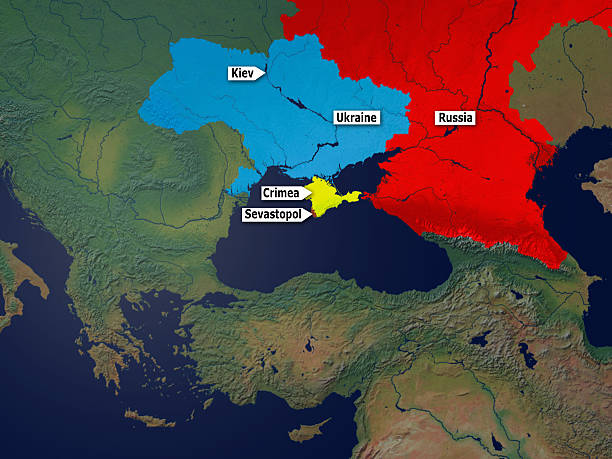
We do however live in an increasing unsafe, world as the situation at Russia’s amassing its forces at the Ukraine border spurred fears of an invasion, illustrates. On Tuesday, however, Russian Defence Minister Sergei Shoigu said that some of the troops stationed along the Ukrainian border are being withdrawn, returning to their bases.  Although there is video of troop movements, this withdrawal has yet to be verified. However, and perhaps not surprisingly, Russia failed to attend a meeting of members of the OSCE the world’s largest security body, yesterday, to explain its military build-up near the Ukraine border. Kyiv had requested the meeting with Russia and other members of the Organization for Security and Co-operation in Europe to “discuss the reinforcement and movement of Russian forces along our border” under the so-called Vienna Document.

We hope that diplomacy prevails, as a war would cause considerable loss of life and destruction, destabilise security in the region and have a global impact. Already fuel prices are rising as a result of this crisis.

Some good news is that the DGS Covid-19 new case figures published on Monday were the lowest of the year, and that the transmission rate and incidence levels were deceasing sharply. We will no doubt learn more from the experts at the Infarmed meeting this morning, but it does appear that we are over the peak and that Covid-19 is declining in Portugal. We hope therefore that depending on the analysis presented by various experts, that measures can be further eased accordingly.

Setting the scene for this meeting, the President of the Portuguese Epidemiology Association, Elisabete Ramos., said yesterday , that:  “there are three factors that combine so that we are now in a different phase of the pandemic: we are witnessing a sustained decrease in cases, even if part of the reduction may have to do with the closing of the Germano de Sousa laboratories; we have a huge number of people protected and with immunity, either through vaccination or through contact with the virus; and even when this protection does not prevent infection, the manifestations of the disease are no longer as serious as they used to be”.

According to Gustavo Tato Borges, president of the National Association of Public Health Physicians, the relief must be “phased”, with restrictions that can be lifted now and others that must be maintained for a few more weeks.

We will be reporting on the meeting during today and tomorrow some of these issues are expected to be debated by the council of Ministers who are expected to meet.

A reminder that the self-scheduling for the administration of the first dose of the vaccine against covid-19 in children aged 5 to 11 years was opened this Tuesday. Vaccination will take place on Saturday, February 19th. Please see our post yesterday.

With that please have a Safe Day. 

Headlines

Climate change: “The situation has never been so serious”, warns IPPC president

With more than a century and a half of economic development devoted to fossil energies, the average global temperature has increased by 1.1 degrees Celsius (ºC) compared to the pre-industrial era

“The need (for this document) has never been greater, because the situation has never been more serious,” said Hoesung Lee, during a teleconference that opened a discussion period, behind closed doors, which will last for two weeks.

With the warming of the planet accelerating, the devastating impacts of climate change follow one another, with heatwaves, droughts, storms or floods, which will now motivate that IPCC report.

With more than a century and a half of economic development devoted to fossil energies, the average global temperature has increased by 1.1 degrees Celsius (ºC), compared to the pre-industrial era.

Last August, in another IPCC document, scientists estimated that the rise in mercury would reach around 2030 – ten years earlier than anticipated – the 1.5°C target set in the Paris Agreement.

Ahead of a third publication, expected in April, on solutions to reduce greenhouse gas emissions, this second, whose discussion began today, deals with the impacts of warming and adaptation.

“About 4.5 billion people have suffered a catastrophe associated with a meteorological event in the last 20 years”, added the director of the World Meteorological Organization, Petteri Taalas, pointing out the responsibility of fossil energies.

This new IPCC document will be presented on February 28, after the 195 member states have analysed, line by line, the ‘summary for decision-makers’, a politically sensitive summary of the thousands of pages of the scientific report, prepared by 270 scientists. The focus of the publication is adaptation.


Covid-19 DGS Situation Report 15th February  

Confirmed: 3,111,858 (+18,135 / +0.59%)

Admitted: 2,270 (-94 / -3.98%)

Admitted to ICU: 147 (-1 / -0.68%)

Deaths: 20,620 (+55 / +0.27%)

Recovered: 2,554,403 (+30112 / +1.19%)

Active cases: 536,835 (-12,032 / – 2.1%)

TRENDS

The 55 deaths represents the highest since 2nd February and 20 more than yesterday.

The number of infections in 24 hours is around 10,000 more than yesterday, but well below last week’s daily average. Tuesday of last week, 30,757 new cases were confirmed – a drop of 41%

A further decrease in those in ICU bringing the total to further below the average of around 150 – 160 over last 5 weeks

A large decrease in hospitalisations after 2 days of increases.

A welcome 5th consecutive day with a decrease in active cases similar in number to the previous days.

Health

Covid-19. Open self-scheduling for children from 5 to 11 years old

Vaccination will take place on Saturday, February 19th.

The self-scheduling for the administration of the first dose of the vaccine against covid-19 in children aged 5 to 11 years was opened this Tuesday, announced the Shared Services of the Ministry of Health (SPMS).

The vaccination process will take place “on Saturday, February 19, in the morning, in the most convenient place, according to the availability and installed capacity of the existing vaccination posts”, the SPMS said in a statement.

At the same time, second doses will be administered to eligible children who were unable to administer the vaccine on the 5th and 6th of February, in which case the scheduling is done centrally via SMS (2424), he adds. Self-scheduling link here: https://covid19.min-saude.pt/pedido-de-agendamento

Portugal has already administered 22 million vaccines against COVID-19

More than 22 million vaccines against COVID-19 have already been administered in Portugal since the vaccination campaign started.

According to data recorded until the end of yesterday, February 12, about 22,055,400 vaccines have already been administered, with more than 5,647,500 Portuguese receiving the booster dose.

On January 15th, Portugal had achieved the administration of 20 million doses of the vaccine against COVID-19, which means that, in less than a month, approximately two million inoculations were registered.

As vaccination is the best form of protection against serious illness, hospitalizations and death, the Directorate-General for Health reinforces the appeal for people, over 18 years of age, who are not yet vaccinated with the booster dose and are eligible. , schedule an appointment at https://covid19.min-saude.pt/pedido-de-agendamento .  

Thousands of patients still awaiting results after computer attack on Germano de Sousa laboratories

José Germano de Sousa, administrator of the Germano de Sousa group, in an interview with SIC Notícias that it is reopening its laboratories this Tuesday in the north of the country and that by the end of the week it is expected that the normal operation of the laboratories will be restored.

The administrator of the Germano de Sousa group, José Germano de Sousa, in an interview on Monday with the Evening Edition of SIC Notícias, explained that since Thursday they have been rebuilding the computer system of laboratories across the country after the “cyberattack” executed by cowards and criminals”.

As of this Tuesday, a gradual opening of laboratories in the North zone begins, extending between Thursday and Friday to the Lisbon region. In the South zone, the reopening should take place on Thursday.

As for the purpose of the attack, José Germano de Sousa says they cannot understand it, but believe it is a process of attacking a business.

“There are many thousands of patients who have not yet received the test result”, only on Thursday there were around 12,000 patients who did not receive a result, says José Germano de Sousa. Since Friday, the activity in the laboratories has been suspended and the group administrator considers that when the system is lifted, “between 24 and 48 hours”, there are conditions to send the results on hold.

In an interview with SIC Notícias, he clarifies how they detected the attack and how they acted, reinforcing that customer data was not compromised.

Covid-19: WHO warns that Omicron is spreading in Eastern Europe due to lower vaccination

The World Health Organization (WHO) warned today that the Ómicron variant of covid 19 is spreading in Eastern Europe, where in the last two weeks the number of new infections has doubled and there is a lower level of vaccination.

“In the last two weeks, cases of covid-19 more than doubled in six countries in this part of the region (Armenia, Azerbaijan, Belarus, Georgia, Russian Federation and Ukraine). As predicted, the Omicron wave is moving eastward: 10 member states have already detected this variant,” said the organization’s European director, Hans Kluge.

In a statement presented at a virtual meeting with the media in these countries, Hans Kluge recalled that “vaccination remains the best defence against serious illness and death for all current variants of the covid-19 virus that are circulating”.

“However, many people most at risk remain unprotected: less than 40% of people over the age of 60 in Bosnia Herzegovina, Bulgaria, Kyrgyzstan, Ukraine and Uzbekistan have completed the covid-19 vaccination plan,” he recalled.

Hans Kluge added that Bulgaria, Georgia and North Macedonia are also among the countries where less than 40% of healthcare workers have received at least one dose of the Covid-19 vaccine.

“I urge governments, health authorities and relevant partners to closely examine the local reasons behind lower vaccine demand and uptake and design tailored interventions to urgently increase vaccination rates, based on context-specific evidence.” added.

The official said that in the WHO European region there have been “more than 165 million cases of covid-19 to date. This is still a deadly disease: 1.8 million people lost their lives, 25,000 of them in the last week”.

Other News

GNR fire-fighting deployment – 2021

In the Safe Forest Campaign 2021 the Emergency Protection and Relief Unit (UEPS) of the GNR carried out, between January 01 and December 31, 2021, 3,347 missions to combat Rural Fires, of which 3207 were undertaken in the Initial Attack phase.

The national success and effectiveness rate in Initial Attacks on Rural Fire missions was 95.53%.

Under the terms of Decree-Law n 113/2018, of December 18, the UEPS is the specialized unit of the Guard that has a specific mission to execute prevention and intervention actions, throughout the national territory, in situations of serious accidents and catastrophe, specifically in the rural fires, hazardous materials, from floods, earthquakes, search, rescue and rescue in different environments, as well as other emergency situations of protection and relief, including judicial inspection in water and underwater.

GNR recorded 1,105 crimes of dating violence in 2021

The National Republican Guard (GNR) started on Monday a campaign to prevent and raise awareness of dating violence, having recorded 1,105 crimes in all age groups last year, 332 aged up to 24 years.

In a statement, the GNR also indicates that during the year 2020, 1,110 crimes of dating violence were recorded in all age groups. Of these crimes, 365 victims were aged up to 24 years.

The #VaisParar campaign, which begins today, Valentine’s Day, and ends on February 20, aims to encourage all young people to denounce and not accept any type of psychological, emotional, physical, social or sexual violence.

During the campaign, the GNR will carry out prevention and awareness-raising actions, aiming to combat “violent behaviour and all existing forms of aggression, especially in dating between young people, where these behaviours are precocious”.

The GNR highlights the importance of alerting young people to the importance of healthy relationships based on principles and values ​​such as respect, tolerance and self-esteem.

“The Guard continues to direct and prioritize the Criminal Prevention and Community Policing Sections for schools and for the education of our young people”, says the GNR.

In the note, the guard also says that it has been reinforcing its awareness campaigns and investing in training actions for its staff.


Portugal Situation Report Wednesday 9th February 2022

Introduction

Good morning – Yesterday was Safer Internet Day, the same day that Vodafone announced that it had been subject to a major Cyberattack, which caused major disruption to customers throughout the country. The CEO of Vodafone “Mário Vaz, described it as a “terrorist and criminal act to the network”, with the “objective of making the network unavailable”. The company admits that the attack was serious and deliberate, but there are no indications that the hackers accessed customer data.

For a leading communication company such as this, with millions of customers, this had a major impact in disrupting various forms of communications, including, telephone, SMS and email services. Attacking a telecommunications operator at this level can be very serious for any country. Fortunately at the time there were no major emergencies, such as a major fire for example, where timely communication to the public is essential.

It was further announced that this had also affected some banking operations with a report that the SIBS ATM network was affected, although this was restored some hours later.

It also affected INEM and other essential services.  As a consequence INEM implement its contingency plans to ensure essential services, through the use of the SIRESP network in the provision of assistance by fire brigades. Later the ANEPC made a statement confirming that operational communications are in full operation and that firefighters’ associations have the SIRESP communications network and/or the Firefighters’ Operational Network.

The National Unit to Combat Cybercrime and Technological Crime (UNC3T) of the Judicial Police is investigating the cyberattack on Vodafone. SIS, intelligence services, as well as the National Cybersecurity Centre are also monitoring the case.

So far, the attack has not been claimed by any group of computer hackers.

This attack is the latest in succession of attacks that have taken place over the last  weeks including the hacking of Expresso and SIC, more recently the alleged attack on the Portuguese Government website and TAP’s Twitter account. In the case of Expresso and SIC there sites were down for a number of days before temporary sites were established.

Clearly the latest attack raises a number of important issues, such as the diversity of the role of Vodafone and in the event of a cyberattack, or a technical malfunction, its vulnerability and the potential impact this can have on communications throughout the country, affecting the general public, businesses, essential services and banking.

As with any attack on this scale there will be a review of the incident itself, adequacy of contingency planning and whether there are any lessons to be learned as far as risk mitigation, damage limitation and recovery of services.

This is certainly a wake-up call. If you are operating a business to regularly review security of your services for instance, do you have a backup in case your site is either hacked into or goes down for whatever reason? This is worth thinking about, what are the financial implications if this happened to you, and do you have the information available to recreate your site should it not be backed up? Something to check with your hosting company.

Safer Internet Day was therefore somewhat overshadowed by the above event – which is a pity, as it is important that youngsters are fully aware of how to use the internet safely. There is plenty of material available and we encourage parents to help guide their children, particularly the dangers of cyberbullying and sextortion for instance. This is a very good site in many languages. https://www.betterinternetforkids.eu/policy/insafe-inhope
According to experts, Portugal is about to take another important step on the path to normality, without a pandemic. “We are working on a proposal to lift restrictions”, says Raquel Duarte, coordinator of the group of experts that has been advising the Government on the strategy against the virus. For the pulmonologist, “we have a favourable situation and it is time to change the paradigm, with caution”. A new meeting of experts at Infarmed is expected in the coming days. We wait and see.

Lastly it was my pleasure to meet the visiting British Consular Regional Director for Southern Europe, Fleur Wilson, who was in Portimão on Monday visiting the team at the Vice Consulate and others. We had a very interesting meeting in which I briefed her on the work of Safe Communities Portugal, our partnerships with various government entities, work we have undertaken and projects planned for the future. British Consul in Portugal, Simona Demuro, and Vice Consul in Portimão, Clive Jewell were also present.

Please have a Safe Day.

Headlines

President of the Republic in answer to journalist question replies that he will swear in the new government on 23rd February

The President of the Republic said this Tuesday that he will swear in the new Government on February 23 and that until then he will not talk about the political situation resulting from the legislative, which the PS won with an absolute majority.

Asked by journalists, on the balcony of Palácio de Belém, in Lisbon, about his role in this political situation, Marcelo Rebelo de Sousa replied: “They will not hear me until the 23rd, when I will give the inauguration speech of the new Government “.

We await the formal announcement

COVID-19 DGS Situation Tuesday 8th February 2022

Confirmed: 2,967,747 (+30757)

Admitted: 2.419 (-141)

Admitted to ICU: 171 (-7)

Deaths: 20,302 (+44)

Recovered: 2,343.448 (+38863)

Active cases 599,997 (-8,150)

TRENDS

For four days, active cases of SARS-CoV-2 infection have been falling.

After the decreases recorded on Saturday and Sunday (minus 4972 and 9011, respectively) and on Monday (minus 20,663), this Tuesday’s report reveals that existed 8,150 less active cases of covid19.

Admissions decreased in the last 24 hours, 141 people left the inpatient services.

This Tuesday there are also seven fewer patients in intensive care units, there are now 171.

Health

Covid-19: More than 55,000 people received a booster dose on Monday

Lisbon, Feb 8, 2022 (Lusa) – More than 55,000 people received the booster vaccine against covid-19 on Monday, bringing the total number of vaccinated with this dose to around 5.3 million, the Directorate- General Health (DGS) announced yesterday.

According to the DGS daily bulletin, the dose to reinforce immunization against the SARS-CoV-2 coronavirus has already been administered to 616,043 elderly people aged 80 and over, who represent 93% of this age group, as well as 923,778 between 70 and 70 years old. 79 years (96%).

According to data released today, 1,124,506 people between 60 and 69 years old (89%), 1,093,274 between 50 and 59 years old (77%), 873,054 between 40 and 49 years old (59%), 453,765 between 30 and 39 years old (38%) and 305,360 between 18 and 29 years old (24%) have also taken the booster dose.

With the primary vaccination completed, there are now 80,073 children between the ages of five and 11 and 327,707 have already received the first dose, indicates the DGS.

In total, 8,864,750 people have already completed the primary vaccination in Portugal since the immunization plan against covid-19 started, on December 27, 2020, and 2,581,030 have already taken the seasonal flu vaccine. 

Outbreak of Bird Flu at a farm in Torres Vedras

An outbreak of bird flu was detected in a turkey and chicken farm in A-dos-Cunhados, a parish in the municipality of Torres Vedras, this municipality in the district of Lisbon said in a statement.

“The risk to human health is limited to people who work on the farm where the cases were identified, due to the continuity of contact with a high number of sick animals”, clarifies the municipality.

In the note, it is also mentioned that “the risk of transposition of the virus to humans is low, but it can happen when there is continued exposure and associated with the handling of animals or waste produced”.

In this sense, it is added, “exposed and at risk people are already under surveillance”.

Taking into account the transmission of the disease between birds and its high mortality, the Directorate-General for Food and Veterinary Medicine (DGAV) determined that poultry and captive birds — including domestic ones — should remain confined to their respective housing, “so to prevent their contact with wild birds”.

DGAV also defined a protection zone and a surveillance zone, with measures aimed at establishments located there.

Covid-19: Extended vaccines accepted by the Portuguese authorities

Until now, Infarmed has only validated vaccines approved by the European Medicines Agency for the use of the digital certificate: Moderna, Pfizer, Janssen, AstraZeneca and India’s Covovax

The Portuguese authorities started to accept, for the purpose of issuing a covid-19 certificate, the Chinese vaccines from Sinopharm (Vero Cell) and Sinovac (Coronavac), as well as from the Indian multinational Bharat Biotech International (Covaxin).

According to a joint circular from Infarmed and the Directorate General for Health (DGS), authorized in third countries, sublicensed by the same holder of the Marketing Authorization, will also be accepted for the issuance of a covid-19 certificate, including in this group vaccines from producers Verity Pharmaceuticals (Canada), Fiocruz (Brazil) and R-Pharm (Russia).

Until now, Infarmed has only validated vaccines approved by the European Medicines Agency (EMA) for the use of the digital certificate: Moderna, Pfizer, Janssen, AstraZeneca (Vaxzevria – under the name AZD1222) and Indian Covovax.

“The completion of primary vaccination schedules initiated in other countries and/or the administration of booster doses after completion of primary vaccination schedules carried out in other countries, as well as the transcription of the corresponding vaccination acts should follow the recommendations of the DGS”, reads the statement.

The circular also recalls that, currently, several vaccines against covid-19 are used with different regulatory frameworks, “which means that citizens vaccinated with vaccines and vaccination schedules different from those recommended in Portugal can reach the national territory”.

Since Monday, a negative test is no longer required to enter Portugal, simply presenting the Covid-19 digital certificate from the European Union or other recognized proof of vaccination.

Fines for failing to fill in a passenger location form

Failure to comply with the obligation to present and verify the passenger location form with destination or stopover in mainland Portugal constitutes an administrative offense for airlines and passengers, the Government said today.

In a joint statement, the ministries of Economy and Digital Transition, Internal Administration, Health and Infrastructure and Housing state that the passenger location form (PLF) must be completed by all passengers on flights to or from mainland Portugal, including passengers on flights from the Autonomous Regions of the Azores and Madeira.

According to the Government, the PLF must be filled in electronically after ‘check-in’ and before boarding time.

“The non-compliance with the obligations to present and verify the completion of the PLF constitutes an administrative offence, sanctioned with a fine that can vary between 20,000 and 40,000 euros, when practiced by the airlines or the entities responsible for the management of the respective airports or between 300 and 40,000 euros. 800 euros, when practiced by passengers”, says the statement.

The executive also emphasizes that the completion and presentation of the PLF by all passengers allows the health authorities, “with full respect for the personal data protection regime, to carry out the tracing of contacts regarding confirmed cases of covid-19, and from this way to interrupt, early, possible chains of transmission”.

More than 3,200 passengers and 41 companies fined at air borders

All passengers who arrived in Portugal by air, between December 1st and February 6th, were required to present a negative test for covid-19 or a recovery certificate on disembarkation within the scope of measures to combat the pandemic.

In a final balance sent to the Lusa agency, the Ministry of Internal Administration (MAI) indicates that, between December 1st and February 6th, PSP and SEF inspected 2,191,138 passengers and 20,583 flights, which resulted in 3,273 offences.

According to the MAI, 41 airlines were fined for having transported passengers without a negative test for covid-19 or a recovery certificate.

Airlines carrying passengers without a negative test were subject to a fine of between 20,000 and 40,000 euros per passenger and travelers were also subject to an administrative offence, between 300 and 800 euros, for not presenting a test on arrival.

The MAI also states that the 3,273 infractions include eight foreigners who were refused entry into the country because they did not present a test on arrival, since it is only allowed to carry out the test at the airport to citizens of Portuguese nationality, foreigners residing in Portugal and diplomatic personnel.

MAI data also show that 3,337 diagnostic tests were carried out at airports for passengers who entered the country without this document.

At land borders, also between December 1st and February 6th, citizens of countries outside the European Union and EU countries considered to be at red or dark red risk required a negative test or a recovery certificate.

The GNR and the Foreigners and Borders Service carried out 22,528 random surveillance operations at land borders to ensure tests for covid-19, according to the MAI.

Within the scope of these operations, 135,307 inspections were carried out on light and goods vehicles, motorcycles, trains, buses, which gave rise to 42 administrative offense notices for lack of a test or recovery certificate.


Portugal Situation Report Wednesday 2nd February 2022

Introduction

Good morning – Since the beginning of the year there have been over 700 rural fires of which more than 450 occurred from 28th to 30th January. Over 85% of these recent fires were in the far north. On Friday two fires broke out in hard-to-reach mountain areas and one broke out in a forested area near a village. There were no populations or homes in danger.

The largest of these fires occurred in the Montesinho mountain range, in the district of Bragança, where firefighters, land and air resources were sent at 0800 hrs on Friday, and it was only subdued in the afternoon of the following day. This fire broke out in the Lama Grande area and was the most worrying due to the extent and difficulty in controlling it confirmed the ANEPC. The estimate points to the possible destruction of 2000 hectares in Portugal and Spain, where the fire spread.

Rain has been lacking and the situation of drought in most of the country is reflected in very low levels of relative humidity which, associated with the east wind and the absence of what is called “the nocturnal recovery” of humidity when the sun goes down, leads to an increased  fire hazard  when there is a fire. In fact at the time of the fires on Saturday the Relative humidity levels were as low as 11% in the afternoon in this general area.

For this reason, ANEPC decided on Saturday to prohibit the burning of debris and extensive burns. This was lifted at midnight last night.

Fires in the winter is not very common, but it’s not unheard of either: Having fires in the winter months has to do with weather and climate conditions and there have been years when this has happened.

The situation does not only relate just to an increased fire risk but also water supply. Yesterday Government announced that use of water for electricity production has been suspended at the Alto Lindoso, Touvedo, Vilar-Tabuaço and Cabril/Castelo de Bode dams. At the Bravura dam, in the Algarve, it is no longer possible to use the water for agricultural purposes given the magnitude of the drought.

Turning to Covid-19, a reminder that the Online Vaccination Scheduling Portal is now available to request the scheduling of the first dose of the vaccine against Covid-19, for children aged 5 to 11, so that they can be vaccinated on February 5th and 6th. This can be at the most convenient location, according to the availability and installed capacity of the existing vaccination posts”, according to SPMS in a statement.

The SPMS also added that “children who are eligible for the administration of the second dose, that is, who were vaccinated on December 18 and 19, will receive an SMS with confirmation of the respective schedule”.

Lastly a reminder concerning internet security. This has been in the news over the last two weeks mainly due to the hacking of Expresso and SIC, more recently the alleged attack on the Portuguese Government website and yesterday TAP’s Twitter account. In the case of Expresso and SIC there sites were down for a number of days before temporary sites were established. In the case of the Parliament site this was initially down for only a few minutes and then again for a number of hours for maintenance work on the site to be undertaken.

So I ask this question: If you are operating a business do you have a backup in case your site is either hacked into or goes down for whatever reason? This is worth thinking about, what are the financial implications if this happened to you, and do you have the information available to recreate your site should it not be backed up? Something to check with your hosting company.

With that have a good day.

Headlines

Covid-19: WHO warns it is premature for any country to “declare victory” over coronavirus

The World Health Organization (WHO) warned yesterday that it was premature for any country to “declare victory” over the pandemic, claiming that, since the emergence of the Omicron variant, more than 90 million infections with the SARS-CoV-2 coronavirus have already been recorded.

“It is premature for any country to surrender or declare victory” over the covid-19 pandemic, the WHO director-general said at a press conference, just days after two years had passed since the declaration of a public emergency of international concern. .

According to Tedros Adhanom Ghebreyesus, since the Omicron variant was identified, just 10 weeks ago, almost 90 million cases of infection have been recorded by the organization, “more than was reported in the entire year 2020”.

“We are witnessing a worrying increase in deaths in many regions of the world”, warned Tedros Adhanom Ghebreyesus, who expressed his concern about the “narrative that is taking hold in some countries” that, because of vaccines and the high transmissibility and reduced severity of Omicron, preventing transmission is “no longer possible or necessary” to prevent transmission of the virus.

“Nothing could be further from the truth”, stressed the director-general of the WHO, saying that the organization is not calling for countries to return to confinement, but to “protect their populations using all the tools at their disposal” to combat the disease.

COVID-19 DGS Report Tuesday 1st February

Confirmed: 2,690.690 (+50,888 / +1.93%)

Admitted to hospital: 2,437 (-32 / -1.30%)

Admitted to ICU: 155 (-5 / -3.13%)

Deaths: 19,968 (+63 / +0.32%)

Recovered: 2.078.357 (+44610 / +2.19%)

Active cases: 592,365 (+6215 / +1.04%)

TRENDS

Number of new cases over 50,000 and almost double that of yesterday, but below the highs of last week.

After two days of large increase in hospitalisations a moderate decrease.

A decrease in ICU maintaining an overall stable trend over the last 4 weeks

Marked increase in the number of deaths 14 more than yesterday and 34 more than the day before

A moderate increase in active cases after yesterday’s reduction 

Health

António Costa tests positive for covid on the eve of the meeting with Marcelo

The Prime Minister tested positive for covid-19 in an antigen test. In a statement, António Costa’s office states that the prime minister is doing well and is asymptomatic. According to information, the prime minister has already informed Marcelo Rebelo de Sousa.

The information was meanwhile confirmed by the Prime Minister’s office. In a statement, the cabinet states that “the prime minister carried out a test for covid-19 and had a positive result” in an antigen test. According to the information provided, António Costa is asymptomatic and will serve a seven-day isolation period.

António Costa was to head the Socialist Party (PS) delegation that would be received next Wednesday by the President of the Republic, Marcelo Rebelo de Sousa, in the round of meetings with the parties after the legislative elections.

Covid-19: Death of a 6-year-old in Santa Maria was not due to the vaccine

According to the statement, “the complementary laboratory tests were completed” and sent to the Public Prosecutor’s Office, “on the present date, the autopsy report carried out on January 18 on the 6-year-old child who was admitted to Hospital de Santa Maria”

The National Institute of Legal Medicine and Forensic Sciences concluded that the death of a 6-year-old child at Hospital de Santa Maria was not due to the vaccine against covid-19, according to the results of the autopsy carried out.

“With the knowledge and consent of the Magistrate of the Public Prosecutor’s Office who is in charge of the process, it is reported that the death of the child was not due to vaccination against covid-19. This information has already been transmitted to the child’s family ”, reads a statement from the National Institute of Legal Medicine and Forensic Sciences (INMLCF), released this Tuesday.

According to the statement, “the complementary laboratory tests were completed” and sent to the Public Prosecutor’s Office, “on the present date, the autopsy report carried out on January 18 on the 6-year-old child who was admitted to the Hospital de Santa Maria”.

The INMLCF also states in the statement that, out of respect for the family and for intimacy and private life, “it does not disclose other information of a clinical nature”.

Centro Hospitalar Universitário Lisboa Norte (CHULN) announced on January 17 that a six-year-old boy who tested positive for SARS-CoV-2 had died the day before at Hospital Santa Maria and that the causes of death were being investigated.

Covid-19: BA.2 strain of Omicron variant detected in 57 countries

The BA.2 strain of the Omicron variant, which some studies have shown to be more contagious than the original version, has been detected in 57 countries, the World Health Organization (WHO) revealed this Tuesday.

Omicron, which spreads and mutates rapidly, has become the world’s dominant variant since it was first detected in southern Africa ten weeks ago.

In its weekly epidemiological bulletin, the WHO explained that this variant represents more than 93% of all samples of covid-19 collected in January and has as sub-variants BA.1, BA.1.1 , BA.2 and BA.3.

BA.1 and BA.1.1 – the first versions identified – still constitute more than 96% of the Omicron variant cases recorded in the global GISAID database.

But there is a sharp increase in the number of cases involving the BA.2 lineage, which has several mutations different from the original version, particularly in the binding of the `spike’ protein to human cells.

“The sequences designated BA.2 have been submitted to GISAID by 57 countries to date,” the WHO noted, adding that in some countries this sub-variant now represents more than half of the Omicron samples collected.

The WHO added that little is known about the differences between the sub-variants and called for studies to be carried out on the characteristics of the virus, including its transmissibility, ability to evade immune protections and virulence. 

Covid-19: Immune response is stronger in those who have recovered after a dose of vaccine

A study by the Centro Hospitalar e Universitário de Coimbra (CHUC) confirmed that the immune response is stronger in people who have recovered from covid-19, after a dose of vaccine, than after taking two doses by those who have never been infected.

This is one of the results of a study that the Centro Hospitalar e Universitário de Coimbra (CHUC) has been conducting on the cellular immune response (mediated by T lymphocytes) and mediated by antibodies to the vaccine against covid-19, over time. .

Under analysis were 100 of its employees, 50 of which have never been infected with SARS-CoV-2 and the remaining 50 are people who have recovered from the disease.

According to Artur Paiva, researcher at the CHUC Clinical Pathology Service, “it was confirmed that the immune response is much stronger in individuals recovered from infection after a dose of vaccine, than in naive individuals (who have never been infected by SARS). -CoV-2) after taking two doses”.

“The results obtained in this study, which was accepted for publication in the international scientific journal Clinical and Experimental Medicine, revealed that, six months after infection with SARS-CoV-2, 48 of the 50 participants recovered from the infection maintained protection against the virus, or by the presence of IgG antibodies, or by specific T lymphocytes”, he revealed.

However, “eight of the 50 participants did not have SARS-CoV-2 specific T lymphocytes.”

“This data is relevant, because it has been shown that, in other coronaviruses, it is T lymphocytes that ensure long-term immunity, although it is still unknown whether this circumstance is also valid for SARS-CoV-2”, he added.

Other news

More fires and more area burned in January than in same month 2021

The month of January had more than 500 fires than the same month last year and more than 1,600 hectares of burned area, according to provisional data from the Institute for the Conservation of Nature and Forests (ICNF).

This January, rural fires consumed 3,312 hectares, 1,613 hectares more than in the same period last year, with 717 occurrences being recorded, and 504 more than in 2021.

Provisional data from the Institute for the Conservation of Nature and Forests, covering the month of January (from the 1st to 08:00 on Monday) indicate that 77% of the burned area concerns bush, 22% forest stands and 0% in agriculture.

In January 2021, the ICNF registered 213 rural fires, which resulted in 1,699 hectares of burned area, destroying an area of 1,640 hectares of bush, 55 of forest stands and four of agricultural areas. .

On Saturday, the National Emergency and Civil Protection Authority (ANEPC) banned burning and burning from 00:00 on Sunday and until 23.59 hrs 1St February due to the danger of fire.

ANEPC justifies the decision with the forecast, by the ICNF, of “increased wind intensity that, in combination with the continuation of hot and dry weather, with temperatures above average for this time of year , combined with the number of communications to carry out burning of piles of debris and extensive burns, can give rise to rural fires”.

On Friday, ANEPC registered 132 occurrences related to rural fires in mainland Portugal.

TAP Twitter account was targeted by hackers

TAP confirmed that it had been targeted by hackers. Twitter account has been suspended for prevention

TAP’s Twitter account was the target of unauthorized access by hackers this Tuesday. An information already officially advanced. “TAP confirms that its official Twitter account was the target of a computer attack. The Company has already taken all the necessary steps to protect your account, which is currently suspended.”

The airline’s profile image was modified, with a photograph of a man with a beard and moustache surrounded by white rays and a name: Micheal Sayloor. The hackers also added several tweets with the word “awesome”.

TAP’s communication office does not provide further details, and it is not yet certain whether the cybercrime unit of the Judiciary Police will be investigating the case.

This week, the Parliament website was also the target of a computer attack. Expresso knows that the Judiciary is still trying to understand the scale of the invasion and whether or not there was exfiltration of computer data. The site is currently down so computer experts can run all the tools to investigate the matter.

Fuel consumption increased 19.4% in December

In terms of average selling prices to the public, ERSE notes that Braga, Santarém and Coimbra had the cheapest diesel and gasoline, and Bragança, Beja, Faro and Lisbon the most expensive.

Consumption of oil-derived fuels increased by 102.6 kilotons (kton) in December, year-on-year, which represents an increase of 19.4%, according to data from the Energy Services Regulatory Authority (ERSE), released this Tuesday. .

According to the Fuel and LPG Market Bulletin, for December 2021, “consumption [of oil-derived fuels] in December 2021 was 19.4% higher (102.6 kton) than the same period in 2020”

The most significant increase was seen in the consumption of aircraft fuel (jet fuel), with a year-on-year rise of 77.1%, followed by gasoline (+20.2%) and diesel (+13.8%).

Only the consumption of liquefied petroleum gas (LPG) decreased, by 1.8% in December, compared to the same month of 2020.

Compared to the same period in 2019, before the SARS-CoV-2 pandemic, consumption in December 2021 was 42.7 kton lower, with a decrease in jet (-23.4%), in diesel ( -3.4%) and gasoline (-2.5%) and only an increase in the case of LPG (+3.9%).

Compared to November 2021, global consumption of oil-derived fuels increased by 12.2 kton, which represents an increase of 2%.

In the case of liquefied petroleum gas (LPG), the increase was 23%, for gasoline, 10.4% and for diesel, the growth was 2.3%, compared to the previous month.

Only the consumption of fuel for aircraft (‘jet fuel’) decreased by 13.8% in December, compared to November.


Portugal Situation Report Wednesday 26th January 2022

Introduction

Good morning – the legislative elections are certain occupying most of the news at present with around over half of all news articles published by Lusa on 24th/25th January, being devoted to this one topic.

Although this puts Covid-19 into second place, it is not good news as far as this subject is concerned. Last Friday’s bulletin from the Directorate-General for Health (DGS) showed that 303 municipalities are at extreme risk of infection, that is, with more than 960 cases of covid-19 per 100 thousand inhabitants in 14 days.

The only municipalities that escape this level of contagion are: Calheta (Azores), Mourão (Évora), Velas (Azores), Corvo (Azores) and Santa Cruz da Graciosa (Azores). Which means that only one municipality in mainland Portugal is not at the extreme level. With over half a million active cases at present this means that approximately 5% of the population or 1 in 20 people have Covid-19. This is being reflected in work absenteeism in different sectors.

Whereas the severity of the Omicron variant is lower compared to the Delta variant, the very high number of new cases (some 336,854 in the week 16th – 23rd January)  is now being reflected by an increasing number of hospitalisations, putting some strain on the hospital services. As a result of this some hospitals have had to temporarily suspend hospital visits to patients.

Portugal has therefore exceeded the critical level in the pandemic assessment indicator of the Instituto Superior Técnico and the Ordem dos Médicos, which indicates that the health response to people with other diseases is beginning to be compromised.

According to this risk assessment, on Sunday the country was at 102.14 points, just above the 100 points defined as the critical level in this indicator. This comprises five parameters: new cases, deaths, hospitalized in wards and intensive care, transmissibility index (Rt) and incidence of SARS-CoV-2 coronavirus infections. When this assessment exceeds 100 points, the “National Health Service has to allocate more resources and starts having to put patients who do not have covid-19 in the background.

This is the second time that Portugal has exceeded the critical level in this assessment since the beginning of the pandemic, with the first taking place between the end of October 2020 and February 2021, when there was the greatest pressure on health services.  The only reassuring news from this is that the indicator will probably not reach 120, the value predicted in this system for the level of disaster in the health response.

In other words, a more favourable situation than that recorded on January 21, 2021, when the pandemic assessment indicator reached 167.48, the highest since the beginning of the pandemic. Let us hope we are close to the peak of this phase of the pandemic.

Still on Covid-19, since yesterday afternoon the self-scheduling for those age 25 and over for the booster vaccination is available through the DGS portal. The Self-scheduling for those age 18 and over, for those previously given the Janssen /J&J vaccine for the booster vaccination is also available through the DGS portal. There is likely to be a large demand in these age groups so we suggest people to be patient if the system is overloaded.

A reminder that the last escudo banknotes, referring to the Discoveries series, can be exchanged until February 28, 2022. According to the Bank of Portugal, at the end of October, there were still 11.4 million escudo banknotes of this series in the public’s possession, corresponding to 95 million euros. These dominations are 500, 1000, 2000, 5000 and 10,000 escudos

These banknotes can be exchanged in person, at the Banco de Portugal treasuries in Braga, Coimbra, Évora, Faro, Funchal, Lisbon, Ponta Delgada, Porto and Viseu. Or by sending registered mail, through the special declared value service, to the Central Unit for Cash Operations in the Issuance and Treasury Department of the Bank of Portugal, at Apartado 2001, 1101-801 Lisbon.

Lastly the Instituto do Sangue da Transplantação (IPST) yesterday appealed for the contribution of all potential blood donors, at a “particularly demanding time” due to the covid-19 pandemic and in the face of “a great difficulty in maintaining stable blood and blood component supply reserves”.  The current situation has “caused a large reduction in the number of donors and the postponement of previously scheduled collection sessions”.

If you can and would like to donate the IPST provides information on donations on its website www.ipst.pt Call or email first to enquire their times of operation and conditions for blood donation. Information also on website

Have a Safe day.

Headlines

Covid-19: EU wants people with vaccination or recovery certificates not to be subject to testing or quarantine

European Union (EU) member states agreed yesterday that people with a valid Covid-19 Certificate, such as vaccinated or recovered, should not be subject to “additional restrictions on free movement”, such as testing or quarantine, to facilitate travel.

“The Council yesterday adopted a recommendation of a coordinated approach to facilitate safe free movement during the pandemic” and, according to the new rules, “the measures related to covid-19 must be applied taking into account the status of the person and not the situation at a regional level, with the exception of areas where the virus circulates at very high levels”, informs the structure in which the Member States are represented in a statement.

In practice, “this means that a traveller’s vaccination, testing or Covid-19 recovery status, as evidenced by a valid EU Covid-19 Certificate, must be the fundamental determinant”, adds the EU Council, stressing that this new “person-based approach will substantially simplify applicable rules and provide additional clarity and predictability to travellers”.

It is therefore envisaged that anyone who has a valid EU Covid-19 Certificate, such as vaccinated, recovered or tested, “should not be subject to additional restrictions on free movement”, that is, re-testing or quarantines.

“This recommendation responds to the significant increase in vaccine adoption and the rapid implementation of the EU Covid-19 Certificate”, says the EU Council, currently chaired by France.

The new recommendation, agreed by the General Affairs Council, replaces the existing rules by taking effect on February 1, when a new acceptance period of 270 days for vaccination certificates also begins to operate.

WHO admits pandemic could end soon in Europe but urges caution

The director of WHO Europe, Hans Kluge, said on Sunday that the Omicron variant, which can infect 60% of Europeans by March, started a new phase of the covid-19 pandemic in Europe that could bring it to an end.

“It is plausible that the region is reaching the end of the pandemic”, said the main official of the World Health Organization (WHO) in Europe, still urging caution, due to the unpredictability of the virus.

“When the wave of the Omicron subsides, there will be, for a few weeks or months, general immunity. Either because of the vaccine or because people will become immune due to infections, in addition to a break because of seasonality,” added Kluge, while acknowledging that the endemic stage has not yet been reached.

“Endemic means (…) that we can predict what will happen. This virus has surprised us more than once. We must therefore be very careful”, insisted the WHO official in Europe.

In the WHO Europe region – which includes 53 countries, some of them located in Central Asia – the omicron was responsible for 15% of new cases of covid-19 on 18th January, more than half of the previous week, according to data from the WHO.

In the European Union and the European Economic Area (EEA), this variant emerged at the end of November, proving to be more contagious than Delta, and is now dominant, according to data from the European health agency.

Covid-19 Situation report Tuesday 25th January

Confirmed: 2.312.240 (+57657 / +2.56%)

Admitted: 2,320 (-28 / -1.19%)

Admitted to ICU: 158 (-14 / -8.14%)

Deaths: 19,661 (+48 / +0.24%)

Recovered: 1.780.008 (+54666 / +3.17%)

Active cases: 512,571 (+2493 / +0.48%)

TRENDS

Second highest number of new cases since start of pandemic and above last week’s daily average

Deaths higher than yesterday and again over 40. Above last week’s daily average

A decrease in hospitalisations as well as in ICU compared with the very large increases reported yesterday

Much smaller increase in active cases resulting from a record recoveries for one day.

Health

Covid-19: Inspection opened 41 investigation processes for vaccine irregularities

Lisbon, January 25, 2022 (Lusa) – Last year, the General Inspectorate for Health Activities (IGAS) launched 41 investigation processes and six inspection processes, following the investigation carried out on 272 entities within the scope of the vaccination plan against Covid-19, the organization announced.

At the beginning of the vaccination process in Portugal, cases of improper vaccination arose, which led IGAS to institute, on January 28, 2021, an inspection process for the implementation of the first phase of this plan to verify compliance with the rules and guidelines applicable to the administration of the vaccine against Covid-19.

At the time, IGAS said that the inspection would cover, at this stage, the five regional health administrations, hospitals, hospital centers and local health units of the National Health Service, as well as some entities that make up the central services of the National Health Service. Ministry of Health.

The inspection was based on three aspects: criteria for selecting people to be vaccinated within the priority groups, procedures for managing excess doses and measures to prevent waste.

The inspection results have now been published in the IGAS ‘newsletter’ and indicate that, in total, 272 entities and health units from the public, private and social sectors were investigated, and 10 weekly (interim) reports and a global report were prepared.

Following this inspection, eight clarification processes, 41 investigation processes and six inspection processes were initiated.

Still on this topic, the General Inspection of Health Activities established eight inspection processes to verify the conditions of the cold chain of as many vaccination centers against Covid-19.

In these eight processes, 53 recommendations were issued, says the organization.

Computer failure makes it difficult to sell medicines in pharmacies

The electronic prescription service, which allows pharmacies to access prescriptions in a dematerialized form, was down for a few hours this Monday.

The Shared Services of the Ministry of Health (SPMS) confirmed to the JN that there was “intermittent functioning of an information system that is used by other systems, namely the one to support the dispensation of prescriptions” during the afternoon.

The situation has already been regularized and these “difficulties are completely overcome”, confirmed an official SPMS source. Despite the computer failure, it was possible, until 7.30 pm, to issue more than half a million packages of medicines.

“System restart required” due to an update, process that took a few minutes and brought the system down. At the moment, the computer system is “functioning perfectly”, said an official SPMS source.

The failure was absolutely exceptional, he added, but as it interferes with a system “with greater demand”, it ends up being more felt by users and pharmacies.

Other news

Portuguese Armed Forces accounted for a total of 27,741 troops in 2021

In 2021, the Portuguese Armed Forces accounted for a total of 27,741 effectives, excluding military personnel in the reserve situation out of service effectiveness. This number represents an increase of 1,007 employees compared to 2020, whose consolidated data recorded a total of 26,734 employees in that year, reinforcing the increase already seen in 2019 (26,569 employees). Considering this universe, the available numbers reveal a sustained growth in the last three years.

Despite the pandemic situation, which affected the normal dissemination and holding of competitions, the balance of 2021 shows that, as was the case in 2020, the global values ​​of applications in RV/RC were above 10 thousand (10,492), which it had not occurred since 2016. For the permanent staff, in 2021, there were 3,540 applications, a number that rose slightly compared to 2020, and a year in which there had already been an increase of more than 25% compared to 2019.

The high number of applications reflects, in particular, the results of the efforts of the branches of the Armed Forces and the services of the Ministry of National Defence, in terms of improving their communication and dissemination processes, which are more intense and based on digital instruments, with the objective of to bring National Defence closer to young people.

Housing

190 thousand houses were sold in Portugal in 2021. Foreigners bought 11%

After being one of the most resilient sectors in the first year of the pandemic, the real estate market continued to shine in 2021. According to the consultancy JLL, last year 190,000 homes were traded, a growth of almost 20% compared to 2020. In what was the “best year ever” for the sector, a volume of transactions in the region of 30 billion euros was achieved.

“Housing was the star sector of real estate in 2021, surpassing all previous levels of activity”, says JLL this Tuesday, on the day it released the annual market report “Market 360º”. Last year, the consultant estimates that 190,000 homes were sold, 18% more than in 2020 and 12% more than in 2019 (in what had been a record year for the national residential market).

Of the 190,000 homes sold, 89% were sold to domestic buyers and around 11% to foreign buyers. “The strong market fundamentals are expected to continue in 2022, with a new year of high activity expected”, says the consultant, noting that changes to the golden visa regime should not have negative consequences for the market, since Portugal is already a recognized residential destination abroad”.

Despite this good performance, the problem of shortage of supply persists. Joana Fonseca, responsible for the Research area at JLL, notes that the housing stock “has increased by only 1.9% in the last decade, which corresponds to around 108,500 dwellings, that is, less than what was sold this year”.