Portugal Situation Report Wednesday 8th December 2021

Introduction

Good morning – A reminder to everyone that there are a number of weather warnings in place for today. Of particular note are the orange level rough sea warnings with peak waves that could reach a maximum of 12 meters according to the IPMA. The National Maritime Authority has issued specific safety advice, in particular: advice against walks along the coastal areas close to the sea, “especially along the cliffs and cliff areas on the coastal fronts affected by the breaking waves”, and recommends the reinforcement of boat moorings. Please follow these warnings and advice, if it affects you.

These sorts of warnings, which also include snow warnings for six districts currently in place, are not unusual for this time of the year, but intensity can vary considerably. It is therefore important to monitor the daily weather warnings and general weather conditions. Details can be found on the IPMA website and the various precautions for heavy rain and snow can be found on our website here: https://www.safecommunitiesportugal.com/find-information/environment-and-weather/storms-and-flooding/

On Monday we published the DGS Covid-19 figures together with the weekly averages which our colleague John Cobby produces from the DGS figures. This week we compared the main figures with the same week in 2020. In terms of deaths, hospital admissions and those in ICU, the figures are over 70% lower than for the same period last year.

The daily average of new cases are just 13% lower than a year ago, but with the number of tests at present is three times higher – in fact at an all-time high. The number of tests this week, up to 5th December 2021, is around 683,000 compared to just 220,000 for the same week last year. Last Friday the INSA reported a positivity test rate of 3.9%, and for the same week last year just over 12%.

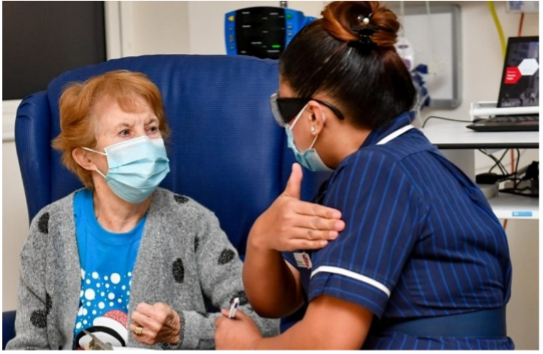
This shows the value of vaccinations one year on since Margaret Keenan in the UK became the first person in the world to be vaccinated on 8th December 2020. In Portugal the first person it receive the vaccination was Doctor António Sarmento on 27thDecember administered by  nurse Isabel Ribeiro

Portugal went from seventh to eighth lowest country in the European Union (EU) this week for new cases of SARS-CoV-2 infection per million inhabitants in seven days, according to the website Our World in Data statistic.

This week the country rose from 286 new daily cases to 338 per million inhabitants, still far from the EU average, which rose from 576 to 595 new daily cases per million inhabitants.

With regard to daily deaths per million inhabitants, Portugal remains the eighth country in the EU with the fewest deaths attributed to covid-19, with an average of 1.69 in the last seven days, higher than the 1.35 registered in the week last.

On Monday the Algarve Regional Health Authority, Ana Cristina Guerreiro, Regional Health Delegate for the Algarve, outlined the current situation, which she considers “worrying”. The incidence rate is 761 cases for 14 days per 100,000 inhabitants, nearly double the national rate with Portimão, Lagoa, Monchique, Loulé and Faro the most affected municipalities. The main age group affected is the 30-39 age group, followed closely by children from zero to nine which in the last 15 days “has grown a lot”.

We are now seeing the cancellation of some Christmas events by municipalities such as in Portimão announced by the municipality yesterday. Without being unduly pessimistic we expect there will be more. Please be particularly careful at gatherings – wearing a facemask, social distancing and following good hygiene practices can reduce the risk considerably.

On a different topic, yesterday the decree-law extending for another year the transitional regime of recognition and exchange of driving licenses issued by the United Kingdom was published in the Diary of the Republic. This was first announced on 19th November following the Council of Ministers meeting stating that they regime would be extended until 31st November 2022. The decree-law published in Diário da República guarantees the recognition of driving licenses for British citizens residing in Portugal under the same terms as the titles issued by a Member State of the European Union. Details on the exchange process were published yesterday on Brits in Portugal Facebook page https://www.facebook.com/BritsInPortugal

On the lead up to Christmas there will be various scams around and we will be covering these over the next two weeks on our Facebook site. Remember as far as shopping is concerned if an offer seems too good to be true it normally is.
Please have a Safe Day.

Headlines

Covid-19 vaccines are effective against Omicron, says WHO

The World Health Organization (WHO) today revealed that vaccines are effective against the new Omicron variant of covid-19, detected in South Africa, in protecting those infected from serious illness.

“No there is no reason to doubt” that current vaccines protect Omicron-infected patients against severe forms of covid-19, said WHO Public Health Emergency Response Officer Michael Ryan today in an interview with France-Presse.

We have very effective vaccines that have proved potent against all strains so far, in terms of disease severity and hospitalization, and there’s no reason to believe that’s not the case” with Omicron, said Michael Ryan, noting that he’s in the studies started on a variant detected only on 24 November and which has since been registered in around 40 countries.


Covid-19 Statistics from yesterday

Confirmed: 1.172.420 (+ 3417 / + 0.29 %)

Admitted: 936 (-12 /-1.27 %)

Admitted to ICU: 133 (-2 /-1.48 %)

Deaths: 18.572 (+ 21 / + 0.11 %)

Recovered: 1.093.264 (+ 4969 / + 0.46 %)

Active cases: 60,584 (-1573 /-2.53%)

Trends

The number of new cases back over 3 thousand and just above last week’s daily average.

A large number of recoveries – nearly 5 thousand in one day

A welcome decrease in both those in hospital as well as in ICUA welcome decrease in active cases

Overall the figures are fluctuating a great deal on a daily basis

As mentioned yesterday testing levels at present are very high


Health

European Medicines Agency approves drug to treat severe cases of covid-19

The European Medicines Agency (EMA) approved this Monday the drug RoActemra, already used in inflammatory diseases, to treat severe cases of covid-19 in adults.

“The EMA Committee for Human Medicines (CHMP) has recommended extending the indication of RoActemra (tocilizumab) to include the treatment of adults with covid-19 who are receiving systemic corticosteroid treatment and need supplemental oxygen or mechanical ventilation,” said the European regulator in a statement.

Following this EMA recommendation, it is now up to the European Commission to issue the final decision on the use of this drug for covid-19 in Member States.

Marketed by Roche Registration GmbH, RoActemra is already approved in the European Union for the treatment of inflammatory diseases such as rheumatoid arthritis.

According to the European regulator, the CHMP evaluated data from a main study involving 4,116 adults hospitalized with severe covid-19 who required oxygen or mechanical ventilation and with elevated levels of C-reactive protein in the blood (indicating inflammation).

The study data showed that treatment with RoActemra, an immunomodulator that alters the activity of the immune system and whose active substance is the monoclonal antibody tocilizumab, reduced the risk of death, as well as the length of hospital stay of patients infected with the coronavirus SARS-CoV-2.

Covid-19: University of Coimbra assesses emotional reactions of health professionals

Coimbra, 07 Dec 2021 – A team of researchers from the University of Coimbra is participating in an international study that aims to better understand the emotional experiences of health professionals who are or have been treating patients with Covid-19.

In order to reach as many health professionals as possible in these conditions in Portugal, the team of researchers from the Faculty of Psychology and Educational Sciences of the University of Coimbra (FPCEUC) is looking for volunteers who wish to participate in the research.

According to the coordinator of this team, Marcela Matos, there is growing evidence that health professionals at the front line in the fight against covid-19 have experienced adverse emotional reactions, which may be associated with an increase in the levels of anxiety symptoms, depression, trauma and ‘burnout’.

“This study aims to expand understanding of the multifaceted nature of the emotional experience of frontline health professionals in caring for covid-19 patients,” he explained.

The researcher at the Center for Research in Neuropsychology and Cognitive-Behavioural Intervention (CINEICC) at FPCEUC added that these professionals have been faced with “prolonged physical and emotional exhaustion and intense sadness, associated with the specificity of this tragic and unprecedented situation that is the pandemic of covid-19, which thus reveals itself as a unique experience, which differs from other forms of personal trauma”.

In his opinion, understanding the emotional experiences of these health professionals “will help to design specific strategies to promote mental health and well-being, in order to try to help them deal with the situation and alleviate some of the difficulties experienced”

Vaccines for children arrive in Portugal on December 13, but the decision of the Technical Commission on Vaccination is still pending

The first 300,000 anti-covid-19 vaccines for children aged 5 to 11, from the BioNTech/Pfizer pharmaceutical consortium, arrive in Portugal on December 13, today announced the Assistant Secretary of State for Health.

“About 300,000 vaccines will arrive on December 13th and then, during the month of January, another 400,000 vaccines will arrive, which, for this population, will be enough”, said António Lacerda Sales in Constância (Santarém), noting that “”is a different vaccination because it is per single dose, 10 micrograms, about a third of the dose of an adult”.
A total of 700,000 vaccines ensure the national needs “to vaccinate all children from 5 to 11 years old”, in an inoculation process that is in the preparation stage and awaits the approval of the Technical Vaccination Commission, noted the government official, on the side lines the opening ceremony of the Montalvo health extension, in the municipality of Constância.

“We are currently awaiting the decision of the Technical Vaccination Commission, which we hope will be a favorable decision, for the vaccination of children up to 11 years of age. What is incumbent on us, as Government, is to have all the planning and all the logistics (…) to be prepared to vaccinate and that is what we are doing”.

Lacerda Sales also highlighted the numbers related to vaccination against covid-19 in Portugal, having underlined the administration of more than 1.5 million booster doses and more than two million of the flu vaccine so far, in a country where “85% of the population has the complete vaccination schedule”. 

Other News

Marcelo enacts a government diploma creating the National Anti-Corruption Mechanism

Marcelo Rebelo de Sousa gave the green light to the diploma that establishes the general regime for the prevention of corruption and creates the National Anti-Corruption Mechanism, hoping that it will be an “independent, impartial and effective entity”

The President of the Republic, Marcelo Rebelo de Sousa, promulgated this Monday the Government diploma that establishes the general regime for the prevention of corruption and creates the National Anti-Corruption Mechanism, hoping that it will be an “independent, impartial and effective entity”.

The announcement is made on the website of the Presidency of the Republic on the Internet, where Marcelo Rebelo de Sousa says he hopes that the National Anti-Corruption Mechanism “constitutes a truly independent, impartial and effective entity, which does not reduce the scope of intervention of the Court of Auditors and other components authorities of justice”.

In June, the Government approved the decree-law creating the National Anti-Corruption Mechanism, “an independent administrative entity, with powers of initiative, control and sanction and with attributions in terms of collecting and processing information and organizing programs of activities between entities public and private entities in the fight against corruption”, according to the Ministry of Justice website.

The same decree-law establishes the general regime for the prevention of corruption, “which obliges private companies, public companies and services integrated in the direct and indirect administration of the State, with 50 or more workers, to adopt risk prevention programs, codes of conduct, reporting channels and appropriate training programs to prevent corruption and related offences” 

Campaign “Zero Alcohol level at the steering wheel”

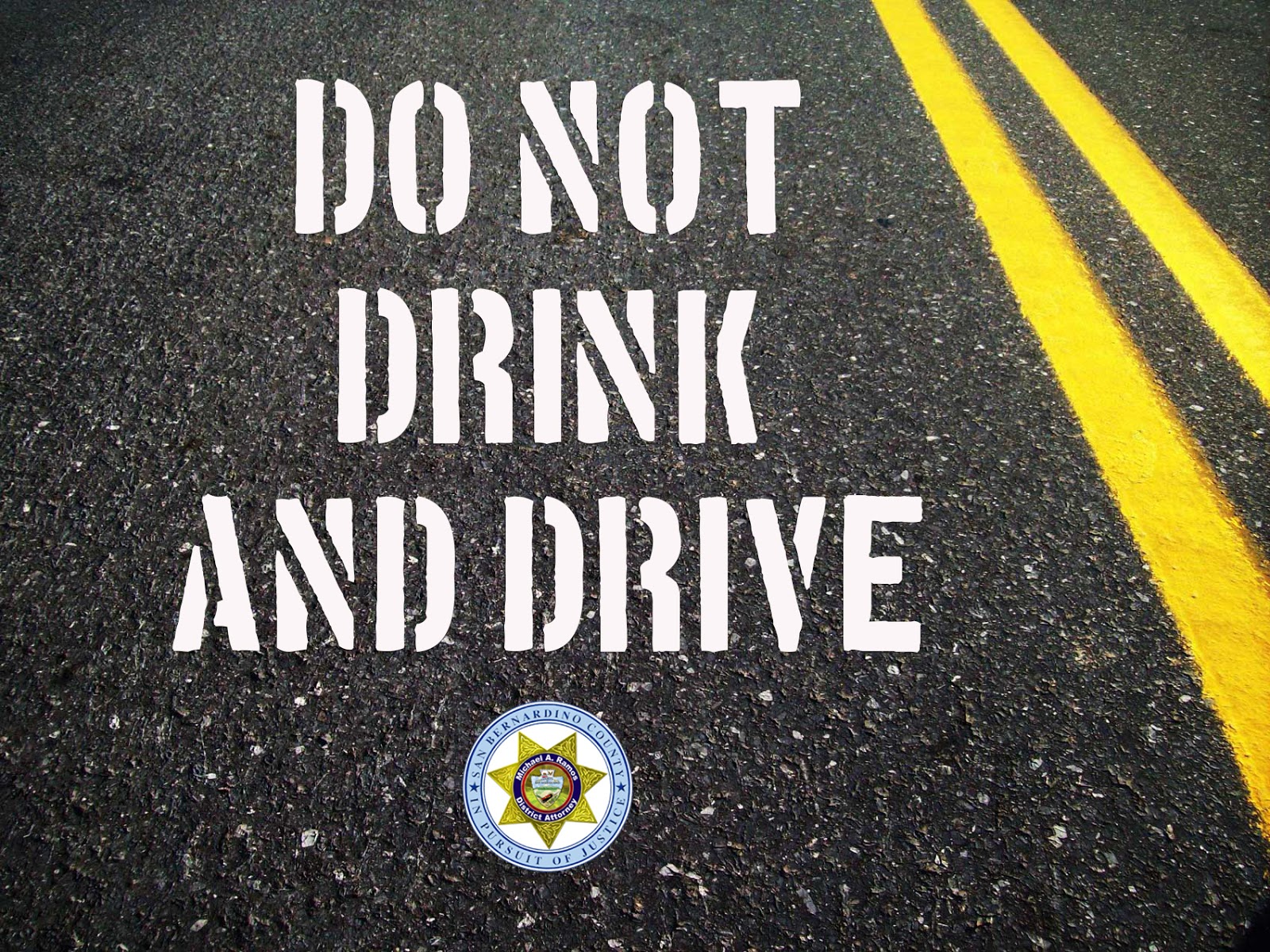
The Road Safety Campaign “Zero alcohol level at the wheel” included in the 2021 National Plan will take place from December 7th to 13th and aims to alert drivers to the risks of driving under the influence of alcohol.

In Portugal it is prohibited to drive with:

– a blood alcohol level equal to or greater than 0.5 g/l – drivers with a valid driving license for more than 3 years

– a blood alcohol level equal to or greater than 0.2 g/l – new drivers (during the first 3 years of validity of the driving license), drivers of an emergency or urgent service vehicle, of public transport, of children’s transport vehicles, of taxis, of buses or trucks or of transport of dangerous goods and young people (16 years of age).

We remind you that driving under the influence of alcohol is a risk to your safety and that of others:

– With a blood alcohol rate of 0.5 g/l, the risk of suffering a serious or fatal accident doubles;

– Accidents resulting from driving under the influence of alcohol are particularly serious

Reinforcement of Civil Protection Resources for Serra da Estrella

Seia, Guarda, 06 Dec 2021 (Lusa) – The National Civil Protection Authority announced today a reinforcement of around 30% of the workforce in the Serra da Estrela region for the festive seasons to come.

“In this festive season, we have increased our staff by about 30% to provide greater support” to tourists in Serra da Estrela, said the commander of the National Emergency and Civil Protection Authority (ANEPC).

André Fernandes specified to journalists, on the day the Serra da Estrela National Operations Plan was presented, which started today, the reinforcement that will go “until Easter” and which has “a greater capacity for mobilization”.

“There are around 80 vehicles that are prepared for prevention in the Serra [da Estrela], with 4×4 capacity, and around 40 are operating in this joint device integrated by different entities”, said the commander.

The device includes elements from the fire brigades in the Serra da Estrela region, from the municipal services of the Municipal Councils of Seia, Gouveia, Covilhã and Manteigas, as well as the special civil protection force and the special aid unit of the GNR.

Units that also integrate elements of the National Institute of Medical Emergency (INEM), the Institute for the Conservation of Nature and Forests (ICNF) and the Infrastructure of Portugal (IP).

“This is what we want, an integrated and coordinated device and, for that, we have not only a dedicated device during the week and then during periods, whether during festive seasons, holidays and weekends, or eventually when there is a larger influx of tourists to the mountains”, he added.

André Fernandes added that, for this purpose, it has “two permanent bases of the Special Civil Protection forces that guarantee this effort dedicated to the mountains”, in Valezim (Seia) and Unhais da Serra (Covilhã).

“There are 40 operational that, depending on the periods, whether they are daytime, night-time, or if there is a need for reinforcement, they are in a state of readiness and move forward if that is the need”, he stressed.

Portugal has the best gender diversity index in the technology sector in Europe, according to a study

According to the Atomico study, women and ethnic minorities experience greater difficulty in attracting investment, compared to white men. Portugal has the lowest proportion of all-male teams that received funding this year (75%)

Portugal has the best gender diversity index in the technology sector in Europe, “with the lowest proportion of all-male teams that received funding” in 2021, according to a study released by Atomico on Tuesday.

In a note that gives an account of the main conclusions of the study, the venture capital fund said that “European technologies are becoming world powers and Portugal is following the growth trend”, with two unicorns (companies valued at more than a thousand million dollars), out of a total of 321 in Europe.

“Portugal stands out as the European country with the best index of gender diversity in the technology sector, with the lowest proportion of all-male teams that received funding this year (75%)”, according to the same statement.

Still with regard to funding, “Portugal stands out with 54% of respondents considering funding as a special challenge for European technology in the next 12 months”, compared to 20% of Italians and 29% of Spaniards who “agree fundraising is still a challenge,” according to the statement.

“Europe is on the verge of reaching a new record of annual investment in the technology industry, with a value of 88 billion euros” in 2021, indicated Atomico, in the study “State of European Technology 2021”.

The report provides “an in-depth analysis of the technology industry landscape in 45 countries across Europe”, highlighting some key trends and providing a diagnosis.


Portugal Situation Report Wednesday December 1 2021

Introduction

The Situation of Calamity comes into effect today. As usual in advance of this were various government statements, the official announcement by the Prime Minister, the communique of the Council of Ministers and the various laws introduced over the last three days. With all of this, it can be quite confusing especially when trying to communicate this English. The difference between the word “or” and the word “and” can make all the difference.

Since Thursday we have published a total of nine Facebook posts and have updated our air and land travel pages on our website, have published the Communique and Resolution of the Council of Ministers 157/2021 and updated the All Risk Municipalities page. https://www.safecommunitiesportugal.com/major-incidents/all-risk-municipalities/

We have answered as many questions where we can and we have tried our best to simplify as much of the documentation as possible, so please take time to read these. Yesterday the Government announced the following measures concerning measures to be applied at land borders in the fight against Covid-19 and these are contained in this newsletter and on our website Land and Sea travel page.

Remember that all these changes came into effect last night and remain in place over the Christmas period. The Situation of Calamity allows government to introduce further measure or change current ones if it is considered necessary. An example of this being that the President of the Republic Marcelo Rebelo de Sousa promulgated on Monday the decree that empowers the Government to establish the use of masks in the street without the authorization of the Assembly of the Republic – should it consider the need to do so.

We are now seeing the response by Governments overseas to the Omicron variant, even though the WHO is asking governments worldwide to wait until more is known about this especially its likely severity.

However this has not stopped some governments from taking swift action, such as Portugal banning flights from Mozambique, Switzerland placing Portugal on the list of countries where variants are found to be of concern, and Hong Kong to ban visitors from Portugal, together with several other countries due to Omicron concerns.

This coupled with concerns by some countries with low vaccination rates has led them to take more drastic action such as in Greece, which has decided to make vaccination against Covid mandatory for all citizens over 60 years of age. The measure goes into effect on January 16 and citizens who refuse to be vaccinated incur a monthly fine of 100 euros for each month they do not receive the vaccine, advances Bloomberg. The fines will be imposed by the tax authorities on those who are not vaccinated and the proceeds collected will be donated to hospitals in Greece that are fighting the pandemic. Greek Prime Minister Kyriakos Mitsotakis said this “is not a punishment” but rather “a health tax”.

More on measures some other governments in Europe are taking can be read at my colleague Mike Evan’s excellent overseas report published yesterday here. https://www.safecommunitiesportugal.com/type/situation-reports-overseas/

In Portugal the government has stepped up the roll out of the Covid-19 booster and flu vaccines. More than 104,000 people were vaccinated against the flu and covid-19 in the last 24 hours, most of whom received the booster dose of immunization. About 505,000 elderly people aged 80 and over received this booster dose, close to 390,000 in the 70-79 age group and more than 142,000 in the 65-69 age group.

Regarding the flu, data from the DGS indicate that 1,913,731 people have been vaccinated, 42,148 of whom received the vaccine in the last 24 hours.

In the lead up to Christmas there will be a number of Christmas fairs and other events, some indoors and others outdoors. We have heard of some being cancelled due to Covid-19 concerns. When places are likely to be crowded and inevitably therefore close proximity to others, consider whether the risk is worth it. If deciding to attend try and keep to social distancing where possible and where a facemask. Carry hand sanitiser with you and use it after attending as you would do in a supermarket is a sensible precaution.

Simple measures but will help in reducing the risk.

With that please have a Safe Day


Covid-19 DGS Situation Tuesday 30th November 2021

Confirmed: 1.147.249 (+ 2907 / + 0.25 %)

Admitted: 833 (+ 24 / + 2.97 %)

Admitted to ICU: 116 (+ 5 / + 4.50 %)

Deaths: 18.441 (+ 11 / + 0.06 %)

Recovered: 1.075.237 (+ 3693 / + 0.34 %)

Active cases: 54,368 (-797 / -1.46%)

Hospital admissions are on the rise for the 24th consecutive day, the highest since August. You have to go back to August and September, respectively, to find such high values.

The number of cases rose compared to the day before and is slightly below the average of the last seven days (2990)). However, it is noted that infections are on an increasing trend because the number reported today remains well above the cases of the last 30 days (1886 on average).

The daily number of deaths have decreased over the last four days and also below the average of last week (13.6 deaths). However, they remain above the average of the last 30 days (9.5 deaths).

A welcome decrease in active cases after several days of continuing increases.

Headlines

Travel

Yesterday the Government announced the following measures concerning Measures to be applied at land borders in the fight against Covid-19

“As part of the measures to combat the Covid-19 disease pandemic applied to land borders, which will remain open, the Government determined the following restrictions to be in force from 00.00 hrs on December 1, 2021:

1 – All citizens from countries outside the European Union (EU) and from countries considered to have a red or dark red risk level, when they do not have the EU Covid Digital Certificate (CDCUE) in the test or recovery modalities, must present a of two alternatives:

  1. a) Laboratory proof of negative PCR test performed in the last 72 hours;
  2. b) Laboratory proof of rapid antigen test performed in the last 48 hours and with a negative result.

2 – Citizens from EU countries considered to be at low or moderate risk must have CDCUE, in the form of vaccination, testing or recovery.

3 – Cross-border workers – considered as such for carrying out their professional activity within 30 kilometres of the border – and workers in essential services (such as transport of goods and passengers, emergency and relief, security and emergency services) must present the Digital Certificate in any of the three modalities.

The Republican National Guard (GNR) and the Foreigners and Borders Service (SEF) will carry out random inspection operations at border crossing points. Anyone who does not present one of the aforementioned certificates or evidence is notified to carry out a screening test for the SARS-CoV-2 virus – at the citizen’s own expense – in places indicated by the health authorities, which must be within a radius of 30 kilometres from the inspection site and where citizens must wait for the respective result.

Anyone who does not present proof of testing to Covid-19 or refuses to take one of the aforementioned tests is sanctioned with a fine of 300 to 800 euros. 

EU Council analyses “emergency brake” applied by Portugal

The information was advanced by the spokesman of the European Commission for the area of ​​Justice, Christian Wigand.

Portugal’s decision to limit freedom of movement due to the covid-19 situation will be analysed by the competent bodies of the Council of the European Union (EU), namely the IPCR, which share information, the European Commission said yesterday.

The “emergency brake” is provided for in the EU Council’s recommendation on freedom of movement in the face of the pandemic, and Portugal’s notification of the obligation for all passengers to present a negative test to covid-19 should be debated “in the appropriate instances ” and which include, by way of information sharing, the EU’s integrated mechanism for a political-level reaction in crisis situations (IPCR) of the Council.

The information was advanced by the spokesman of the European Commission for the area of ​​Justice, Christian Wigand, in the daily press conference of the community executive.

As of Wednesday, December 1st, all passengers entering Portugal by land, air and sea – regardless of their origin and whether they are holders of an EU Covid-19 Digital Certificate – must present a negative test to covid-19.

The European Commission is continuing its analysis of the notification received from Portugal, and has not yet taken any position.

Travel

Covid-19: authorities explain test requirement to enter mainland territory

Control at airports should not be seen “as a threat” but as “an opportunity” to break transmission chains.

ANA Aeroportos, Regional Health Administration of Lisbon and Vale do Tejo (ARSLVT), PSP and SEF explained, this Tuesday, the rules for the entry of passengers into mainland territory, highlighting the obligation to present a test in addition to the digital certificate.

“The airport is a sensitive entry point for people in Portugal and, instead of being seen as a threat, it should be seen as an opportunity to control the transmission chains of the virus in Portugal”, said Bruno Castro, a doctor specializing in Public Health ARSLVT, at a press conference held at Humberto Delgado airport, in Lisbon.

Bruno Castro continued to explain the new rules due to the worsening epidemiological situation of covid-19, mainly because of the new Ómicron variant, originally detected in South Africa and which already has 13 cases in Portugal, stressing that “all other procedures already in articulation will be reinforced, for this ultimate goal of not importing new transmission chains” of the SARS-CoV-2 virus.

“From 00:00, all citizens will have to present a test at the time of boarding. If this test is not presented, the passenger may not board and airlines will be subject to fines. There is also a recommendation to complete the Passenger Locator Form (passenger location form) for faster and more efficient action by health authorities,” he declared.

In addition to airlines, which can incur a fine of between 20,000 and 40,000 euros per passenger, travellers are also subject to administrative offenses for not presenting a test upon arrival, which can range from 300 to 800 euros.

Health

Portugal is the 7th European country with the fewest new daily cases per million inhabitants

Portugal is the seventh country in the European Union (EU) with the fewest new daily cases of infection by SARS-CoV-2 per million inhabitants in the last seven days, according to the statistical website Our World in Data

With 286 new daily cases per million inhabitants in the last week, Portugal is far from the EU average (576 new daily cases per million inhabitants) and countries with the newest daily cases: Slovakia, with 2040 cases, Czech Republic, with 1830, Belgium (1480), Austria (1370), Netherlands (1310), Croatia (1150), Slovenia (1150) and Hungary (1040).

These numbers of new daily cases per million inhabitants are also the highest in the world among countries with more than one million inhabitants.

In terms of daily deaths per million inhabitants, Portugal is the eighth country in the EU with the fewest deaths attributed to covid-19, with an average of 1.35 in the last seven days.

In this indicator, the European average is 4.03, and the worst numbers, both at European and world level, are located to the east: Bulgaria (17.57), Hungary (16.1), Croatia (15.96) , Latvia (15), Czech Republic (11.32) and Slovakia (10.8).

The world average of new daily cases per million population stands at 71, while globally there were 0.88 new daily deaths per million population attributed to covid-19.

Omicron enforces test reinforcement for all infected contacts

Portugal already has 13 cases of infection with the new variant. To prevent its spread, testing to contacts begins on the first day of diagnosis of the infected case. DGS confirmed to DN that the measure is temporary and that it could end as soon as it learns more about this new variant.

The new variant, Omicron, has already led to changes in testing methodology in Portugal. Until now, the rule was to test an infected persons high-risk contacts on the 5th and 10th day, but the new variant has already caused this to be changed. Testing the contacts of an infected person will be carried out on the first day of diagnosis. It was like that in the players and staff of Belenenses SAD, where yesterday the first positive cases to Omicron were diagnosed in Portugal (13 in total). And so will all contacts infected with this new variant.

As confirmed to the DN source of the communication office of the Directorate-General for Health, “the measure is temporary and applied when cases of a new variant are identified”, and it may “cease as soon as the characteristics of Omicron are better known”.

It should be recalled that the director-general of Health, Graça Freitas, in statements yesterday to TSF radio, warned that this new variant requires more rigorous testing”, thus forcing more tests to be carried out with the aim of breaking it. transmission chains as quickly as possible, as, at this time, all available data indicate that this variant has a higher degree of transmissibility than Delta, although less severe.

Legislation

Use of Facemasks in streets

The President of the Republic Marcelo Rebelo de Sousa promulgated on Monday the decree that empowers the Government to establish the use of masks in the street without the authorization of the Assembly of the Republic

On Monday, the President of the Republic Marcelo Rebelo de Sousa enacted the decree enabling the Government to establish the use of masks in the street without the authorization of the Assembly of the Republic.

In a note released on Monday night on the Presidency’s official website, the promulgation of the “decree that establishes the conditions for determining, exceptionally, the mandatory use of masks for access, circulation or permanence in spaces and public roads”.

On Friday, parliament approved the PS project that enables the Government to decree the use of masks in the street without the authorization of the Assembly of the Republic, a diploma that will expire on March 1, 2022.

The PS law provides for a “transitional regime of mandatory use of masks in public spaces”, the need for which will be decided by the Government.

“If the measure appears necessary, adequate and proportional to the prevention, containment or mitigation of epidemiological infection by covid-19, the Government may, through the Resolution of the Council of Ministers declaring a situation of alert, contingency or calamity, determine the obligation the use of masks by people aged over 10 years for access, circulation or permanence in public spaces and streets whenever the physical distance recommended by the health authorities proves impractical”, states the diploma.

As for the conditions that determine this need, the bill only mentions that it will be “measured based on data on the evolution of the pandemic, namely based on the increase in the number of infections and the rate of disease transmissibility”, without quantifying it.

An article that defines the termination of this initiative on March 1, 2022 was added to the project at the end of the debate.


Other news

Ryanair will have 17 more routes from Portugal next summer.

The airline announced on Monday the schedule for next summer and, among the news is that the carrier will start having connections from Lisbon to: Bari, Madeira, Oujda, Venice and Poitiers.

From Faro it will add a route to Luxembourg and from Porto it will have three more connections: Billund, Madeira and Verona.

And from Madeira to have routes to: Brussels, Dublin, Lisbon, London, Manchester, Marseille, Milan, Nuremberg, Paris and Porto.

“With fares starting at just 29.99 euros, Portuguese citizens and other visitors will be able to travel to destinations such as Billund, Dublin and Venice, and enjoy a well-deserved break in 2022. Ryanair leads Portugal’s post-Covid recovery, as it accelerates the growth of traffic and employment in the next 5 years. Having added 560 new routes and inaugurated 15 new bases this year, Ryanair has been growing in the country and, in the summer of 2022, will have 65 new aircraft B737-8200 ‘Gamechanger'”, says Ryanair in a statement.

Ryanair considers that TAP should release more than two hundred slots – slots that allow planes to take off and land – at Lisbon airport, thus allowing for greater competition.

“We think that TAP should release at least 250 slots per week” at Lisbon airport, said Michael O”Leary, CEO of Ryanair, at a press conference in Lisbon. The official accused the Portuguese carrier of blocking these slots, proceeding only the cancellation of flights two to three weeks in advance, preventing other companies from using them. And he gave some numbers.

According to the presentation by Michael O”Leary, between November 15 and November 21, 2019, TAP carried out 1255 flights, and in the same period this year the Portuguese company had 1017 slots, thus having a cut of 31% of the flights. Looking at the period November 22 and November 28, TAP in 2019 carried out 1248 flights. In the same period this year, TAP had 1019 slots, which represents a 30% cut. TAP to free unused slots in Lisbon”, he reiterated.

Minister of National Defence highlights the need for cooperation between the EU and NATO

The Minister of National Defence, João Gomes Cravinho, referred to the need for cooperation between the European Union and NATO, to develop “collective response mechanisms” against phenomena such as “disinformation, the instrumentalisation of migrants or cyberattacks”, which threaten democracy.

João Gomes Cravinho spoke at the opening of the 3rd edition of the Defence seminar, at the National Defence Institute (IDN), in Lisbon, where he also stated that this close cooperation is essential «to develop adequate collective response mechanisms against new methodologies of our adversaries”.

Concerning the “end of the period of unipolar US predominance in the post-Cold War and a harbinger of multi-polarity”, João Gomes Cravinho said that the “partnership between the European Union and NATO is a necessary and vital part of the transatlantic response to this new context’, without the EU losing its strategic autonomy.

The Minister also warned of the existence of “unconventional armed conflicts”, adding that “if the great conventional wars have practically disappeared in recent decades, this fact is far from being synonymous with peace”; on the contrary, “we see an increasing tendency for the proliferation of unconventional threats by non-state armed groups, which are often transnational and well equipped.”

João Gomes Cravinho said that “the use, by some States, of unconventional instruments to fuel indirect conflicts, in the context of so-called hybrid threats”, is equally worrying, and therefore the Armed Forces must “prepare for a more complex battlefield and more unpredictable’.

The Minister also recalled the recent reform in the superior structure of the Armed Forces, approved in 2020, which aimed “precisely to strengthen joint command structures and their capacity for integrated operational response”, namely in the face of hybrid threats, but also “civil emergencies from climate change or pandemics’.


Portugal Situation Report Wednesday 24th November 2021


Introduction

Good morning – We are now seeing an emerging increase in the number of hospitalisations due to Covid-19 as well as those in ICU, compared to the last few weeks where the figures were marginal increases in hospitalisations and a stabilisation in the numbers in ICU. Regretfully deaths, which had been fairly stable below 10 a day, are also showing signs of increasing.

However, we are nowhere near the situation in many other European countries and there are no indications of liniment lockdowns (as some have suggested), but we can expect the government to adopt measures to try and contain the situation at the Council of Ministers meeting tomorrow. The Prime Minister, António Costa, yesterday refused to anticipate new measures to contain the covid-19 pandemic, sending a possible announcement to Thursday, when the Council of Ministers meets as well as consulting the parties.

There is of course much speculation on what these measures maybe, but it is expected that it will take into account the proposals made at the recent Infarmed meeting, which we covered on this Facebook page, the fact the at the current Situation of Alert is due to finish on 30th November, as well leading the way for measures that may need to be put in place over Christmas and New Year. The latter is more difficult as much can change in the intervening period.

We wait and see and as usual we will closely monitor and report on developments.

One thing is for certain however, and that is the importance of the Covid-19 booster vaccination coupled together with the flu vaccination. Government is rolling these out as quickly as supplies permit, and I would urge people who are now eligible to have these vaccinations as soon as possible. If you are over 65 years and have made a self-scheduling appointment but did not receive an SMS but the scheduled date go to the vaccination centre at the times open for “casa aberta” (Open house) and they should vaccinate you. I did this on Monday and had both vaccinations.

We are now well into the lead up period to Black Friday and Cyber Monday, where there are not only many bargains available, but unfortunately many scams. Whereas Black Friday was mainly a physical affair where people jostled other in large queues to grab bargains, the two have now become somewhat blurred, with most of the shopping being conducted on-line

Black-Friday-and-Cyber-Monday-shopping-scams This development has increased opportunities for scammers, through the use of false websites often closely replicating well know companies and brands. It is very important at this time of year in particular to research carefully before deciding what to buy and in particular, whom to buy it from. Check websites closely – does it look genuine? – avoid clicking on links from companies or persons you have never heard of; pay by secure means and do not pay for items using public Wi-Fi, are some of the tips to ensure you are not a victim of crime.

The bottom line if a bargain seems too good to be true then it usually is!

We are seeing, or should I say feeling some changes in weather conditions. On Monday night temperatures in some central and norther parts of the mainland dropped to below OC, and even in the Algarve minimum temperatures were around 7C to 8C. A reminder therefore to take extra care on the roads especially if you are not used to driving in icy conditions, and also take steps to remain warm.

The winter is generally flu time and wet and cold conditions do not help.

Have a cold but pleasant day


Headlines

Unvaccinated people are fuelling pandemic and increasing “vaccination hesitation”, says European commissioner

Commissioner Stella Kyriakides said that “the entire European Union” is faced with “a worryingly growing number of cases” and stressed that “I would like to start by sending a very clear message about the role of vaccines, because the evidence is clear”.

The covid-19 pandemic is currently being driven mainly by the unvaccinated and the growing number of cases is, in turn, increasing the “vaccination hesitation”, warned this Monday the European Commissioner for Health in the European Parliament.

Speaking at a debate in the Strasbourg hemicycle on covid-19, Commissioner Stella Kyriakides began by assuming that “the entire European Union” is faced with “a worryingly growing number of cases” and underlined that “I would like to start by sending a very message, about the role of vaccines, because the evidence is clear.”

“Vaccination works and remains the most effective tool we have to keep people safe. There is no doubt that our vaccines are effective against severe forms of the disease […] and even with the dominant Delta variant, with the highest transmissibility and severity, deaths are still prevented thanks to effective vaccines authorized for use in the EU.” he argued, stressing that this is supported “by all the scientific evidence”.

The European Commissioner for Health then noted that, currently, “the pandemic is mainly driven by the unvaccinated, and the growing numbers are unfortunately fuelling vaccine hesitation “, and argued that it is necessary to “take a firm stand”, fighting misinformation (or fake news) and raising awareness that “vaccination remains a fundamental weapon” in the “arsenal” against the pandemic.

The commissioner admitted that, “at the same time, until sufficiently high vaccination rates have been achieved and the situation is under control, relevant non-pharmaceutical interventions must remain in place where necessary”, and noted that “many States -members have already started to reintroduce certain restrictive measures, often relying on the EU’s covid-19 digital certificate to allow secure access to public areas”.


New measures to fight the pandemic: Costa continues to hear from the parties this Wednesday and speaks to the country on Thursday

The prime minister continues to receive today, the parties with parliamentary representation on the epidemiological situation in Portugal, at a time when the country registers an increase in the incidence and transmission rates (Rt) of covid-19, before for the Government to approve measures against covid-19, which could happen at the Council of Ministers on Thursday.

On Tuesday, the prime minister met with the Liberal Initiative, Chega, PEV, PAN, CDS-PP, PCP and BE.

At the end of Friday’s Infarmed meeting, the President of the Republic, Marcelo Rebelo de Sousa, stated that there is still a “total combination of political power bodies” in the response to covid-19, but declined to talk about measures , forwarding this decision to the Government, after consulting the parties.

As for the measures to be adopted, the head of state said that “the experts presented what they considered essential for this phase” and that “the decision on this matter will naturally belong to the Government”, which “will listen to the political parties and will decide”.

On Tuesday, Marcelo Rebelo de Sousa rejected the idea of ​​a new confinement to respond to the increase in covid-19 cases, saying that the “situation does not point to that” and “there is no comparison” with that of “a year ago”.


Covid-19

Confirmed Cases: 1,126,318 (+2560)

Number of admitted: 649 (+21)

Number of ICU admitted: 93 (+0)

Deaths: 18,353 (+14)

Recovered: 1,062,195 (+2535)

Active cases: 45,770 (+11)

Today you have side by side the figures of 2021 and 2020 on the same exact day.

TRENDS

The number of new cases on Tuesday is the highest since Aug. 25.

The deaths were in people over 80 years old (+4), between 70 and 79 years old (+7), between 60 and 69 years old (+2) between 50 and 59 years old (+1)

Health

Lisbon: Carlos Moedas promises to inaugurate the “largest vaccination centre in the country” on the day of the Restoration of Independence

On December 1st, a new space for vaccination against covid-19 and against the flu will be opened at the Lisbon International Fair (FIL), in Parque das Nações, announced this Monday the president of the CML. The perspective is to inoculate at least “six thousand people a day”

On December 1, the FIL will open – predictably in pavilion 4 – what Carlos Moedas says is “the largest vaccination centre in the country”, in response to the increase in the number of infections in the metropolitan area of ​​the capital, said this Monday the Mayor of Lisbon to CNN Portugal, at the entrance to the launch party of the new cable channel.

“We will have the capacity to double the number of vaccines that we give each day”, Coins told CNN, which will mean vaccinate 6 thousand users daily at a time when booster vaccinations are administered, namely, the so-called 3rd dose for older and for risk groups, or the 2nd dose for those who received the Janssen vaccine for more than three months.

“If we add the flu vaccine we can reach 9,000 people a day,” added Moedas. “We are working day and night” so that the centre can open on the scheduled date, said the mayor.


Social sector professionals and firefighters are starting to be vaccinated today

Social sector professionals and firefighters involved in the transport of patients will begin this Monday to be vaccinated with the third dose of the vaccine against covid-19.

After health professionals began to be inoculated last week, about 28,000 firefighters who perform the operational function of pre-hospital transport will receive a booster dose of the vaccine. According to the Ministry of Internal Administration, the selection and order of vaccination is the responsibility of the respective commander of each fire brigade, having as reference the operational criteria defined by the National Emergency and Civil Protection Authority.

In addition to firefighters and health and social sector professionals, people over 65 are currently being vaccinated in Portugal with the third dose of the vaccine


.

Portugal Situation Report Wednesday 17th November 2021

Introduction

Good morning – At the weekend, in these first weeks of November, when many people are already shopping for Christmas, it is easy to forget that there is a highly contagious virus that continues to infect hundreds of people every day in Portugal and thousands in several European countries.

As my colleague Mike Evans states in his overseas report yesterday, the past week has seen a rise in infections across many parts of the world. Leading this rise is Europe where we are seeing large increases in new infections across many countries with some bringing back lock down restrictions in the hope of keeping the rates low enough to allow citizens to enjoy the Christmas celebrations.

As far as Portugal is concerned although the number of infections has increased the number of hospitalisations, those in ICU and deaths has so far not seen the dramatic rises as many other countries. Much of this is due to the high levels of vaccinations administered. It is important that all those eligible for their booster and flu jabs do so as soon as possible. The self- scheduling for those 70 and over can be made through the link here.


A meeting at Infarmed will be held this Friday to examine the current situation concerning Covid-19 in Portugal, as well as trends overseas. This is the first meeting since September. This an important and timely meeting to present information and analysis which will enable the Government to determine whether there is a need for measures to be introduced in the lead up to and over the festive season.

Yesterday the Prime Minister António Costa stated “will not hesitate, as we have not hesitated in the past, to take the necessary measures to protect the health and lives of the Portuguese”, when answering a question from a journalist, who questioned the prime minister about the possibility of applying new restrictions, given the increase in covid-19 cases in the country. Tuesday that “it is not foreseeable that measures will be taken again on the scale that we had in the past”, thanks to the vaccination against covid-19, but that “we cannot ignore the signs”: “The later we act, the greater the risks”, he concluded. We wait and see.

An item that drew my attention yesterday was concerning the forecasting of earthquakes. Unlike the sky, the Earth’s interior is not transparent. And that’s why a seismologist like Fernando Carrilho faces very different challenges from colleagues from other departments at the Portuguese Institute of the Sea and the Atmosphere (IPMA), who can relate the previous day’s forecasts to the clouds they see on the horizon. “There are earthquakes originating from depths of 10, 20, and 100 kms or more… and the existing technologies do not allow us to know what is happening in these places”, according to the head of the Geophysics Division at IPMA.

Clearly any pre-warning of earthquakes occurring, could allow time for public announcements to be made and potentially therefore save lives. This very interesting article and what could be done using new technology can be downloaded in English here.

We once again remind people to take care when going for a swim or venturing into the sea at this time of the year, when there are no lifeguards at beaches. A case on Monday when two women aged 83 and 56 (mother and daughter) were swept into the sea by a large wave, whilst paddling in the sea near Praia de Mira. Thankfully an off duty fire fighter, who visited the area to take photographs of sunsets saw their plight and dived into the sea and rescued them.

We remind people living in rural areas, that apart from general land cleaning around your house to protect against rural fires, now is a good time to consider other measures to limit the risk to your property. A survey undertaken of properties destroyed during the Pedrógão Grande fire in 2017 found that the most common way fires entered properties was through the roof, in about 60% of all instances.  For those living in older properties, therefore, which may have traditional tiled roofs that have been in place for many years, it makes sense to start in this area. Often vegetation, including leaves accumulate in these roofs and can catch fire either through burned leaves or embers carried by the wind that settle on roof tops. Some of burned leaves and small branches can travel considerable distances in worst case situations when the wind is high.

At the same time examine guttering. Now is a good time as blocked gutters restrict water flow in what is traditionally the wettest time of the year.

With that please have a Safe Day.


Covid-19 Situation 16th November

Confirmed Cases: 1.110.155 (+ 1693 / + 0.15 %)
Number of admitted: 486 (+ 16 / + 3.40 %)
Number of ICU admitted: 80 (+ 4 / + 5.26 %)
Deaths: 18,274 (+ 9 / + 0.05 %)
Recovered: 1.053.609 (+ 1770 / + 0.17 %)
Active cases: 38,272 (-86 / -0.22%)

Trends

A small but welcome decrease in active cases after several days of increases. A growing trend is also visible in daily new cases if we recall that eight days ago, on 9 November, 1182 cases had been registered, 511 fewer than today. The number of deaths, nine, is similar to that of recent days, with the exception of Sunday, when 15 people died of the disease. The nine deaths were registered in the Centre (three), in Lisbon and Vale do Tejo (three), in the Algarve (one) and in Madeira (two). According to the DGS, the fatal victims are aged between 50 and 59 years (two), from 70 to 79 years (one) and the elderly aged 80 or over (six).


Health

Vaccines

Vaccines that block transmission of the new coronavirus ready by 2022

Second-generation vaccines that already allow blocking the transmission of SARS-CoV-2 should arrive within the next year.
According to Manuel Santos Rosa, immunologist and full professor at the Faculty of Medicine of Coimbra, only blocking vaccines can save time and win the battle against covid-19.
In an interview with Diário de Notícias , Manuel Santos Rosa says that these new vaccines are already at an advanced stage of development in the United States but also in Europe, namely in Germany and the United Kingdom. New vaccines based on micro-spikes that work as a kind of adhesive seal and which will already have the ability to block the transmission of the disease will also be effective in enhancing cellular immunity.

Covid-19: Public health doctors warn you can’t let your guard down

Lisbon, 16 Nov 2021 (Lusa) – The president of the Association of Public Health Doctors today considered that it was “virtually impossible” to repeat the pandemic situation experienced at the beginning of the year due to the high vaccination coverage, but warned that “it is not to let your guard down.”
Speaking to Lusa news agency about the epidemiological situation in Portugal, Ricardo Mexia stated that the increase in the number of covid-19 cases “was predictable” as a result of the winter and the resumption of a set of activities. “Fortunately this increase is mainly at the expense of the incidence, the number of new cases. Regarding mortality and severity (demand for health care and hospitalization), despite everything, they are not growing as fast as the incidence, which is also to be expected as a result of the high vaccination coverage of the population”, he said.

According to the public health doctor and epidemiologist, vaccination coverage and the “better knowledge” of the disease allow for “some confidence” in relation to what is happening.
“But it is not to let our guard down and reach a situation as we had in January and February this year, which seems virtually impossible to repeat, given the vaccination coverage we have, but which on a smaller scale may still have an important impact both on the demand for health care and on mortality”, he warned.

To stop the increase in cases, he defended several measures such as accelerating the pace of vaccination of the “most vulnerable”. On the other hand, people have to realize that the pandemic is not over: “Although we have resumed almost all of our normal activities, in fact, the situation is not resolved”. It is necessary to continue to maintain some precautions, such as avoiding large agglomerations of people, particularly in closed spaces, using the mask “as long as possible” and continuing to sanitize hands, measures that allow to “reduce the risk significantly”.

Covid-19: Portugal registers more deaths and fewer births in 2020

Last year, mortality increased more than 10% and births dropped 2.5% compared to 2019, according to data released by the National Institute of Statistics.
The birth of close to 86,500 babies last year reveals a 2.5% drop in births compared to 2019. The Algarve and the Lisbon Metropolitan Area were the regions where there were more births.
The natural balance, that is, the difference between birth and mortality, was aggravated by the pandemic.
Last year, more than 11,565 people died, most of them over 85 years of age. In the unusual year, marked by confinement and many restrictions, the number of marriages dropped by more than 40%. Divorces also declined last year, with less than 17,300.
Average life expectancy was estimated at 84 years for women and 78 years for men.


Incidence of pancreatic cancer is increasing and being detected in more young people

A cancer that “was rare”, is becoming “more frequent” and has registered a “30% increase” in the last decade.
The incidence of pancreatic cancer has increased and is being detected in a population younger than usual, Ricardo Rio Tinto, president of the Clube Português do Pancreas (CPP), told Lusa. Pancreatic cancer, a disease that mainly affects people aged 70 or over, has increased significantly in patients between 40 and 50 years of age and also in those in their 30s.
“Not only has the global incidence increased significantly, as there has been a shift in diagnosis to younger ages”, the president of the CPP, section of the Portuguese Society of Gastroenterology, told Lusa, on the occasion of World Pancreas Day, marked on 18 from November.
A cancer that “was rare”, is becoming “more frequent” and has registered a “30% increase” in the last decade, a period during which it went from 1,200 to 1,300 cases annually to “close to 1,800 cases, and it could be more”, according to Ricardo Rio Tinto.

Smoking and alcoholism continue to be risk factors, as does family history, but the doctor who chairs the CPP underlined that there is evidence that changes in the pattern of pancreatic cancer are related to “environmental factors”, such as exposure to “carcinogenic substances”, from fertilizers and pesticides to plastic components, although “the molecular aspects that lead to the appearance of the tumour” have not yet been determined.


Travel

TAP has not been offering meals on board in medium-haul economy class for over a year. Measure will have come to stay

Flying to Milan, London or Berlin on TAP no longer entitles you to a sandwich or a pastel de nata and a drink in economy class. For more than a year, the Portuguese air carrier stopped offering light meals, snacks or snacks and drinks free of charge in economy class on medium-haul trips.
The changes in TAP’s on-board service began to affect the management of the American private shareholder, David Neleeman, with on-board meal offers being more frugal and replaced by paid service, as usual in companies low cost, low cost calls.

With the pandemic, TAP put an end to complimentary snacks and drinks and now the only thing it offers on medium-course economy class is a glass of water. The rest is paid. The carrier clarifies that it is following a general trend in the industry, even practiced by the former flag companies. “TAP has adopted this practice [on board sales service (On-board Retail)] for over a year, which has become widespread in the industry, which brings not only a wider range of choices, but also a reduction in food waste,” he explained to Express the company’s official source.

The menus available on board, explains TAP, “were designed around the passengers’ most frequent preferences and requests”. There are sandwiches, mixed toast and hamburgers. TAP also clarifies that the in-flight sales service is available on European flights from Lisbon, except for Porto, Faro, Madrid, Malaga and Seville, and on connections to North Africa and Cape Verde. On these seven flights, TAP does not have any type of service on board for economy classes.